6th IPAF–IFAD Cycle (2022–2026)
ORGANIZATION
Pyjahyry Xipaia Indigenous Association (AIPHX)
DIRECT BENEFICIARIES
200
INDIRECT BENEFICIARIES
2000

The project, aimed to strengthen territorial and environmental management in the Xipaya Indigenous Territory, trains indigenous youth and technicians on territorial monitoring, surveillance expeditions and igarapé management. It will also teach ethnomapping of areas with non-timber forest products and equipping forest guardians with technologies to prevent illegal resource exploitation. These actions protect biodiversity, reinvigorate ancestral knowledge and strengthen community organization to ensure their needs for cultural, environmental, and food security.

+ info
- info
Forest guardians
PHOTOGRAPHYYãkyrixi Xipai
TEXTAndrea Fajardo
Iriri and Curuá River Basin / Pará / Brazil

In the areas surrounding the Xipaya Indigenous Territory in the Brazilian Amazon, exploitative activities are advancing rapidly, with dredgers operating on the rivers and trees being cut down in the forest. “There is no mining as such within our territory at the moment, but there certainly is around it, and that ultimately affects us,” says Joilean Xipaia, forestry engineer, indigenous woman, and project coordinator at the Pyjahyry Indigenous Association (AIPHX) 

Located in the state of Pará, Brazil, the Xipaya territory covers nearly 179,000 hectares of forest in the basins of the Iriri and Curuá rivers, tributaries of the Xingu River. It is a vast territory but has a small population scattered across six villages, which makes its internal organization and surveillance complex. Marked by the expansion of infrastructure projects, gold mining, and pressure on natural resources, territorial management in this region has become a daily practice that integrates the protection of the territory with the lives of its population.

This land is part of a mosaic of protected areas known as Terra do Meio, in the Brazilian Amazon rainforest. It has a long history of resistance and, until mid-2017, consisted of two villages, Tukamã and Tukayá, while today it comprises six: Tukamã, Tukayá, Yupá, Pitijiptijiá, Kamaratayá, and Kaarimã. This process of territorial division is related to the socio-environmental impacts of large-scale projects in the region, such as the Belo Monte hydroelectric dam and the Belo Sun mining company.

Far from strengthening the community, the economic compensation linked to these projects contributes to internal tensions and divisions. This situation is compounded by the pressure exerted by illegal activities in neighboring territories, such as mining and illegal logging, which intensifies social vulnerability and encourages community members to leave and participate in these illicit practices.

Given this situation, the internal organizational processes in the Xipaya Indigenous Territory require careful territorial management, as guaranteeing territorial rights implies coordination among the leaders of each community. In this context of urgency to establish internal governance mechanisms that strengthen the territorial management of the Xipaya Indigenous Territory, the Xipái people are developing and organizing processes to update internal territorial documents, such as a Consultation Protocol and an Internal Regulations code, which already existed but require modifications that reflect current needs.

(3)

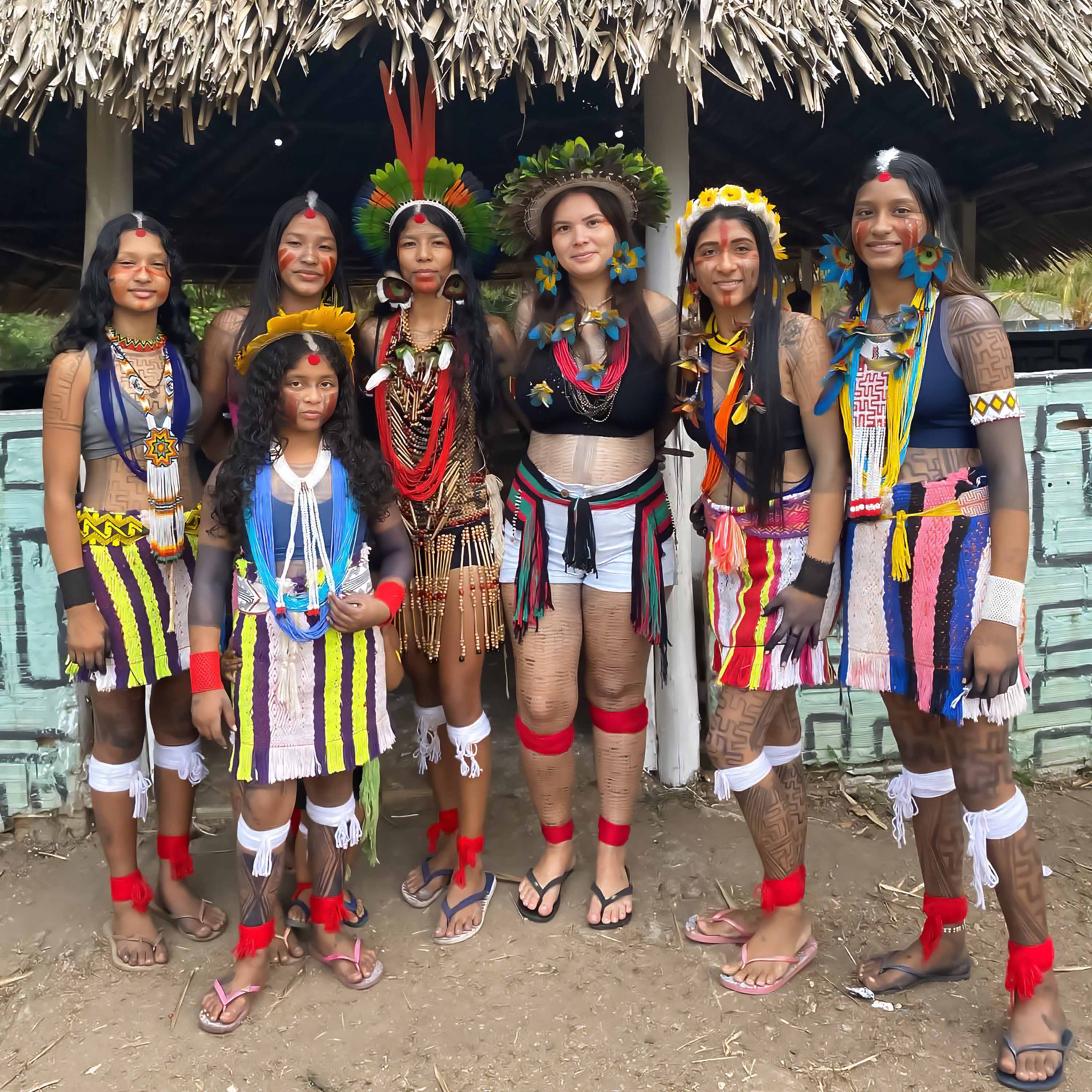
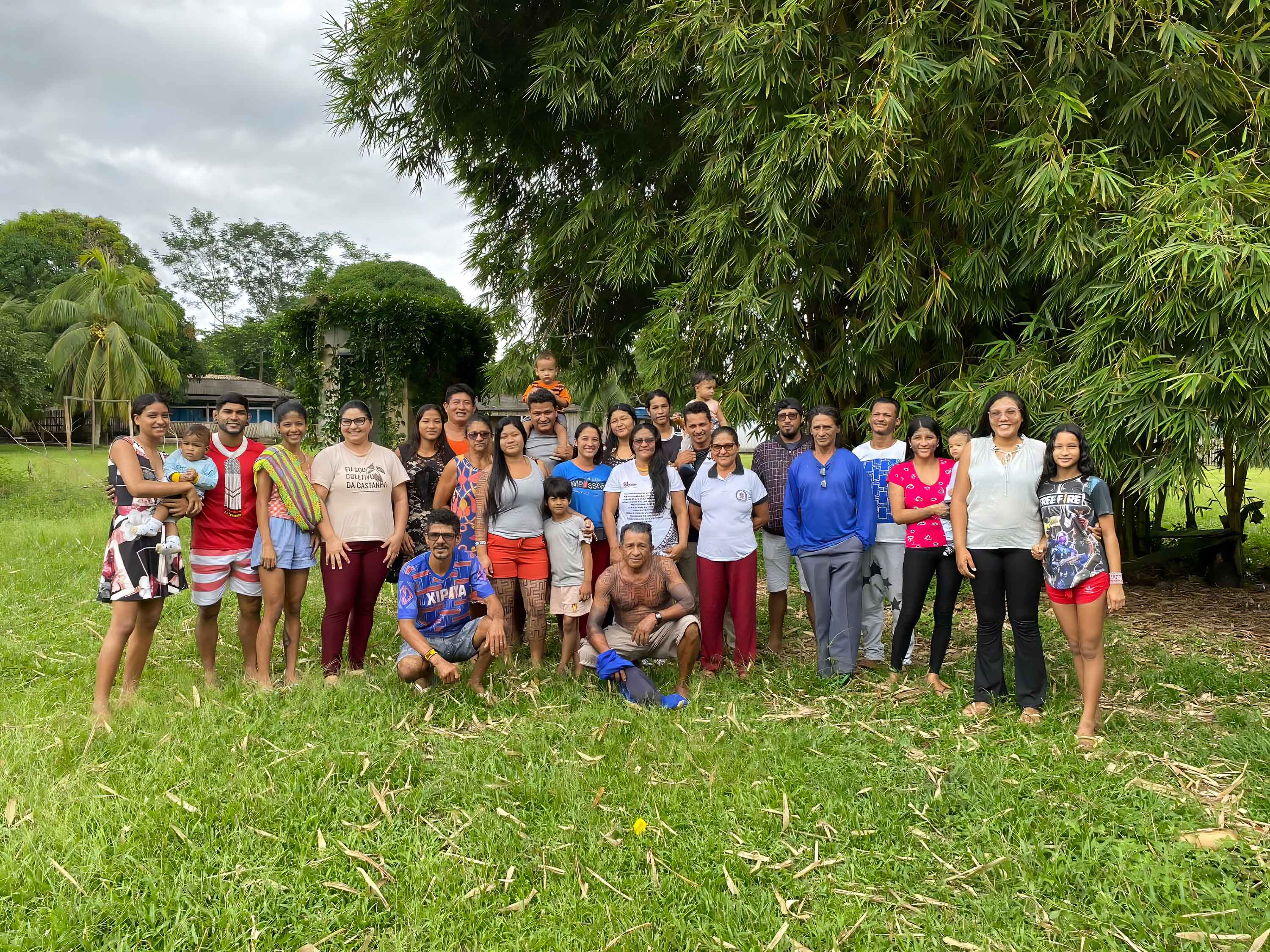
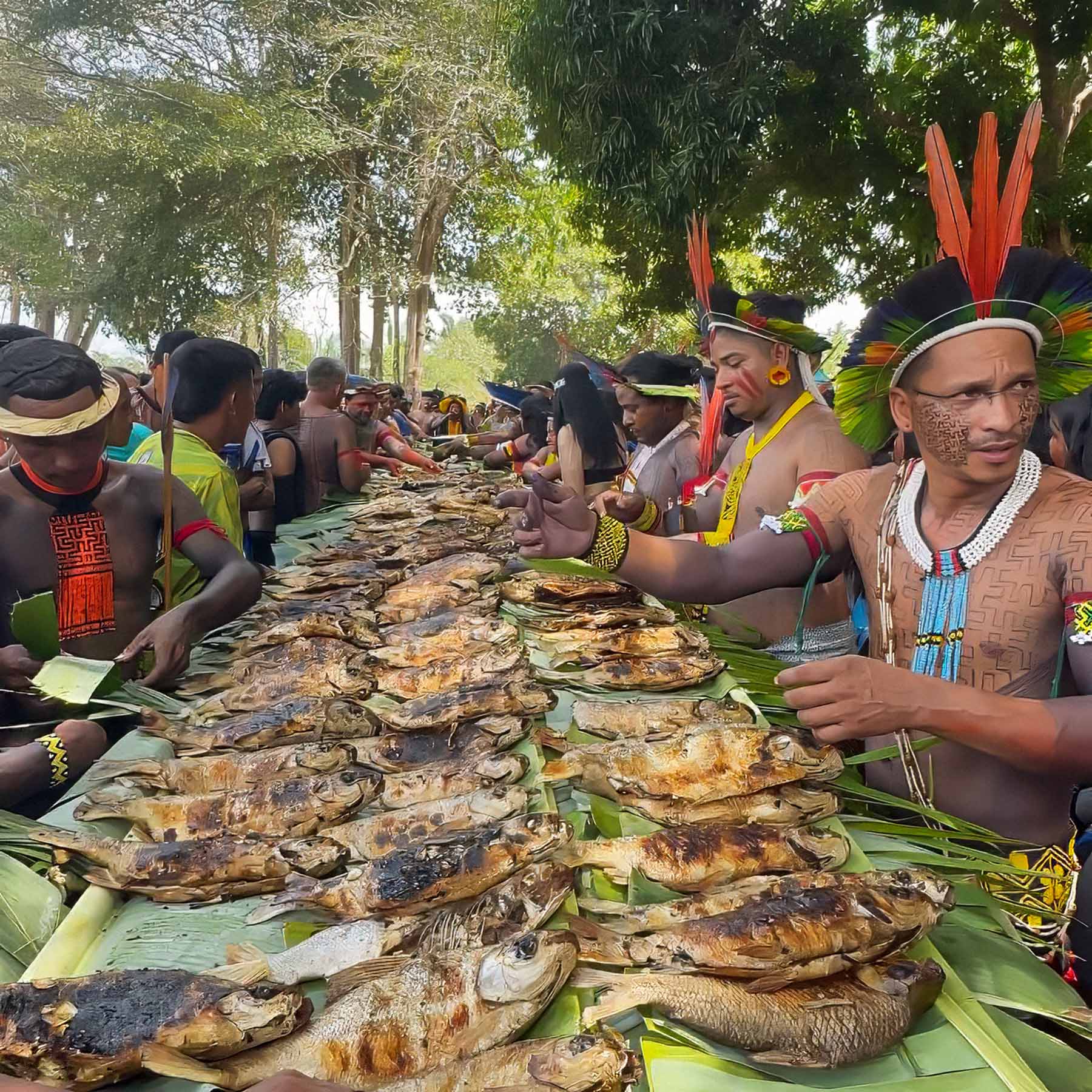
(2) Traditional festivals shape collective memory and bring villages together in territorial decision-making. (3) Wildlife management and knowledge of species that serve as indicators of forest health are part of training the new generation of guardians.

This exercise has allowed them to confirm that, although the interior of the territory remains protected, the pressure around it is constant and affects the Xipái Indigenous People. One of the most significant factors is the movement of people between the territory and nearby mining areas, such as the Kuruaya Indigenous Territory or the Ríozinho do Anfrísio area. These are places where such activities have been operating for years.

Such proximity makes it easier for residents of the Xipaya territory to temporarily integrate into these economies due to the possibility of earning income quicker. But it has also introduced social dynamics that disrupt community life. “People go to work there and bring back alcohol and drugs; sometimes they consume these within the territory. There have already been cases of violence and fights,” Joielan Xipaia says.

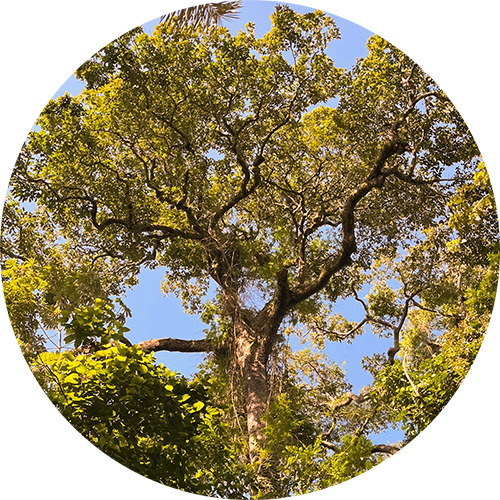
The Xipaya Indigenous Territory forms part of Terra do Meio, a key corridor for the conservation of Amazonian biodiversity.

The demand generated by the mining areas has also encouraged the harvesting of fish and wild animals for sale. Some people, Joielan notes, come and “hunt and fish in large quantities, and then sell them at the mine.” This shift in resource use has disrupted the environmental balance and altered the traditional relationship with the environment.

The Xipaya territory’s response has been to strengthen its internal organization. Since 2012, it has had regulations governing resource use and coexistence within the territory. This is complemented by a territorial management council, composed of leaders from the six villages, representatives of associations, territorial agents and elders. The Pyjahyry Association’s environmental management project, accompanied by the International Indigenous Women’s Forum (FIMI) and funding from the International Fund for Agricultural Development (IFAD), through its Indigenous Peoples Assistance Facility (IPAF), has reinforced these mechanisms through strategic planning, the updating of governance tools, and the training of local actors as forest guardians.

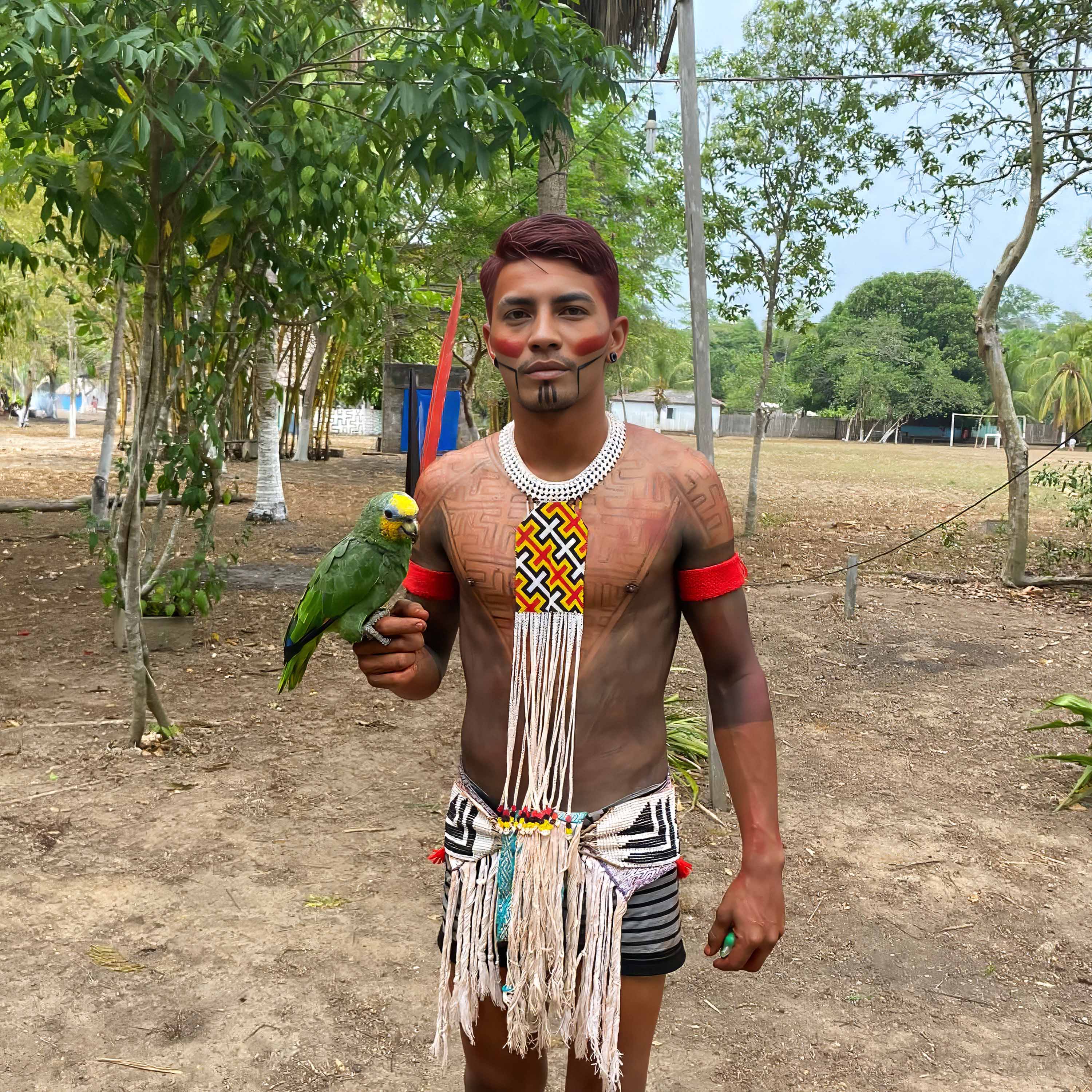
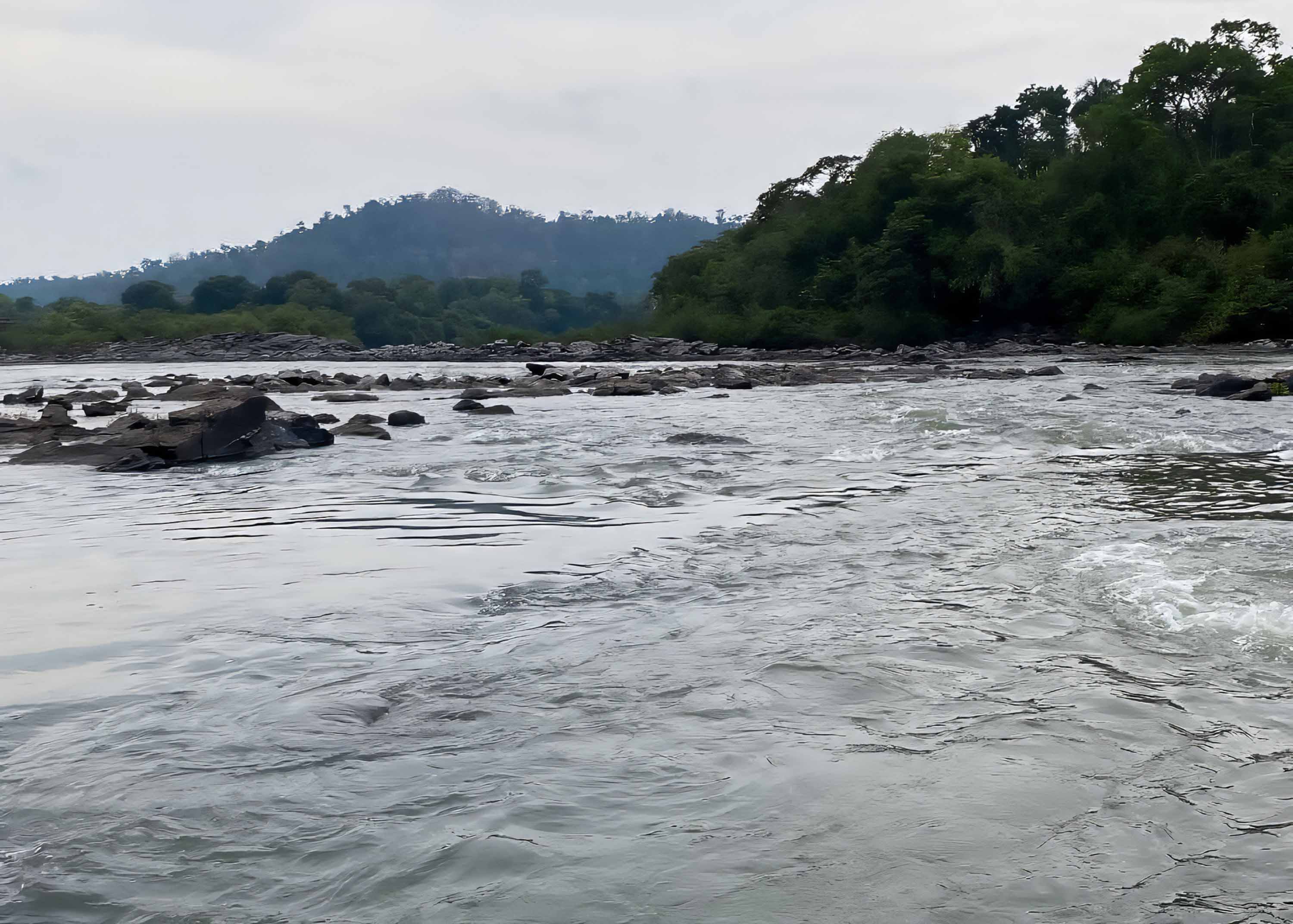
(4) Community monitoring teams patrol the Iriri River to detect sedimentation and mercury contamination—critical indicators of the advance of illegal mining in the upper watershed. (5 a-b) Environmental management of the territory begins with raising children in harmony with the river and the forest. (6) The village of Tukamã is now the hub of governance and training for guardians of the Xipaya Indigenous Territory. (7 a-b) Through technical training and workshops on consultation protocols and ethnomapping, criteria are unified for the collective defense of 179,000 hectares of rainforest. (8) New generations of Xipaya women are taking on an active role in the governance of the territory. (9) Agrobiodiversity is the foundation of food sovereignty and offers an economic alternative to processed foods from urban centers.

“We aim to train agents and promote exchanges with other communities, because this is how we learn and empower our people to better care for the territory,” explains Yãkyrixi Xipaia Paz, president of the Pyjahyry Xipaia Indigenous Association (AIPHX) and indigenous communicator. Between 2024 and 2025, the association conducted training workshops for young people and indigenous field technicians—territorial knowledge, use of GPS, and remote sensing. They also carried out expeditions for the management of igarapés—small Amazonian rivers—and the ethnomapping of areas where non-timber forest products are managed. This includes the copaiba tree, the andiroba plant, and the açaí fruit, used by women in artisanal activities.

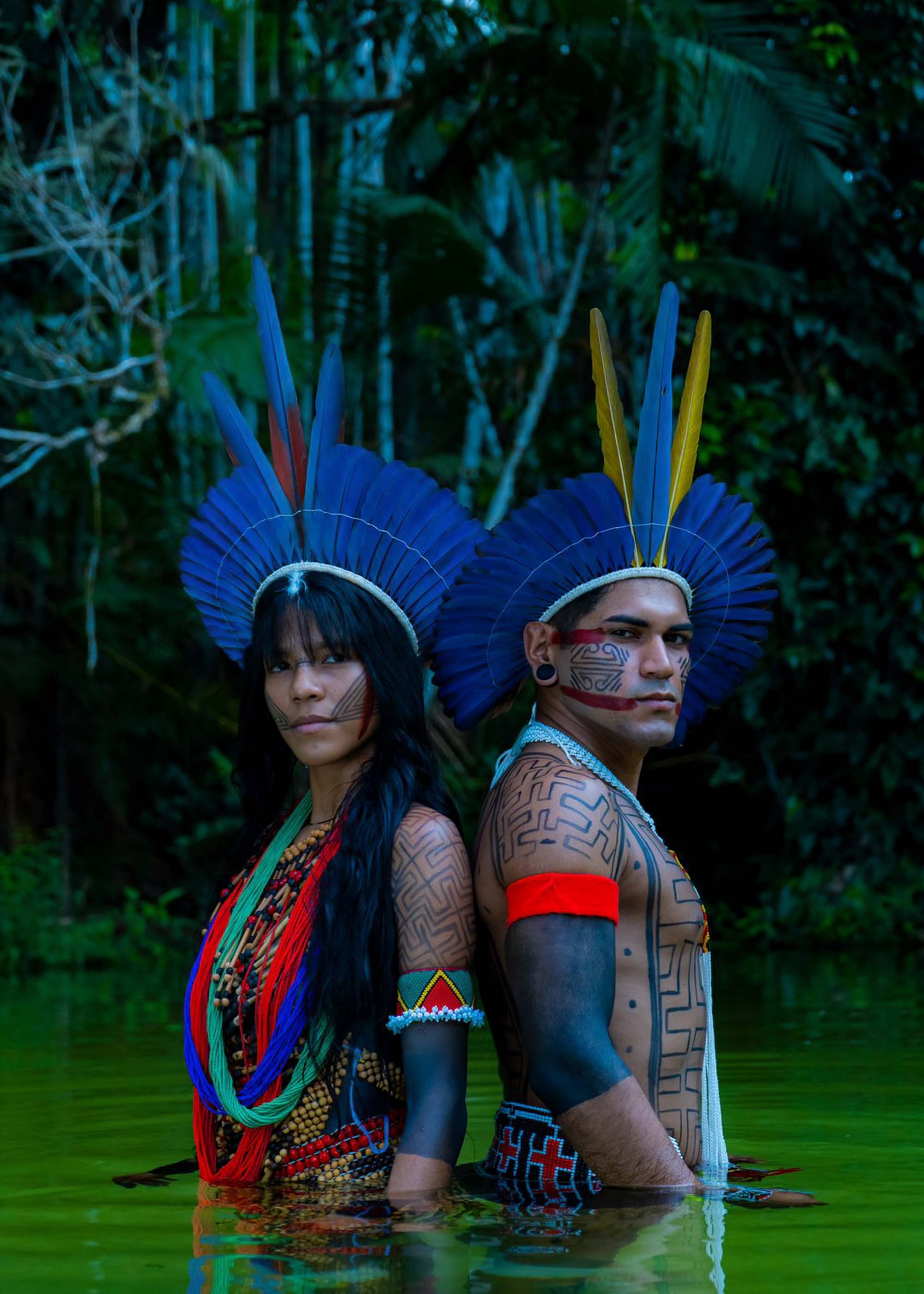
Indigenous forest guardians combine traditional knowledge and monitoring technologies to protect rivers, forests, and community-use areas.

These training opportunities have helped transmit technical and ancestral knowledge, but they have also faced challenges regarding community cohesion. One of the most visible tensions is intermarriage with non-indigenous population and the adoption of new customs. According to Yãkyrixi y Joielan, this has altered traditional practices such as washing clothes and fishing in the river, building canoes, or cultivating medicinal plants. At the same time, they have faced a cultural challenge that transcends generations: the loss of their mother tongue. “Language is the most important thing here. If you lose it, you lose your connection to the land,” Yãkyrixi explains. Its recovery has not been easy, as not all members of the community are willing to revive these traditions.

The transformation of eating habits is another indicator of change. The replacement of traditional products with foods from the city has altered the diet and the relationship with the land. “Many stopped planting to eat processed food from the city,” Joielan says. This change affects both food sovereignty and health, as well as the knowledge associated with local production.

In this context, encouraging youth participation is vital for the Pyjahyry Xipaia Indigenous Association (AIPHX). While some engage in training and communication initiatives, others show disinterest or do not see the value in getting involved in land management. The arrival of the internet has changed the ways people interact and communicate. Joielan emphasizes the need to work with children to strengthen their connection to the land from an early age.

“Language is the most important thing here. If you lose it, you lose your connection to the land.”

In practice, the Pyjahyry Association’s project focuses on the work of forest rangers, who combine their daily activities with patrol, monitoring, and surveillance tasks. Most of these agents are unpaid, but they traverse the territory on scheduled dates to check for potential threats in rivers and border areas. At the same time, they sustain their daily lives through fishing, farming, and caring for their families. The lack of financial incentives has limited the participation of some, but it has also demonstrated that protecting the territory is a community commitment.

(14)

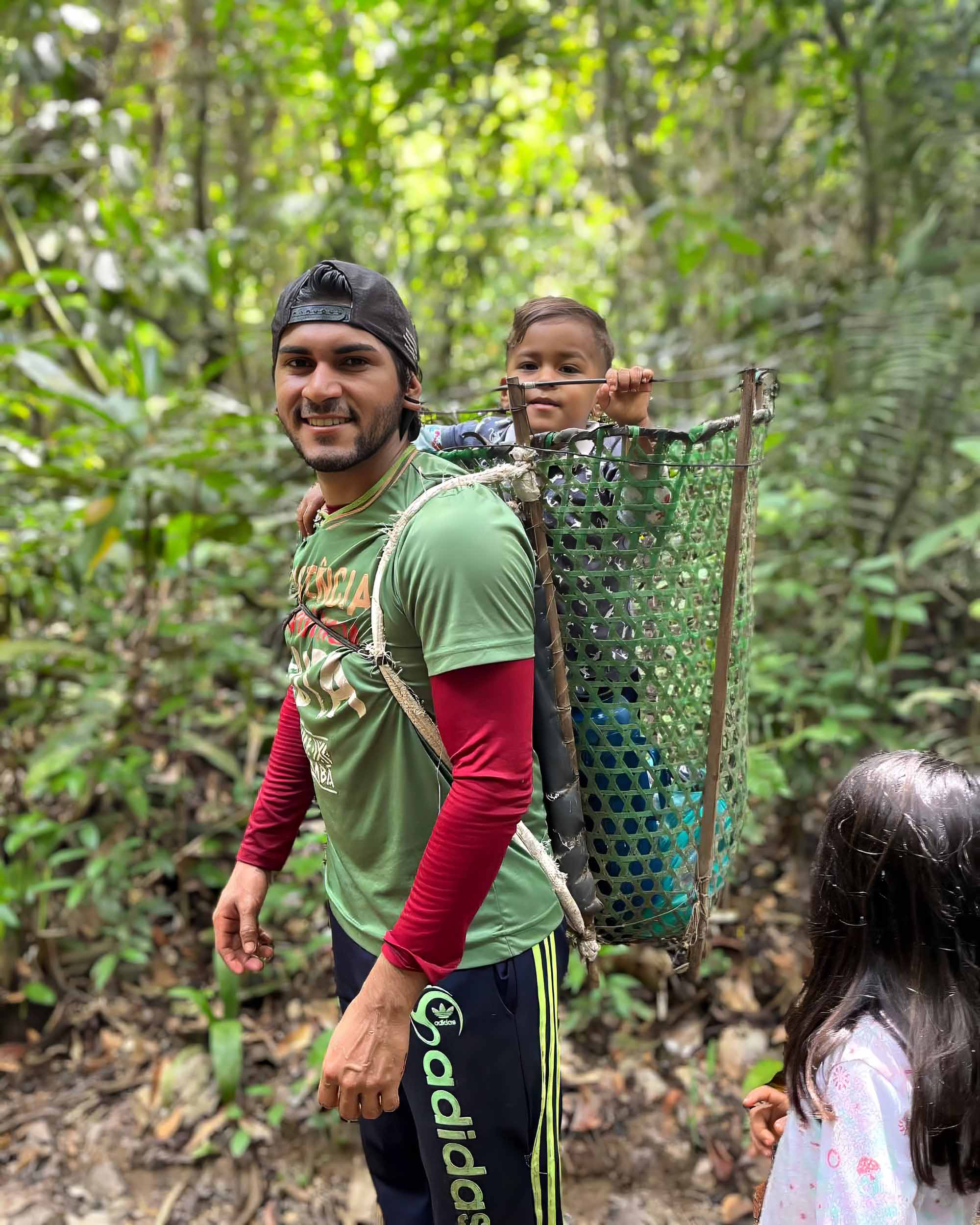
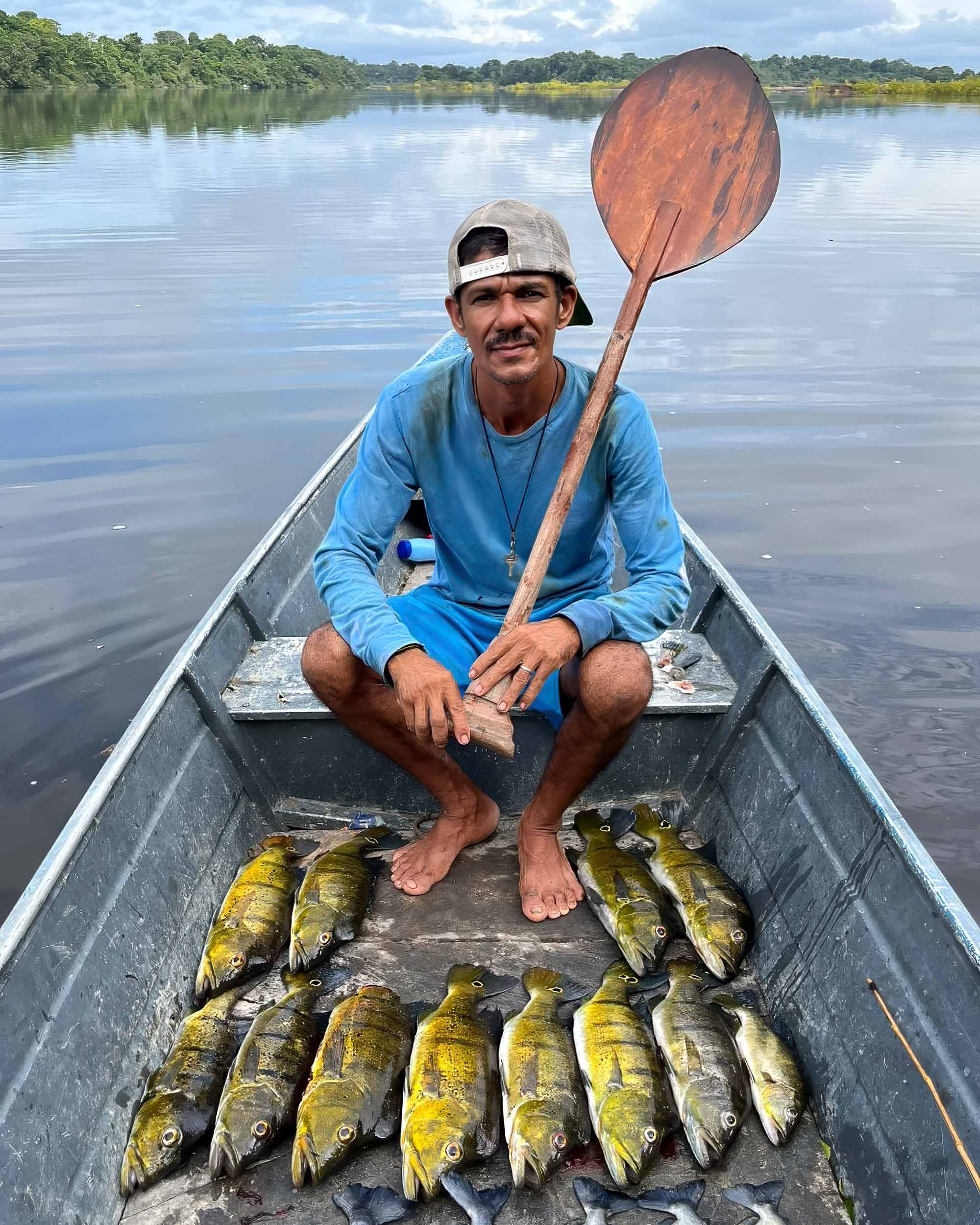
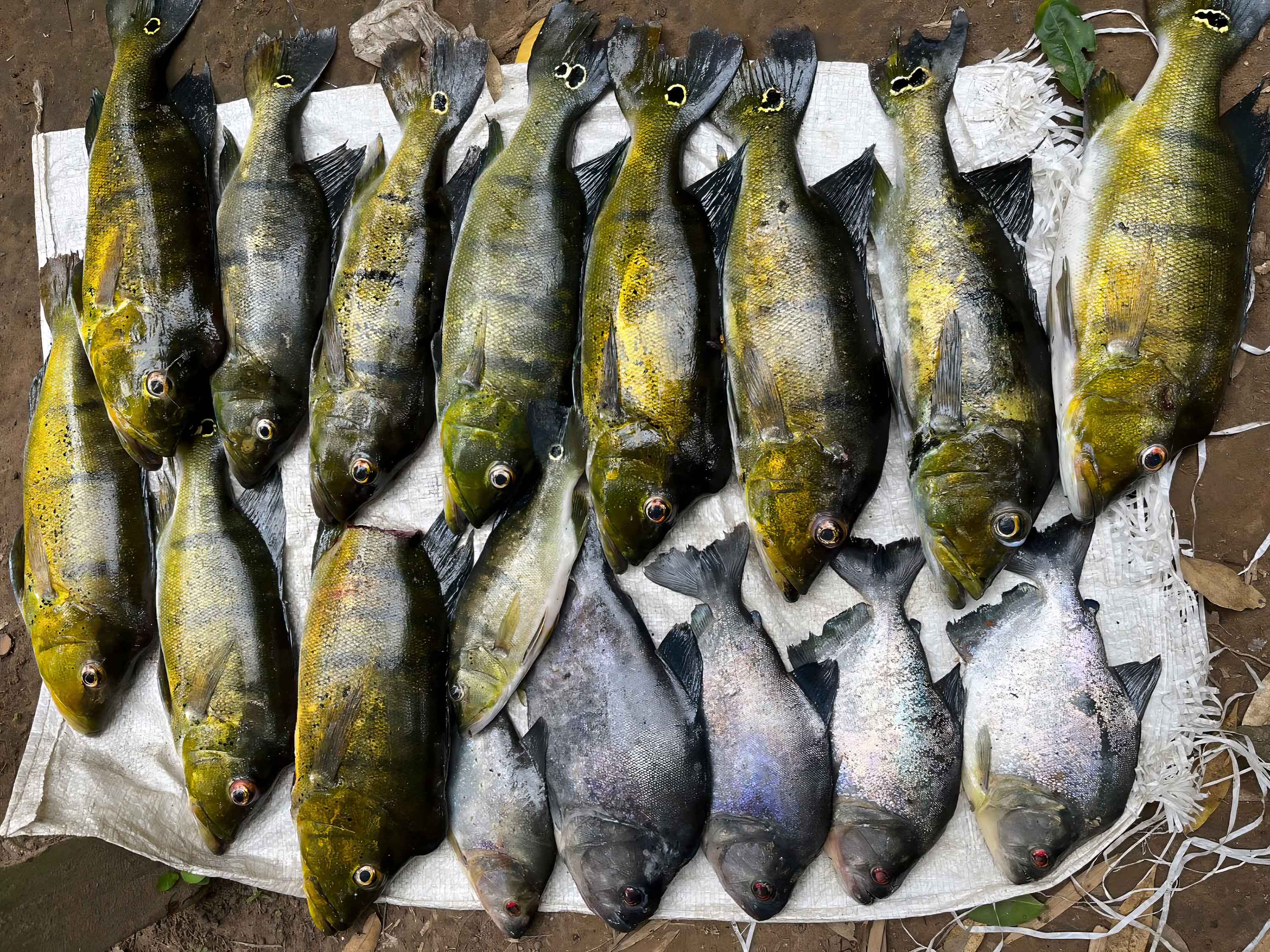
(11 a-b-c) Fishing in the Iriri and Curuá rivers is the foundation of the Xipaya diet and self-sufficiency. The abundance of species such as the tucunaré ensures the communities’ livelihood. (12 a-b) Surplus from fishing and agriculture are shared during the community’s rituals. (13) Knowledge of natural fibers is essential for the manufacture of carrying baskets, which are fundamental tools for harvesting and transporting forest products. (14) Xipaya families engage in the seasonal harvesting of Brazil nuts, an activity that sustains the local economy and prevents deforestation by requiring a preserved primary forest for its production.

A key tool has been the consultation protocol. This defines how decisions are made within the territory and how companies or government institutions must interact. “This is our constitution, our supreme law,” Joielan states. The document establishes, among other things, that leadership positions may only be held by Xipái people or their descendants. Its update is part of a broader strategy aimed at strengthening the autonomy of the Xipaya territory.

When speaking of the future, Joielan Xipaia and Yãkyrixi Xipaia Paz describe a concrete vision: more trained guardians, greater awareness of the territory’s importance, and a strong community that makes decisions based on its own knowledge. “May we all understand that mining and logging are not the best ways to live well,” Yãkyrixi adds.

Today, the Xipaya territory remains rich in fauna and flora. But this state of affairs depends on a fragile balance that is maintained day by day. Border surveillance, internal organization, cultural transmission, and the participation of new generations are all part of a broader goal: ensuring that Xipaya land remains a livable place in the long term.

(15)

(15) The Iriri River regulates the climate, fishing, and alluvial fertility of crops. Secure access to its waters is vital to the health of Xipaya communities.