6th IPAF–IFAD Cycle (2022–2026)
ORGANIZATION
Association for Nature and Sustainable Development (ANDES)
DIRECT BENEFICIARIES
70
INDIRECT BENEFICIARIES
11000

The project aims to strengthen the capacities of Quechua women’s groups in the Peruvian Andes in order to improve nutrition and well-being, while also generating income opportunities, as well as conserving and promoting local biocultural heritage. In Chalakuy Park, women’s groups produce and market food, handicrafts, and other natural products, contributing to the preservation of their cultural heritage. Skill building will focus on strengthening Andean food systems, improving adaptation to and mitigation of climate change, promoting nutrition, developing biocultural products, and fostering sustainable business management.

+ info
- info
What grows in the highlands
PHOTOGRAPHYFlorence Goupil, Sasha Belton
TEXTAndrea Fajardo
Pisac and Lares Districts / Calca Province / Cusco / Peru

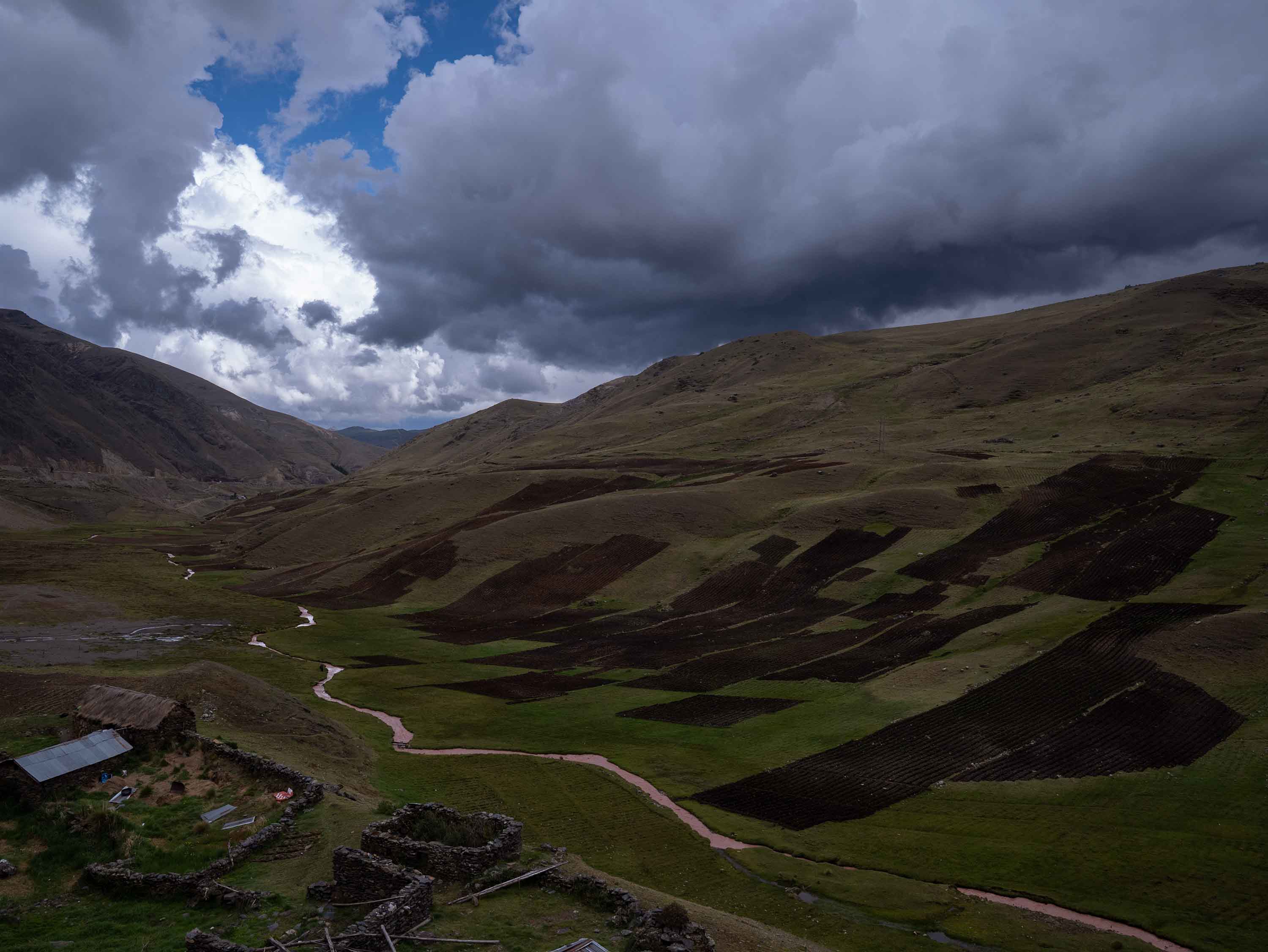
In the highlands of Cusco, the Quechua communities of the Pisac and Lares district have spent centuries cultivating life under climatic and geographical conditions that, from the outside, seem unviable. In Parque de la Papa (3,350 to 4,619 meters above sea level) and in Parque Chalakuy (2,296 to 5,740 meters above sea level), the Quechua people have built one of the most sophisticated agricultural knowledge systems in the region, sustained largely by the hands and memory of Quechua women. 

This knowledge is not written down in any manual, but it has made it possible to feed entire families for generations. This is how Jessica Villacorta explains it. Jessica is a member of the ANDES Association and coordinator of a project on biocultural heritage and food sovereignty, developed in Parque de la Papa and Parque Chalakuy, with support from the International Indigenous Women’s Forum (FIMI) and funding from the International Fund for Agricultural Development (IFAD), through its Indigenous Peoples’ Assistance Facility (IPAF).
With a particular emphasis on the role of women as farmers, seed keepers, knowledge carriers, and managers of community economic initiatives, the project emerges in a context where climate change has manifested itself through irregular rains, intense frosts, and prolonged droughts that have disrupted agricultural calendars and negatively impacted the production of vital crops. 

“We know that, due to climate change and industrial food systems, there are many risks to the quality of life in these communities,” explains Tammy Stenner, who provides methodological and communication support for this ANDES Association project. “There are many factors influencing the preservation of practices that we know are resilient, better for health, and better for the environment,” she adds. The conservation of agricultural diversity—which includes 1,367 varieties of native potatoes, among them mashua, oca and olluco in Parque de la Papa, and 95 ecotypes of corn—needs a broad approach that includes territorial rights, environmental protection, preservation of knowledge, traditional practices and economic opportunities for indigenous communities.

(5)
(6)
(7)
(8-a)
(8-b)
(9)
(10)

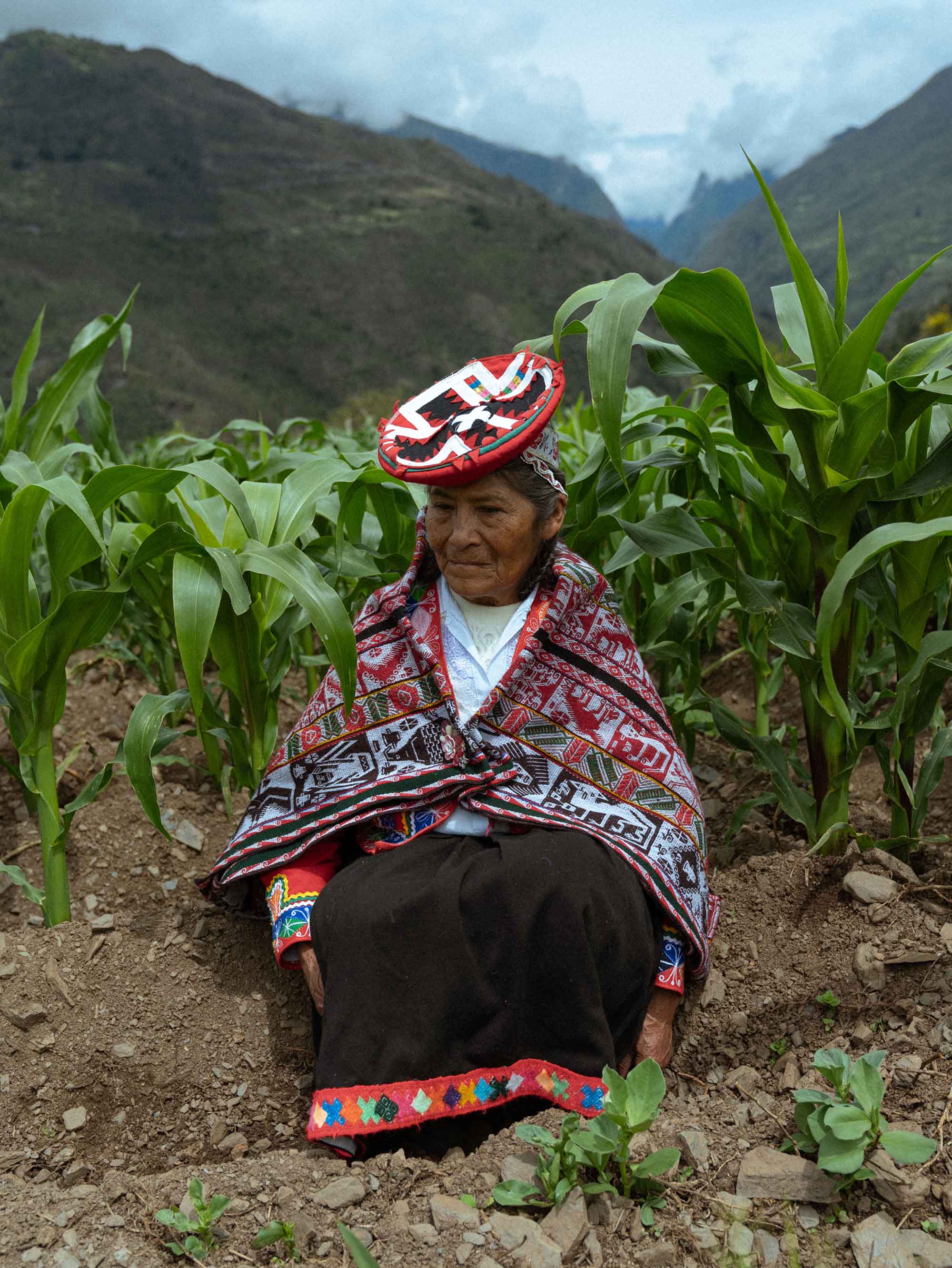
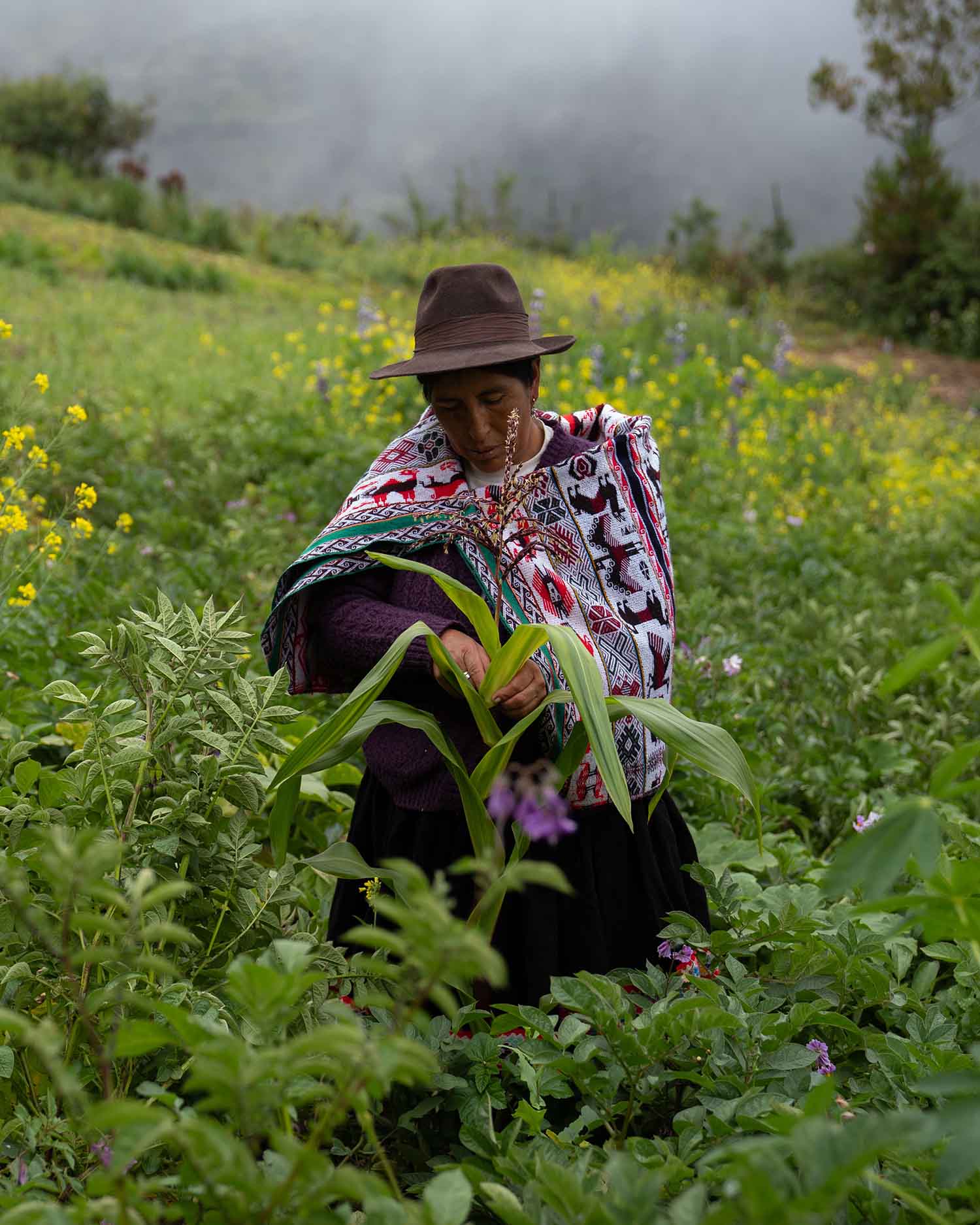
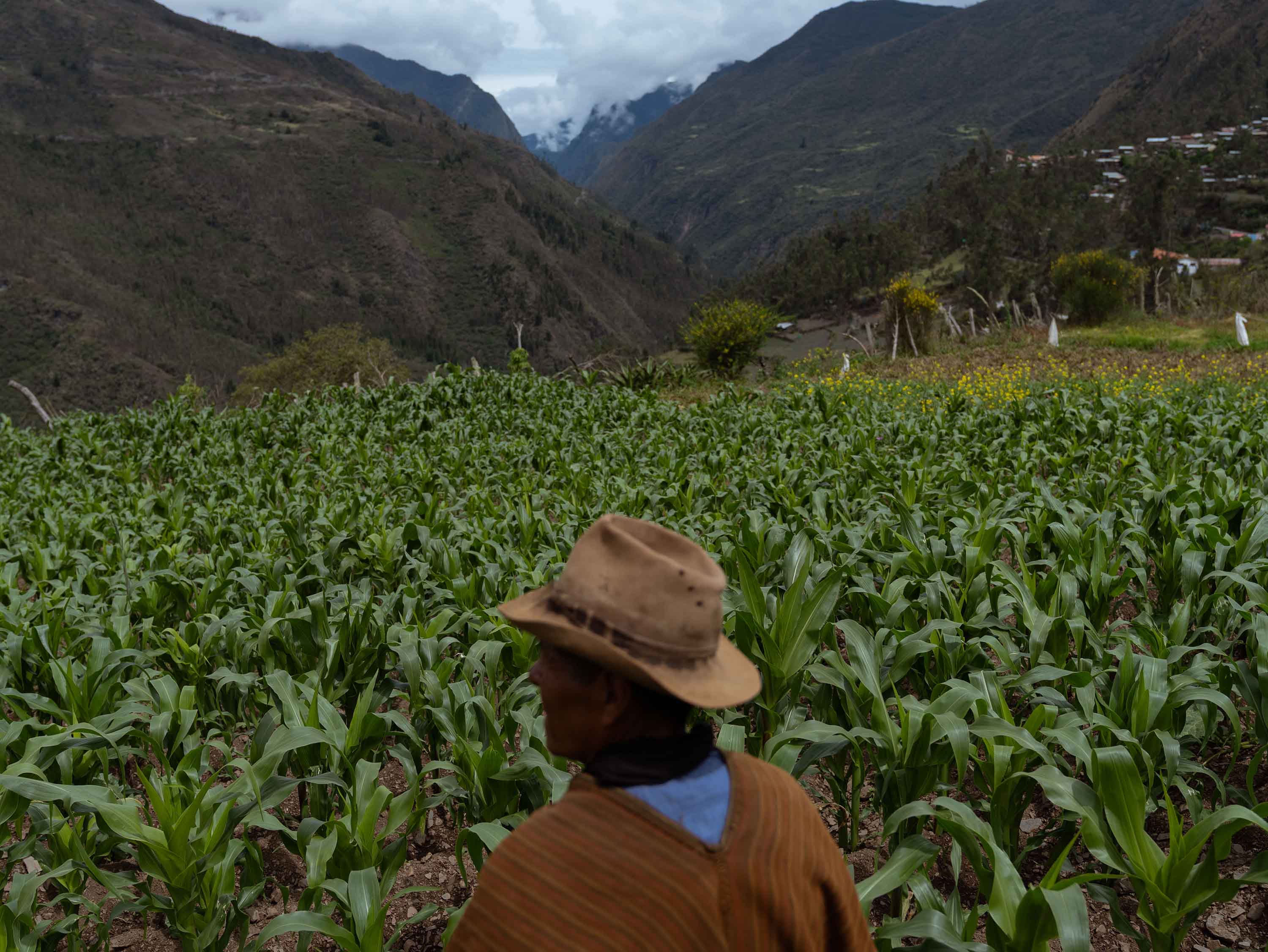
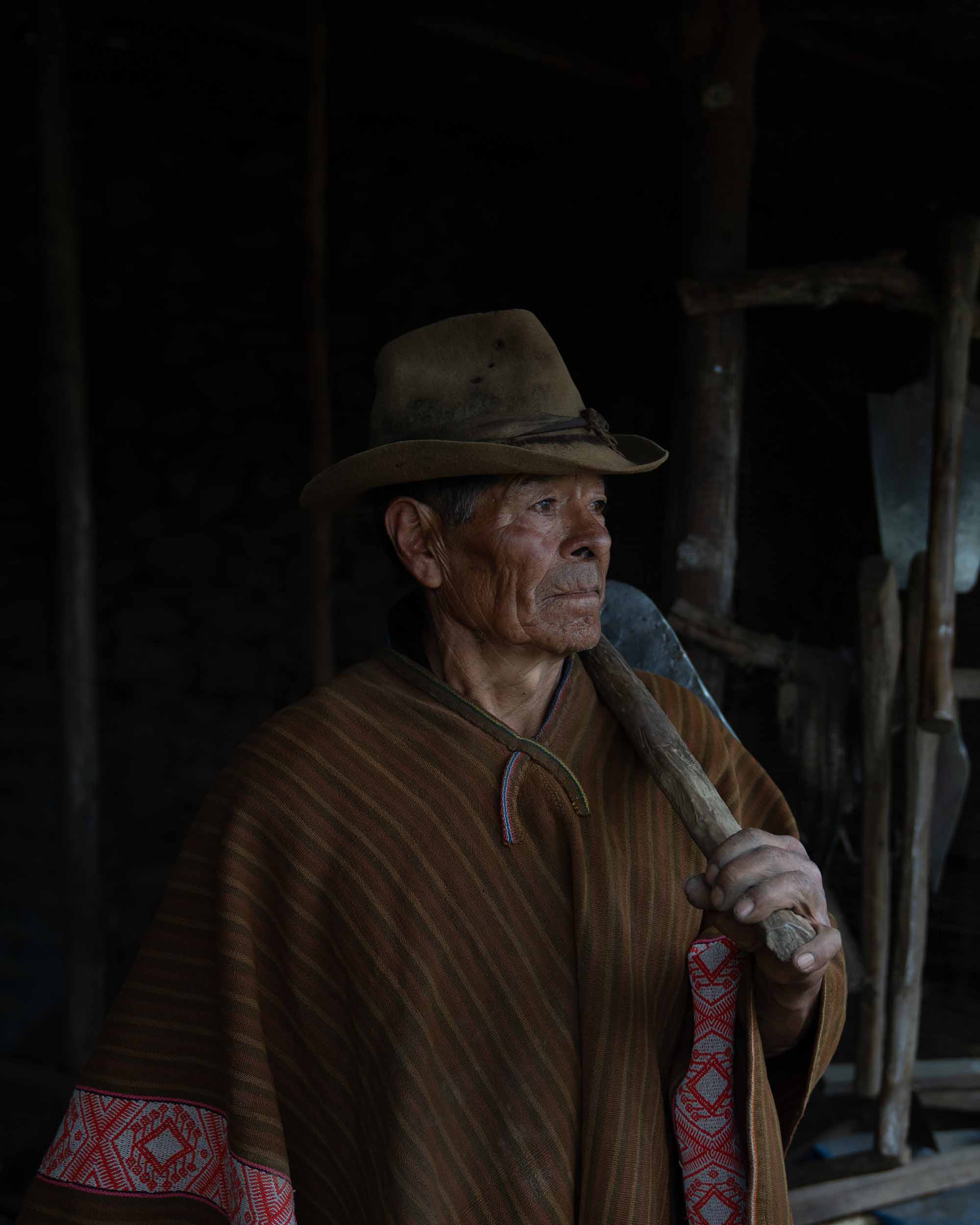
(5) Felicia Tito Paucar heads to the low-lying plots of Choquehuanca. (6) Saturna Quispe Puma in front of her native corn crop. (7) Felicia Tito Paucar monitors the corn’s maturation. The presence of wildflowers in the field is part of a diverse ecosystem that naturally protects crops from pests. (8 a-b) Eulogio Laguna Valdez in the community of Choquehuanca. (9) Plowing and harvesting are done by hand to prevent erosion on the slopes and keep the chaquitaclla technique—or standing plow—alive. (10) Storage in humid areas is an ancestral preservation technique that ensures the food remains viable throughout the year.

In this regard, the women of Parque de la Papa and Parque Chalakuy have begun to integrate their traditional knowledge with new needs and technologies for the conservation and development of their own biocultural economy.

As Jessica explains, capacity building has involved reviving food knowledge related to goods that had been displaced. In culinary workshops they have organized, women learn new cooking methods and rediscover local products of high nutritional value some had stopped consuming. One example is Llullucha, a native edible cyanobacterium that grows in high-Andean lagoons, rich in protein and vitamins, which many women had disregarded due to lack of knowledge and the introduction of external foods, or because of how difficult it is to gather them.

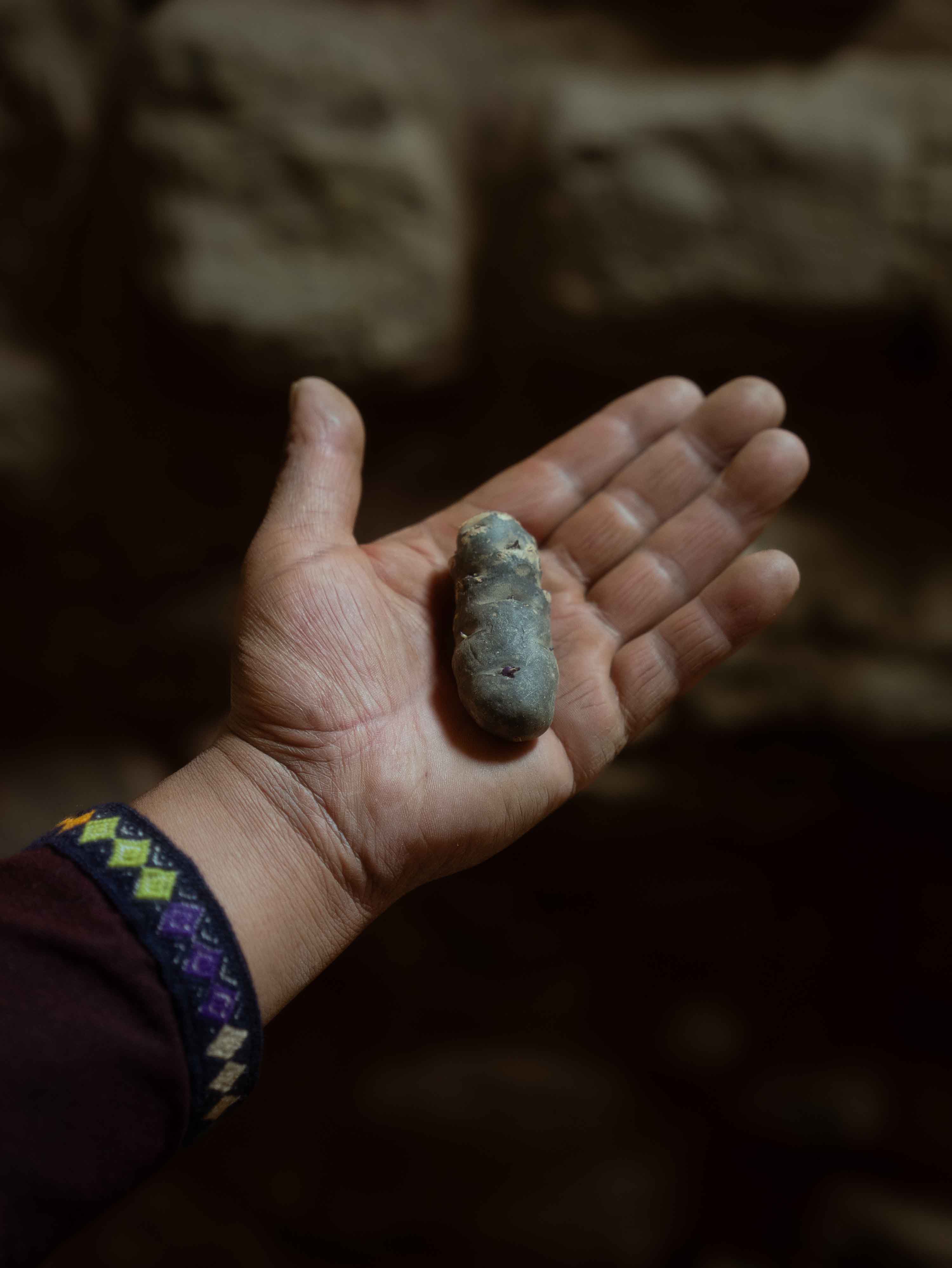
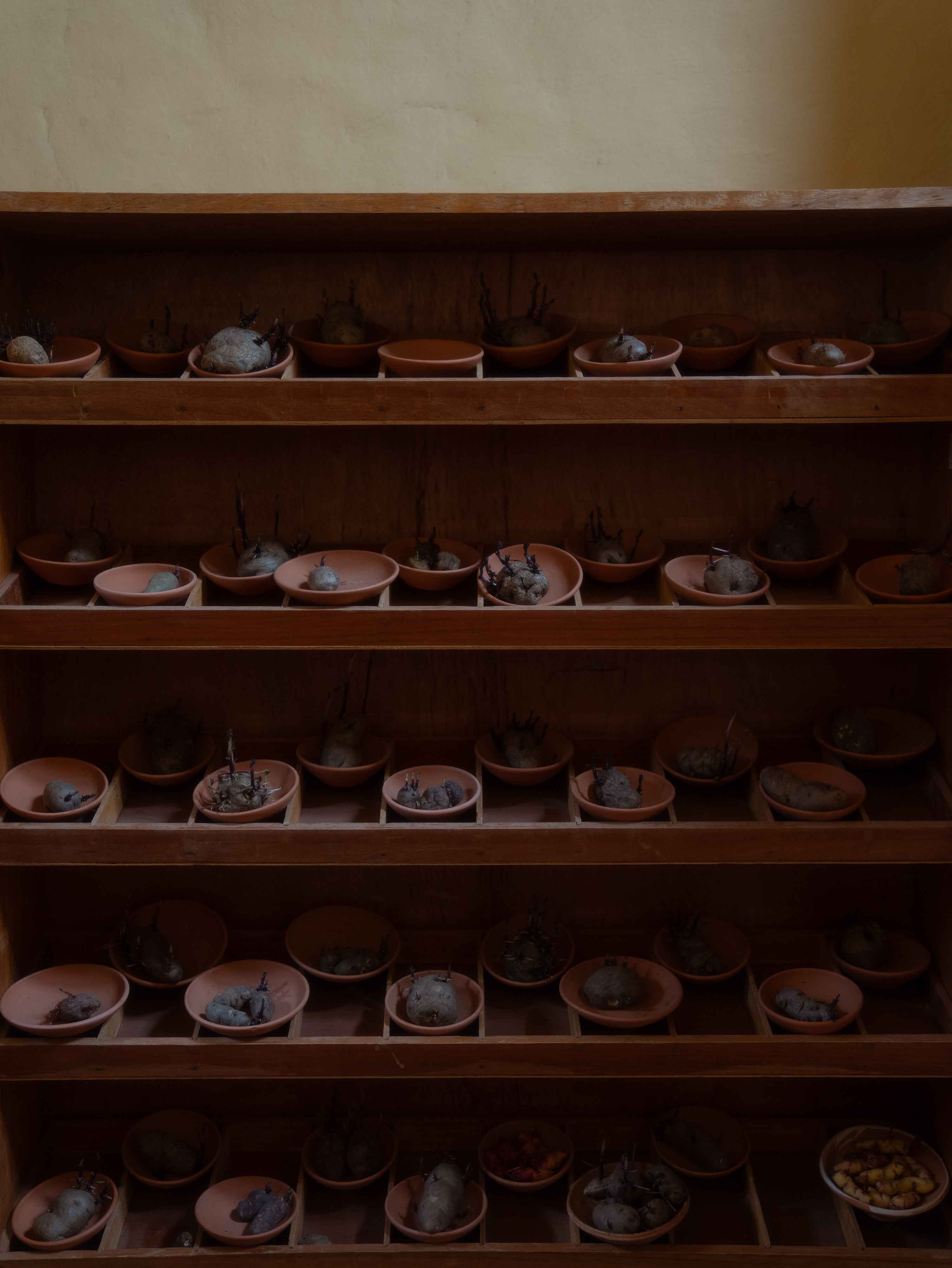
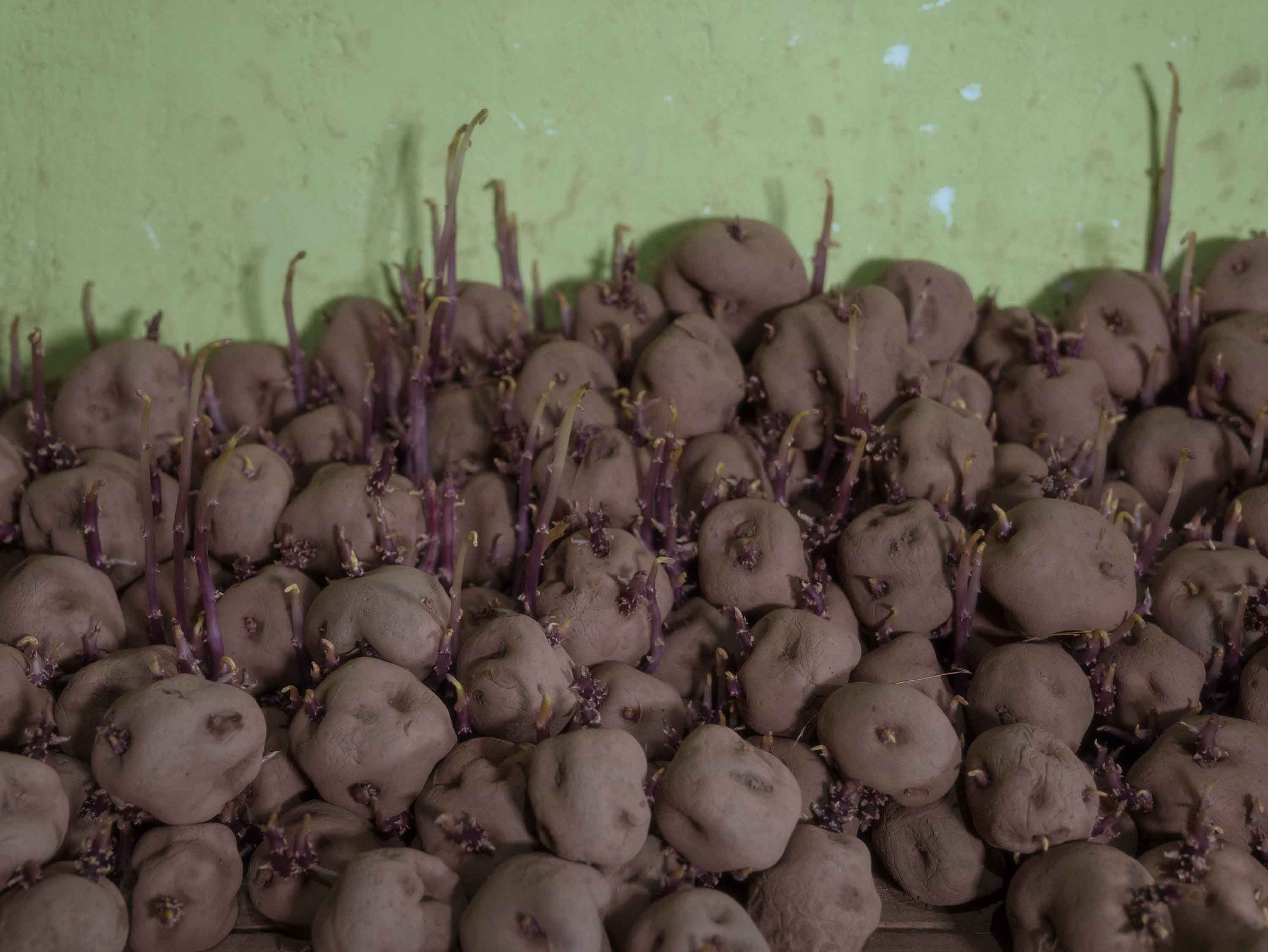
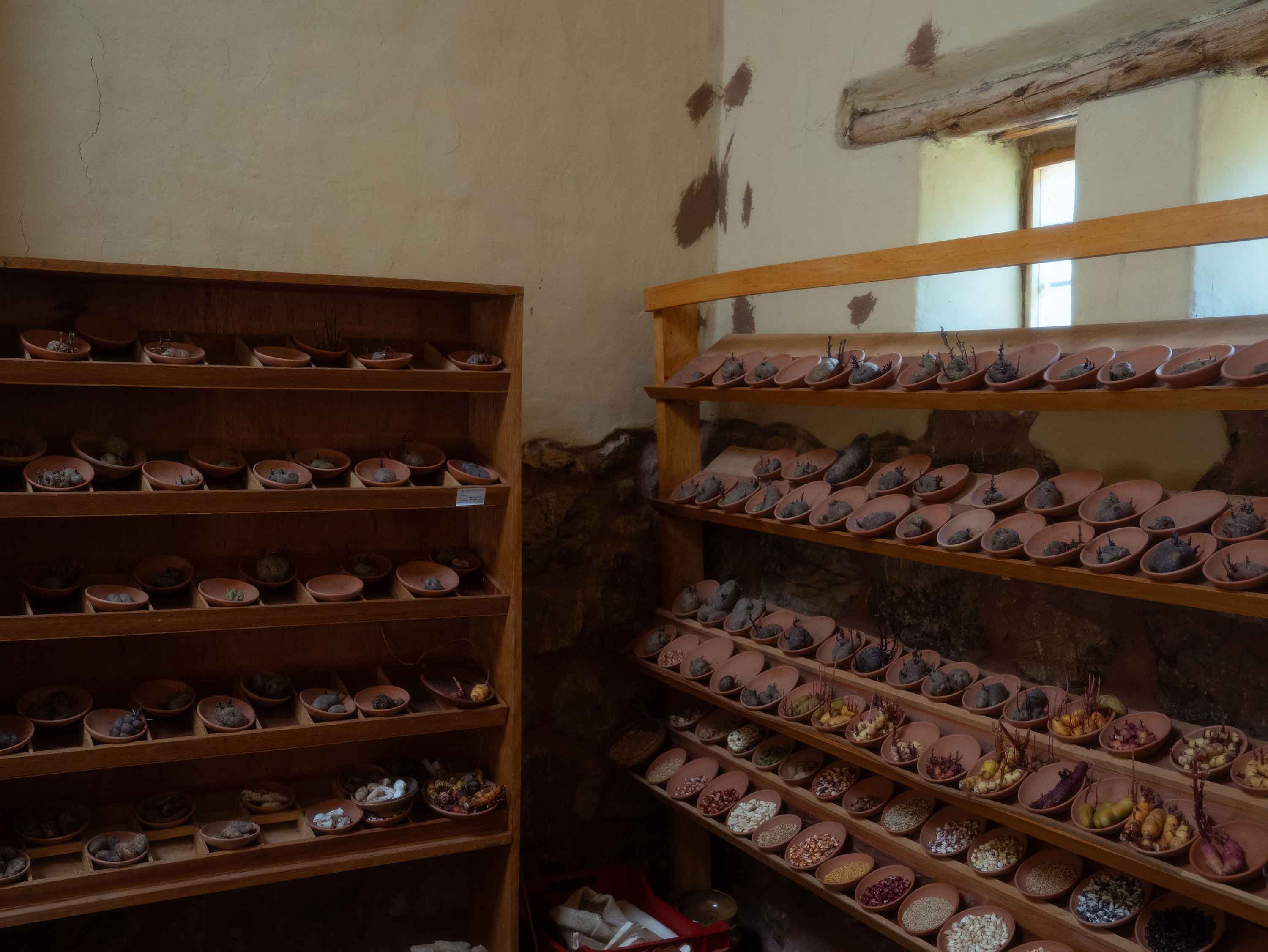
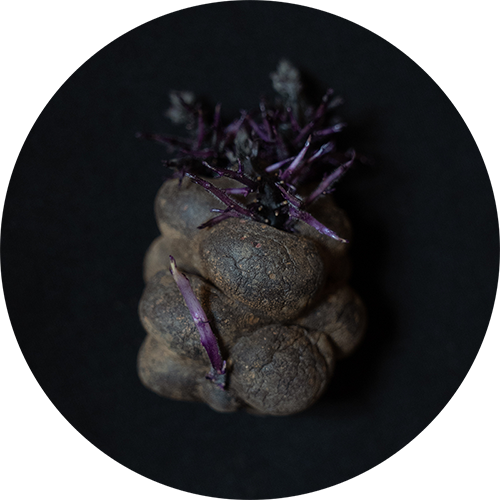
The Potato Park conserves 1,367 varieties of native potato and constitutes one of the principal centers of agricultural diversity in the Andes.

Through training provided by ANDES, participants have become aware of the nutritional value of these resources and have reintroduced them into their diets. The revival of these foods also aligns with an approach to food sovereignty in communities with a long tradition of agricultural diversity, aiming to integrate crops adapted to extreme weather.

(16)

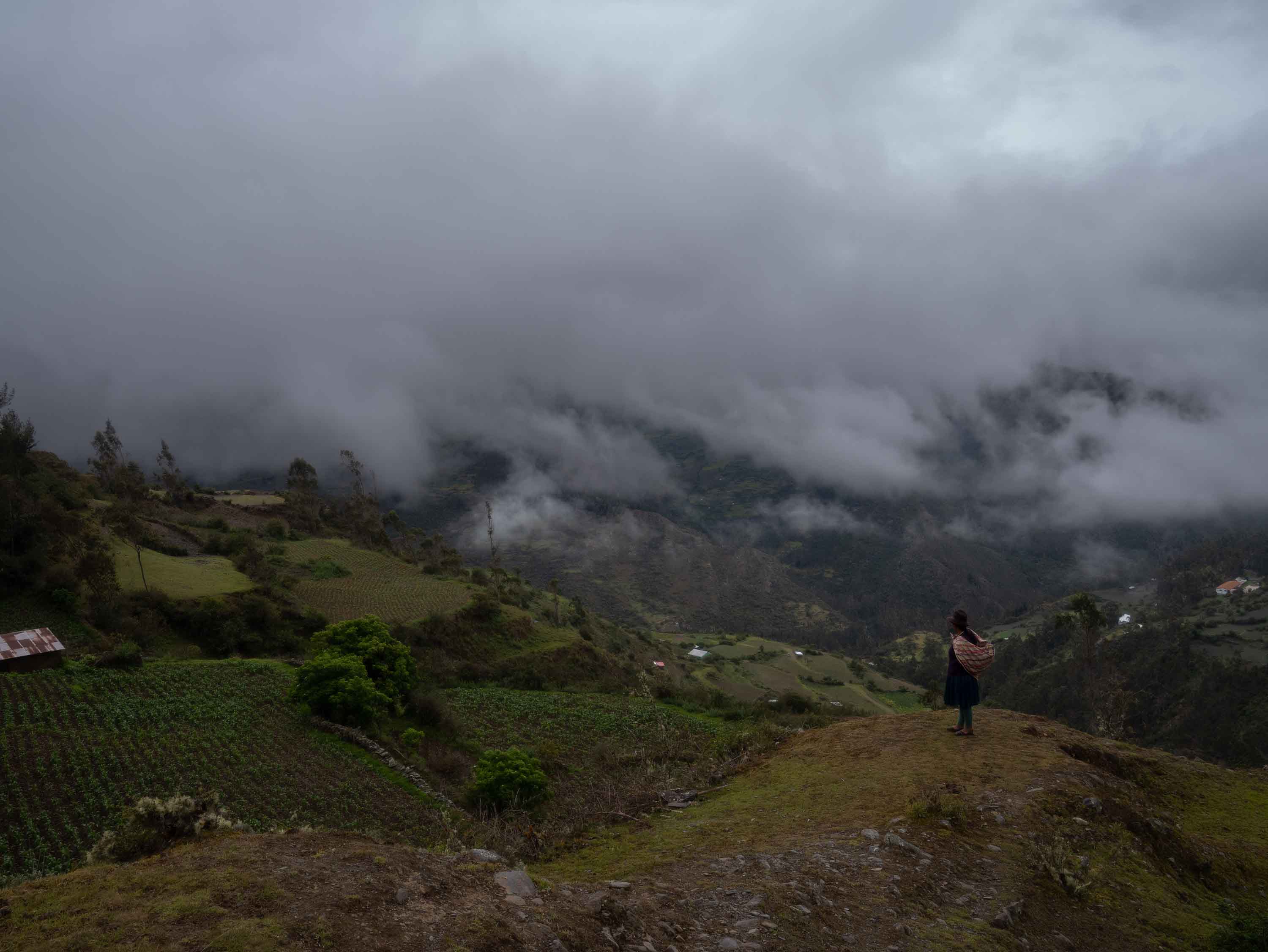
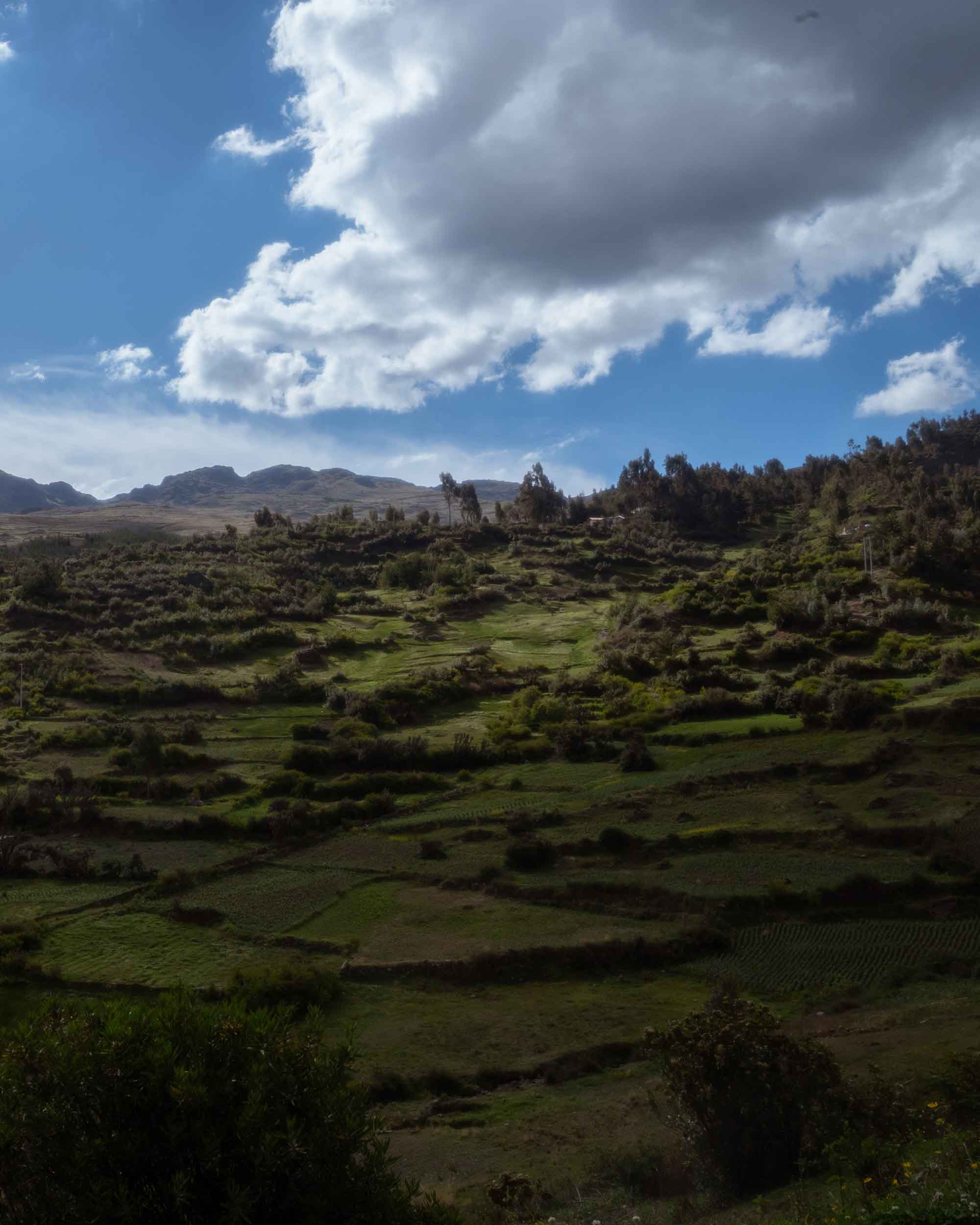
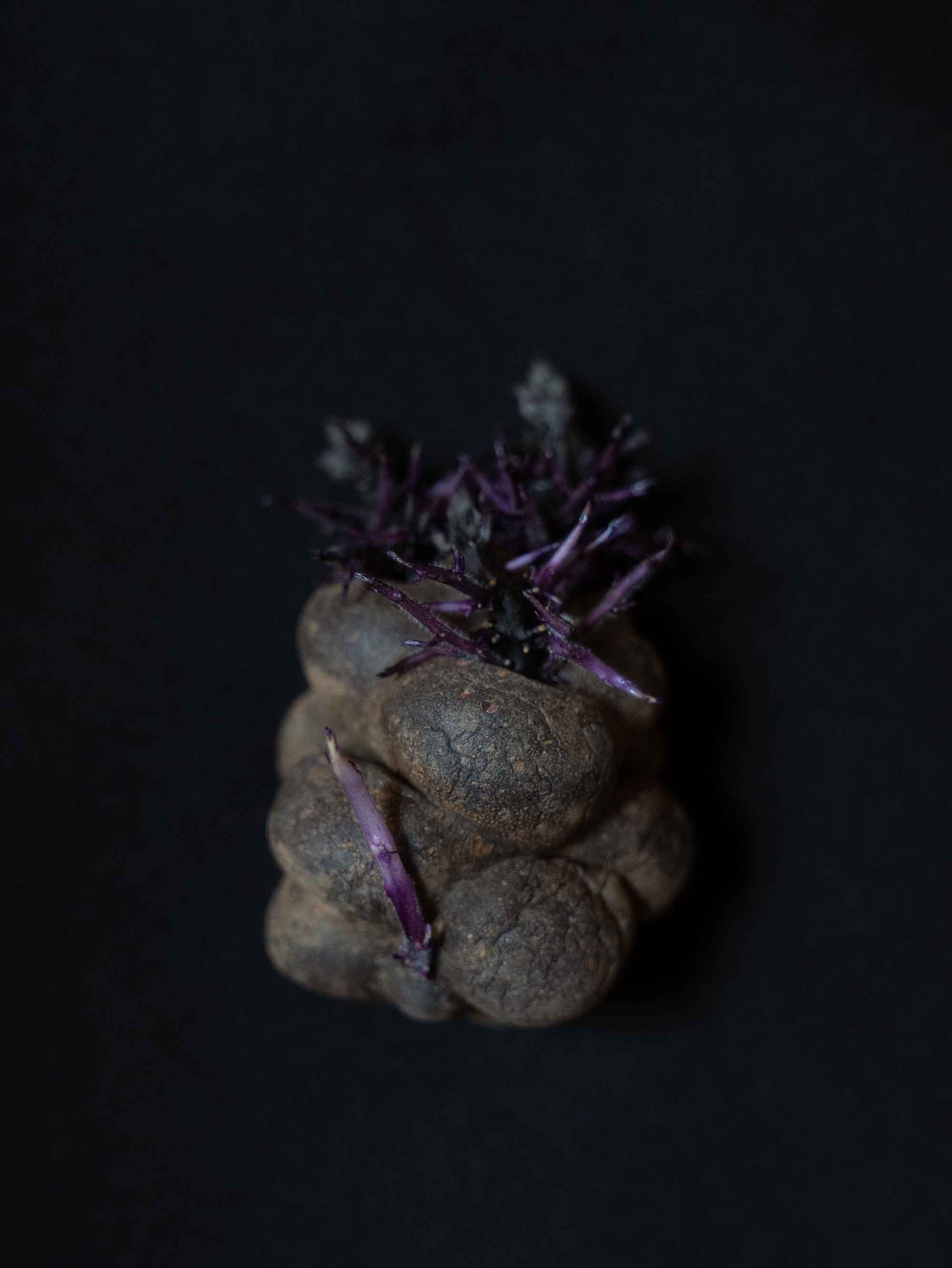
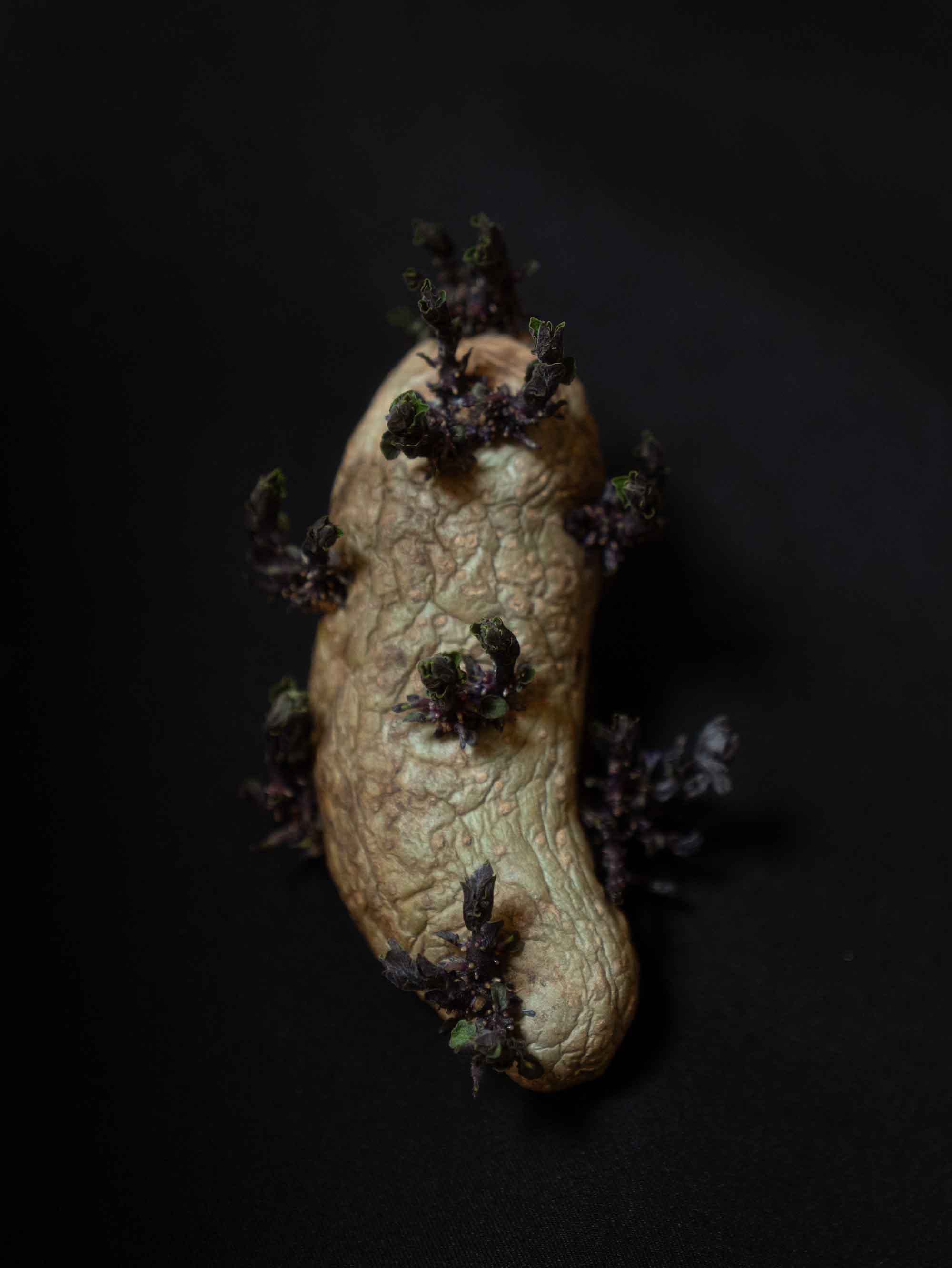
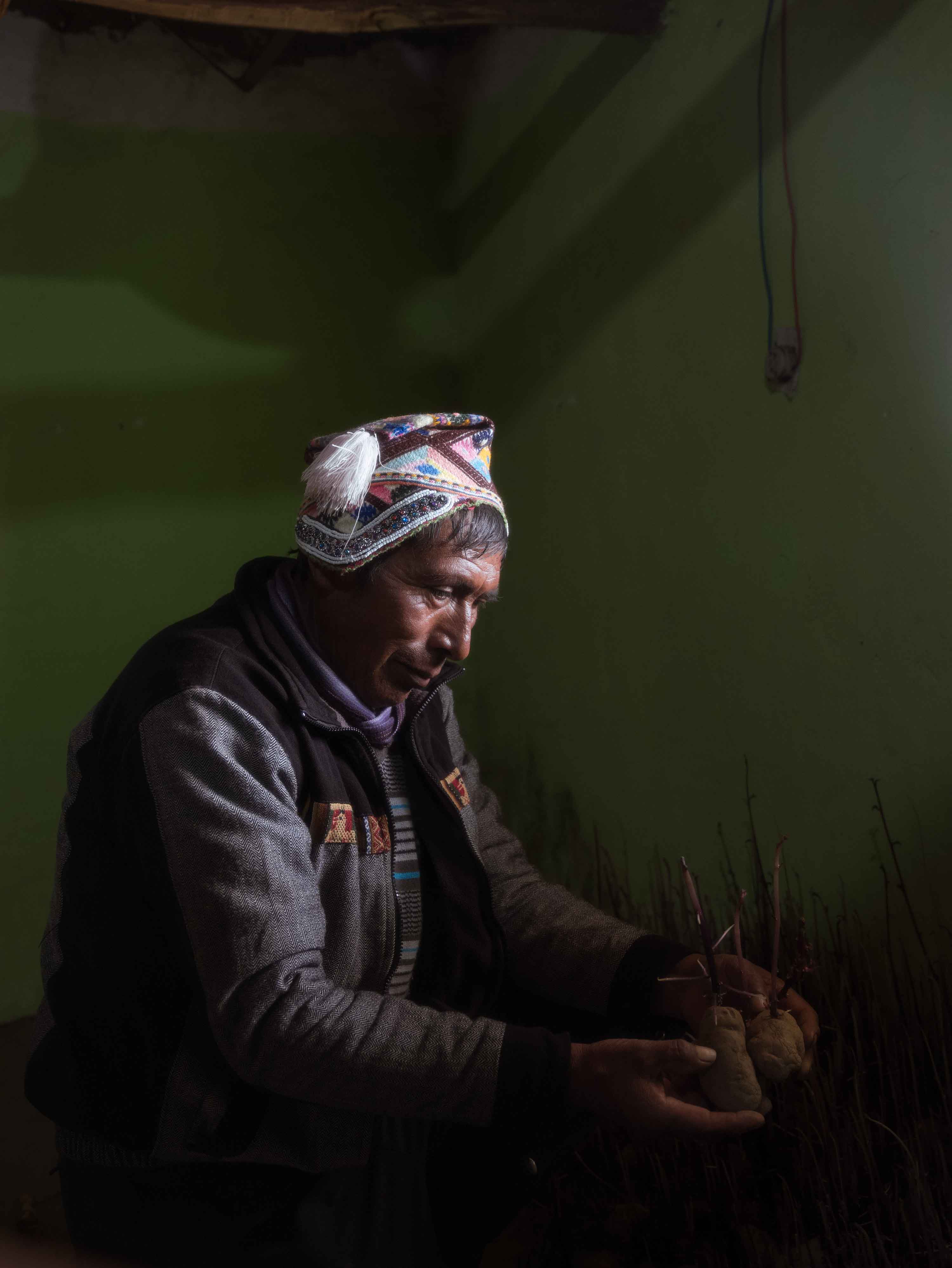
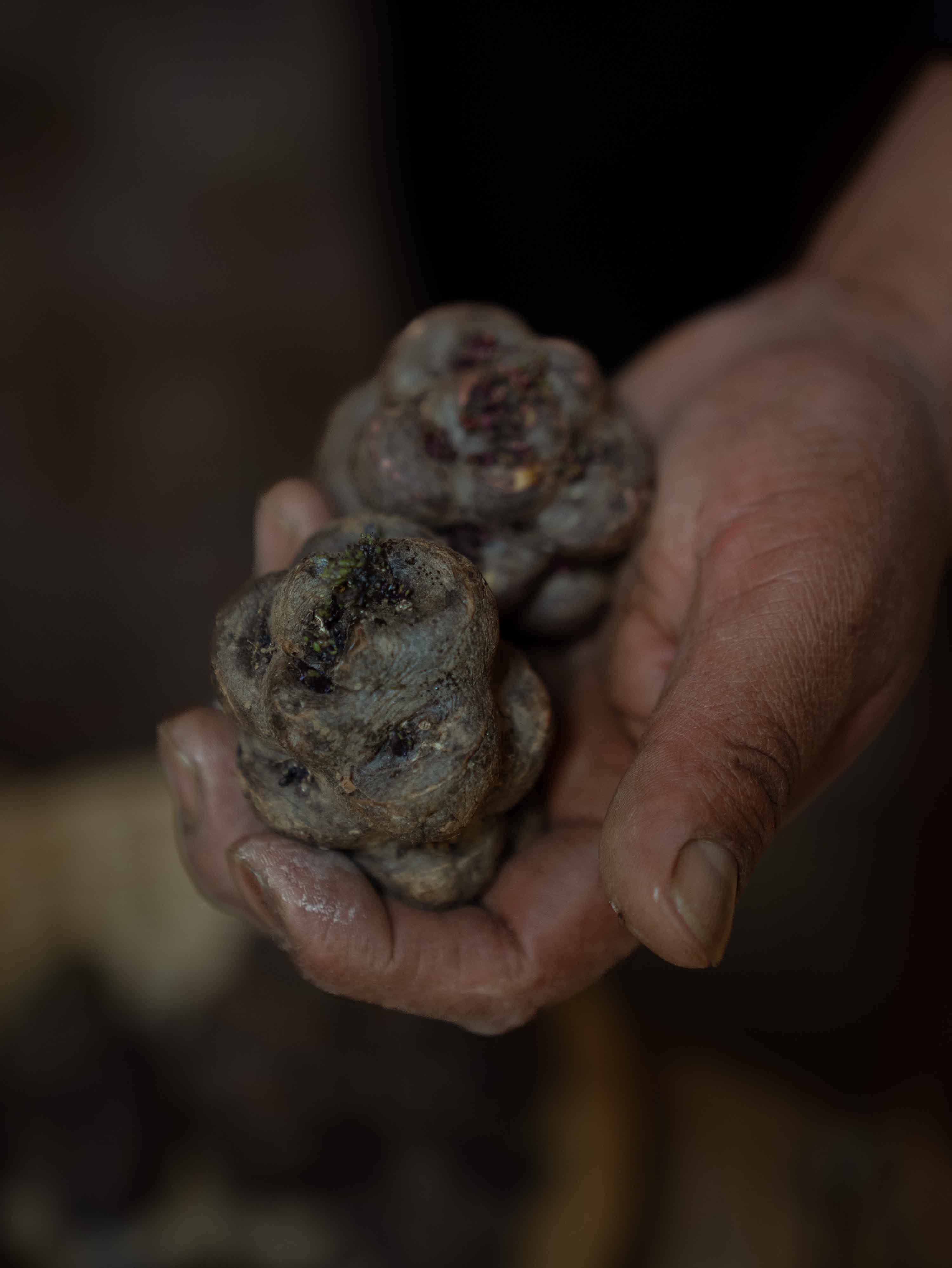
(11) Native potatoes are a living record of Quechua identity. Each variety preserves ancestral names and knowledge that link the community to the land. (12) Wenseslada Quispe Quispe, from the community of Choquehuanca, tends a seed bank of more than 80 varieties of native corn. (13) Native potato Qhachun Waqachi. (14) Native potato Maqtillo. (15) Mariano Sutta Apocusi, from the community of Pampallaqta. (16) View of the plots in the community of Choquecancha.

In the dyeing workshops, women from Parque de la Papa shared their knowledge with women from Parque Chalakuy, learning to obtain colors from the cochineal (a parasitic insect that lives in plants of the genus Opuntia) and other local plant species. Some women began using synthetic dyes due to the availability of industrial supplies and the gradual loss of ancestral knowledge. By participating in the workshops, many women began to remember and value what their fathers, mothers, and grandmothers had taught them, and to recognize the potential and make better use of the resources they have at hand.

Quechua women play a central role in seed conservation, knowledge transmission, and the stewardship of agricultural biodiversity.

In the realm of medicinal plants, the project has promoted the systematization and transformation of knowledge into concrete products such as filters, ointments, and shampoos. Through methodologies like the yupana—a counting board used by the Incas for arithmetic operations—the women reorganize and classify plants according to their medicinal properties, identify possible combinations, and develop new products that can be marketed.

“It’s not exactly a typical business model,” Tammy explains. “It’s a model based on Sumaq Kawsay (good living), where nature is respected and protected.” In practice, this translates into decisions such as not harvesting all available plants, only those necessary, and maintaining a caring relationship with the environment.

(24)

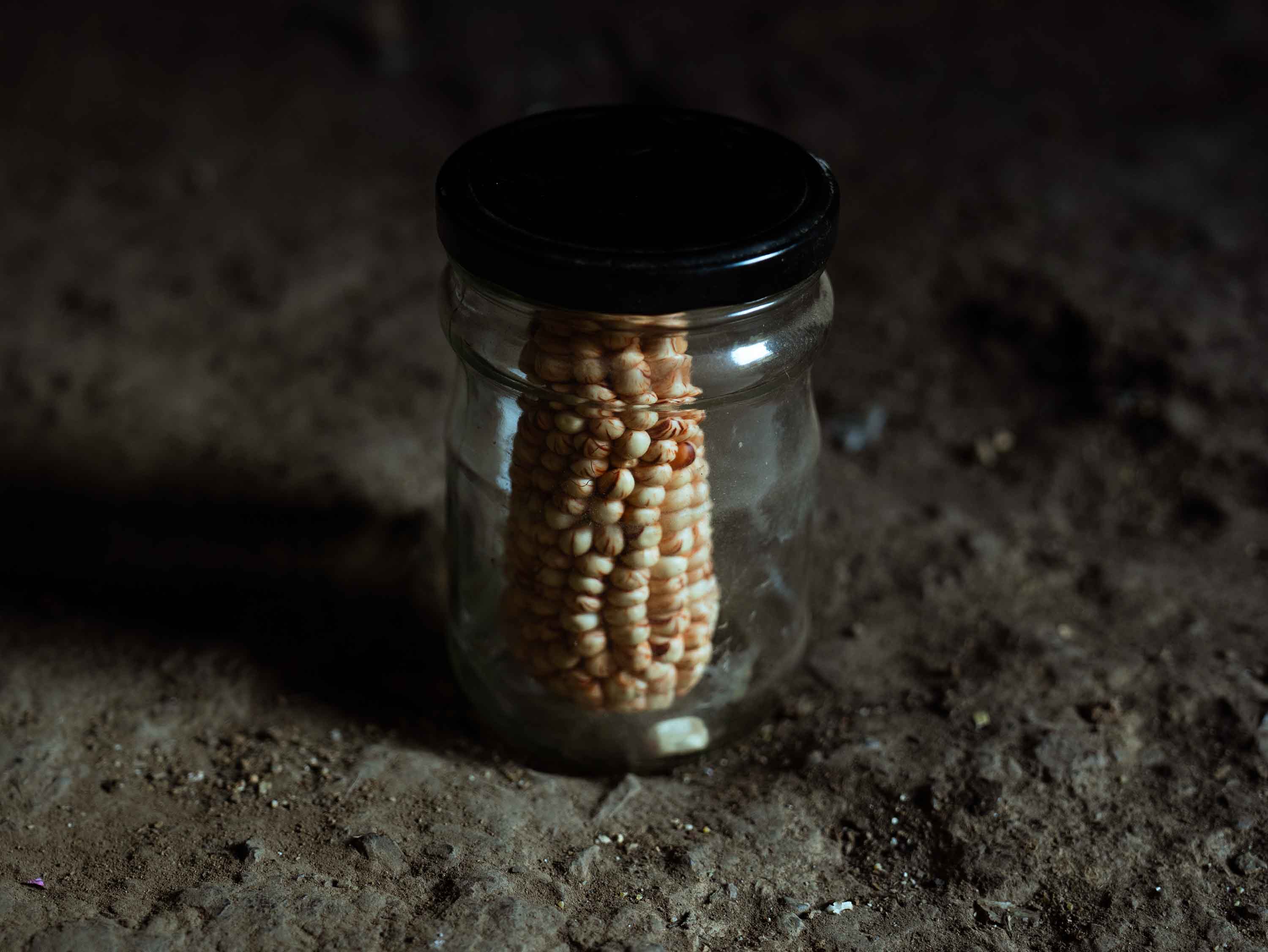
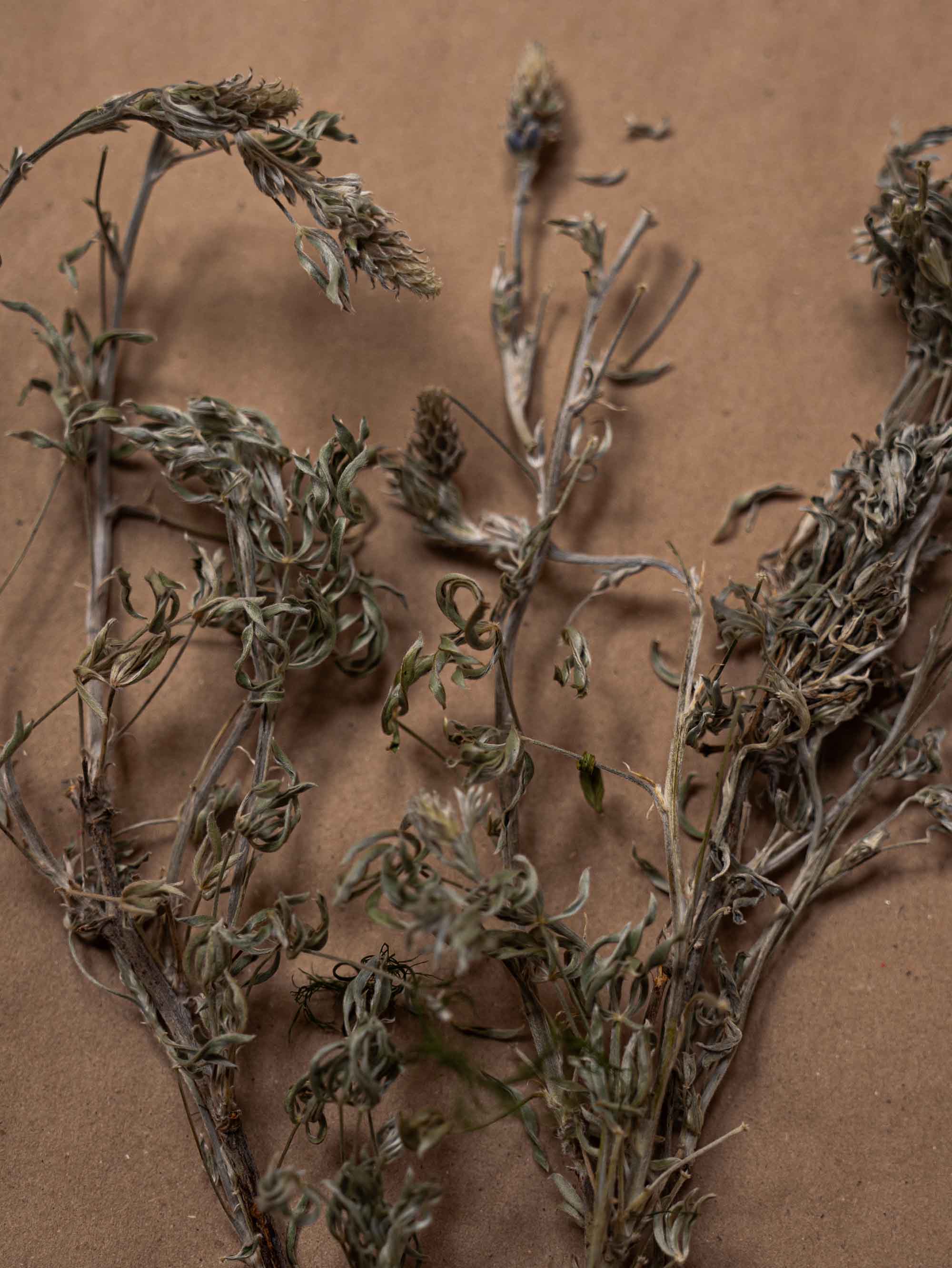
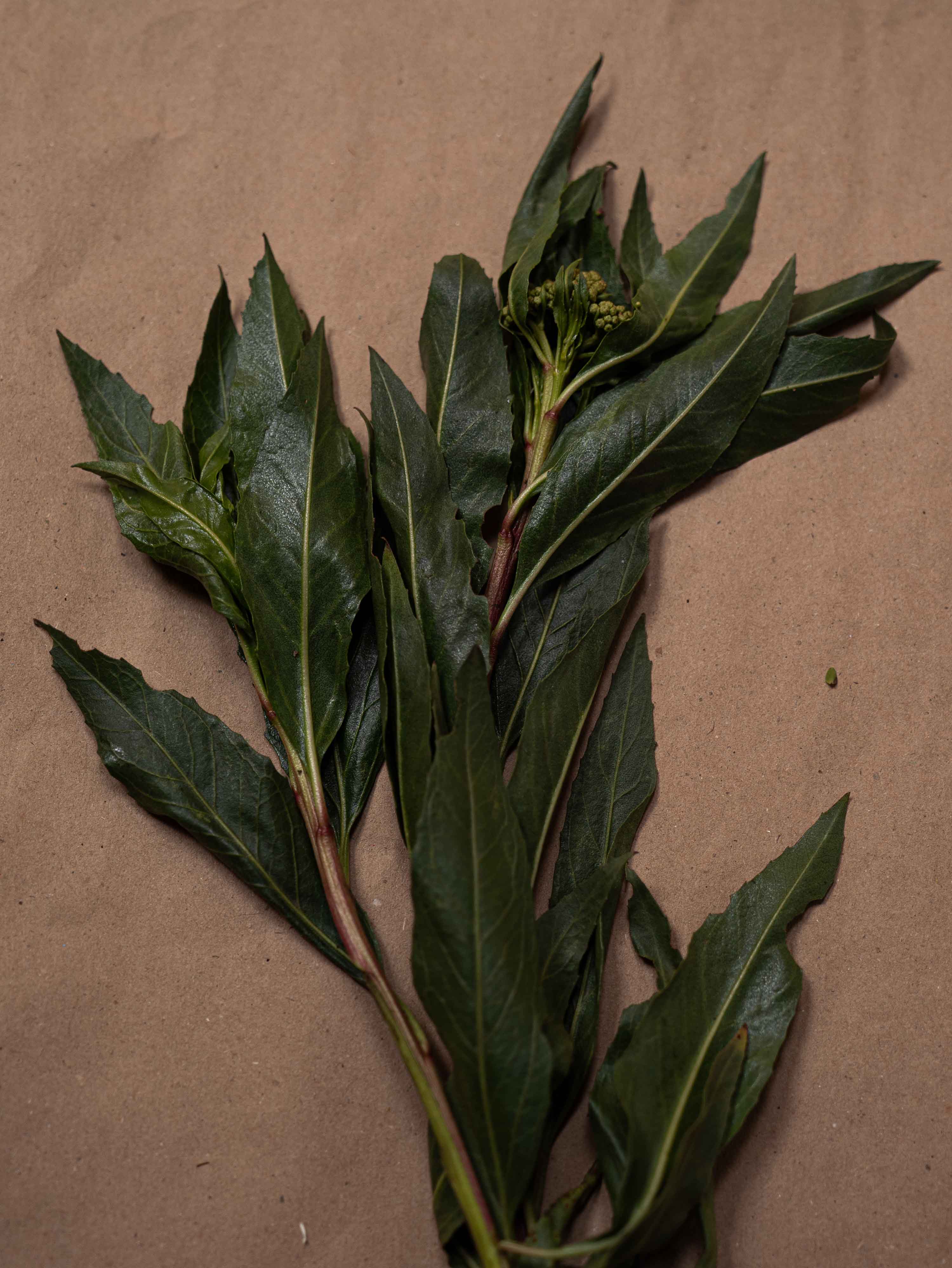
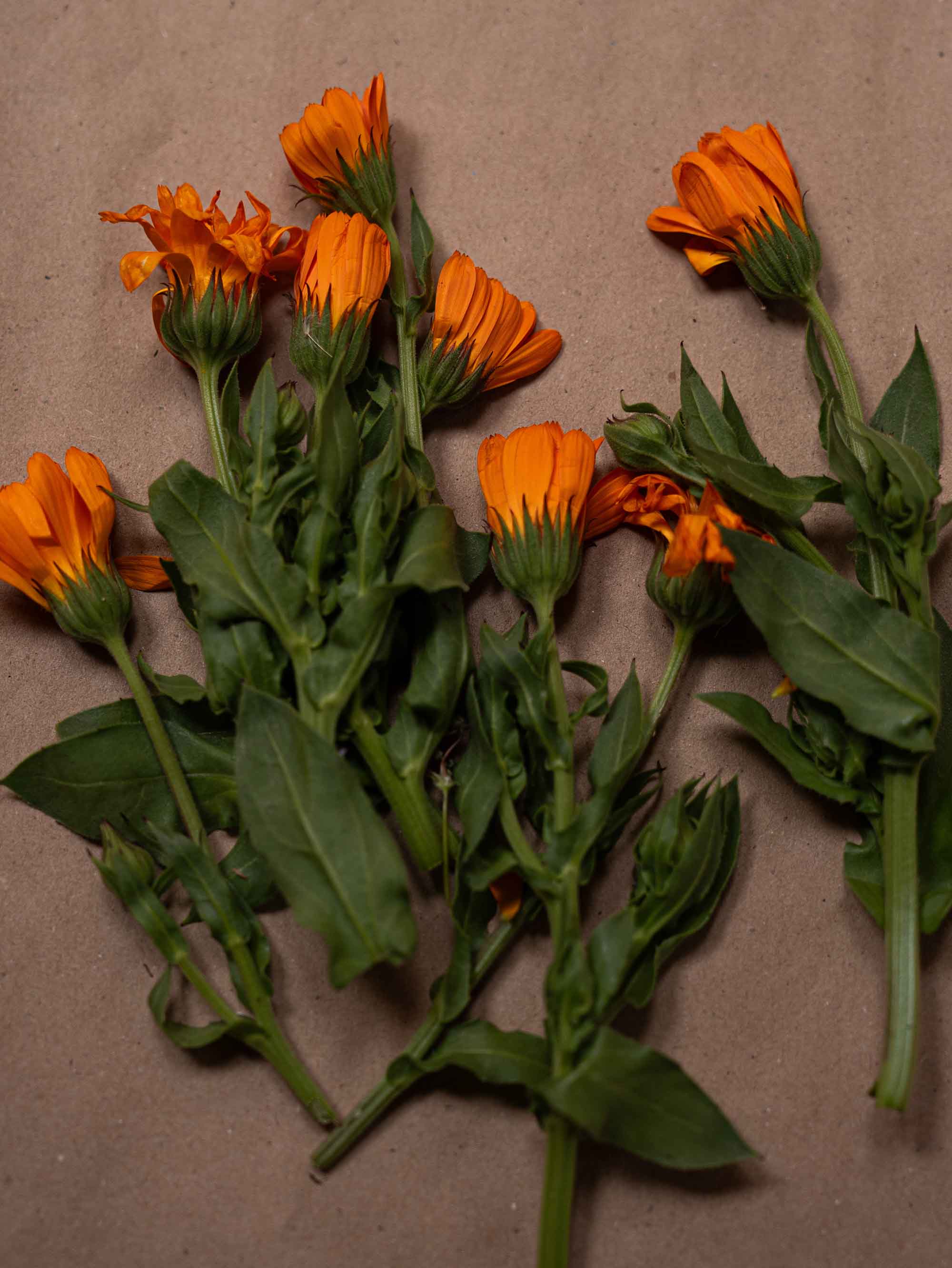
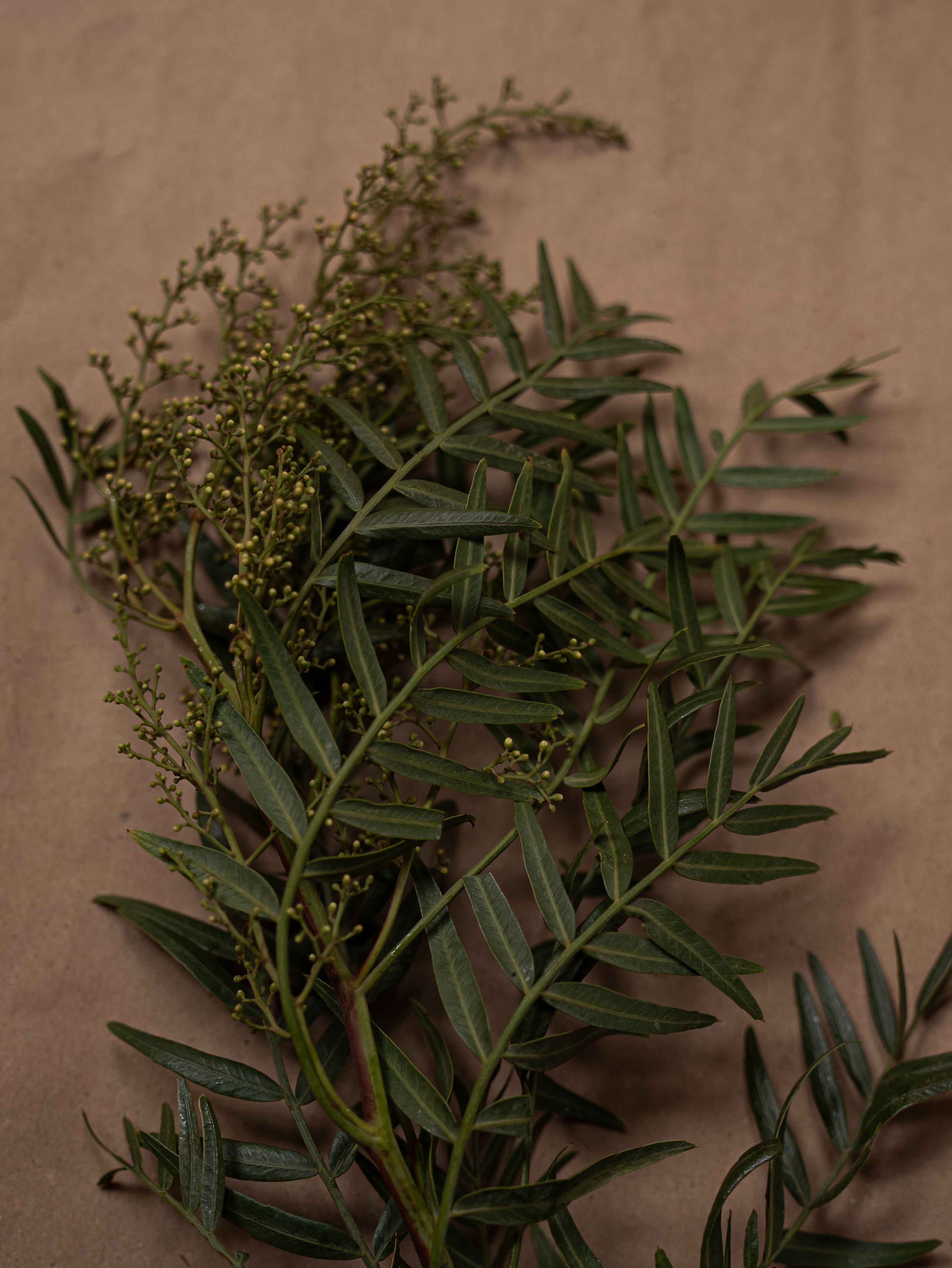
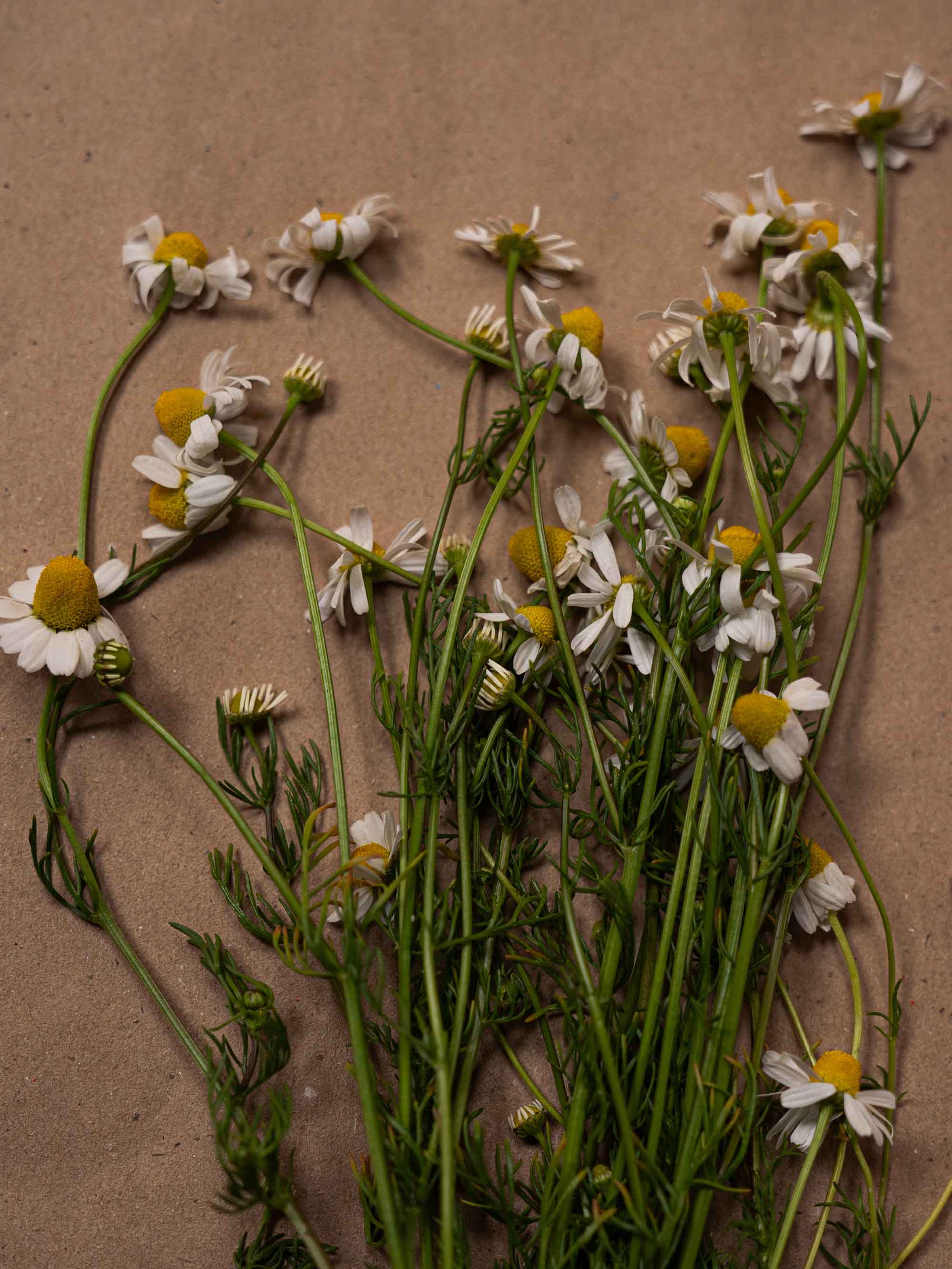
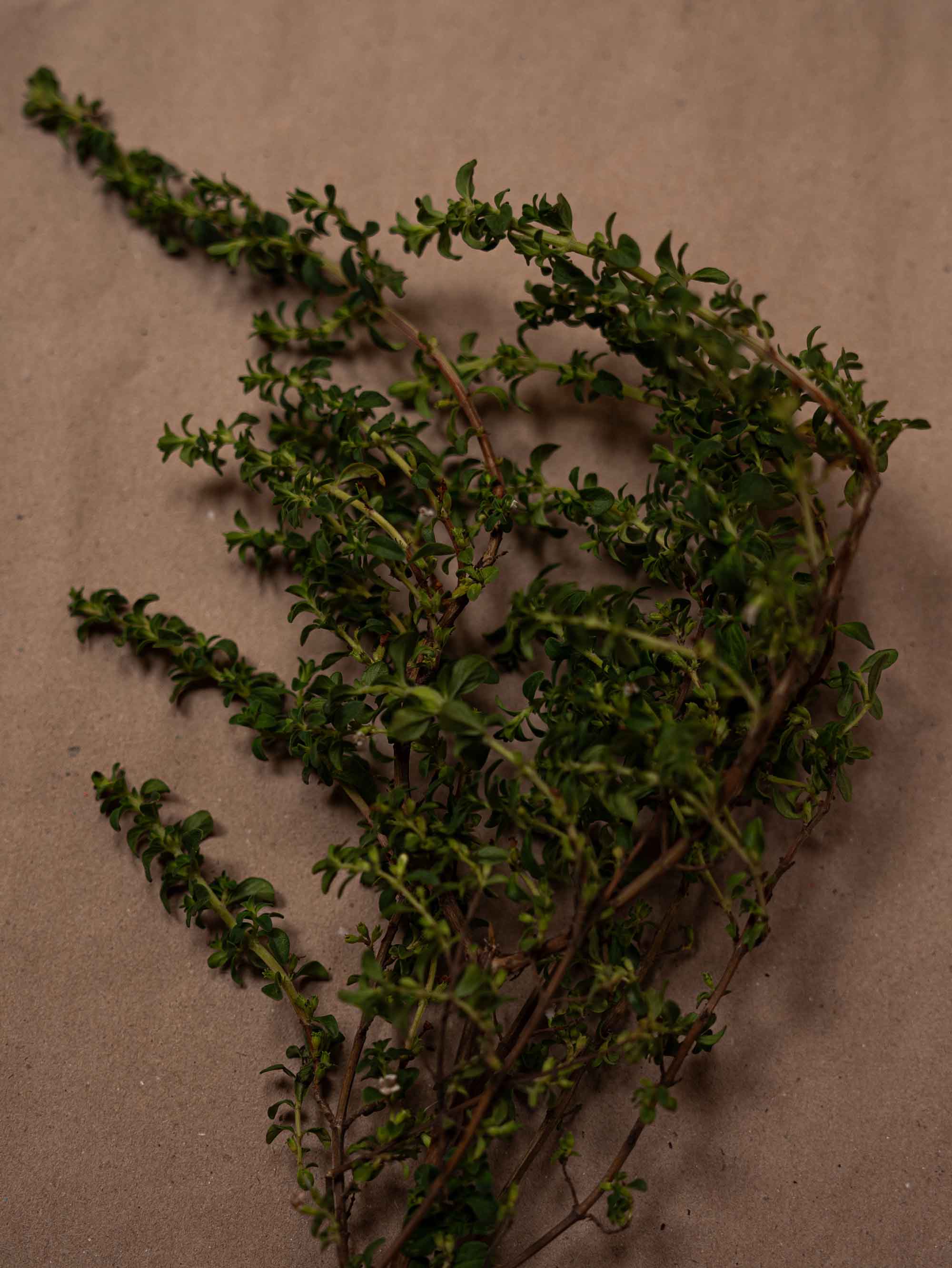
(17) Sorting and storage of the native corn Saccsa Sara. (18) Qeto qeto or Gamochaeta americana, used to make ointments. (19) Chillka or Baccharis sp., used to make ointments. (20) Muña or Mitostachys andina, a medicinal plant used as a filter. (21) Molle or Schinus molle, used to make ointments. (22) Chamomile or Chamaemelum nobile. (23) Calendula or Calendula officinalis, a medicinal plant used in soap-making. (24) Communities create spaces where the return of ancestral seeds to the hands of their original guardians is safeguarded. Diversity ensures the food security of the ayllu.

The economic component is built, in this sense, on a different logic from that of conventional businesses. The microenterprises that have emerged within the framework of this project operate under the principles of a solidarity economy: profits are distributed, sales shifts are rotated, and the benefits extend to the community. In areas where bartering remains a common practice, the goal is to integrate these practices into a hybrid model that combines income with traditional forms of mutual support.

Sumaq Kawsay, or “good living,” promotes forms of production based on balance with nature, reciprocity, and collective well-being.

Jessica recalls the story of Jacinta, a Quechua woman from Chalakuy Park who had learned from her mother how to set fractures but had stopped practicing it because it did not generate income. Through workshops implemented by the communities, with the help of ANDES, her knowledge was transformed into a product with better presentation and greater demand. “Now they call her: ‘Mrs. Jacinta, help me, there’s a fracture, etc.,’” Jessica adds. This led Jacinta to resume an active role as a healer in her community, something that reshapes the perception women themselves have of themselves and their knowledge.

As the project’s main facilitators, Tammy and Jessica explain that many of the participants, especially the older ones, have not had access to a complete formal education, and this influences how they value their knowledge. “At first they say, ‘I don’t know much because I didn’t go to school,’” Tammy says. But by recognizing and valuing what they already know through actual concrete experience, like the workshop where they teach and learn alongside other women, that perception changes.

The results have taken root in places like markets and processing centers in Pisac and Lares, where the biocultural products made by the women of Parque de la Papa and Parque Chalakuy are sold regularly, under their respective collective brands, at prices that reflect the value of the knowledge incorporated. The reception has been positive, and the women are already seeing the possibility of expanding their presence to other markets, improving labeling and obtaining health certifications.

For the ANDES Association, this progress points toward a broader goal: the full autonomy and sustainability of biocultural territories and economies. “We’re here to support them, but the idea is that, eventually, biocultural territories and economic initiatives managed by Quechua women will not need ANDES support,” Tammy says.

In a context where climate change continues to intensify its effects on agriculture and life cycles in the Peruvian Andes, autonomy becomes a vital necessity on the road to adaptation and the way of life of indigenous communities. Every visit to Parque de la Papa and market day in Parque Chalakuy is an opportunity for economic exchange and a meeting point that highlights a deeper transformation: that of women who, by innovating based on their ancestral knowledge, are redefining their place within the Quechua community, building their own responses to an uncertain future.

(26)

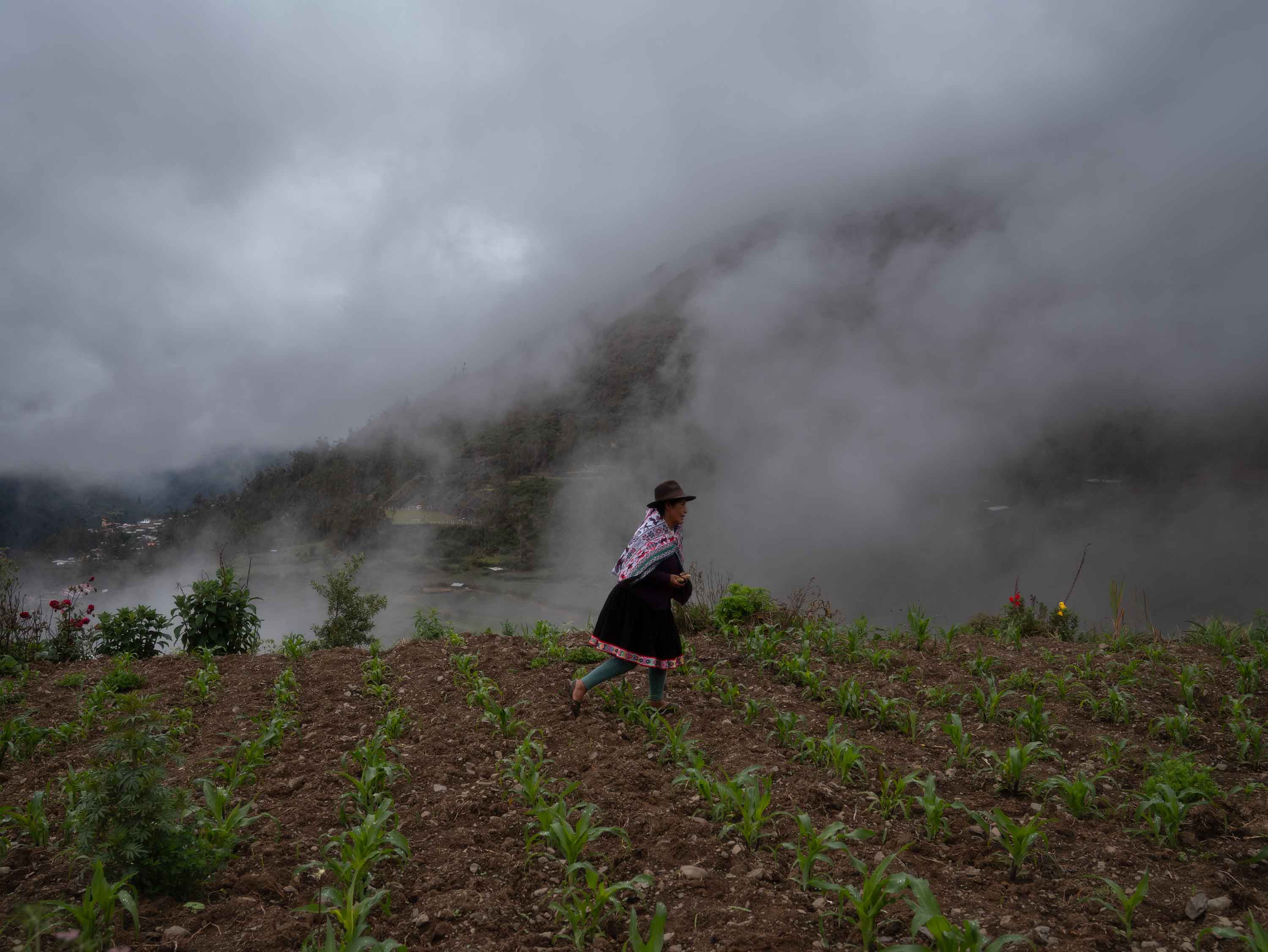
(26) Felicia Tito Paucar walks among her crops. Her efforts have made it possible to conserve more than 220 varieties of native corn, a collective heritage that sustains food autonomy.

Baleu, Guaxpom La Calera, Mocohán / Alta Verapaz, Baja Verapaz / Guatemala
Las comunidades Maya Q’eqchi’ y Maya Poqomchi’ se encuentran en los municipios de San Cristóbal Verapaz y Tucurú, en el Departamento de Alta Verapaz, y el municipio de Purulhá en Baja Verapaz, ubicados en la Región Norte de Guatemala. El territorio es atravesado por la Sierra Madre y el entorno es predominantemente subtropical y montañoso. Las temperaturas oscilan entre los 16 - 22 °C.
ORGANIZACIÓN
Unión Verapacense de Organizaciones Campesinas (UVOC), Asociación Mujeres Mayas Comprometida con el Desarrollo de las Comunidades Indígenas y Campesinas (IXOQ MAYAJ)
PARTICIPANTES DIRECTOS
180
PARTICIPANTES inDIRECTOS
300

Priorizar los conocimientos ancestrales de las comunidades para la defensa y recuperación cosmogónica del territorio Maya Q’eqchi’ y Maya Poqomchi’. Realización del primer intercambio de experiencias a nivel ancestral y cosmogónico, con la participación de Autoridades del área Sur, Occidente, Altiplano y Norte de Guatemala. Construcción de huertas, viveros y parcelas demostrativas por parte del equipo técnico y de los participantes con el objetivo de mejorar la nutrición y consolidar la seguridad alimentaria de la región.

+ info
- info