6th IPAF–IFAD Cycle (2022–2026)
ORGANIZATION
Center for Farming Research and Training (CICCA)
DIRECT BENEFICIARIES
80
INDIRECT BENEFICIARIES
150

The project promotes the recovery of colored alpacas in the community of Iscahuaca through training producers and strengthening their skills. It seeks to preserve biodiversity and ensure the sustainable use of natural resources, maintaining environmental quality while reviving ancestral practices. It also seeks to promote the participation of women and the youth, thus contributing to sustainable development, climate change adaptation, and family health.

+ info
- info
Preserving color for the future
PHOTOGRAPHYFlorence Goupil
TEXTAndrea Fajardo
Iscahuaca Community / Cotaruse District / Aymaraes Province / Peru

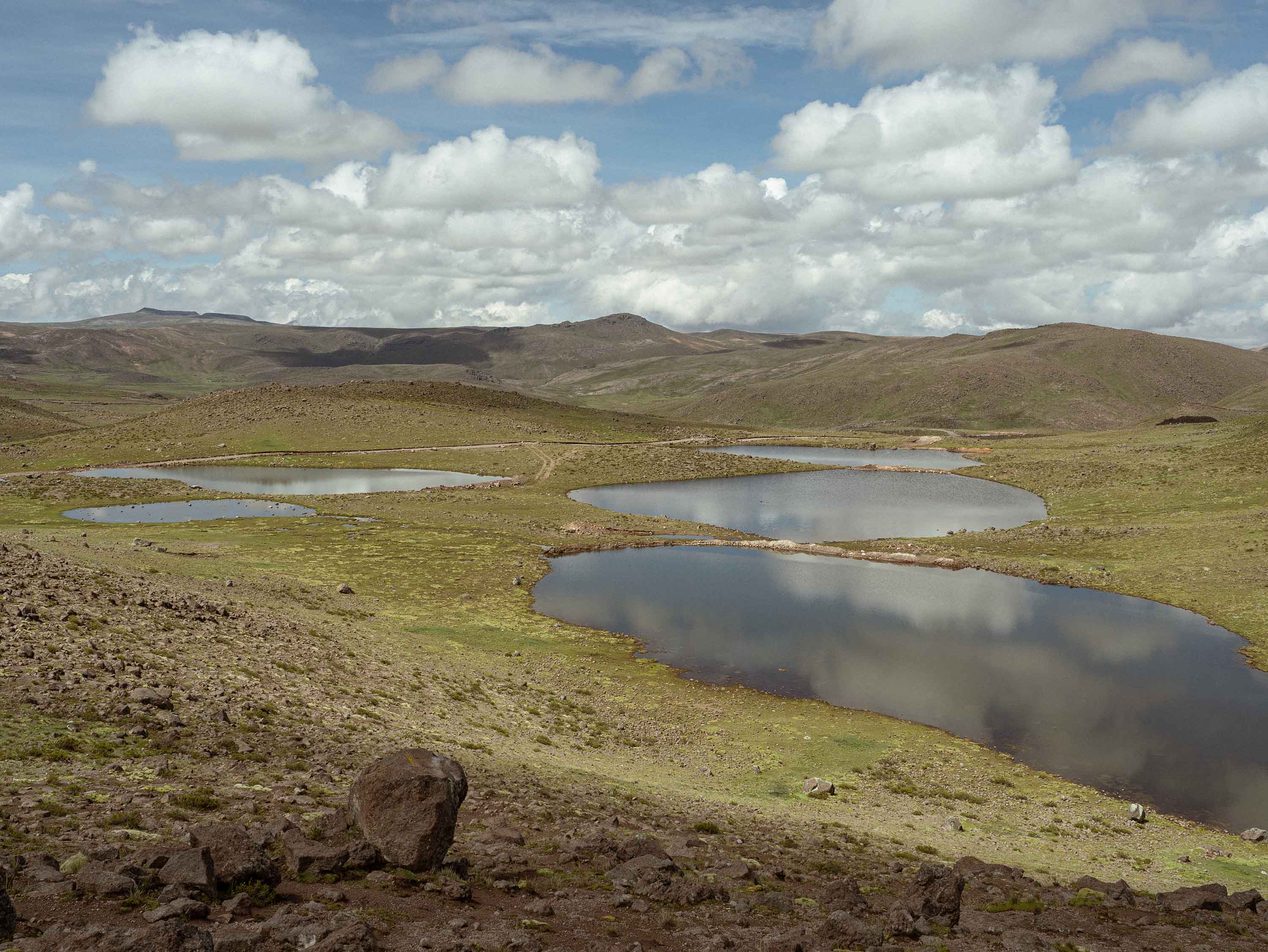
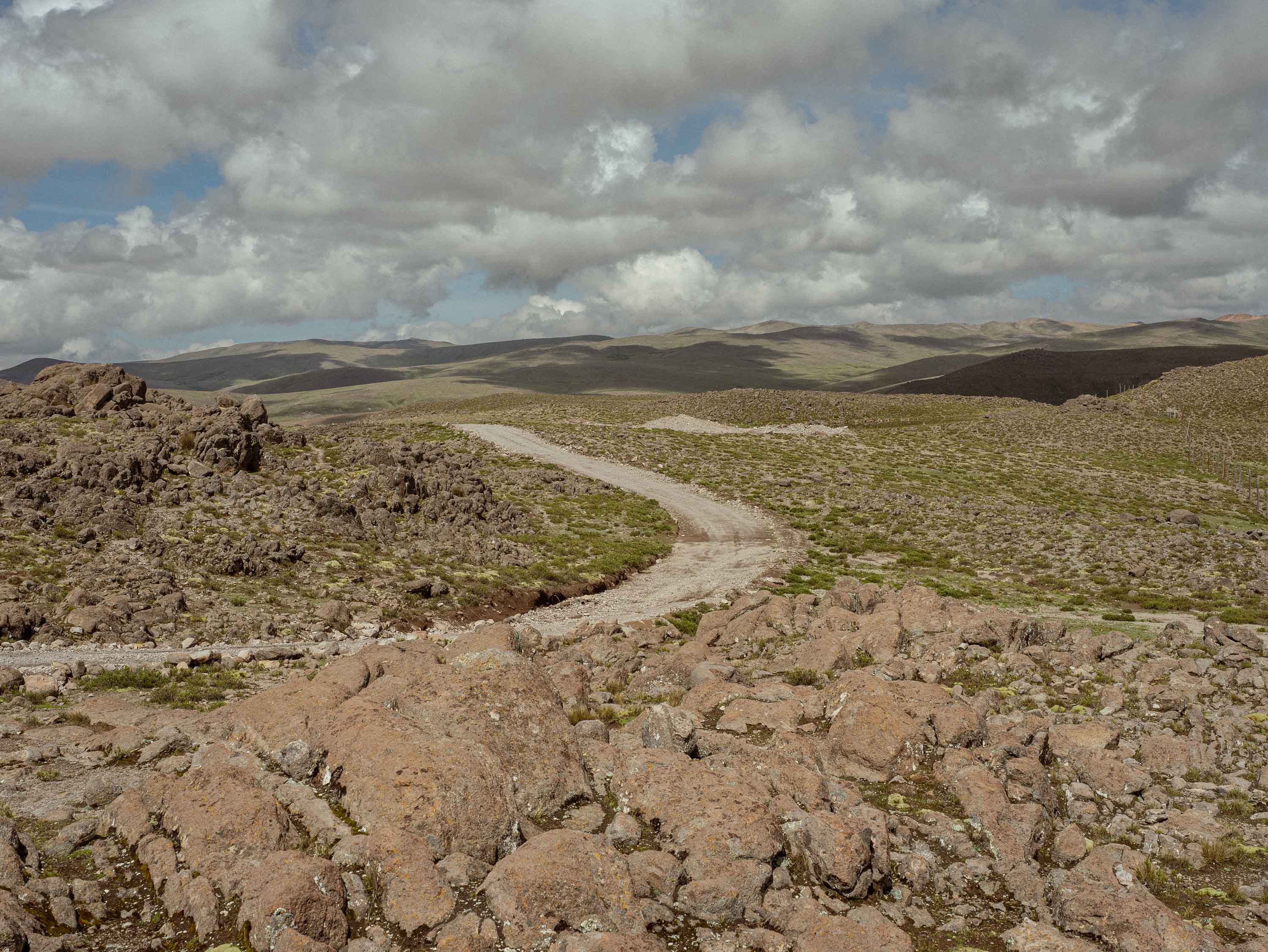
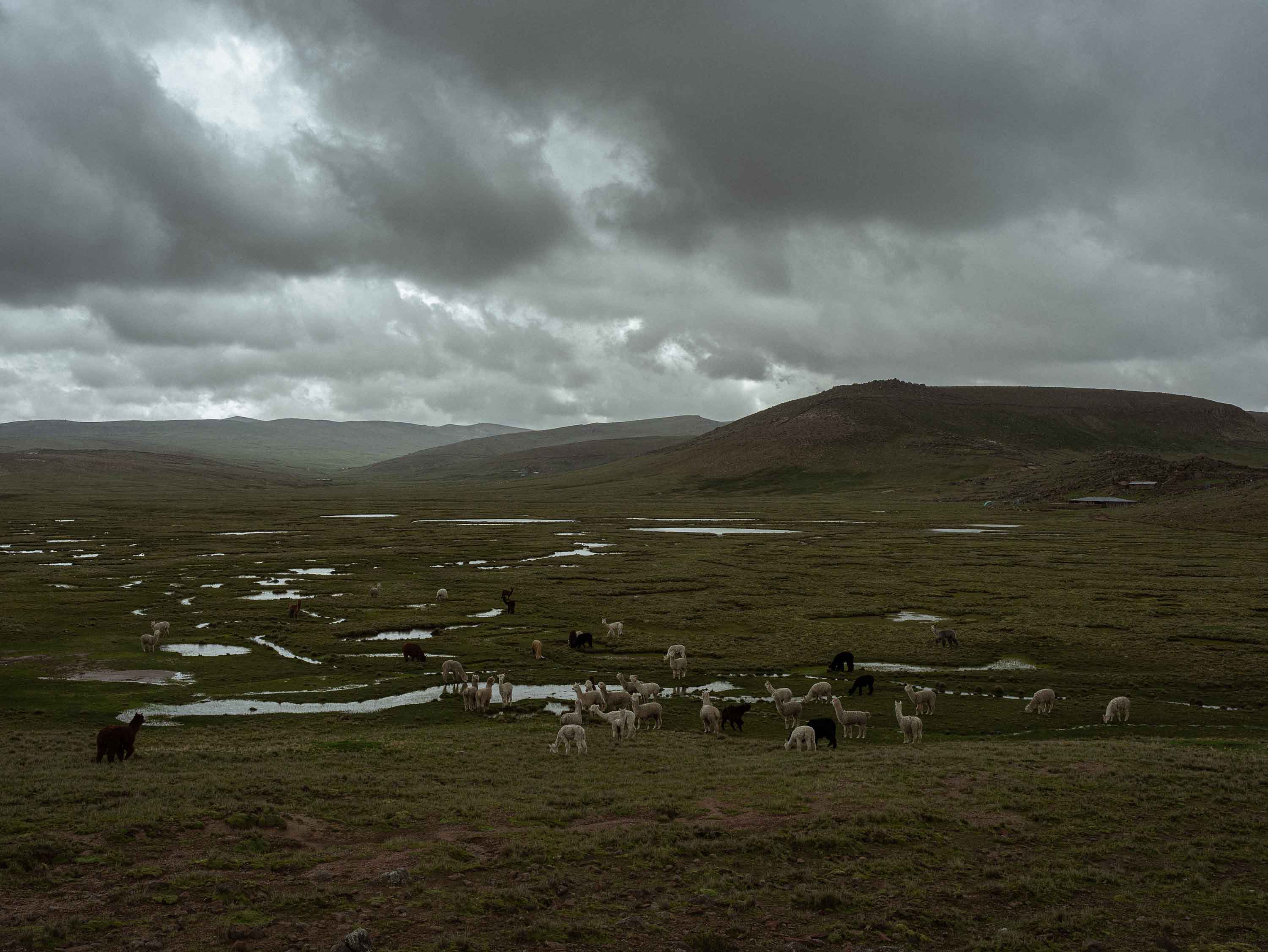
In the highlands of the Apurímac region, at an altitude of about 4,200 meters above sea level, three South American camelids survive: alpacas, llamas—both domesticated—and vicuñas—wild animals. For centuries, they have been close companions to the high Andean communities of Peru. The Apurímac region borders Cusco to the northeast and is the fifth-smallest department in the country, once renowned for its diversity of colored alpacas.

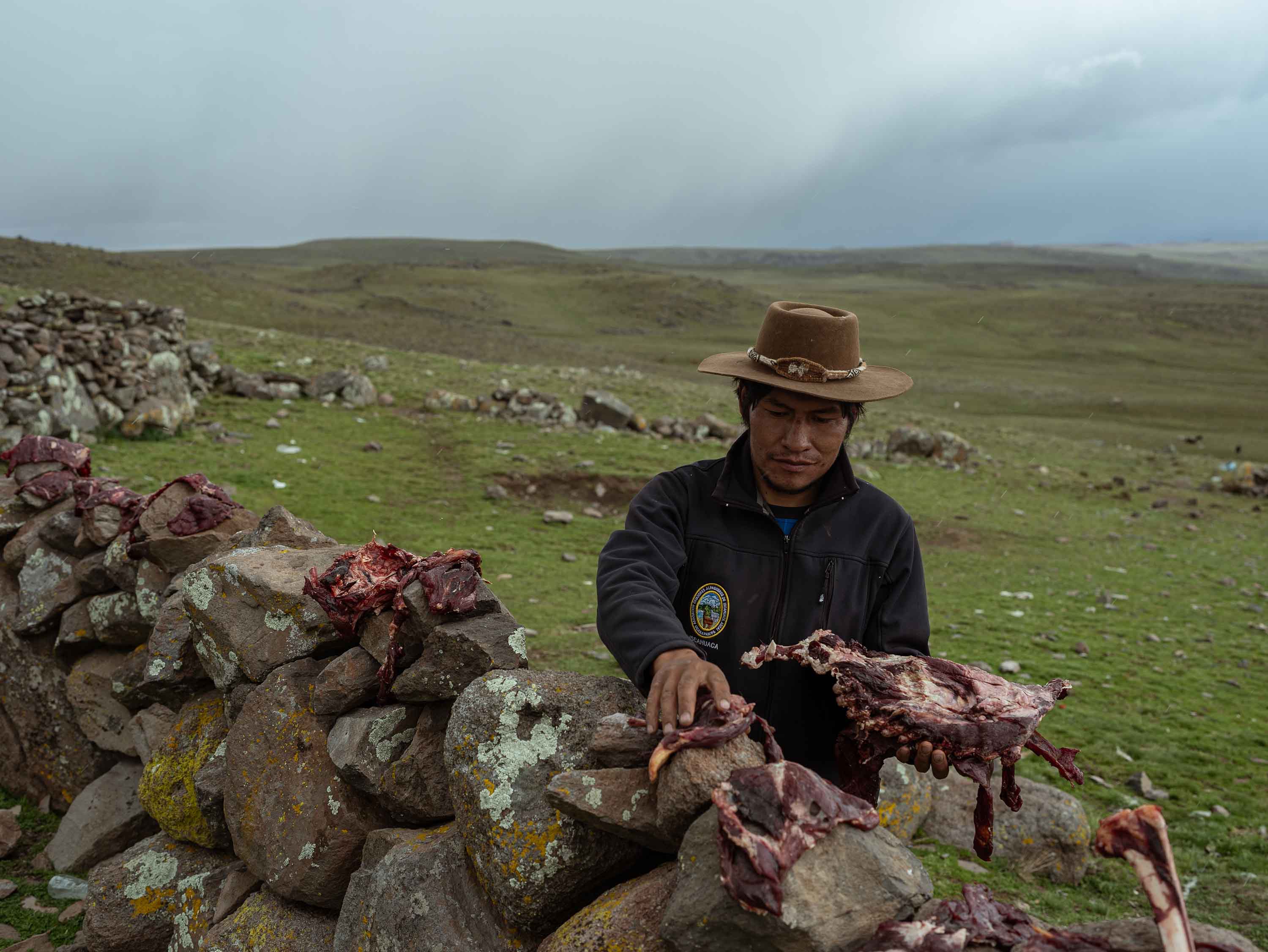
It was in the mid-20th century that the international market boosted the export of light-colored fiber—mostly white— as this fiber was easier to dye and market. This led to the decline of species such as the ‘yanapacos’ (black alpacas). “When the market demanded only white alpacas, the colored ones were neglected. Many colored males with good fiber were culled and used for meat; they were given no other value,” explains Fodi Beatriz Huarcaya, a young Quechua veterinarian from the community of Iscahuaca, located 170 km from Abancay, the capital of Apurímac.
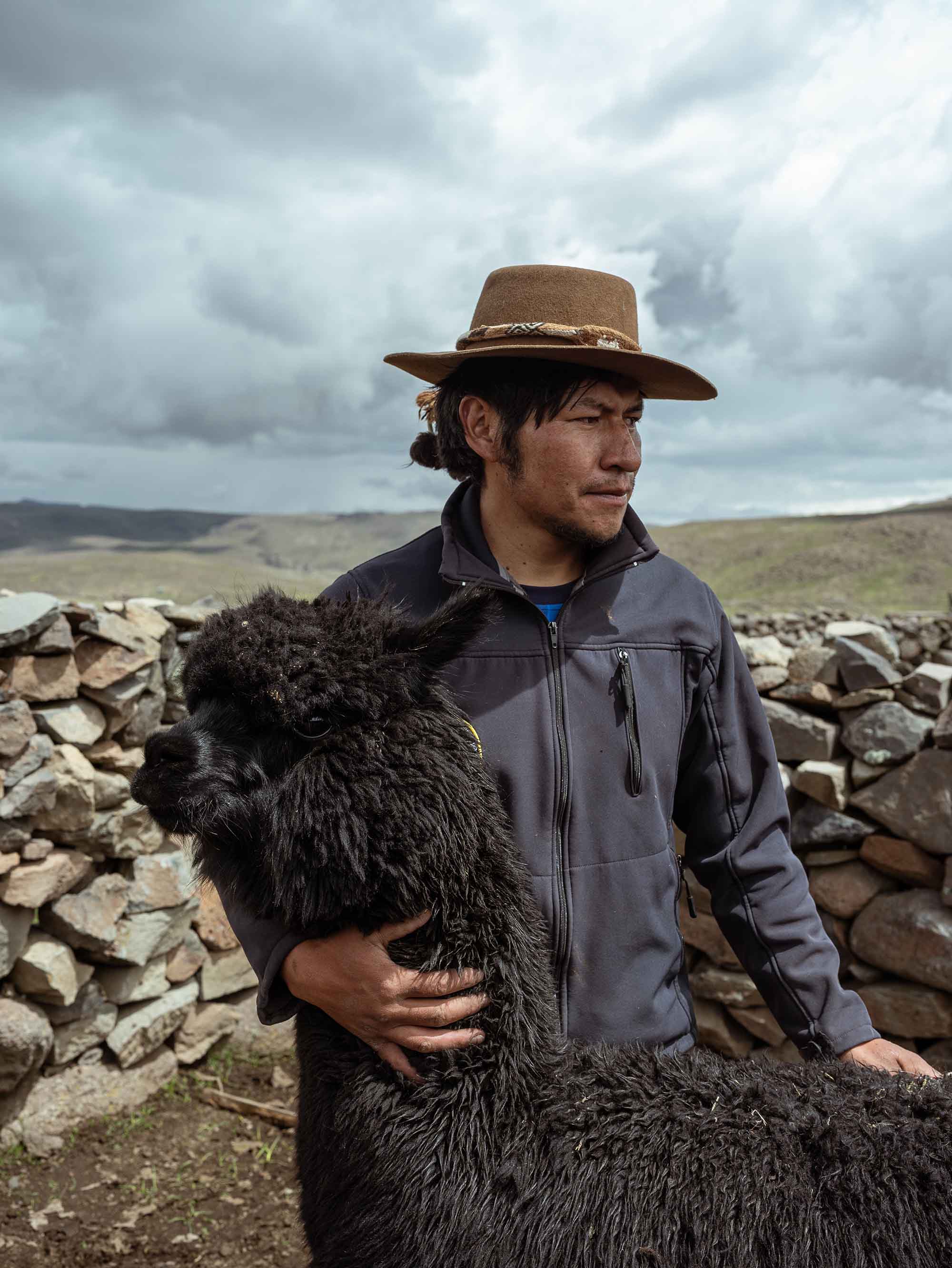
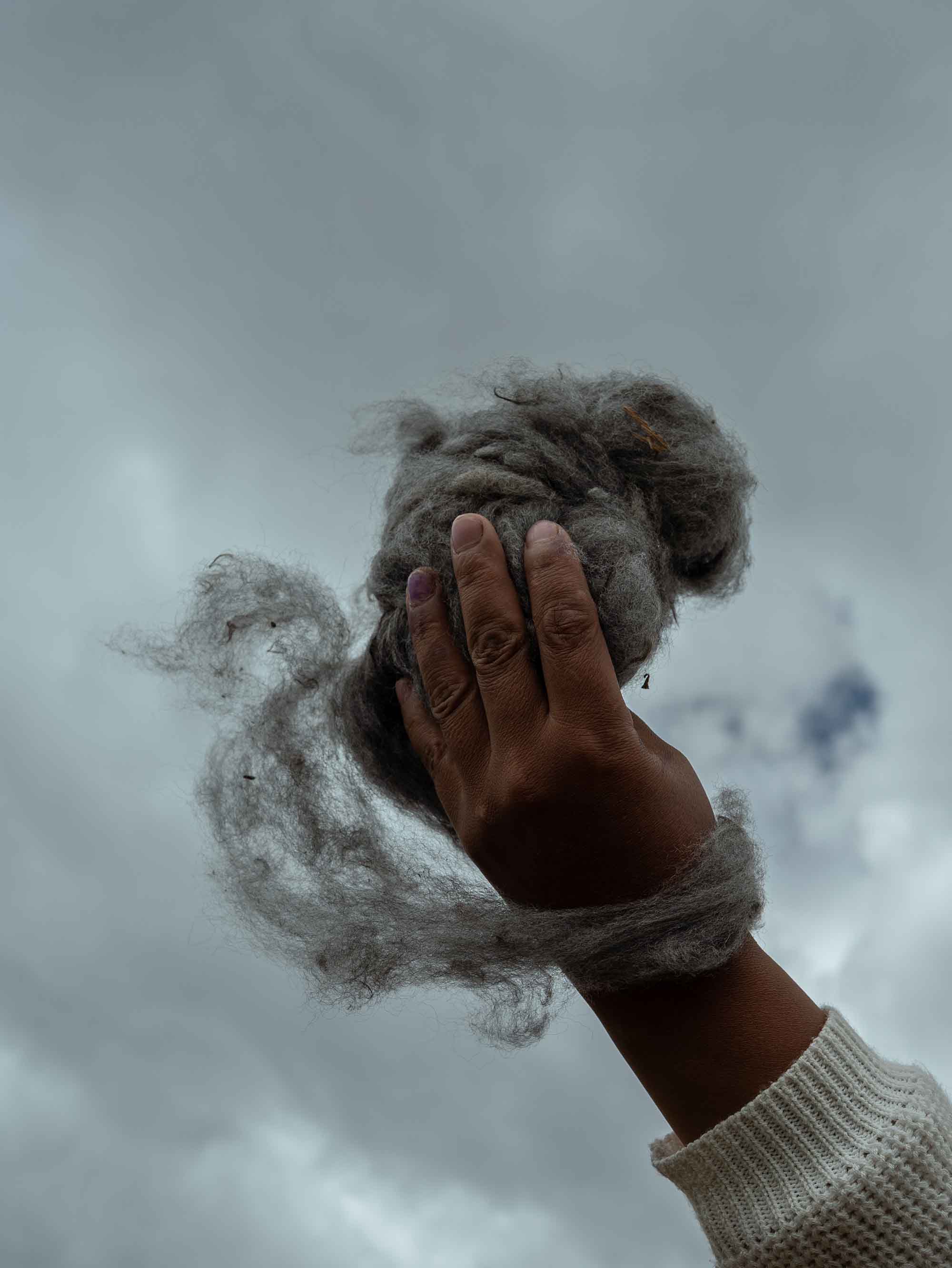
As the colored alpacas disappeared, part of the bond that breeding communities had with the animals and their environment also faded. Alpaca breeding responded to a distant market that had little to do with the cycles of the earth and life in the mountains. In Iscahuaca, where every shade of wool is valued as something unique and impossible to replicate, this loss has fractured the community fabric. Climate change has also exacerbated this problem. Fodi explains that there have been significant changes in rainfall patterns and planting seasons. Now the green pastures last shorter, and the alpacas, which depend on them, die or abort their young.
Maxi Cavero Ludeña, director of the Center for Farming Research and Training (CICCA), says that “in the past, planting seasons were very distinct; now we don’t know when to start. It might rain, and then a dry spell might come and ruin the crop.” Under these conditions, activities that were once common for the community are now nearly impossible. In the past, the shearing process to obtain fibers could be postponed until the animals’ fleece had thickened, but today it must adapt to shorter cycles to ensure an income for families who depend on this activity.

(4)
(5)
(6)
(7)
(8)
(9)
(10)

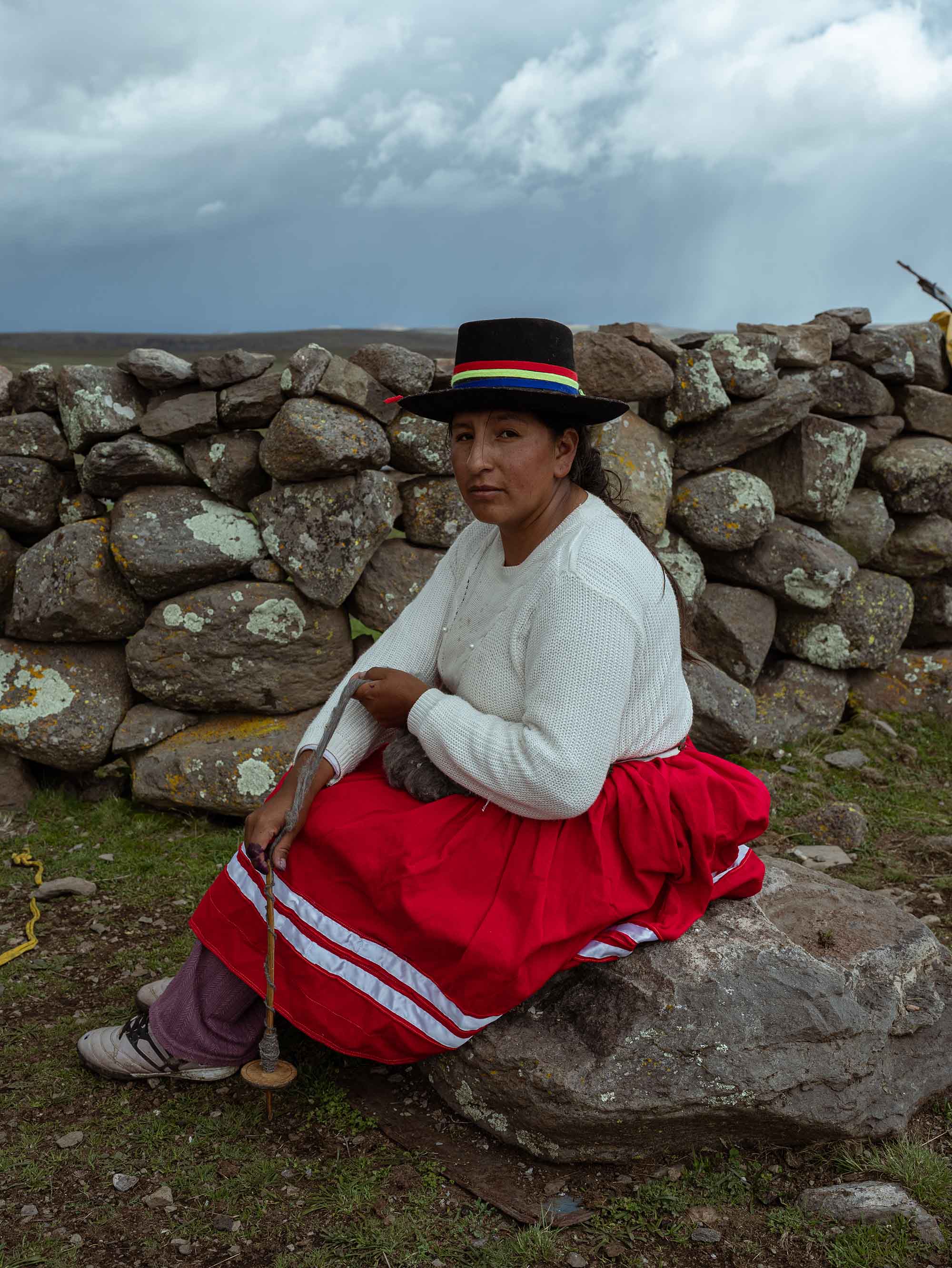
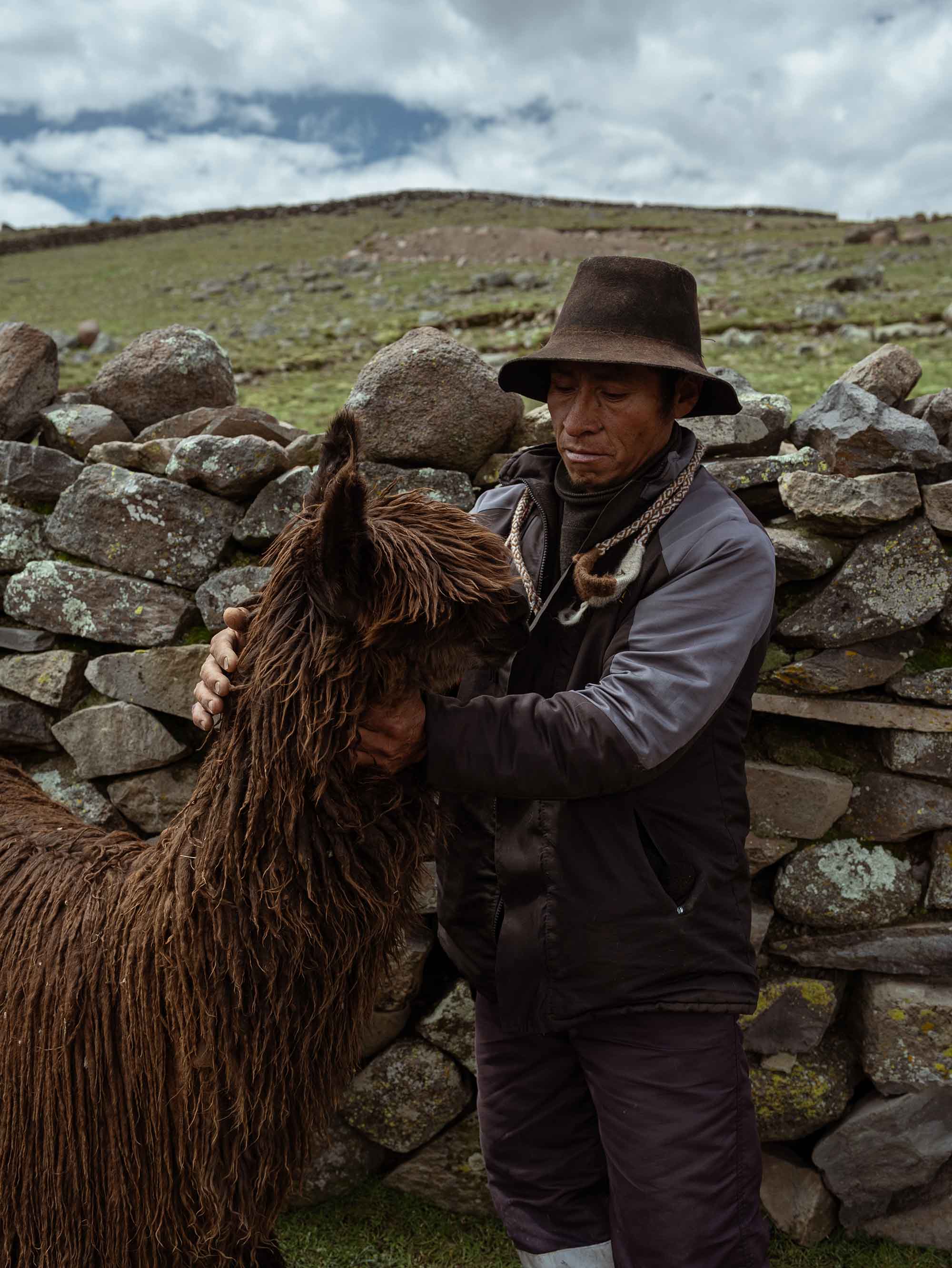
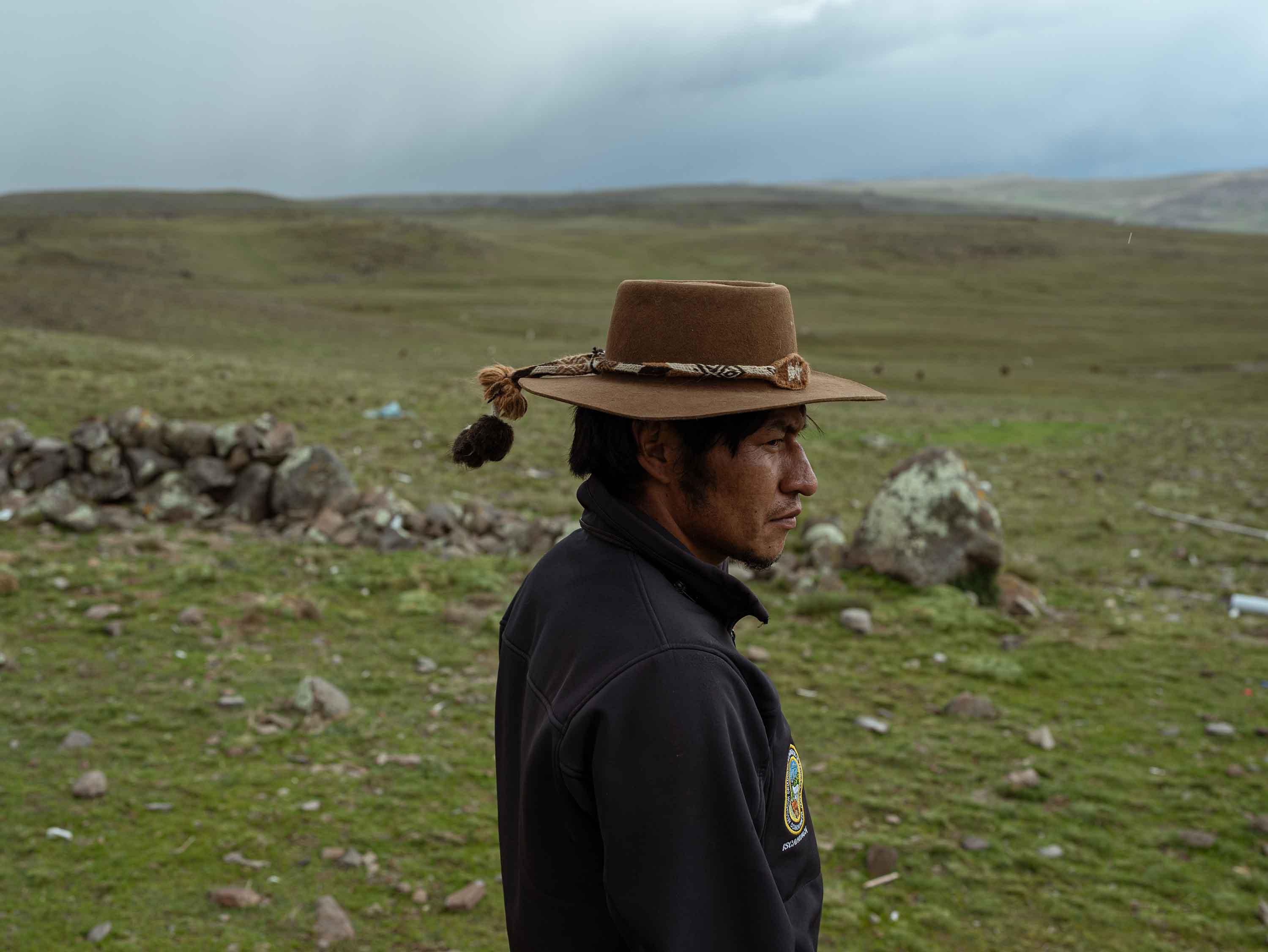
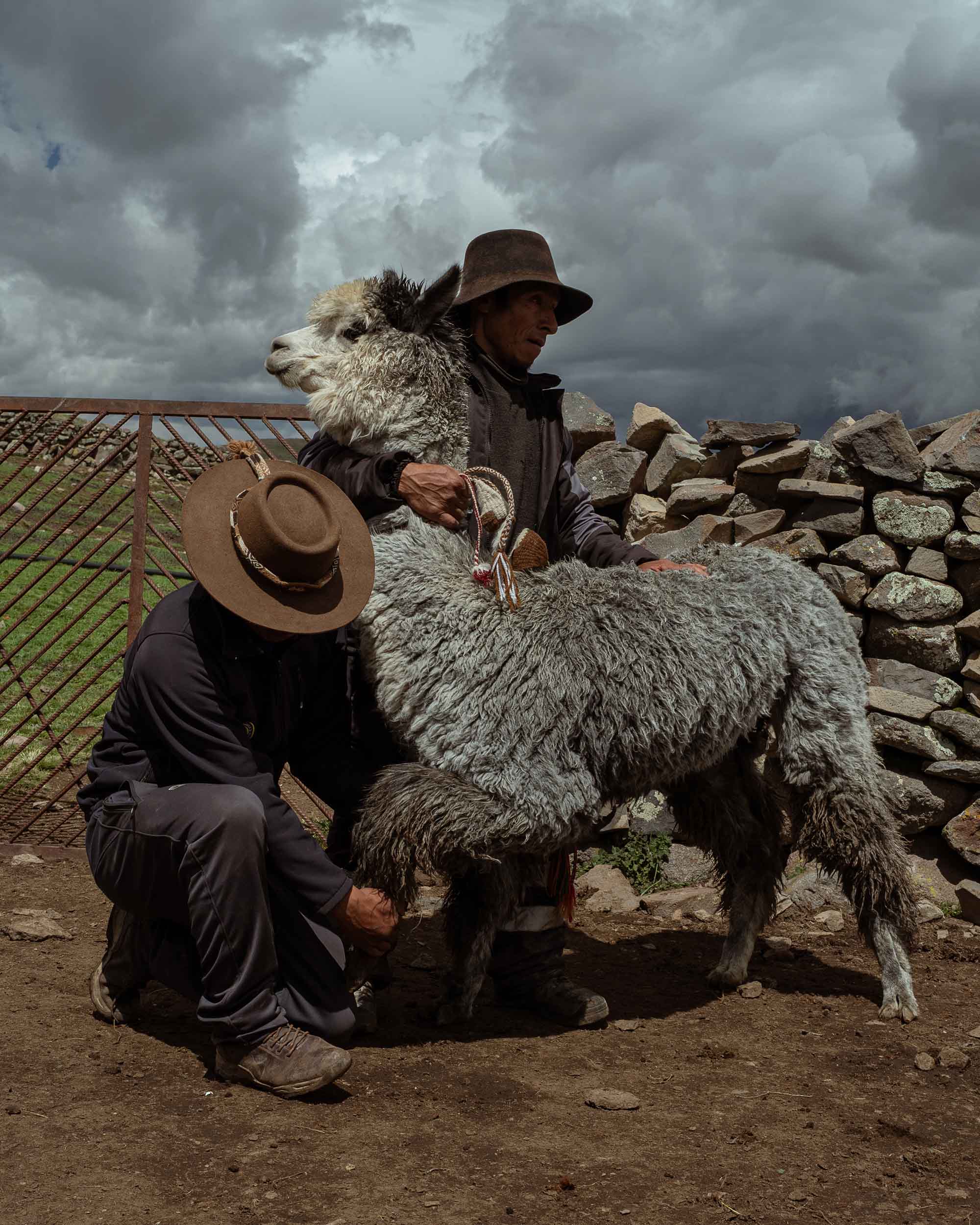
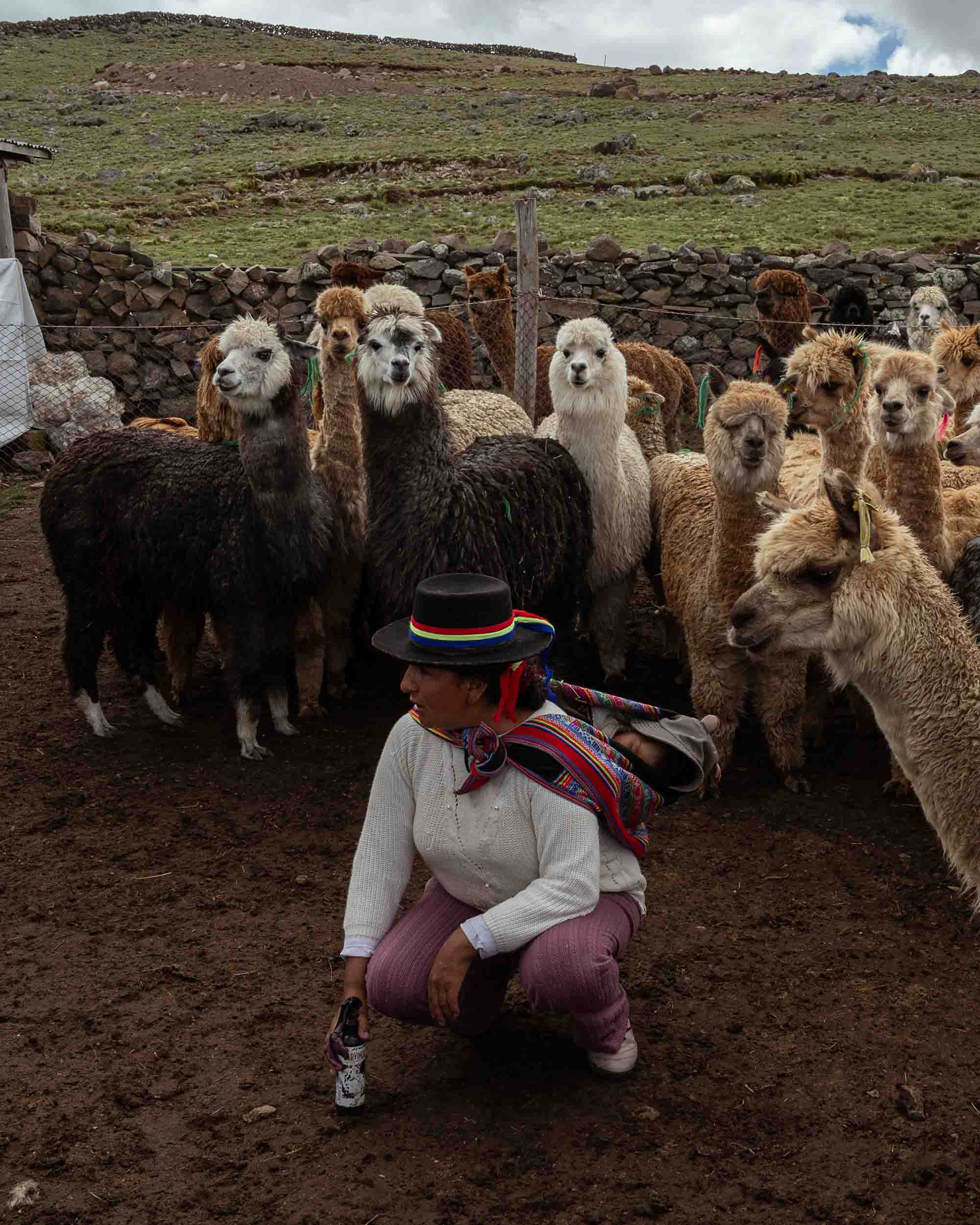
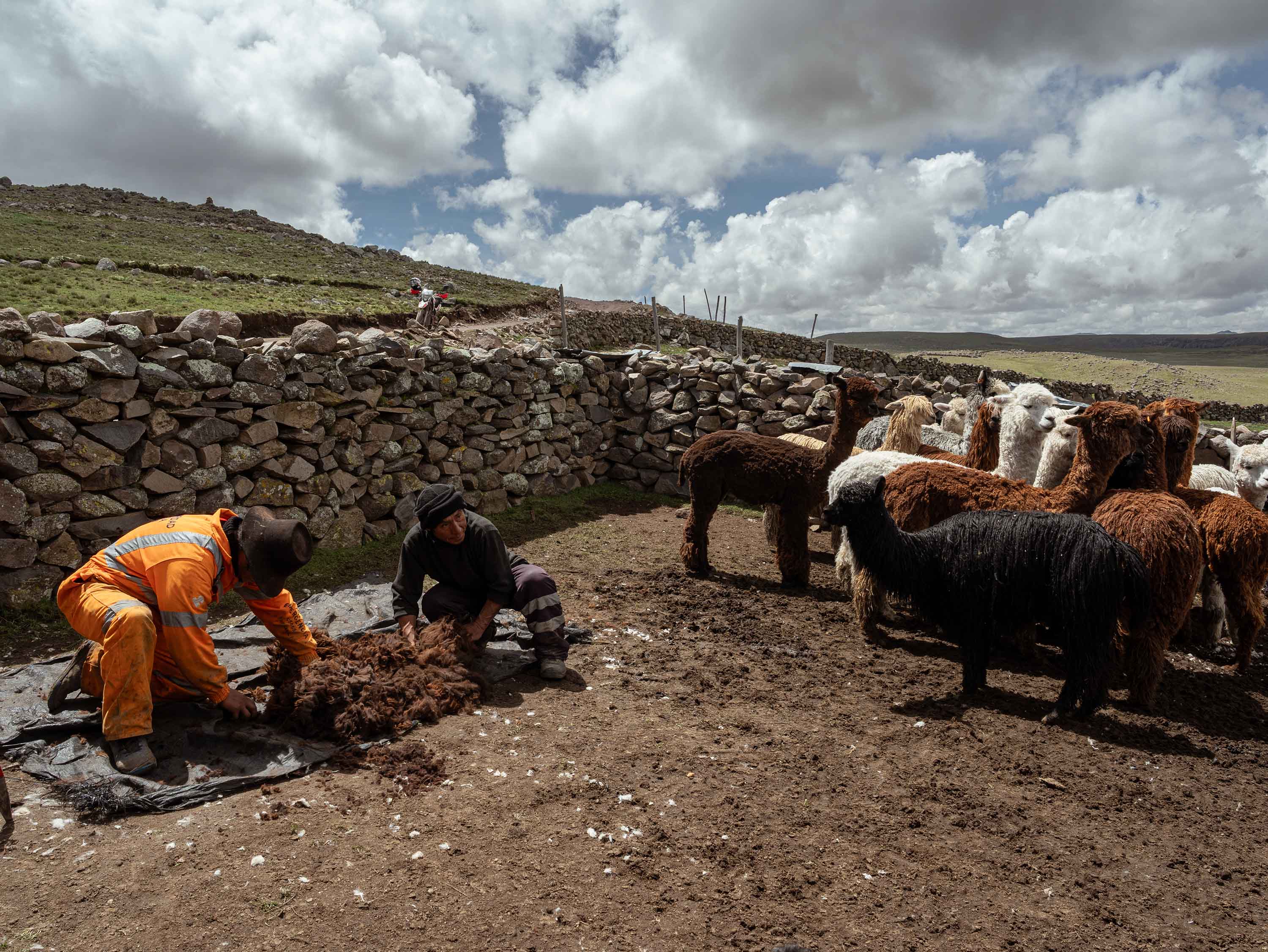
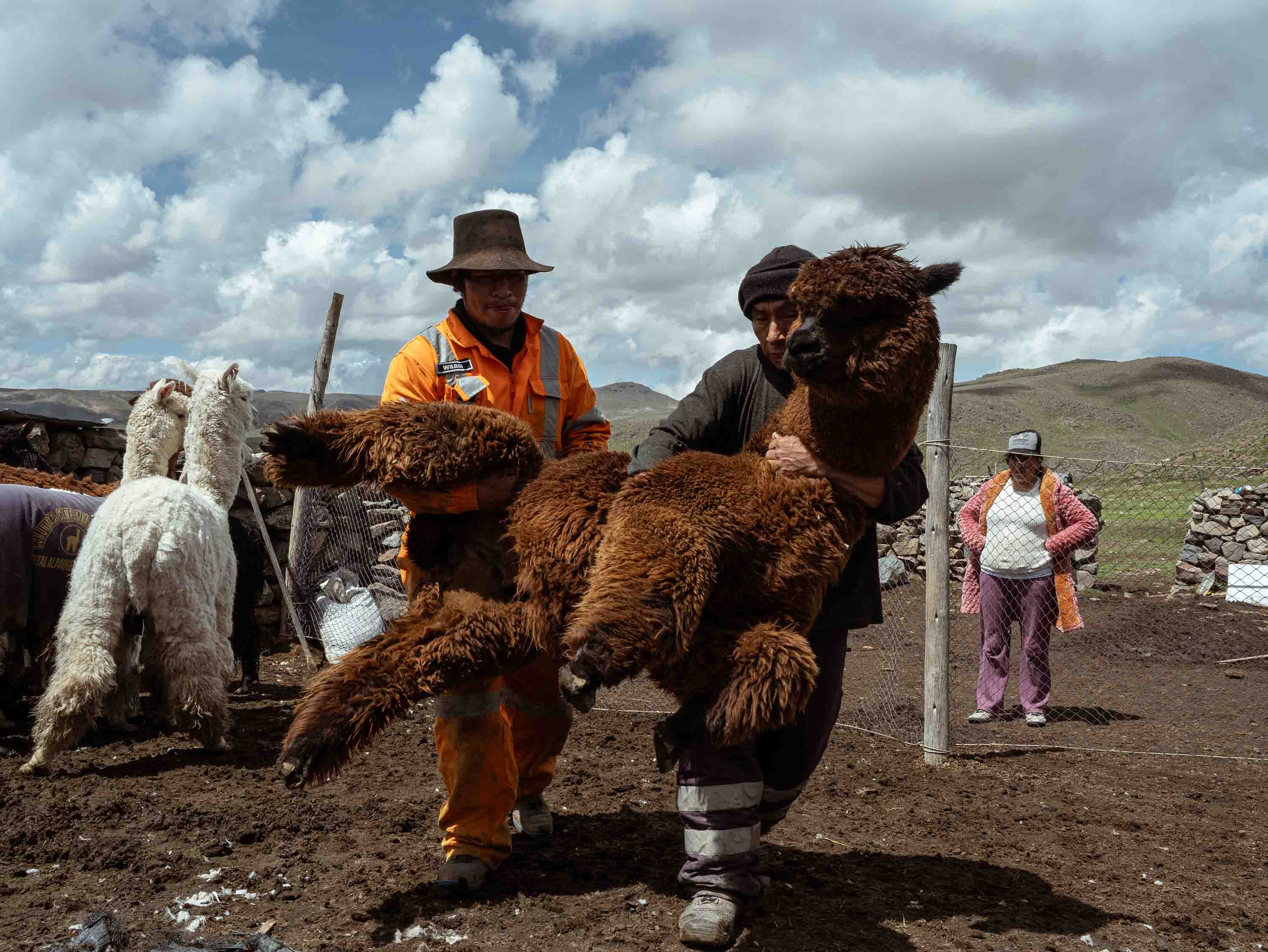
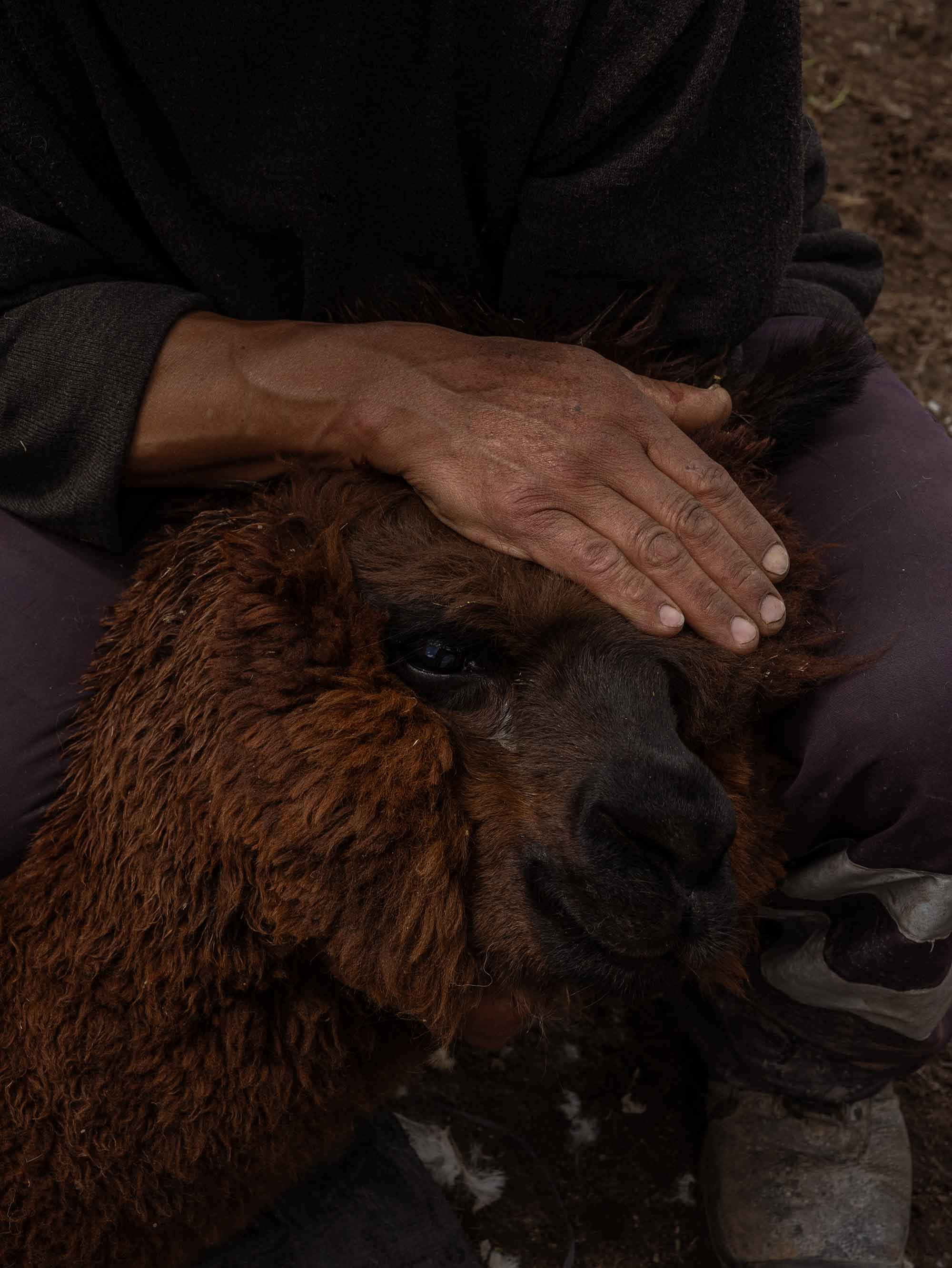
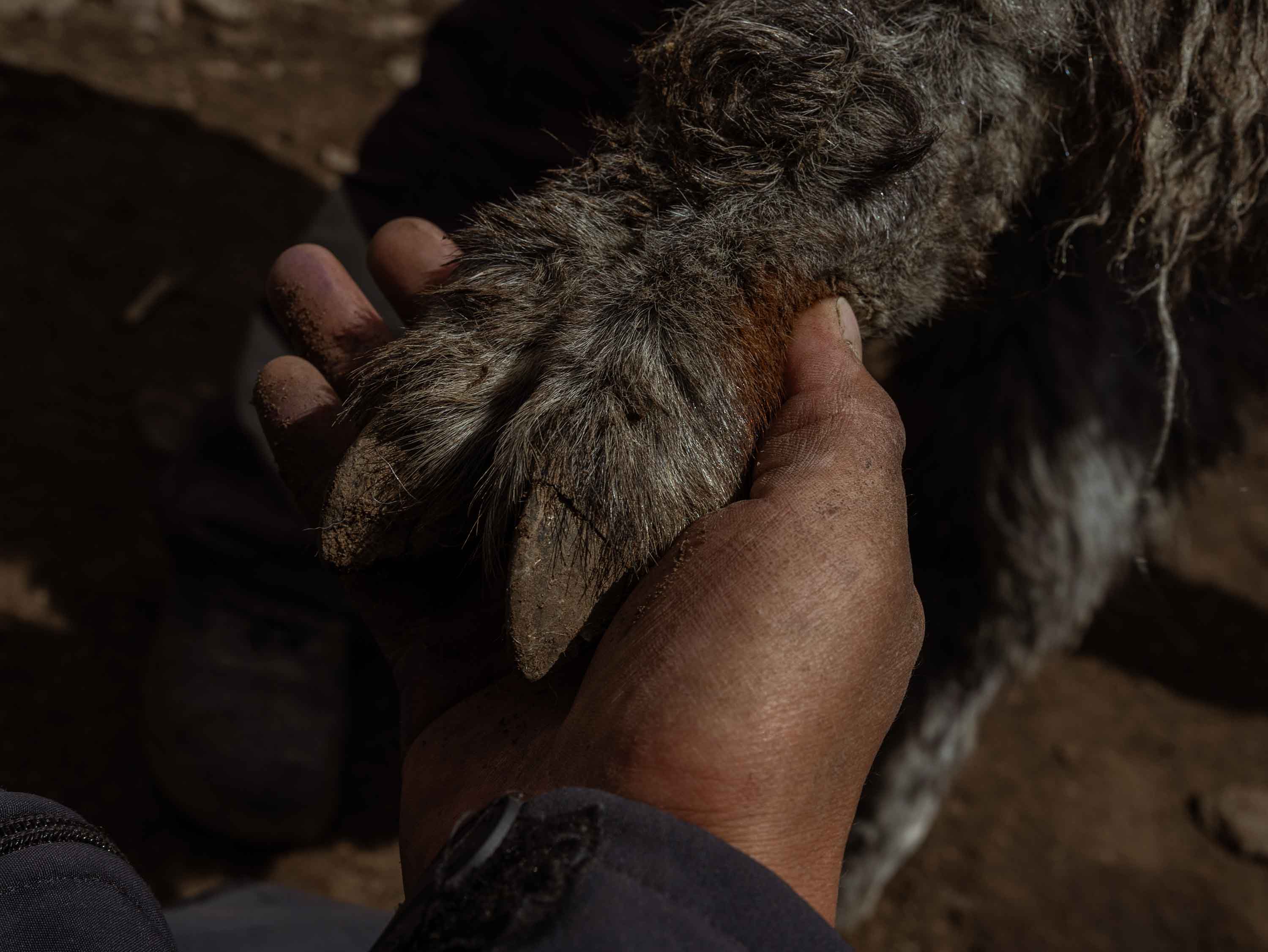
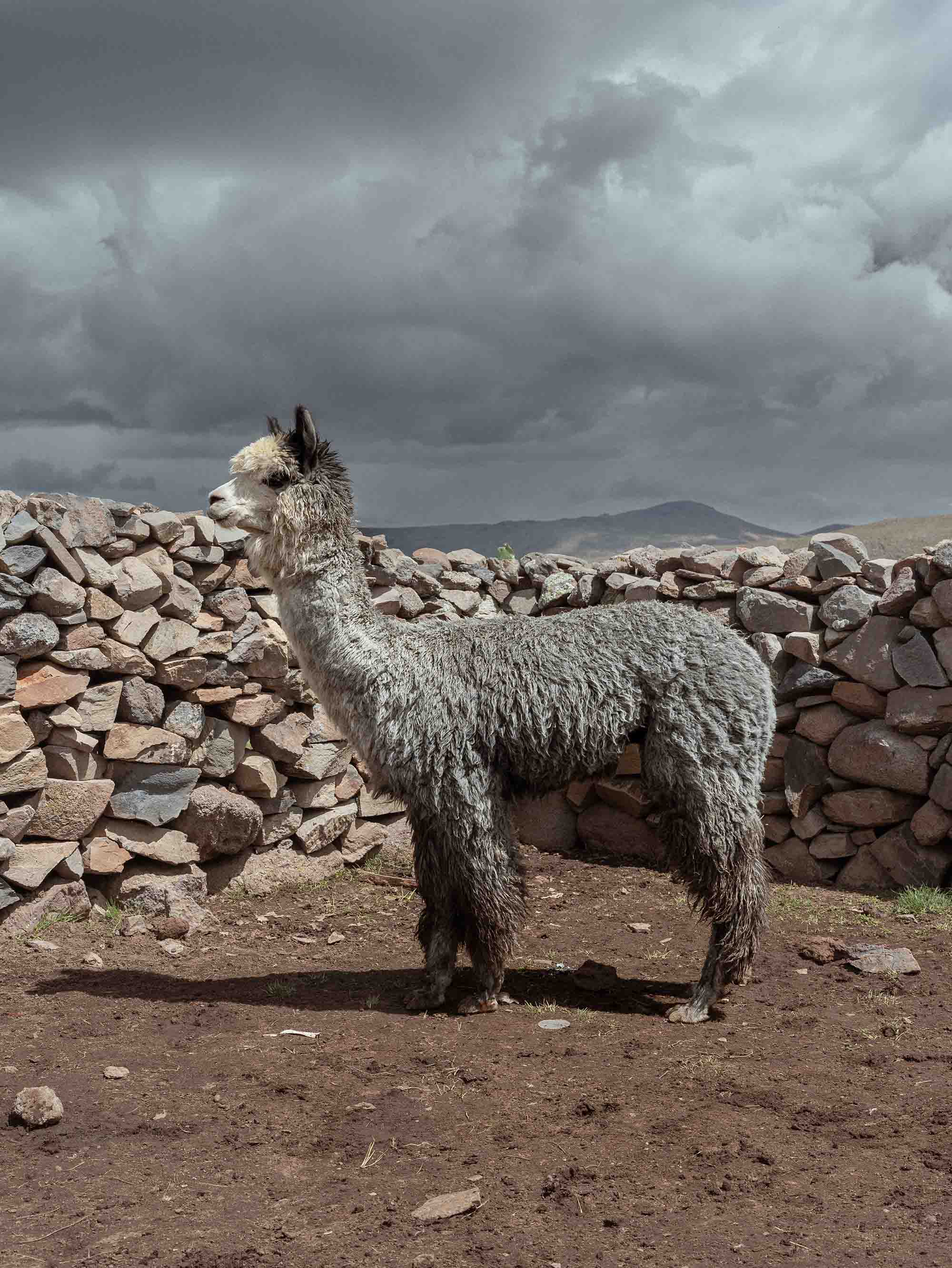
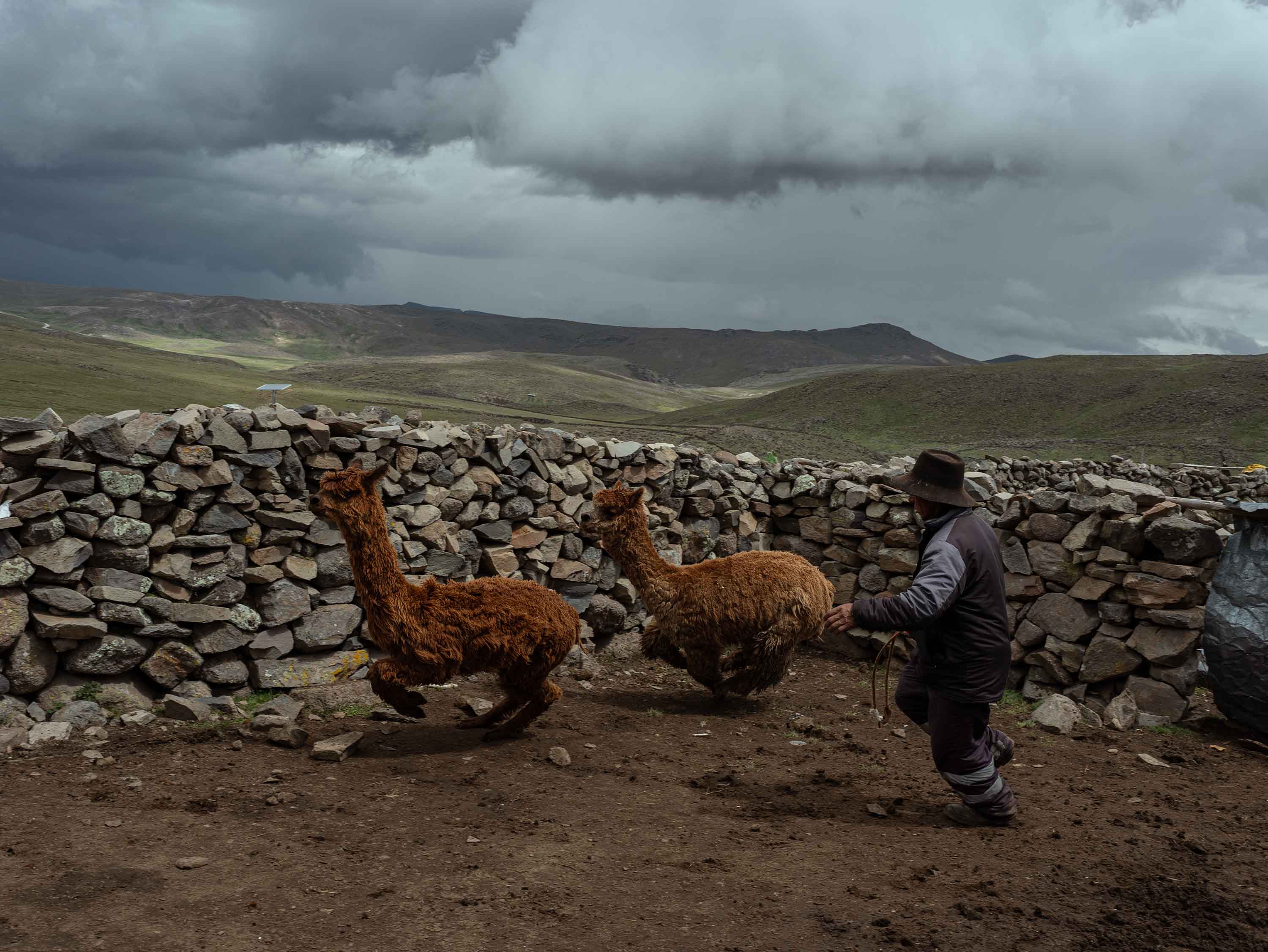
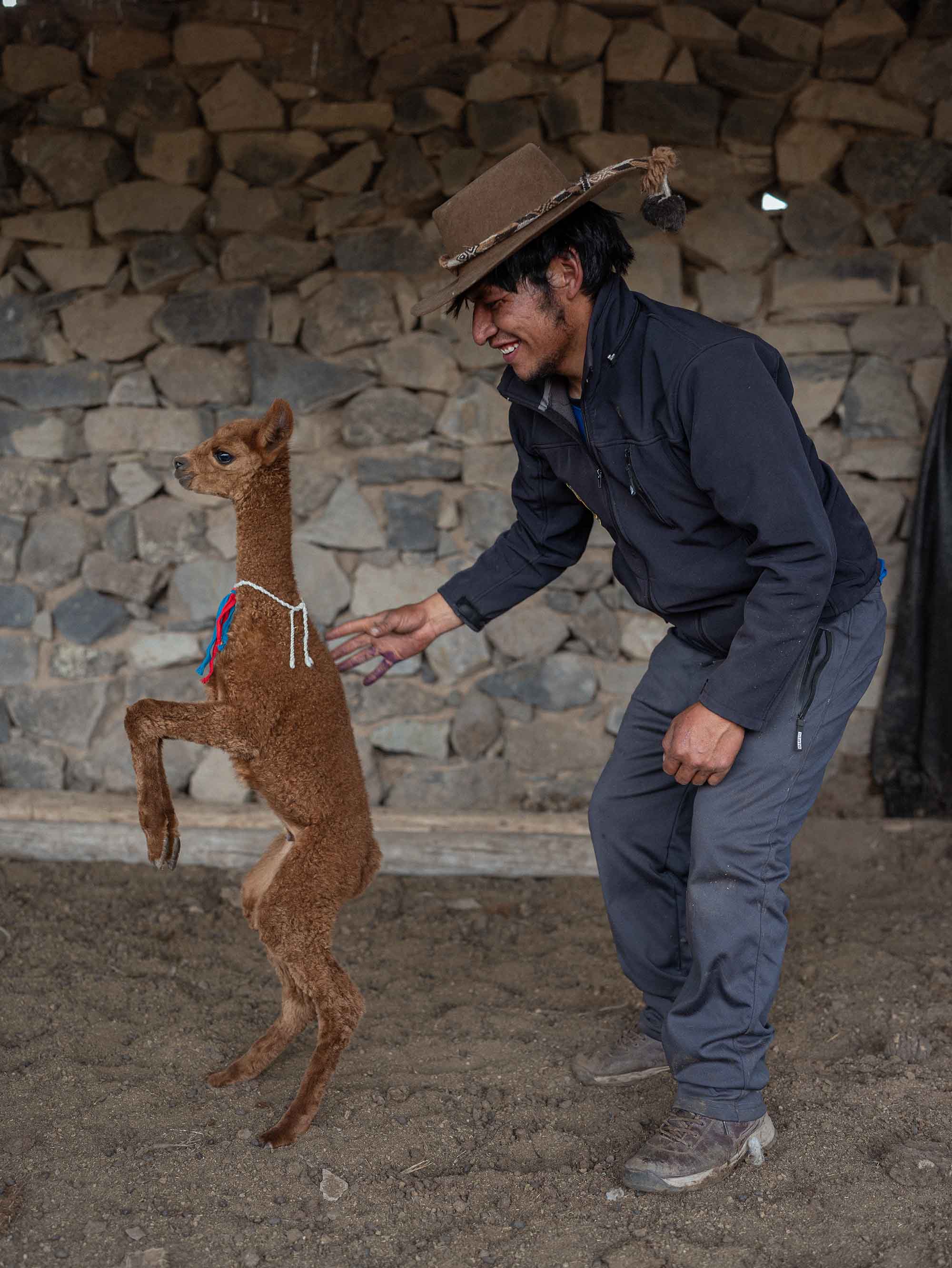
(4) The Apurímac region lies at 4,200 meters above sea level. (5) Diosinia Cuaresma, an alpaca herder, spins gray wool with a Pushka. (6) Flavio Condori prepares an alpaca for shearing. (7) Wilber Llacta. (8) Alpaca herders conduct periodic health inspections to identify animals suitable for shearing. (9) Dionisia Cuaresma among her herd. (10) The recovery of colored alpacas aims to reverse decades of market-driven selection.

With support from the International Indigenous Women’s Forum (FIMI) and funding from the International Fund for Agricultural Development (IFAD), through its Indigenous Peoples’ Assistance Facility (IPAF), CICCA has been implementing a project for the conservation, management and recovery of colored alpaca breeding in the community of Iscahuaca since 2024. The project combines infrastructure, knowledge, and technical support to restore alpaca diversity in harmony with the ecosystem these animals inhabit.

Colored alpacas possess unique natural shades that were historically displaced by international demand for white fiber.

They have assisted various families in building artisanal ccochas: small reservoirs or artificial ponds used for collecting and retaining rainwater. They have also installed infiltration ditches to prevent erosion and fences to protect pastures. So far, six ccochas have been built, some replicated on the families’ own initiative. In turn, they have conducted technical training sessions with young people in the community on controlled mating of alpacas and the improvement of natural pastures.

At the same time, they have promoted a genetic improvement program through the acquisition of colored males with fine fiber and a selection of females without congenital defects. Through rigorous record-keeping, each family has learned to document genealogies, administer veterinary treatments, and assist with births. “This form of organization is a very important step forward, because it allows us to raise the animals in an ecological way to produce unique, natural garments without dyeing,” Fodi explains.

(15)
(16)
(18)
(17)
(19)

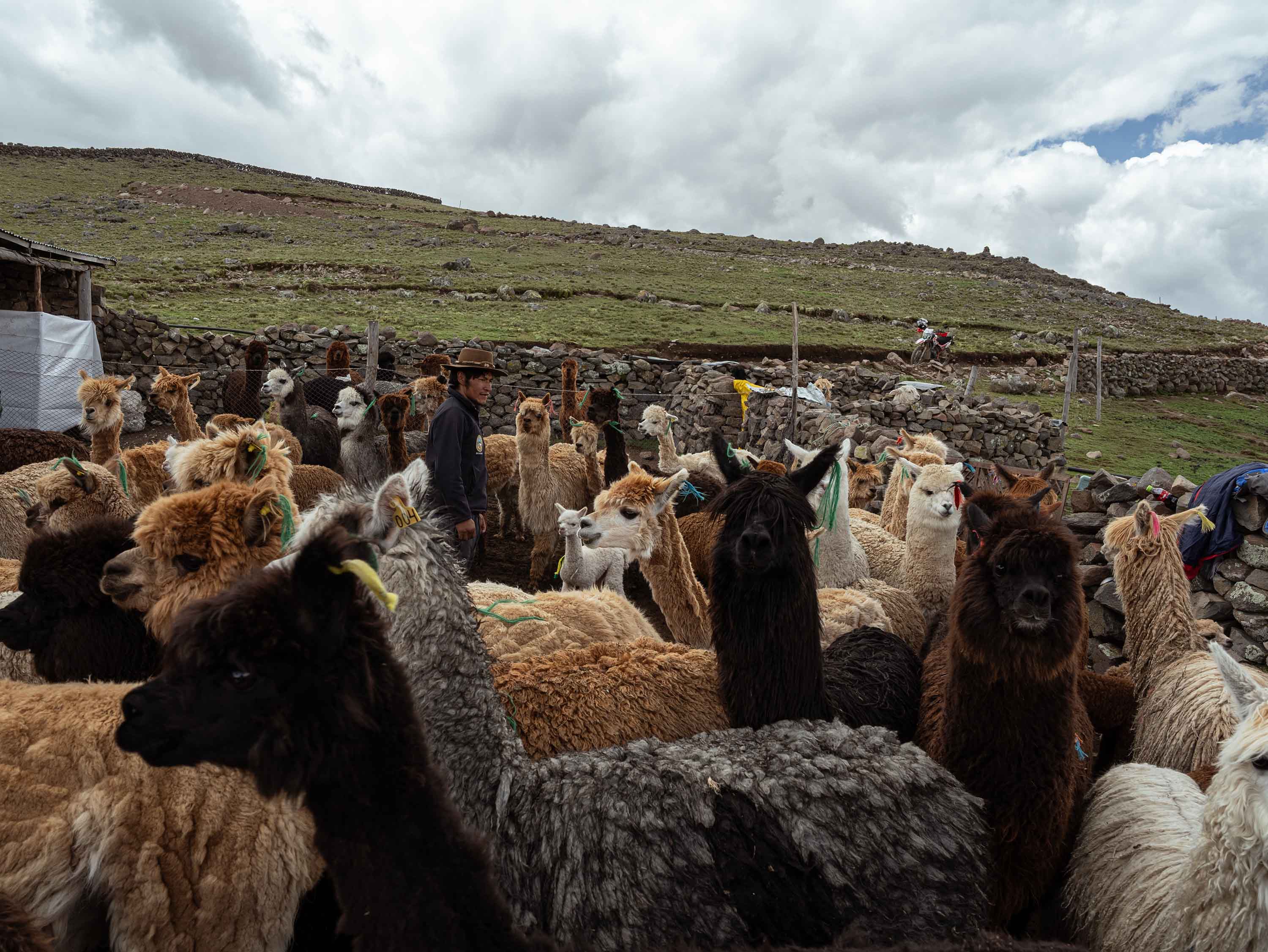
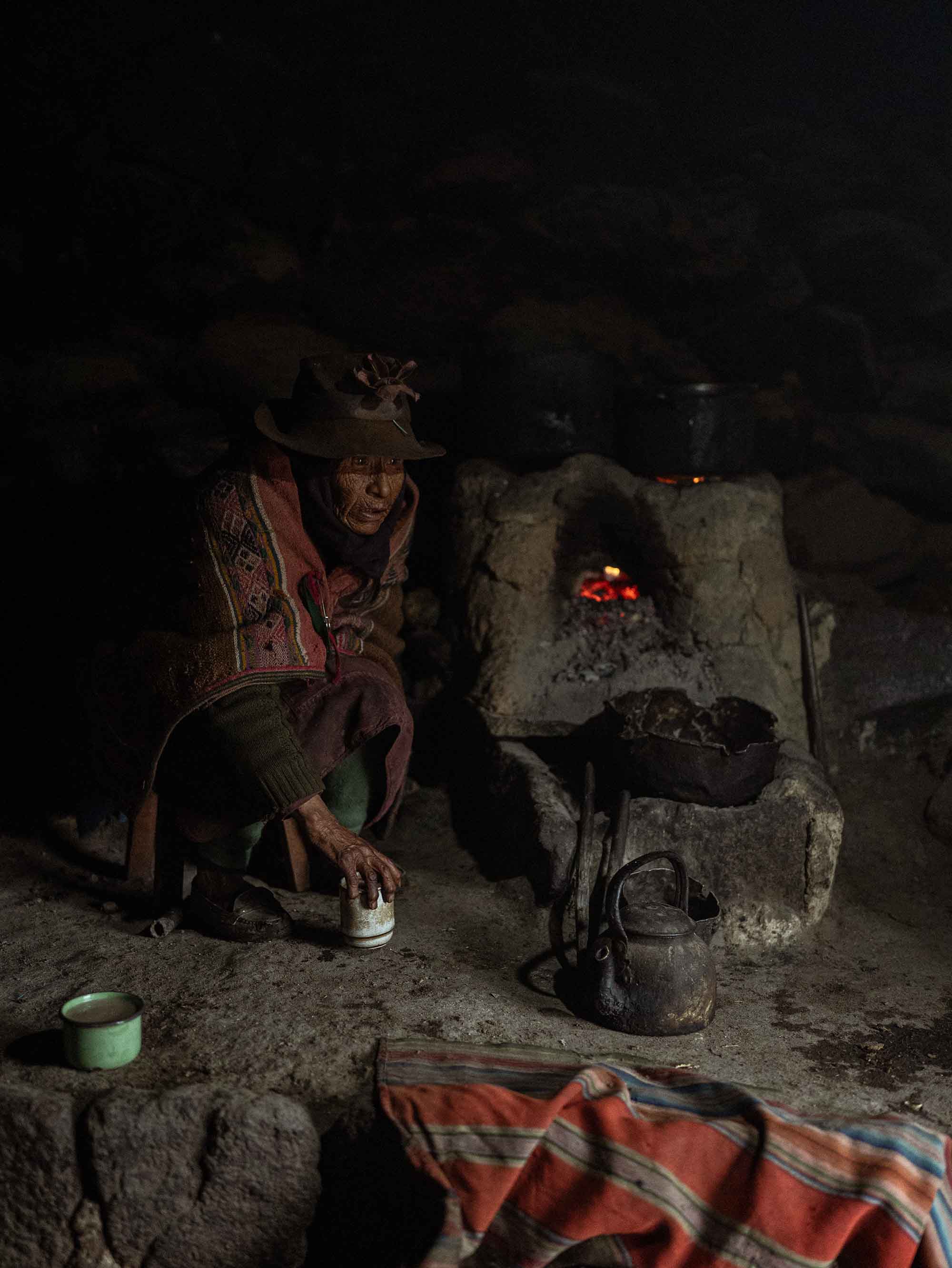
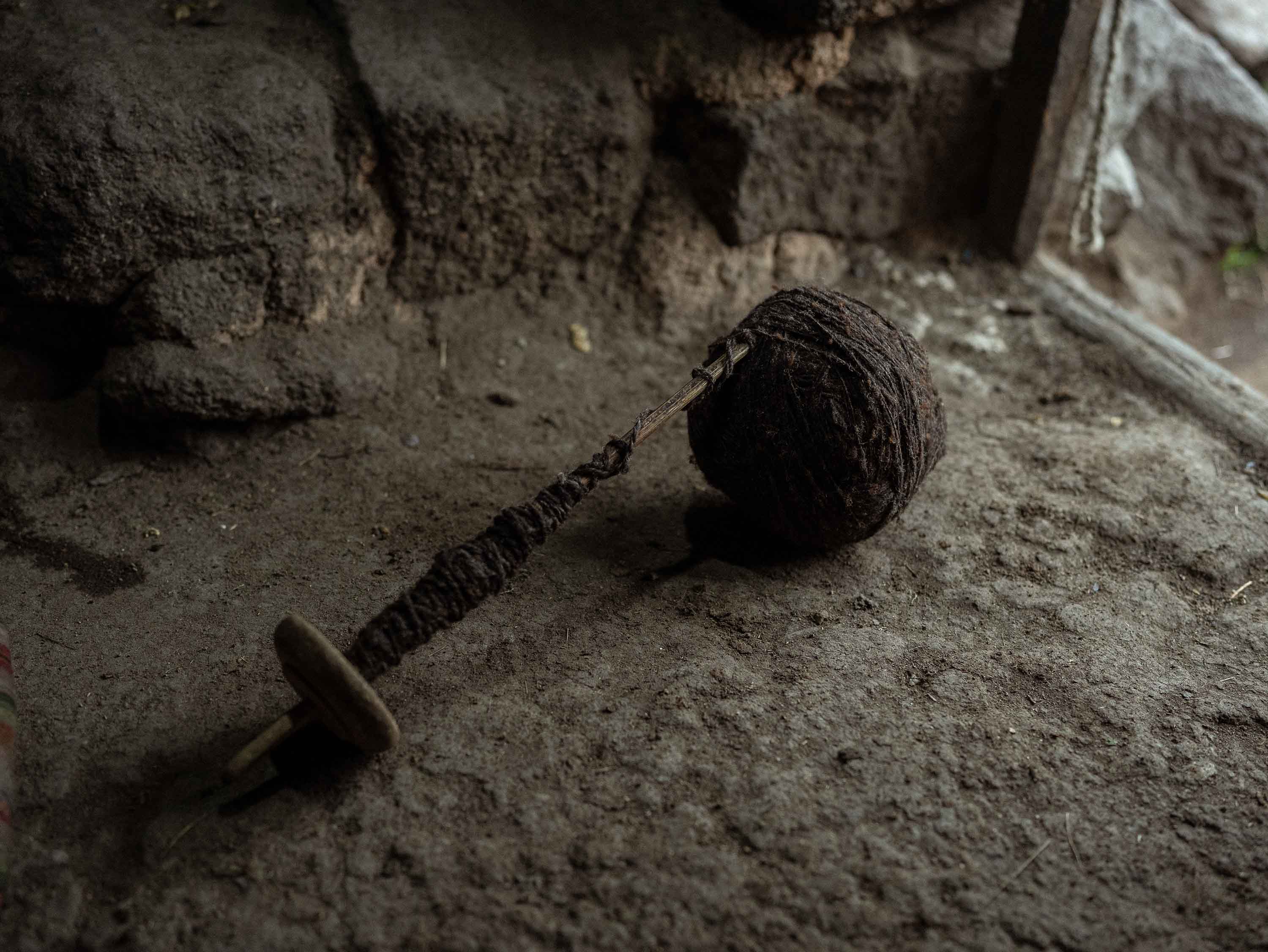
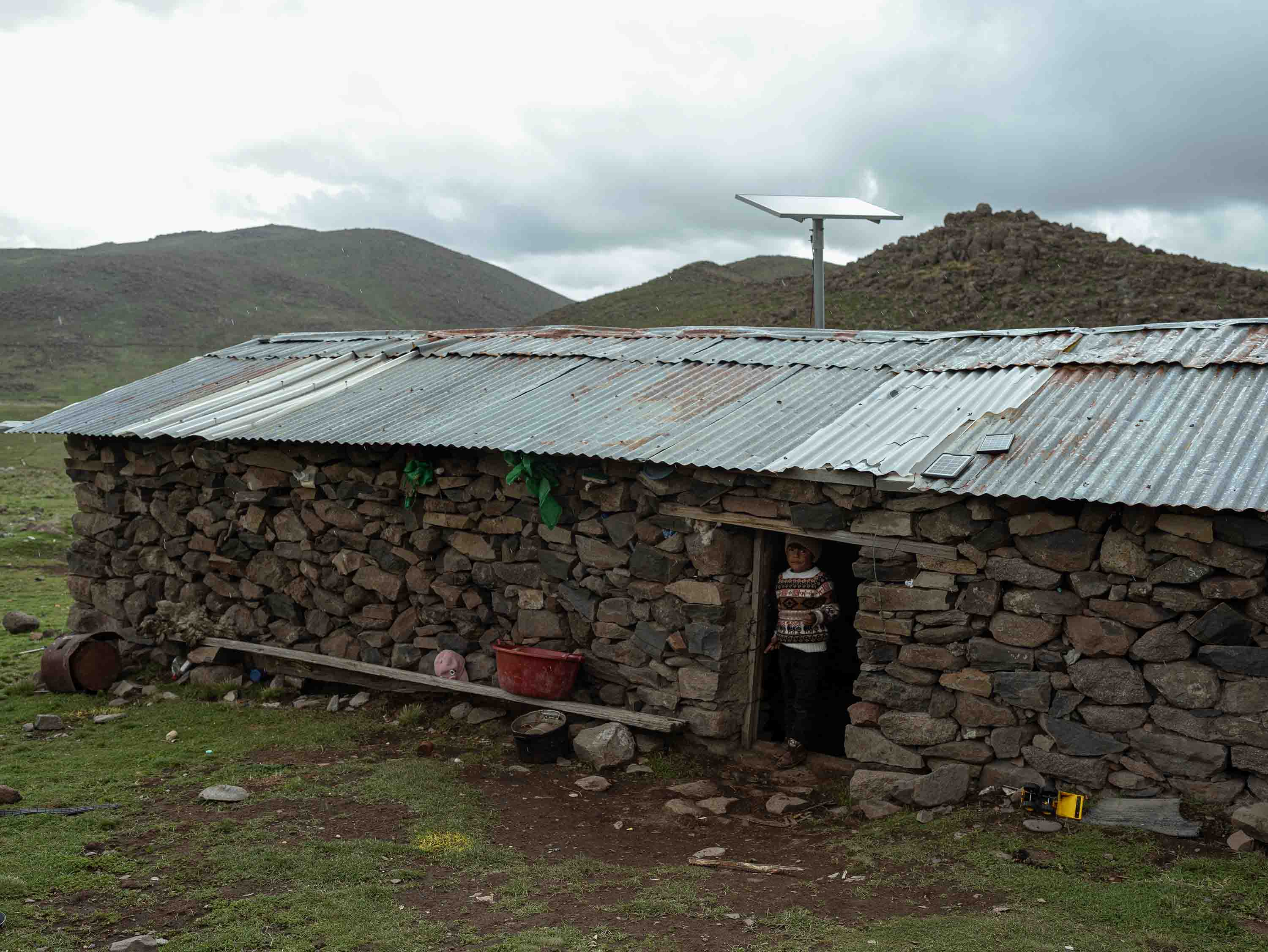
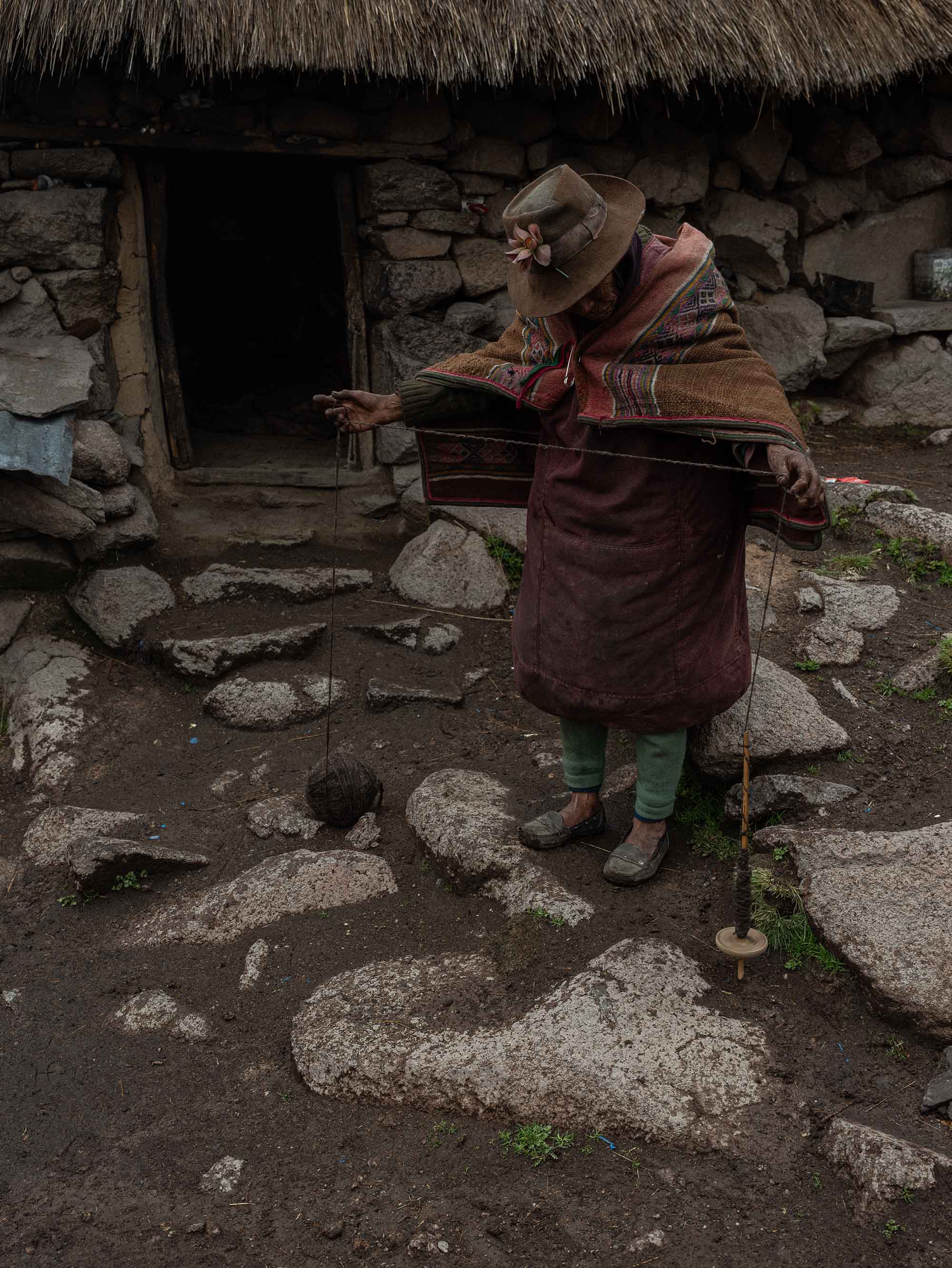
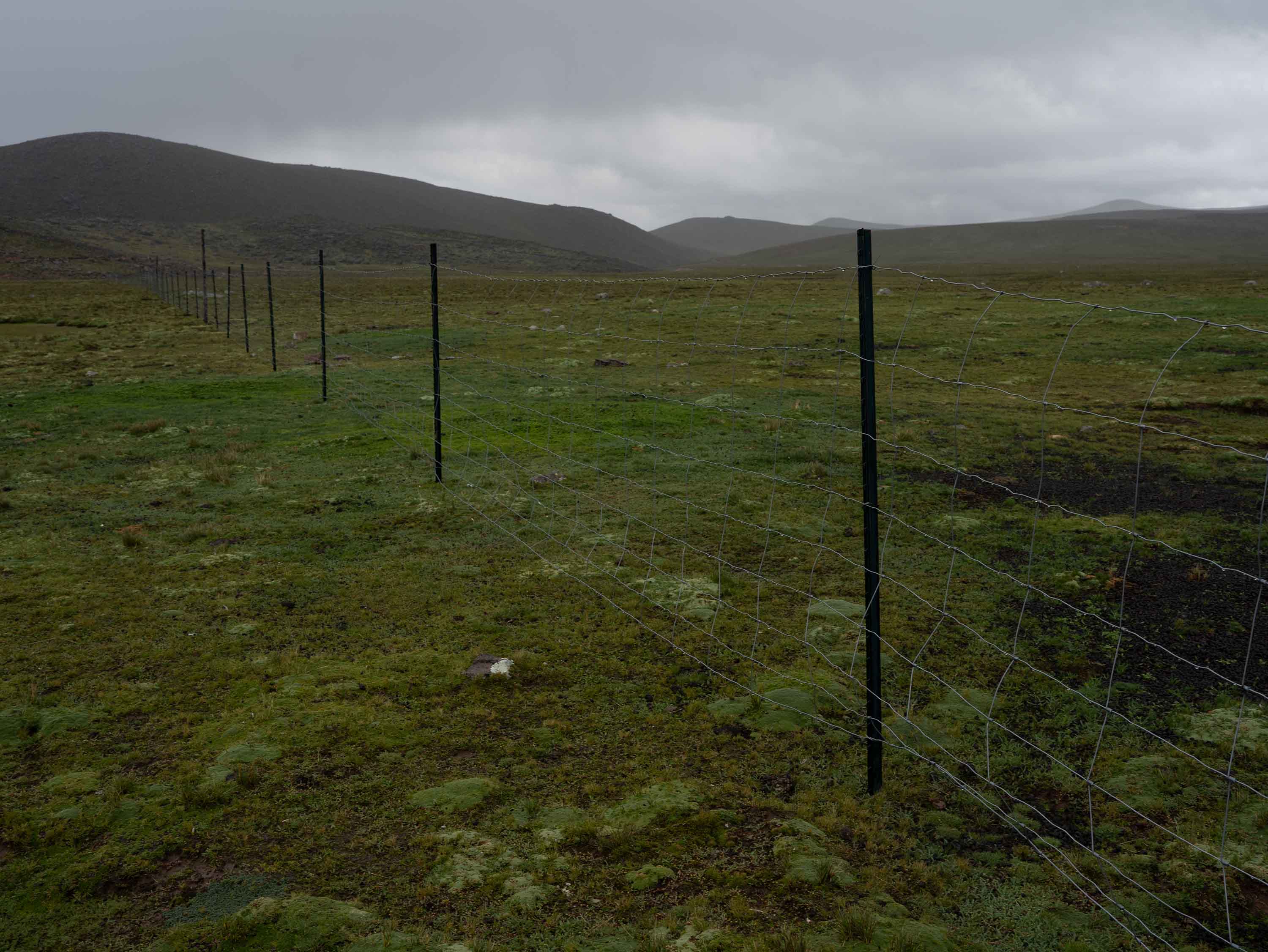
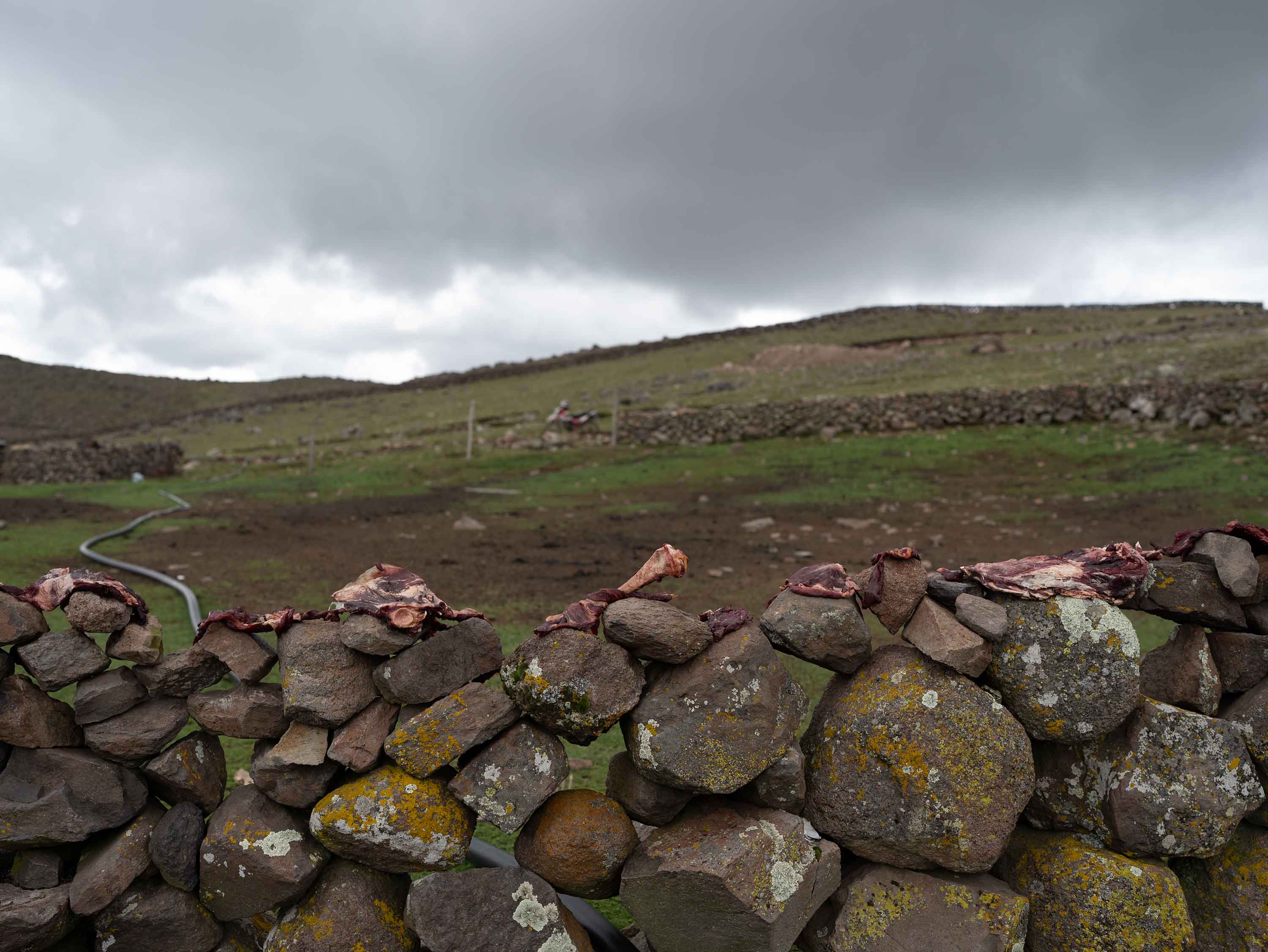
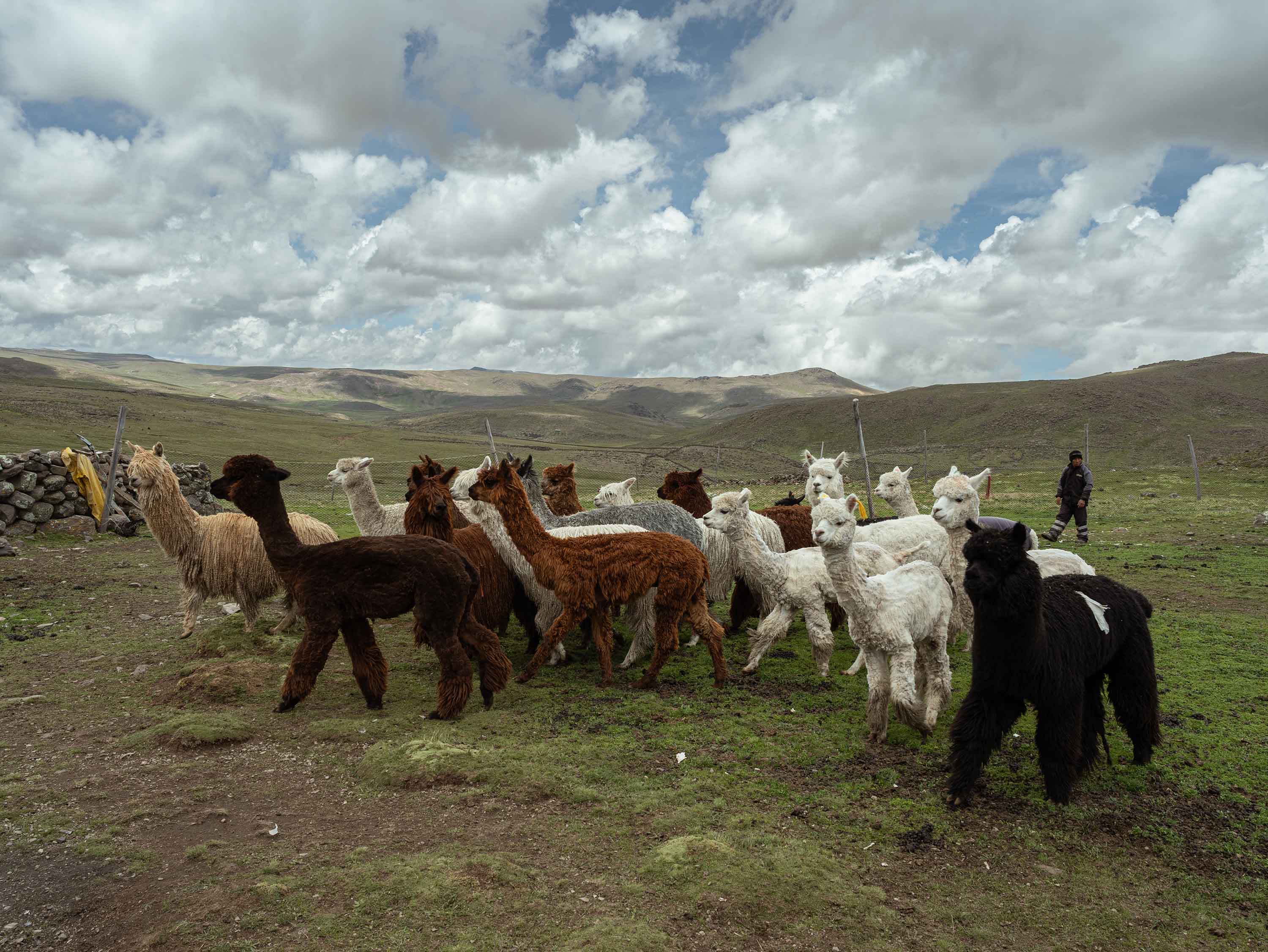
(11) A herd of multicolored alpacas grazing in the highlands of Iscahuaca. (12) Eusebia Huanacchire in her mud kitchen. (13) Close-up of a Pushka, an instrument used to spin alpaca wool. (14) Close-up of alpaca droppings used to fuel the kitchen fires. (15) Wilber Llacta collects alpaca meat, known as charqui. (16) The Llacta family’s cabin. (17) Fences installed to organize grazing areas and preserve the quality of the grass. (18) Eusebia Huanacchire spinning gray wool with a Pushka. (19) Charqui drying in the sun on the rocks.

One of the challenges they have faced in implementing this project is the religion practiced in the community. Beliefs linked to Christianity have hindered the revival of indigenous traditions of the Quechua people, such as rituals for prosperity for alpaca breeding. Fodi comes from a family of breeders and has witnessed rituals like the “Tinka de alpaca” firsthand, which takes place in February when the birthing season ends.

Alpaca herding combines traditional knowledge and technical management to strengthen fiber quality and genetic diversity.

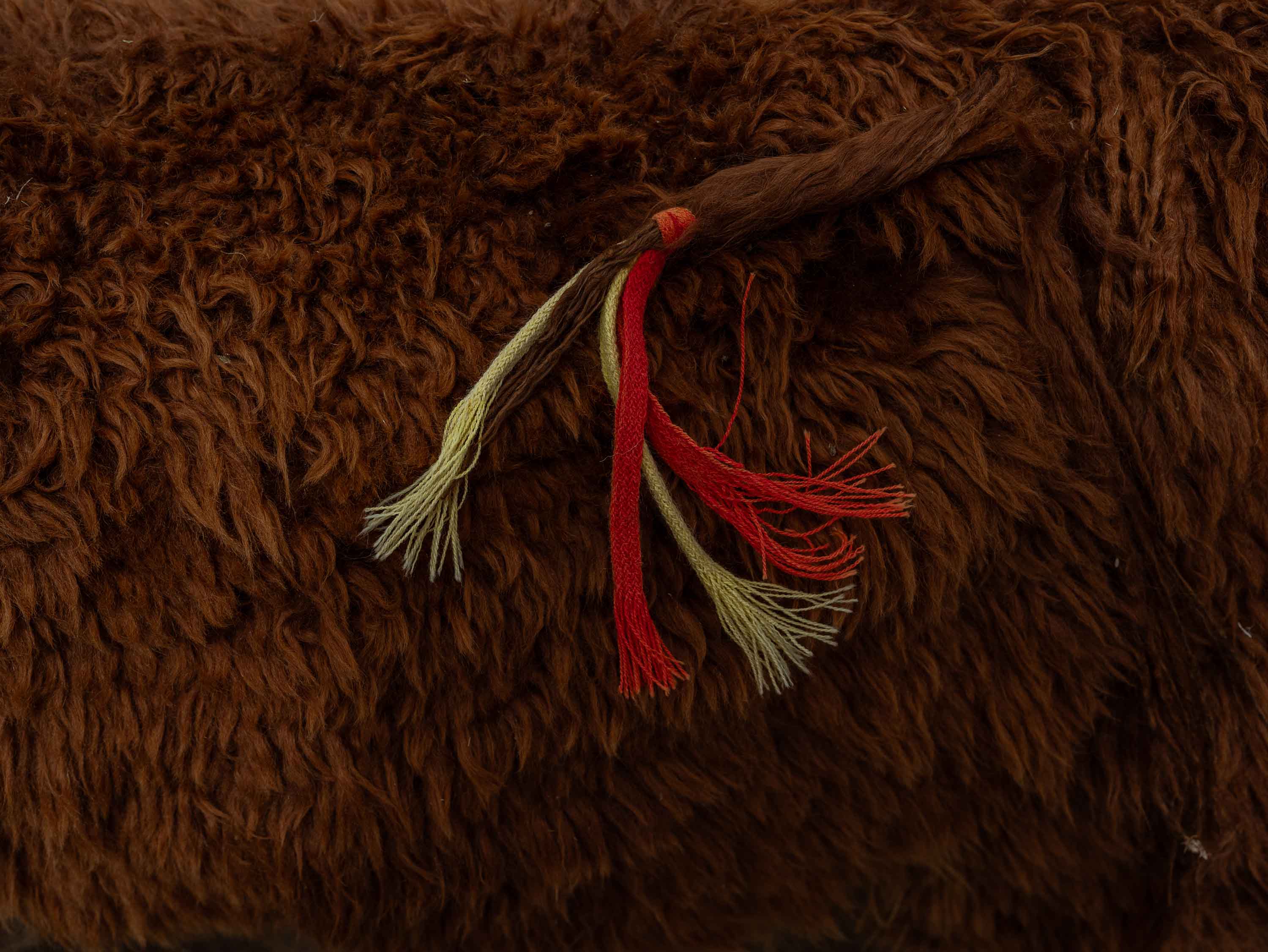
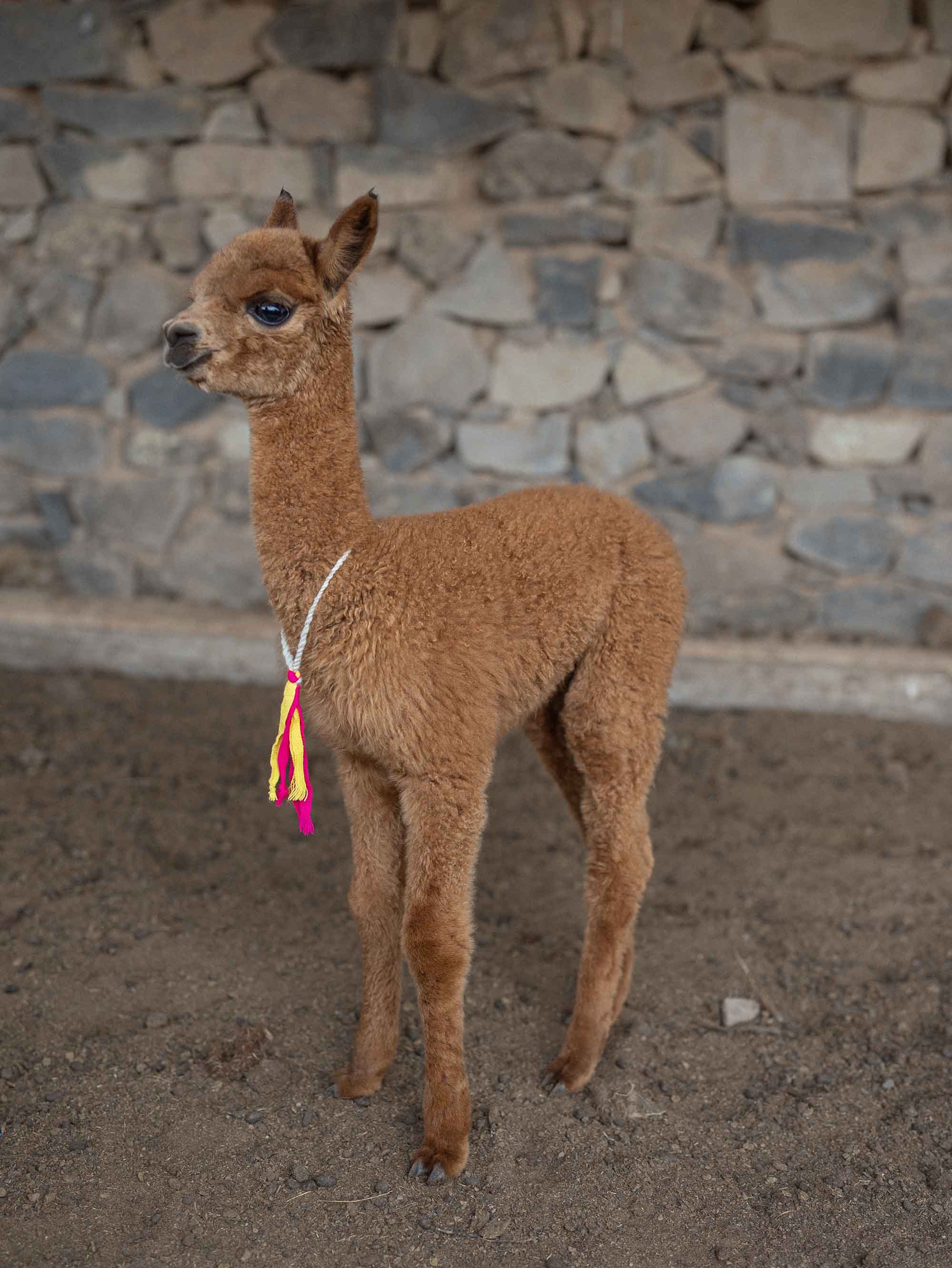
This ritual involves making an offering that includes coca leaves, alpaca or llama tallow, incense and corn. Small flames are formed with corn of different colors, depending on what is desired for the breeding. It is first offered to Pachamama (Mother Earth) and then to the Apus or guardian mountains. The young (and sometimes the entire herd) are marked with small cuts on their ears and adorned with colored ribbons symbolizing prosperity. This practice, more than a religious ritual, serves as a reminder to the Quechua people of the bond the community must maintain with alpaca herding and its natural environment.

In Iscahuaca, they also practice Ayni—mutual aid among neighbors—and Minka: communal organization to repair roads, perform agricultural tasks, and help families in need. “These are ancestral customs we want to keep alive, because labor up there is very scarce now. But if they support one another, this will endure,” Fodi adds.

(22)

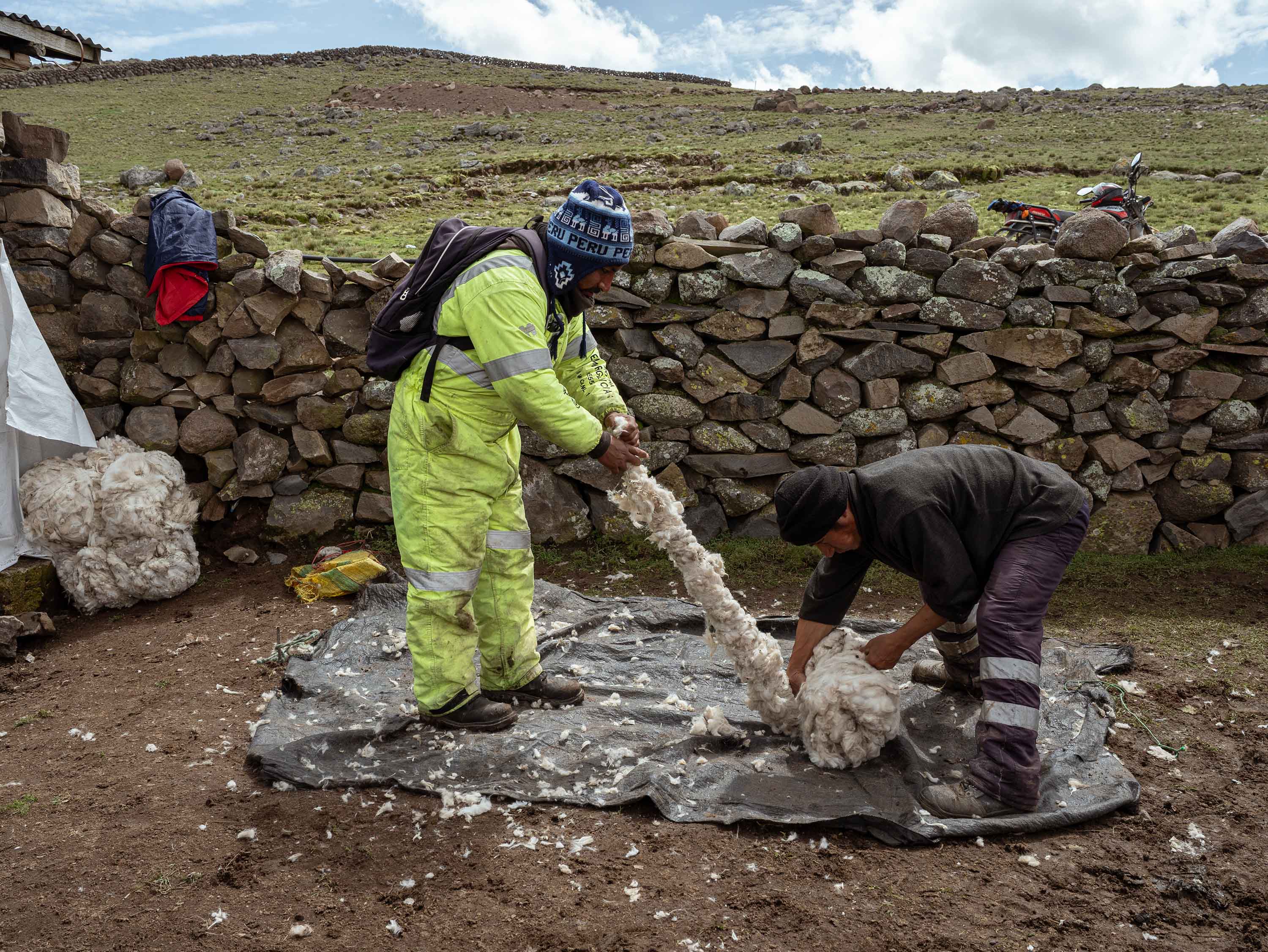
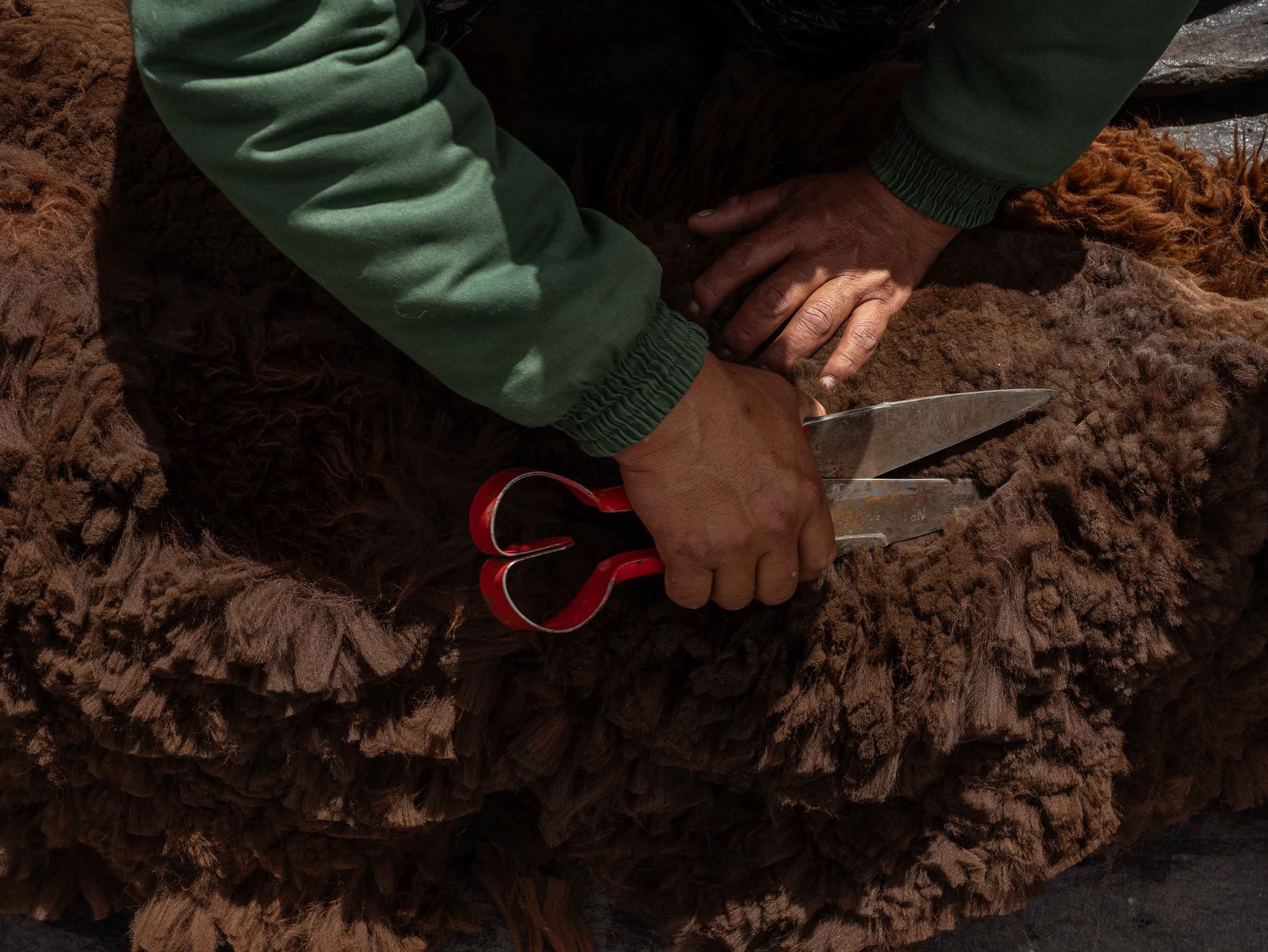
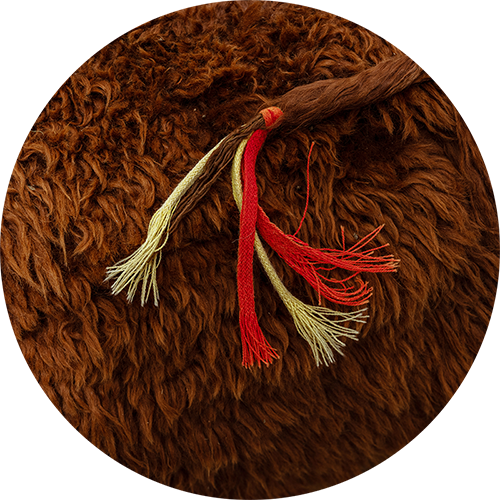
(20 a-b-c) Wilber Llacta and Flavio Condori sort the wool by color after shearing the alpacas. (21 a-b-c-d) The Quechua herders of Iscahuaca practice traditional shearing, a technique that allows the fiber to be sorted at the source. (22) Close-up of tied colored ropes, called Ch’impu.

Most of these activities have also been affected by the migration of young people to large cities or their preference to work in informal mining. “A large portion of young people, both men and women, want to go work for the big mining companies because they offer an easier and faster income,” Maxi argues. The organization suggested that they invest part of their mining profits in raising alpacas and purchasing better animals. This encouragement has paid off and has made raising alpacas a viable livelihood option again in Iscahuaca.

Ancestral practices such as Ayni (reciprocal work) and Minka (collective cooperation) remain fundamental to community life in the Andes.

“We’ve rekindled young people’s interest and brought women back into the fold,” Fodi explains, noting that even those who had left for other jobs are returning to take care of their animals.

The project led by CICCA has also strengthened other capacities within the community. Young people who had never handled a veterinary first-aid kit now administer medications, help manage births, and adjust breeding cycles based on the weather. Families alternate between technical management (registration and supplementation) and traditional collective practices: herding at dawn, monitoring the bofedales (high-mountain wetlands), and sharing communal work.

(27)

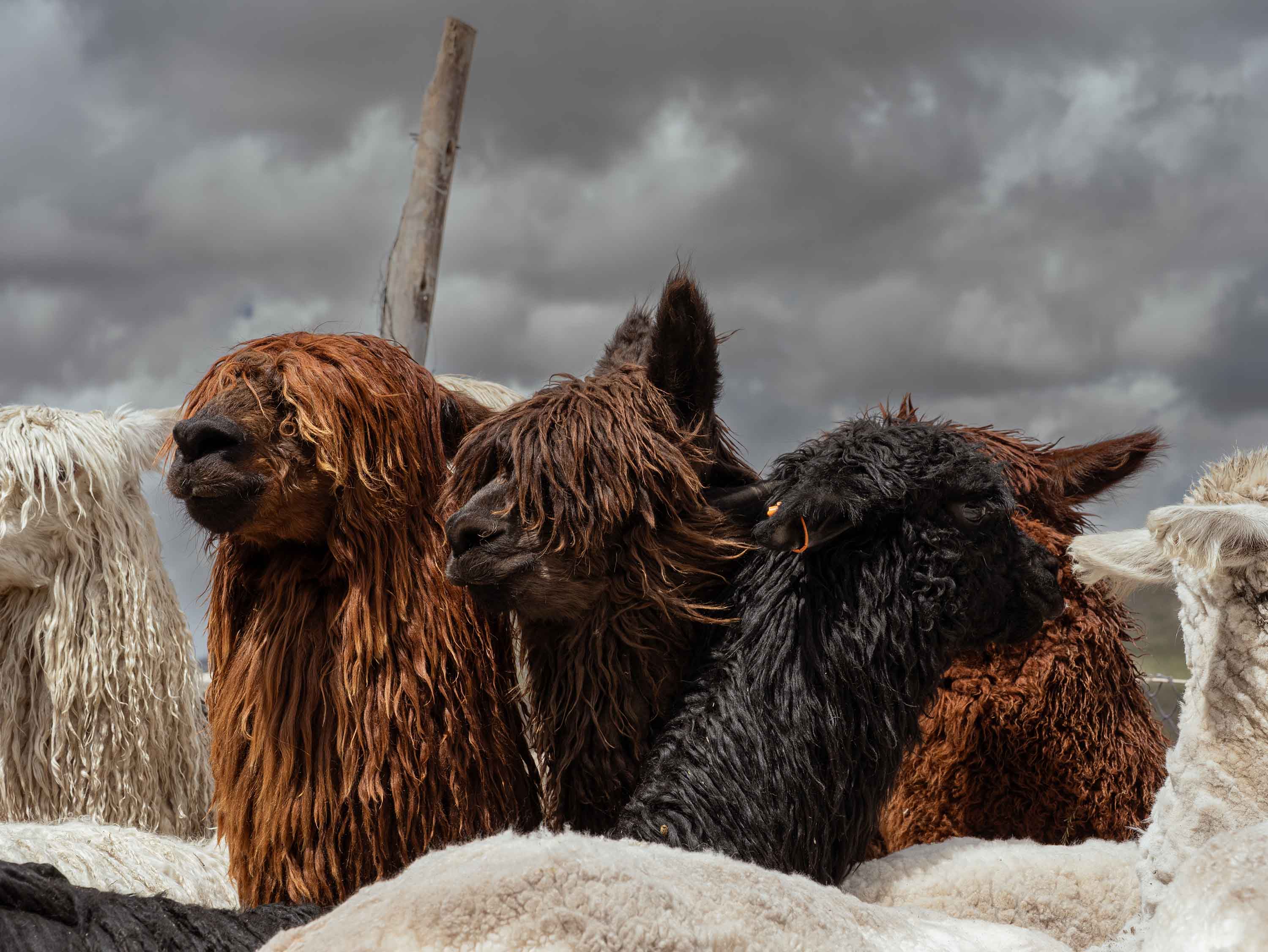
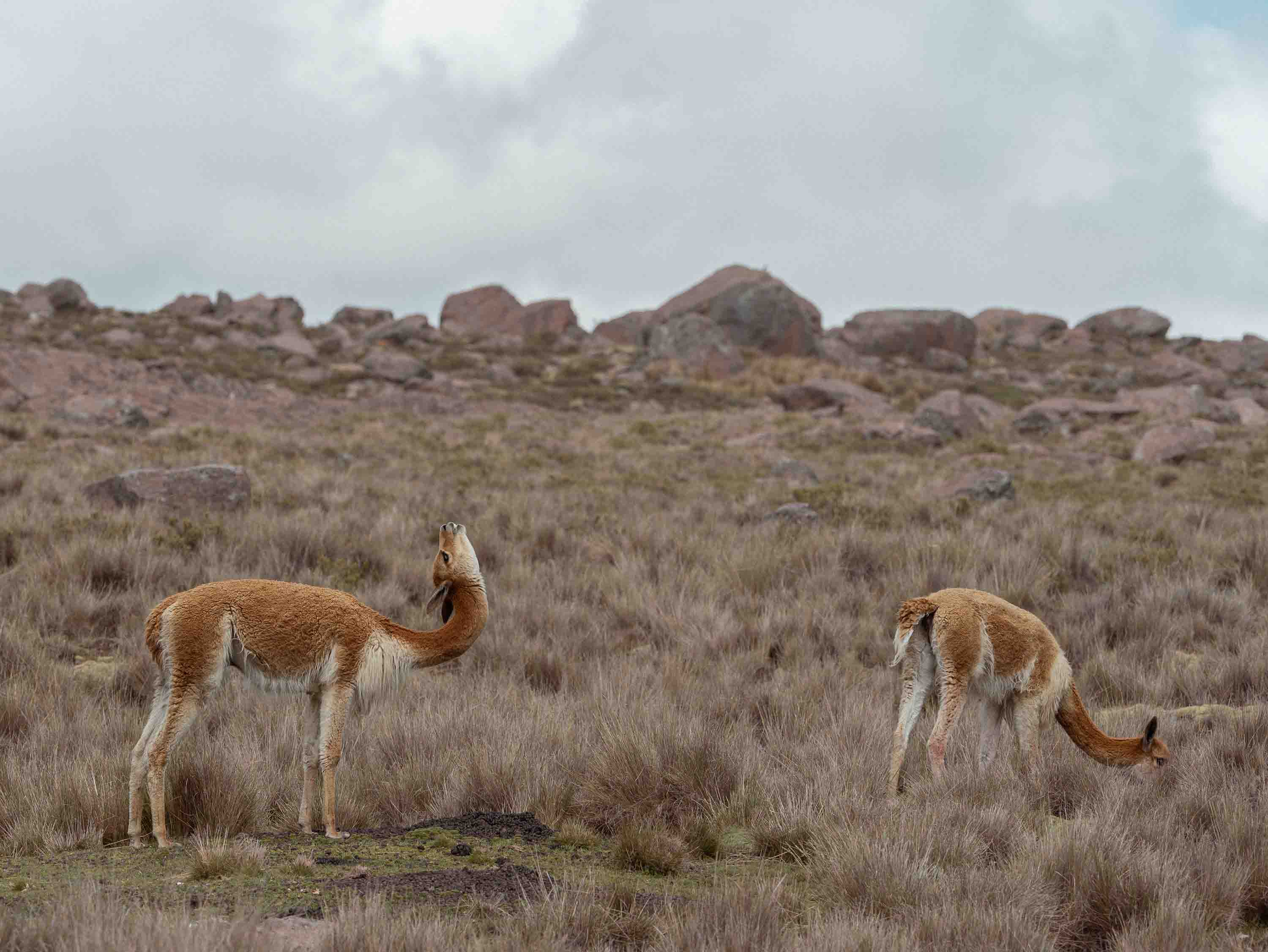
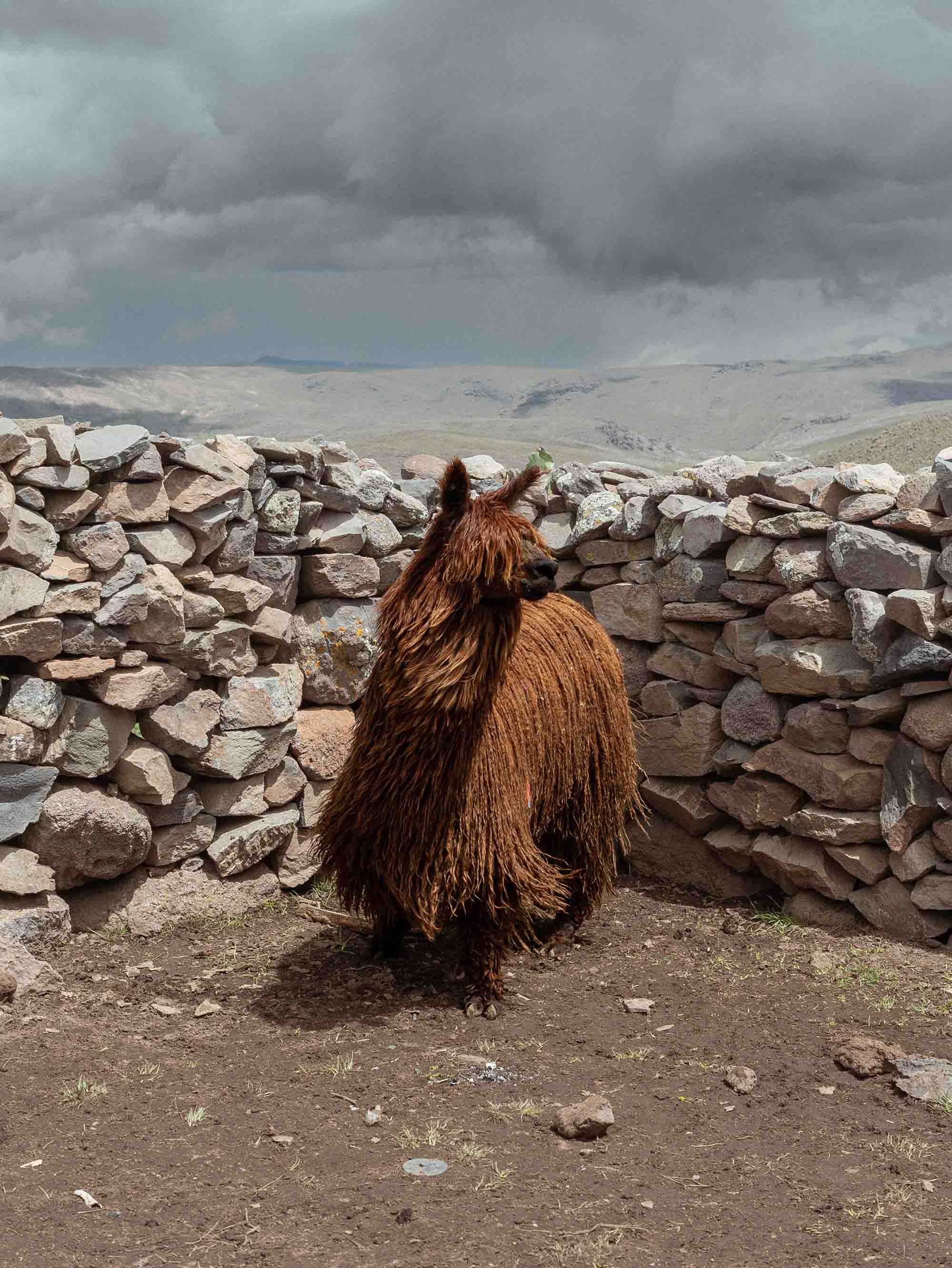
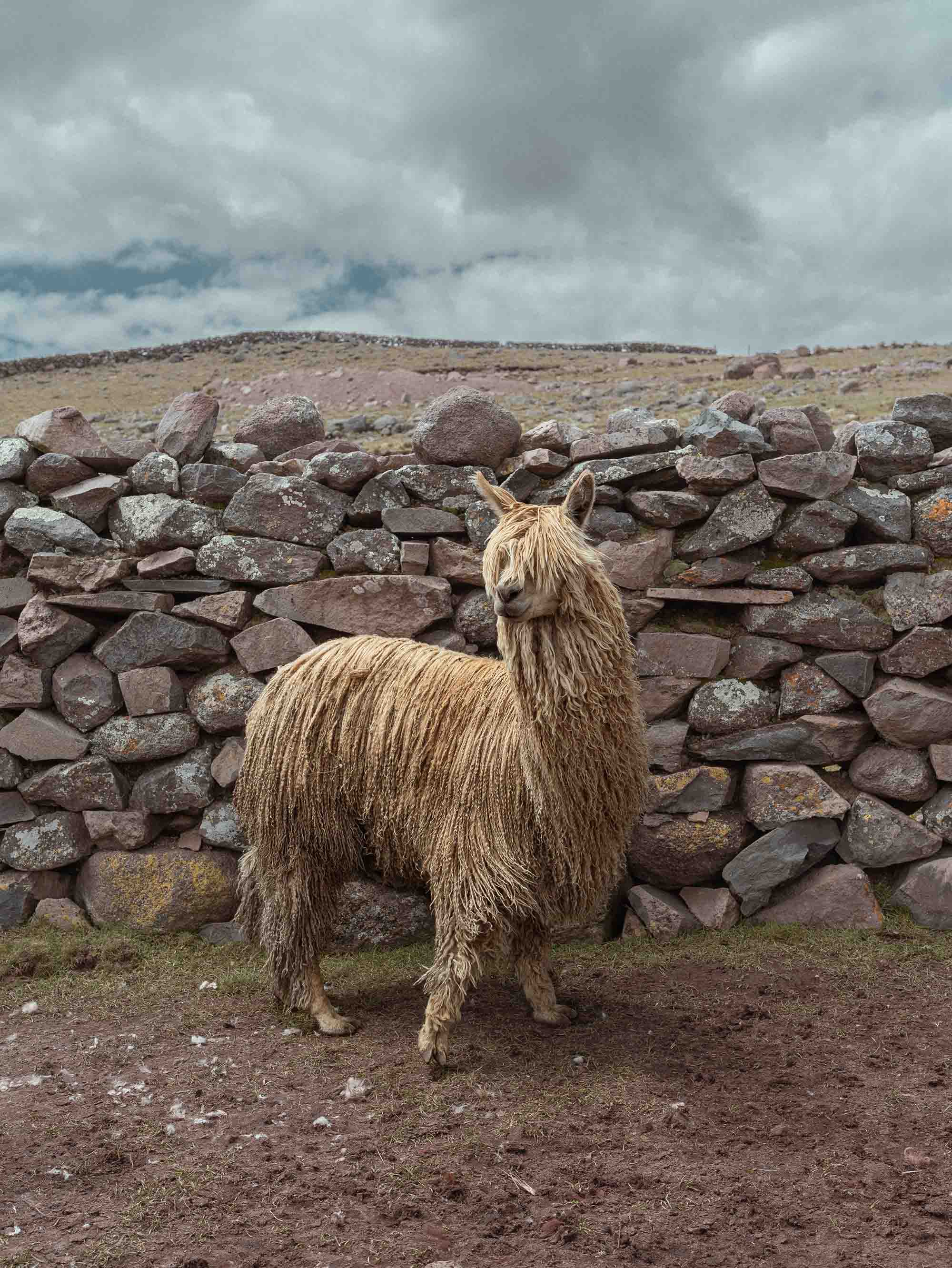
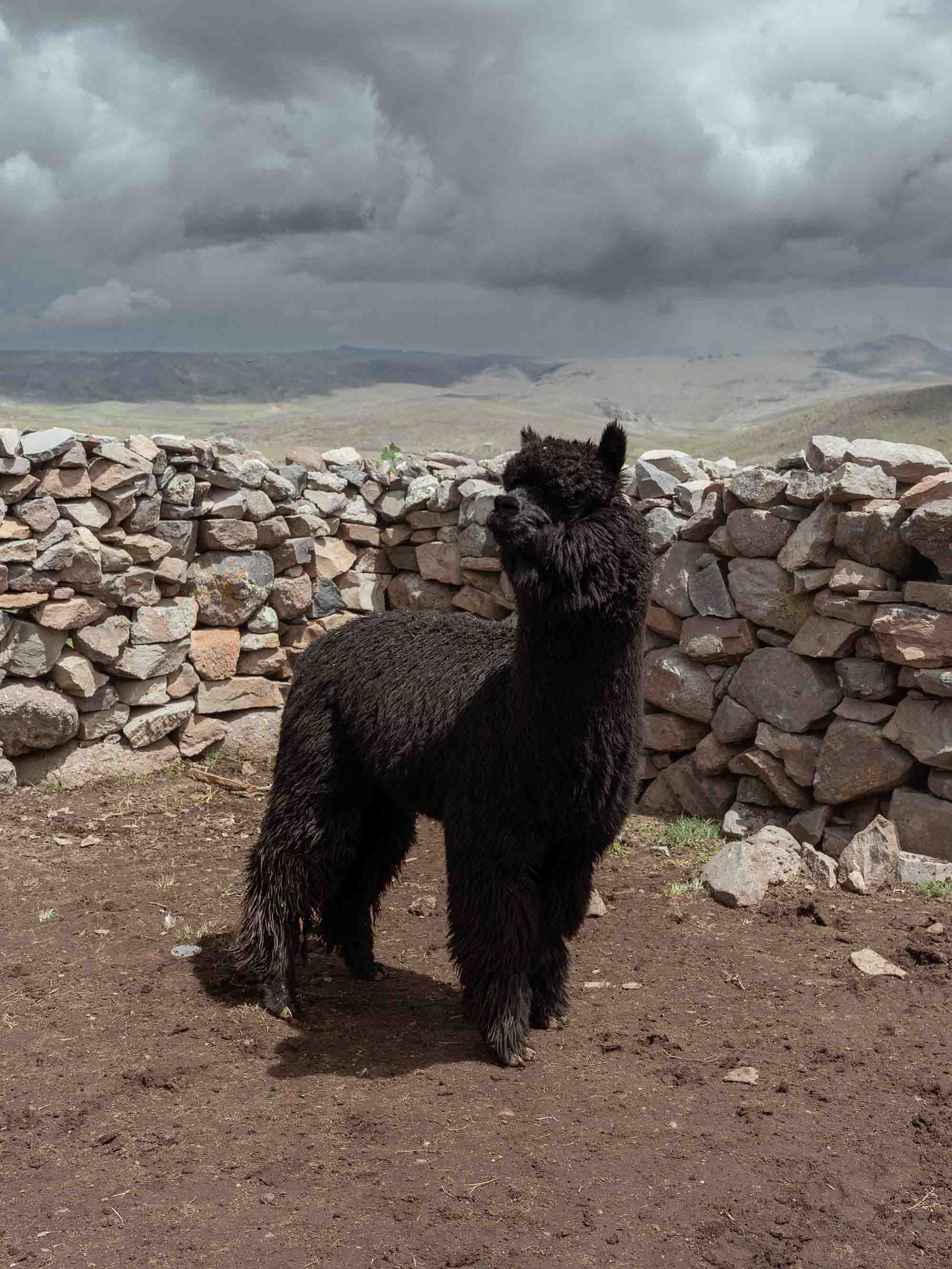
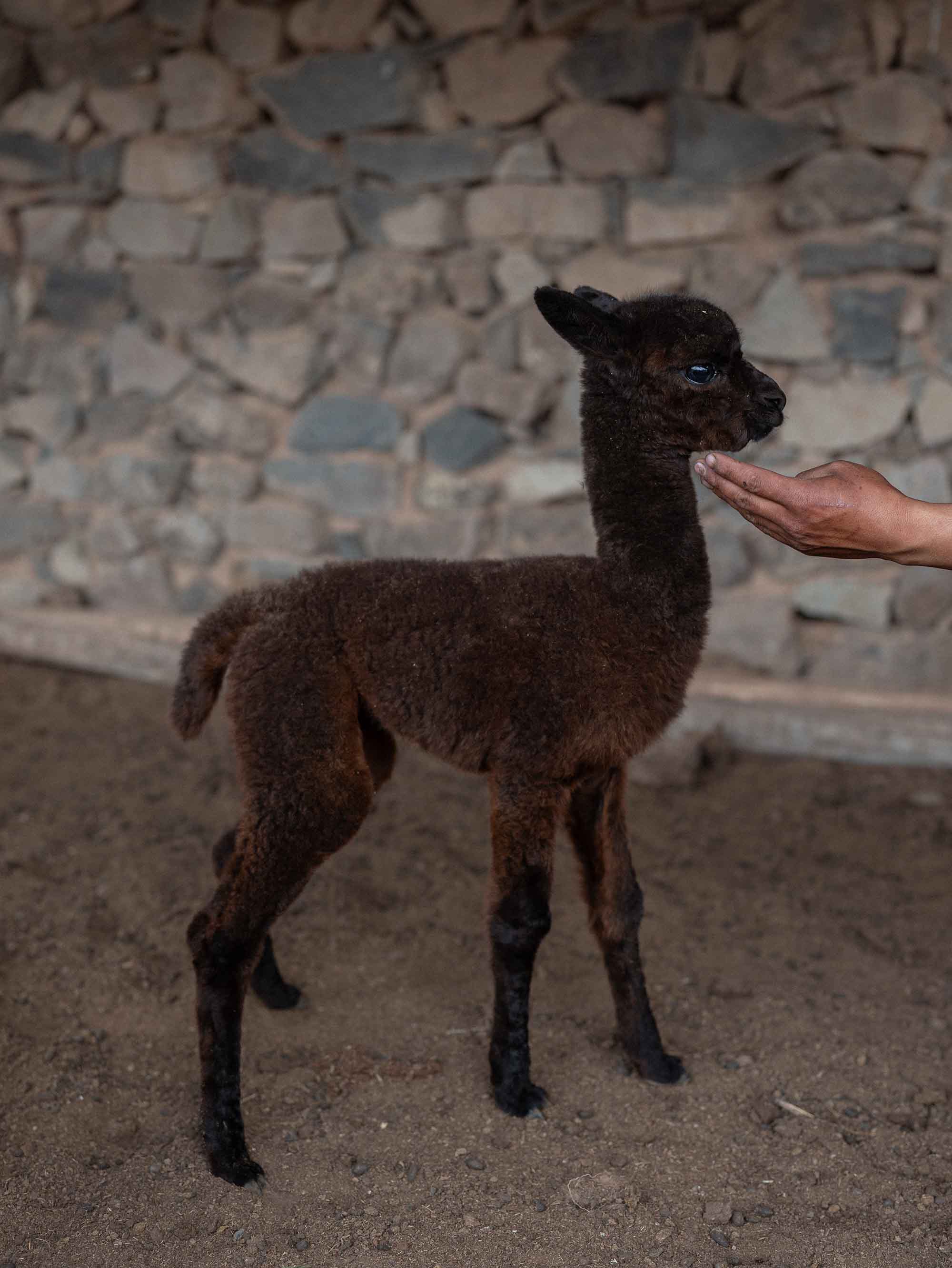
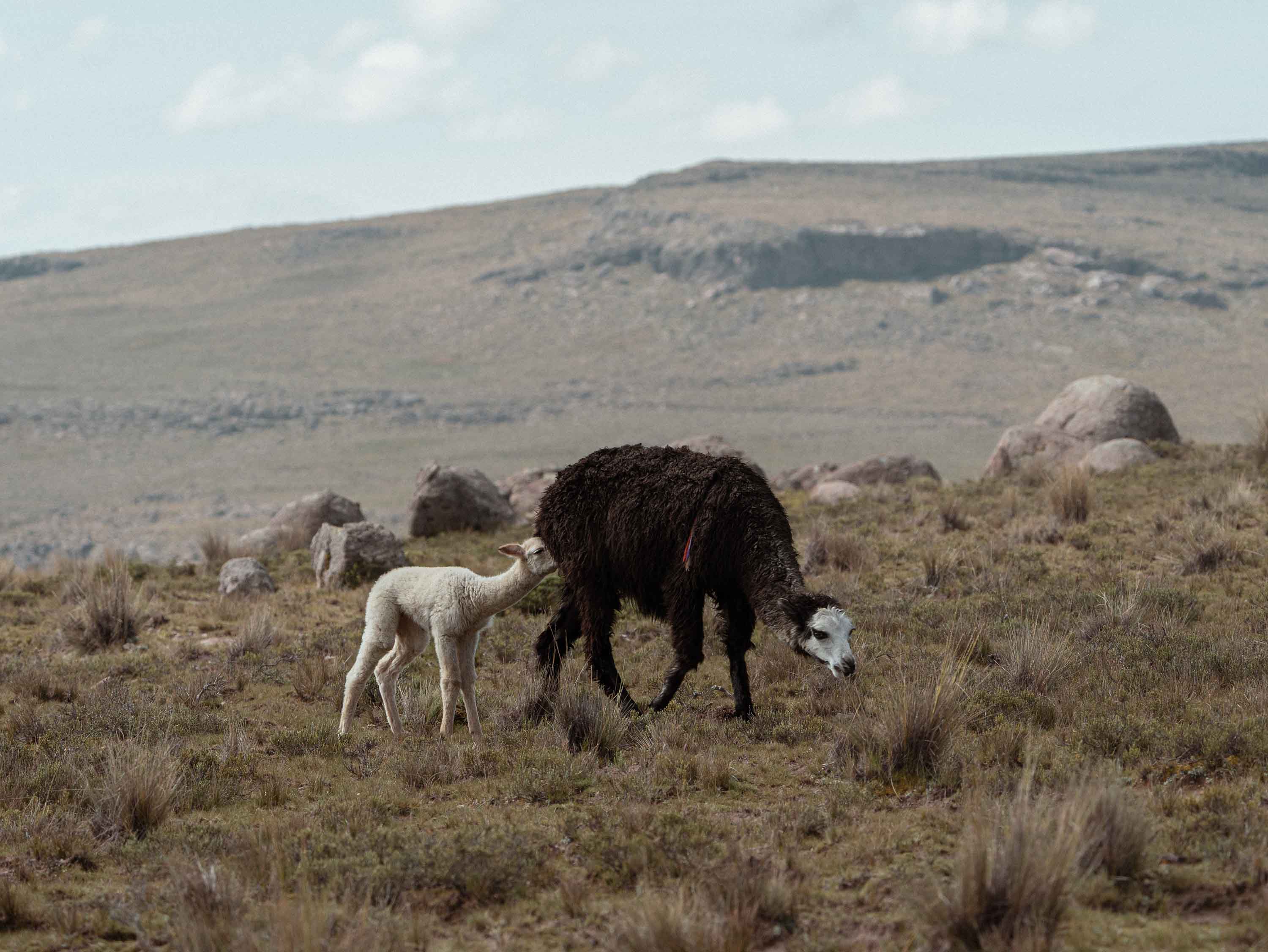
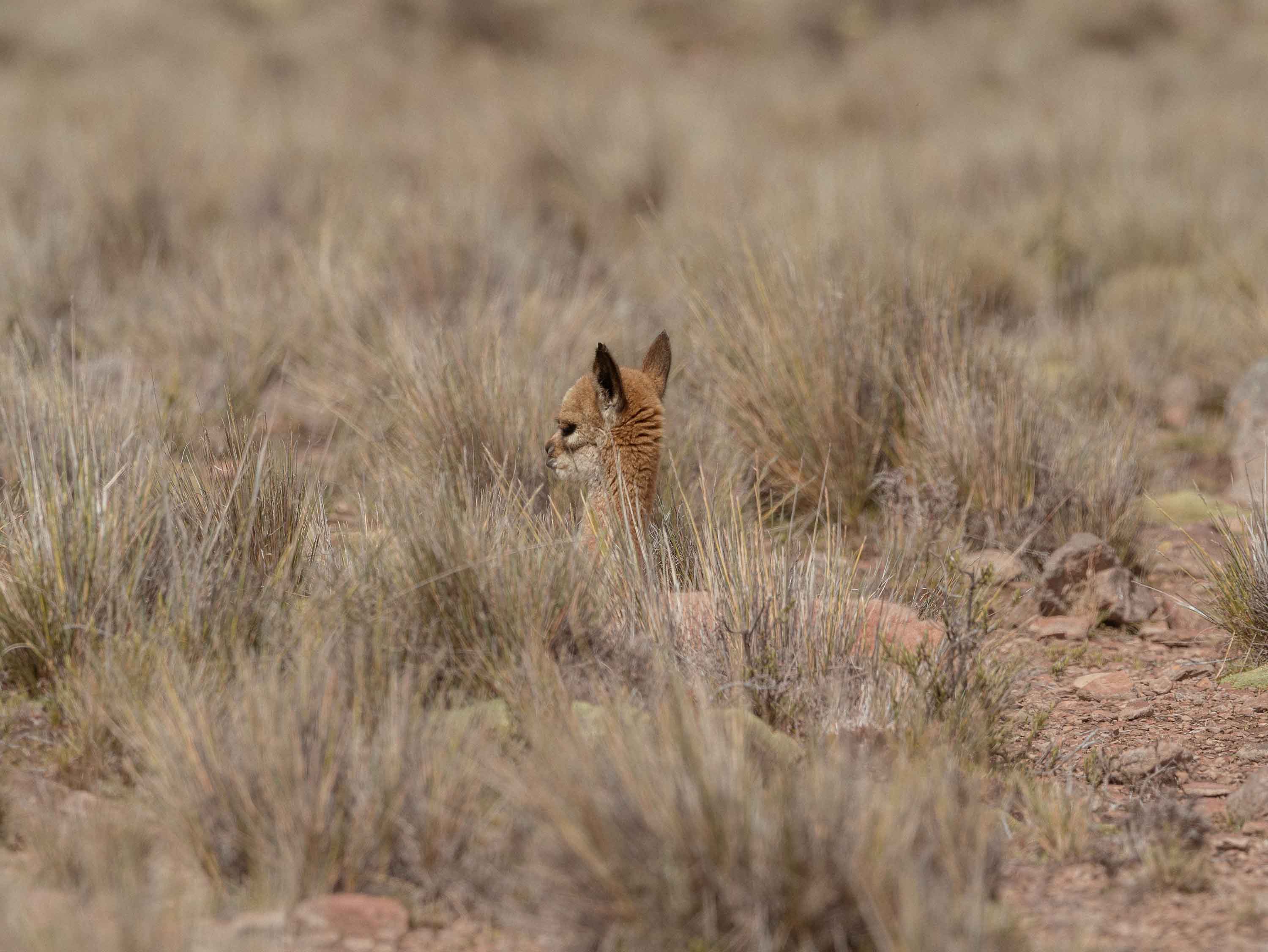
(23) Vicuñas are wild camelids that share the territory with alpaca herds. (24 a-b-c-d) Reddish-brown, beige, black, and gray alpacas. (25) A herd of female alpacas. (26 a-b-c-d) Alpaca care ranges from protecting the young to raising them to adulthood. Sustainable alpaca farming offers an economic alternative to migration and extractive activities. (27) A black alpaca and its young in the highlands of Iscahuaca.

Looking toward the future, Maxi and Fodi agree on one goal: to consolidate a herd of improved-color alpacas. They look forward to the birth of new offspring, selecting the best ones, and obtaining animals with fine fiber that can be sold at a good price or turned into eco-friendly yarns and garments. “Genetic improvement takes time,” Fodi reminds us. “What we’re doing now is laying the foundation.”

For high-Andean communities, caring for colored alpacas is a strategy for cultural, ecological, and food security. The fiber provides income; the meat, which is low in cholesterol, supplements the diet; and the activity, deeply linked to Quechua identity, offers a path for young people to remain in their territory without giving up on a dignified future.

In a global landscape marked by climate crisis, biodiversity loss and extractive pressures on Indigenous territories, the families of Iscahuaca continue to raise and preserve color; a small gesture, but enough to keep their world from disappearing.