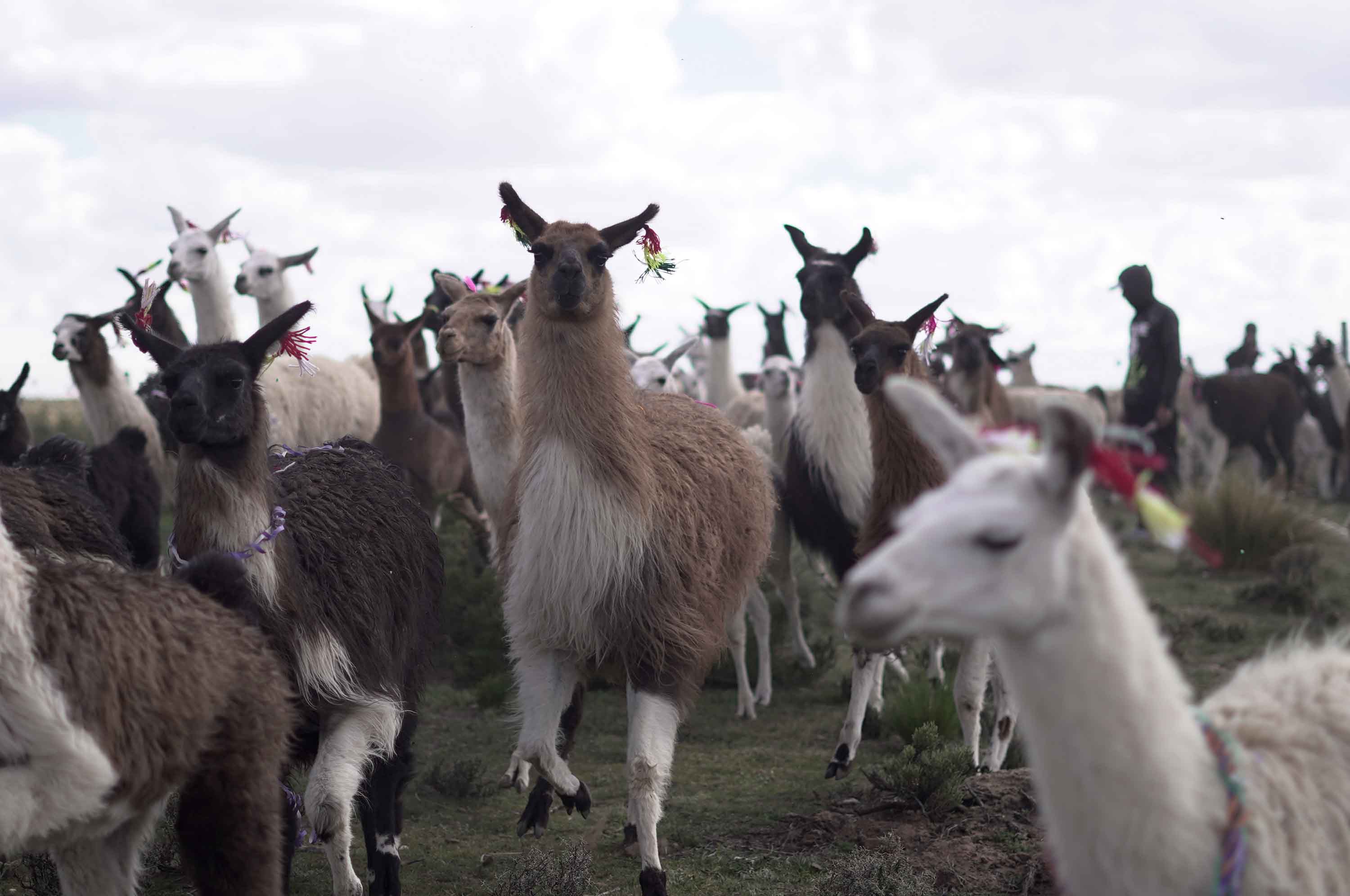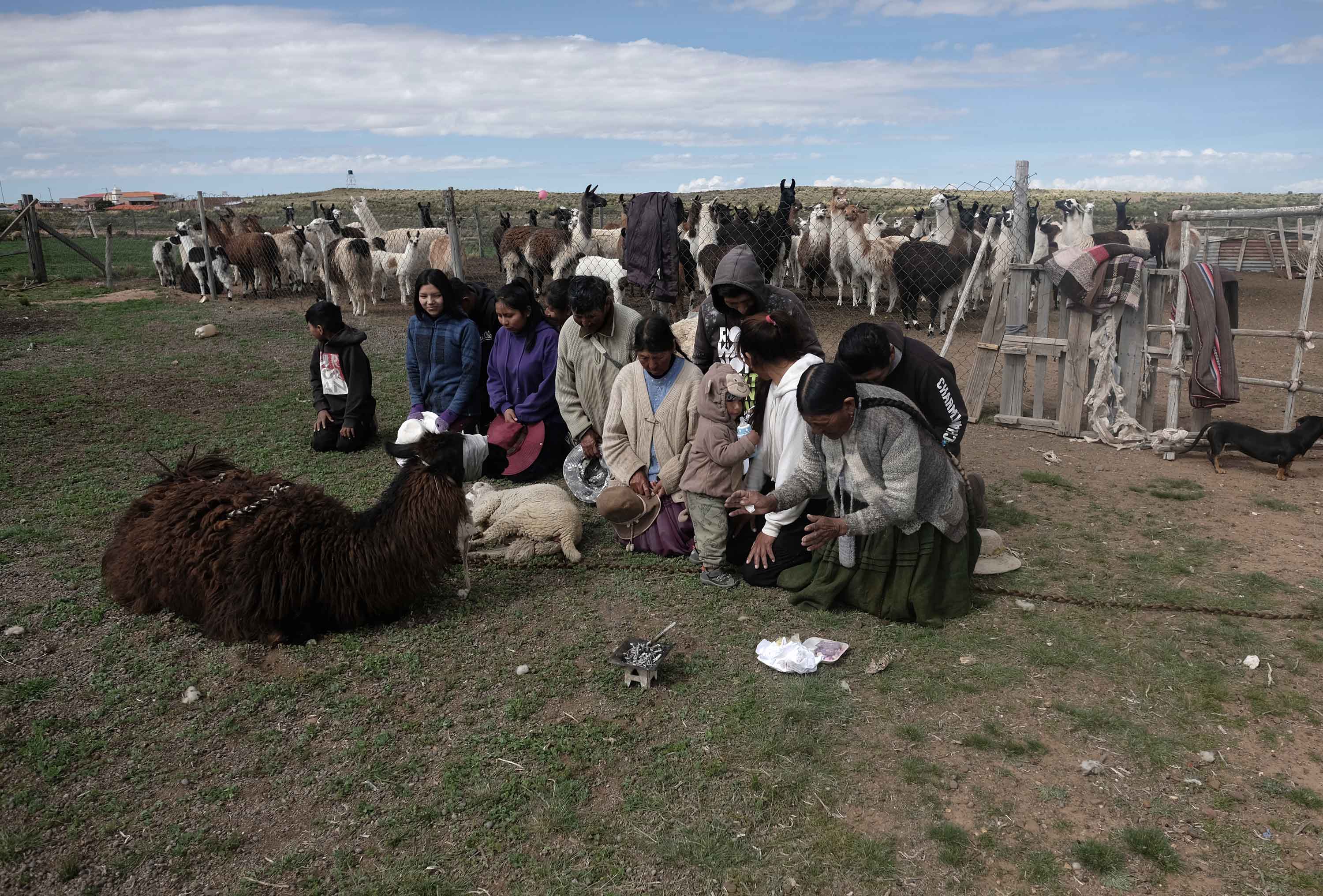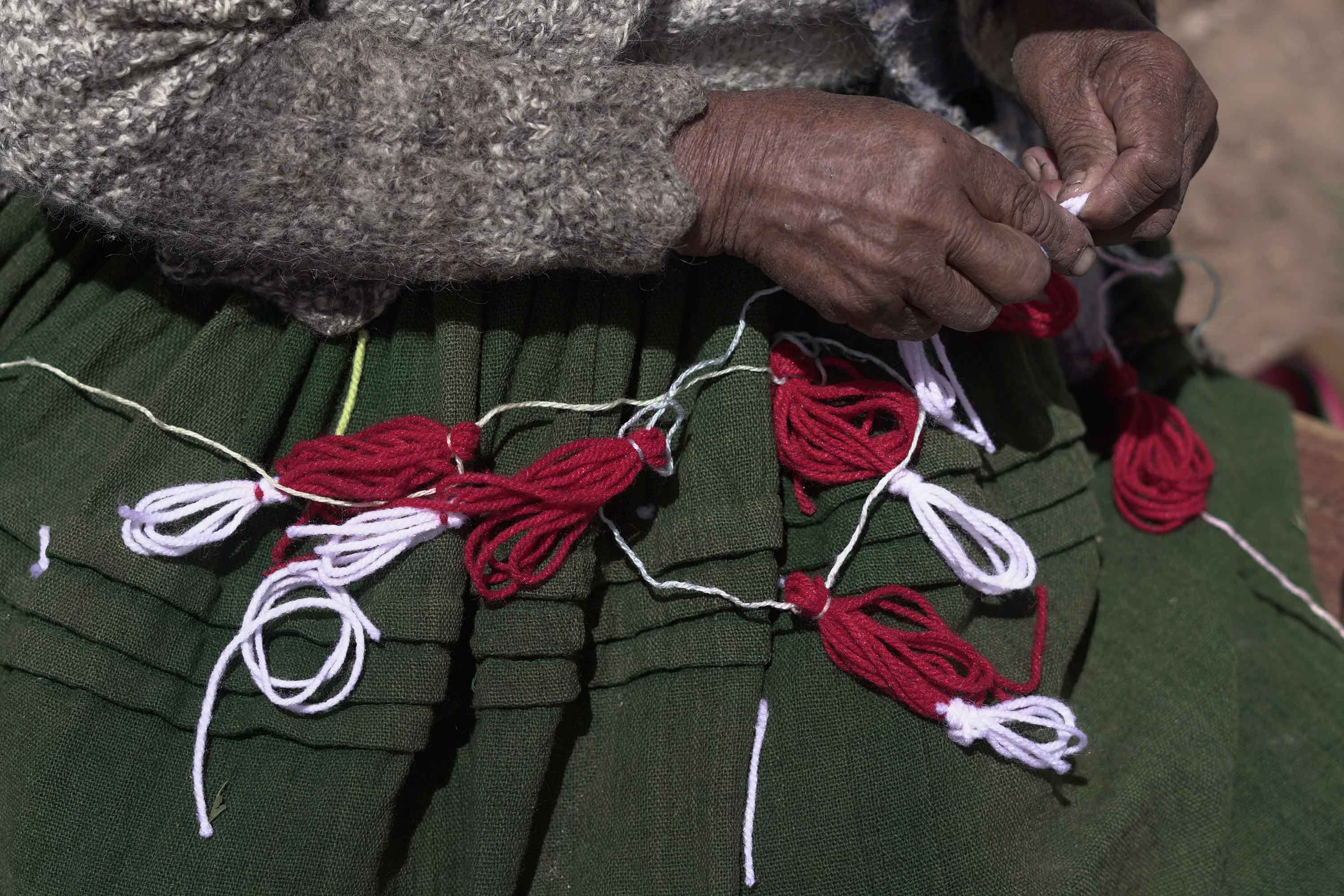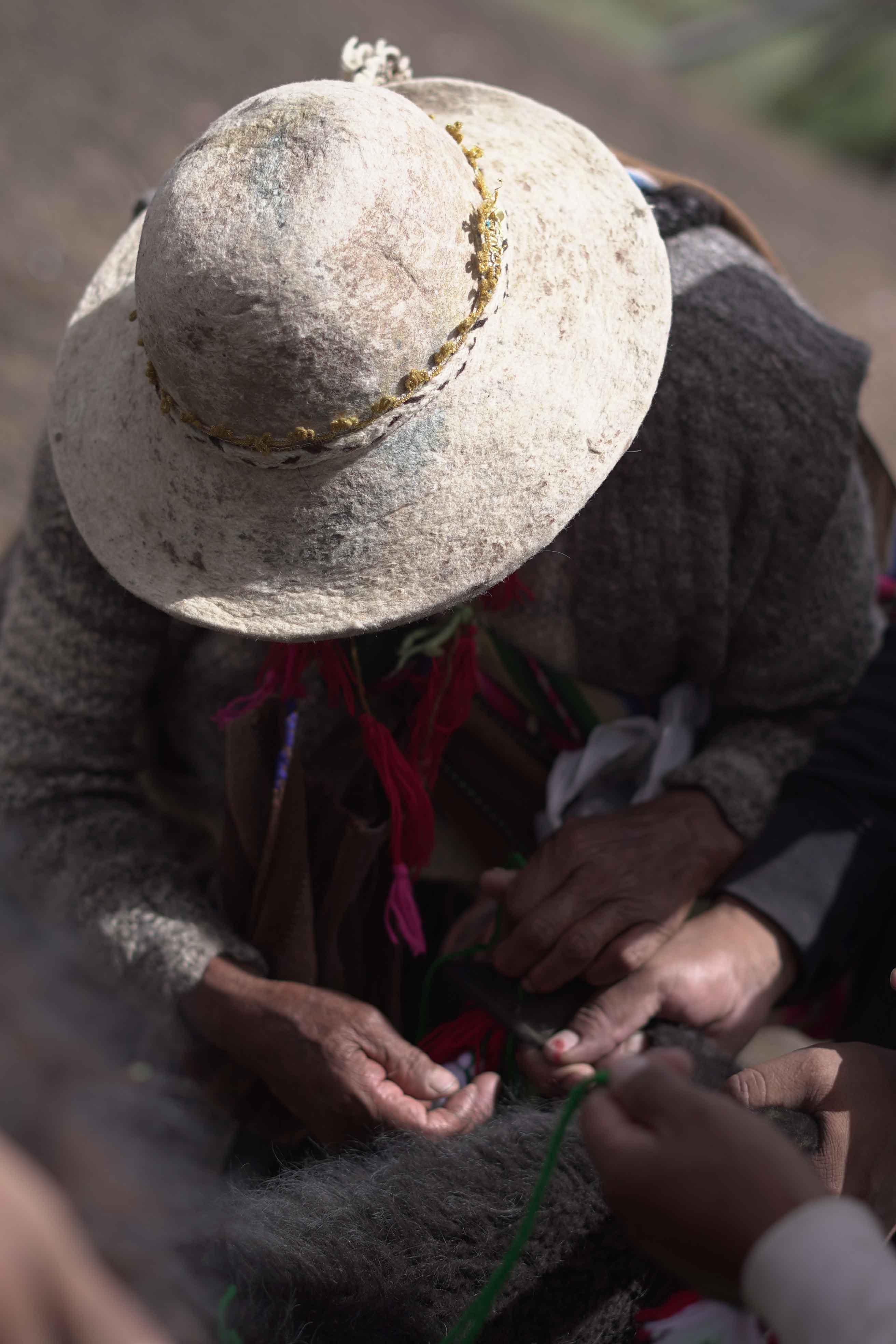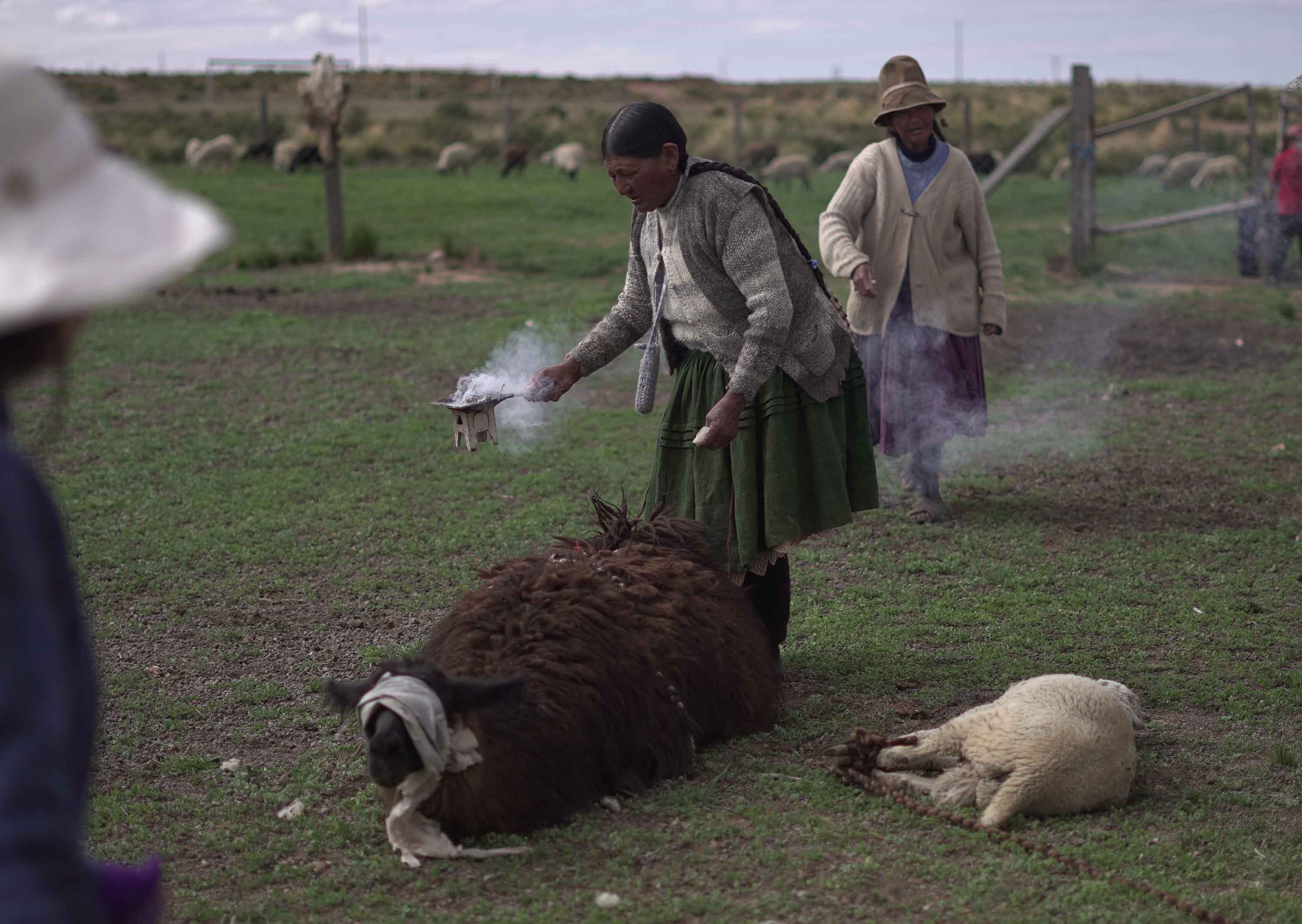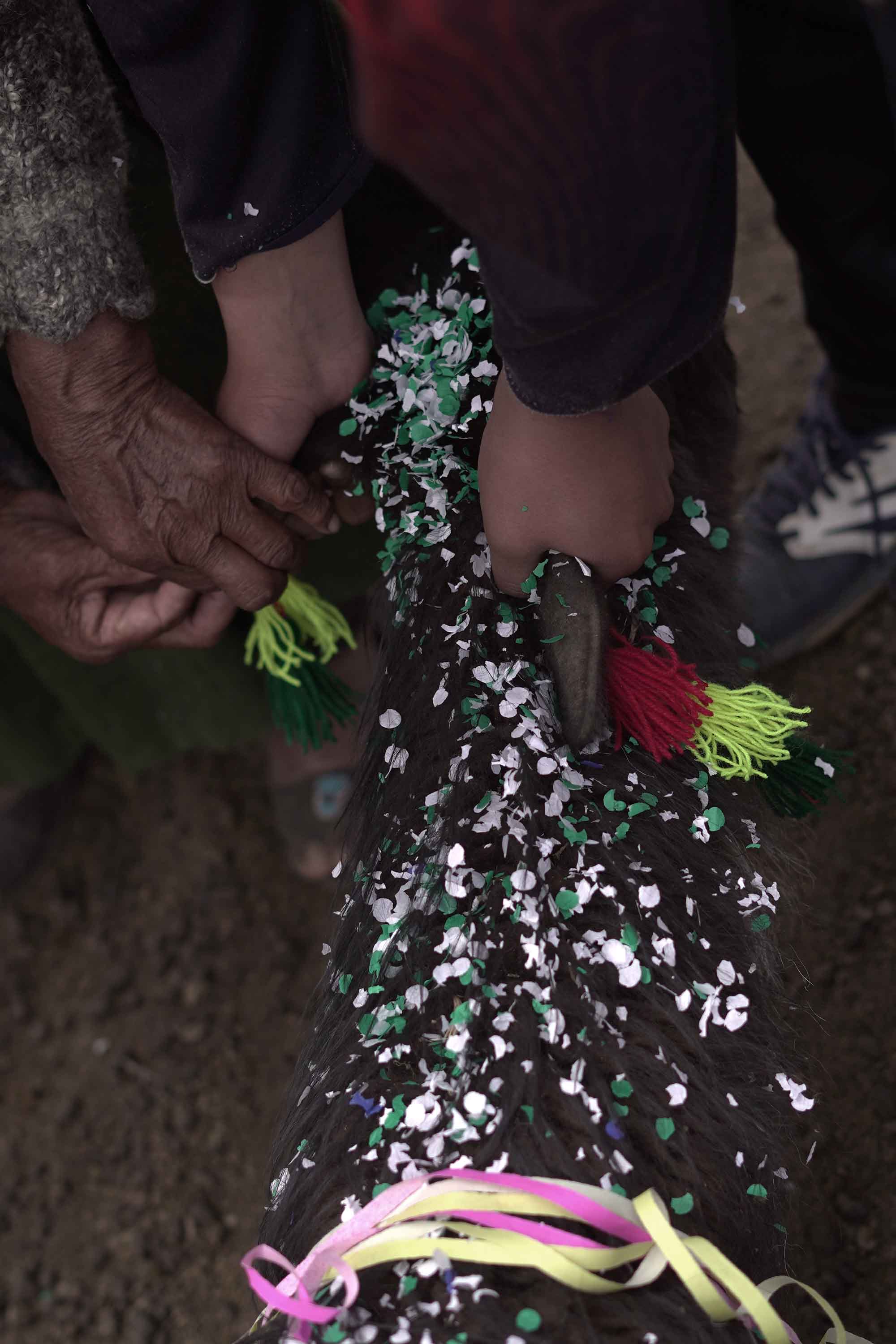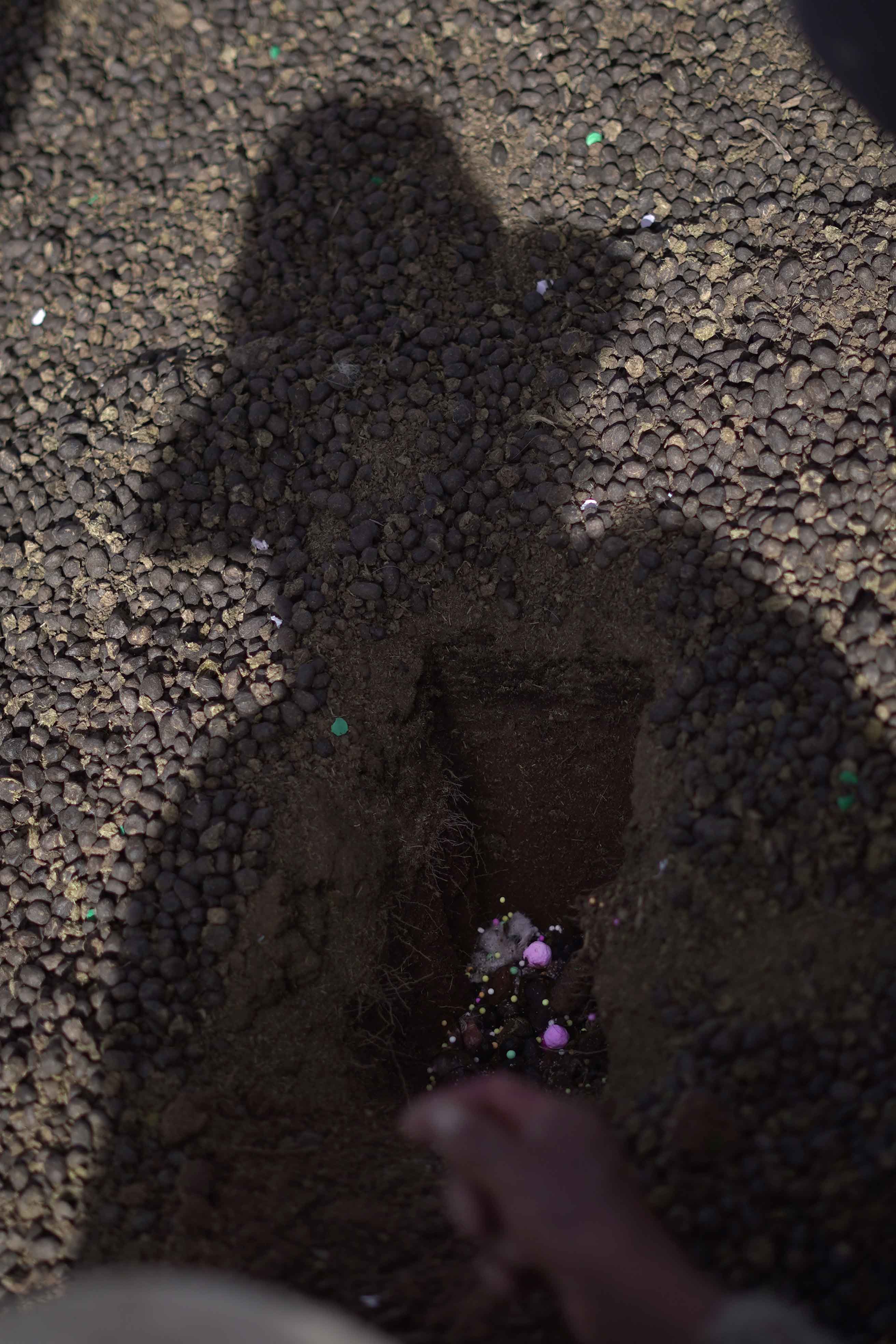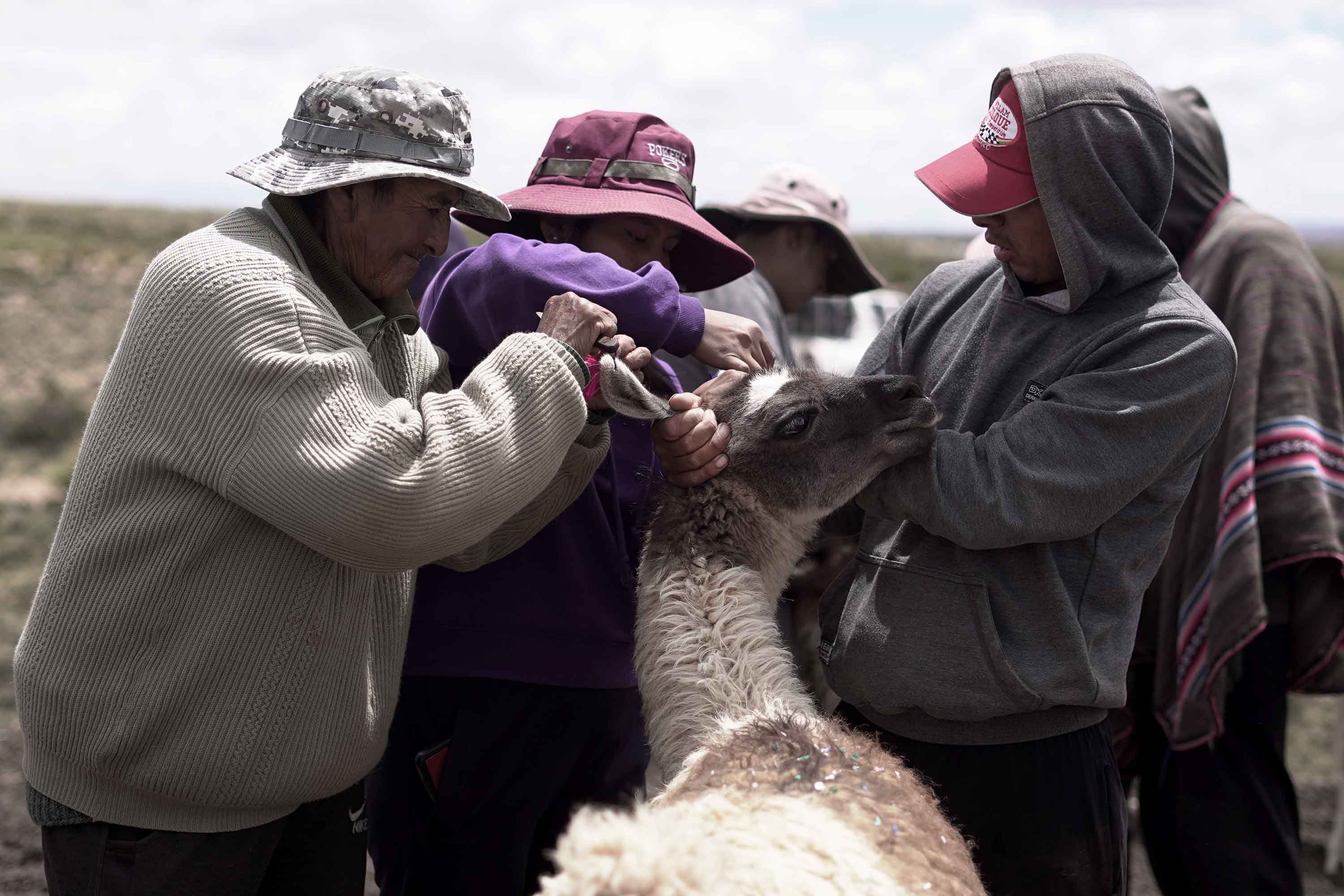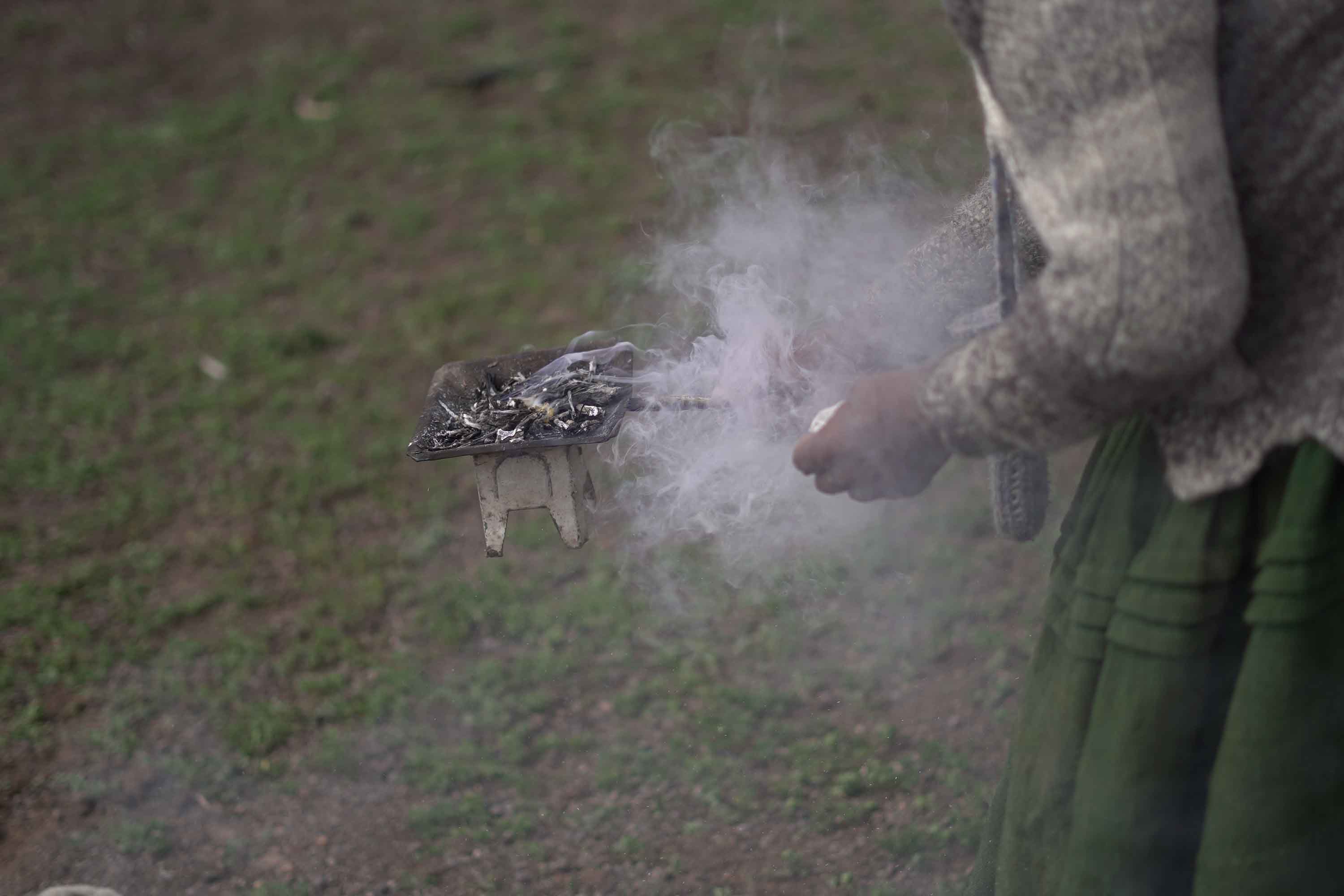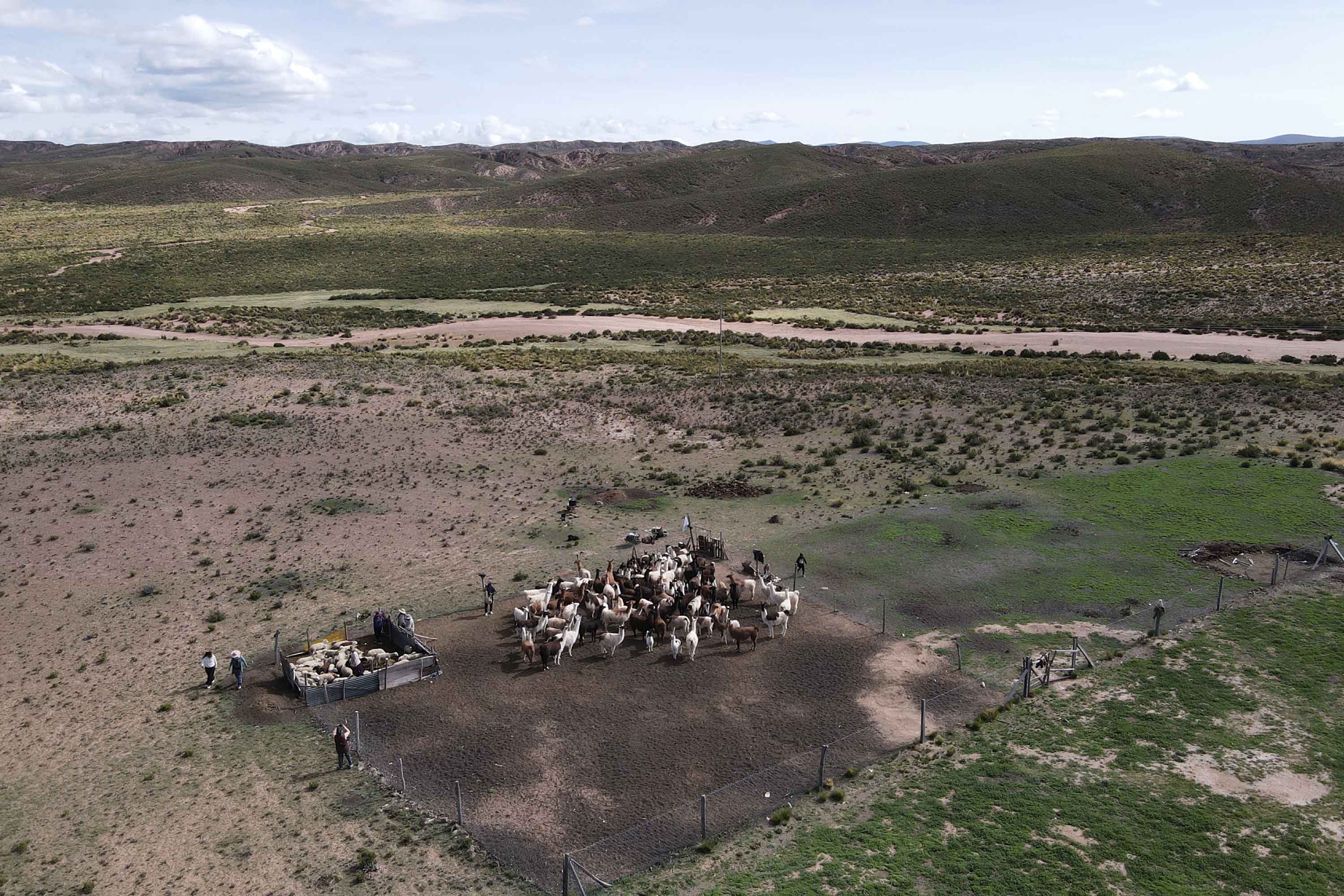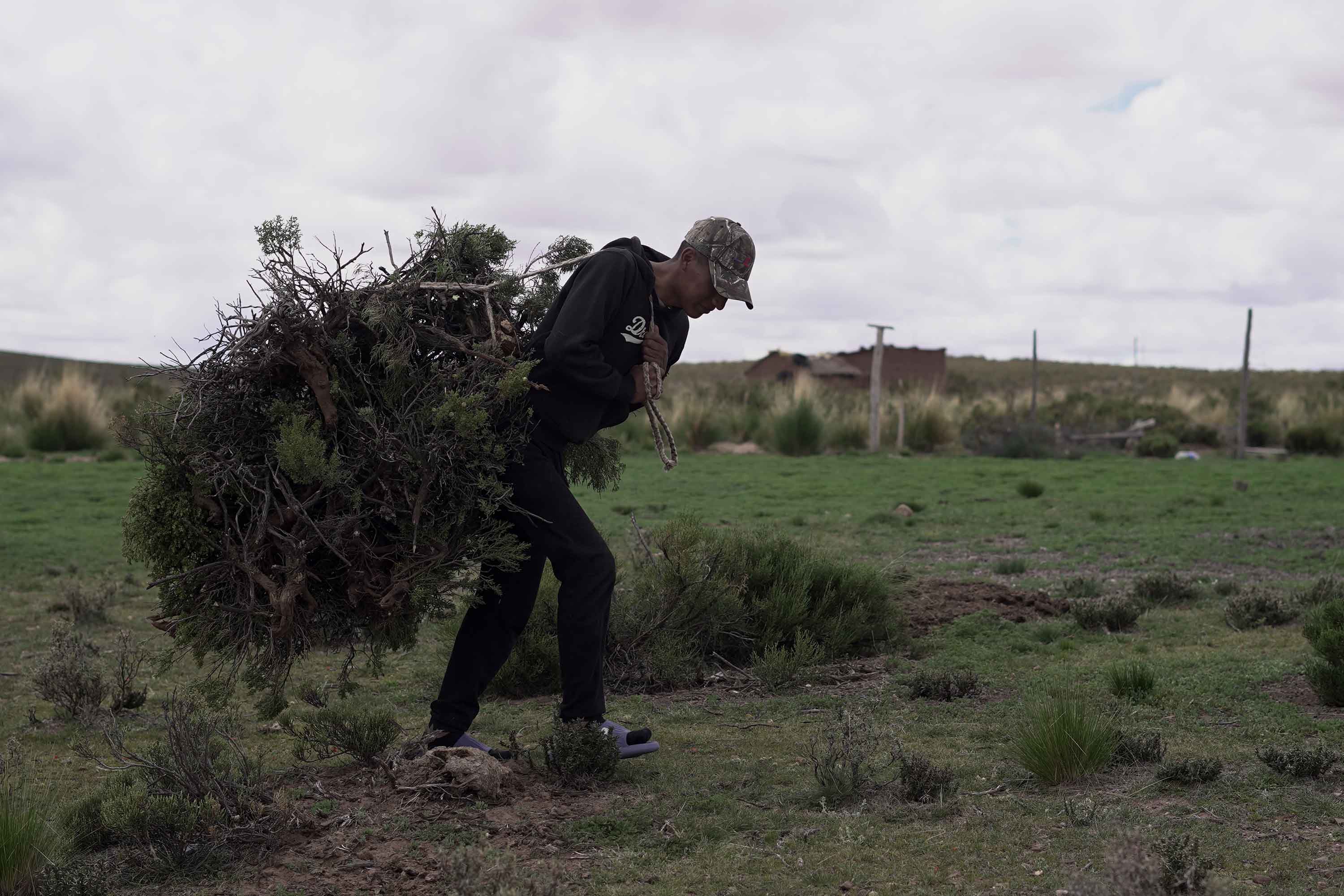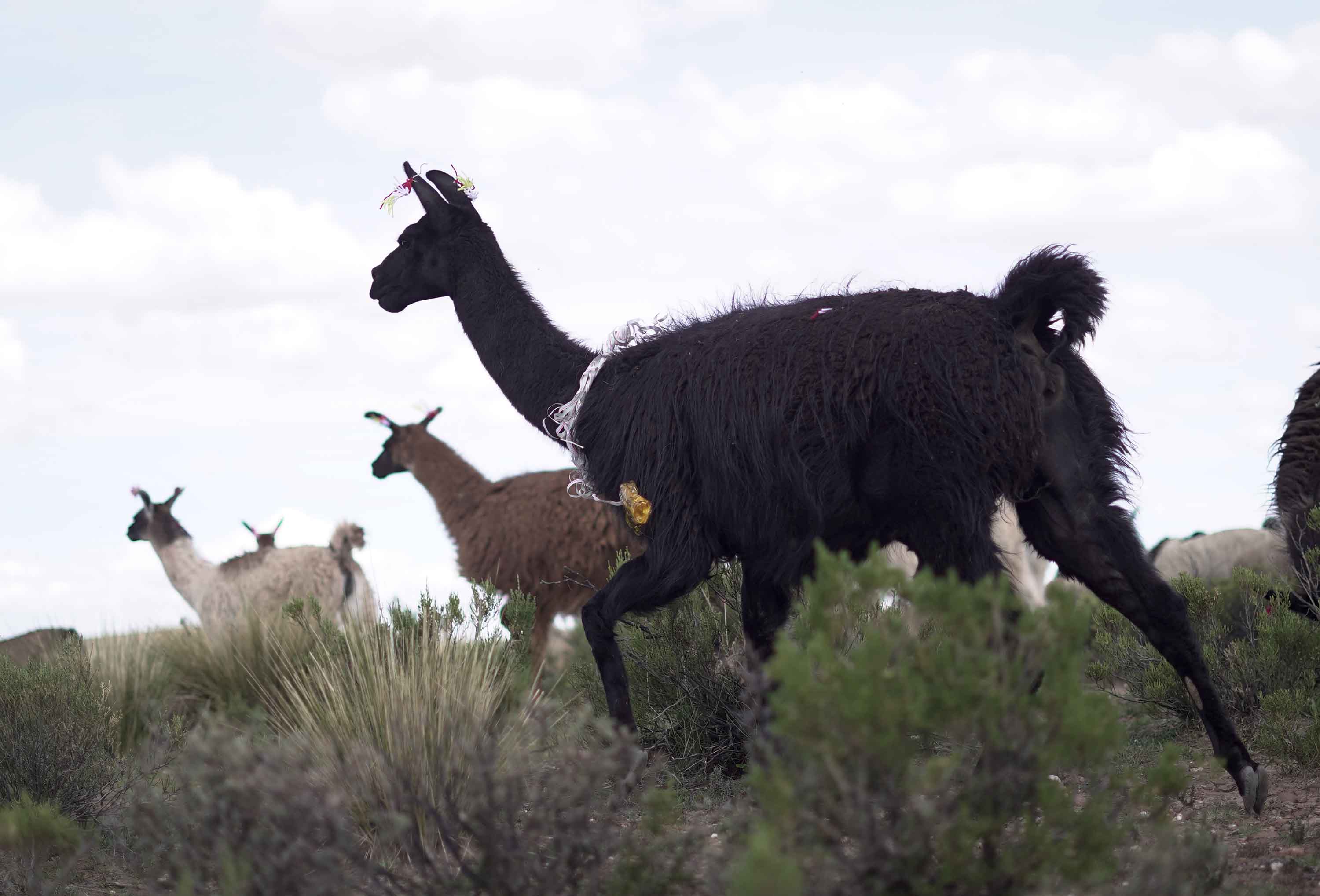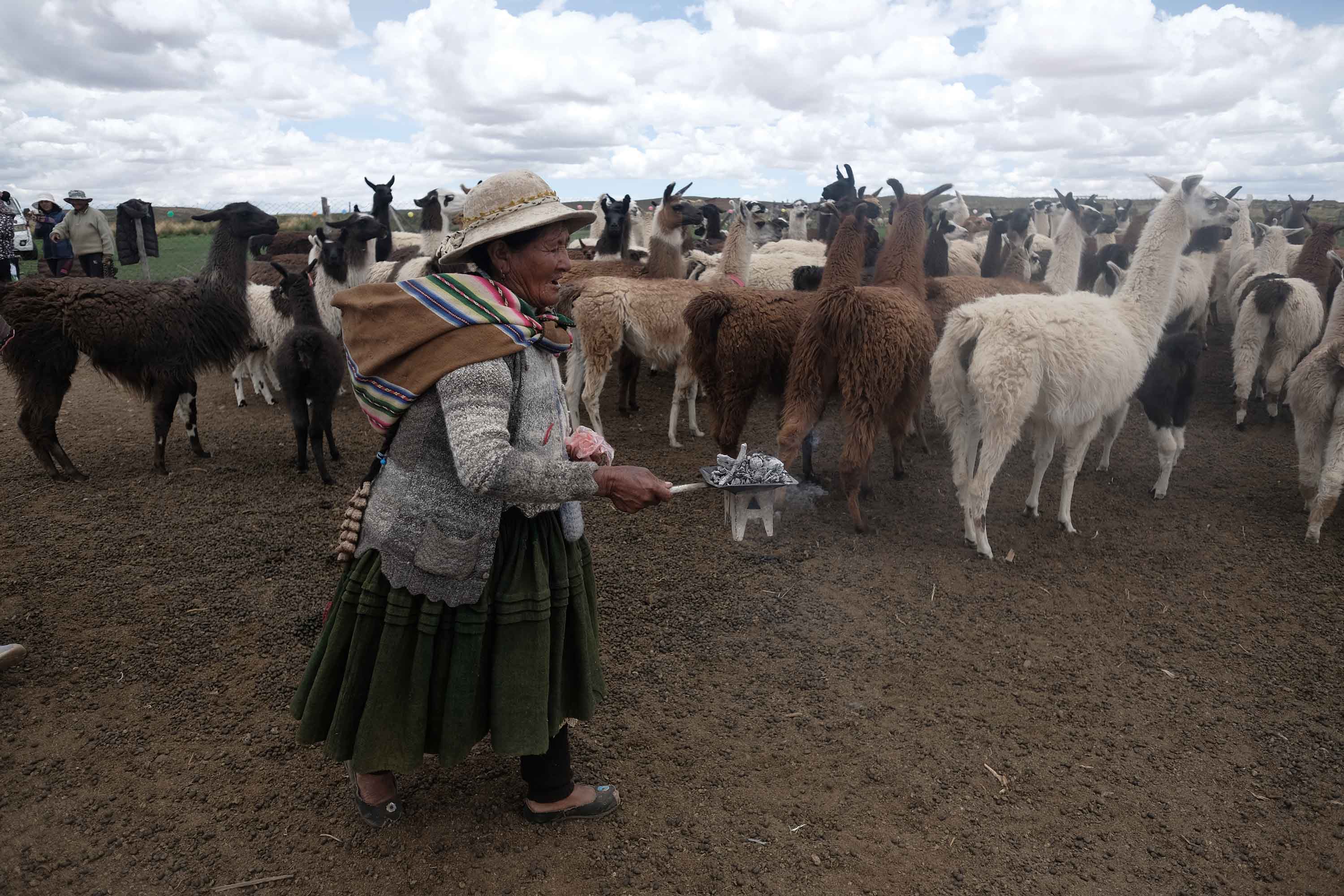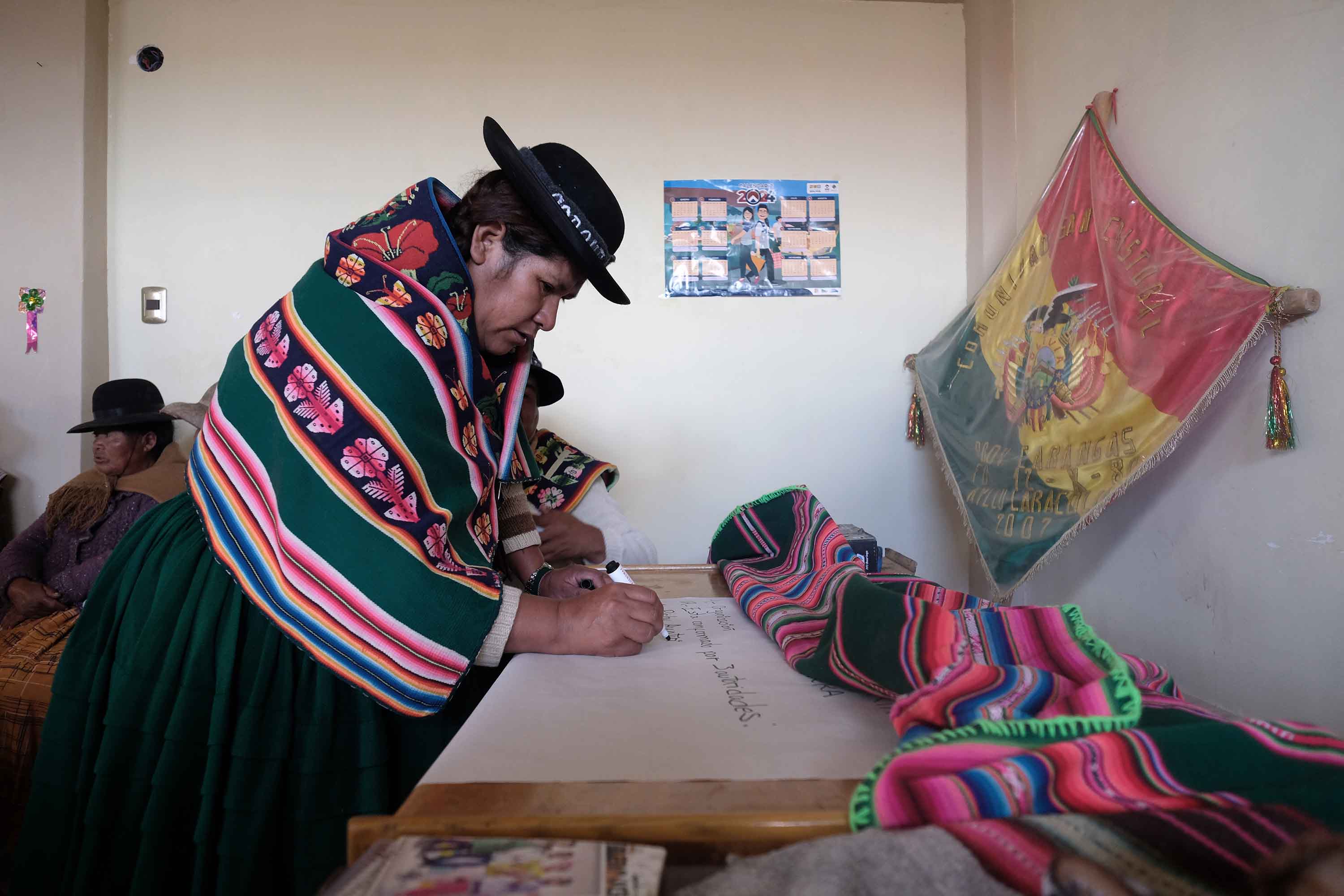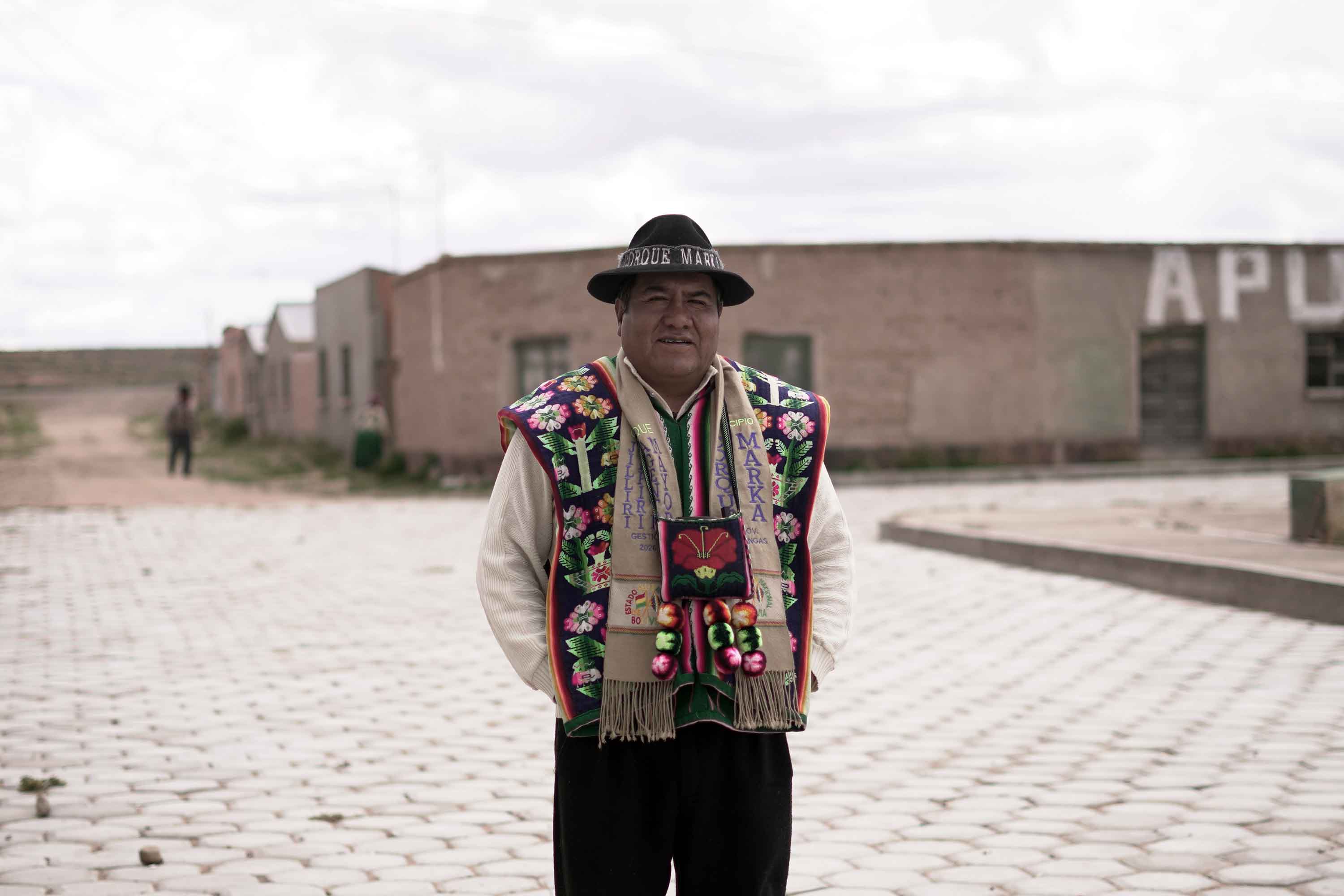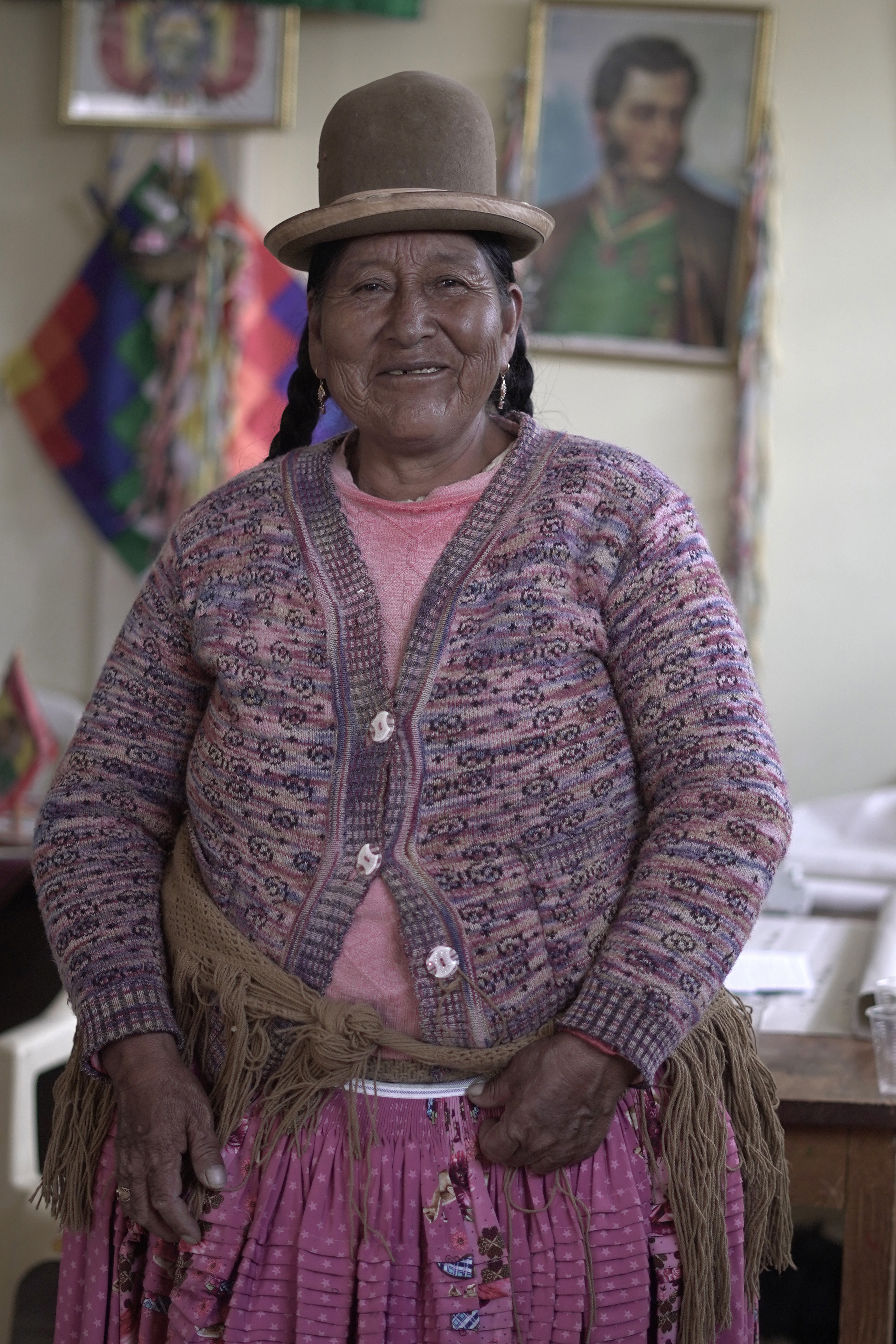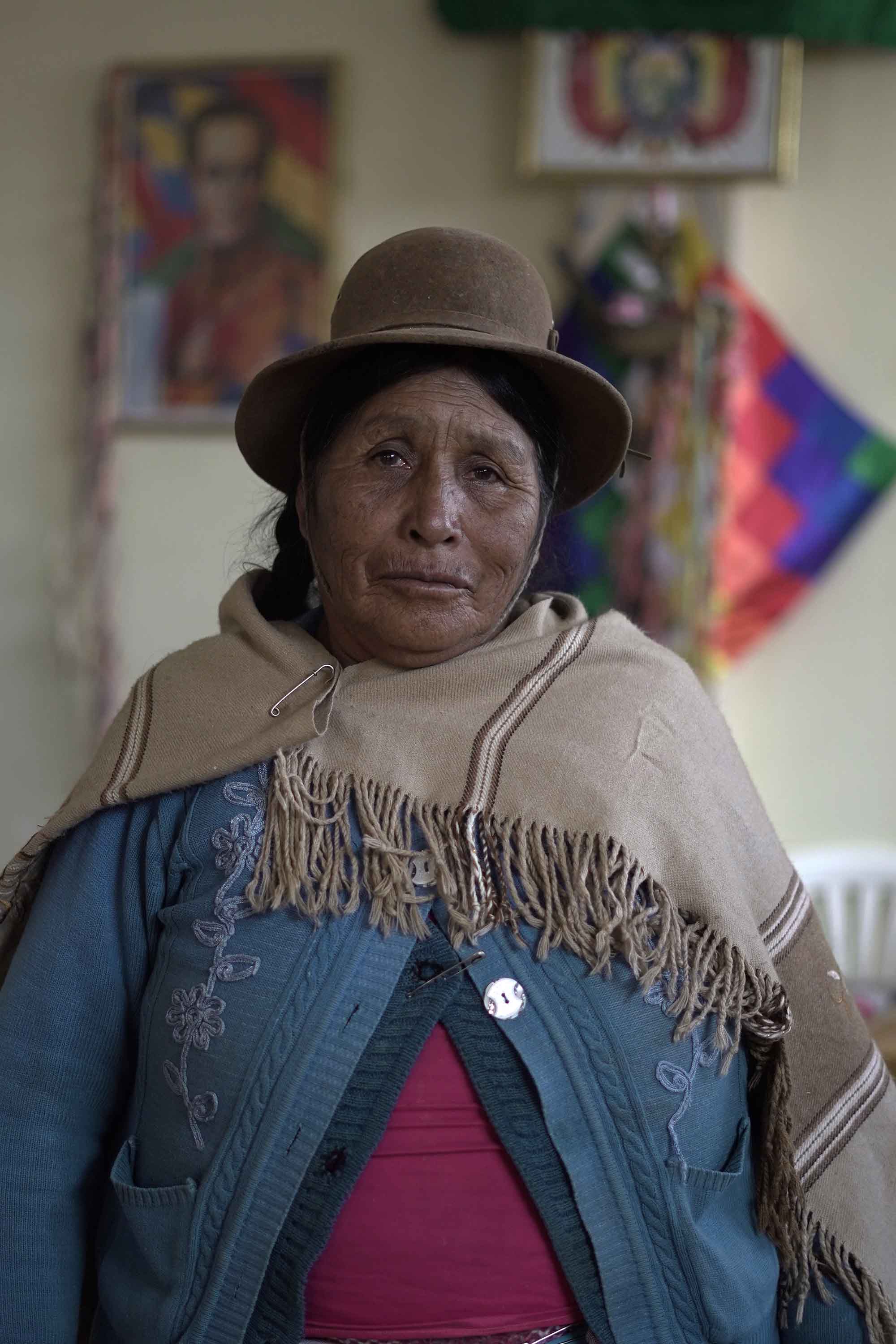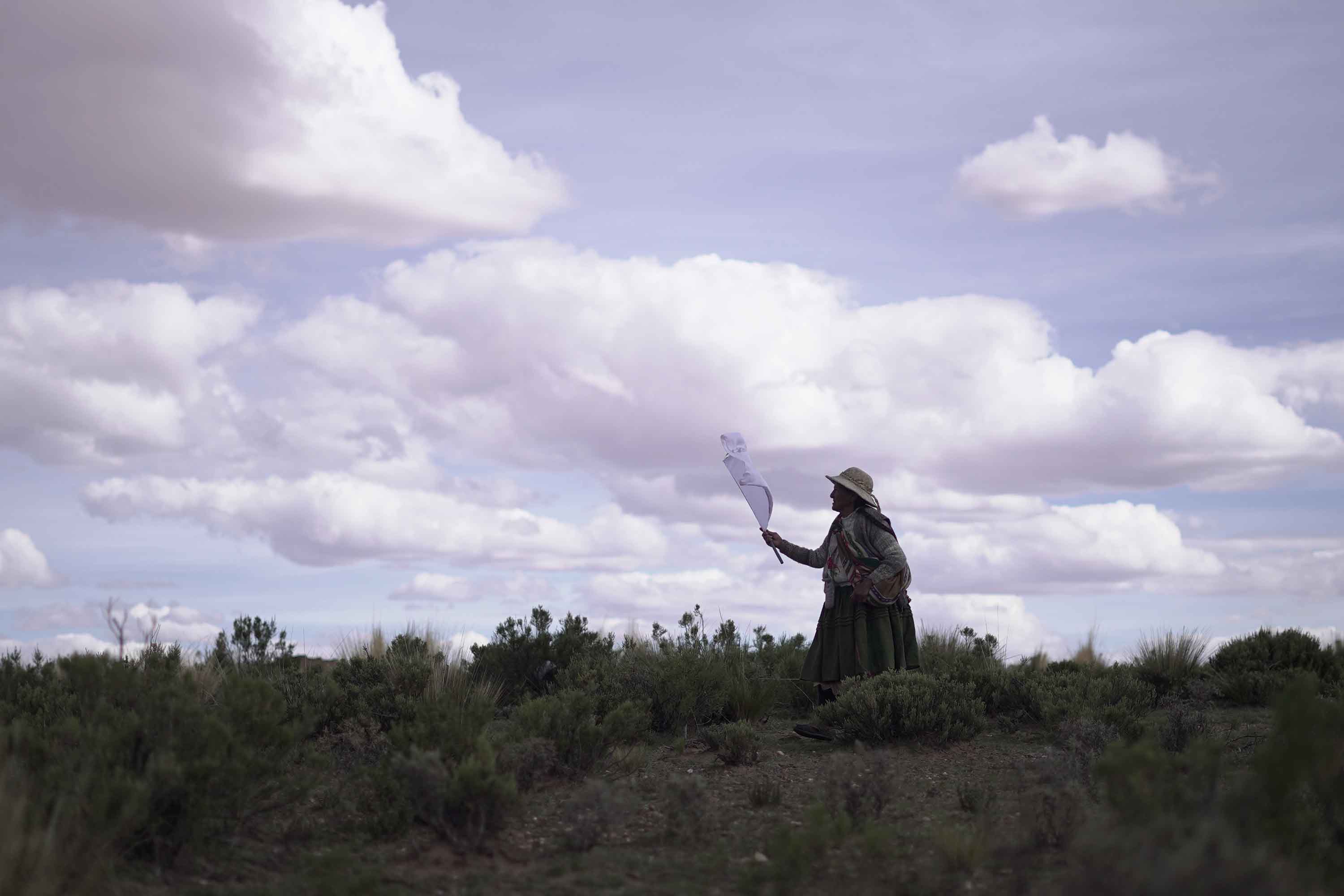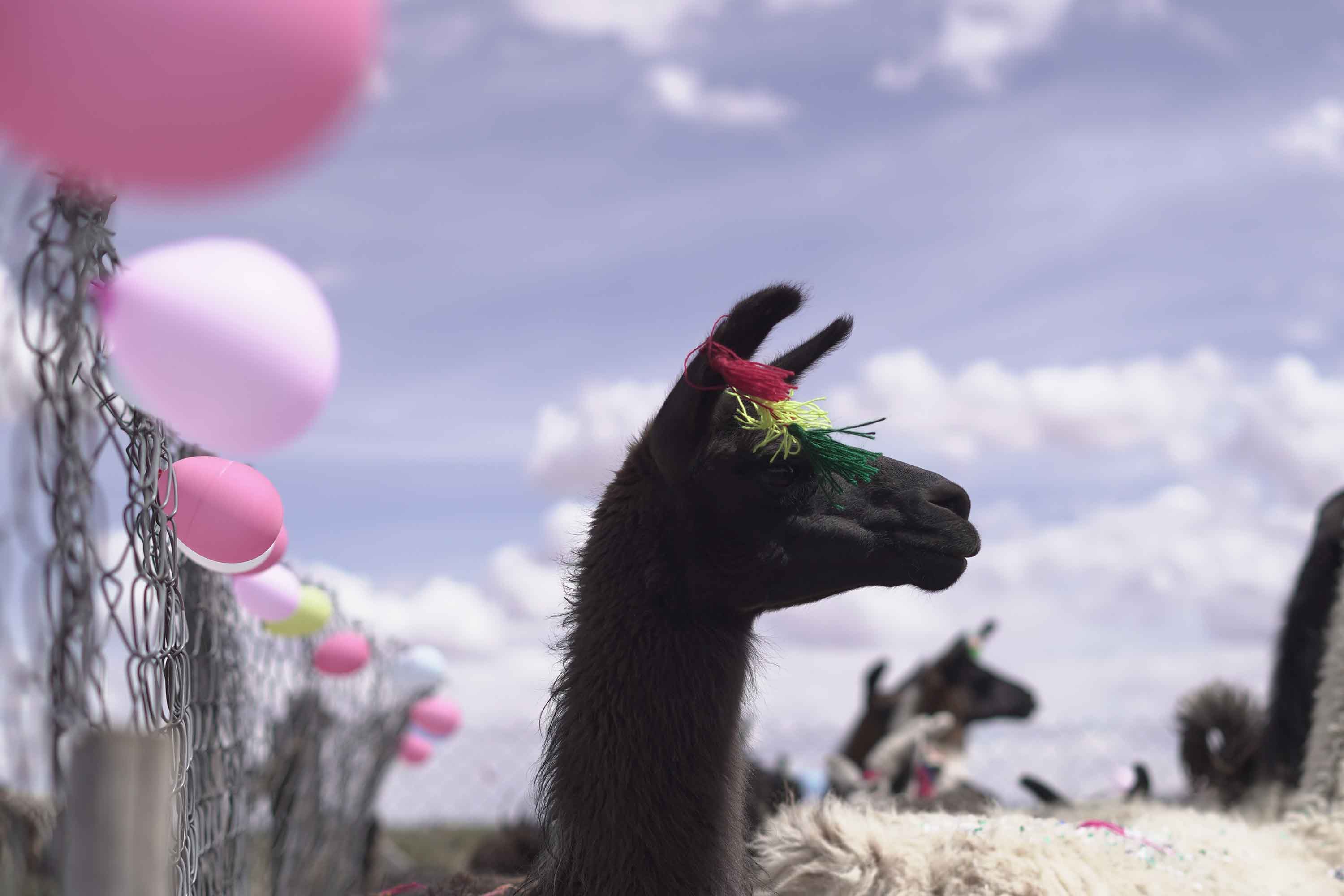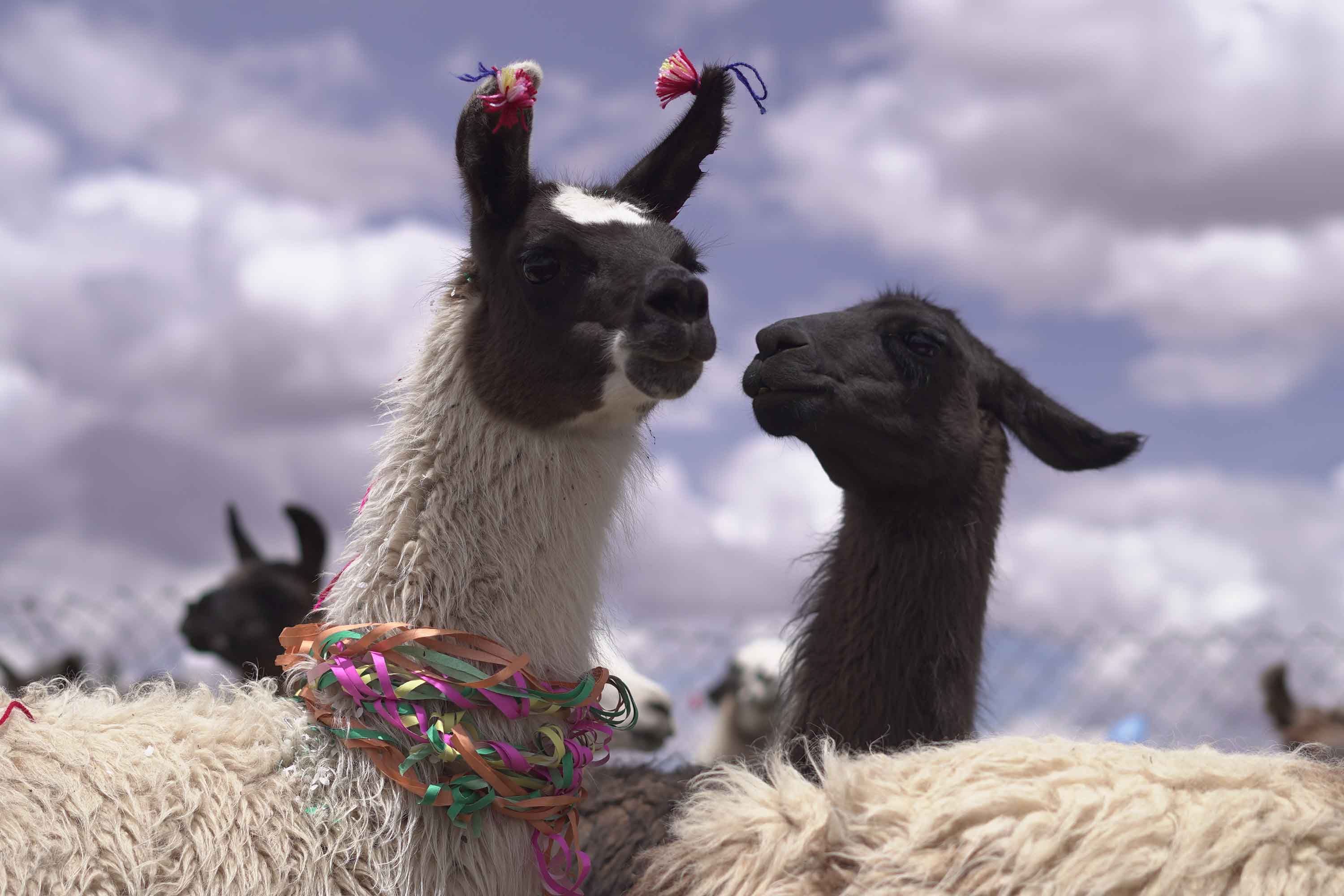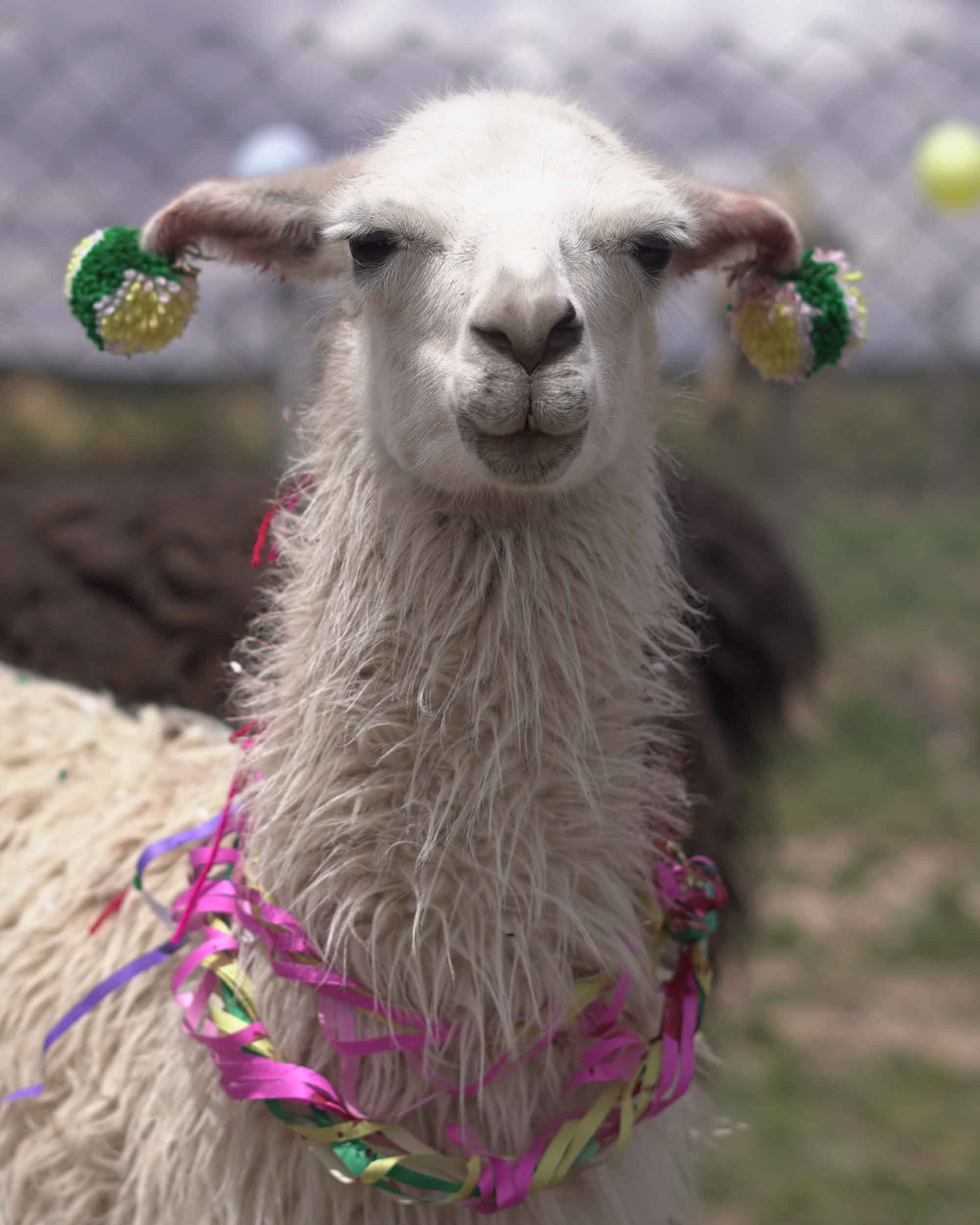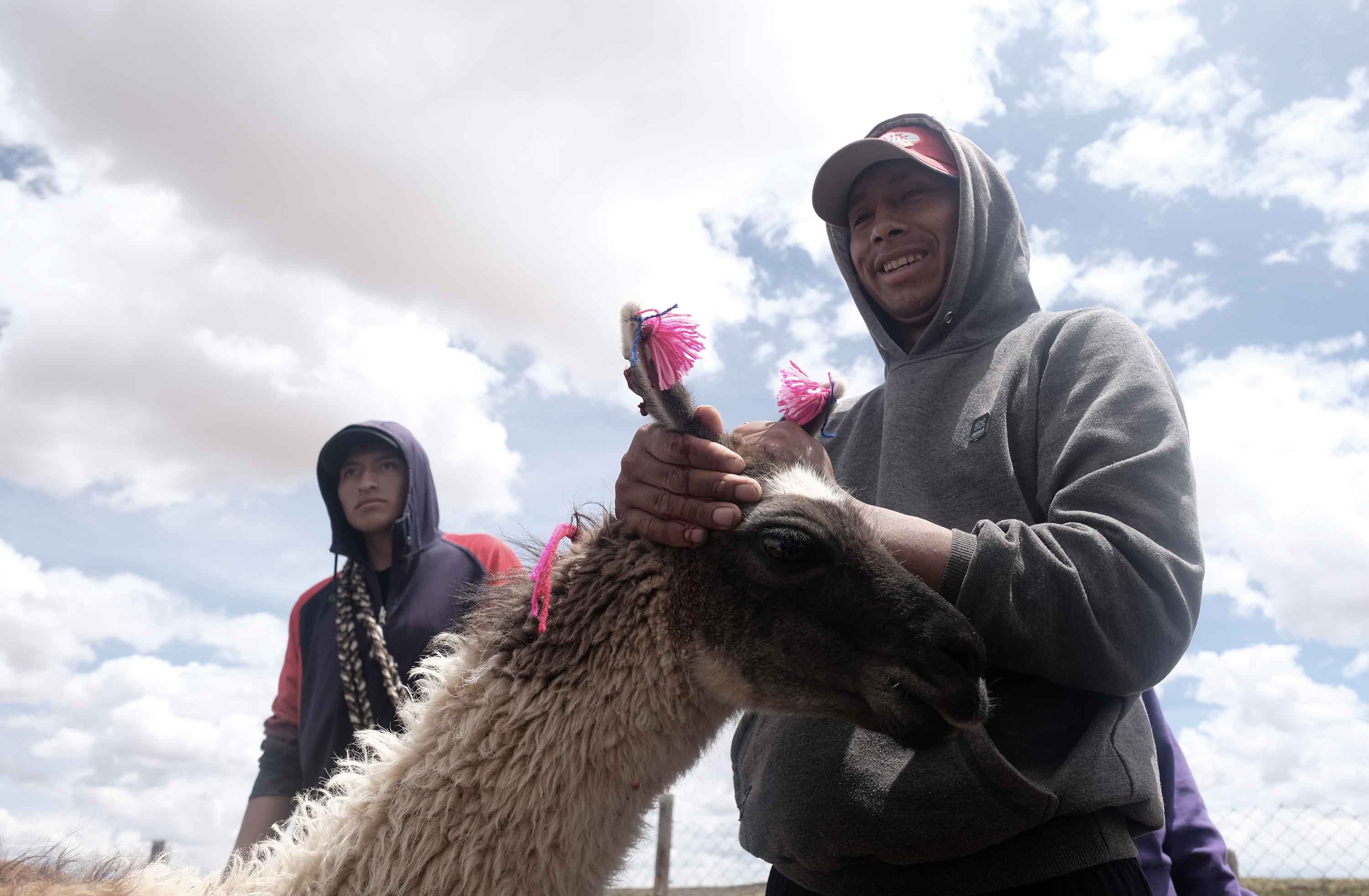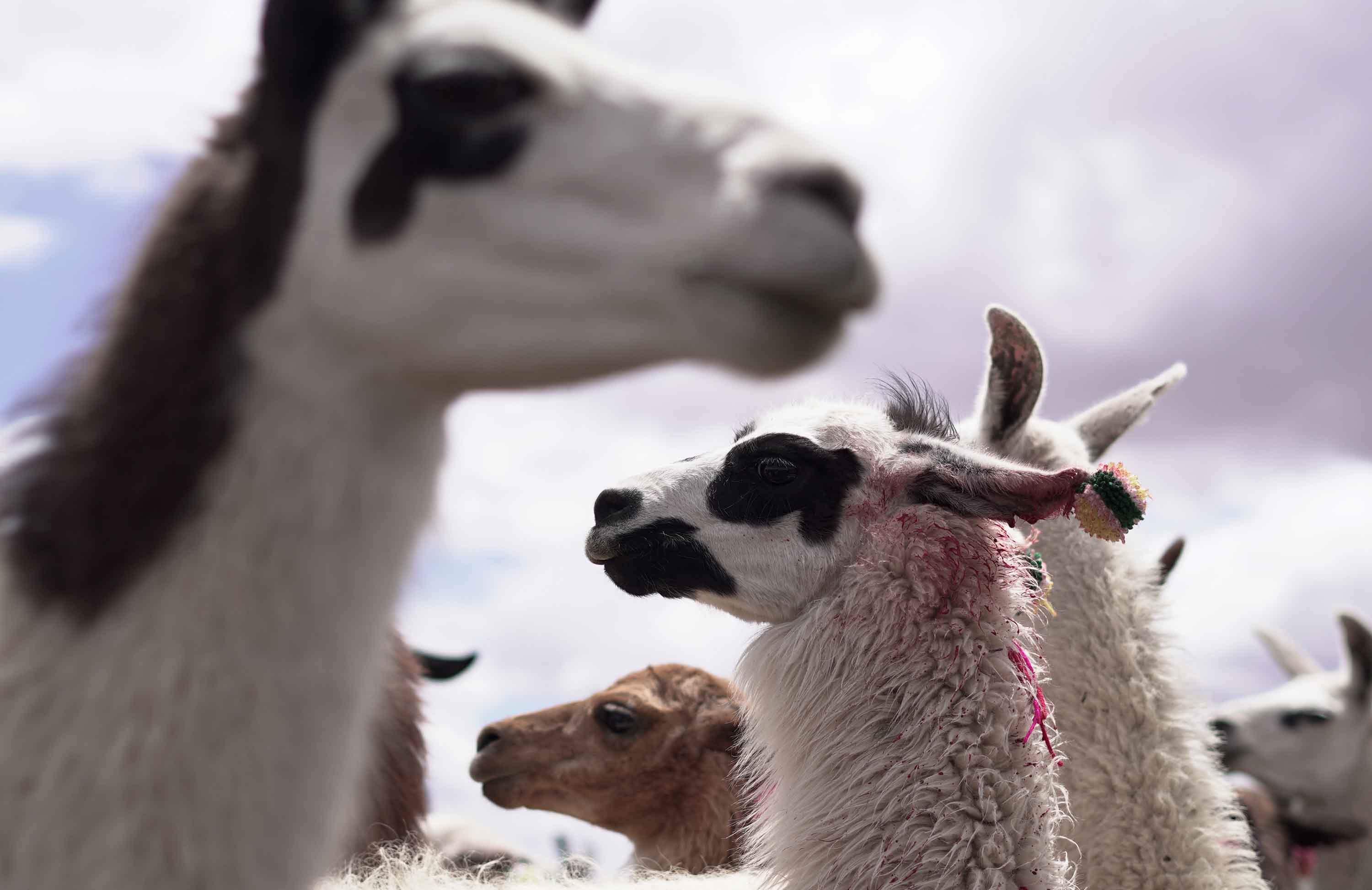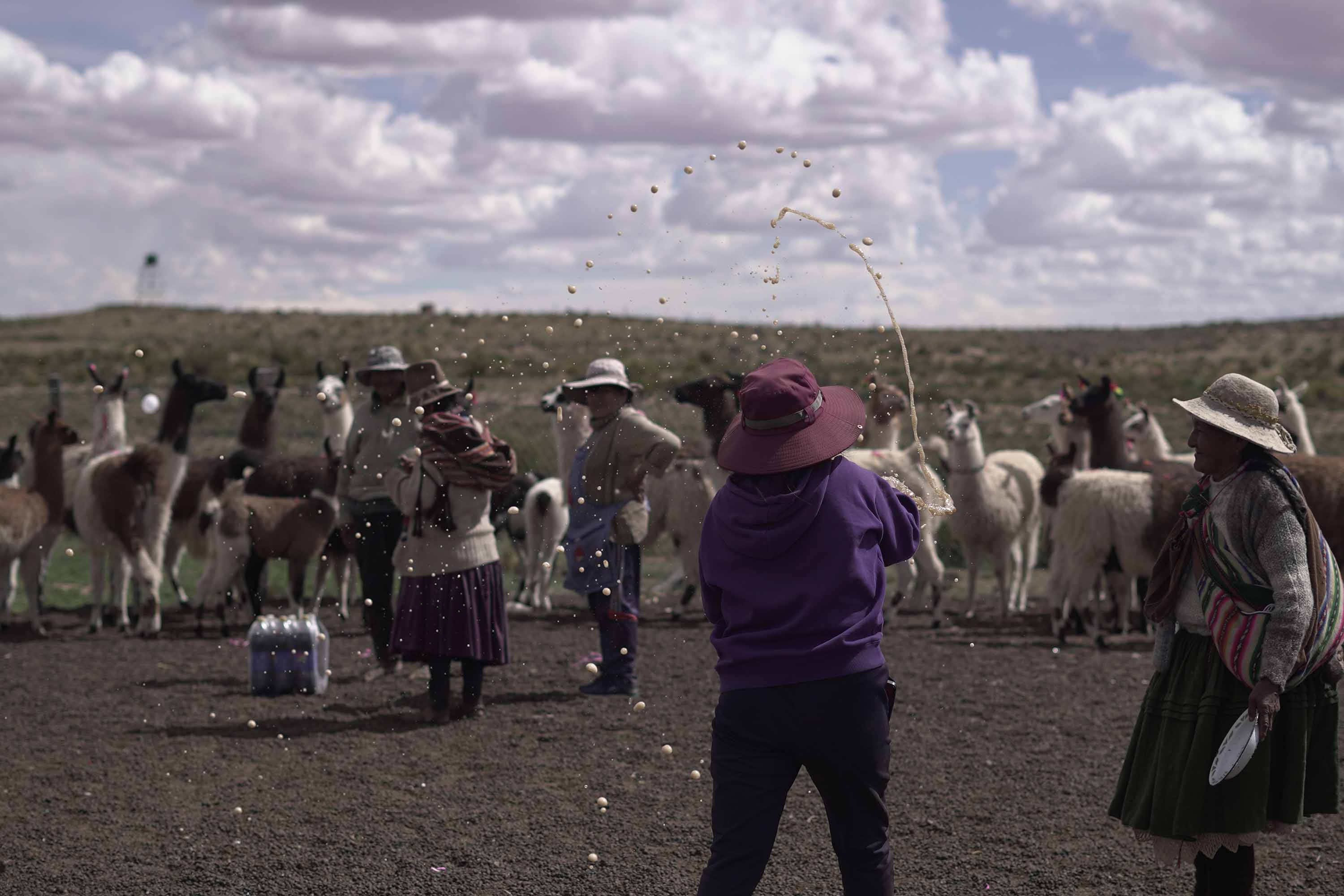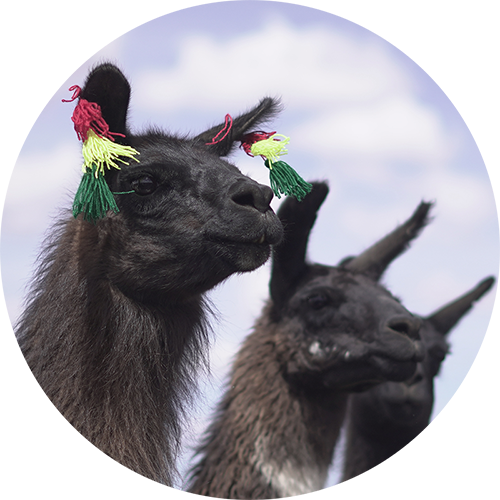
An Aymara woman from Corque Marka, Bolivia, can tell when a llama is sick before any veterinarian trained in Western medicine. She notices it by the way the animal walks, the way it moves its head, and by whether it drinks from stagnant water when there is no other clean source, since llamas rarely drink contaminated water. This is how María Eugenia Choque Quispe, an Aymara woman and manager of the Center for Aymara Multidisciplinary Studies (CEM) in the Corque Marka community, explains it.
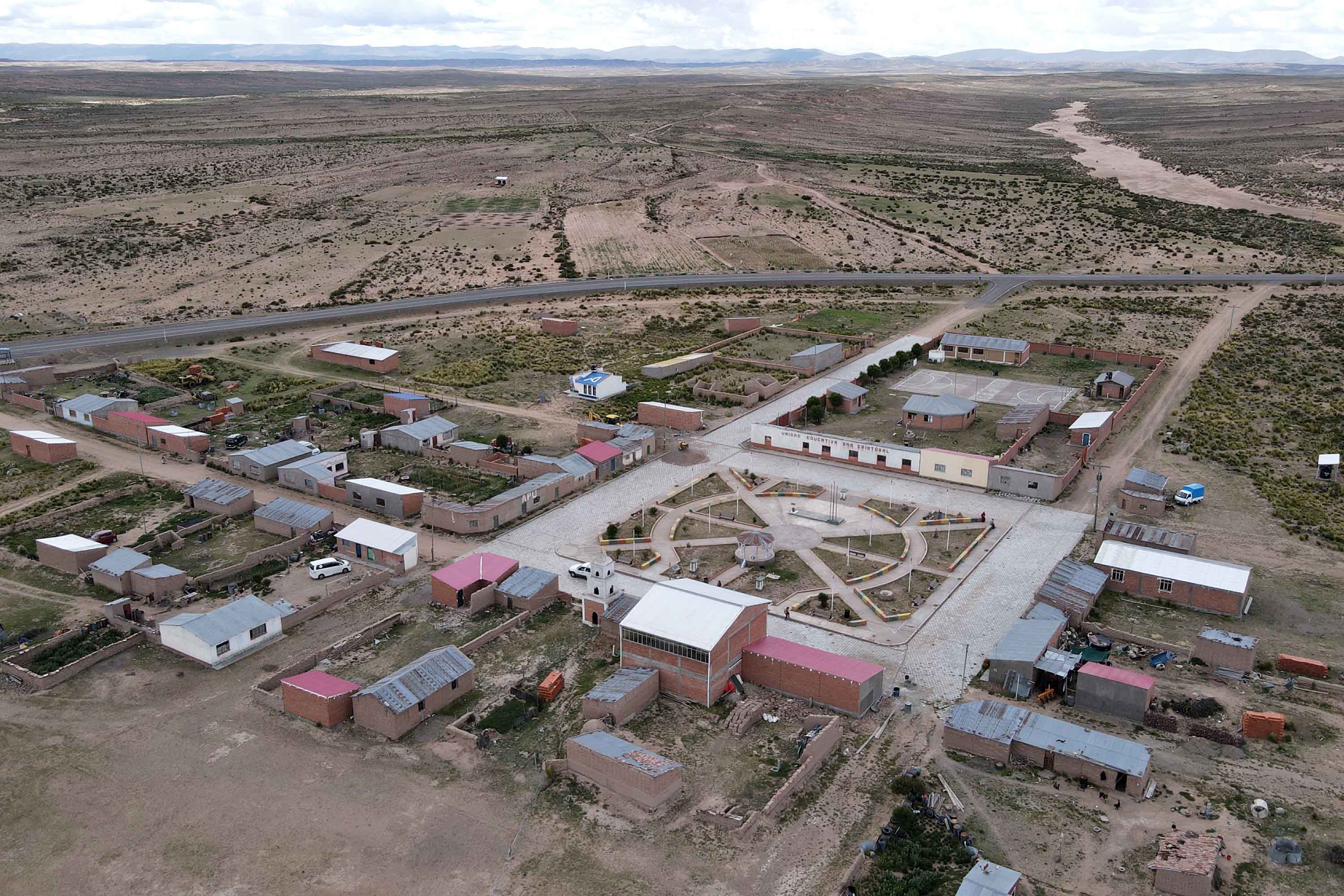
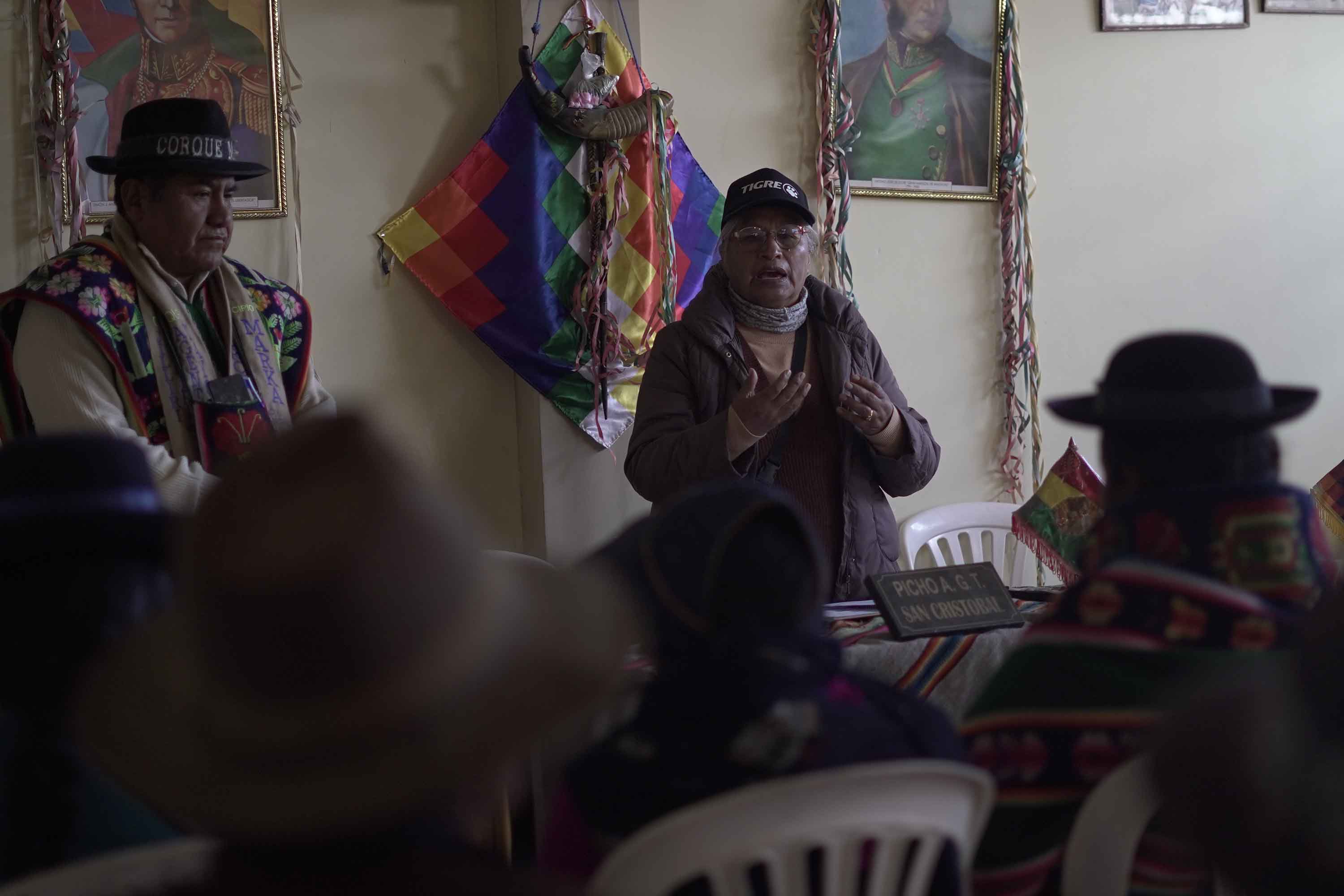
The population of Corque Marka, a community 90 kilometers from the city of Oruro, in the Ayllus north of Potosí, is of Aymara origin, and most of its population speaks Aymara and Spanish. The territory is organized into 14 Ayllus (families) belonging to the Jacha Karangas Nation of Bolivia. However, Northern Potosí is a historically Quechua region, characterized by the presence of mining communities and trilingualism in Aymara, Quechua, and Spanish. In both territories, the llama has been, for centuries, a domesticated animal, but also an economic, spiritual, and social pillar of the Aymara people.