6th IPAF–IFAD Cycle (2022–2026)
ORGANIZATION
Agricultural Promoters (PROAGRO)
DIRECT BENEFICIARIES
258
INDIRECT BENEFICIARIESS
1733

The project aims to strengthen food sovereignty and school health for indigenous children and youth in the town of Carmen Rivero by improving nutrition, promoting agroecological practices, and providing training in the management of gardens, farms, and natural resources. It also encourages the adoption of hygiene habits and the use of traditional medicine, the strengthening of the educational community, and the establishment of collaborative management bodies recognized by the town, promoting territorial ownership and the resilience of indigenous schools and communities.

+ info
- info
Food sovereignty in schools
PHOTOGRAPHYWara Vargas Lara
TEXTAndrea Fajardo
Rincón del Tigre, municipio Carmen Rivero Torrez / Santa Cruz / Bolivia

Since 2014, Bolivia has had Law 622 on School Supplementary Feeding, passed by the Plurinational Legislative Assembly, which requires all municipalities to ensure healthy, nutritious, and culturally appropriate meals in schools. However, in remote areas like Rincón del Tigre, school breakfasts were reduced for years to the distribution of packaged products that merely “complied” with state regulations. 

“They were given a cookie and a little juice, and that was it,” summarizes Gonzalo Rivera, general coordinator of PROAGRO (Agricultural Promoters), an organization that assists the communities of Rincón del Tigre on issues of food sovereignty, nutrition, and economic development. Initially, PROAGRO arrived with an initial proposal based on noodles and rice, the most accessible processed foods. But they quickly realized a mistake: these foods had nothing to do with what the communities typically eat and produce. “We realized we had to revive their customs and knowledge. We need to make improvements based on what they already know and the resources they already have,” Gonzalo admits.
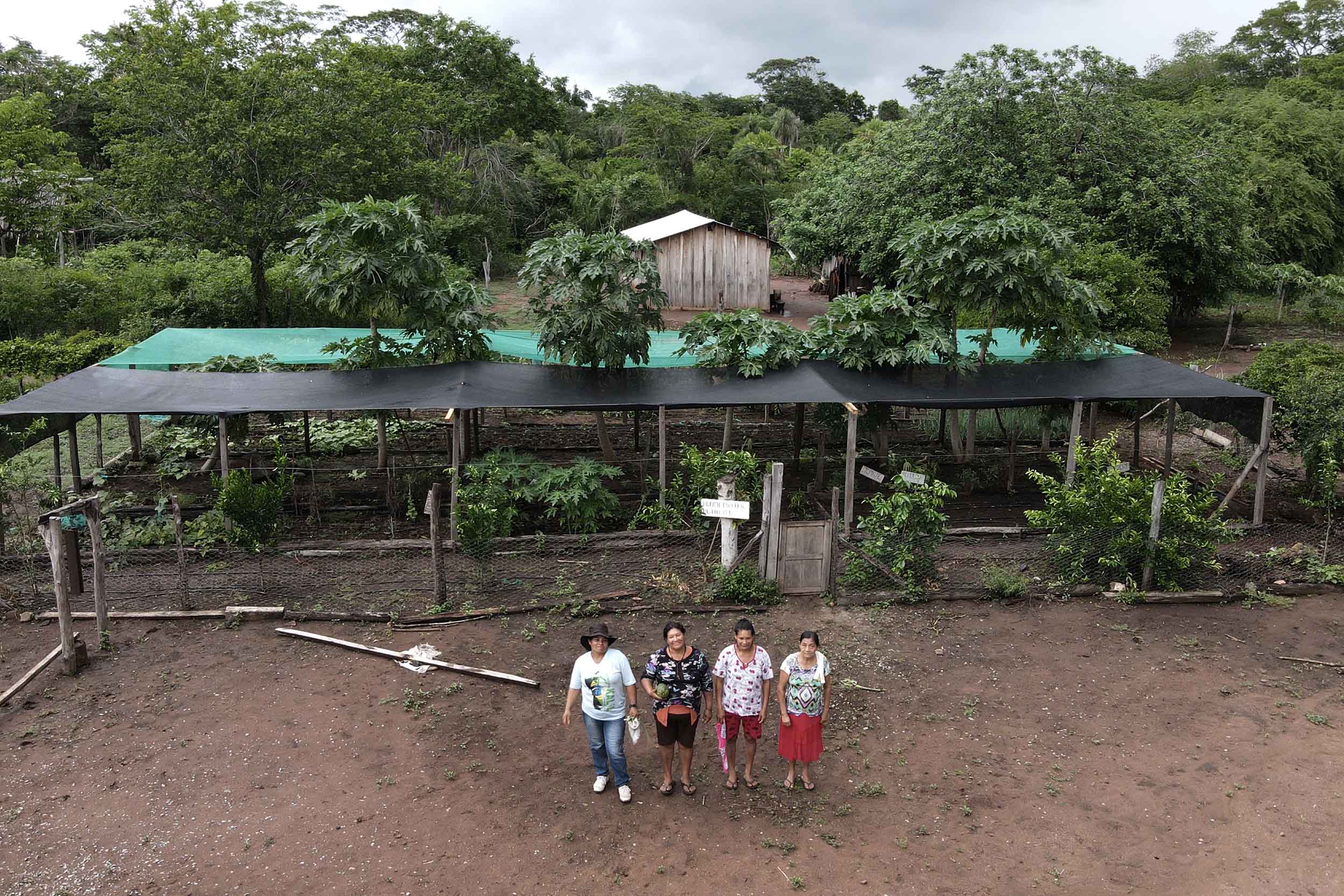
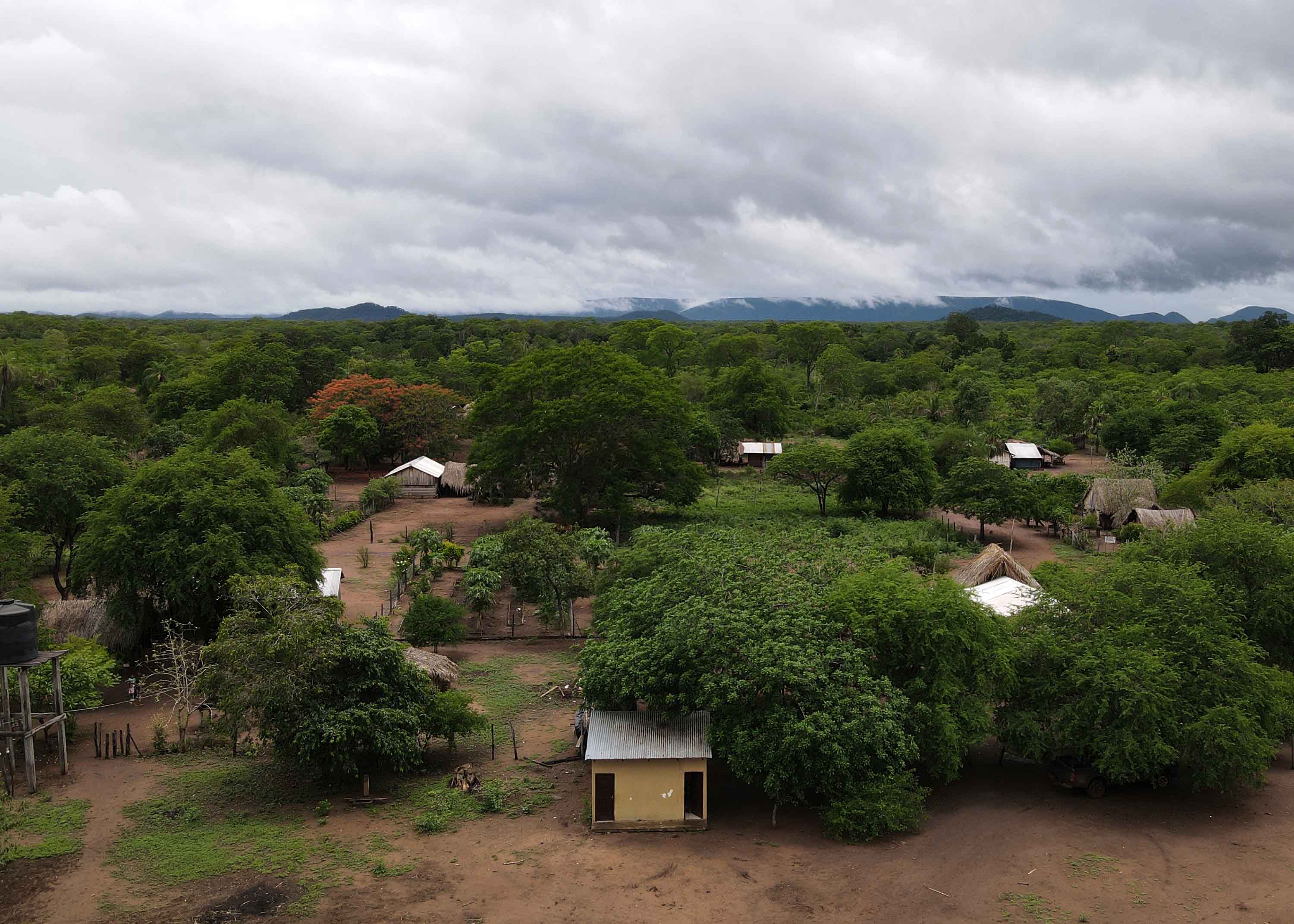
Correcting that course meant building or reviving traditional practices from the ground up, in one of the most inaccessible regions of Bolivia. Rincón del Tigre is a town in the lowlands of the country, specifically in the southeast. It is located within the Integratedly Managed San Matías Natural Area, a protected space that is home, for the most part, to the Chiquitano Indigenous People, who speak Bésiro, the “language of the people.”

Because of the long distances, rough roads, and a lack of cell service and internet in most schools, and other such conditions, PROAGRO has been developing an action plan, with support from the International Indigenous Women’s Forum (FIMI) and funding from the International Fund for Agricultural Development (IFAD), through its Indigenous People’s Assistance Facility (IPAF), aimed at transforming nutrition in eight Chiquitano indigenous schools.

(7)
(8)
(9)

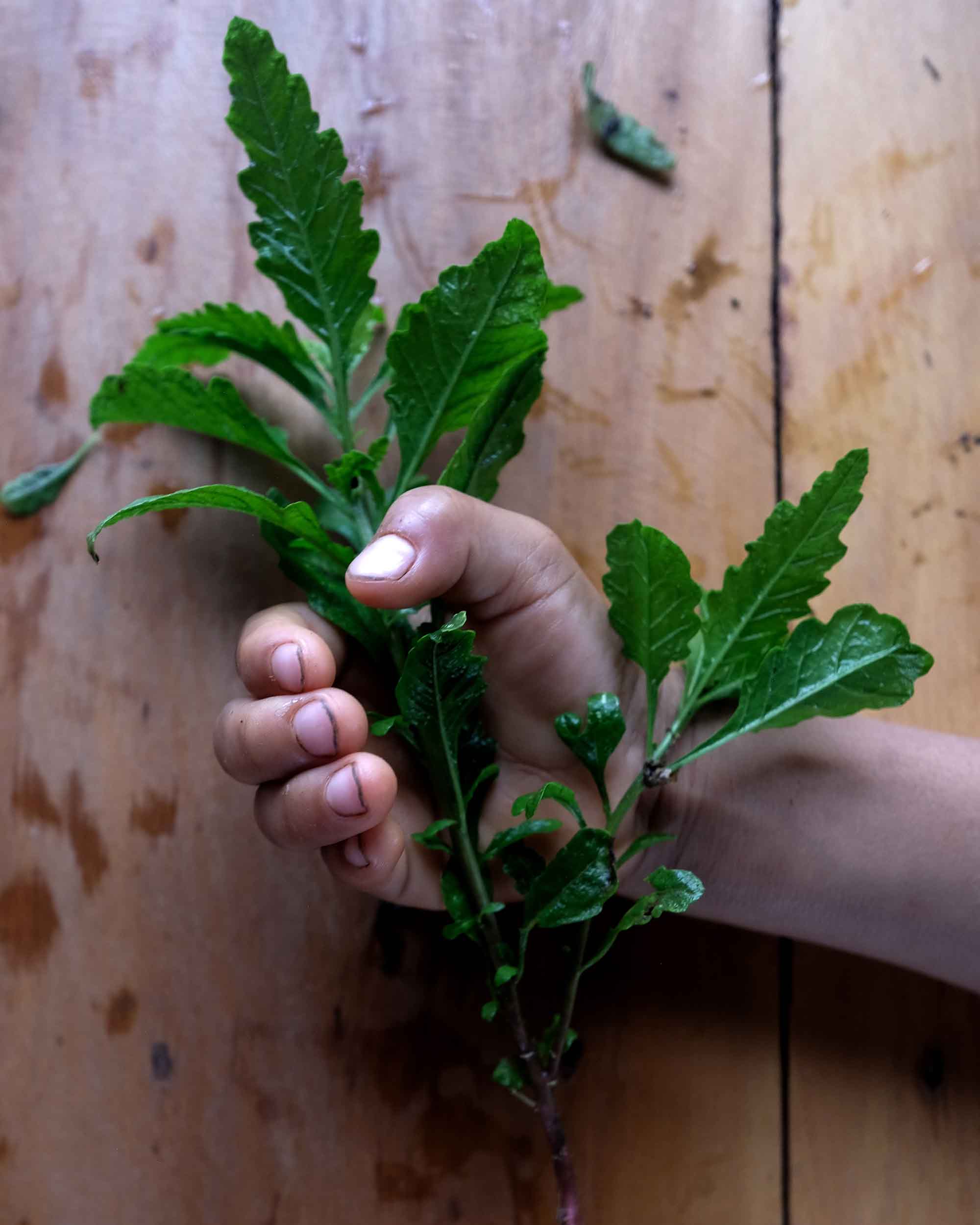
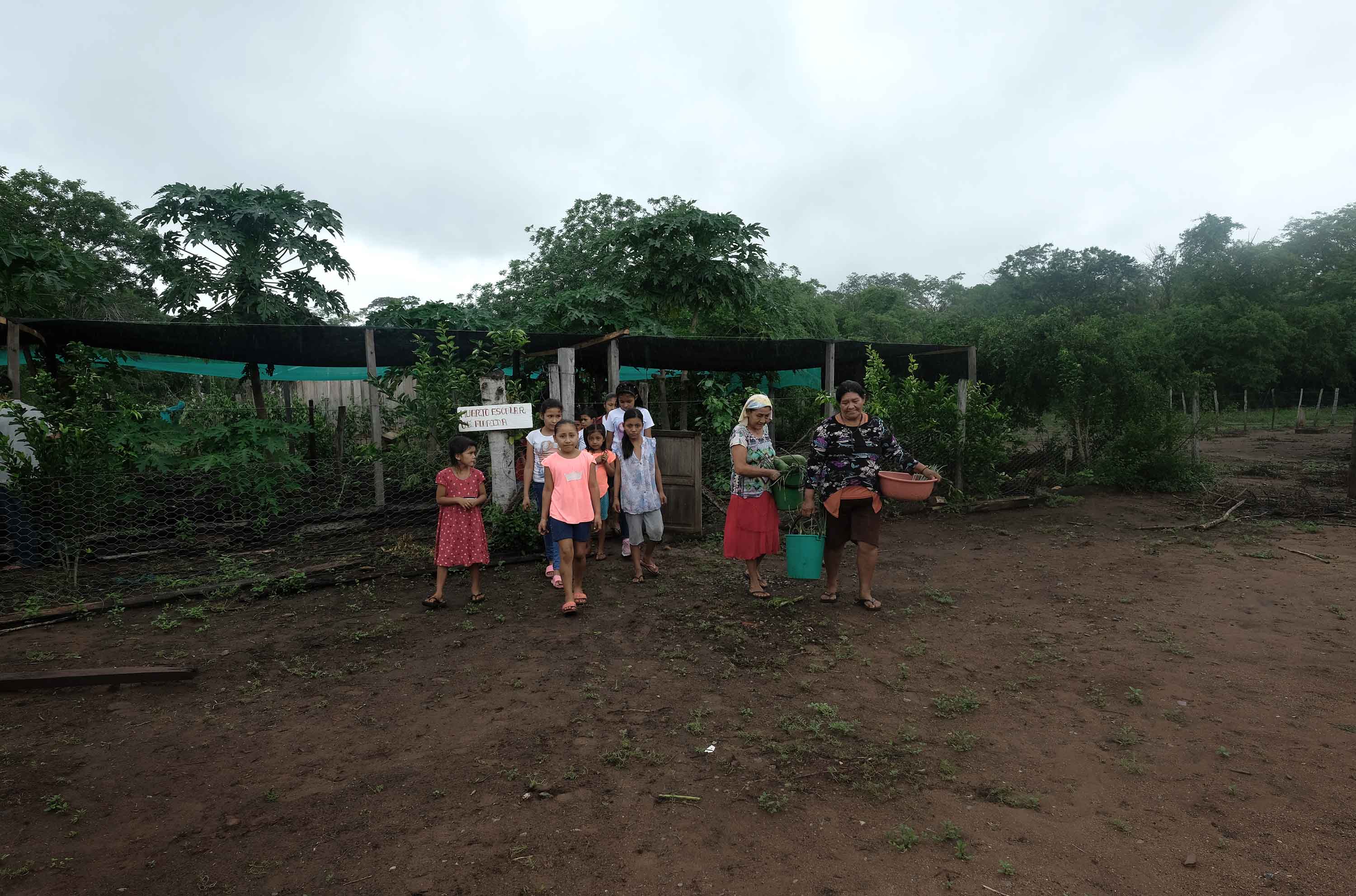
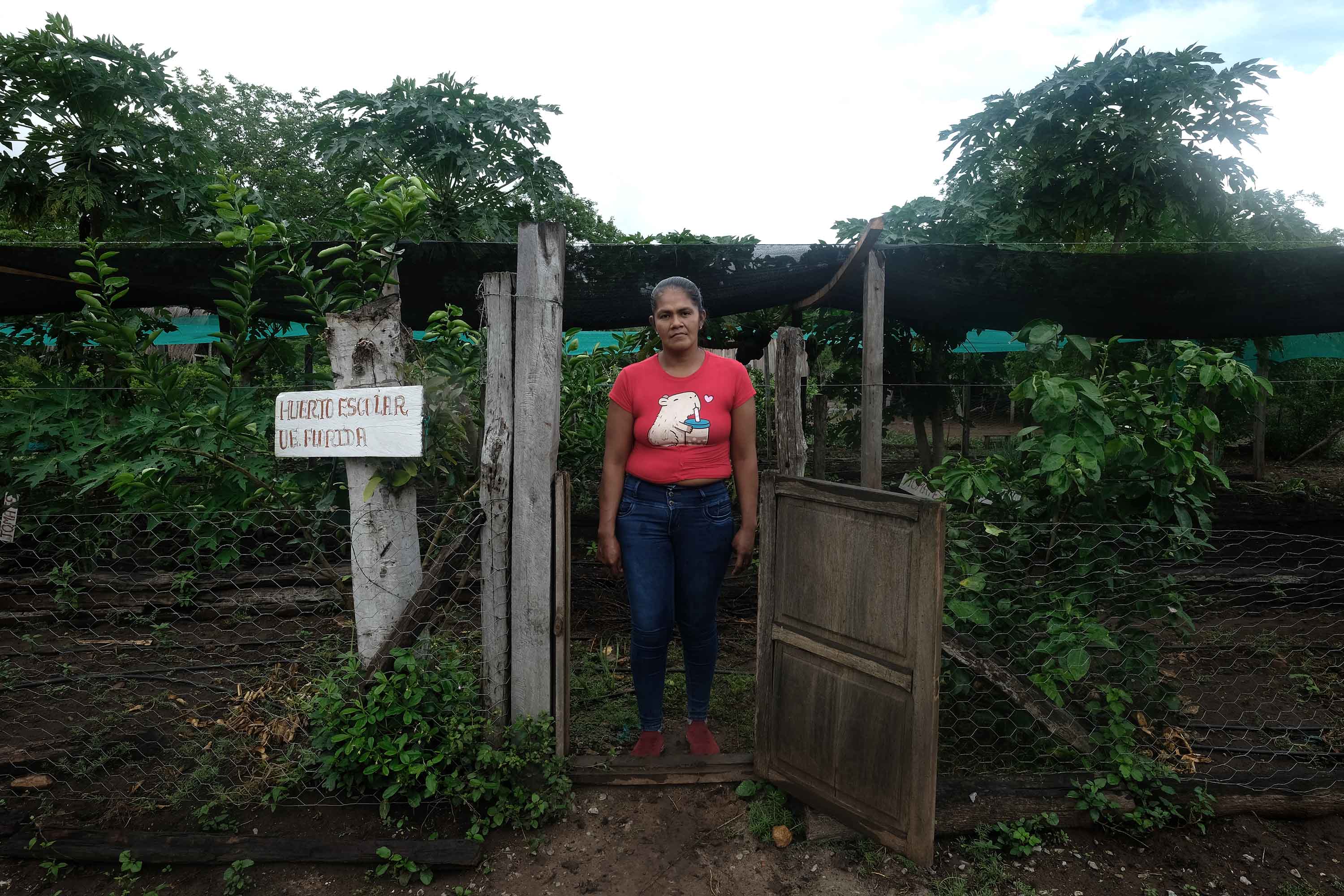
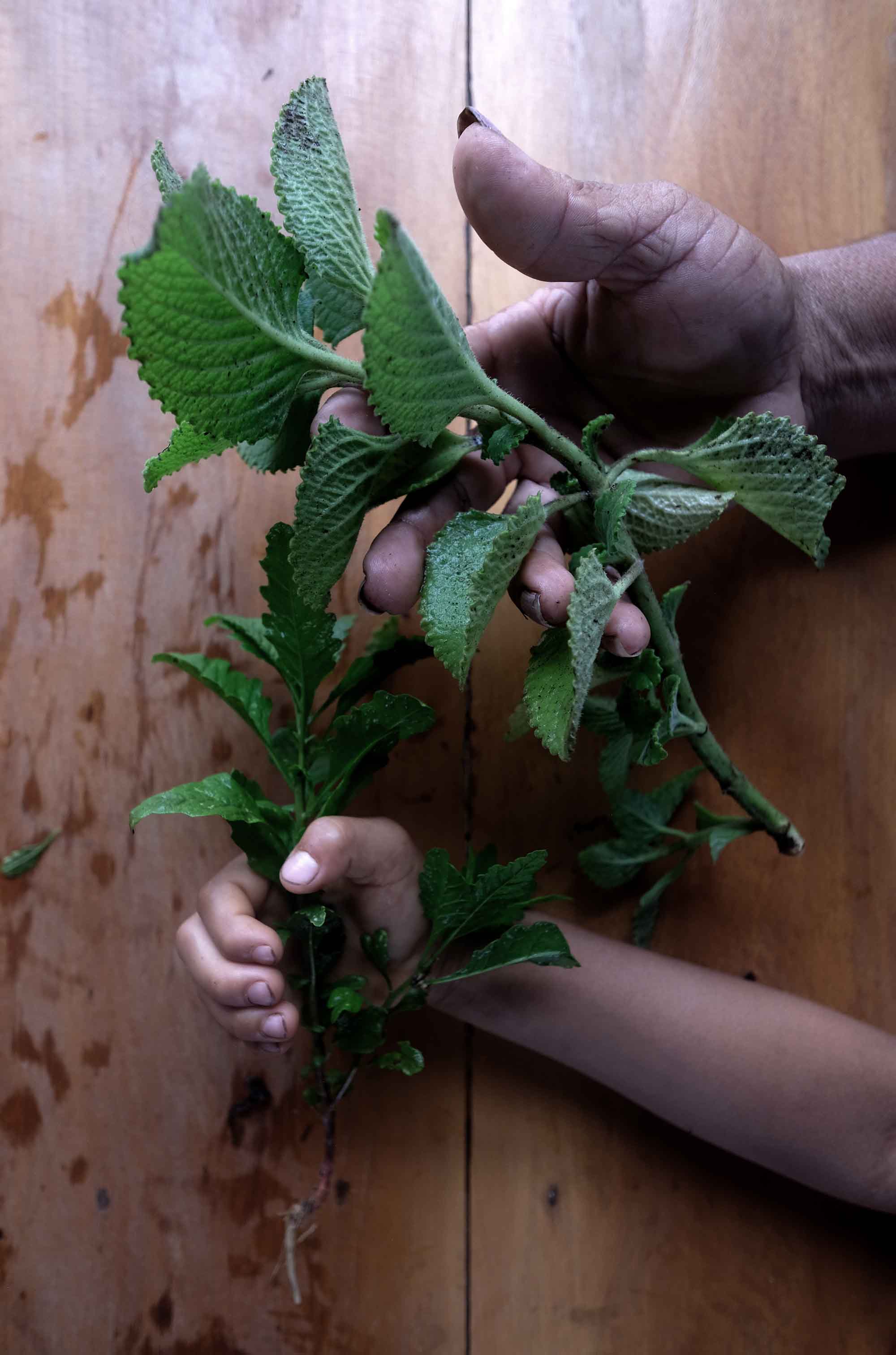
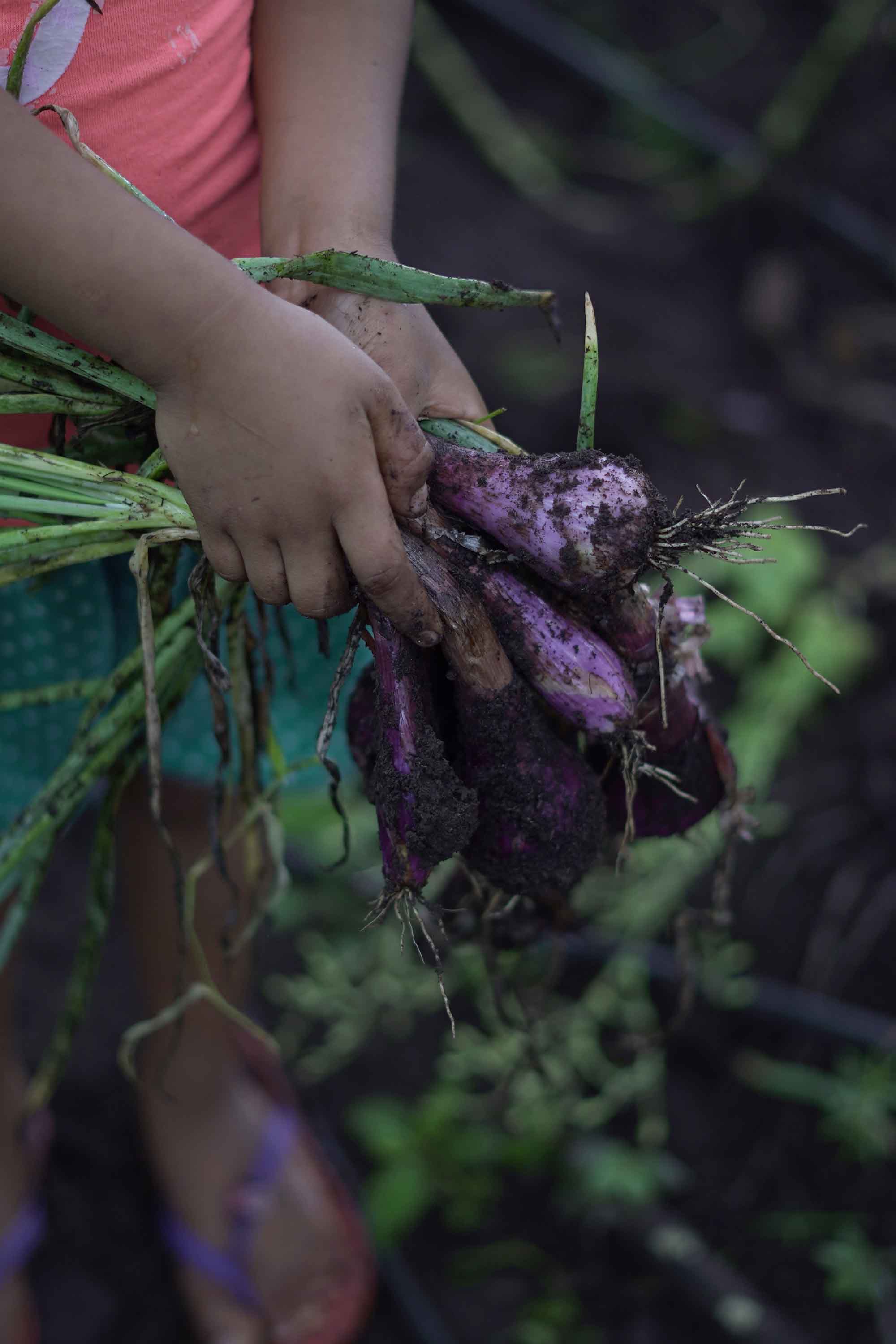
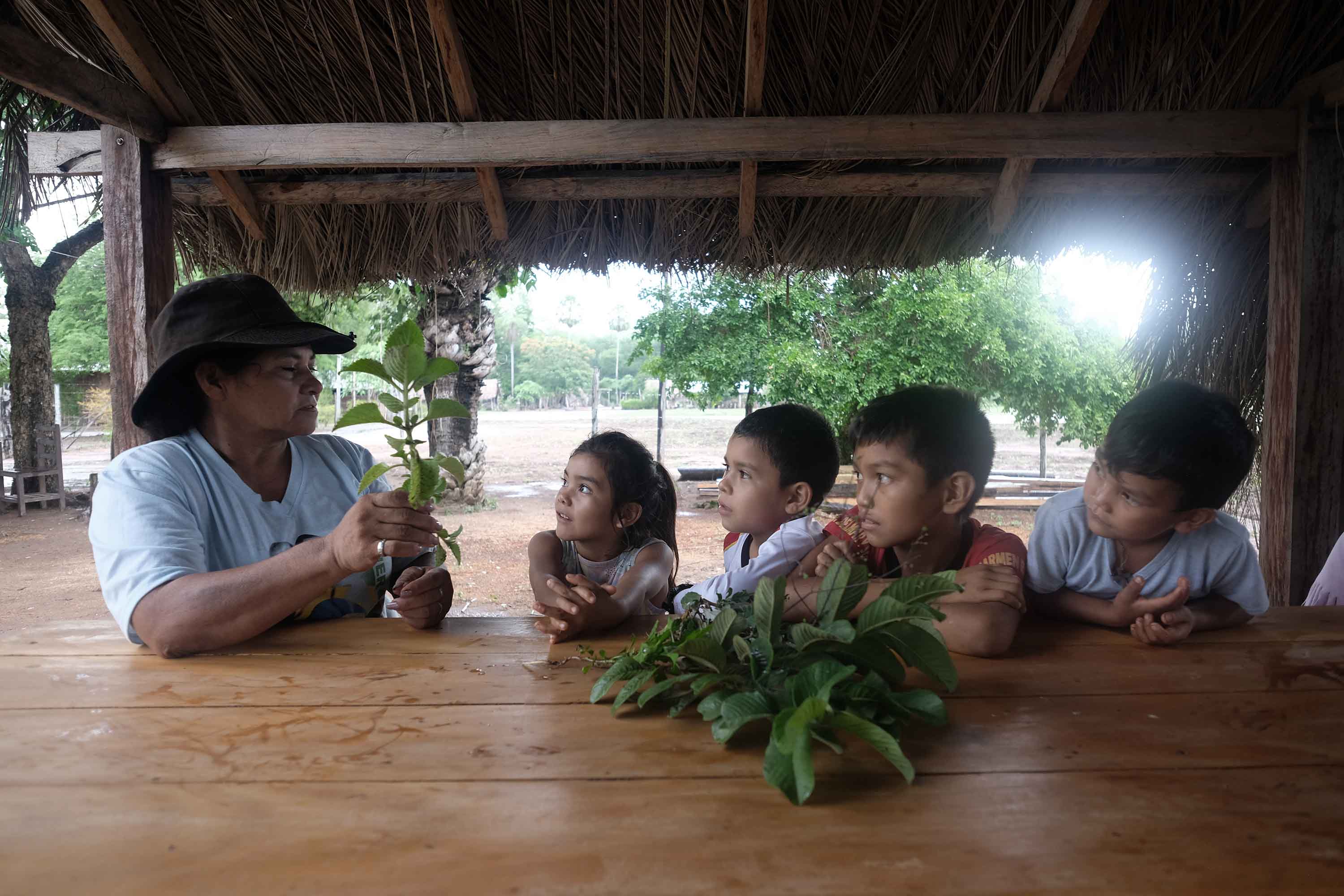
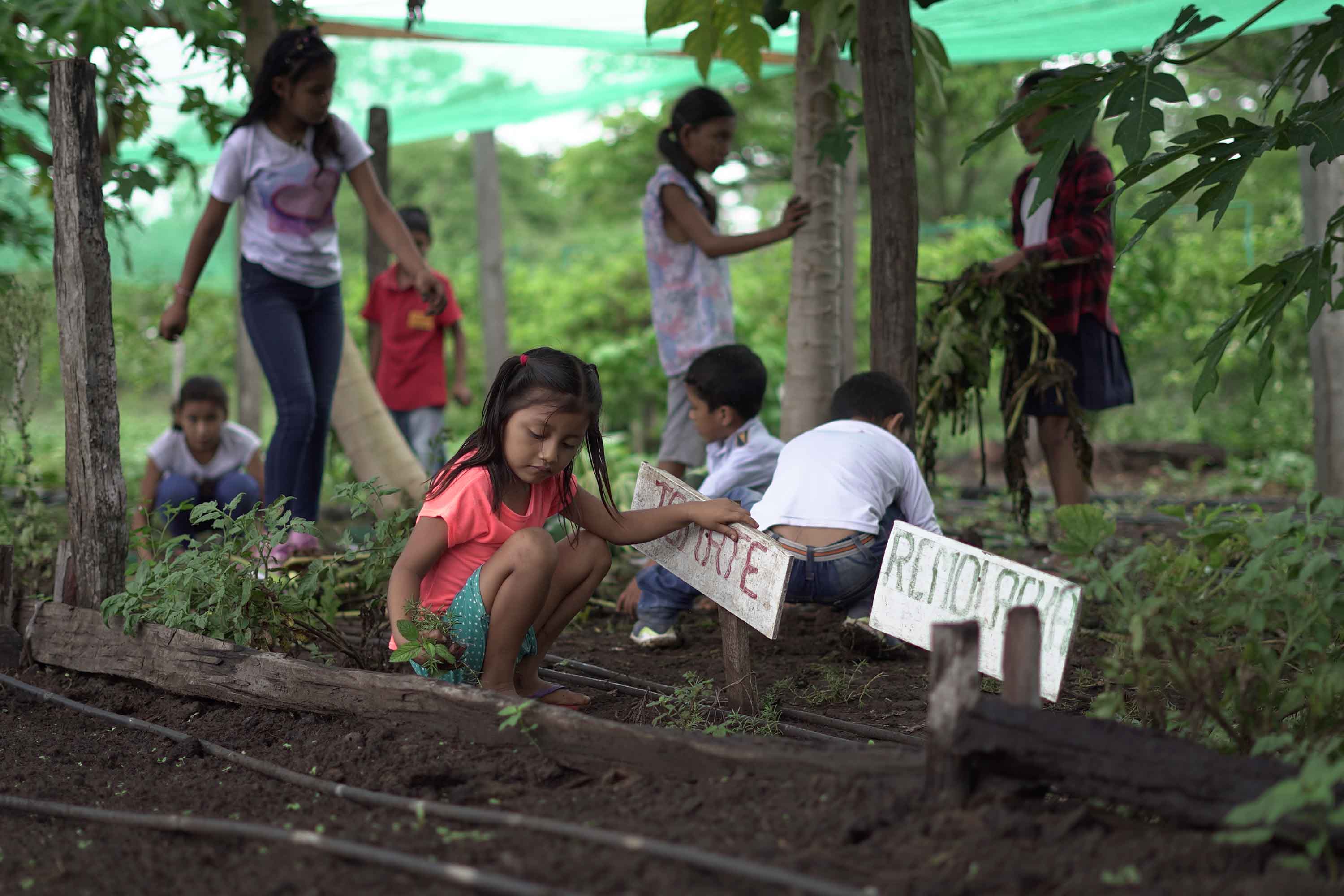
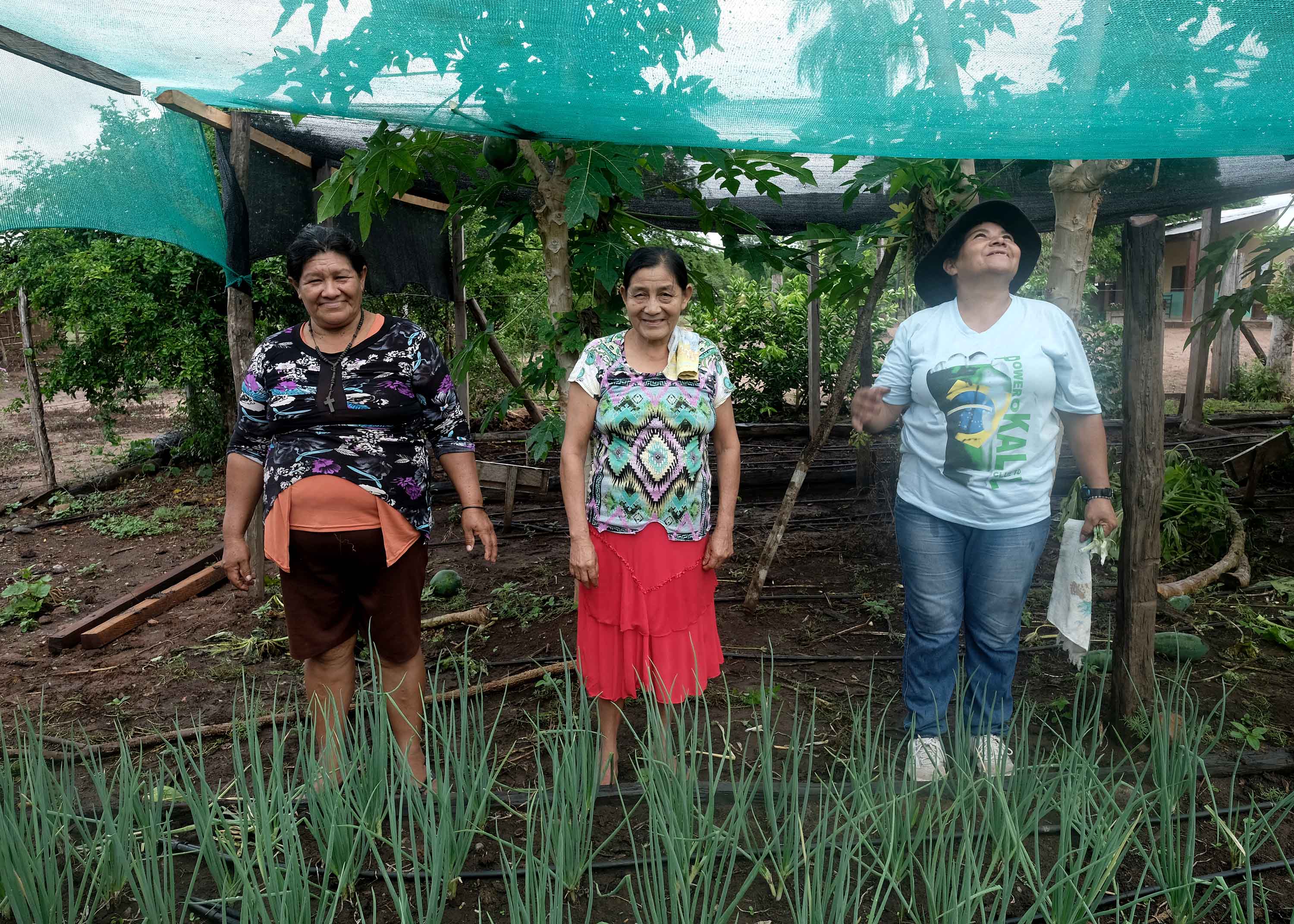
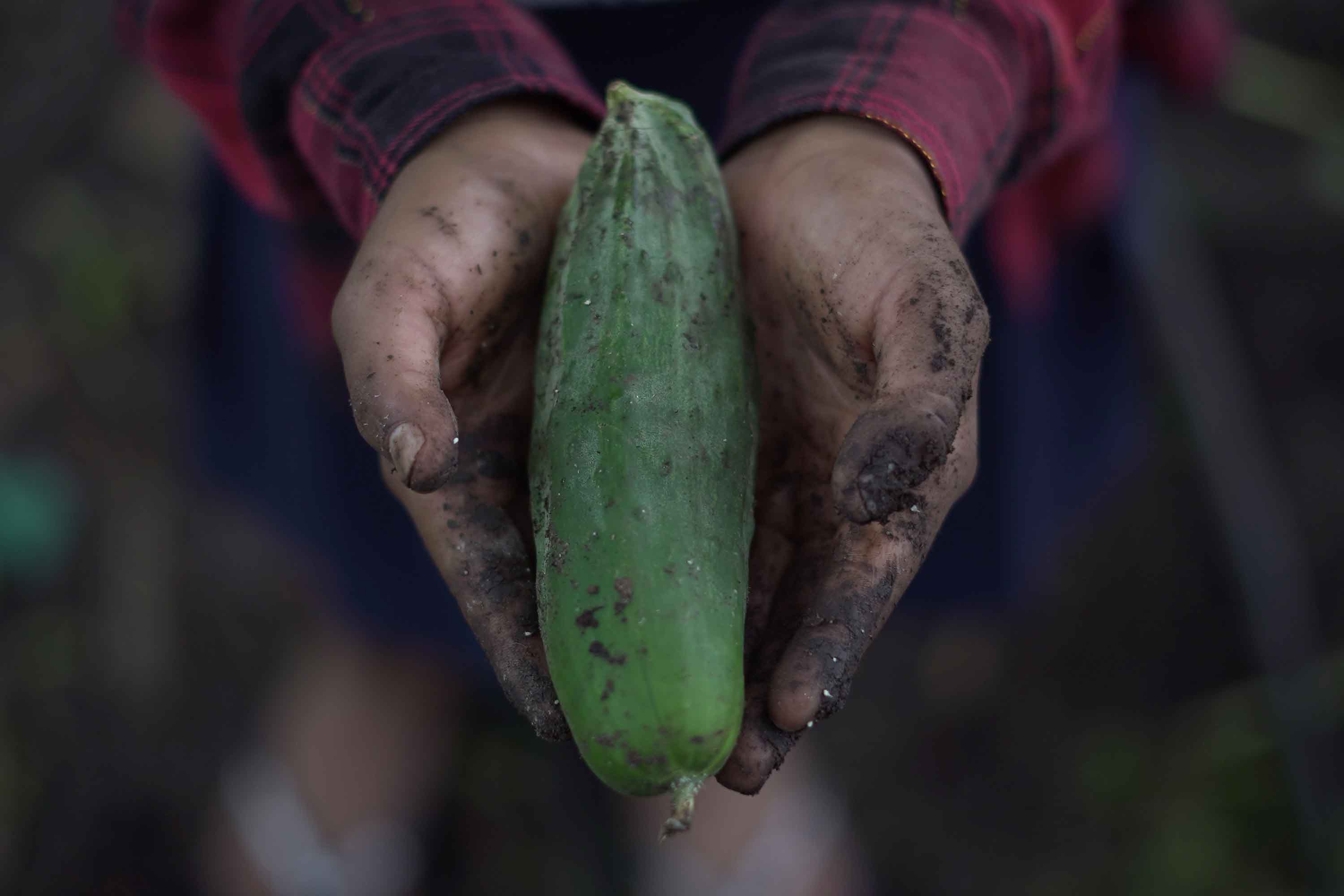
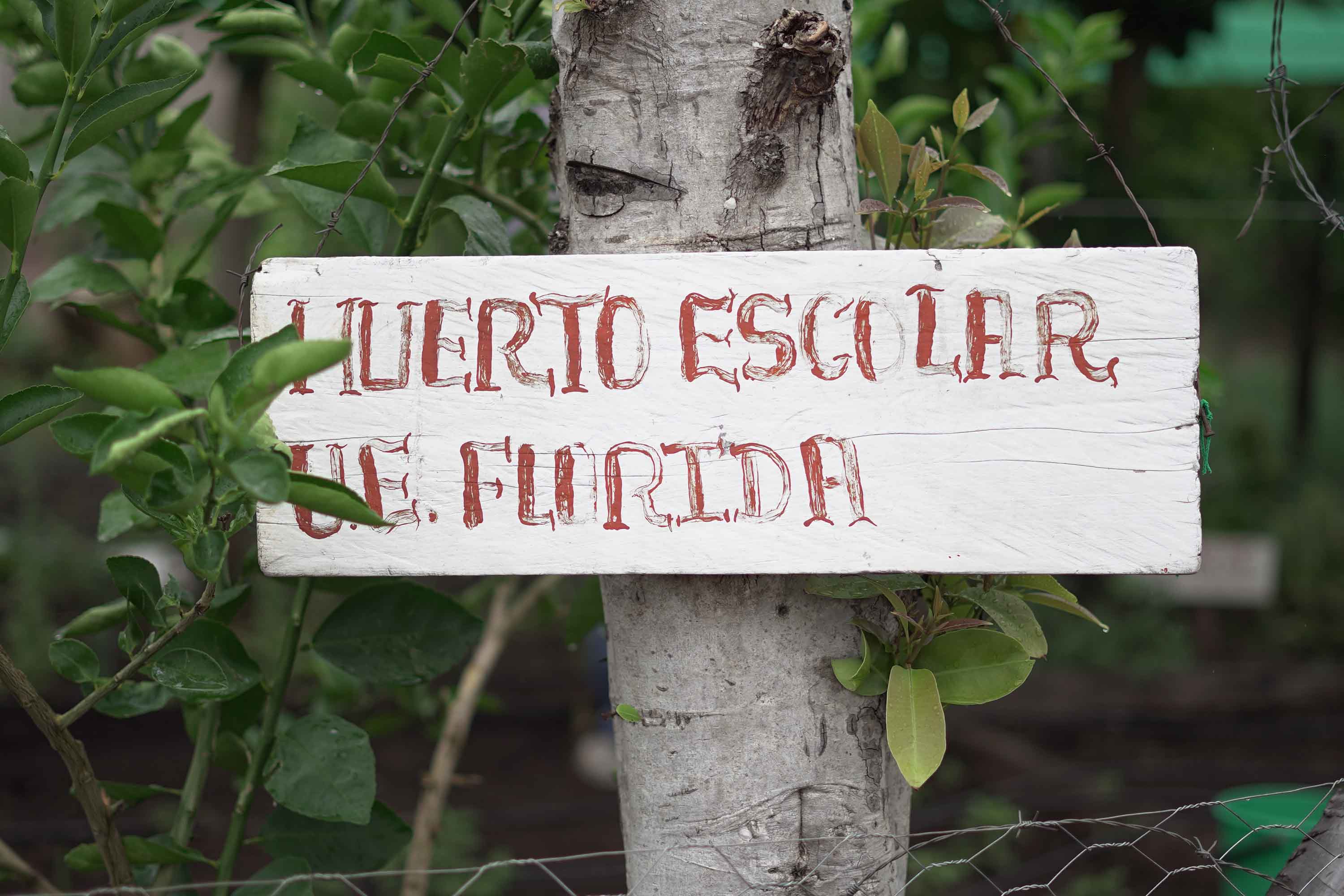
(2) The school garden helps meet regulations for healthy and culturally appropriate nutrition for indigenous children. (3) Reina Justiniano, with her cucumber crop. (4) Neri Rodríguez at the entrance to the school garden. (5 a-b) The harvested vegetables are used by the mothers to prepare breakfast and snacks for the children. (6) ​​Gladis Toledo teaches about the identification and use of medicinal plants. (7) Isamar Justiniano harvesting onions. (8) Student Sergio Chanaca with his father Jose Chanaca, who explains how papayas ripen. (9) Irma Taceo Rodríguez, Quiferia Velásquez, and Gladis Toledo.

This task falls, to a large extent, on people like Modesto Choque Muñoz, a PROAGRO field technician. Over a cycle lasting between 3 and 4 weeks, Modesto travels by car to the eight communities of Rincón del Tigre, personally notifying each family or school about workshops, activities, and meetings.

With a distance of approximately 20 to 100 kilometers between one community and another, he makes trips that can take up to 3 hours on rural roads that become impassable during the rainy season. He does all this to coordinate with teachers and families on any activity that might benefit them, including the installation of irrigation systems, chicken coops, and community kitchens in schools. He almost never has enough time in a single day, so the process continues on the next visit, and this cycle can take weeks.

The ancestral territories of the Monkox (Chiquitano) People encompass dry forests, savannas, and tropical plains with high ecological diversity.

On the other hand, Gonzalo explains that the project was designed with a comprehensive approach that combines infrastructure, production, community organization and training. In practical terms, it has benefited 258 students from eight indigenous schools through the construction and improvement of school kitchens, the provision of utensils and furniture for storage and dining areas, and the implementation of production systems within the schools themselves. This is a key point, as several of the schools had no existing infrastructure for cooking.

At the same time, eight macro-tunnels with advanced drip irrigation systems were installed for vegetable production. In an area where access to water is limited and temperatures are high, these systems make it possible to sustain crops that were not previously common. In Rincón del Tigre, the food staple remains rice, cassava, corn, and beans—products that are part of the local food culture. The project focuses on how to combine and balance these products without having to replace them with processed foods.

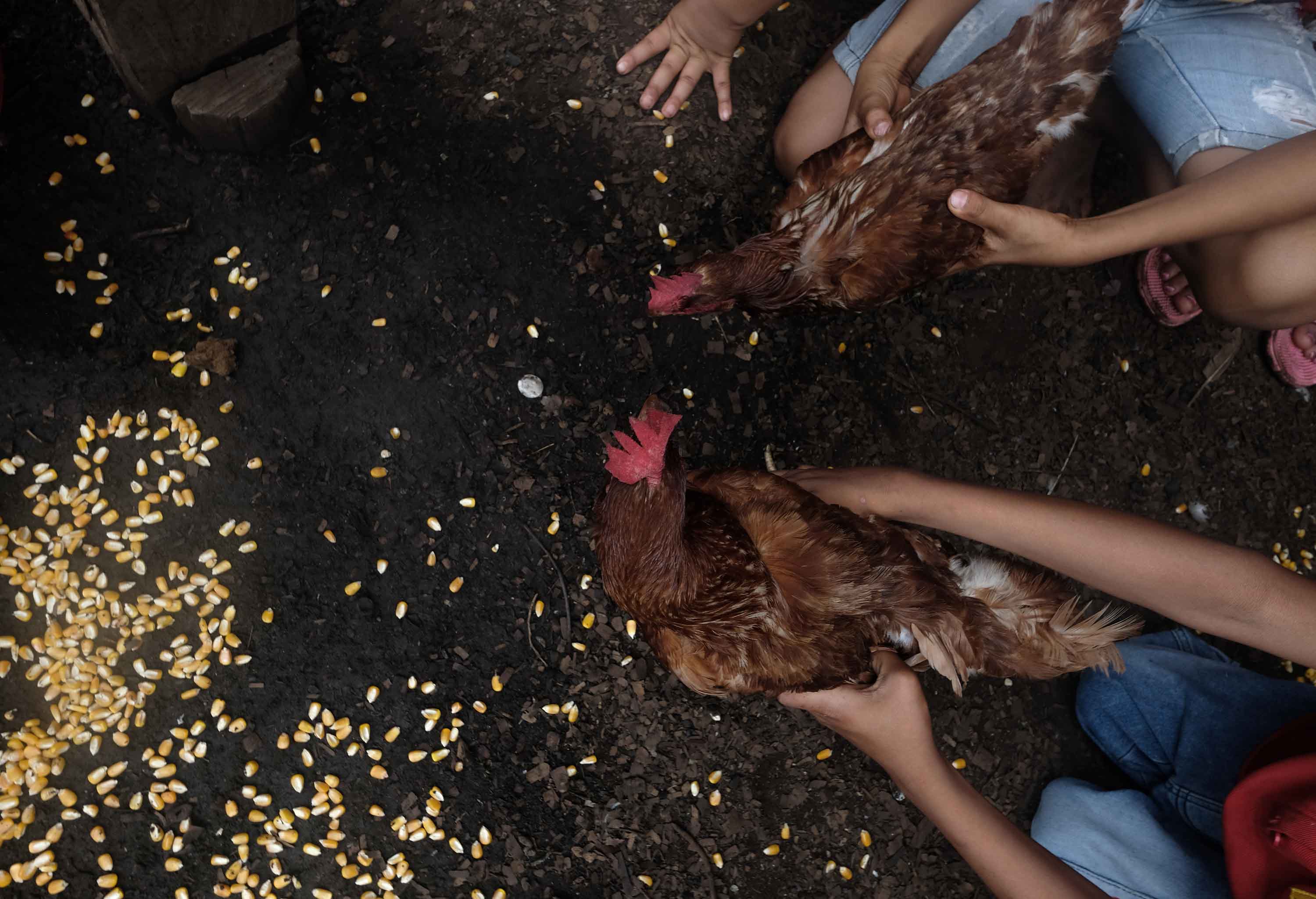
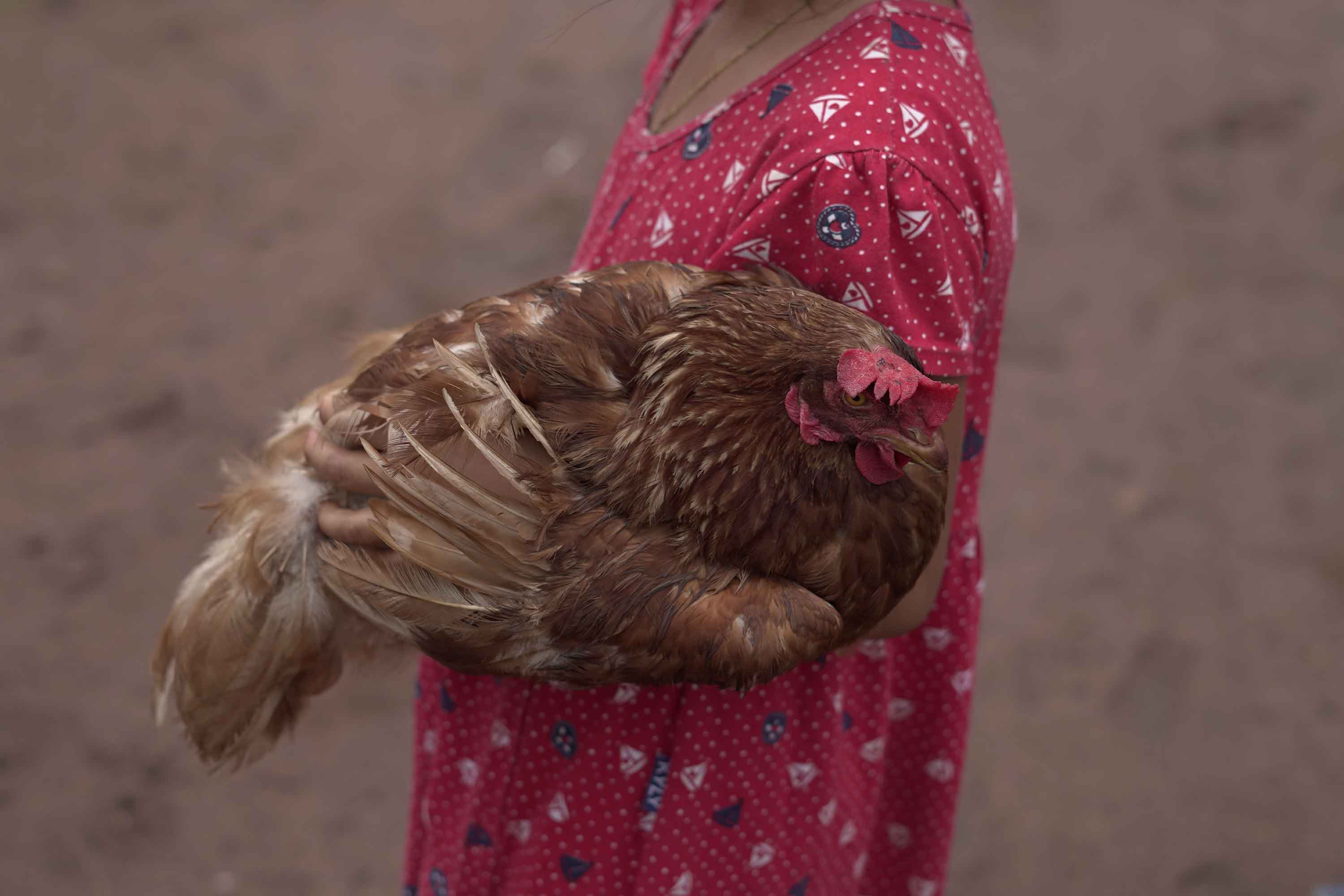
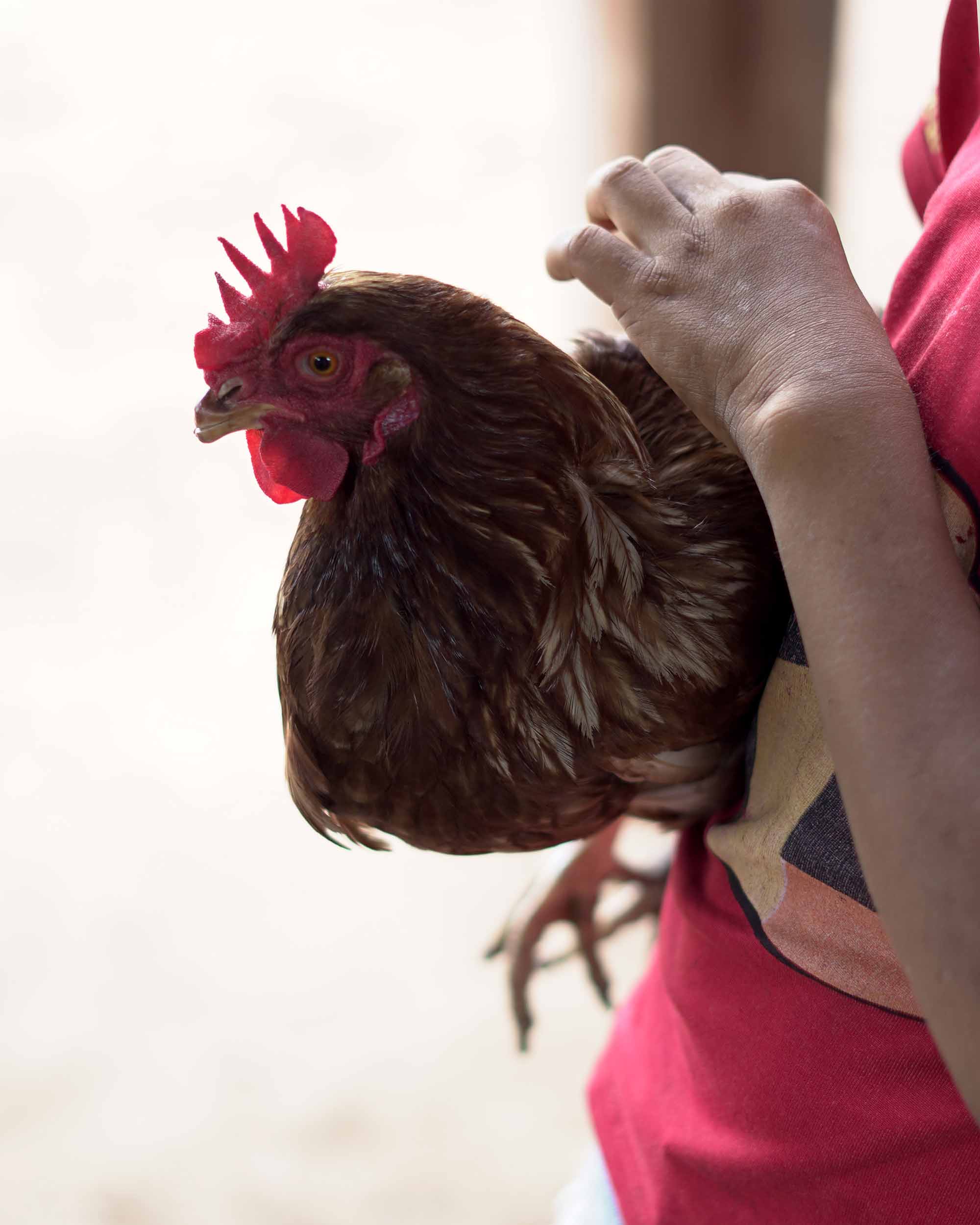
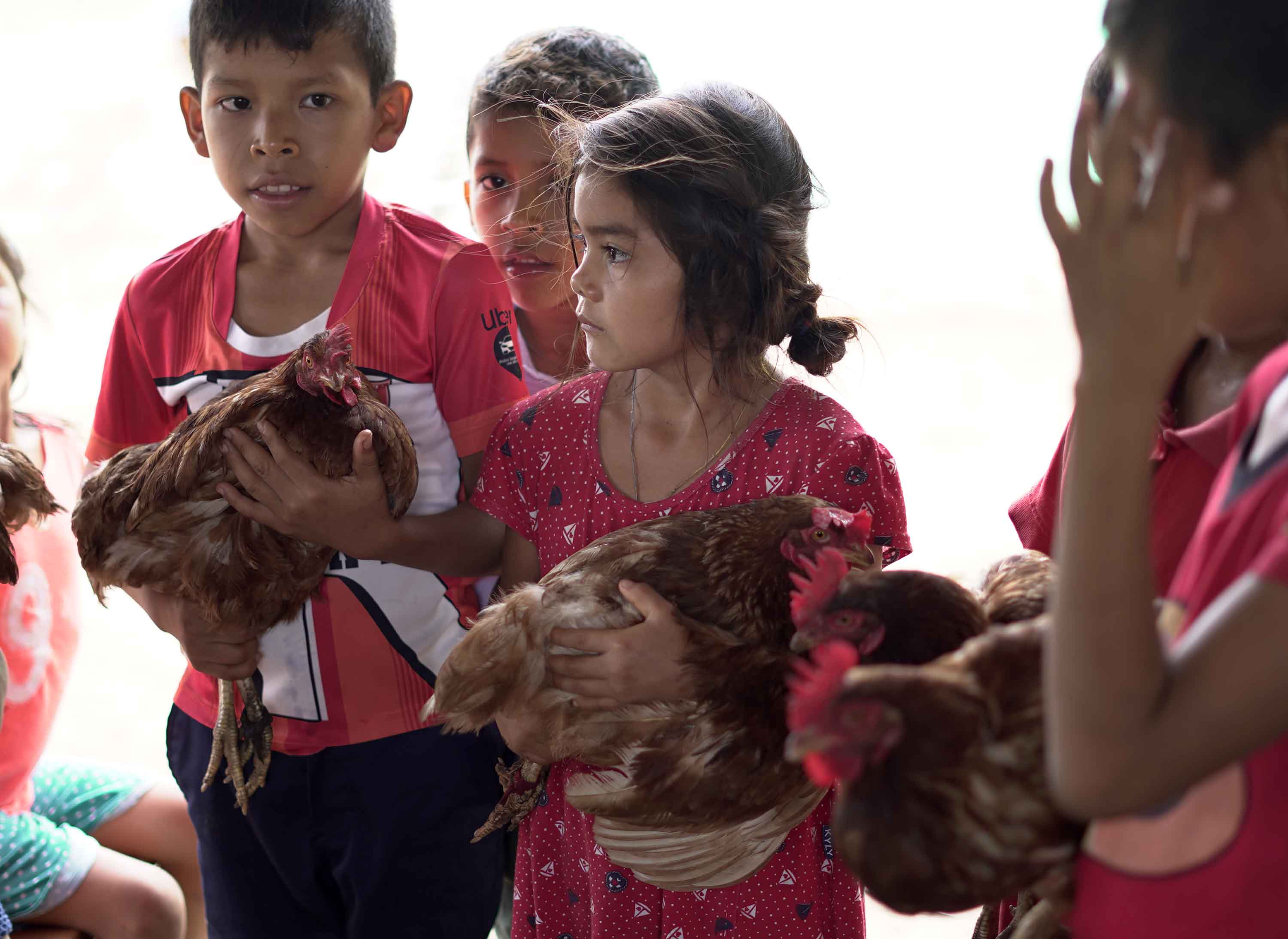
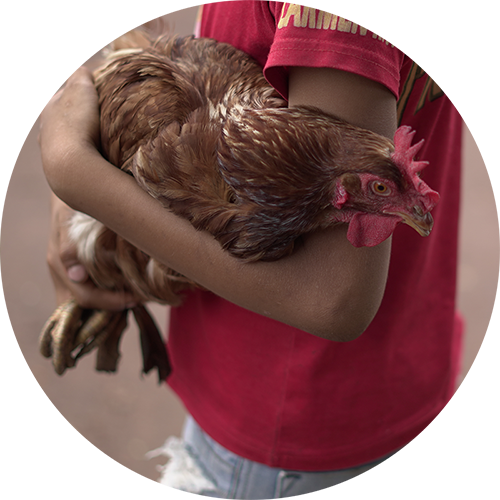
The challenge of producing protein to meet the menu requirements was solved by building and launching eight school poultry farms, which have facilitated the production of eggs intended directly for student meals. According to Gonzalo, the goal is to reduce dependence on external supplies in a region where access to processed foods is costly: products that are staples in other areas can be expensive here due to distance and transportation difficulties.

Medicinal plants were also incorporated into the school gardens. In communities where the nearest health center may be hours away, knowledge of local remedies has immediate practical value. And it was precisely around this knowledge that the project encountered something nobody had anticipated.

(13)
(14)
(15-a)
(15-b)
(16)
(17)
(18)

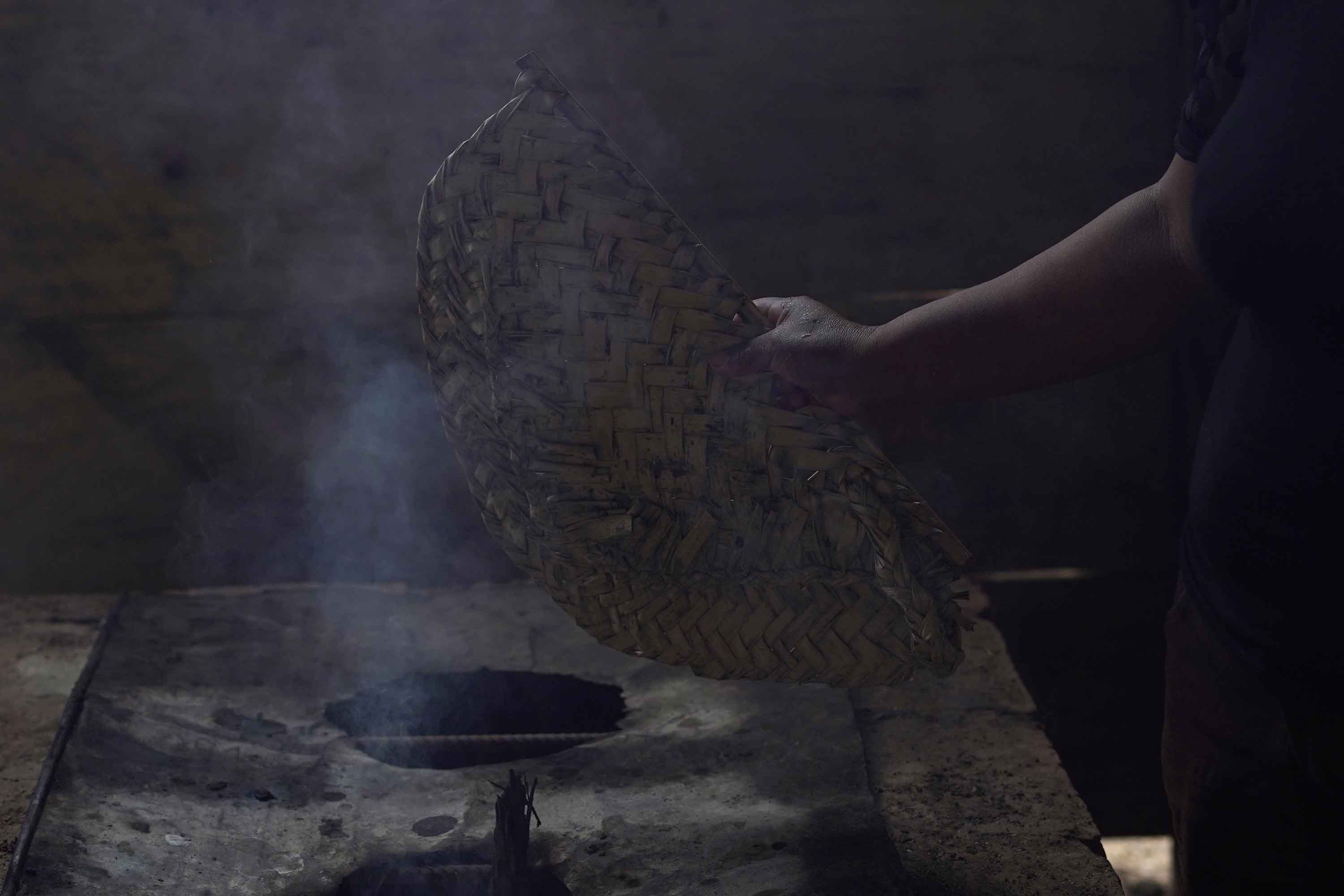
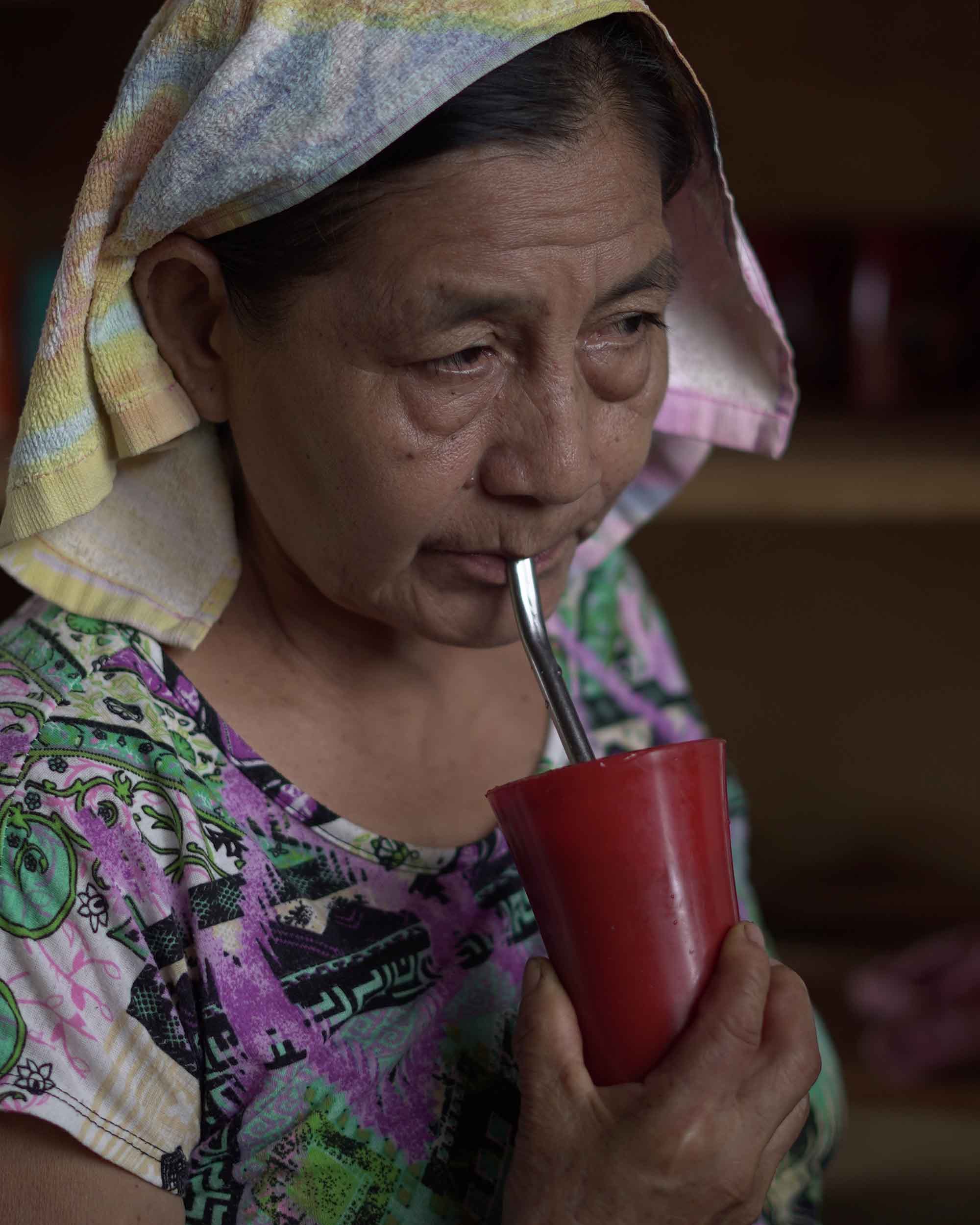
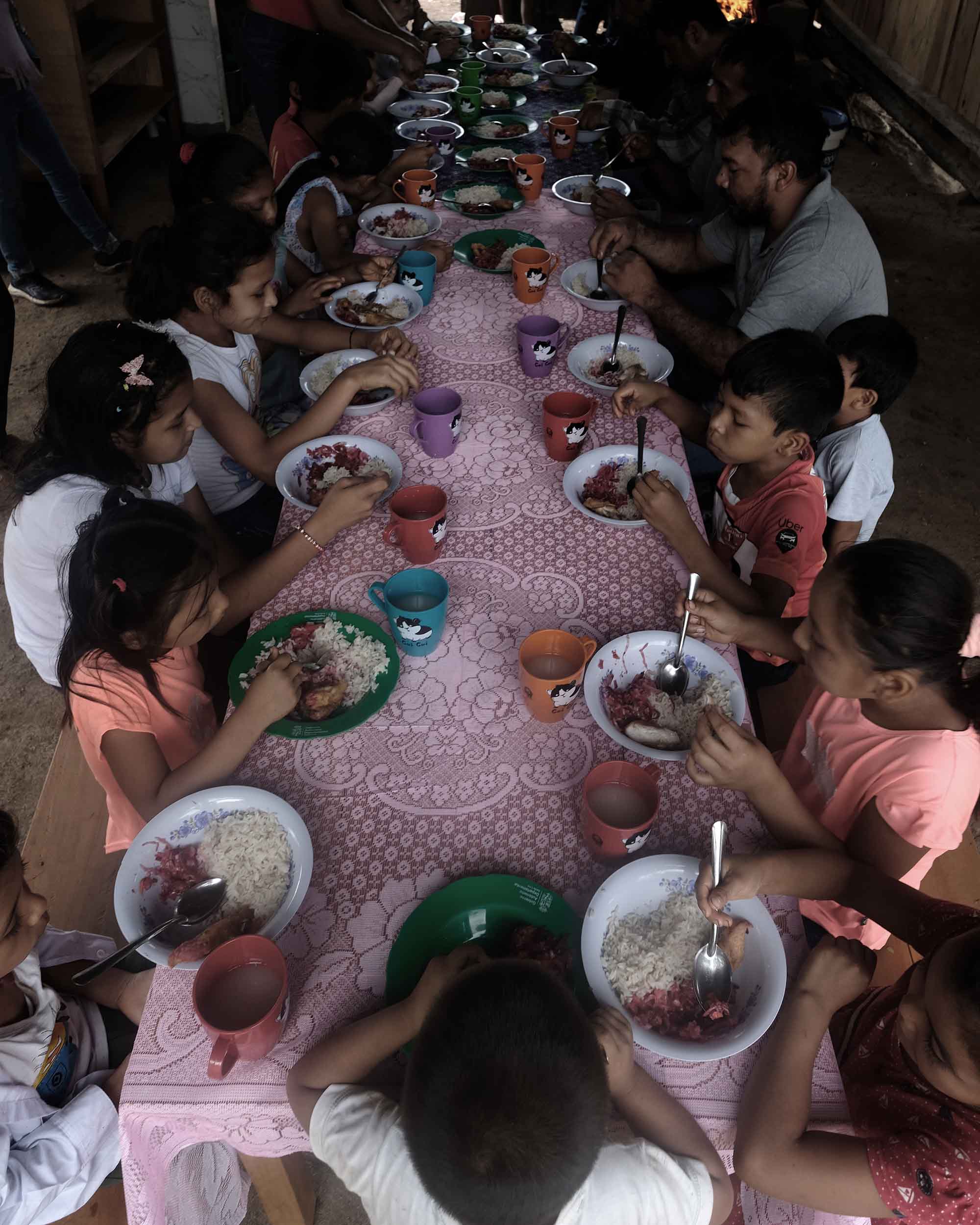
(13) Facilities built for preparing and serving school breakfast. (14) The community organization ensures that food is cooked over a wood fire. (15 a-b) Bernarda Velásquez prepares the school breakfast. (16) Quiferia Velásquez. (17) Students and mothers share meals in the school cafeteria. (18) Students feed the chickens. The integration of poultry farms into schools addresses the challenge of producing fresh protein to meet nutritional requirements.

Due to his closeness to families and communities, Modesto explains with amazement that he has observed how children replicate at home what they have learned in the school gardens, as they share new farming practices with their families. In other cases, the flow of knowledge tends to go the other way around: children pass on knowledge about medicinal plants they have learned about at home from their parents or grandparents. These exchanges demonstrate that there can be an intergenerational dialogue and a transfer of knowledge from children to adults, as well as from communities to the technicians who came to teach.

Educational spaces have become centers for practical learning about food systems, agriculture, and environmental stewardship.

Recognizing this accumulated knowledge was also key to overcoming an obstacle that no infrastructure could resolve on its own: community participation. “The challenge of changing families’ mindsets was immense,” Gonzalo explains, referring to the need for them to actively engage in food preparation and project management. The previous model, based on the delivery of finished products, did not require such participation. But the new scheme proposed by PROAGRO involves time, organization, and community commitment.

To address this, a School Supplementary Feeding Committee (ACE) was established. It is a multi-stakeholder body that brings together representatives from the municipality, the education system, the health sector, families, and Chiquitano indigenous organizations. This committee must participate in decision-making regarding school feeding and ensuring the continuity of these efforts beyond the project’s duration. Strengthening the committee remains a challenge, but it is also a key priority for sustainability in Rincón del Tigre.

Although quantitative assessments of the impact on academic performance are not yet available, PROAGRO’s leaders have a clear vision: better nutrition enhances learning capacity. Preventing children from attending classes hungry or with low energy levels seems like an obvious demand, but it is a basic condition that is not guaranteed in any of Bolivia’s indigenous territories and must be addressed as a structural element of education.

PROAGRO’s vision is clear: fully operational farms and gardens, an active committee, well-fed children and families with access to diverse opportunities for employment, professional development, and personal well-being. Currently, the project is 90% complete in its activities. Rather than merely providing food, the goal is to create the conditions for communities to produce, manage, and sustain it over time.

Its continuity will depend on the capacity of communities and local institutions to sustain what has been started. The question PROAGRO keeps asking itself is not how to make it work while they are there, but how to ensure it survives when they leave. Gonzalo Rivera describes this as the cornerstone of sustainability: “We want this committee to have a say in deciding what to buy and what to eat, representing what the students will consume and shaping their future.”