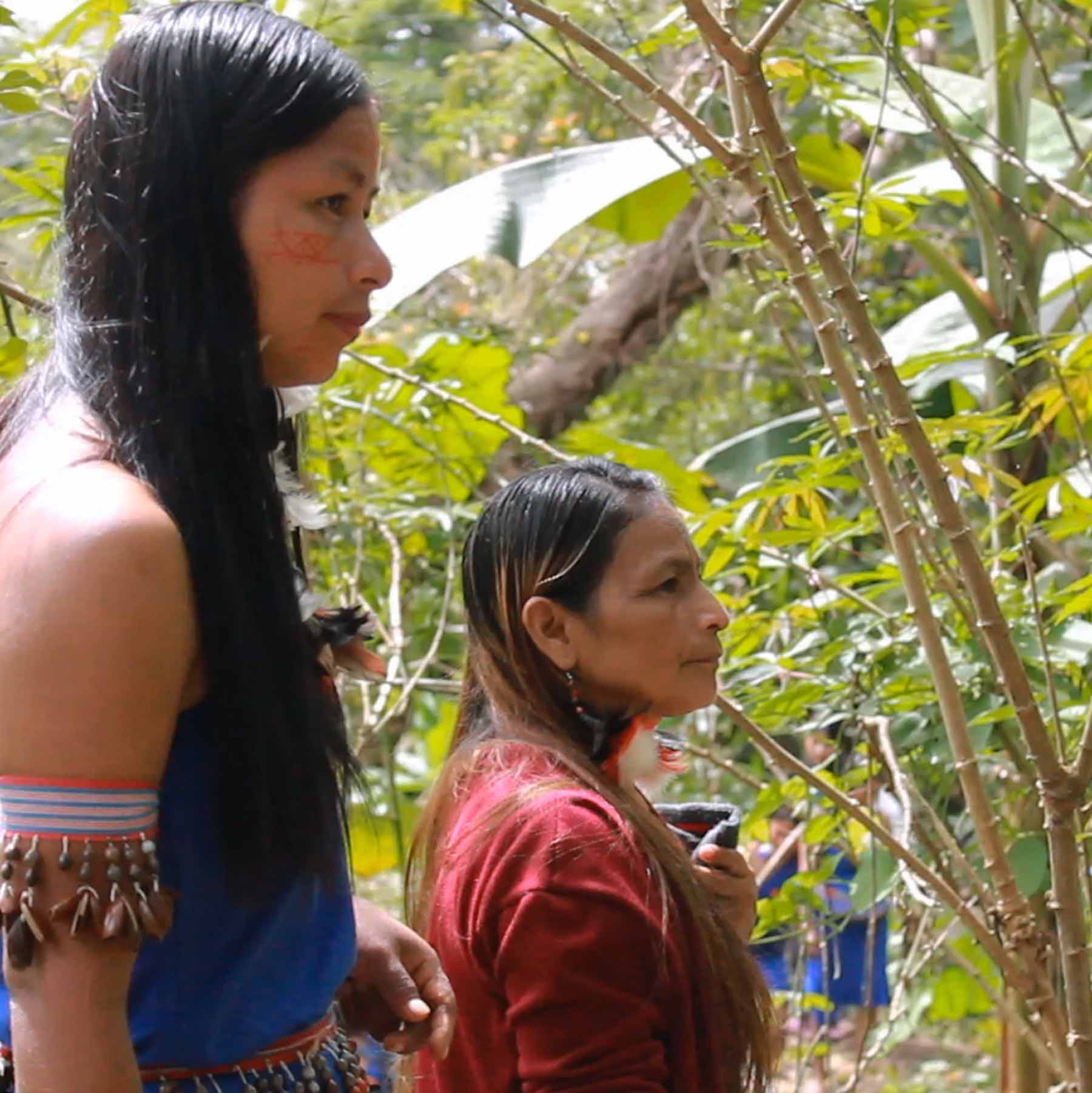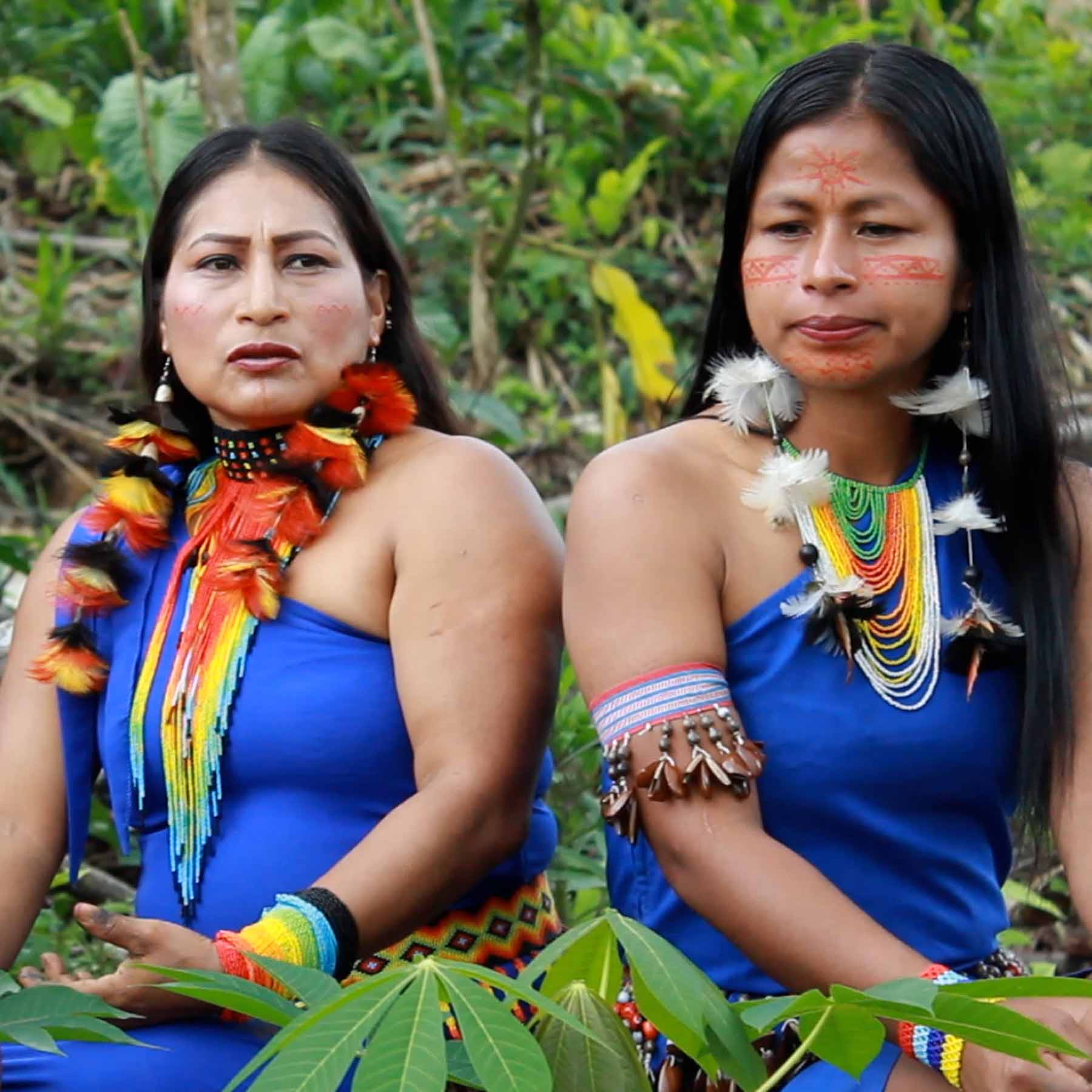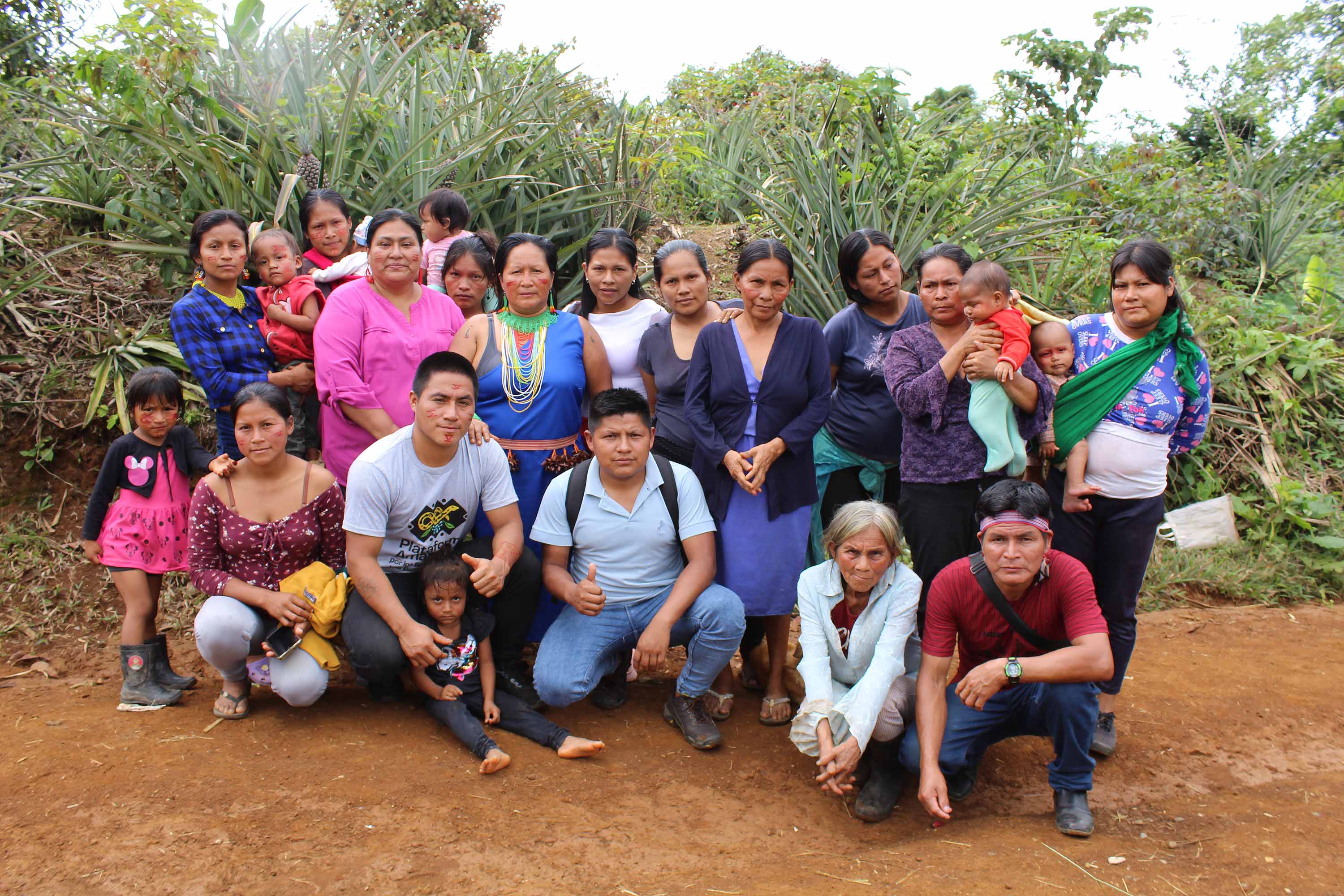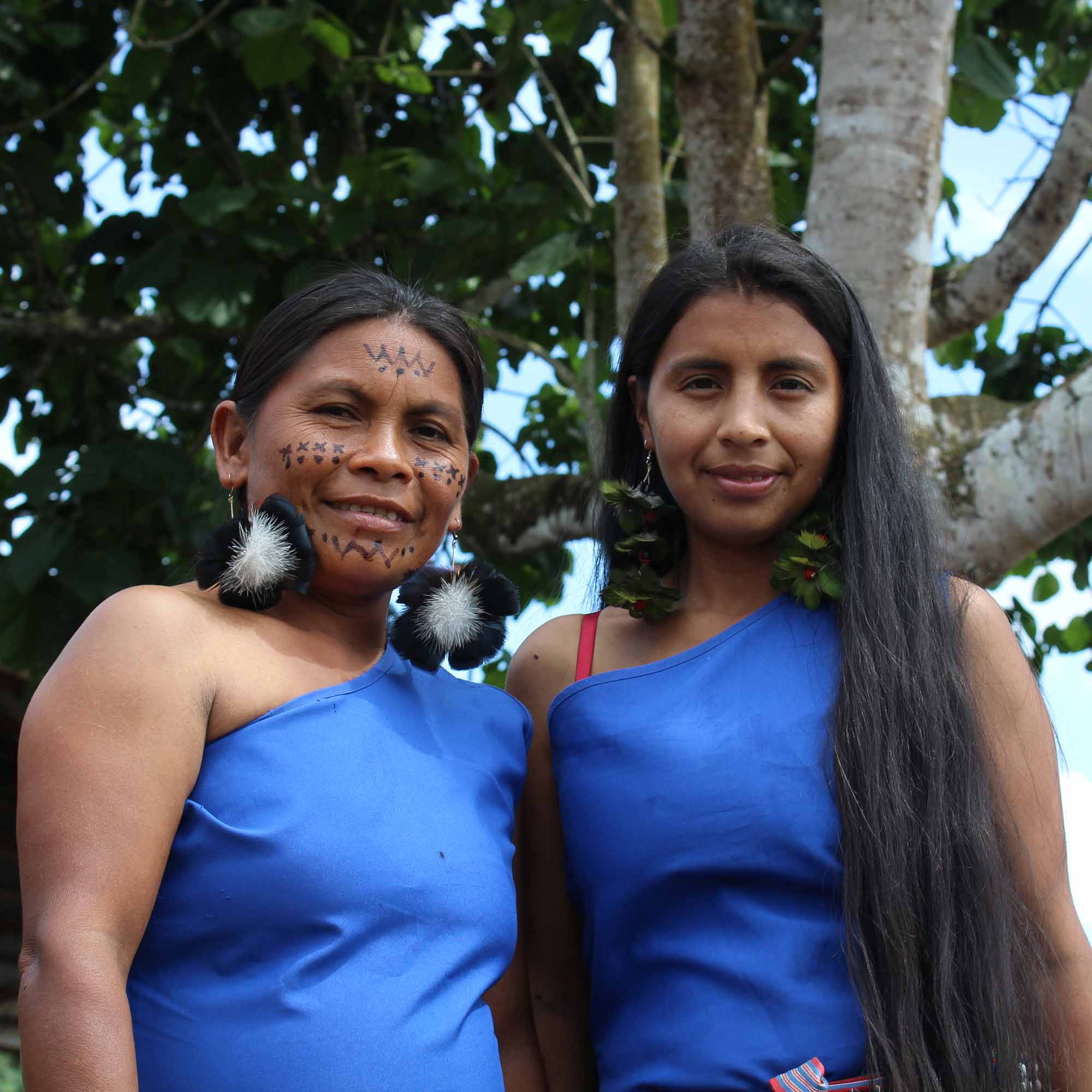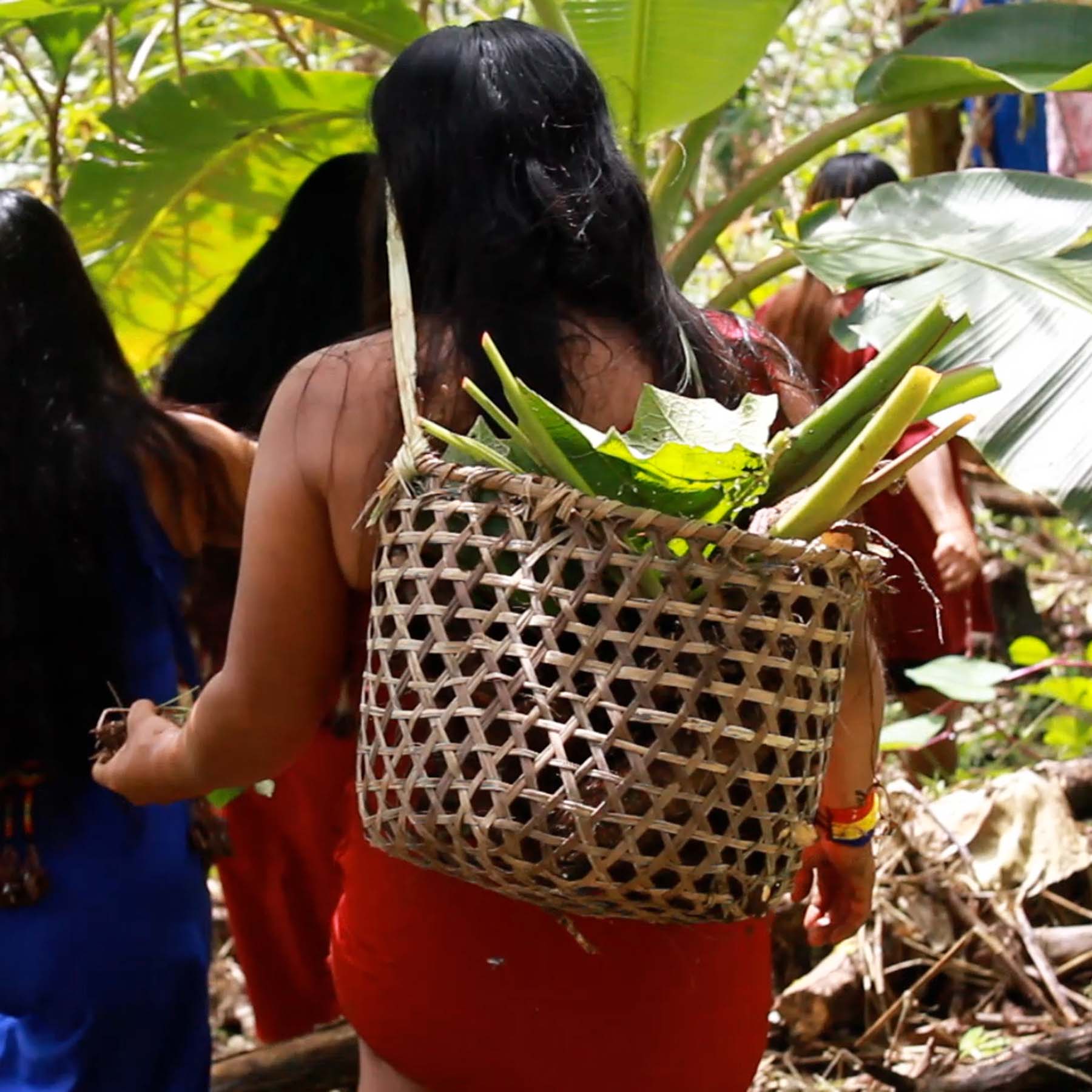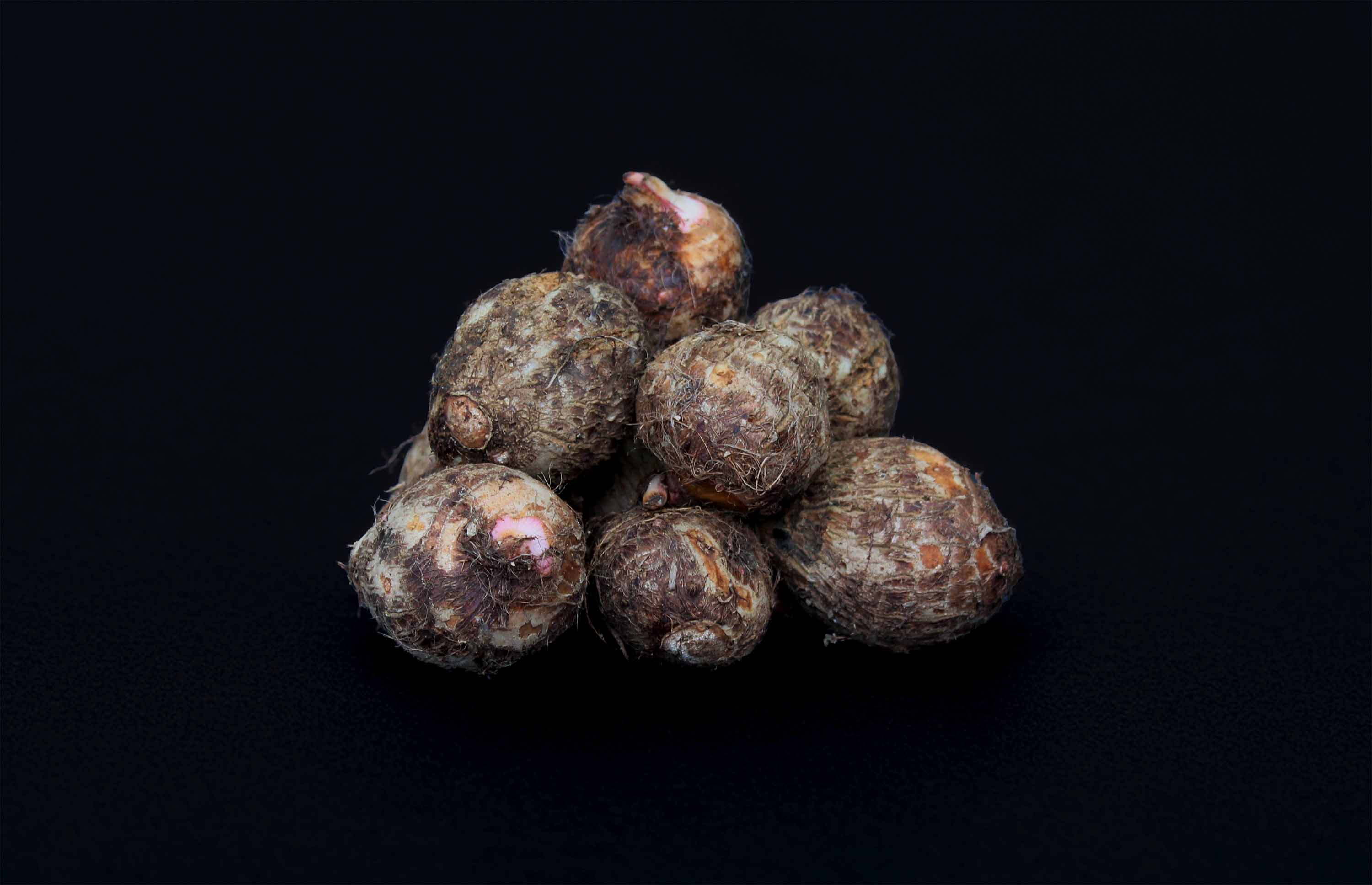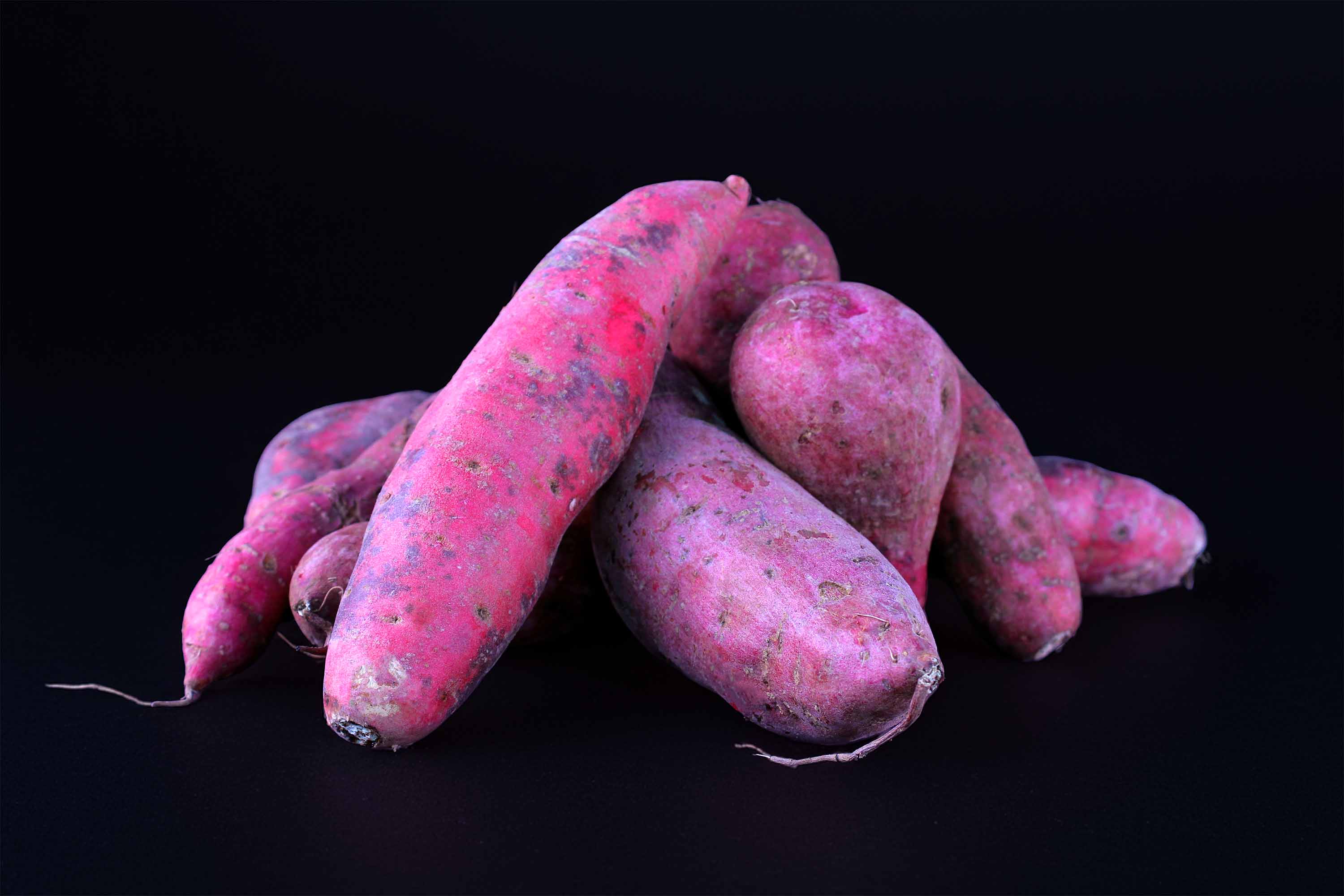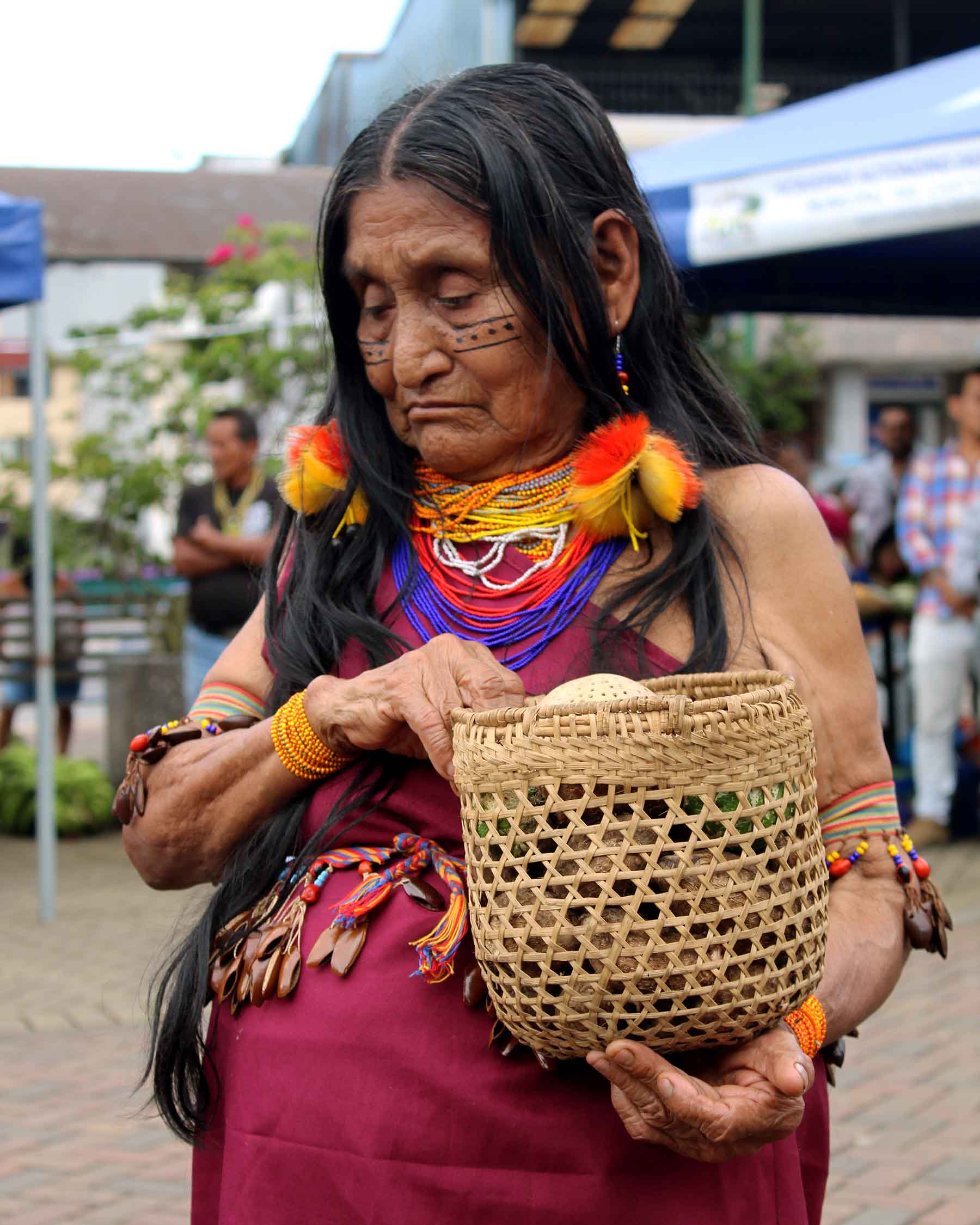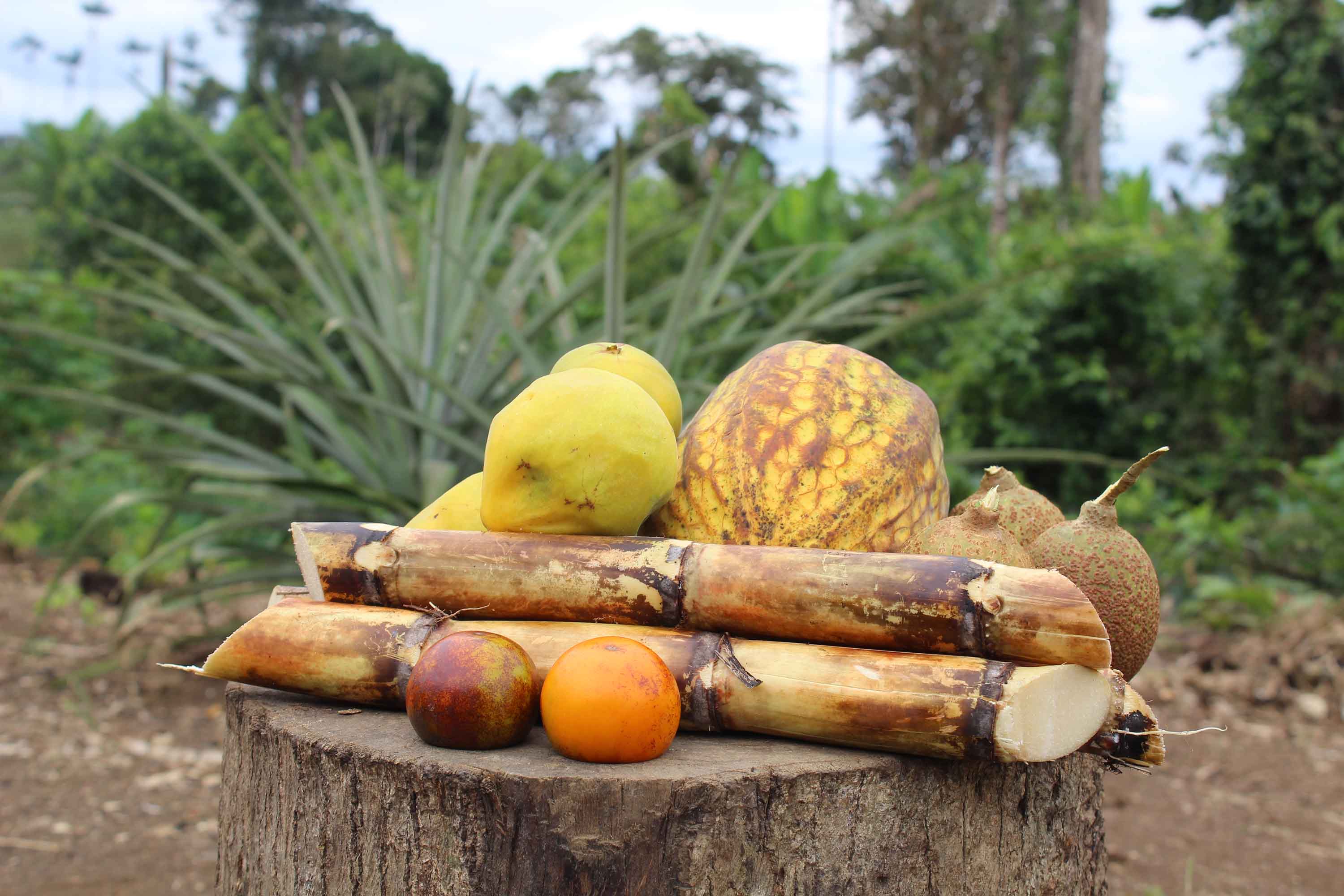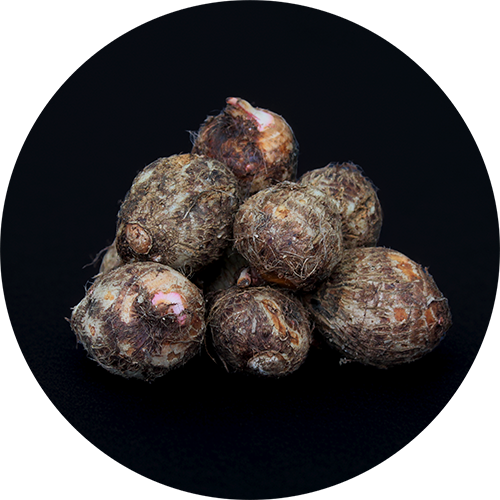
In the Ecuadorian Amazon, the jungle isn’t always measured in hectares, but in layers of memory. For Linda, a Shuar woman from the Chapintza community in Pastaza, progress used to mean “clearing and efficiency”: cutting down the forest, leaving the soil bare, and planting rows of plantains or cassava to sell by the sack in markets that barely pay a fair price. Mariela Mashinkiash, an indigenous Shuar woman and vice president of the Federation of the Shuar Nationality of Pastaza (FENASHP), explains how Linda was accustomed to planting only cassava, plantains, and Chinese potatoes because they were the quickest to harvest and she needed to sell them to support her family.
“I ruined my forest for nothing,” Linda confessed to Mariela after rediscovering an ancestral technique of the Shuar people where abundance does not come from monoculture, but from an organized chaos they call Shuar Aja.