6th IPAF–IFAD Cycle (2022–2026)
ORGANIZATION
Ka'apor Ta Hury Association of the Gurupi River
DIRECT BENEFICIARIES
200
INDIRECT BENEFICIARIES
500

The project aims to preserve the biodiversity of the Alto Turiaçu Indigenous Territory and ensure food and nutrition security for the Ka’apor people through agroforestry systems, the revitalization of traditions, and the training of young people and women. It also seeks to strengthen and promote the sociocultural practices of Indigenous women related to sustainable territorial and environmental management, the consolidation of the traditional Ka’apor production system, and the recognition of ancestral knowledge and wisdom to ensure food security. It includes training in craftsmanship for women, reinforcing the role of the Ka’apor women guardians.

+ info
- info
Crop circles and resistance
PHOTOGRAPHYRoberto Cazau
TEXTAndrea Fajardo
Alto Turiaçu Indigenous Territory, Zé Doca / Maranhão / Brazil

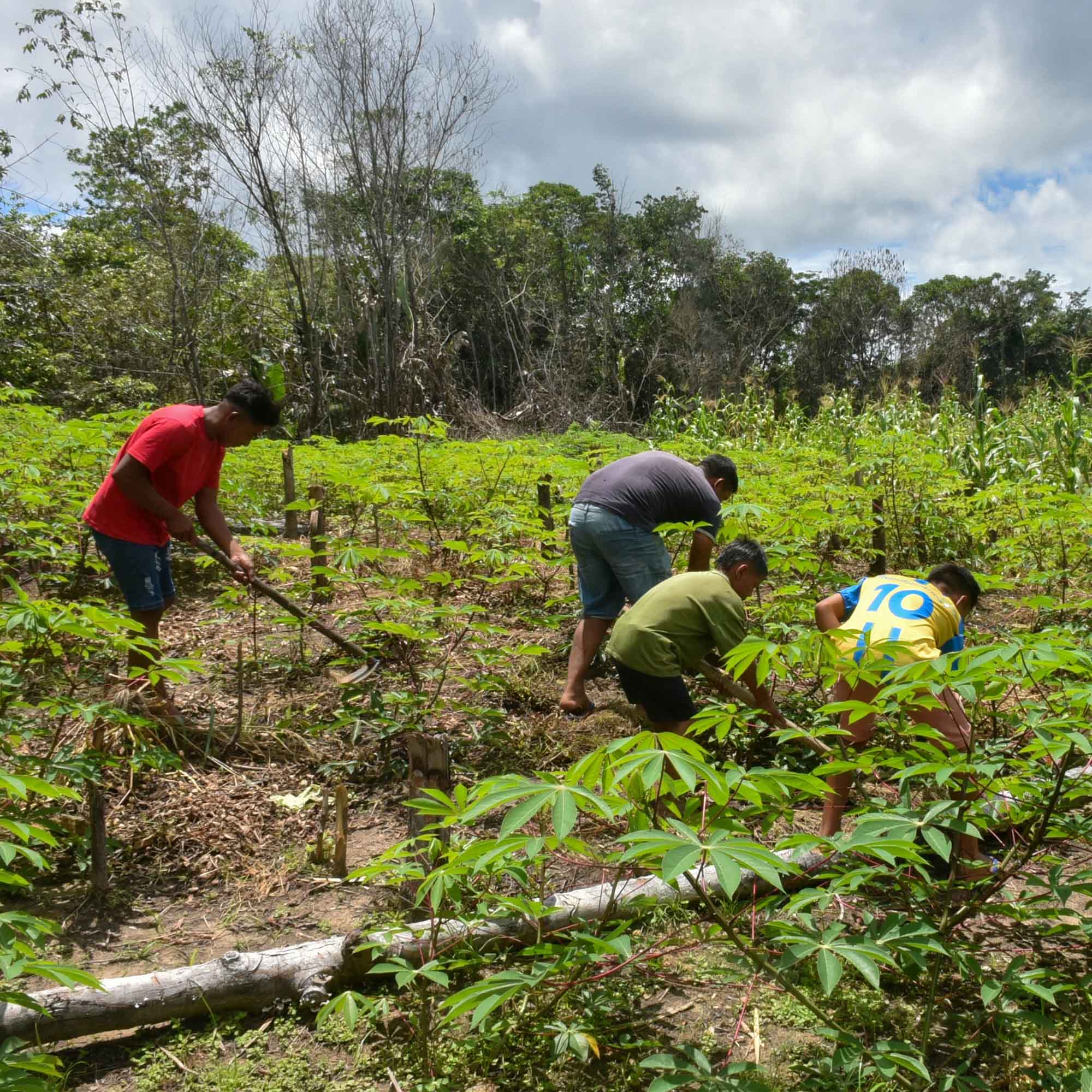
“When it’s time to clean the land, the whole community cleans it; when it’s time to plant, everyone does it together. The harvest is entirely participatory and collective,” says Hildilene Ribeiro, administrative advisor to the Ka’apor Ta Hury Association of the Gurupi River in Brazil, who has been working alongside the Ka’apor Indigenous People in the state of Maranhão for over 17 years.

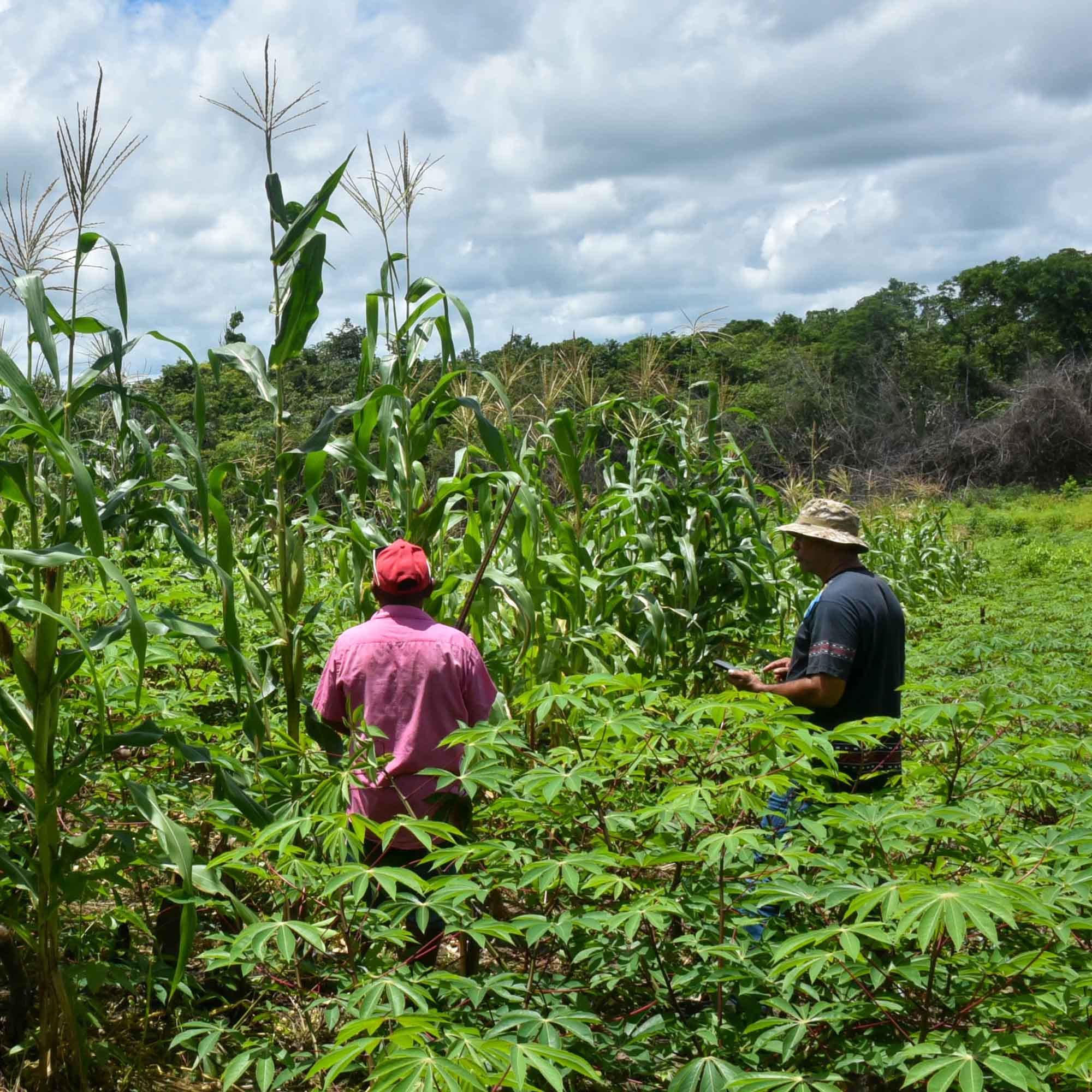
Hildilene speaks specifically of the Ka’apor people’s traditional roça, a farming system that mimics the structure and organization of the forest, combining food cultivation with forest regeneration to sustain biodiversity. Faced with the invasion of illegal loggers and other external threats, the Ka’apor have used their roça and agroforestry protection zones—which are usually small plots—as areas of self-defense, through reforestation and the active care of the areas bordering their territory.

This collective effort to plant and revive an ancestral farming method is at the heart of Floresta Viva, a conservation project carried out by the Ka’apor Ta Hury Association, with support from the International Indigenous Women’s Forum (FIMI) and funding from the International Fund for Agricultural Development (IFAD) through its Indigenous Peoples’ Assistance Facility (IPAF). Rather than introducing new techniques into Ka’apor agricultural production, this project seeks to revive knowledge that had begun to fade and, at the same time, address urgent regional issues such as food insecurity, land degradation, and the loss of cultural practices.

Today, after several cycles of work, the project is nearing its final phase with results that its own promoters did not anticipate at the outset. It has expanded from benefiting just two villages in the Ka’apor territory (Tukumã and Bacurizeiro) to encompassing six entire communities with active plots and empowering a group of women who now influence community decisions.

(6-e)

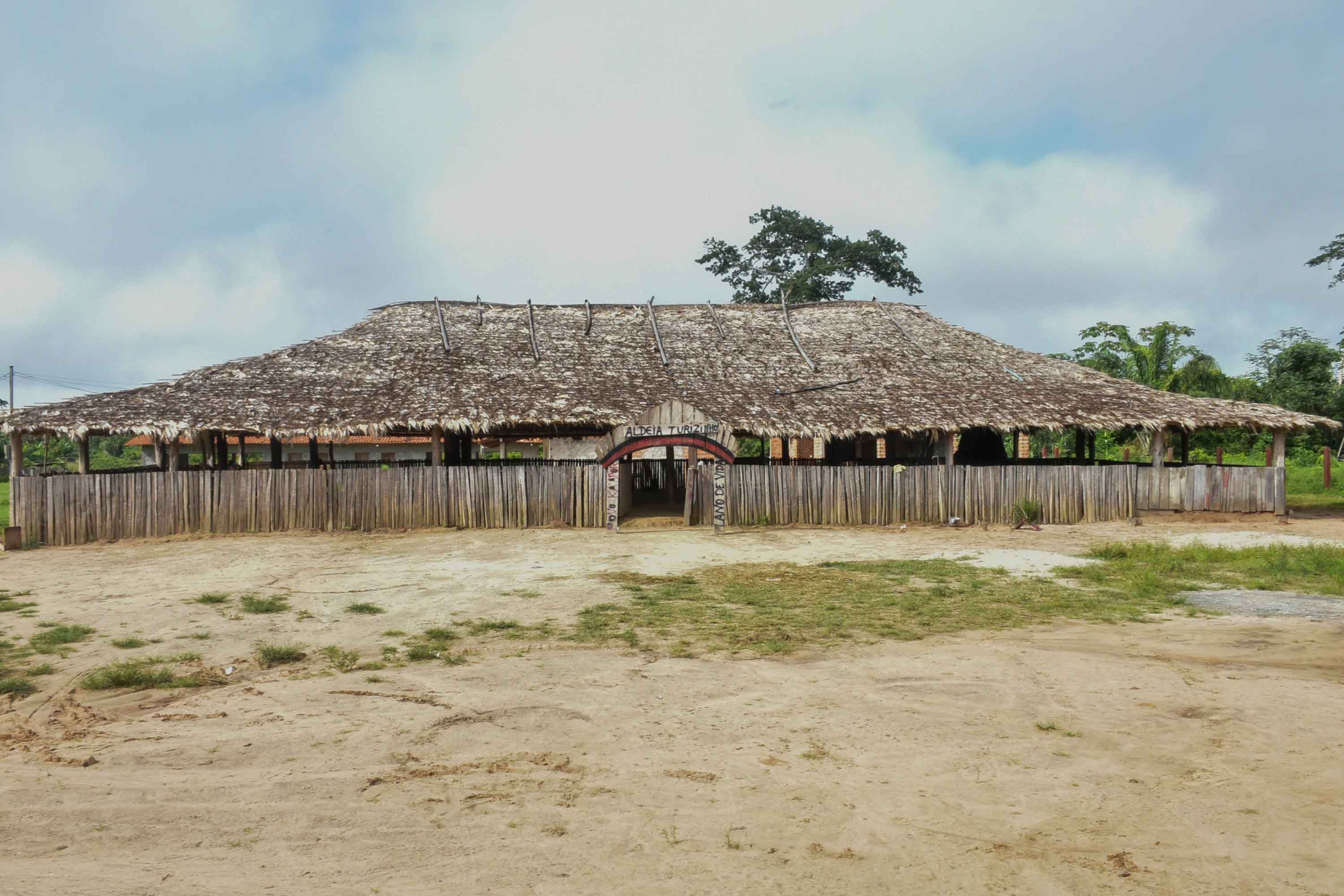
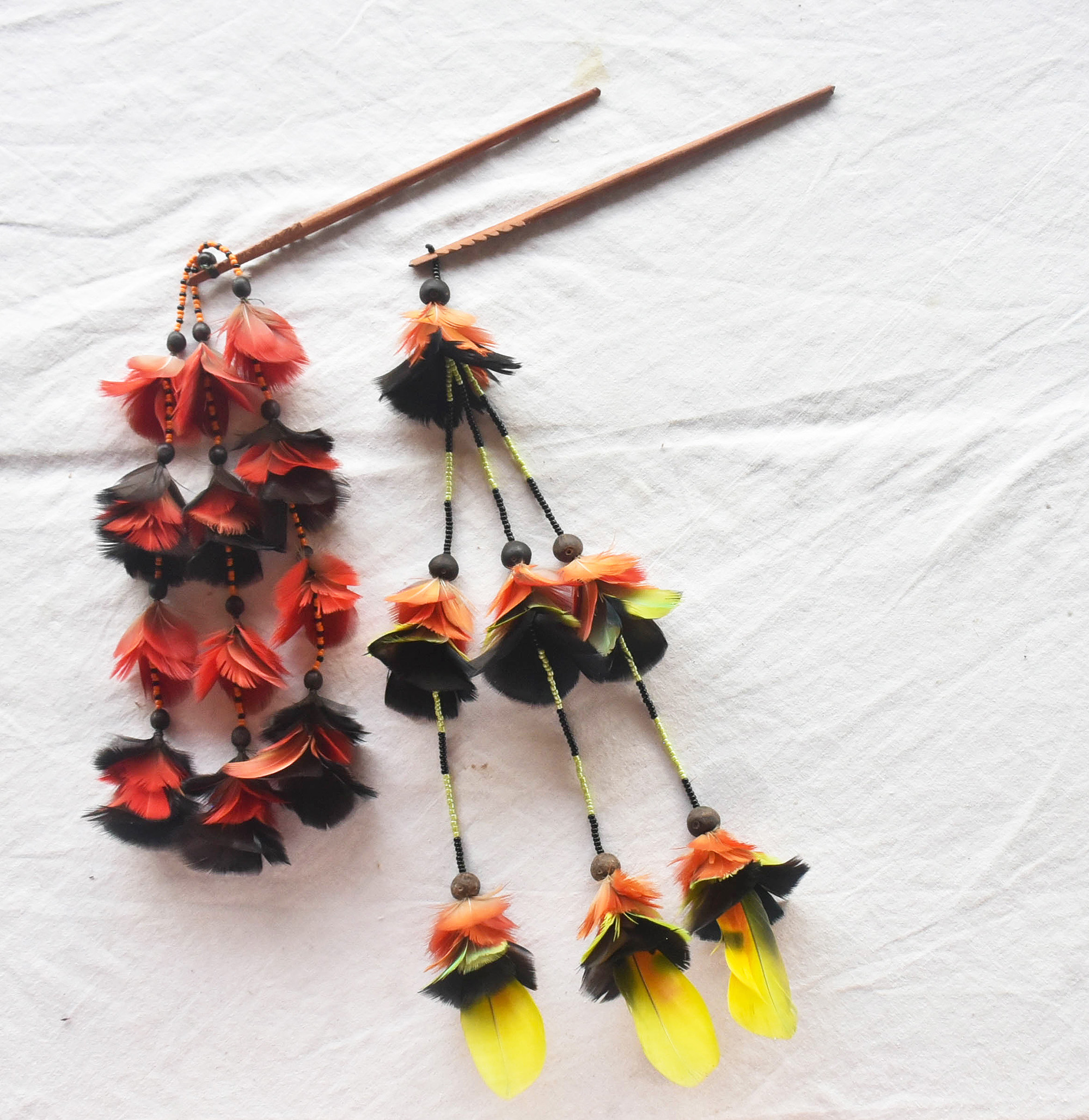
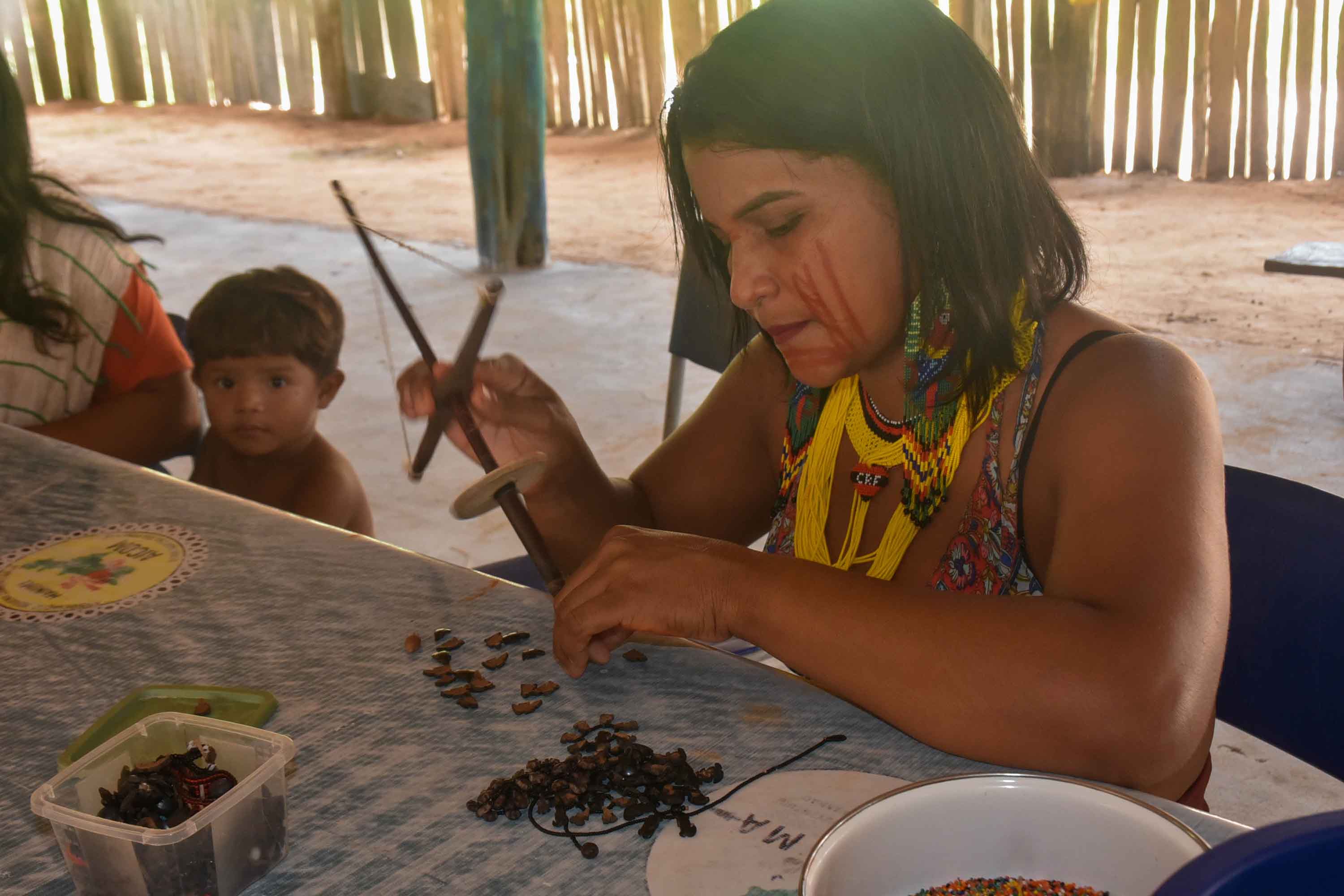
(2) Community center in the village of Turizinho. (3 a-b) Ka’apor art incorporates figures of local wildlife and geometric patterns that encode the spiritual relationship between the community and the inhabitants of the jungle. (4) The Tuxá and the elders safeguard political memory and validate strategies for territorial defense. (5) The creation of traditional ornaments, or me'rïm’ï, depends on access to fibers such as tucum and cotton. (6 a-b-c-d-e) Craft workshops also serve as forums for deliberation where women strengthen their internal organization and their influence on land management.

The Ka’apor territory is one of the largest indigenous areas in Maranhão, covering more than 500,000 hectares. This region is part of the eastern Brazilian Amazon, an area under particular pressure from deforestation. According to data from the National Institute for Space Research (INPE), Maranhão ranks among the states with the highest rates of forest cover loss in the Amazon in recent years. This loss has been driven by agricultural expansion and illegal logging.

Traditional Amazonian roças combine food cultivation with forest regeneration, creating productive landscapes that support biodiversity and food security.

The recent history of the Floresta Viva project begins in 2019, when the Ka’apor Ta Hury Association launched an initial initiative to revive the traditional roça. “Many families in the territory were no longer farming using this ancestral technique,” recalls Karolina Sousa, technical assistant and project coordinator. That initial initiative aimed to produce food, but also to restore a practice that integrates the agricultural calendar, community organization, and spiritual knowledge. Circular planting, soil fallow periods, the order of harvests, and even the associated rituals are part of a system inseparable from Ka’apor culture.

What began as a pilot effort gradually expanded to other communities requesting support with tools and native seeds. There was a specific reason behind this demand: access to commercial seeds, which are only good for a single growing cycle, had displaced local seeds, which are essential for maintaining productive autonomy.

(8-e)

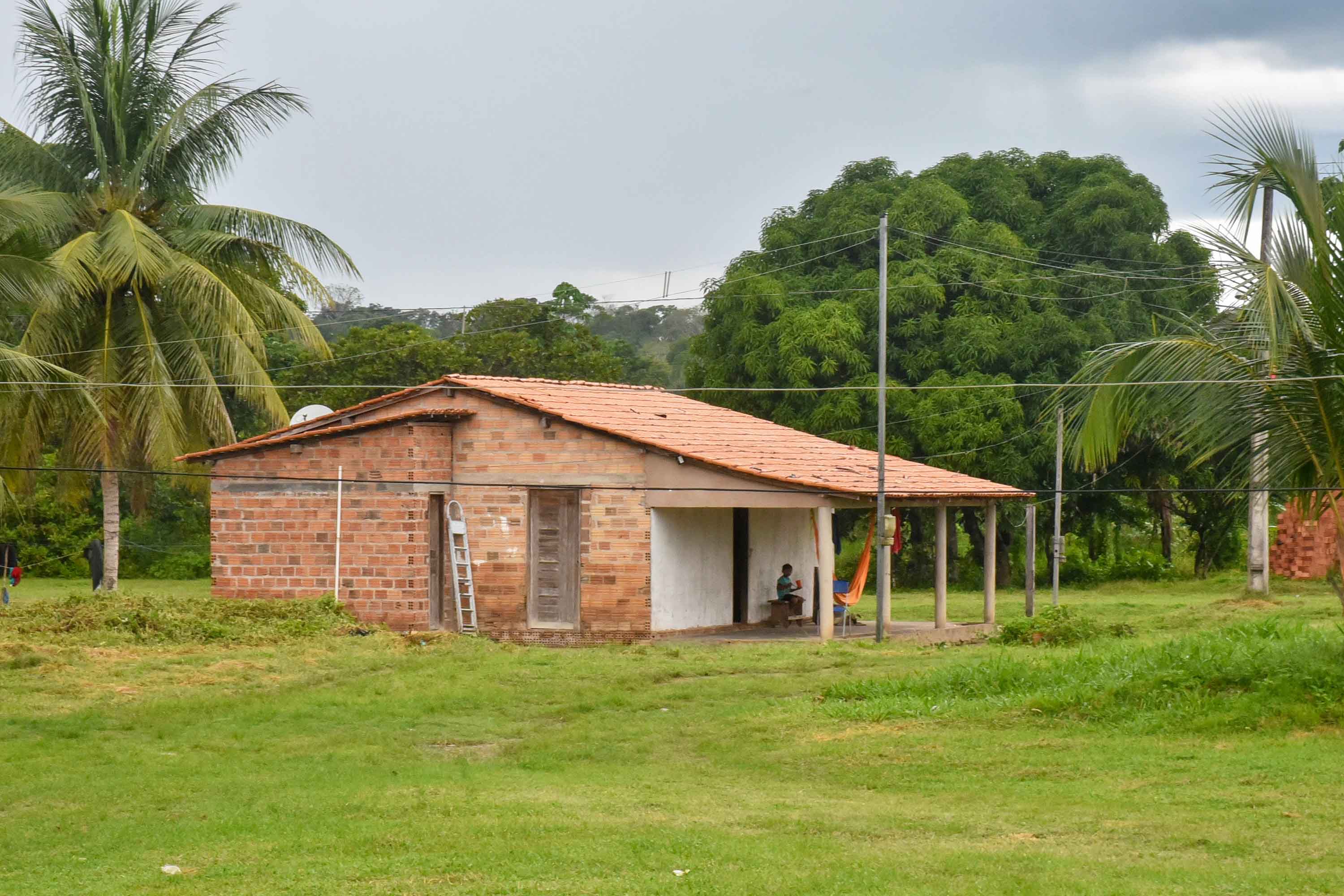
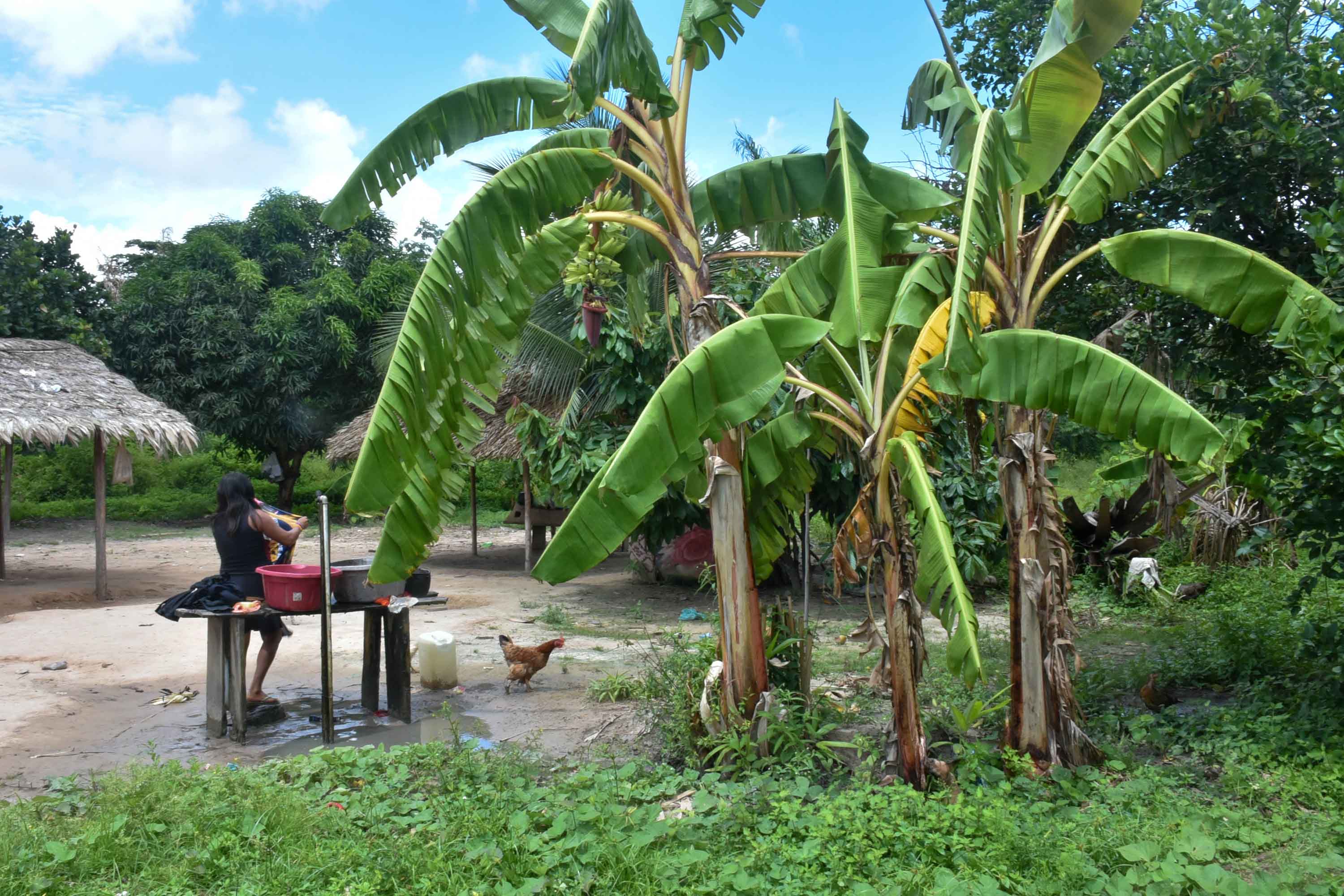
(7) Houses are arranged in a linear pattern along dirt roads, optimizing access to transportation and public utility infrastructure such as electricity. (8 a-b-c-d-e) Villages combine traditional wooden structures with masonry homes, adapting modern materials to climatic needs.

With funding from the International Fund for Agricultural Development (IFAD), the Ka’apor Ta Hury Association was able to establish gardens in various villages, acquire basic tools, and provide ongoing technical support. However, this growth was not without obstacles. Every year, between September and October, the dry season brings forest fires that directly impact community life.

“During those times, everything comes to a halt,” Karolina says. “The men must organize to fight the fires, which often originate outside the territory and are spread by the wind.” In 2024 and 2025, the situation was particularly severe, with multiple hotspots reported in the region. Fires in the Brazilian Amazon have increased in frequency and intensity in recent years and are linked to both agricultural practices and illegal activities.

In response, the Ka'apor Ta Hury Association incorporated a key strategy: the formation of community brigades for fire prevention and suppression. This initiative allowed them to strengthen the Ka’apor people’s own capacity for territorial management.

Likewise, the project strengthened the group “Guardians of the Forest,” composed of women who began to actively participate in community decisions. Among the project’s success stories is that of Awashi Ka’apor, a guardian from the village of Turizinho. His testimony highlights how few women today make tipoias (used to carry children) and nets, but organizing a workshop with them helped strengthen that connection and provided a space where they could talk and share with younger women everything that Ka’apor women represent.

(10)
(11-a)
(11-b)
(12-a)
(12-b)
(12-c)

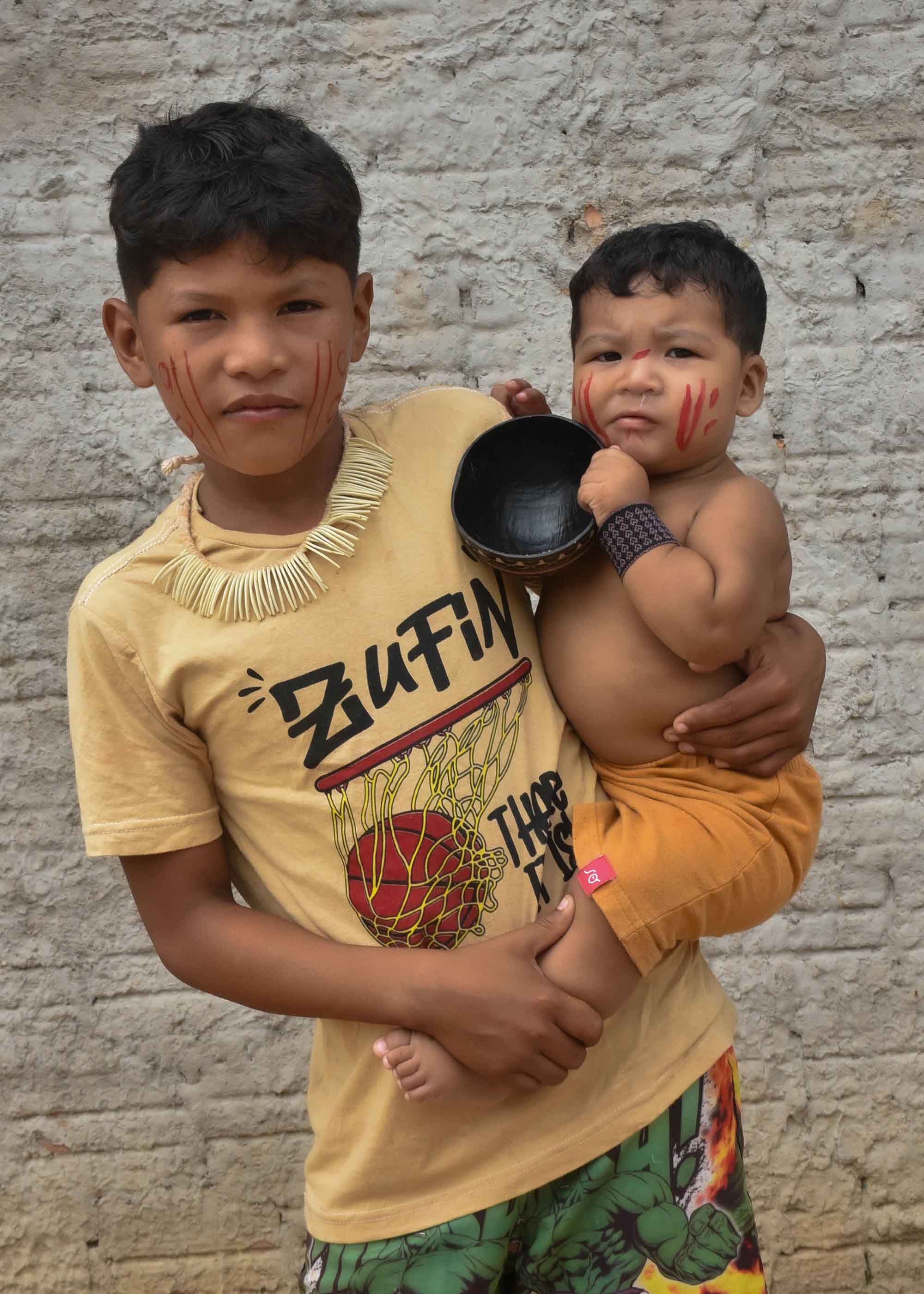
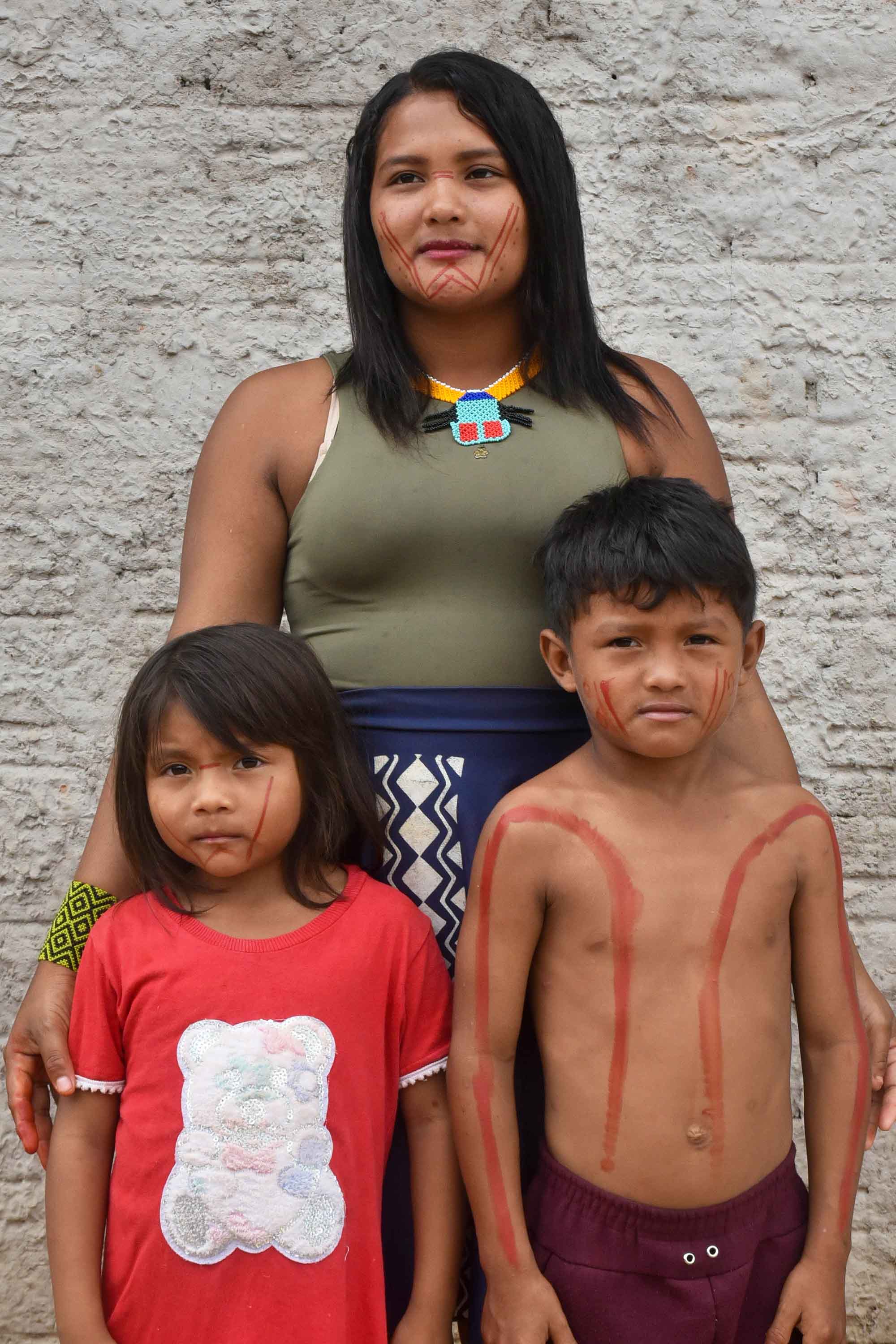
(9 a-b) The use of urucum pigment, applied with wood chips, acts as a natural repellent and sunscreen, simultaneously functioning as a symbolic shield for the community. (10) Children are integrated early on into daily and ceremonial activities, ensuring the generational transmission of the language and knowledge of the forest. (11 a-b) The application of natural pigments marks the times of ceremony and assembly, linking the aesthetics of the body with agricultural cycles and the health of the community. (12 a-b-c) Ka’apor youth serve as a strategic hub, integrating ancestral knowledge with modern technologies to lead the defense of their territory.
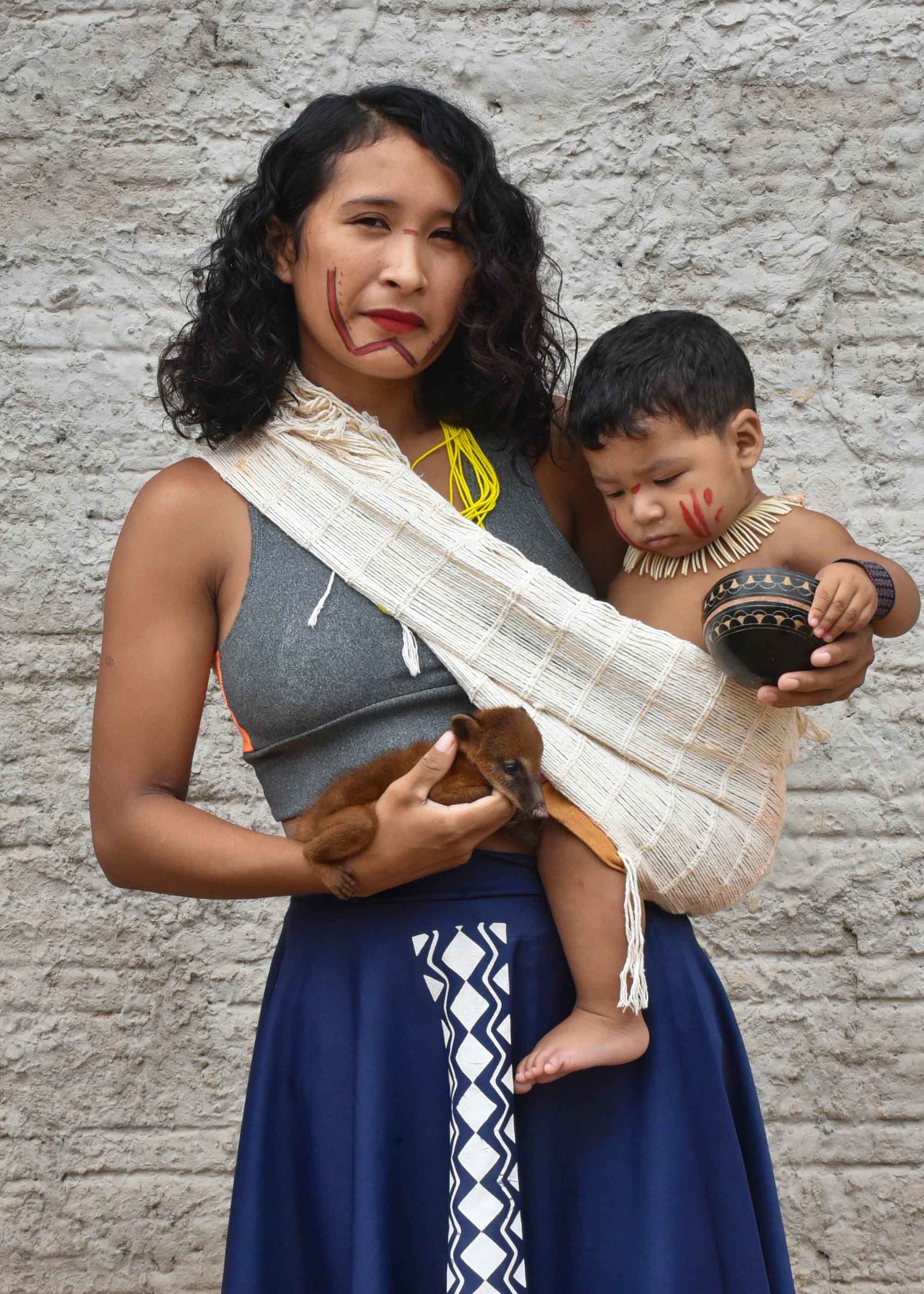
This participation is also intertwined with another pillar of the project: the revitalization of traditional crafts. For many Ka’apor women, this activity is a source of income and a way to preserve knowledge that was disappearing. In these spaces, older women teach younger ones weaving techniques, knots, and the use of forest fibers. The transmission is not merely technical but also encompasses the spiritual and cultural significance of each piece. “We have focused heavily on young women, because without their practice, we will not have continuity,” Hildilene emphasizes.

“When it’s time to clean the land, the whole community cleans it; when it’s time to plant, everyone does it together.”

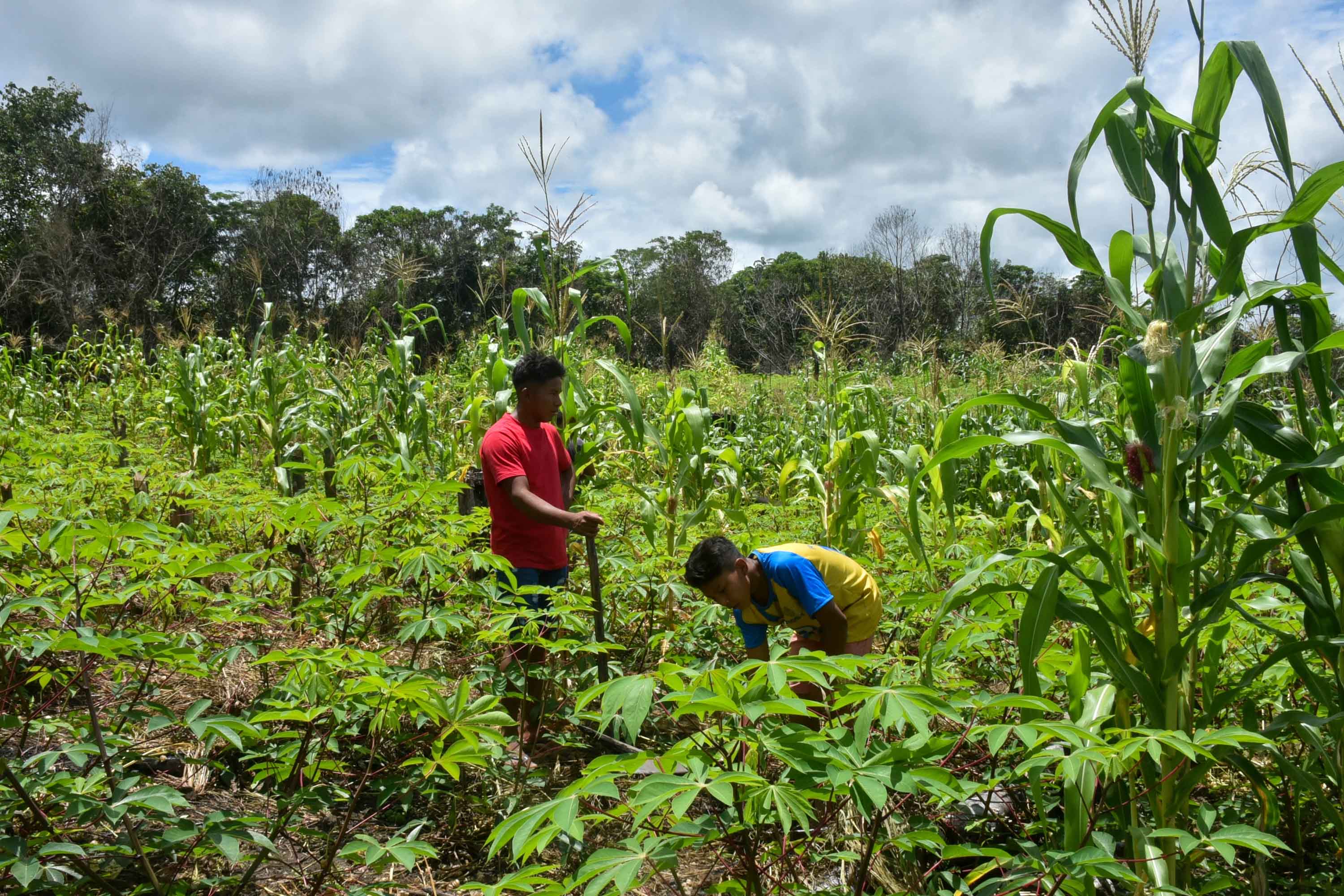
Meanwhile, the roças continue to expand as an ecological restoration strategy. Many are established in areas previously degraded by logging or external occupation. There, in addition to staple crops like cassava, corn or beans, native fruit species such as açaí, bacuri, or plantain are planted. The result is a system that combines production, restoration, and culture. Even when planting or letting the land rest follows rules passed down by the Ka’apor elders. A significant part of the territory’s future hinges on this intergenerational dialogue.
(13)
(14)
(15)
(16-a)
(16-b)
(16-c)
(17)

(13) Tukumã functions as an educational village, where the transition to agroforestry was consolidated, serving as a model for other communities in the Upper Turiaçu. (14) In the traditional roça, corn cultivation optimizes nutrient release through controlled burning, a technique that ensures immediate productivity and facilitates the natural regeneration of the forest ecosystem. (15) Collective management of water resources ensures the irrigation of agroforestry plots. (16 a-b-c) Collective cleanup. (17) Cassava is cultivated in various varieties adapted to Amazonian soil for the production of flour, cauim (a fermented beverage), and other essential products.

Today, with six villages involved and more than 20 communities affiliated with the association, the challenge is to scale up without losing the collective spirit, and to encourage more villages to adopt the model autonomously.

In the long term, the Ka’apor Ta Hury Association’s vision also includes the possibility of participating in public food procurement programs. In Brazil, initiatives such as the Food Acquisition Program (PAA) allow the government to purchase directly from family farmers to supply schools and community kitchens. For the Ka’apor people, this would open a source of income that would allow them to remain on their land without abandoning their traditional practices.

For now, progress is measured in the repeating of crop cycles. The gathered community, the circular layout of the roças, the seeds saved for the next cycle. There is no definitive end to the project because its logic is neither linear nor dependent on a single source of funding. What remains, when resources run out, is the capacity built within the communities to continue to grow their food, conservation, and culture.