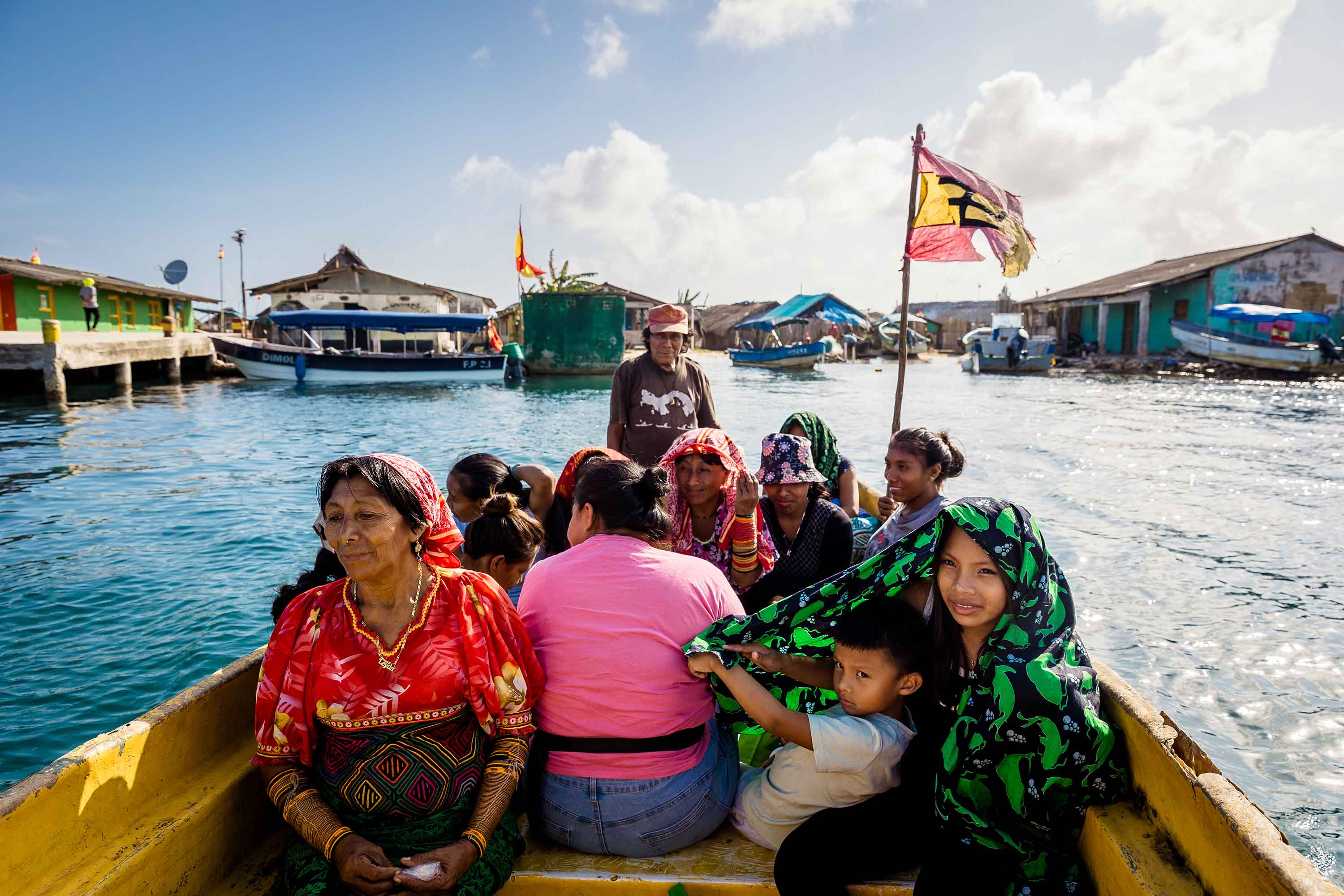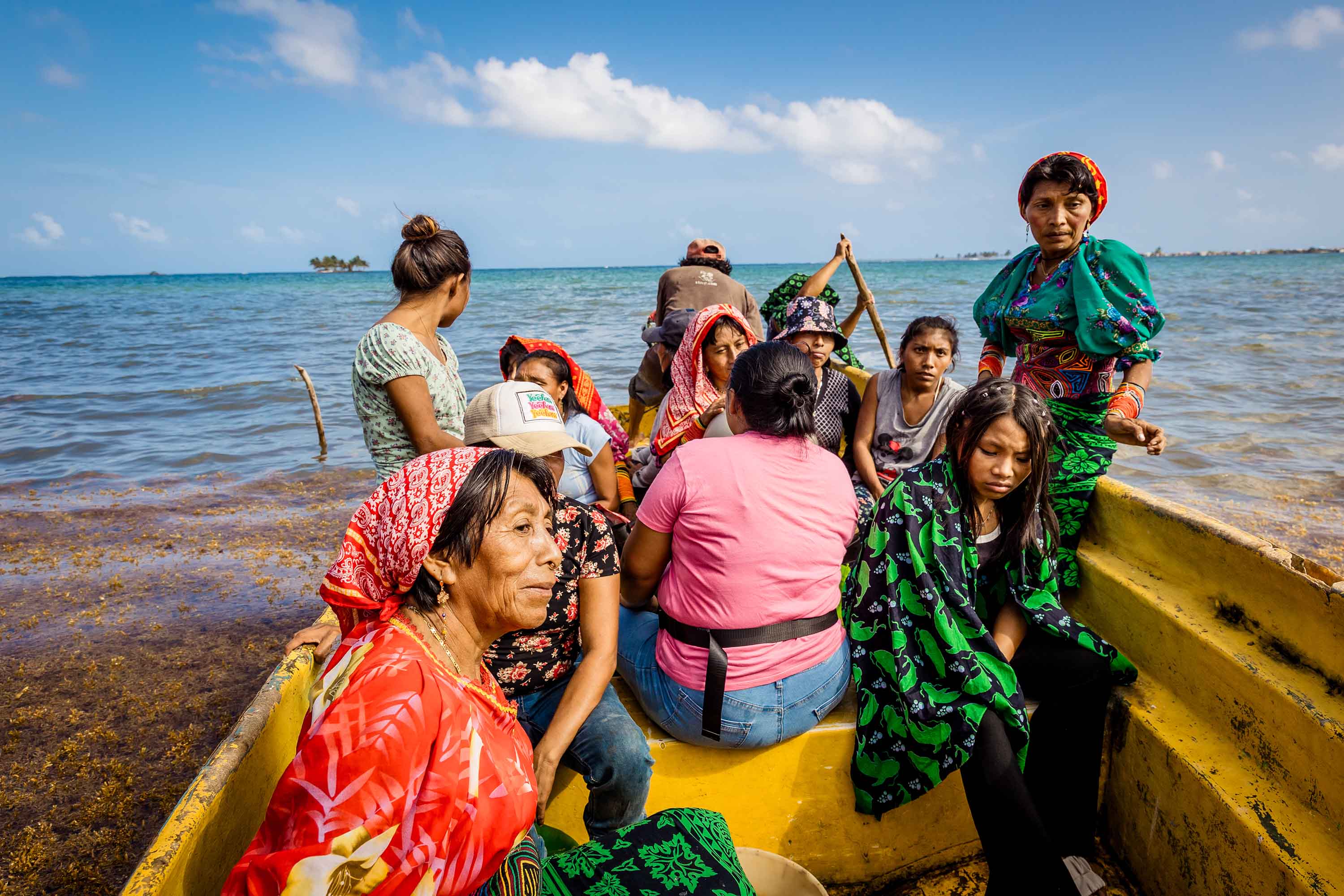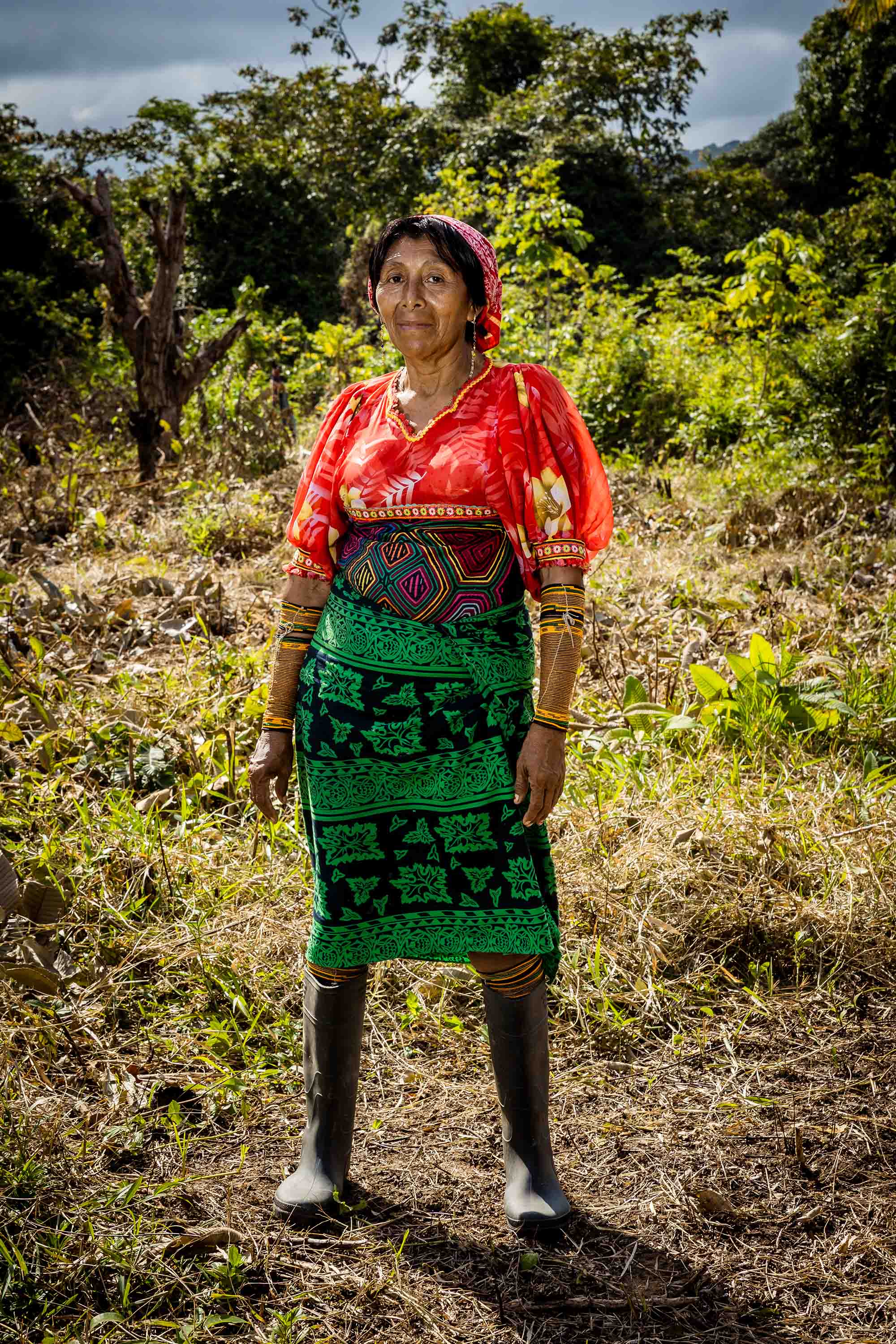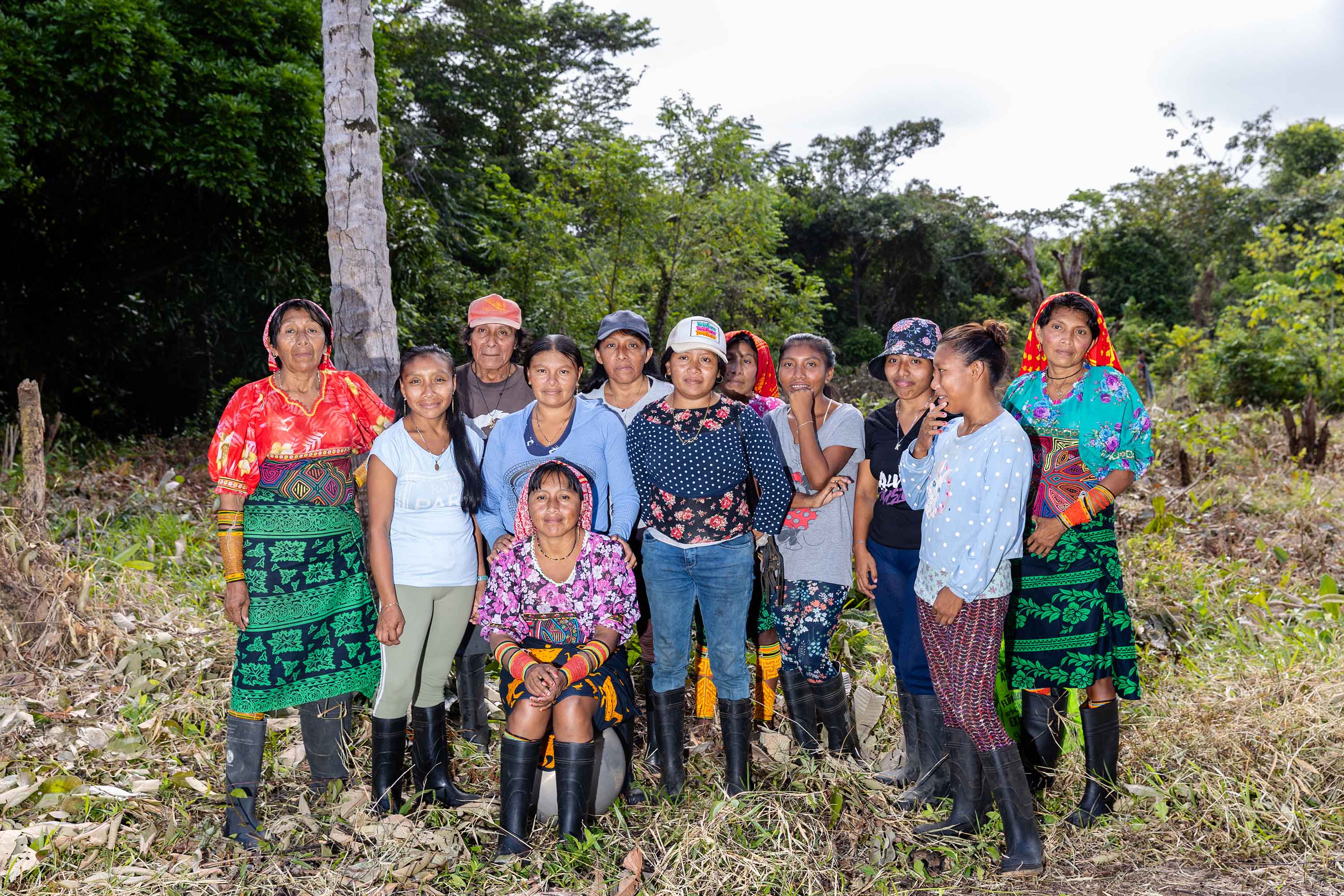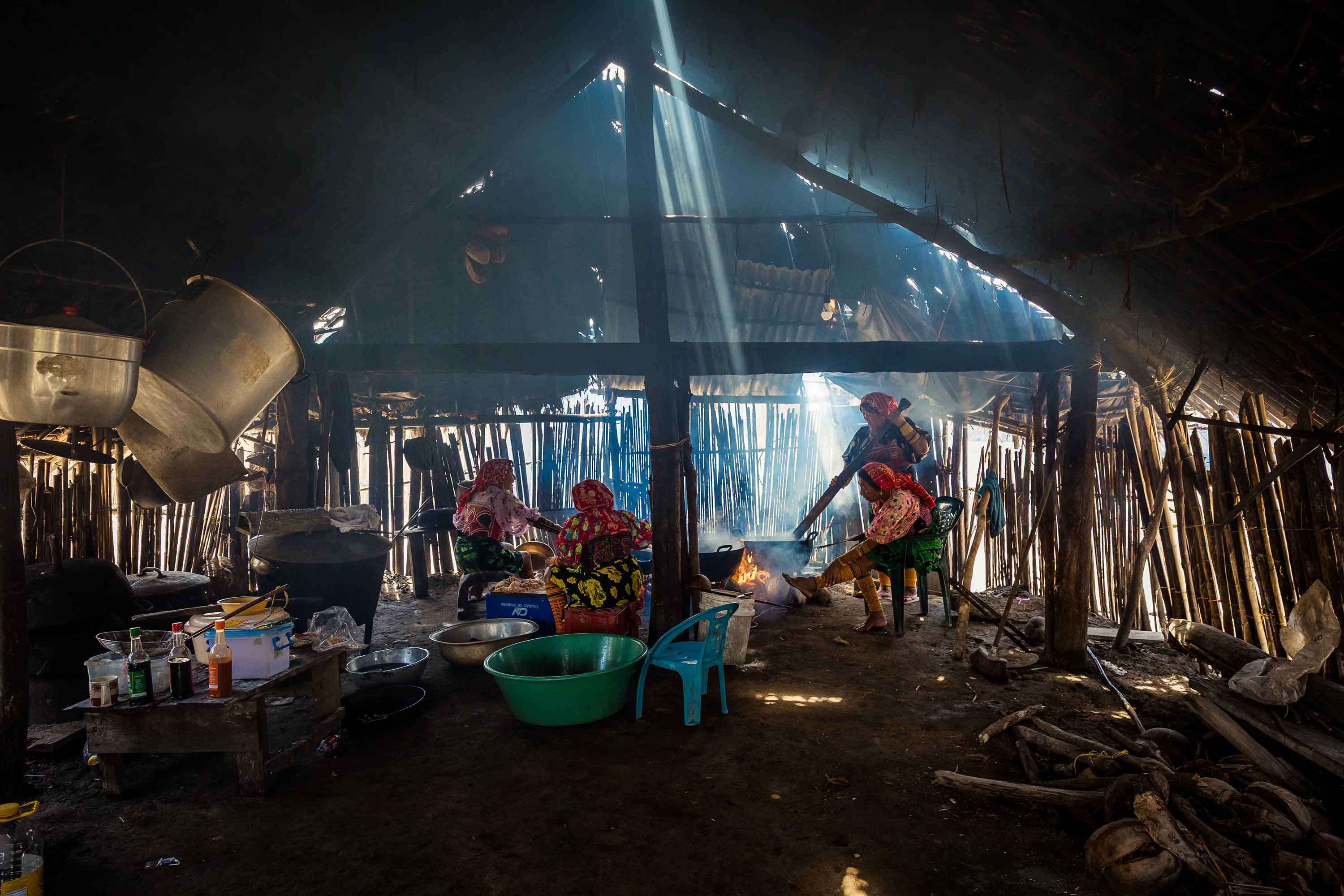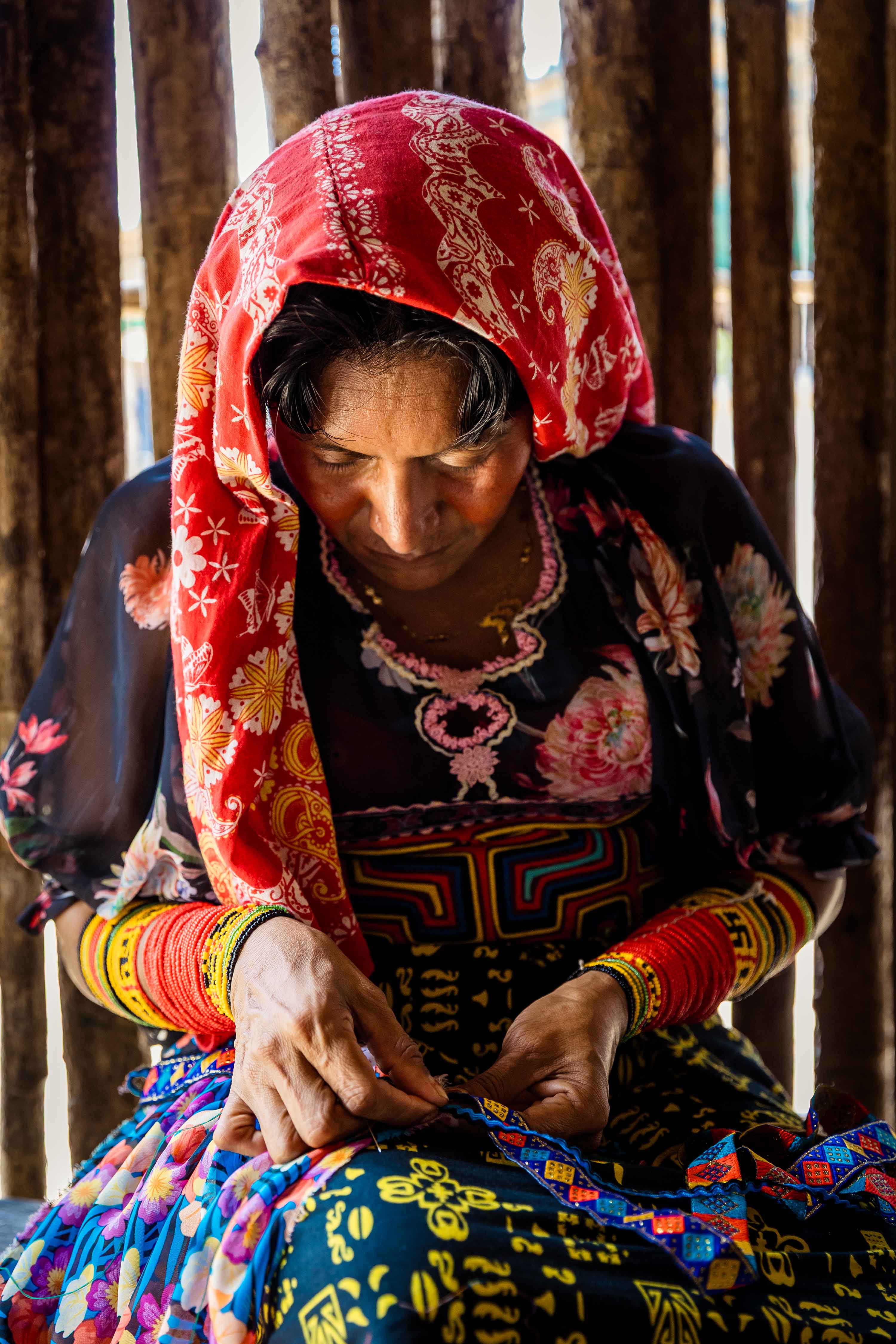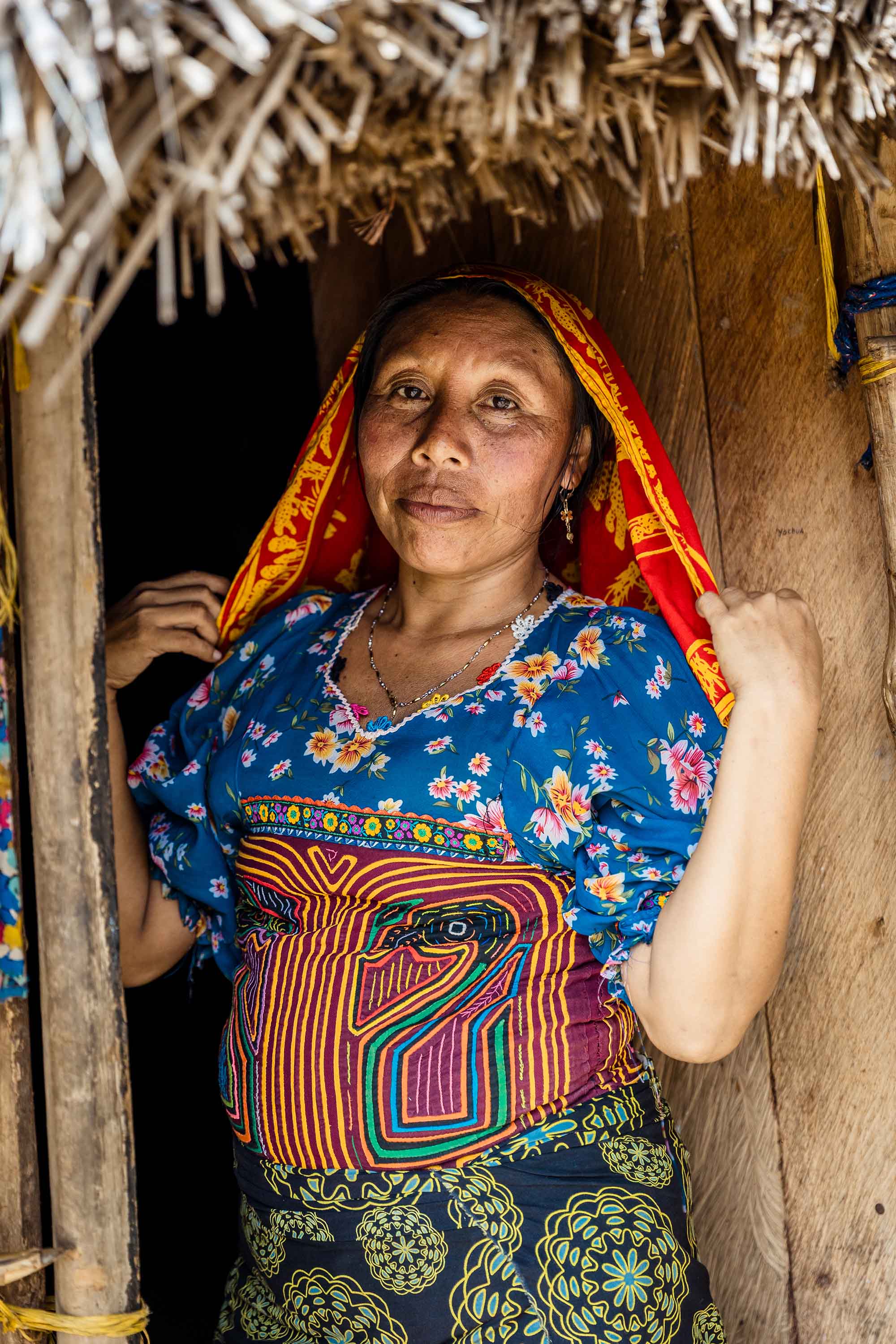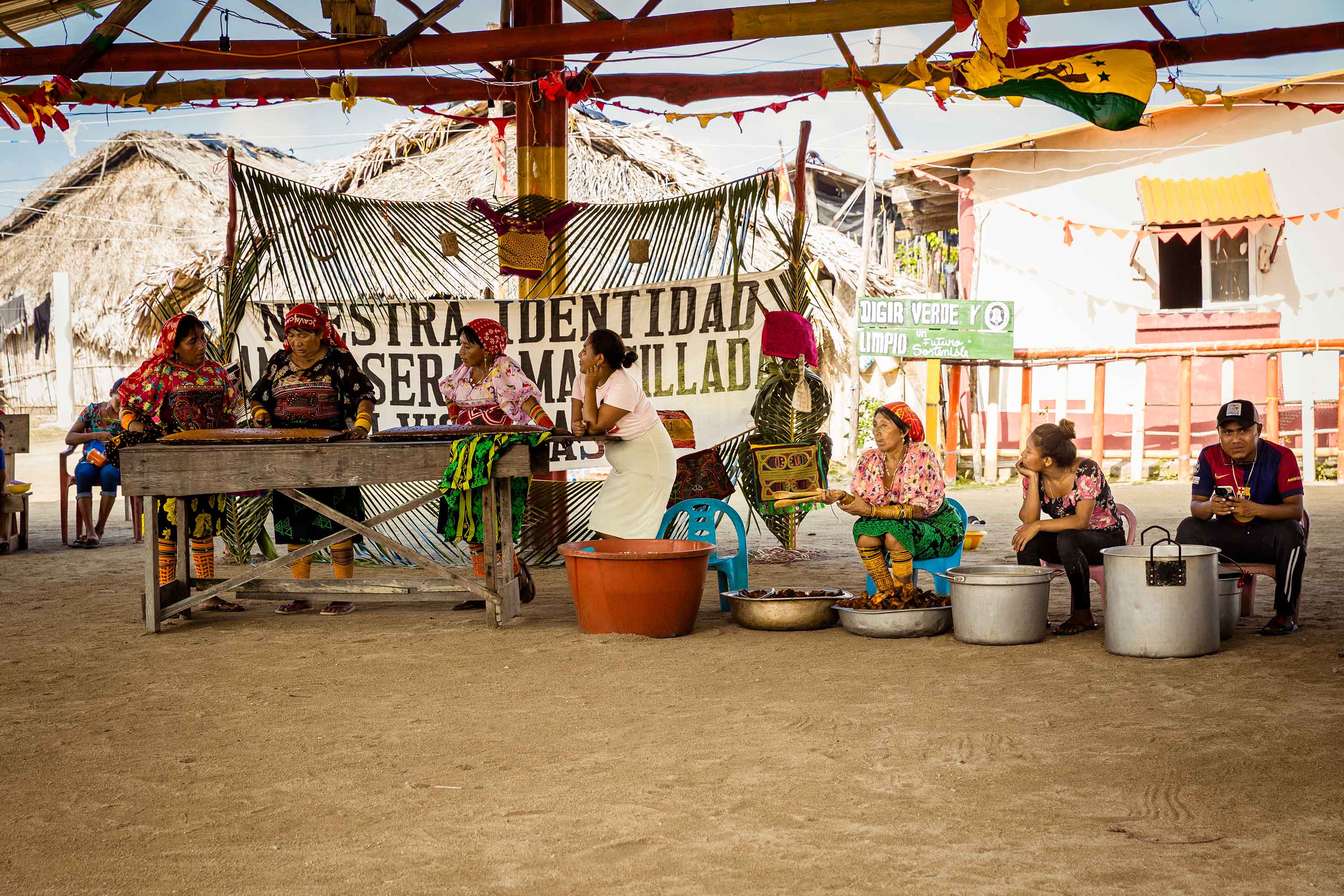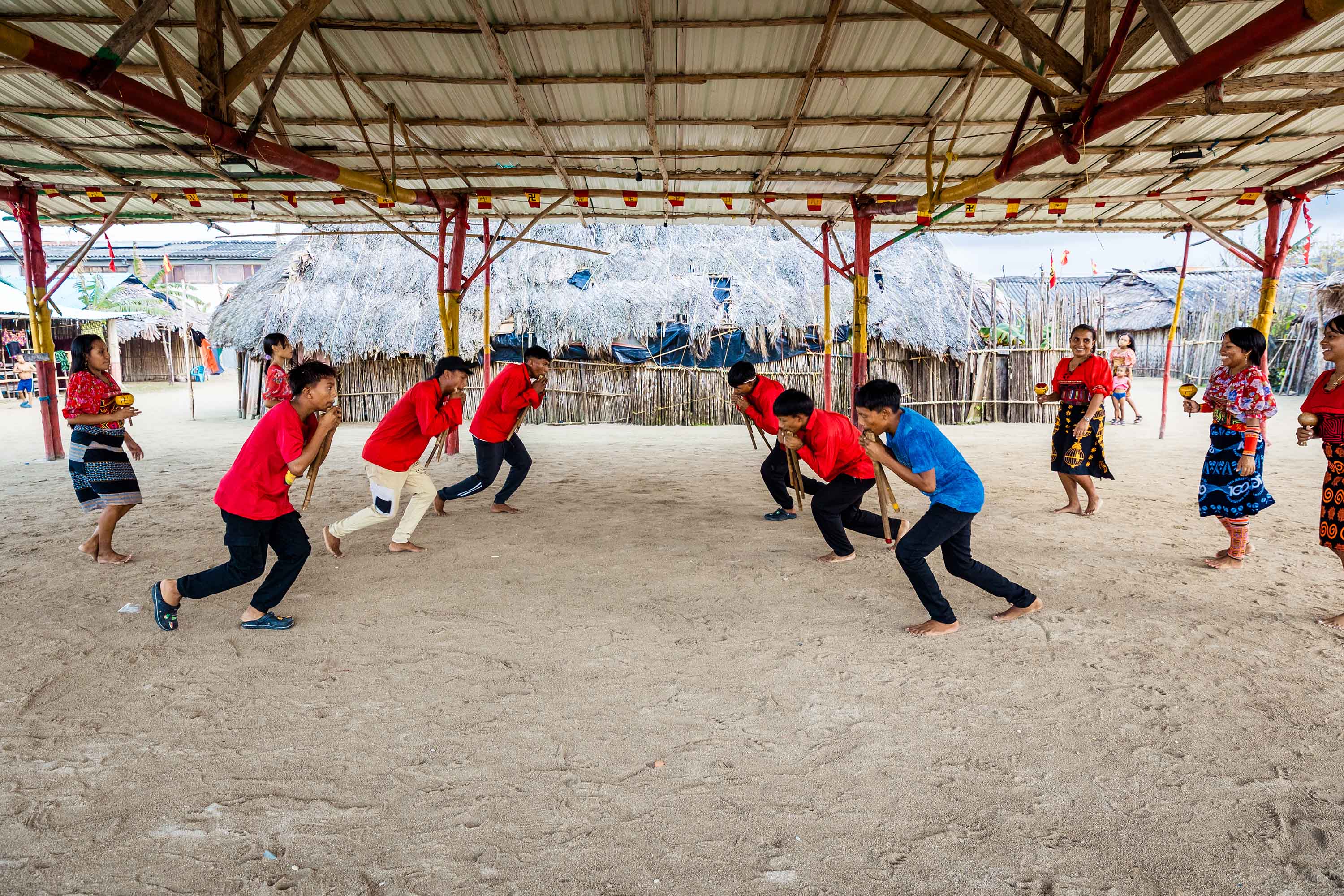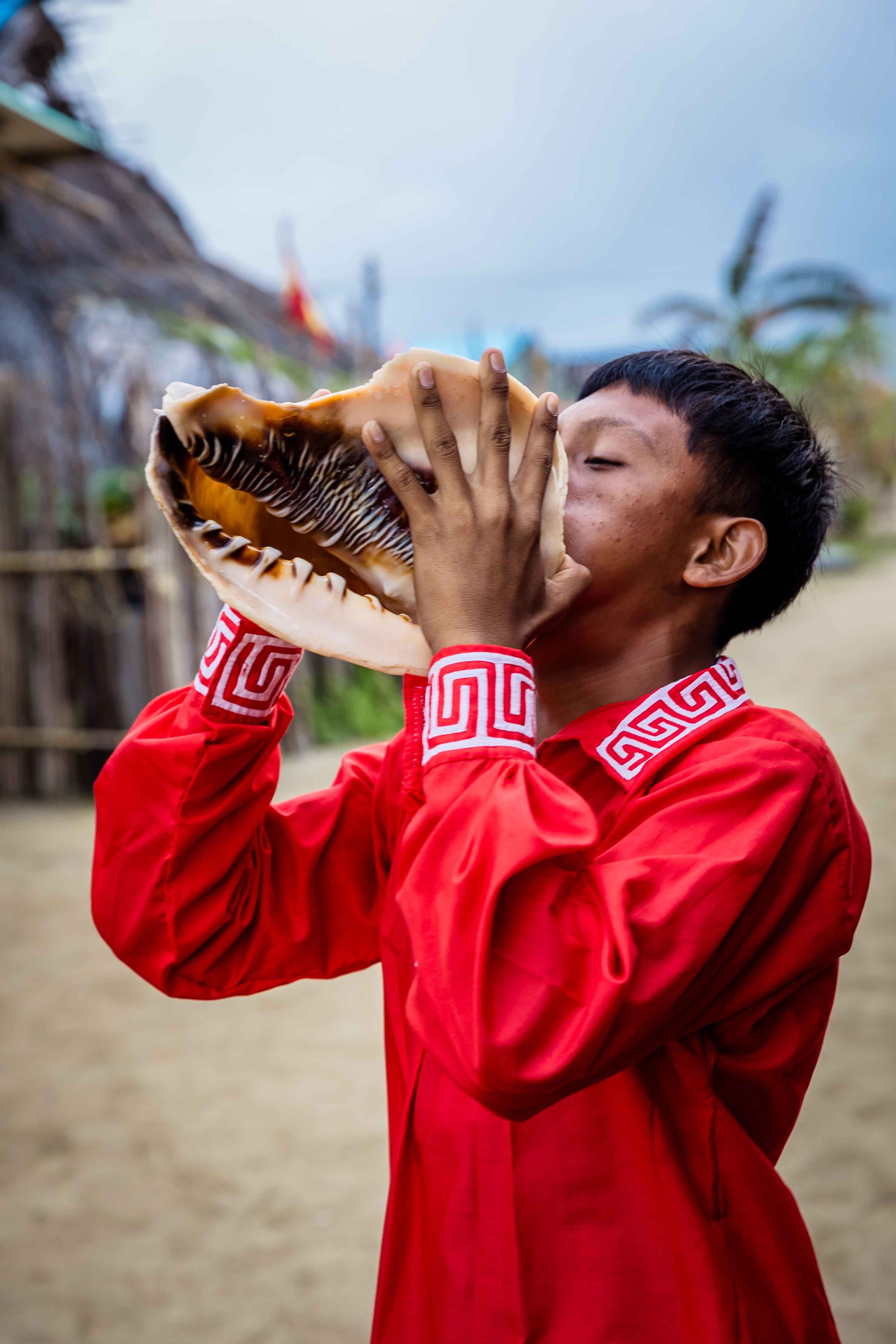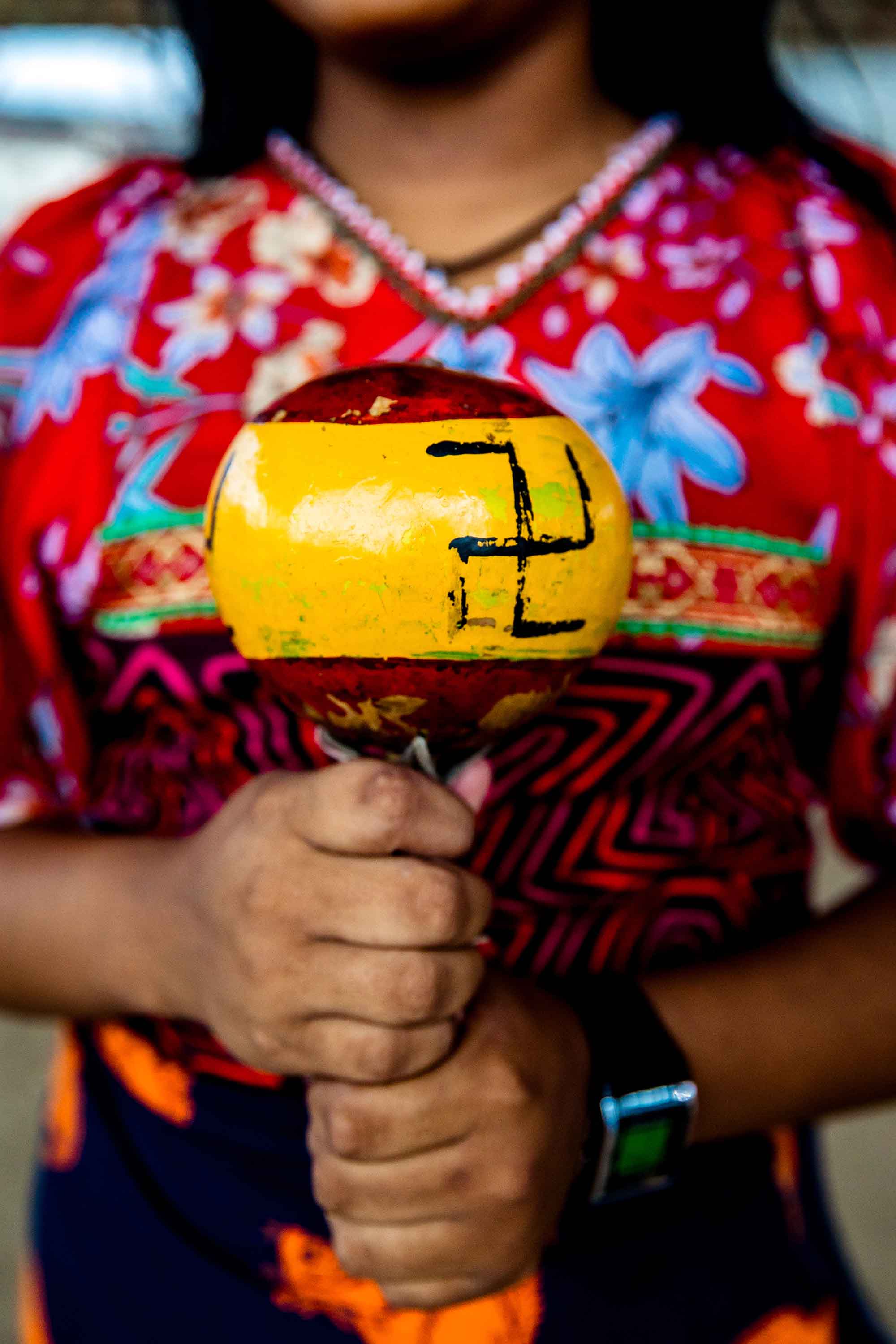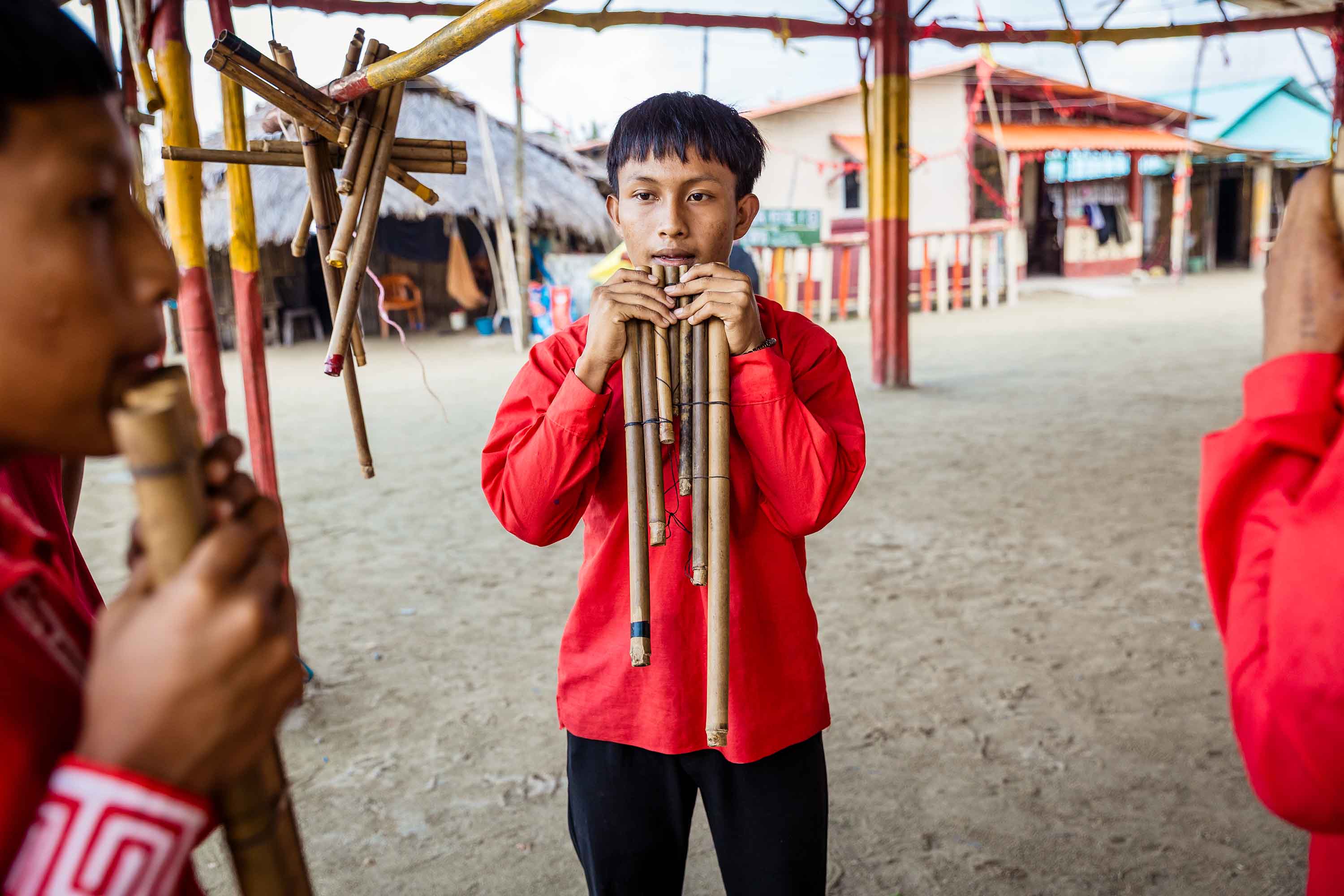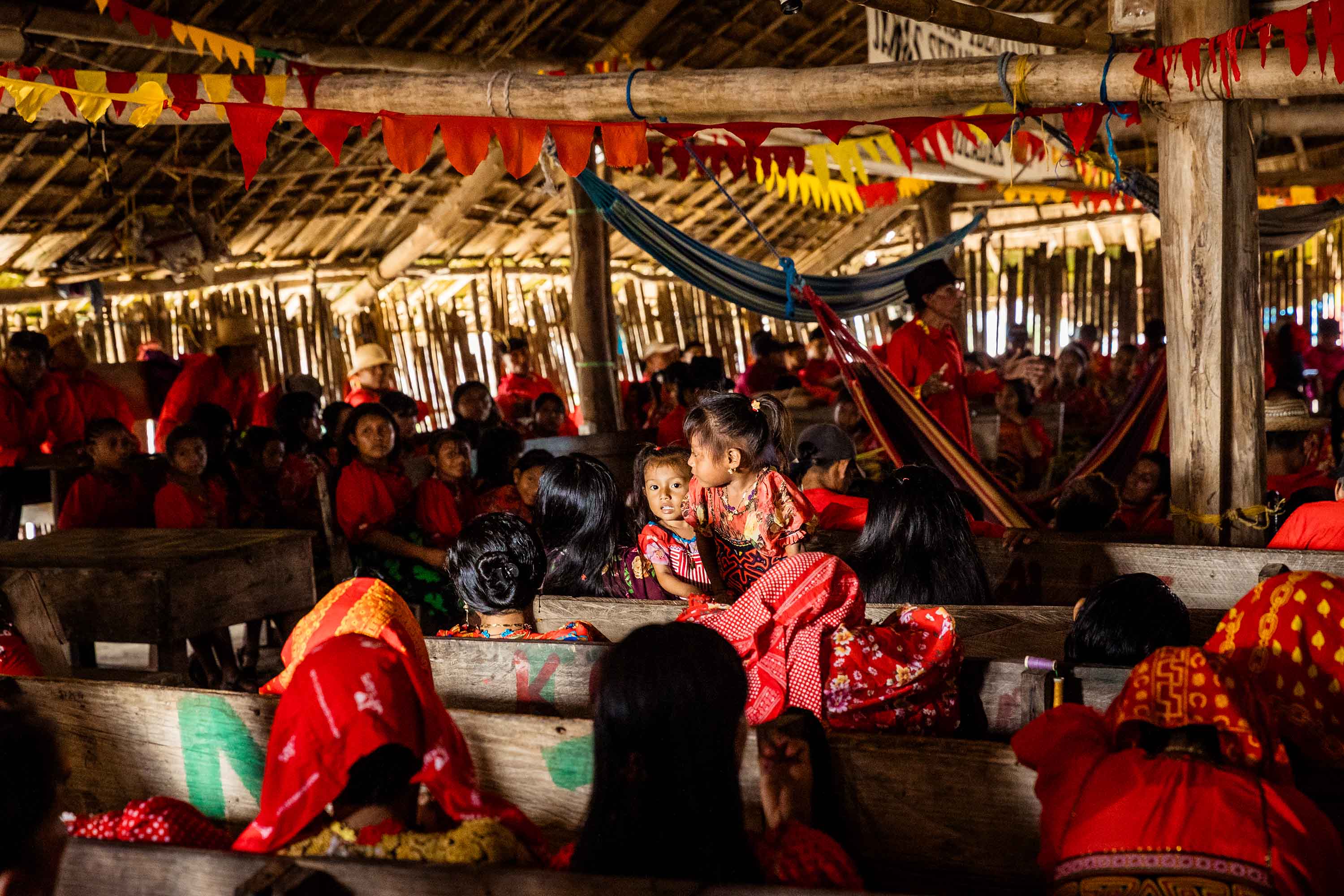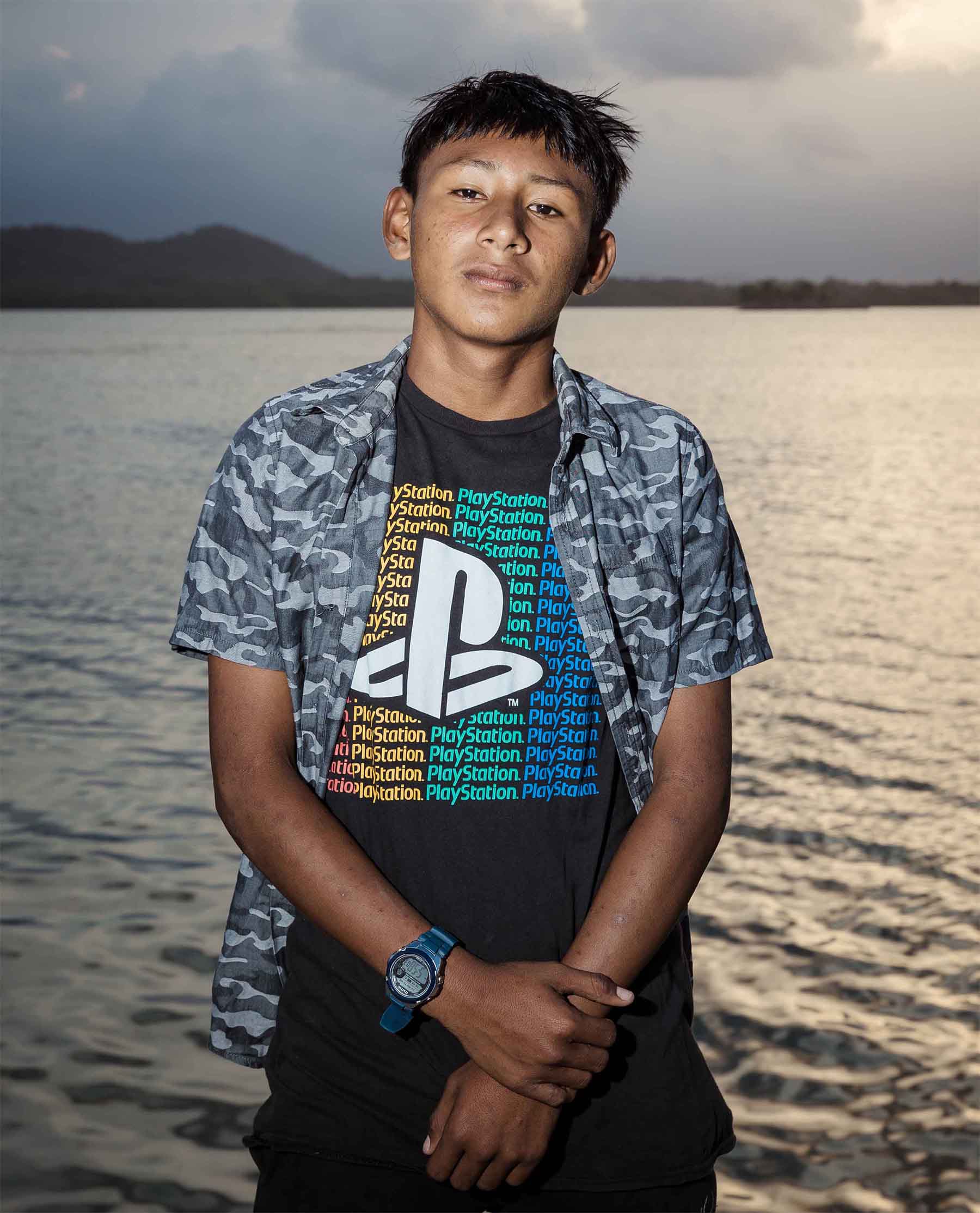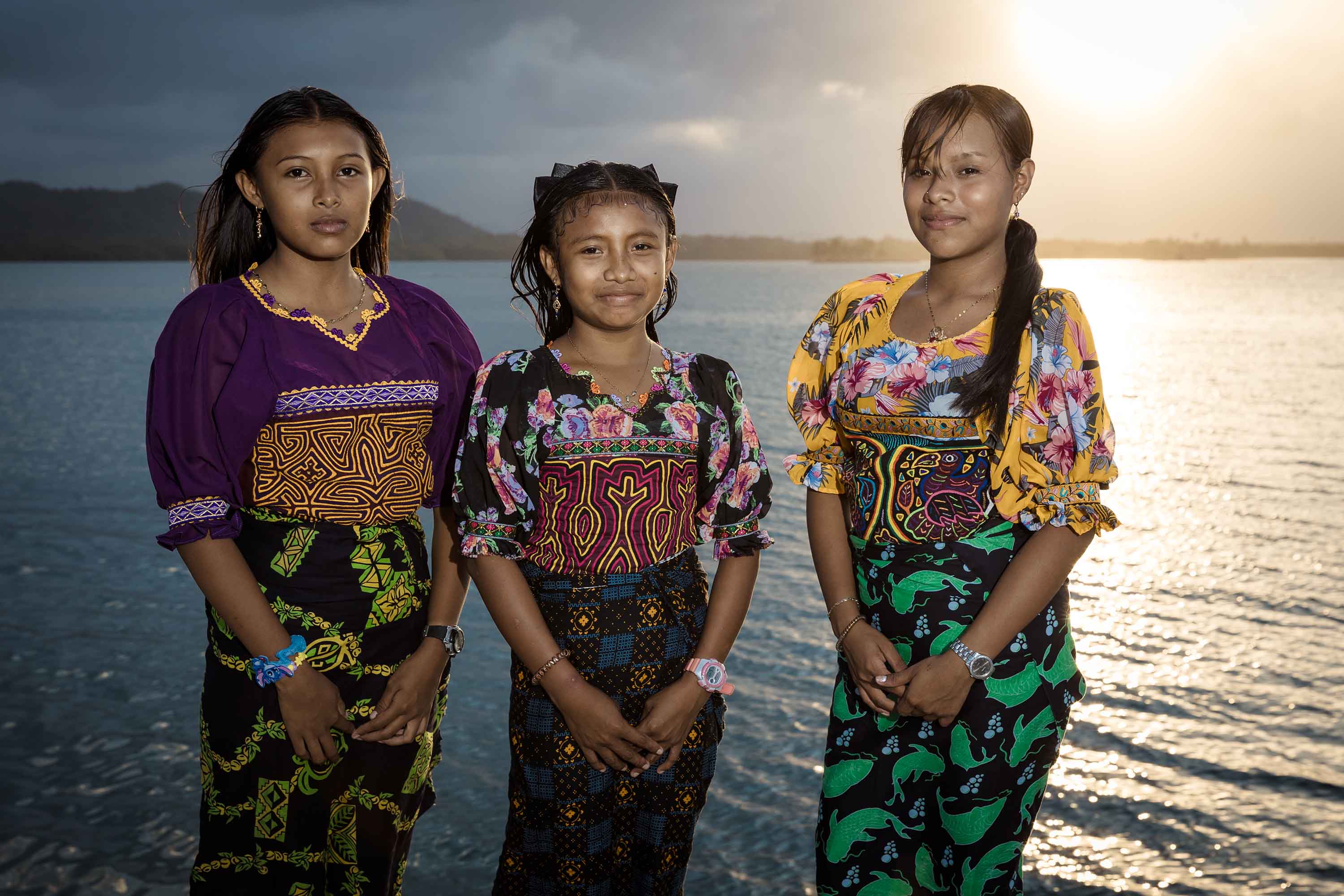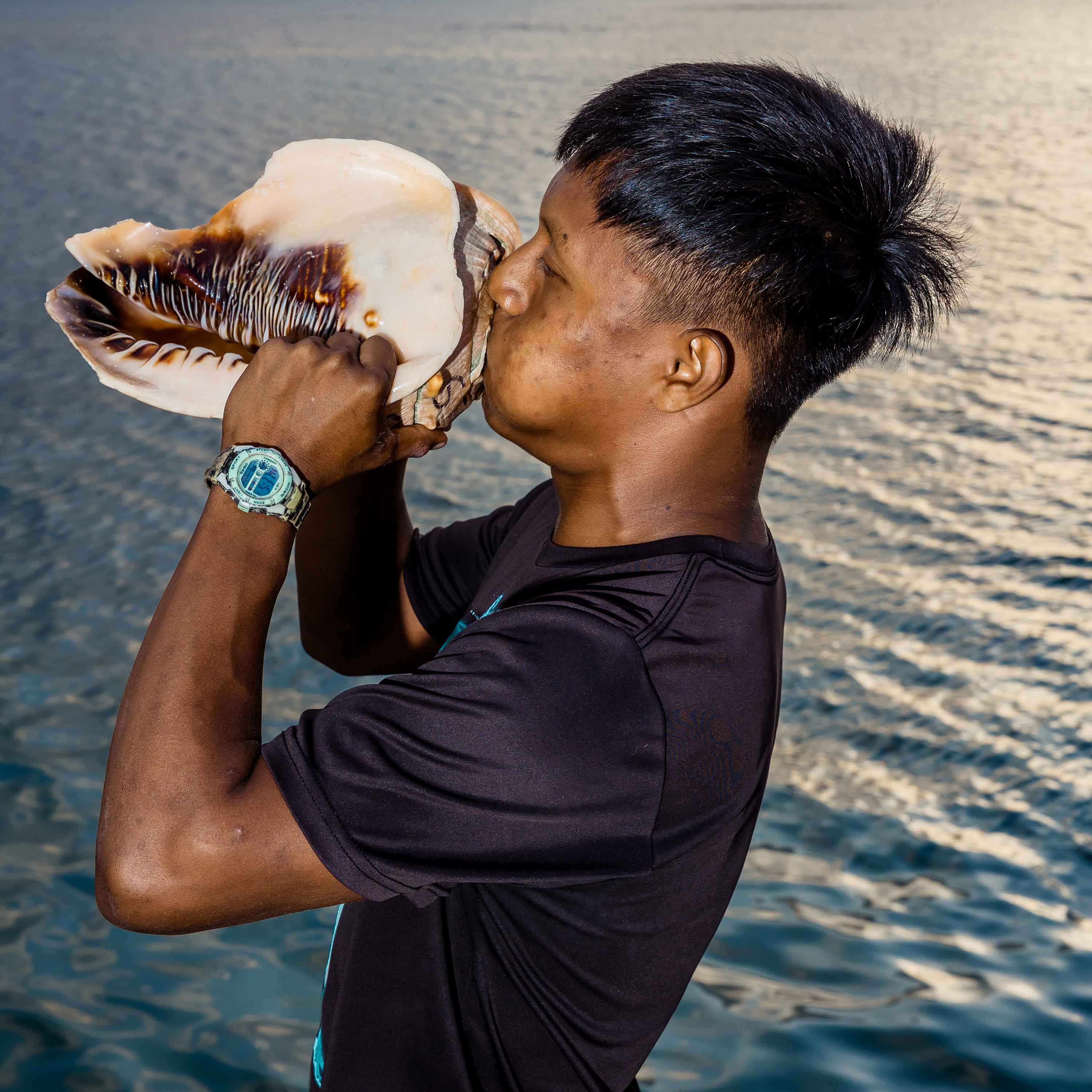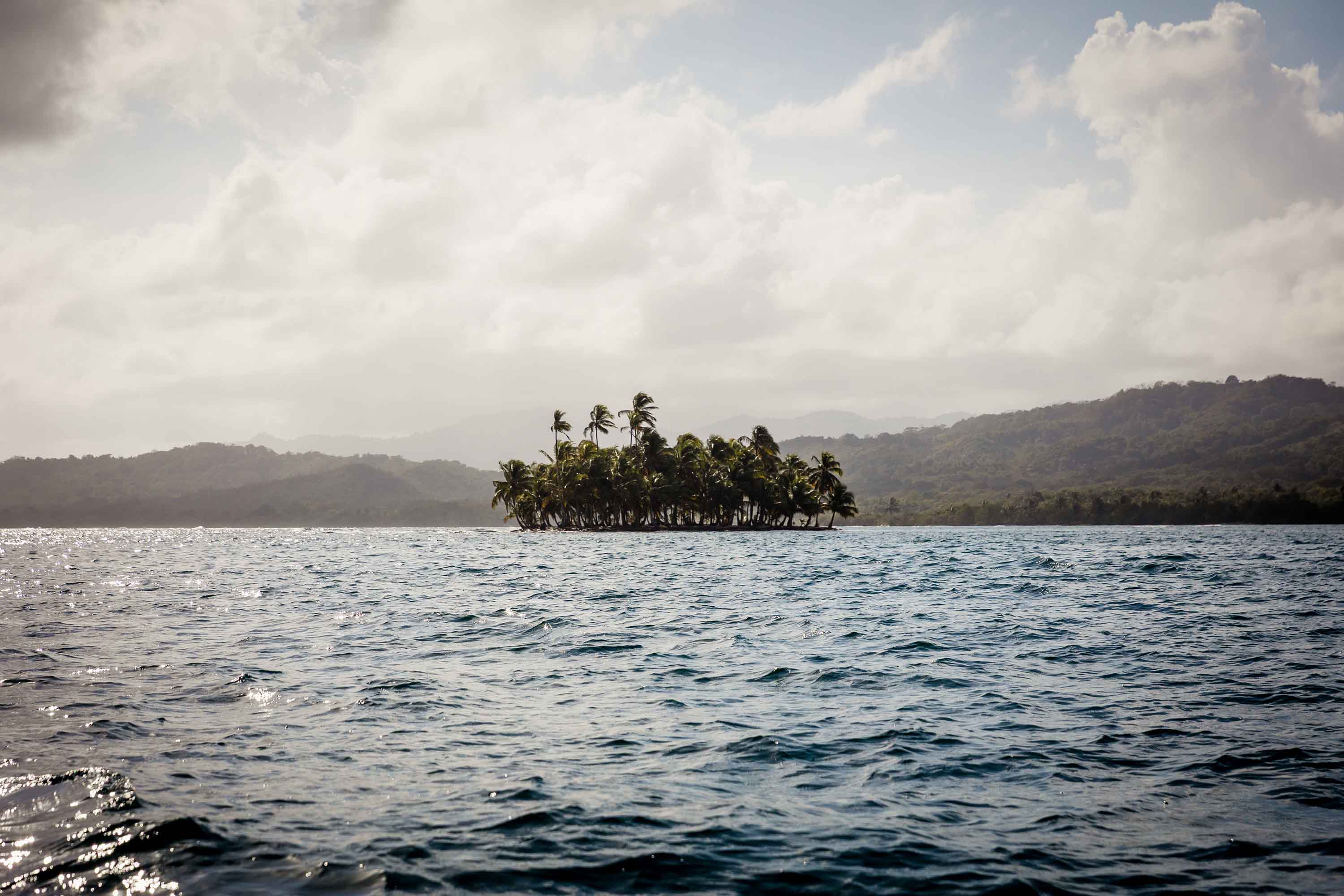
“Forests are my supermarket, my pharmacy, my freezer.” This is how Onel Masardule, a Guna indigenous leader from the Guna Yala territory in Panama, describes his people’s ancestral relationship with nature. The phrase accurately describes a way of life that remains alive in Guna Yala, where the connection to the land is tangible and part of daily life, and where food security depends, to a large extent, on what the forest and the sea can provide.
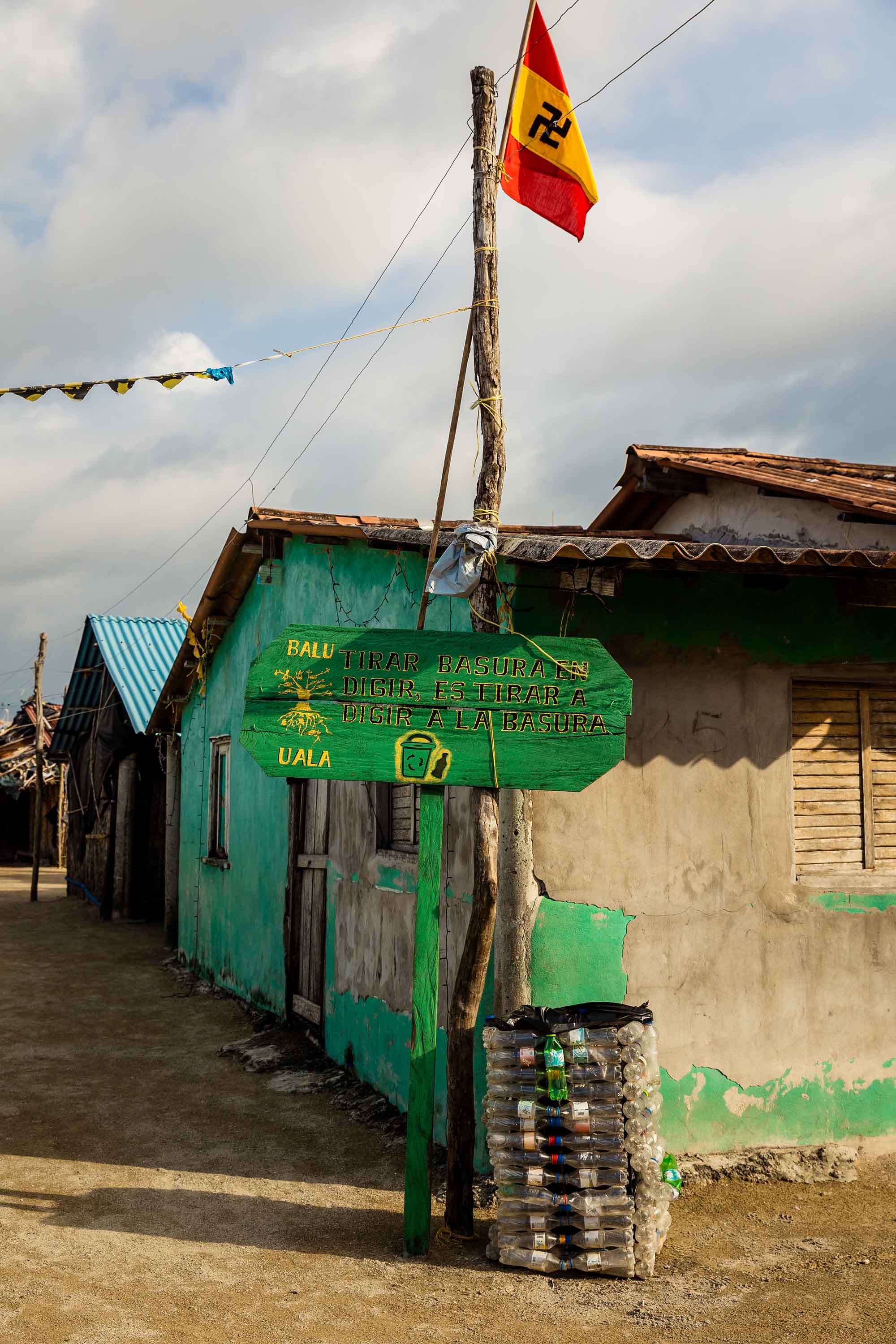
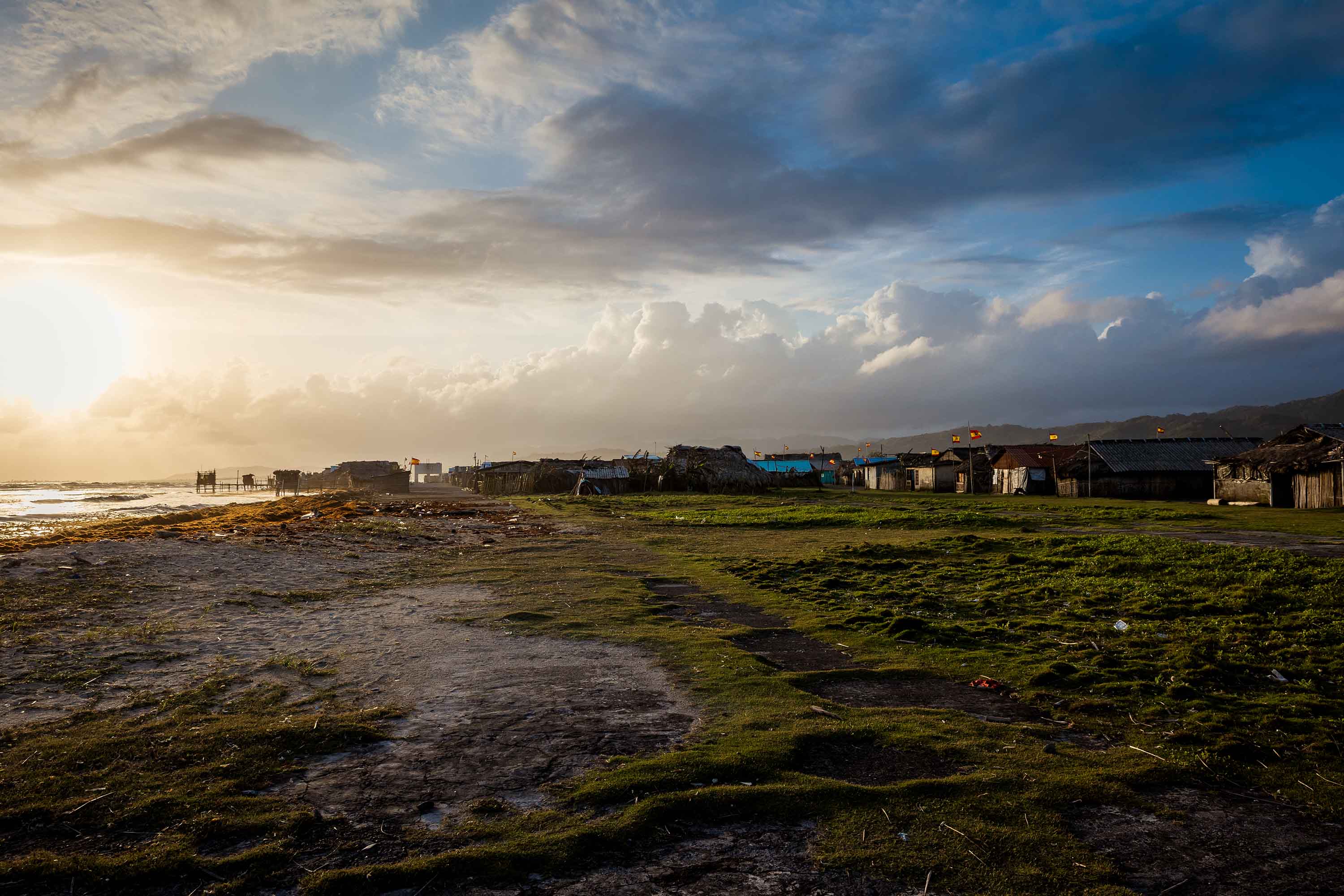
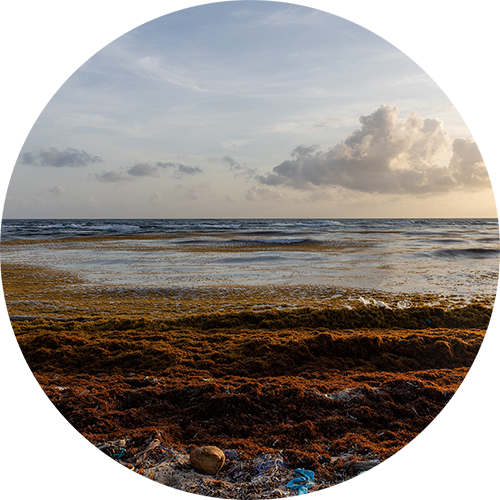
Located on the Caribbean coast of east Panama, this region is home to more than 32,000 people, most of whom belong to the Guna Indigenous People. This population is distributed across islands, coastal zones, and mainland areas. There, climate change has disrupted many of the cycles that sustain life: rising sea levels, erratic rainfall, and the intensification of extreme weather events are altering production and living conditions in one of Panama’s most vulnerable territories.