6th IPAF–IFAD Cycle (2022–2026)
ORGANIZATION
Kankuamo Indigenous Reserve
DIRECT BENEFICIARIES
520
INDIRECT BENEFICIARIES
350000

The project strengthened the comprehensive management of the Kankuamo People’s territory, combining environmental conservation, food sovereignty, and productive development. Almost 7,000 acres (2,800 hectares) were set aside for conservation; the areas were digitized and marked, and maps were distributed to educational institutions, while monitoring capabilities were enhanced with drones, binoculars, and tablets. The project established one hundred agroforestry plots, primarily benefiting women; two Seed Banks were created; and the Custody House was renovated, promoting traditional agricultural practices. In addition, value-added products were developed and marketed under the ANCHUKU brand, strengthening the local economy, cultural identity, and the production chain. These actions aim to increase the territory’s resilience, improve agro-food self-sufficiency, and consolidate indigenous governance within the framework of self-government and Kankuamo culture.

+ info
- info
Strategic ecosystems
PHOTOGRAPHYLismari Machado Wayuu Uliana
TEXTAndrea Fajardo
Kankuamo Indigenous Reserve / Cesar / Colombia

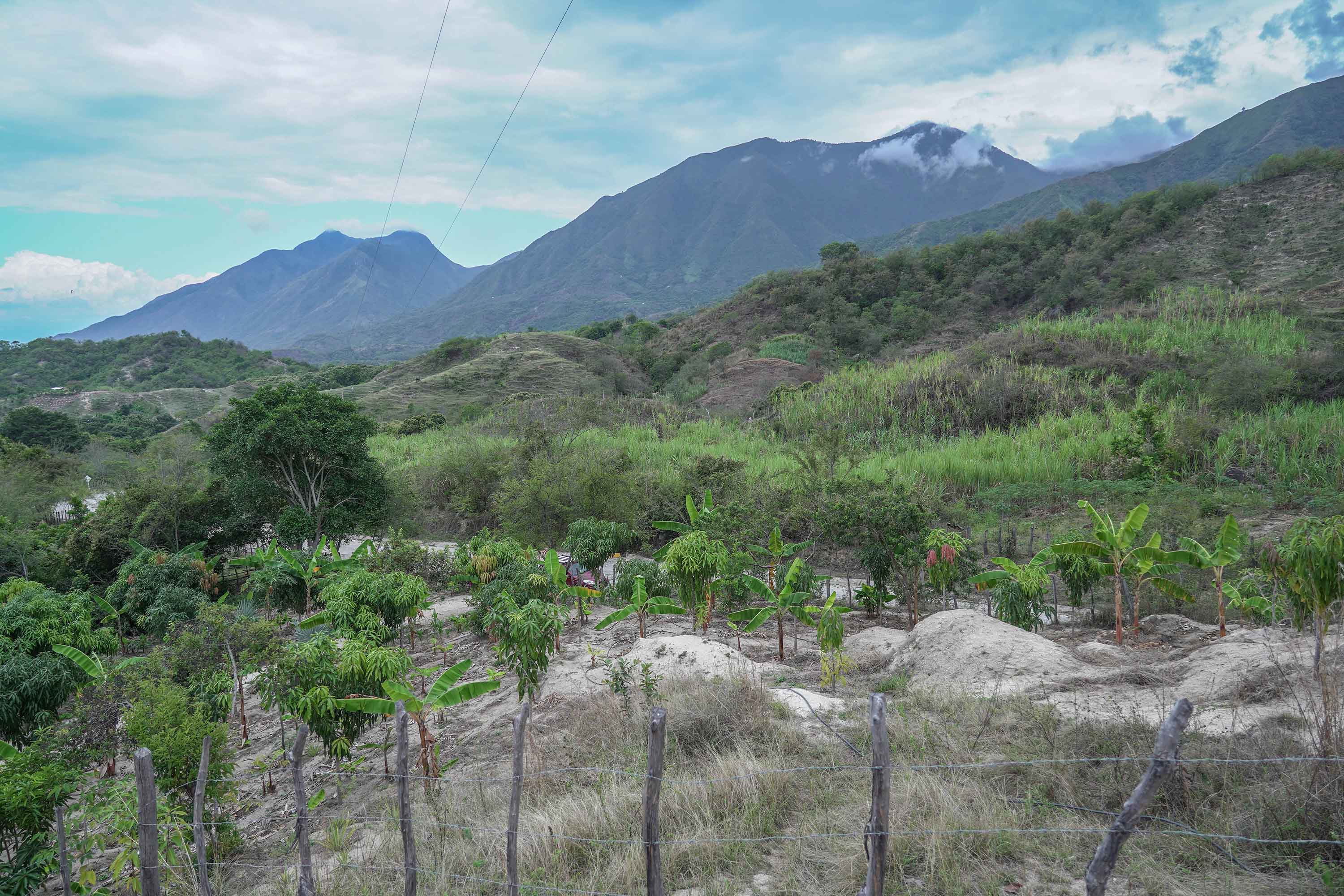
On the southeastern slopes of the Sierra Nevada of Santa Marta, the world’s highest coastal mountain, the Kankuamo Indigenous People monitor their forests using drones and GPS technology, while their women safeguard native seeds in a house that smells of wet soil. Two technologies working together with a single goal: to protect the territory and ensure it remains livable for future generations. 

According to data from the Humboldt Institute for Biological Research, the tropical dry forest is Colombia’s most threatened ecosystem and has lost nearly 90% of its original area. It is neither the most famous nor the most photographed, though it is the most degraded to date. What remains—less than one million hectares fragmented between the Caribbean, the inter-Andean valleys, and Orinoquía—currently faces conflicts with livestock ranching, extensive agriculture, and forest fires.
(1)

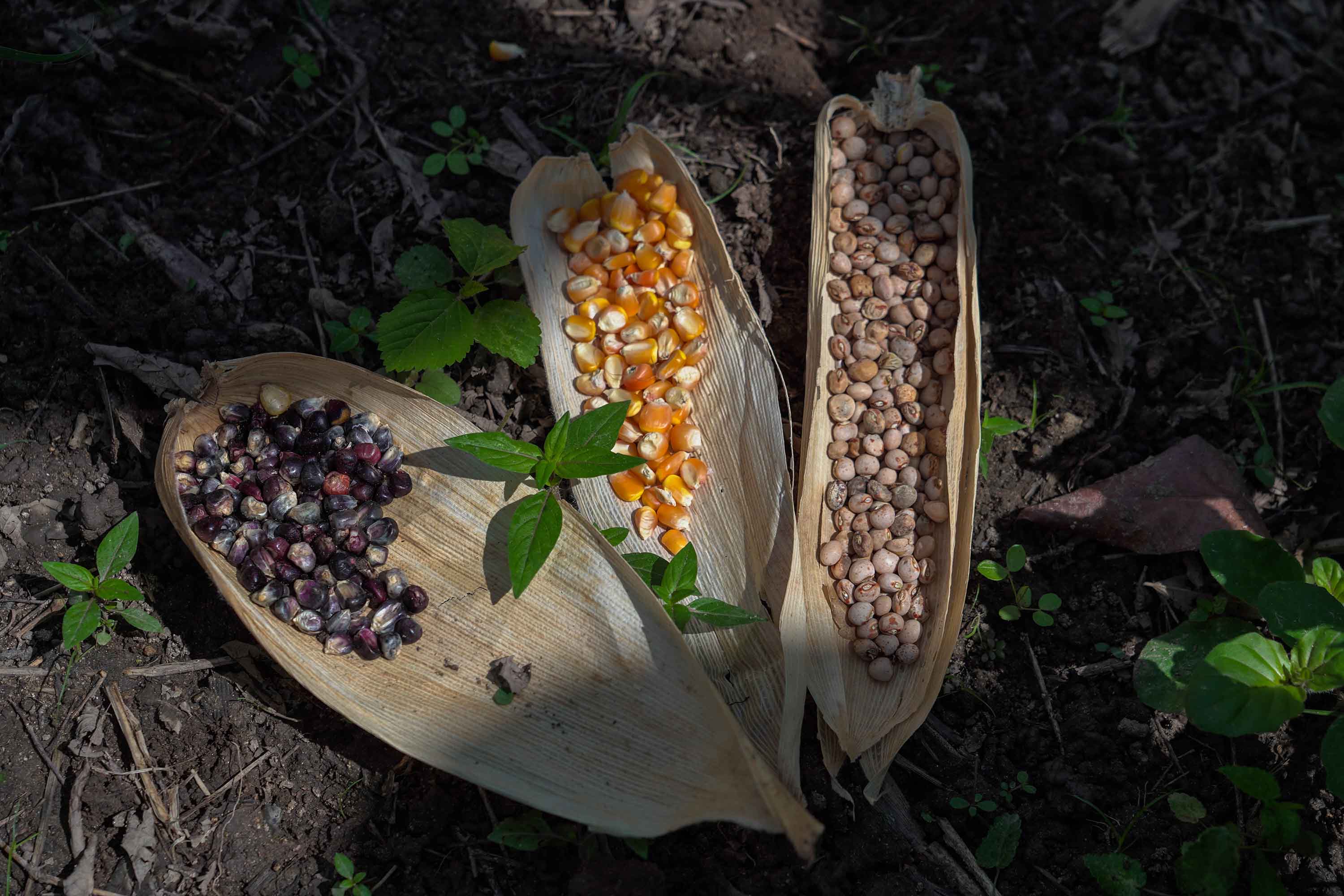
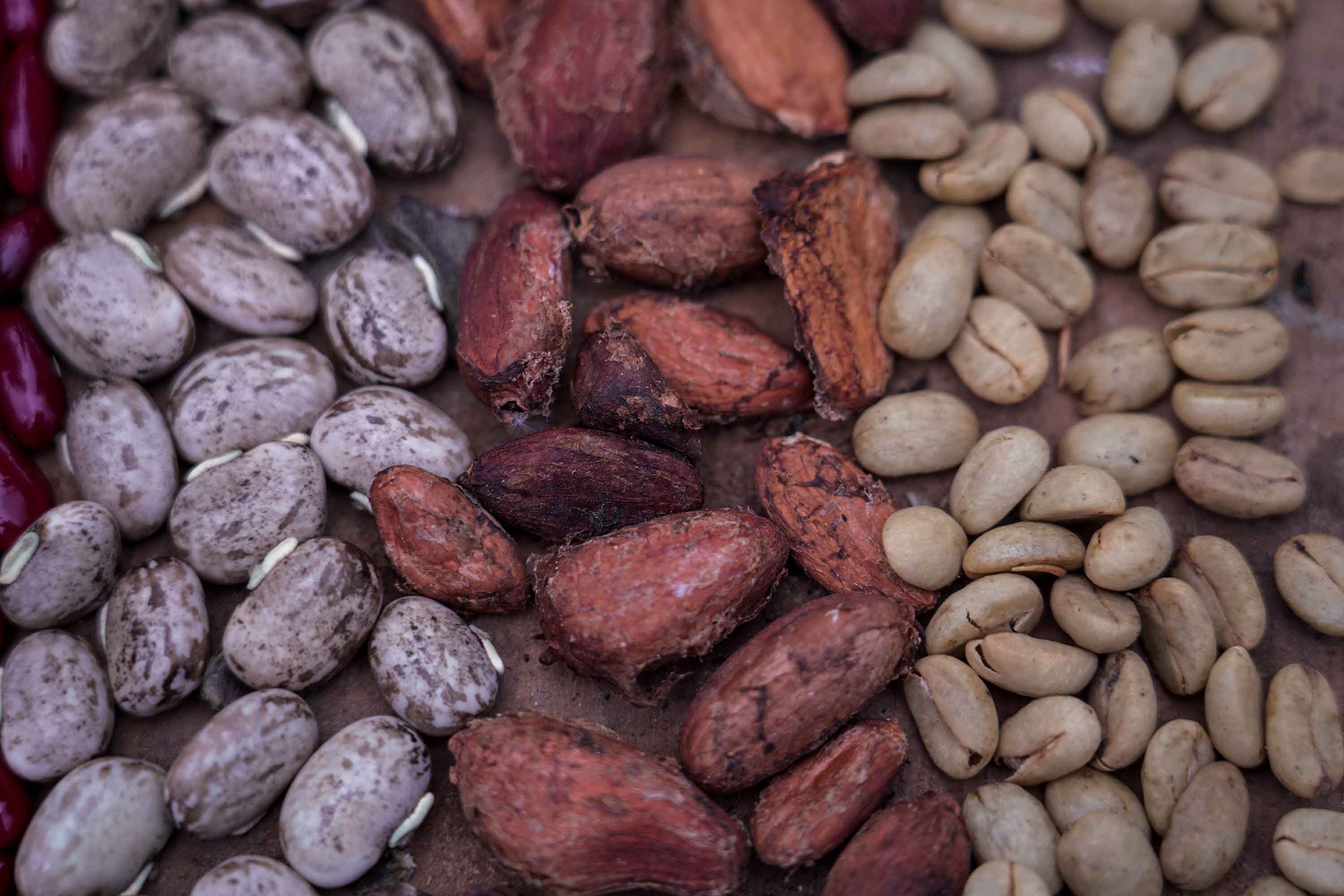
(1) The Kankuamo Indigenous Reserve is located on the southeastern foothills of the Sierra Nevada de Santa Marta, between the Guatapurí and Badillo river basins. (2) Coffee, cacao, milo beans, red beans, black-eyed peas, walma, squash, and rice. The diversity of seeds allows for the cultivation of crops adapted to the climate, the soil, and the families’ dietary needs.

The Kankuamo Reservation, located between the Guatapurí and Badillo river basins, in the department of Cesar, covers 24,212 hectares and has a population of approximately 14,000 people. In recent years, its residents have watched as the forests have been disappearing, river basins no longer have the same flow, and wildlife and plant life have declined without any systematic way to measure the damage, much less stop it.

This change in the territory is what the project Conservation of Strategic Ancestral Ecosystems of the Kankuamo People set out to address. Supported by the International Indigenous Women’s Forum (FIMI) and using funding from the International Fund for Agricultural Development (IFAD), through its Indigenous Peoples’ Assistance Facility (IPAF), the residents of the Kankuamo Reserve have implemented the use of drones, GPS, data-logging tablets, a native seed bank, agroforestry plots, and created their own brand of dietary supplements made from local products. 

The Territory and Environment Commission of the Kankuamo Indigenous Council is the project’s driving force. It is this commission that patrols, monitors, and makes decisions regarding which areas are conserved and which are designated for food production. Previously, the commission operated with the resources at its disposal: foot patrols, direct observation and informal reports. Now it operates with a drone, long-range binoculars, and tablets that store a digitized map of the reserve.

(3)
(4)
(5)
(6-a)
(6-b)
(6-c)
(6-d)

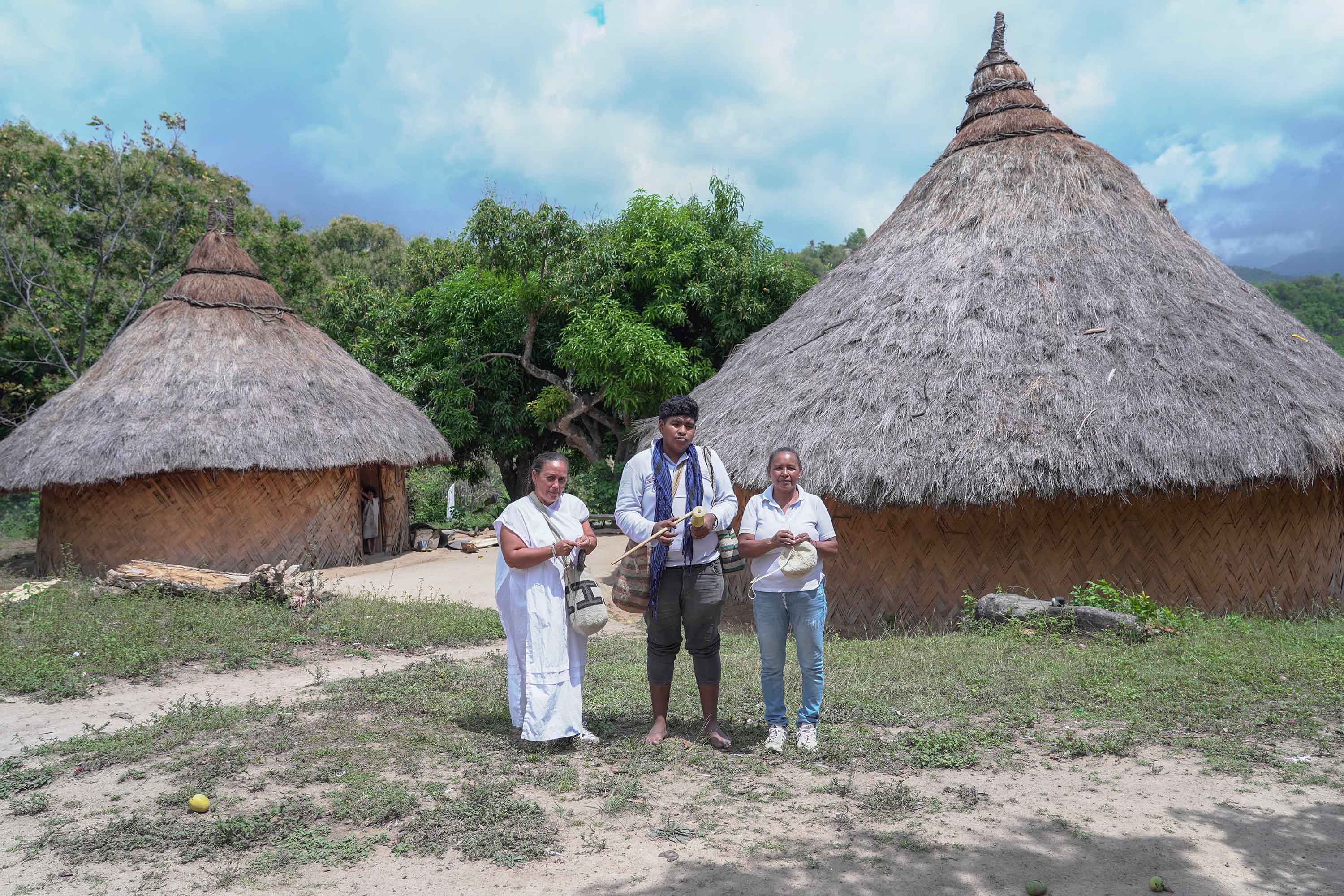
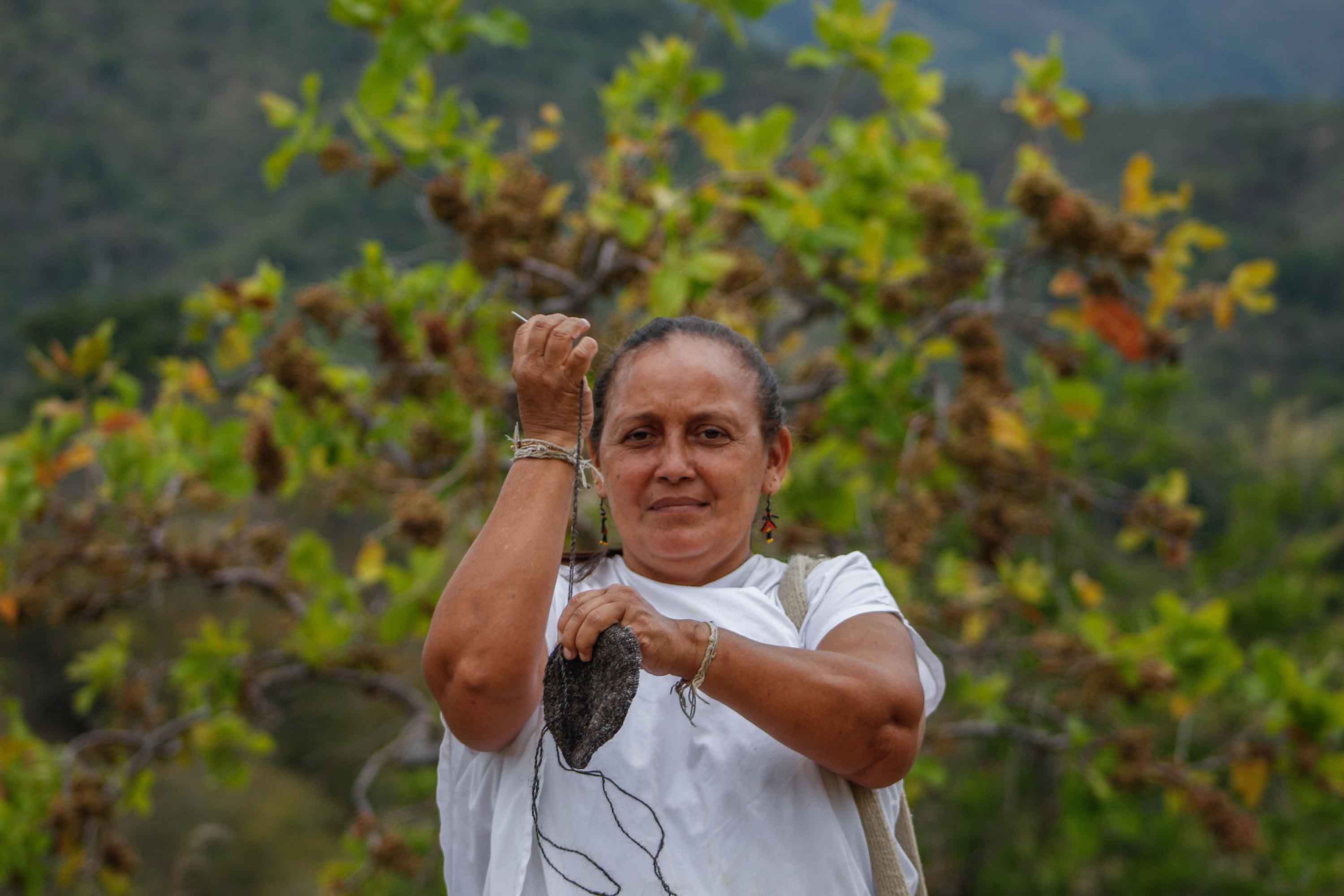
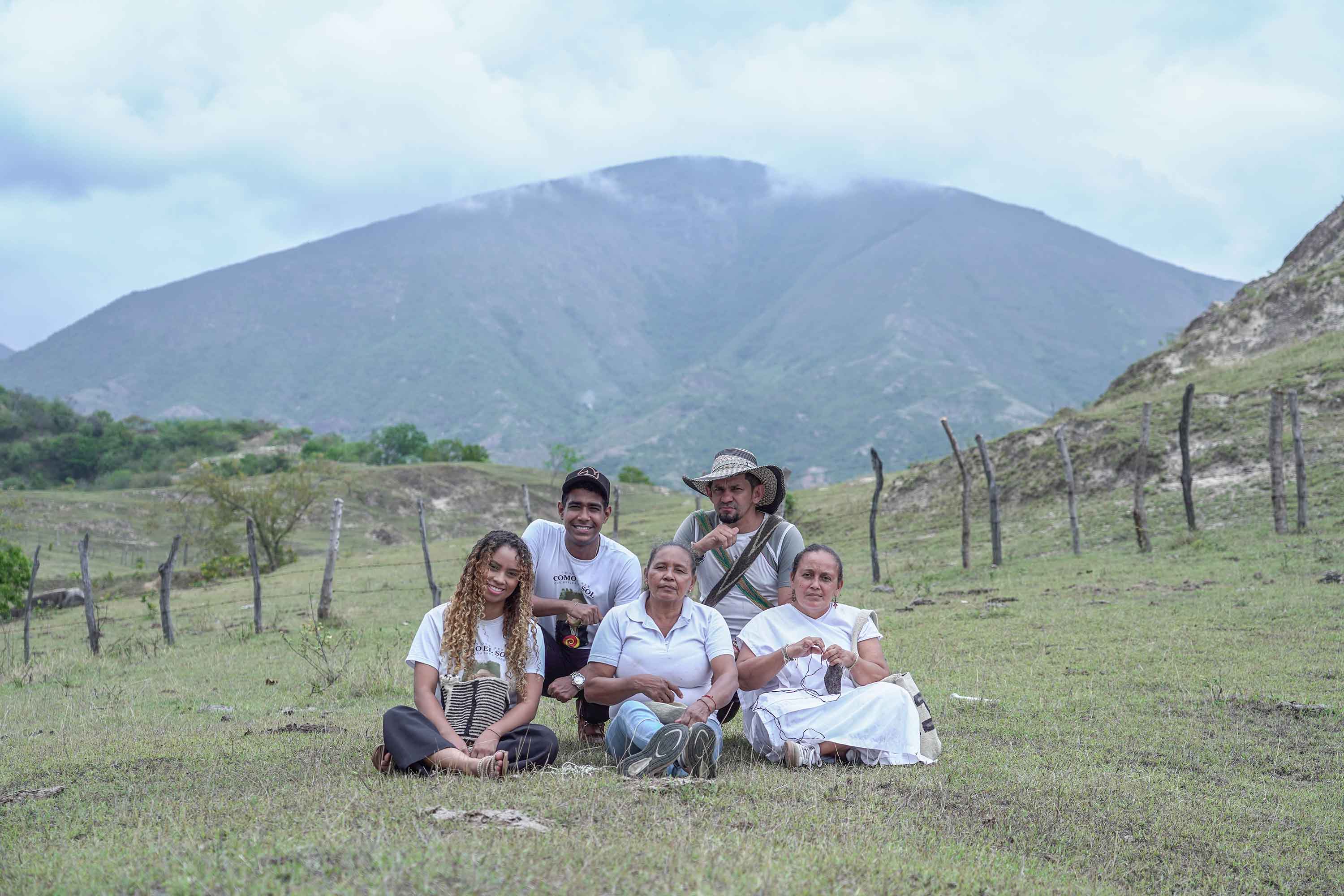
(3) Community members in front of the kankurua kankuama, a spiritual and traditional space for gathering, reflection, and the transmission of collective thought. (4) Coffee fruit. (5) Naires Arias. Women play a central role in seed care, food production, and the continuity of agricultural knowledge. (6 a-b-c-d) Seeds preserved for planting, exchange, and reproduction.

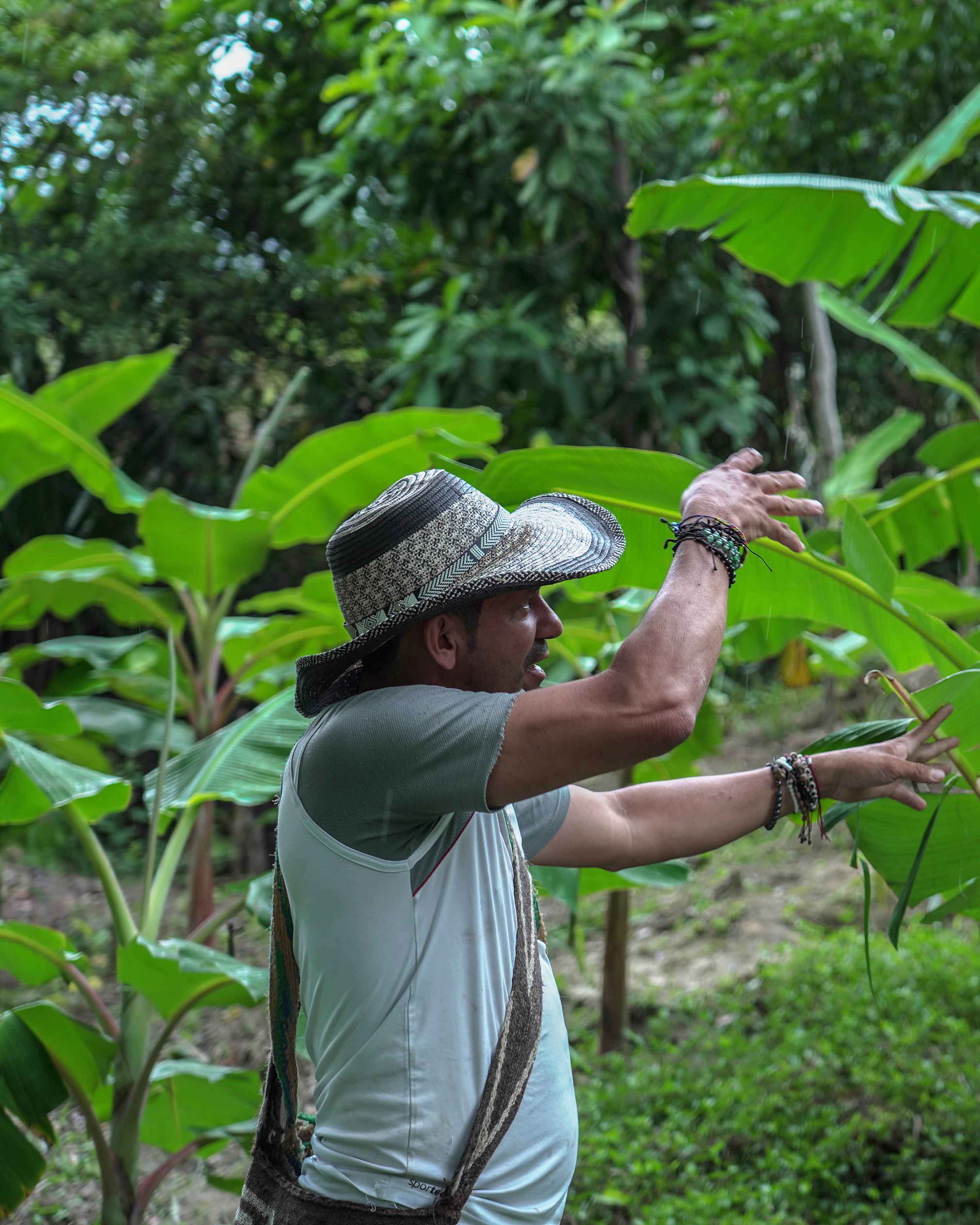
Farith Fuentes, a Kankuamo Indigenous leader, learned from his grandparents how to care for forests, rivers, and wildlife of the Sierra Nevada de Santa Marta. He explains that strategic areas have been physically marked within the territory and maps have been distributed to the communities’ educational institutions so that children grow up knowing exactly which parts of their land are under protection and why.

The Sierra Nevada de Santa Marta is home to the ancestral territories of the Kankuamo, Arhuaco, Wiwa, and Kogui Peoples, who share responsibilities for its care.

Kankuamo authorities formally designated 2,800 hectares for conservation, a decision that emerged from their own territorial governance process, guided by mamos (spiritual elders) and endorsed by the council authorities who defined the project’s guidelines before any activities began.

“With the tracking and monitoring strategy, we’ve seen a significant decrease in burning and, in some cases, logging, because our biodiversity was very fragile—there were many fires,” Farith says. “Today we’re seeing a reduction in that, also supported by the environmental education strategy we’ve incorporated.”

The decrease in fires is a particularly important indicator for the Kankuamo territory, as dry tropical forests are especially vulnerable to fire during drought season. For years, this vulnerability compounded human pressure and extractive activities that accelerated the loss of tree cover.

Less than 10% of Colombia’s tropical dry forest remains, making it one of the country’s most threatened ecosystems.

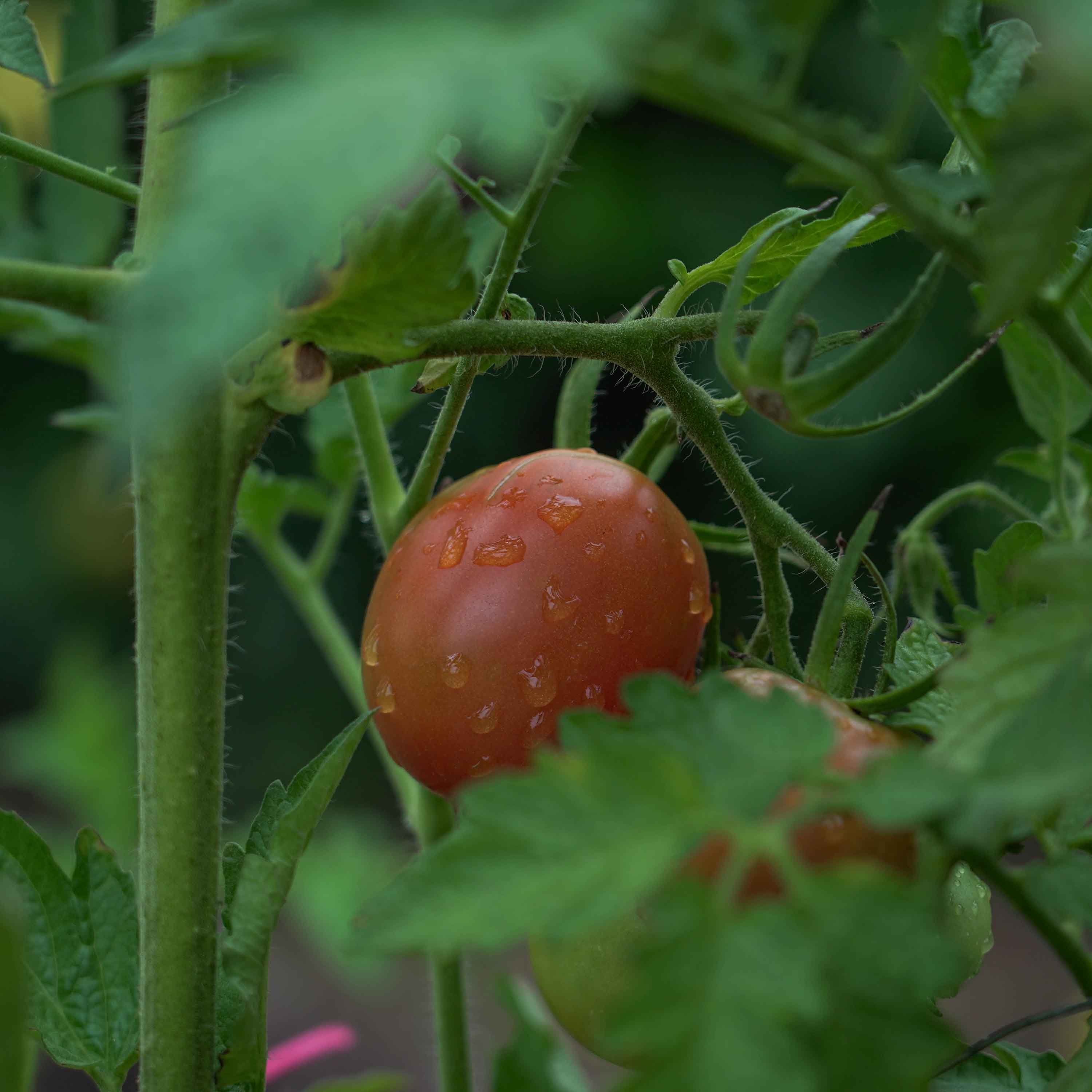
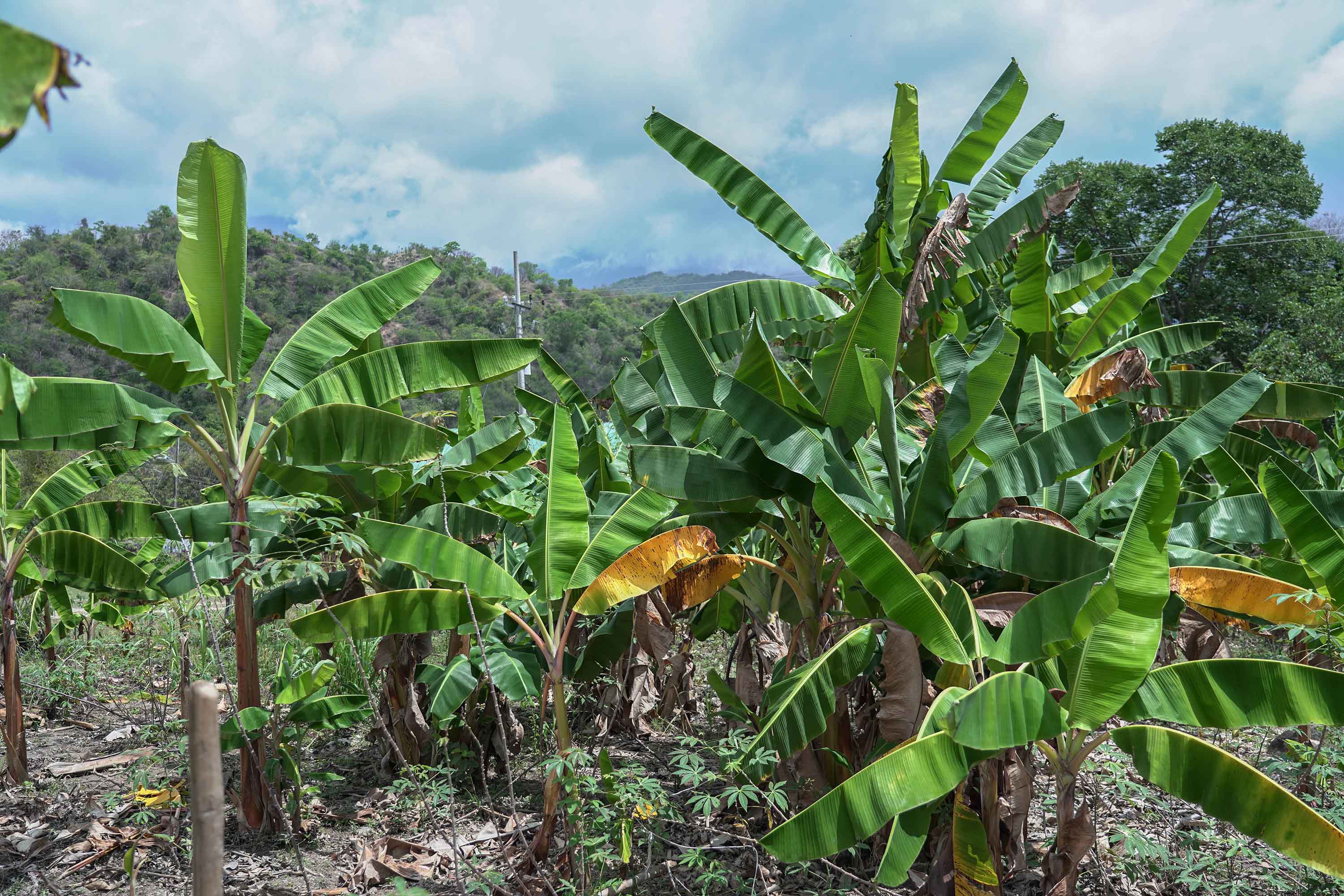
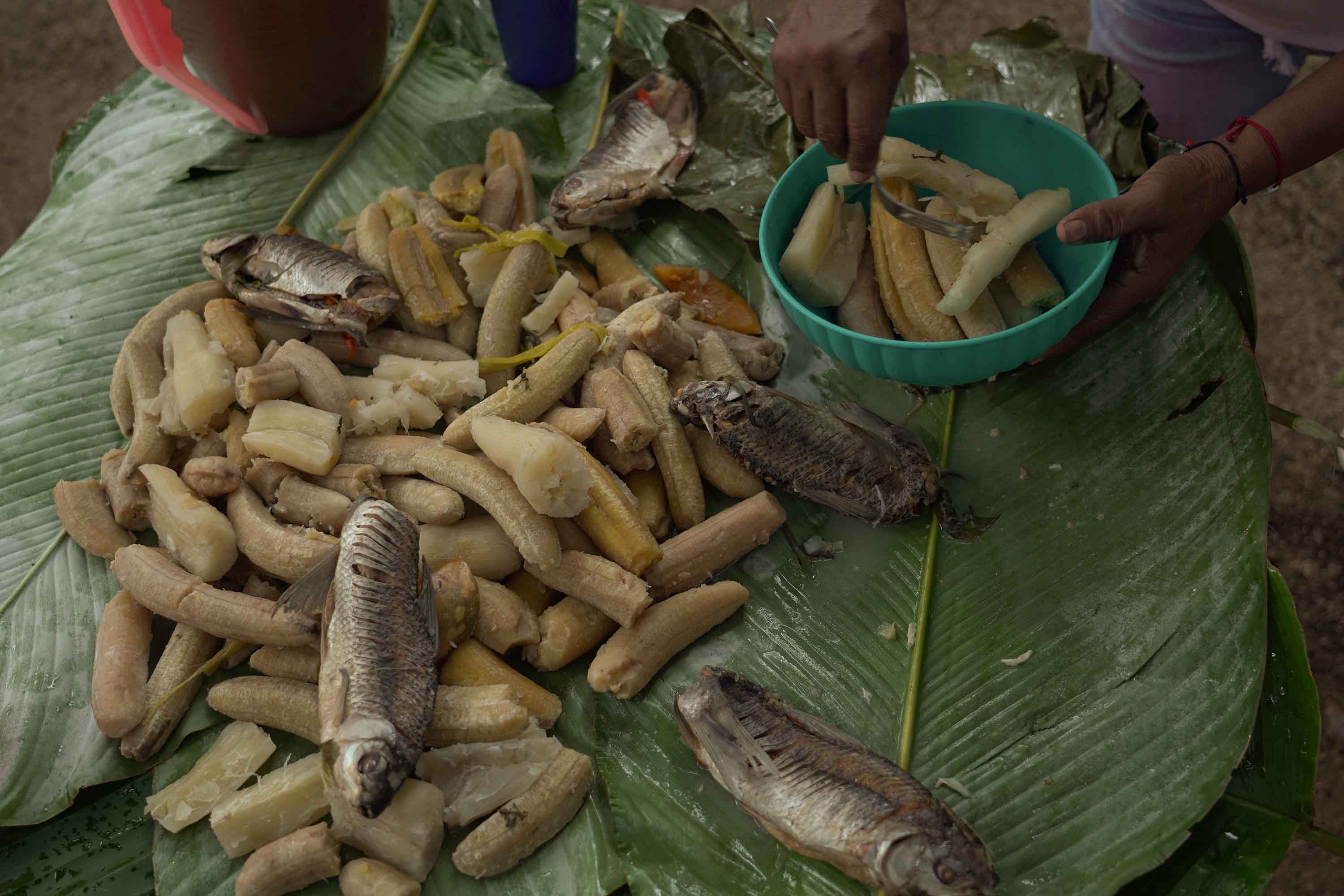
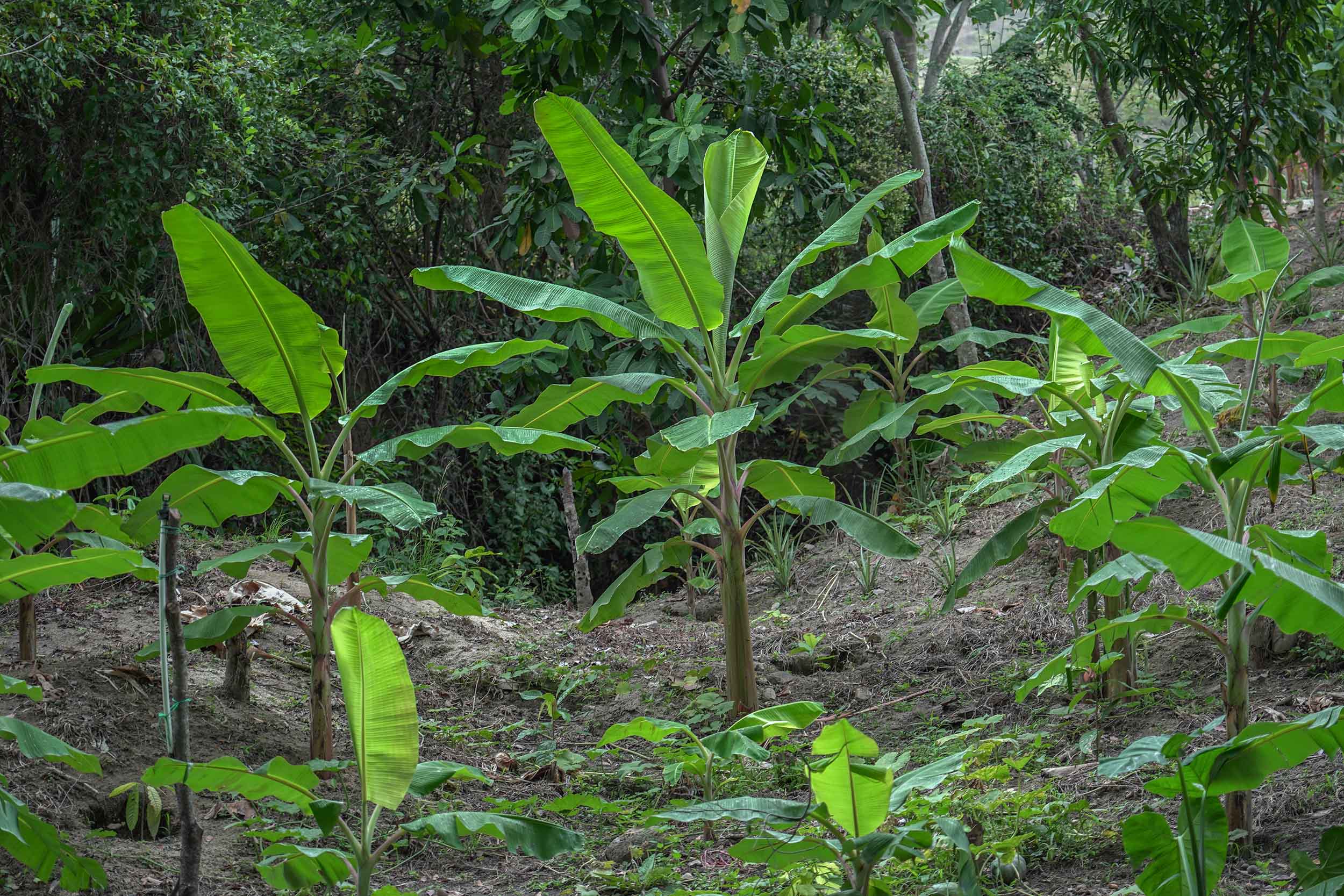
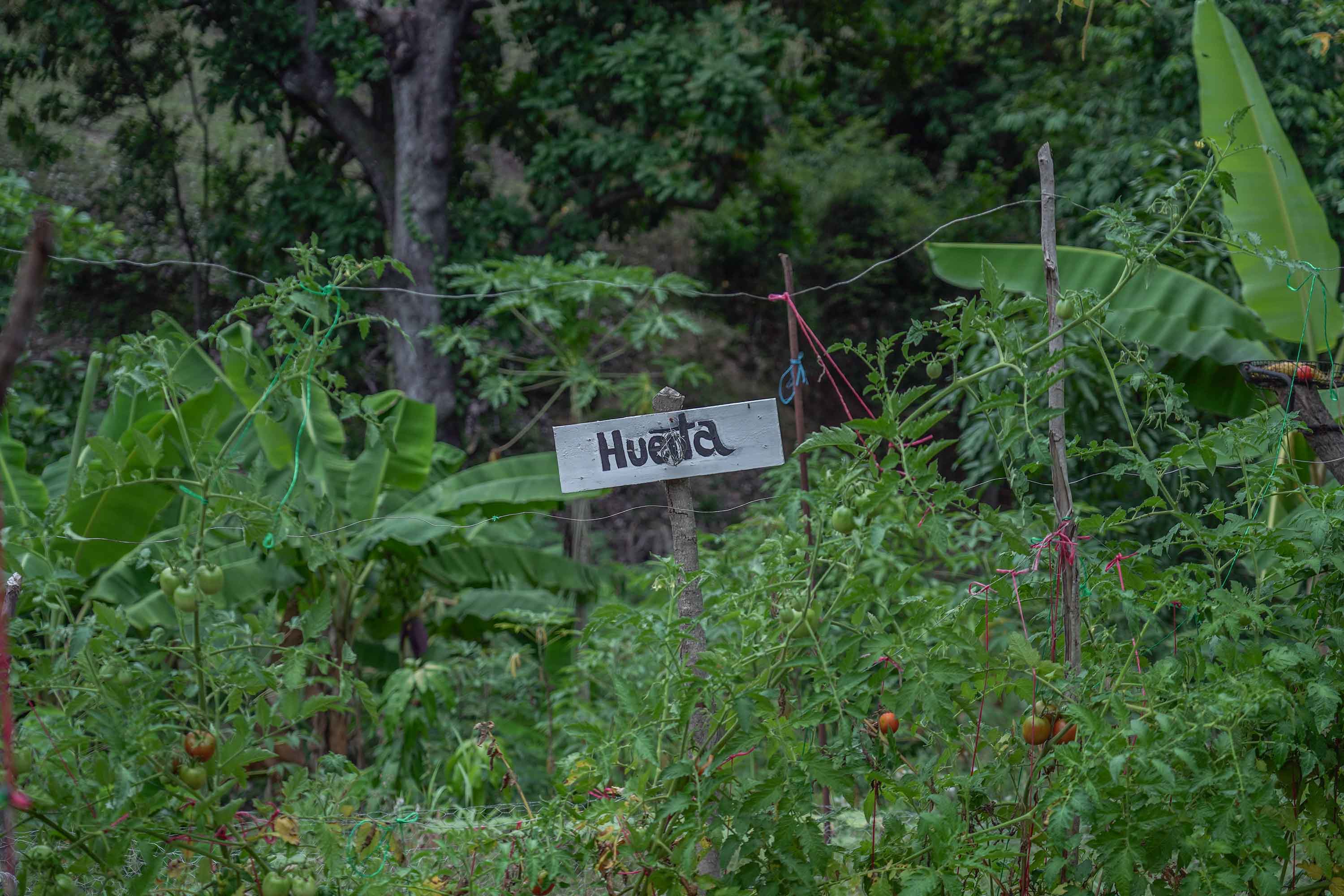
Farith explains how food sovereignty is the second pillar of this project and the most tangible one. One hundred agroforestry plots were established for one hundred Kankuamo families, with women as the primary beneficiaries. On each plot, cedar timber trees grow alongside mangoes, soursop, cassava, plantains, beans, and corn. These are diversified systems that mimic, on a household scale, the logic and natural processes of the forest. The first corn and bean harvests, timed according to the lunar calendar, arrived in November, and families’ food production increased by at least 30%.
At the heart of this component is the House of Custody, where the two Native and Creole Seed Banks established by the project are kept. There, seeds of corn, beans, squash, yams, and plantains—native to the region—are sorted, preserved, and distributed among families. The system operates through barter: those who receive seeds do not pay with money but return seeds at the next harvest. “Today, having a seed bank is proving useful to many families who didn’t know how to obtain seeds from this same territory,” Farith adds.

This circular seed economy is, at its core, a living archive. Each preserved variety is genetic information that cannot be recovered once lost, and it is also a record of agricultural practices that know how to interact with the Sierra Nevada soil.

The Kankuamo People designated 2,800 hectares of their territory for conservation through agreements established by their own traditional authorities.

Complementing this effort is the region’s connection to markets. Under the ANCHUKU brand—a concept referring to a protective spirit or ancestral energy—the Kankuamo people developed two value-added products made from their own food: a Kankunche dietary supplement for children and adults, and a fish feed supplement, both of which are already being sold in local markets. These are products that reflect the territory’s identity and generate income that circulates within the community’s economy.

This production chain—from seed to plot, from plot to processed product, and from product to market—is the Kankuamo Reservation’s greatest long-term commitment. Farith is clear in that the most lasting changes cannot be measured in sales, but rather in the ability to make independent decisions regarding territory: “Thanks to this project, actions for territorial demarcation were proposed that aimed at protecting water resources within the framework of the commission’s organizational strengthening.”

The Kankuamo community carries a recent history marked by violence. The armed conflict that ravaged the reserve between the 1980s and the first decade of the 2000s left more than 300 dead and displaced over 40% of its population, according to information from the “Hacemos Memoria” research unit at the University of Antioquia. In 2009, Colombia’s Constitutional Court included the Kankuamo among the peoples at risk of physical and cultural extermination; thus, a territorial planning project, seed banks, drone monitoring, and a brand of their own products speak volumes about the recovery of a people who learned to organize themselves under extreme conditions.

When Farith talks about what he hopes to see in that territory ten years from now, his answer is clear: “That we continue to share how wisdom from traditional, spiritual, and material sources has sustained efforts to conserve the forests, and how we can use new technologies to enhance that ecological and cultural value. And that young people, women, and children are the ones making the best decisions regarding conservation.”

A drone flying over the dry forest, native seeds in a seed bank, and a hundred families harvesting corn according to the lunar calendar; this is how the Kankuamo people have shown that they do not wait for someone else to come and care for and conserve their land. Rather, they are the ones who have been doing it on their own for years.