In the municipality of Totogalpa, home to the Chorotega Indigenous People in northern Nicaragua, families have spent years watching their gardens dry up, witnessing their plots of land stop producing goods, and having to choose between using water for cooking or to water their crops. “If we had the means to store water during the rainy season, we could use it for our gardens and ensure food for our children.” Harold Carozo says this as a collective testimony that Totogalpa families shared with him while providing support and management as director of ALDEMA, an organization that works with rural and Indigenous families in this region.
Gardens and forests resisting drought
PHOTOGRAPHYFreidell Urbina M.
TEXTAndrea Fajardo
Municipality of Totogalpa / Madriz / Nicaragua
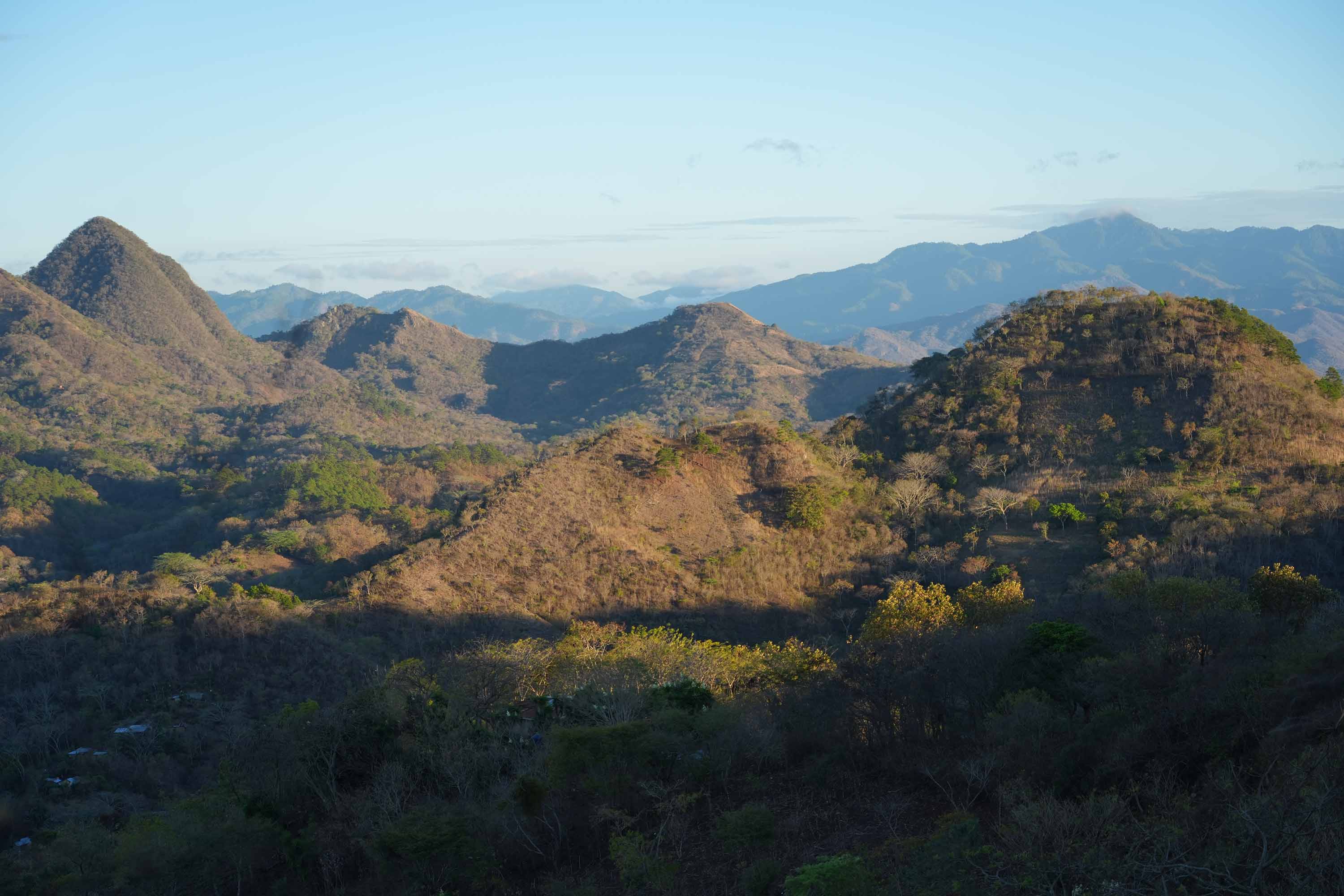
Totogalpa is a municipality that forms part of the so-called Central American Dry Corridor, a strip stretching from southern Mexico to Panama. This area suffers from recurring droughts and extreme rainfall, situations only exacerbated by poverty and the degradation of natural resources. Its population, composed mostly of rural and indigenous people, spreads across high, mid, and lowland areas where climate changes within a few kilometers, yet they all share the same vulnerability: not enough water to sustain food production.
With the support of the International Indigenous Women’s Forum (FIMI) and funding from the International Fund for Agricultural Development (IFAD), through its Indigenous Peoples Assistance Facility (IPAF), the ALDEMA organization implemented a water conservation and harvesting project in five communities in Totogalpa: Tilan, Mamel, El Chagüite, Las Minas, and Matasano.
The project formally began in January, 2024 with several components: reforestation, family gardens, and community strengthening. But upon closely observing the territory and the families’ needs, it ultimately centered on a more fundamental problem: how to produce food in a place where water is not guaranteed.
Even before any intervention occurred, the signs were visible. For the communities in central Totogalpa, where the heat is most intense, the family diet was incomplete.

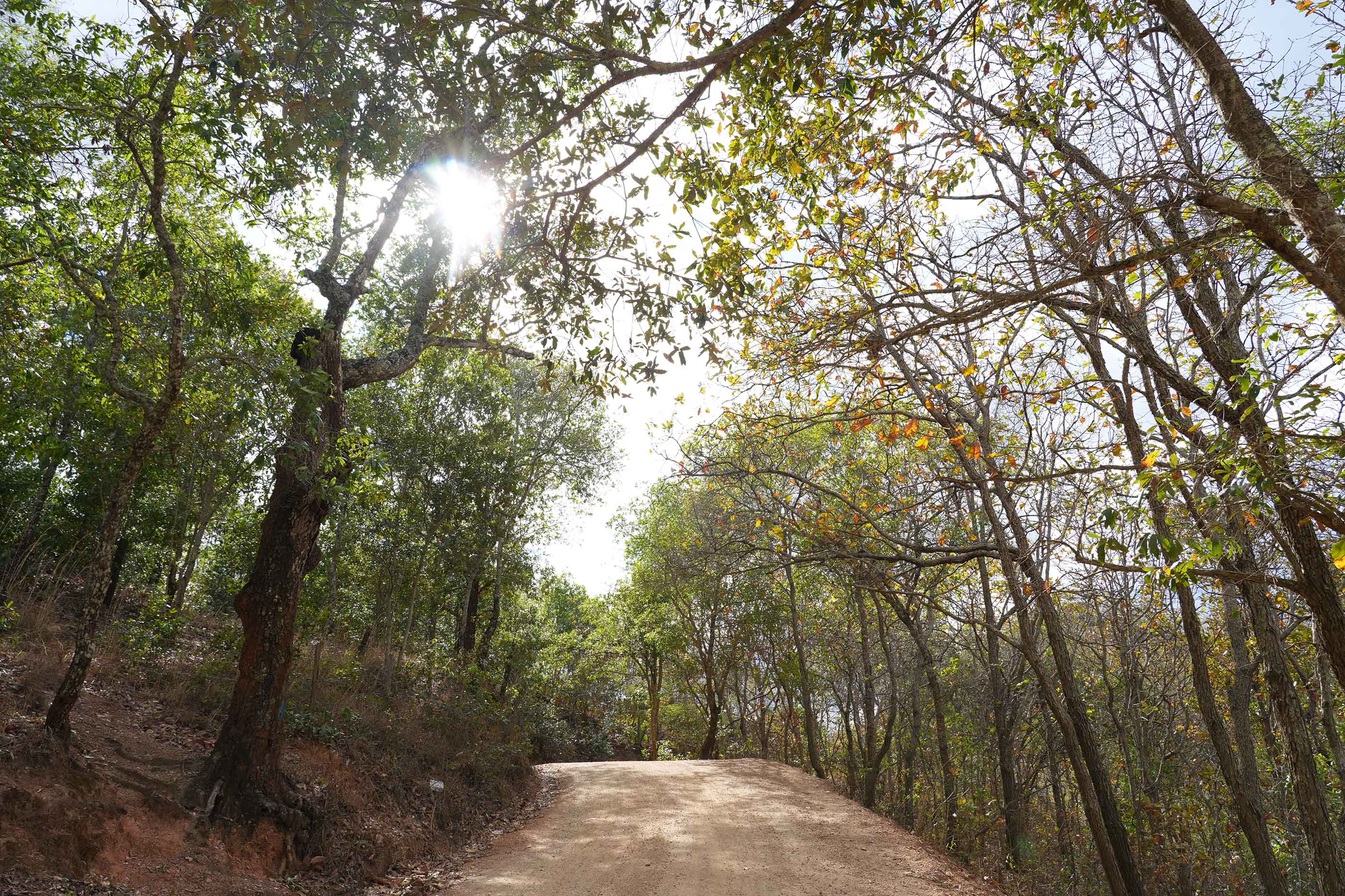
(8)
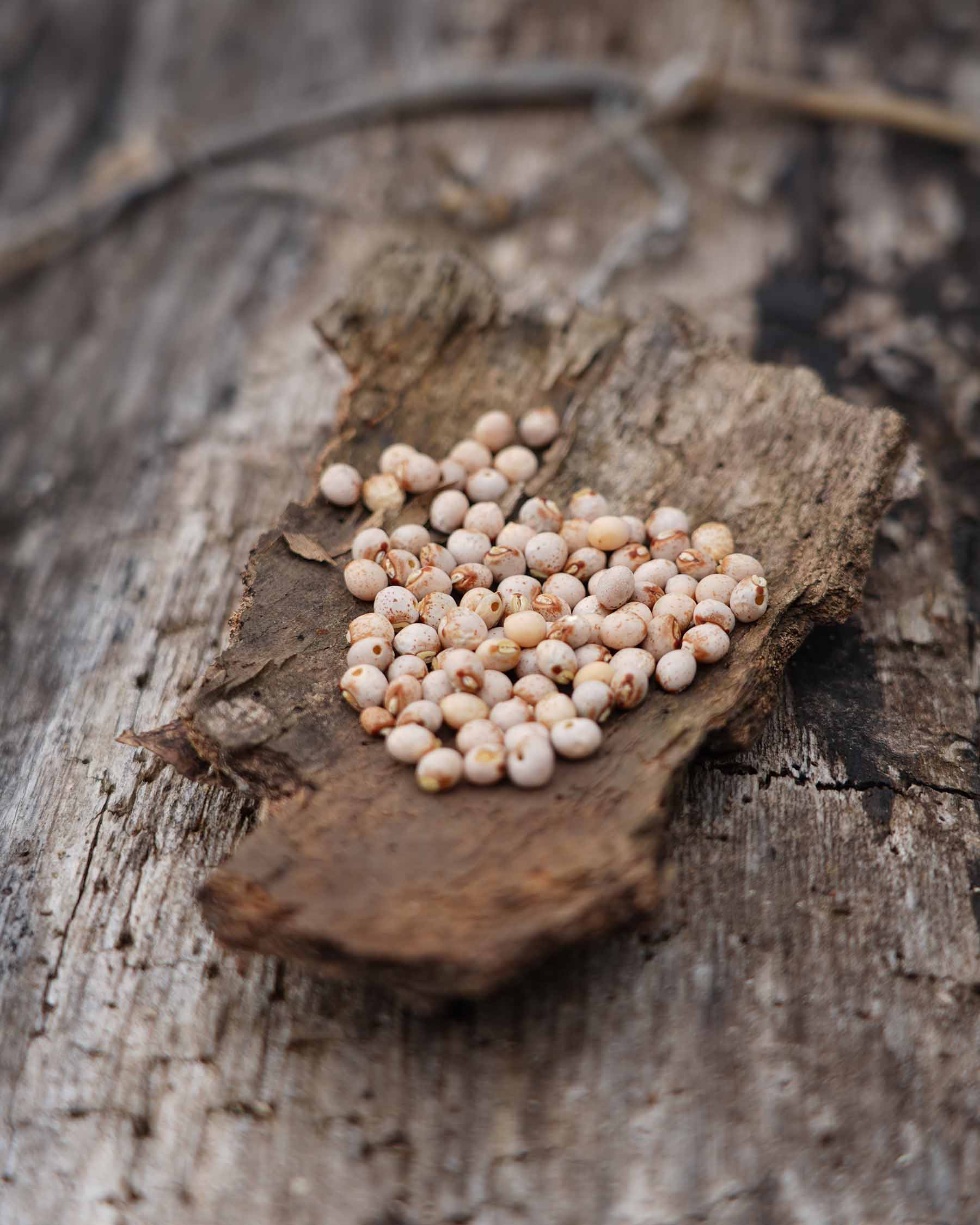
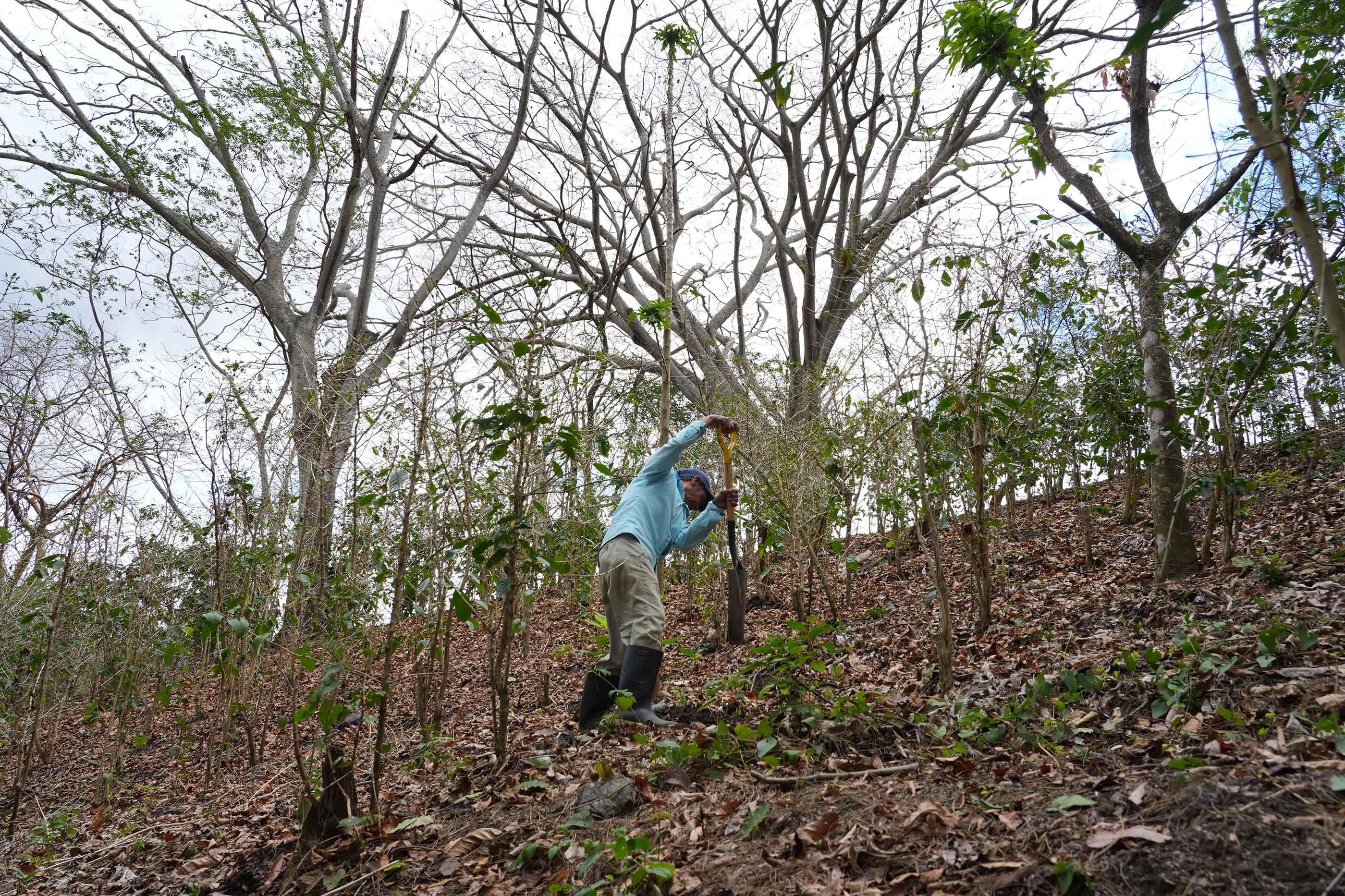
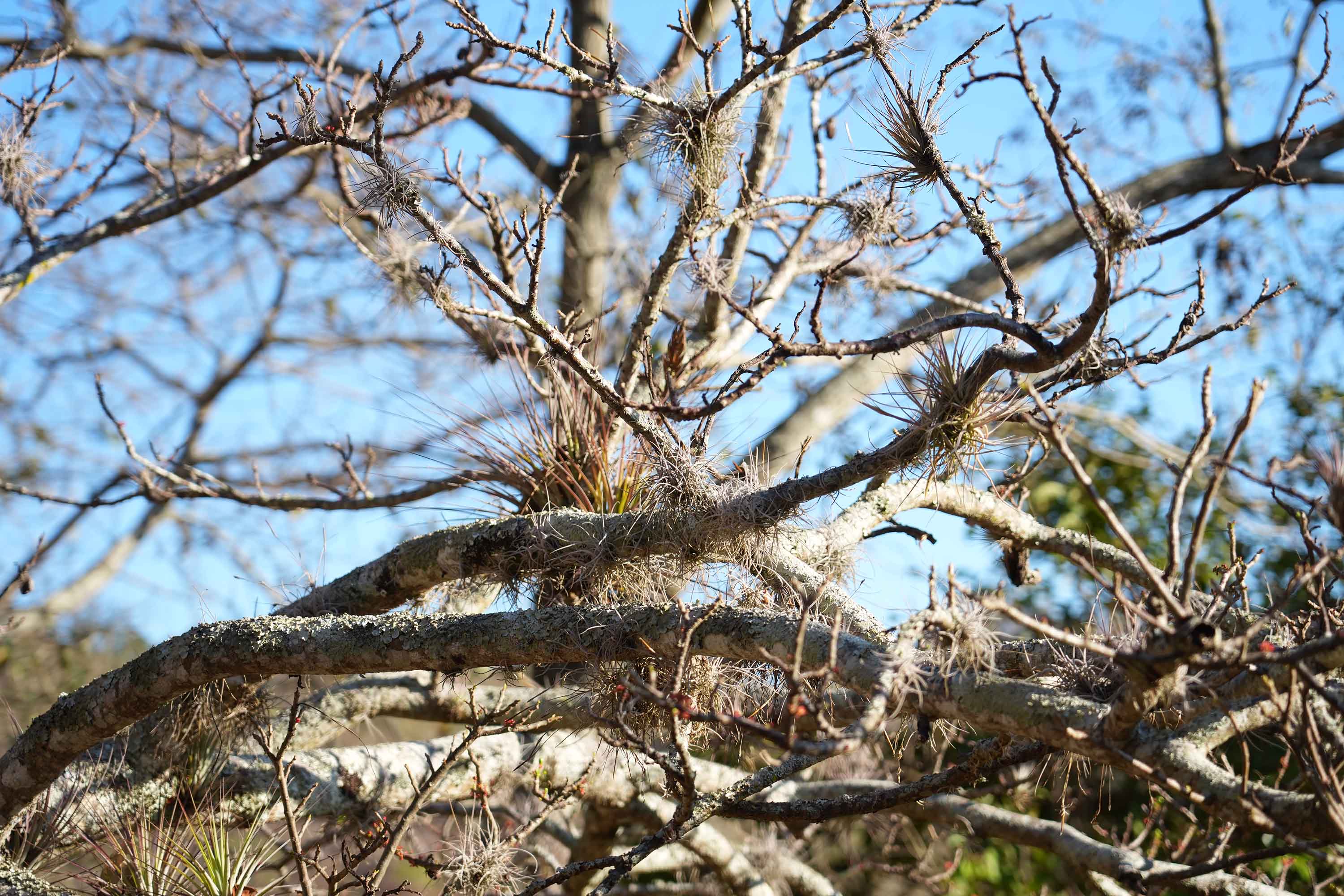
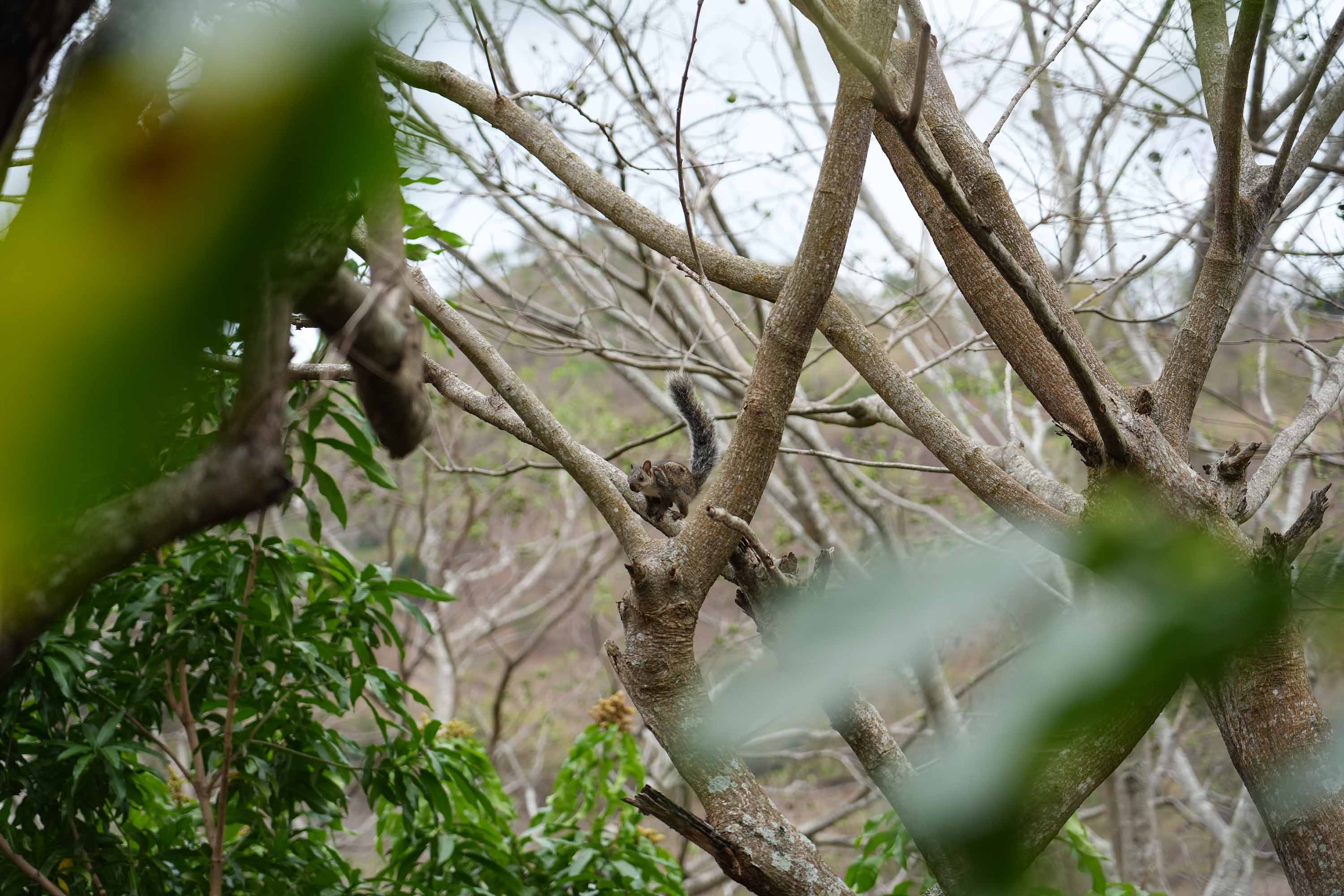
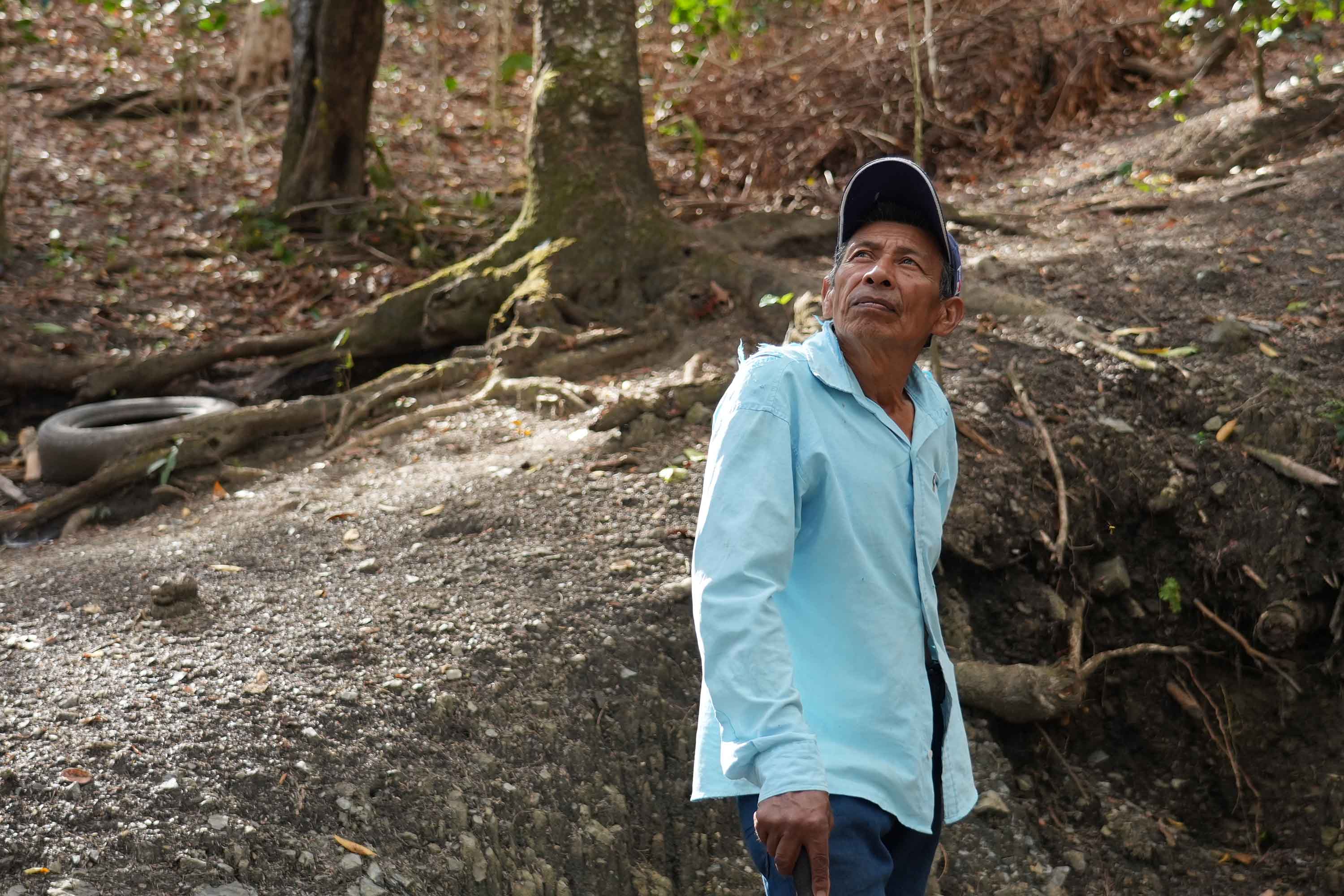
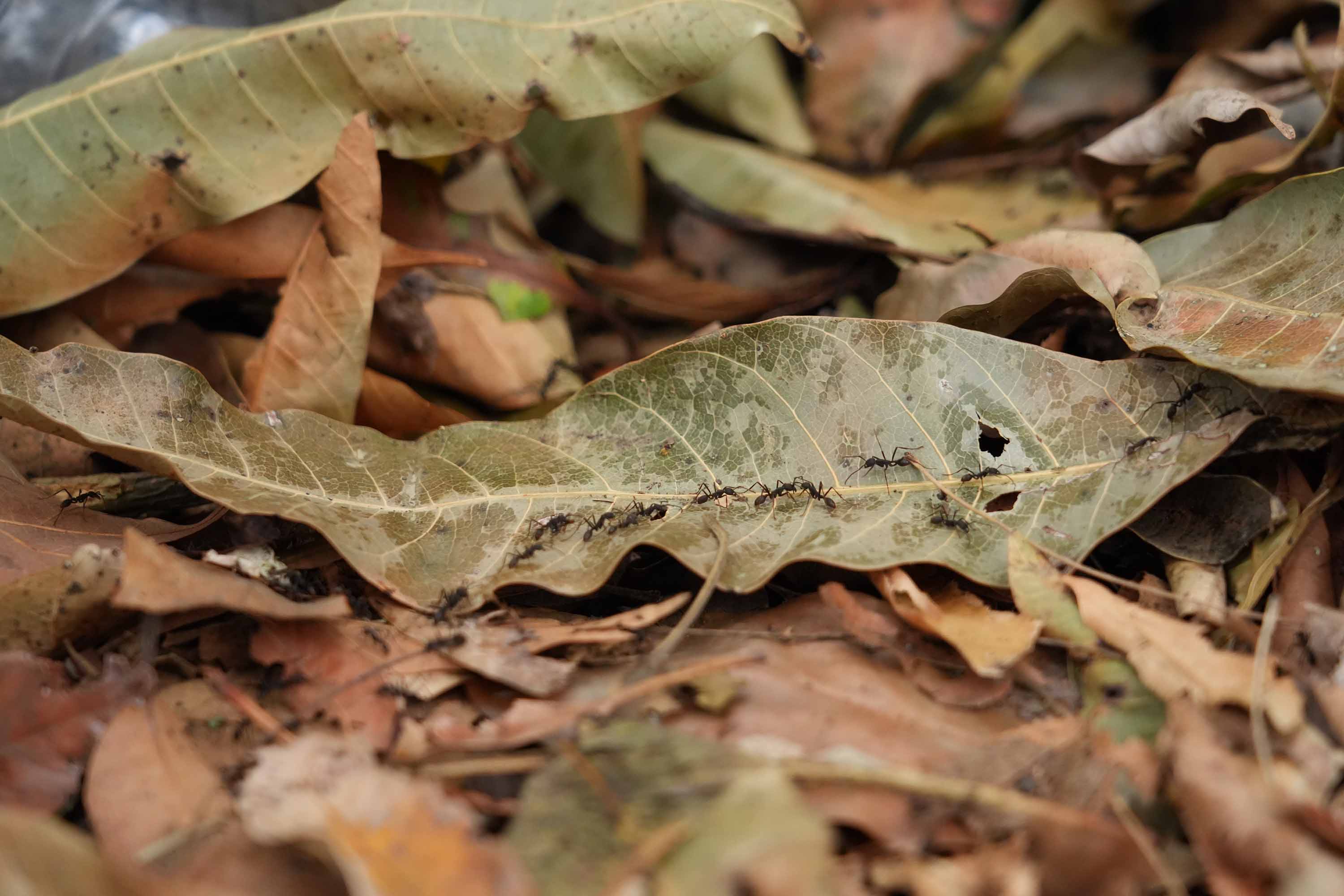
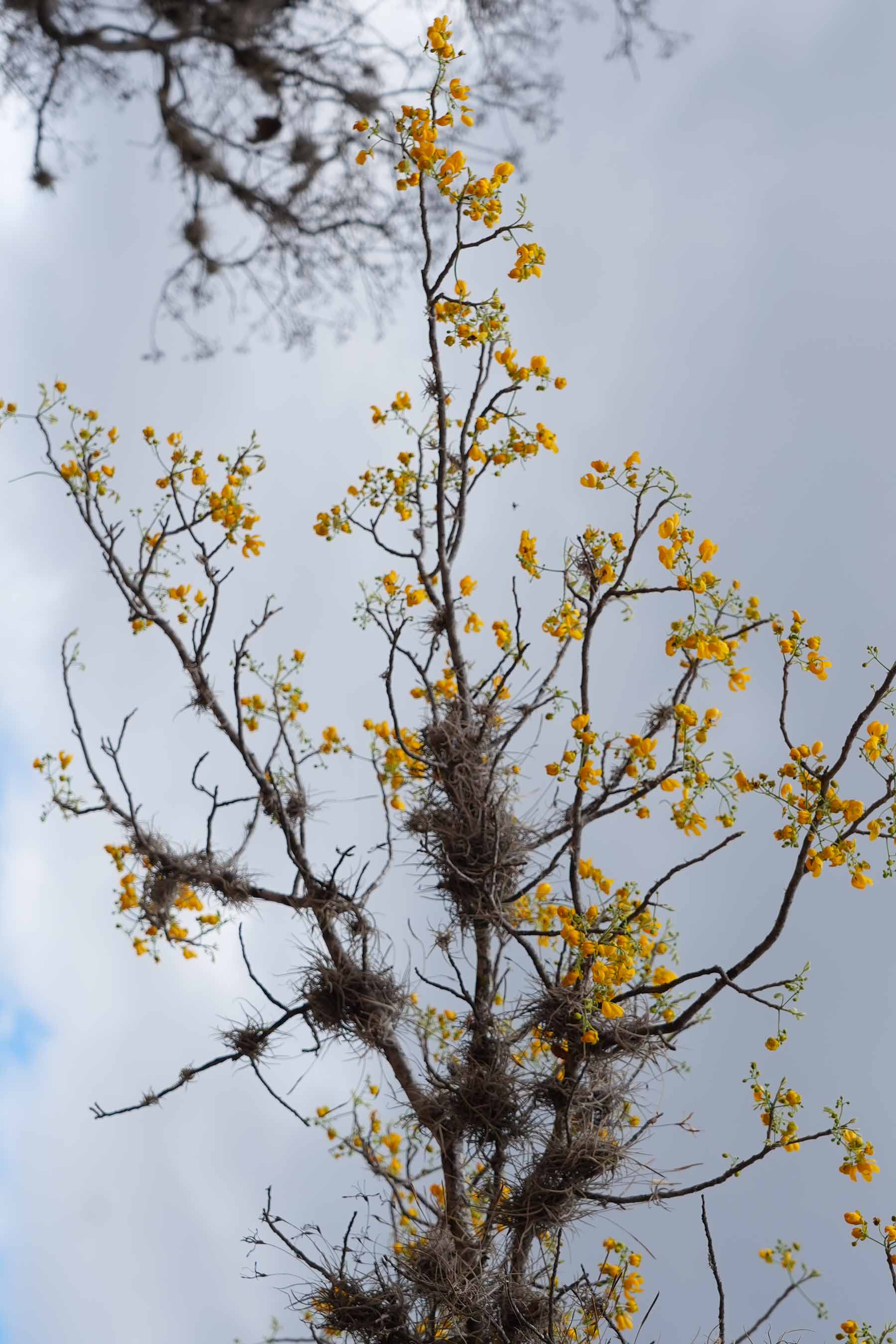
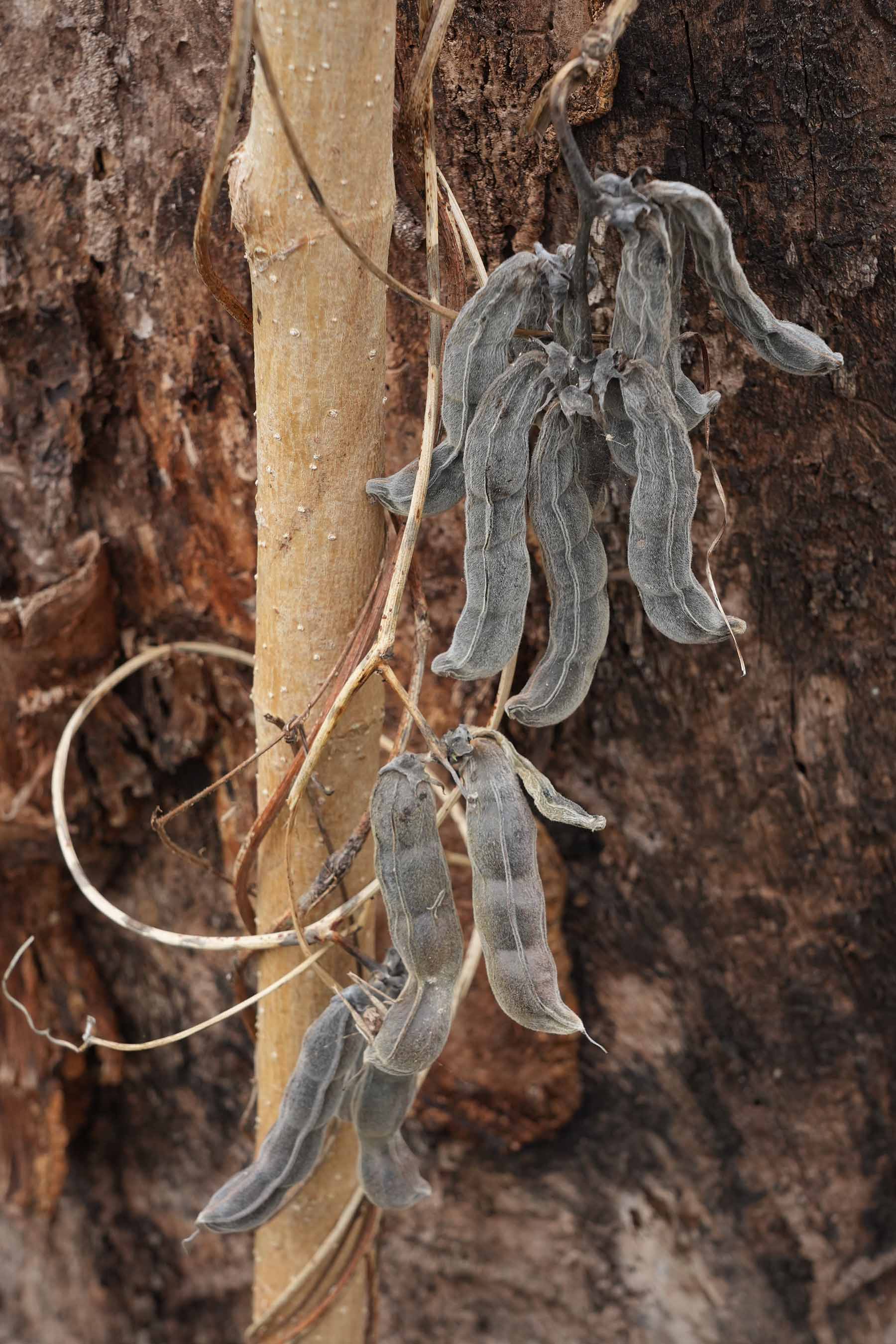
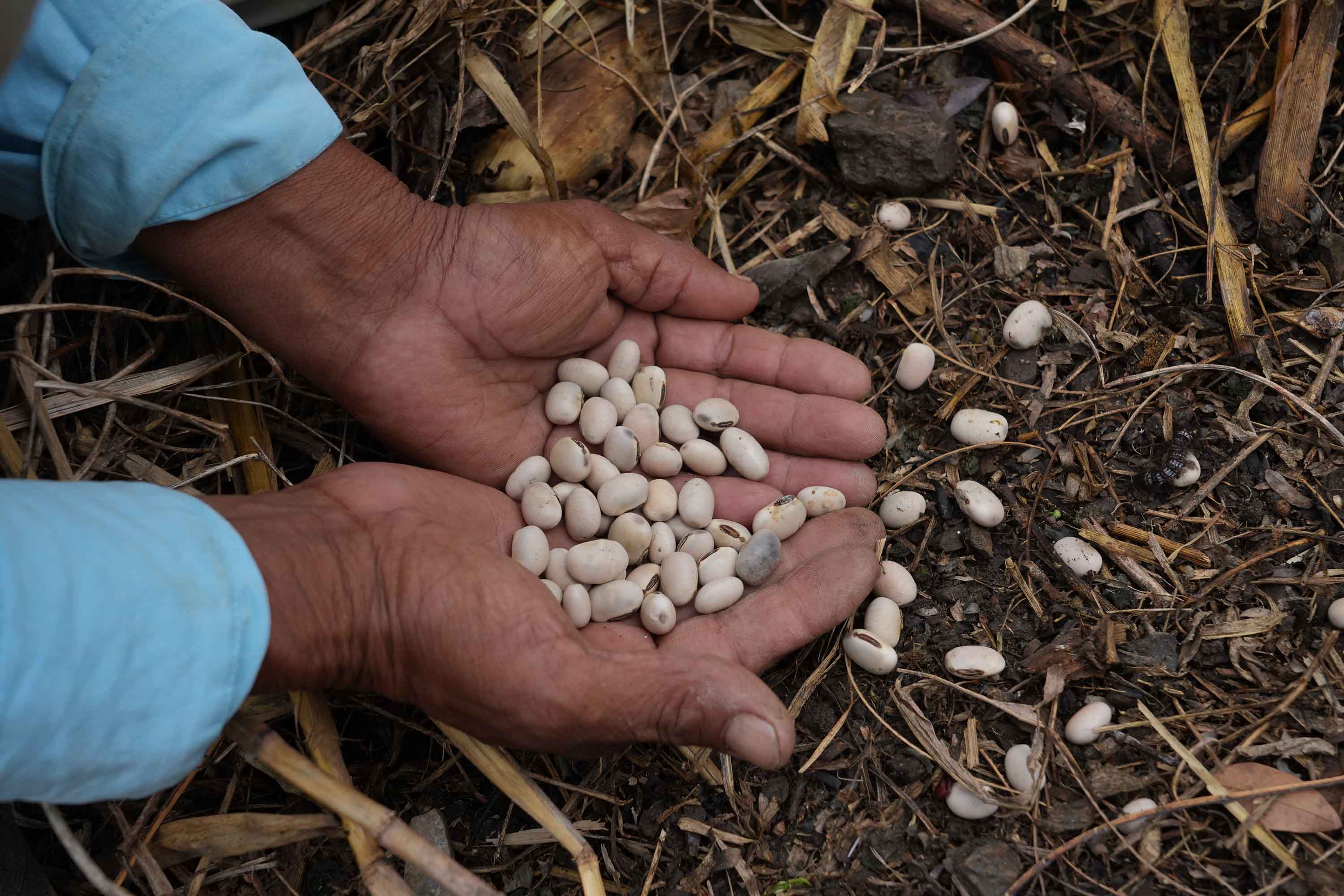
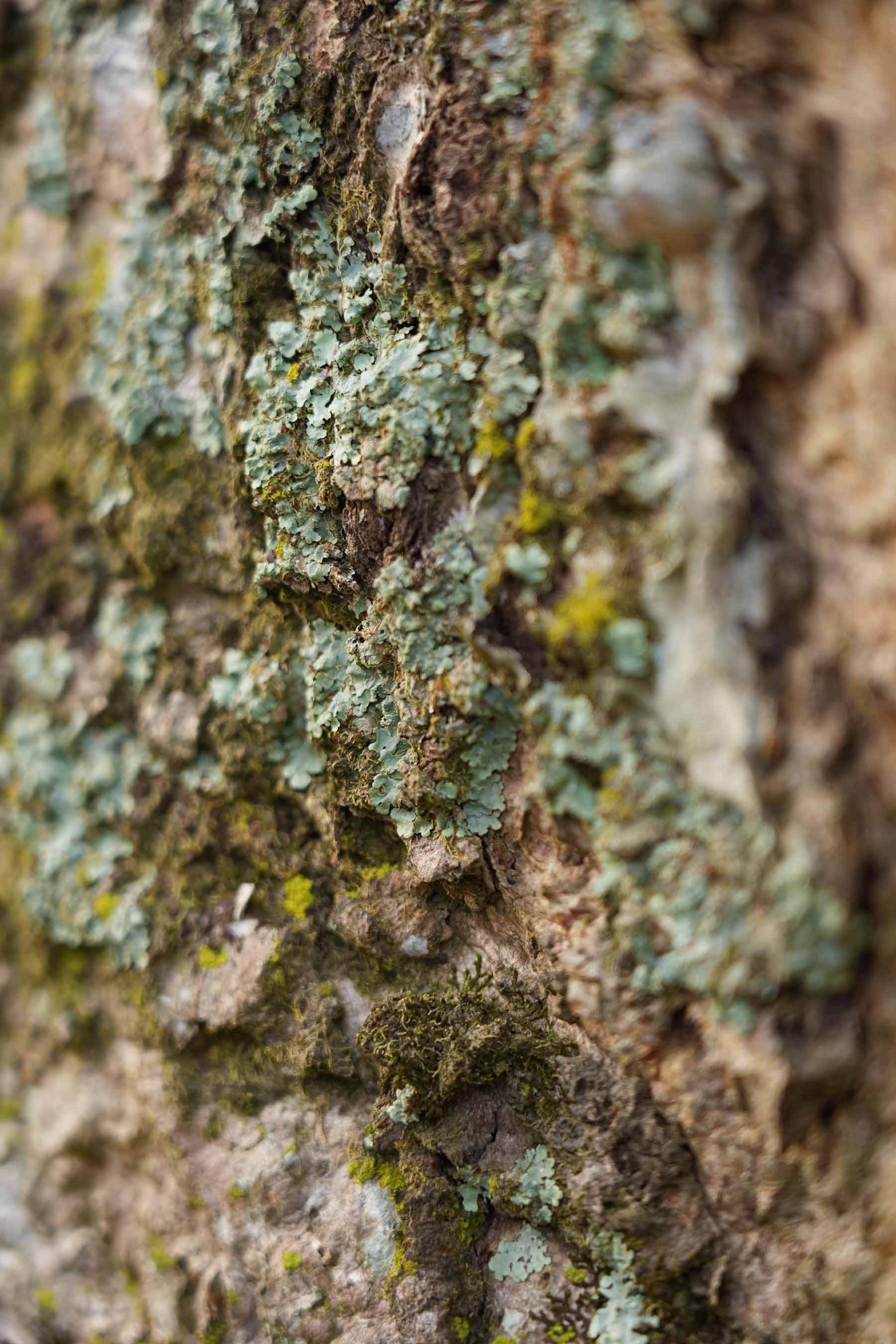
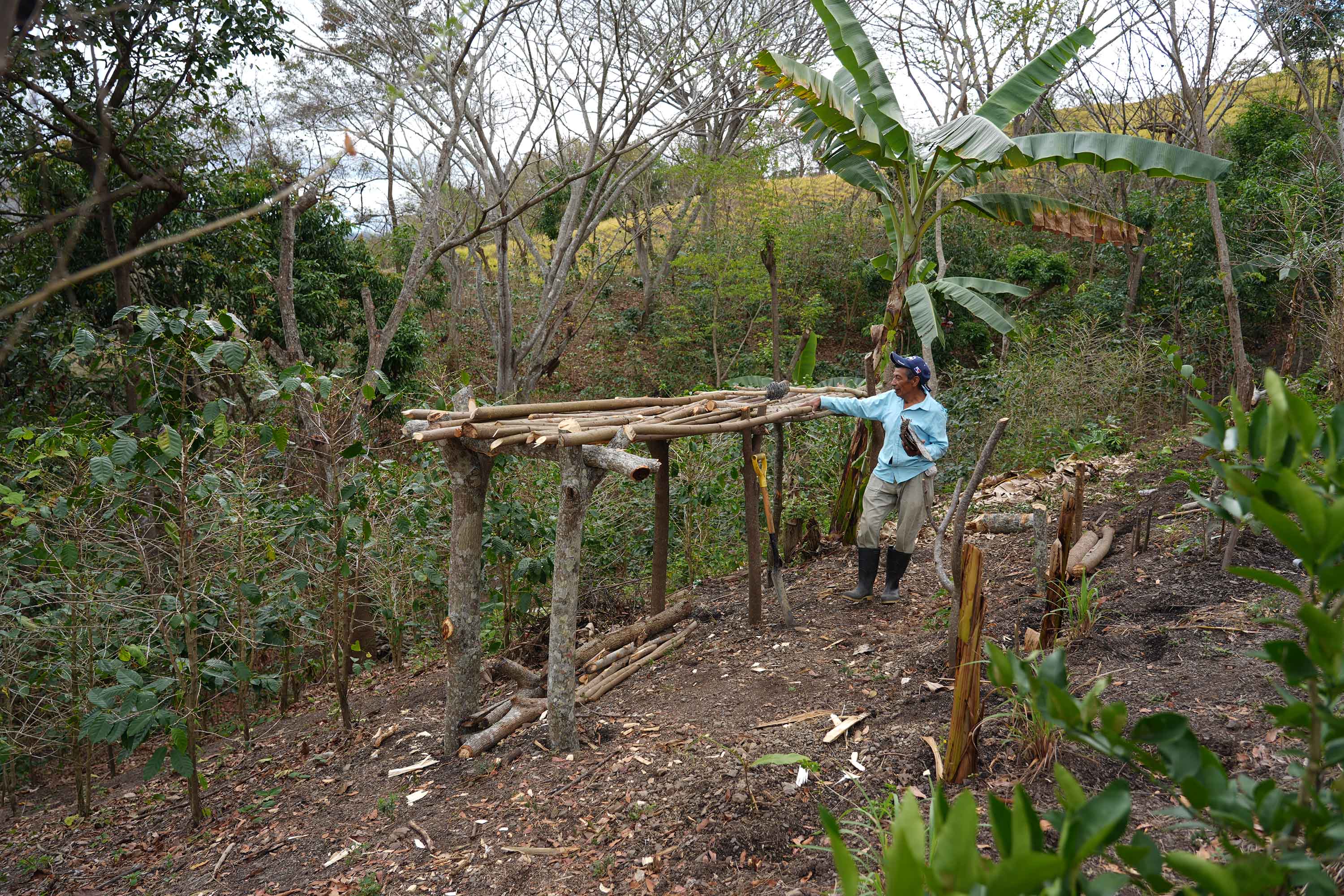
(3) Don Juan Landero plants trees on his plot to restore lost forest cover. (4 a-b) Local ecosystems are reservoirs of biodiversity and guardians of the water sources that supply the communities. (5) Shade-grown coffee protects the soil from erosion and diversifies family production. (6 a-b) Ants, insects, and various organisms recycle nutrients, keeping the soil fertile. (7 a-b-c-d-e) Canavalia and velvet beans are legumes that replace chemical fertilizers. They create a thermal cover that retains moisture in degraded soils. (8) On the way to the Cuje Mines.
“It was rare to see anyone with even a small patch of crops. When it comes to tomatoes, tomatillo peppers, onions, things like that, it’s sometimes hard for people to buy them on the spot because they have to go all the way to the city. So, with a garden, it’s easier for them to grow these crops in a small space to feed themselves,” explains Denis Francisco Moceda, who has managed the ALDEMA project in the area.
The Chorotega People historically developed agricultural systems adapted to variable climatic conditions in northern Nicaragua.
According to Denis, the loss of forest cover has been another obvious problem, though its cause has been less visible from the outside. There are no large companies logging or industrial concessions in operation; deforestation stems more from a basic need of families: expanding the agricultural frontier to be able to plant crops.
In communities like Las Minas, the impact is extreme: between 80 and 90 percent of the territory has been stripped of its forest cover. The result is a landscape that in winter may appear fertile, covered with crops, but which in summer becomes arid, exposed, with no shade or moisture retention.

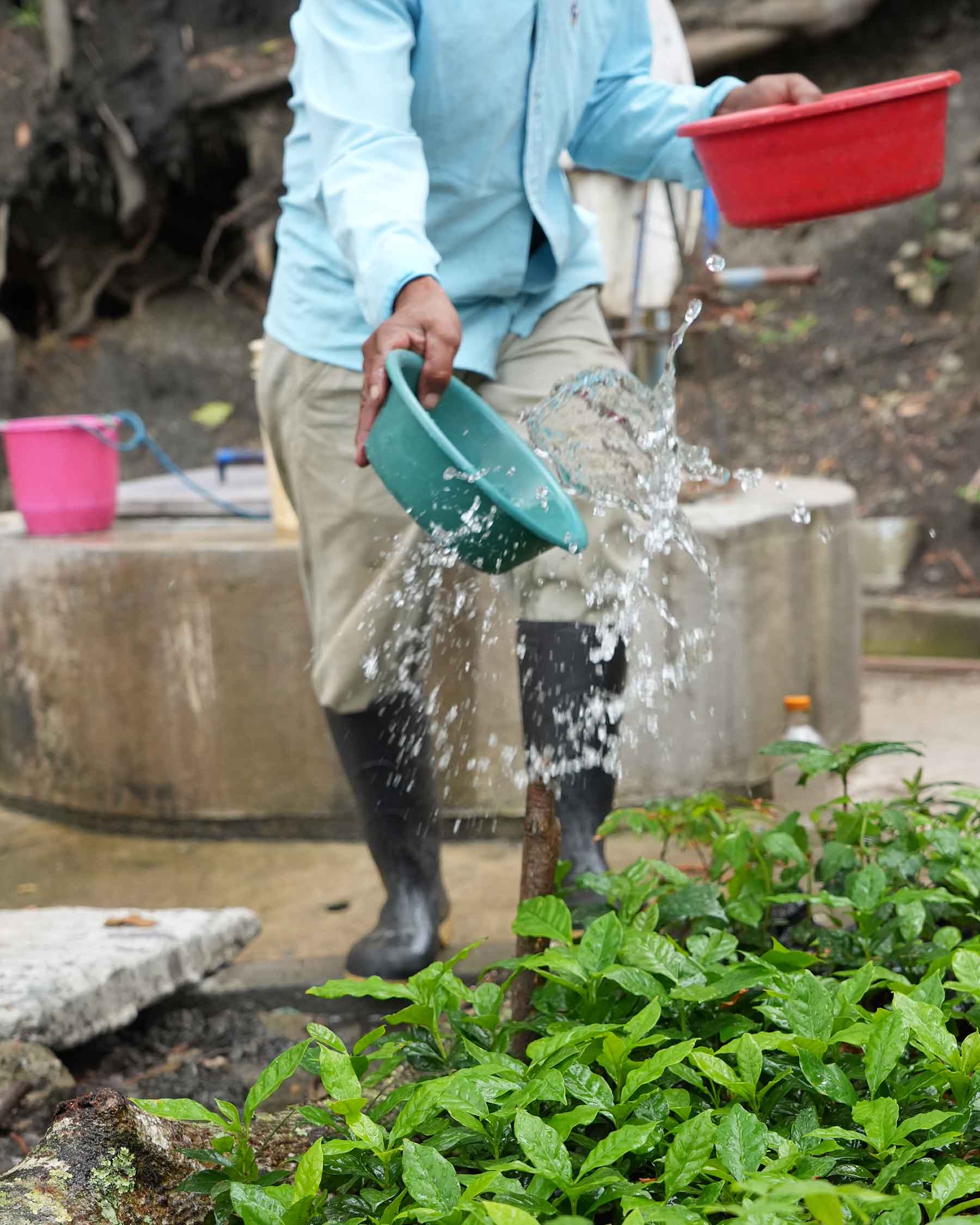
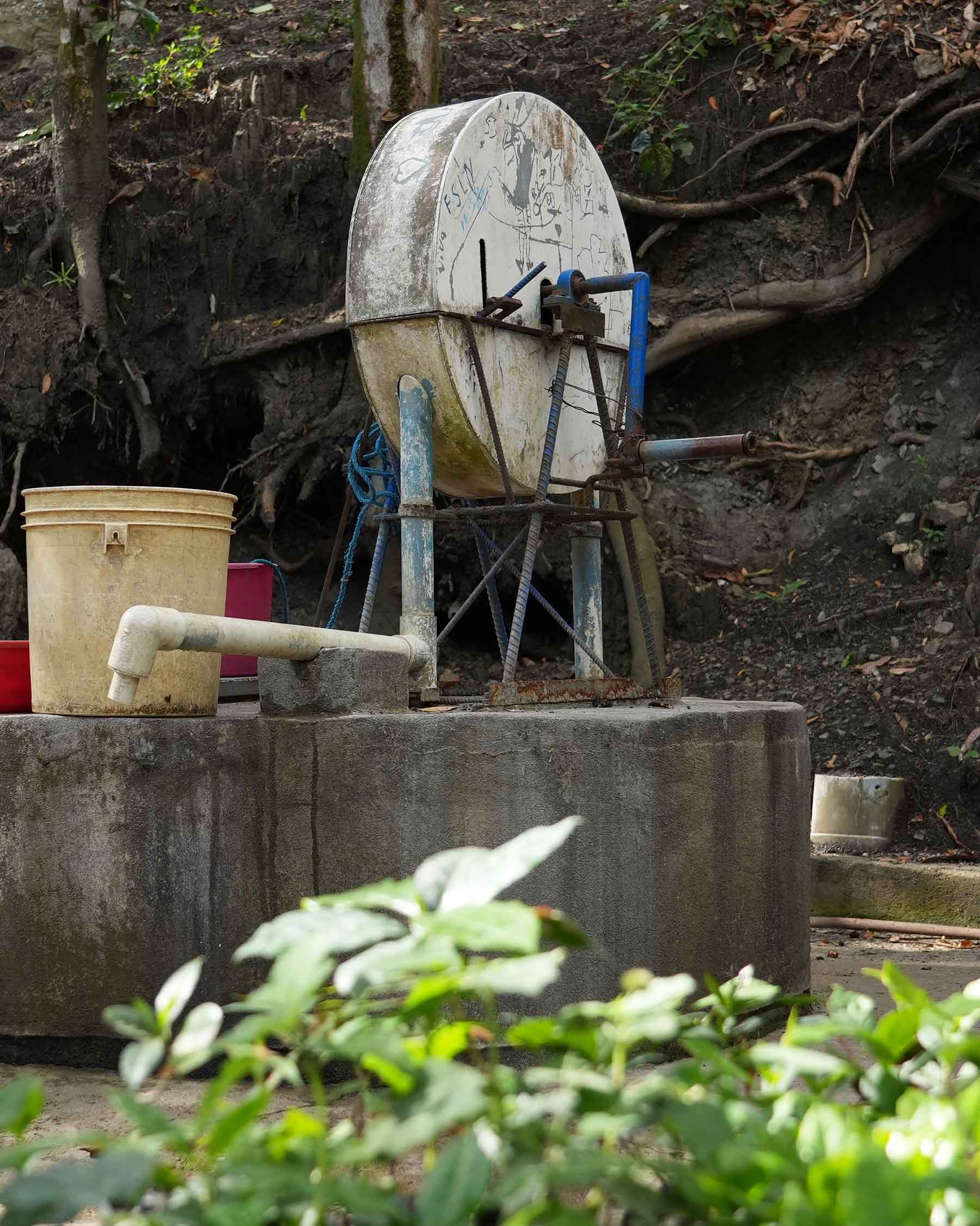
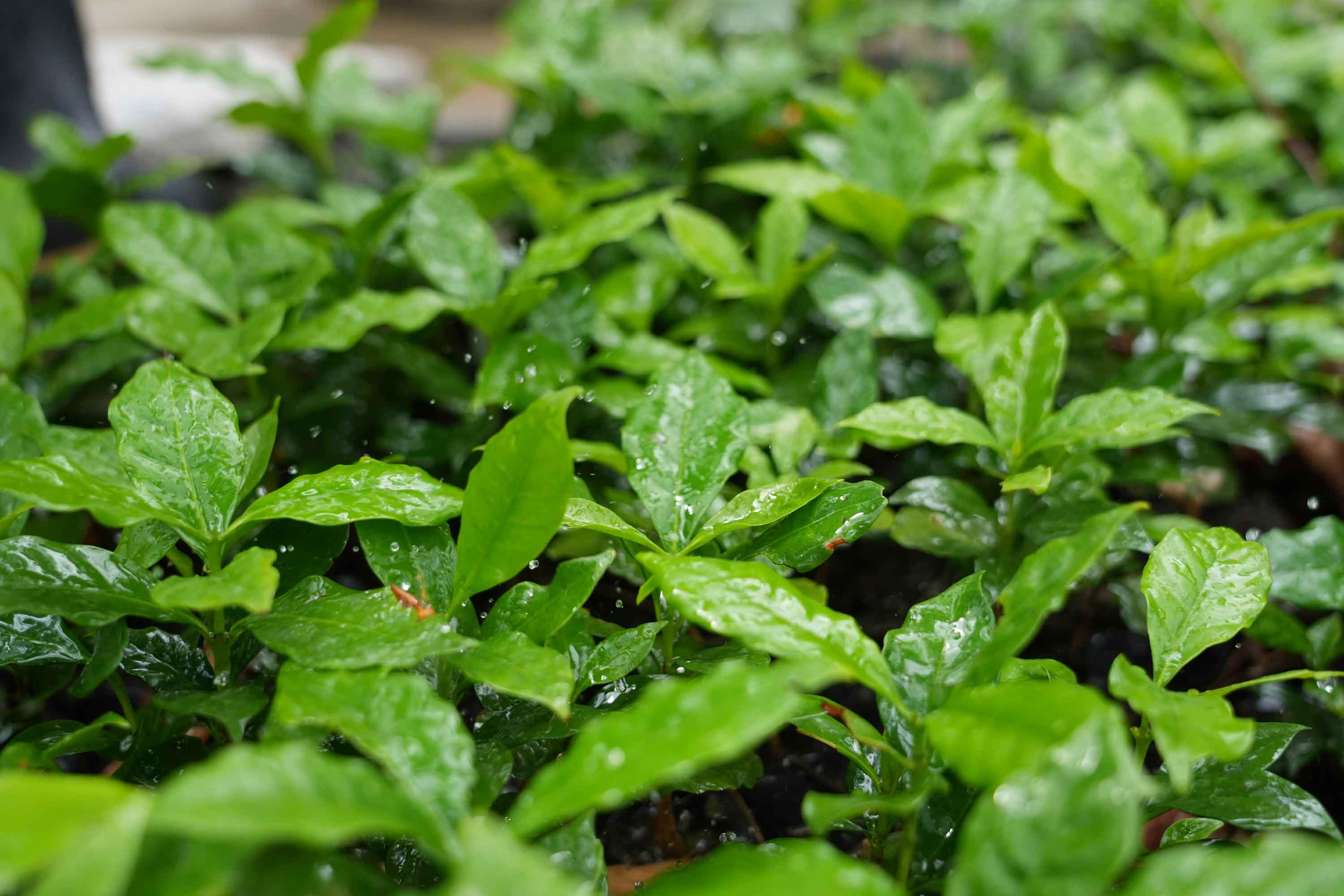
(13-a)
(13-b)

(13-c)
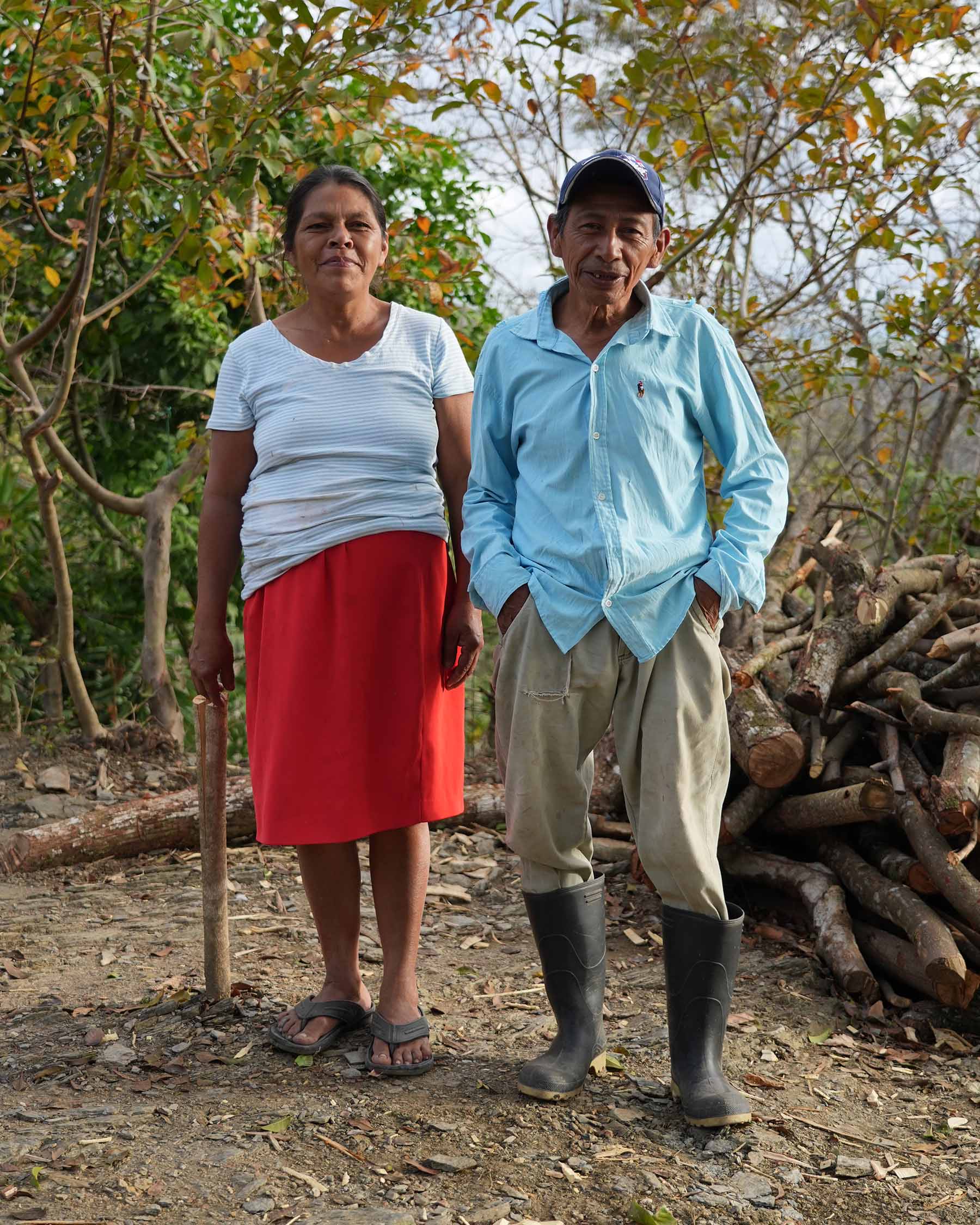
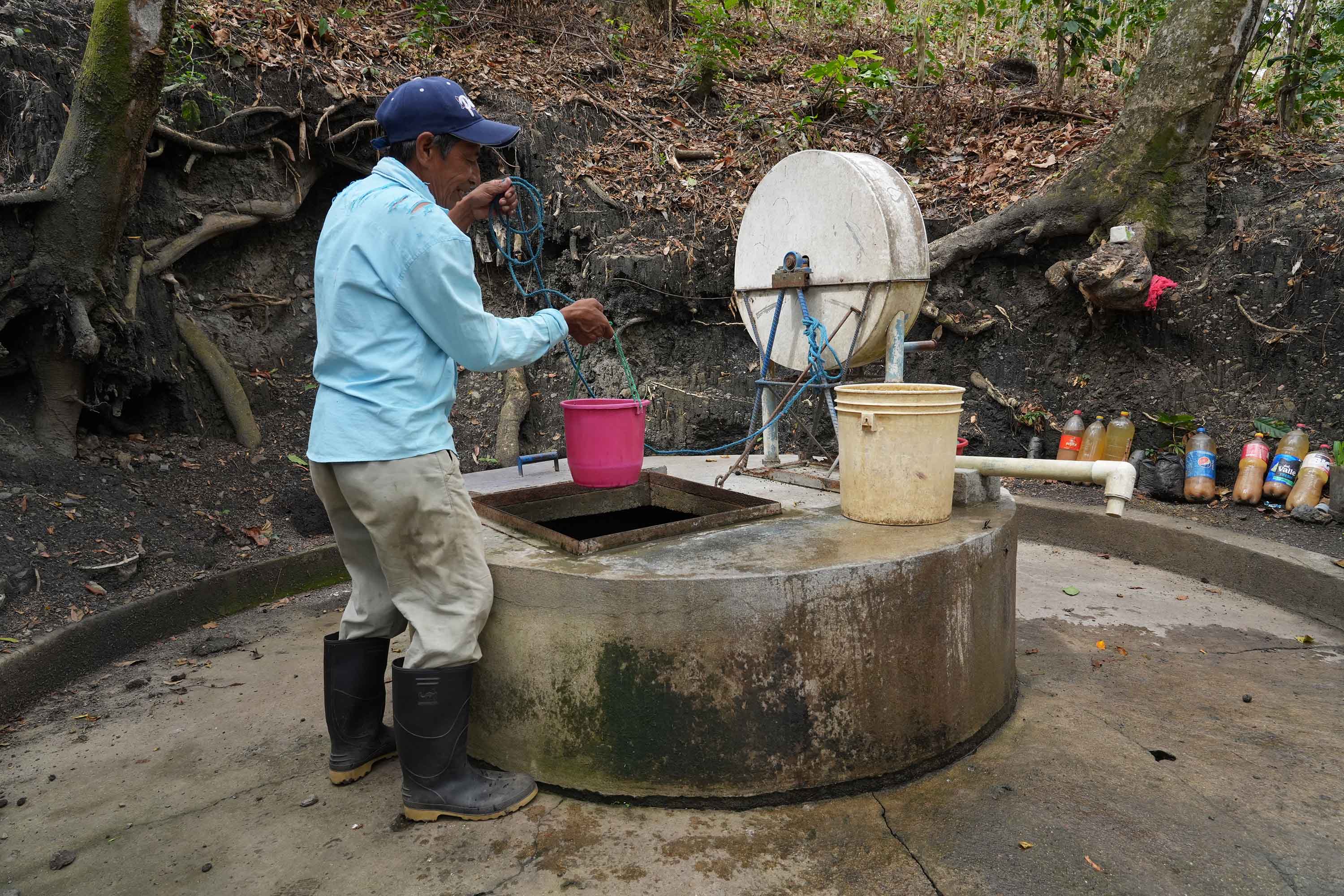
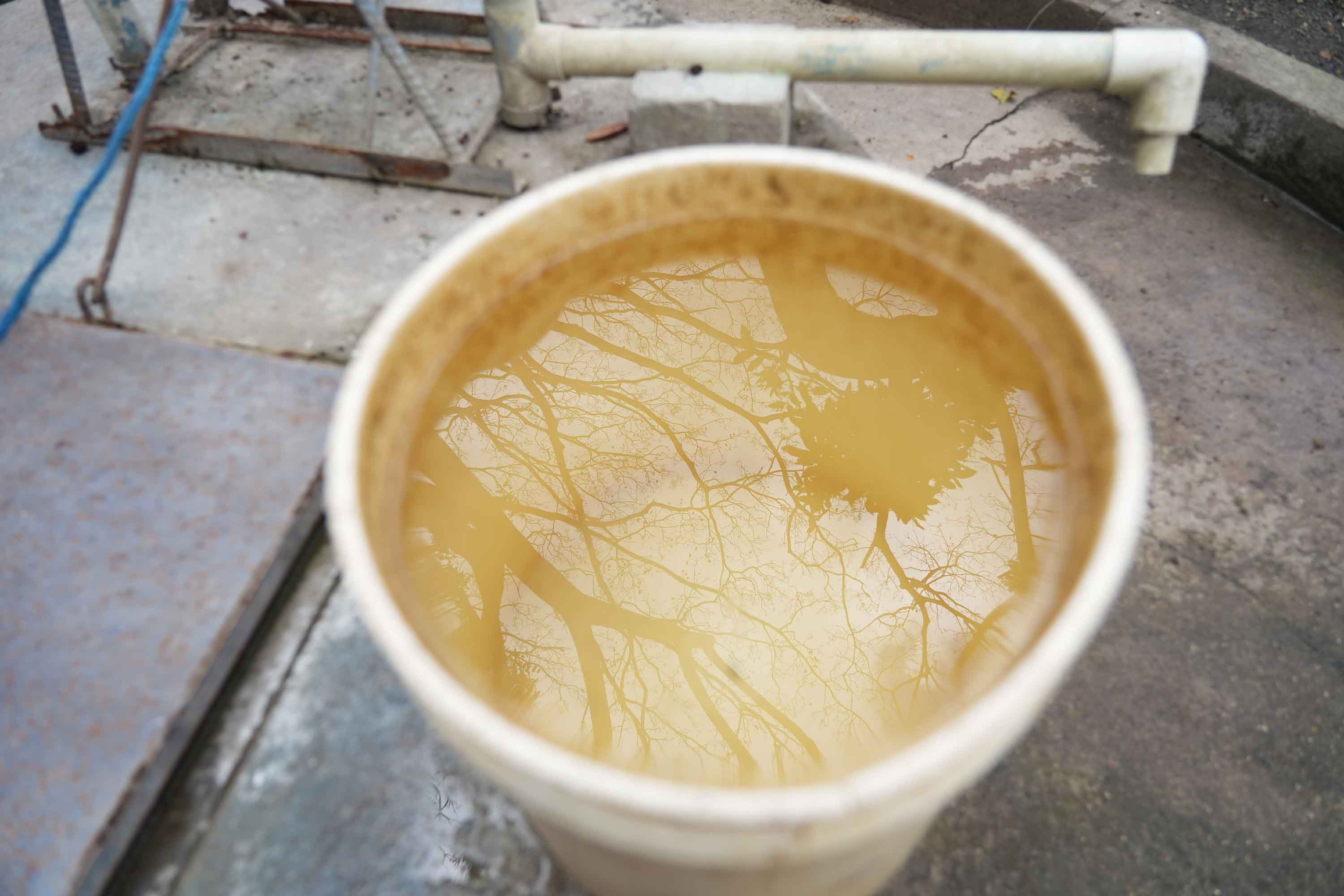
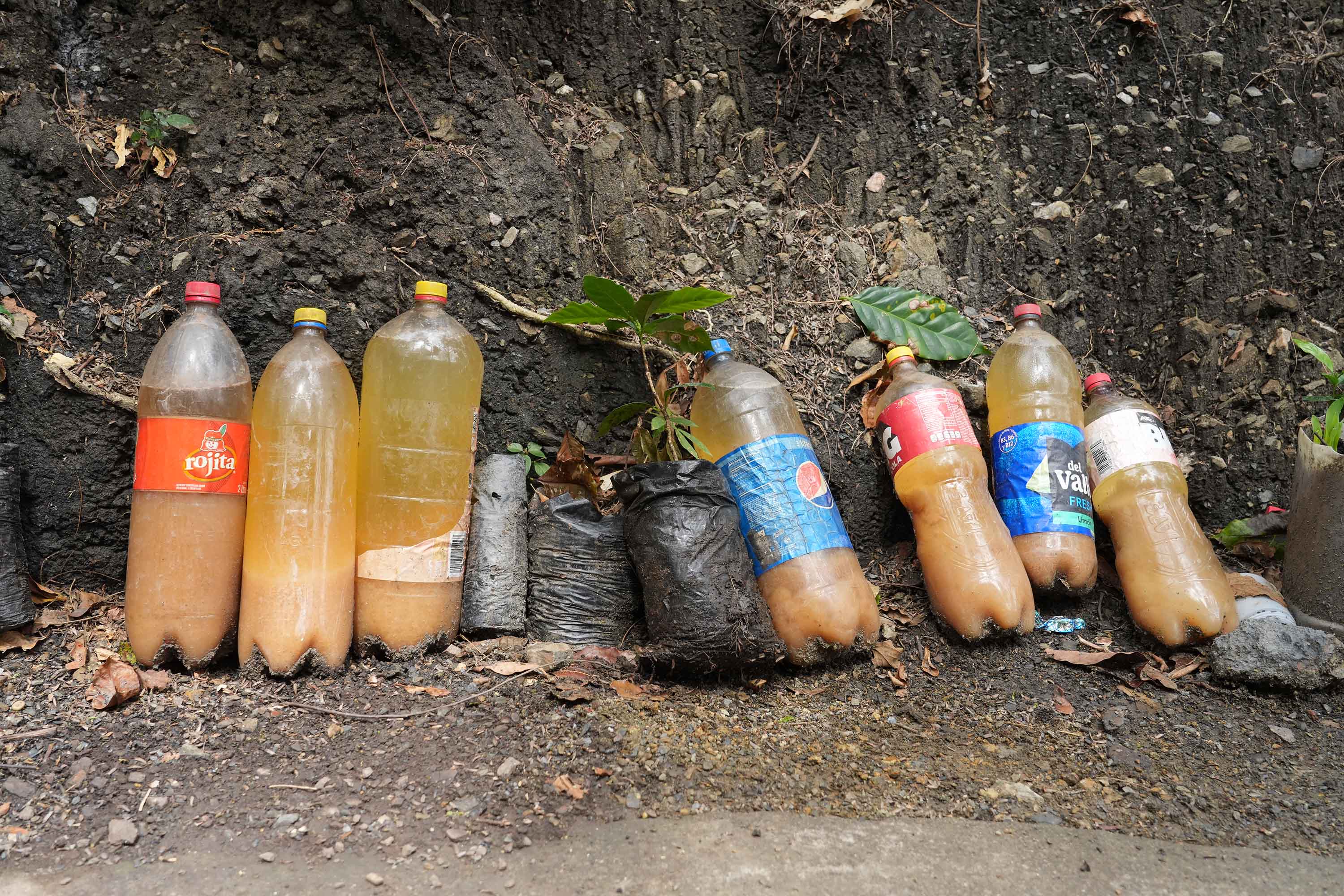
(9) The strategic location of the homes allows for the management of family gardens. (10 a-b-c) Maintaining the well ensures the survival of the nursery during times of drought. (11) Doris Sánchez and Juan Landero. (12) In the Dry Corridor, water infrastructure is essential to ensure food sovereignty. (13 a-b-c) Water from the well is used for personal consumption, household chores, cooking, and the preparation of organic foliar fertilizers.
The project, promoted by ALDEMA, sought to address the problem without passing judgment or imposing sanctions on the communities. Reforestation was approached as a practice that could be integrated into families’ daily lives, prioritizing native species and fruit trees that could adapt to local conditions and provide direct benefits such as food or shade.
In this work, the communities identified trees that already existed in their surroundings, collected seeds, and organized community and family farm nurseries. With these plants, they began to reforest plots, roads, and public spaces that had been degraded. Two years later, small trees are beginning to transform the environment: they provide shade, retain moisture, and alter the microclimate in specific areas.
The municipality of Totogalpa forms part of the Central American Dry Corridor, a region exposed to recurrent droughts and the impacts of climate change.
Family gardens have been adapted to the specific conditions of each household. Instead of imposing a single model, the ALDEMA team chose to tailor these practices to each family’s reality. When the land was small or too steep, they implemented hanging gardens and crops in recycled containers, ranging from tires to discarded utensils.
That logic was also applied to the use of seeds. In one of the communities, following a successful corn harvest and on their own initiative, the farmers organized a small seed bank that now functions as a lending and exchange system, where farmers receive seeds and return a portion of their harvest to sustain the cycle.
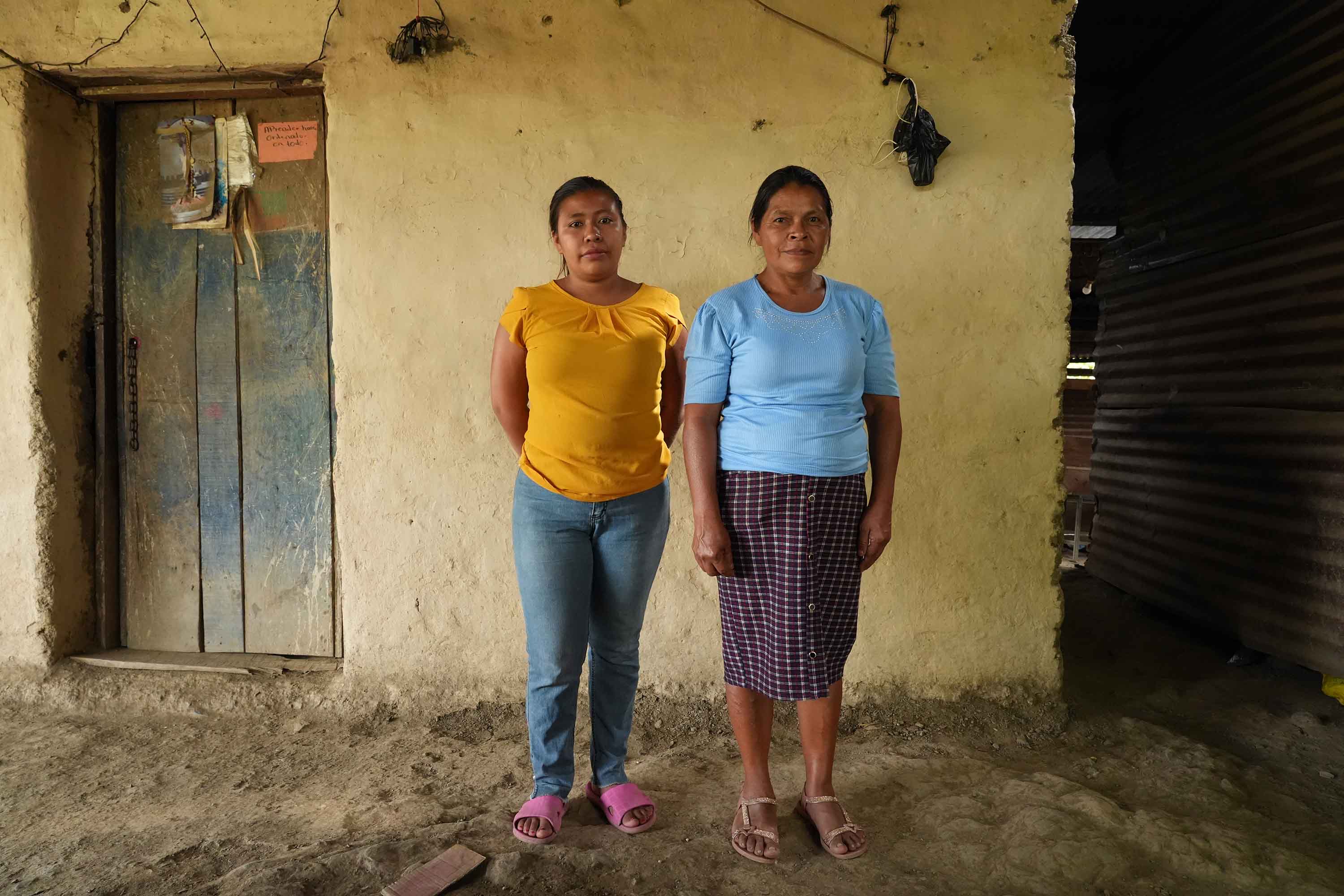
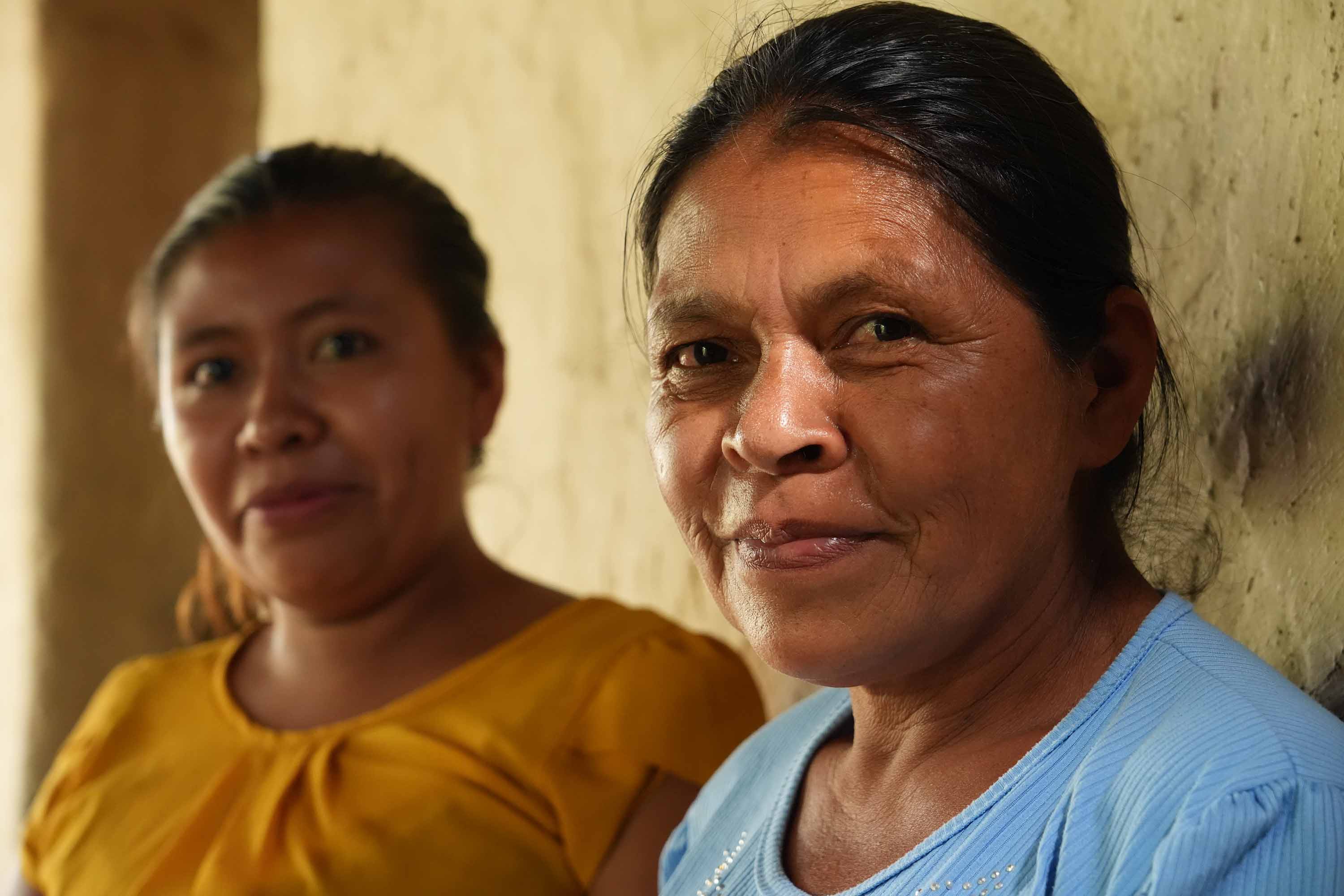
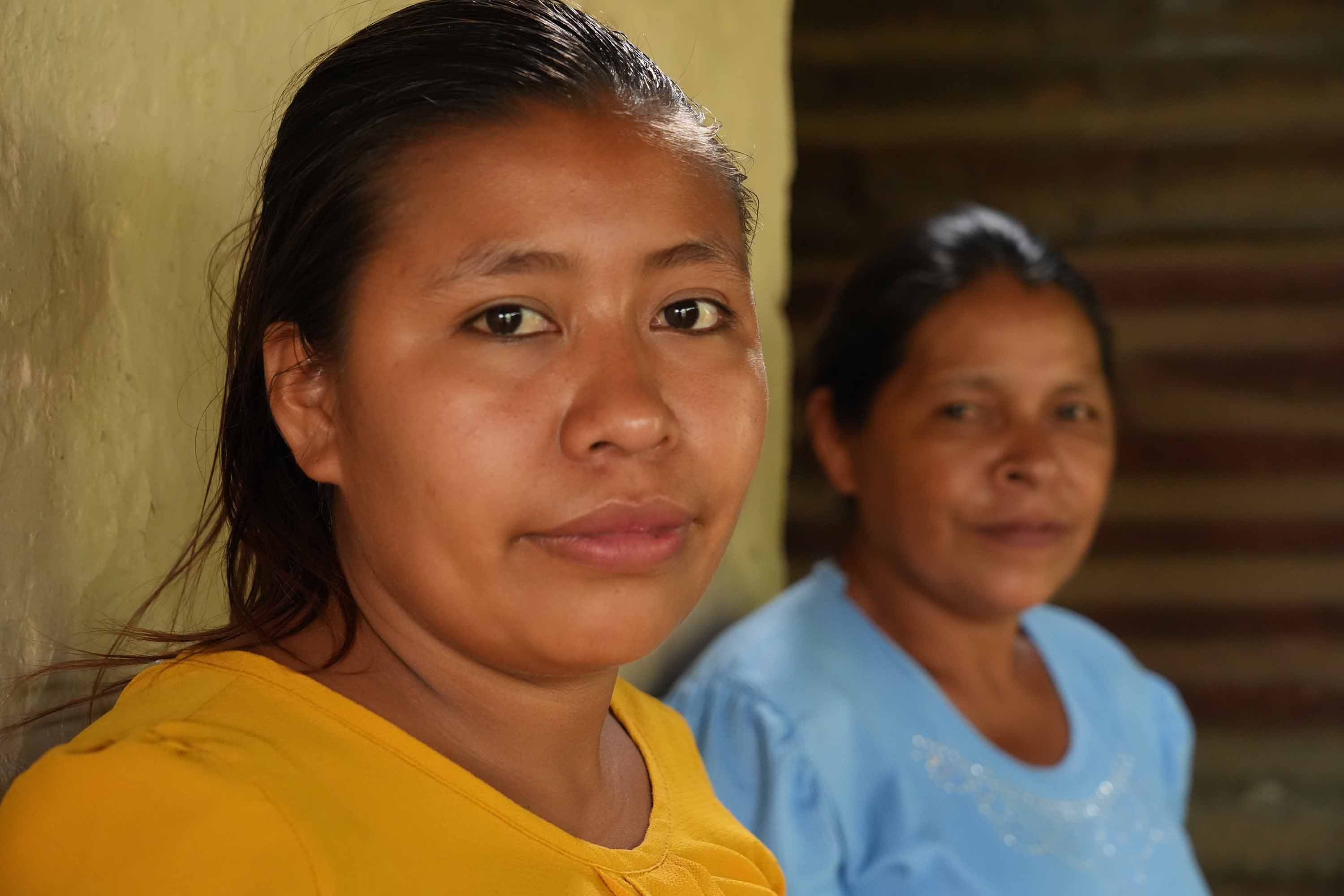
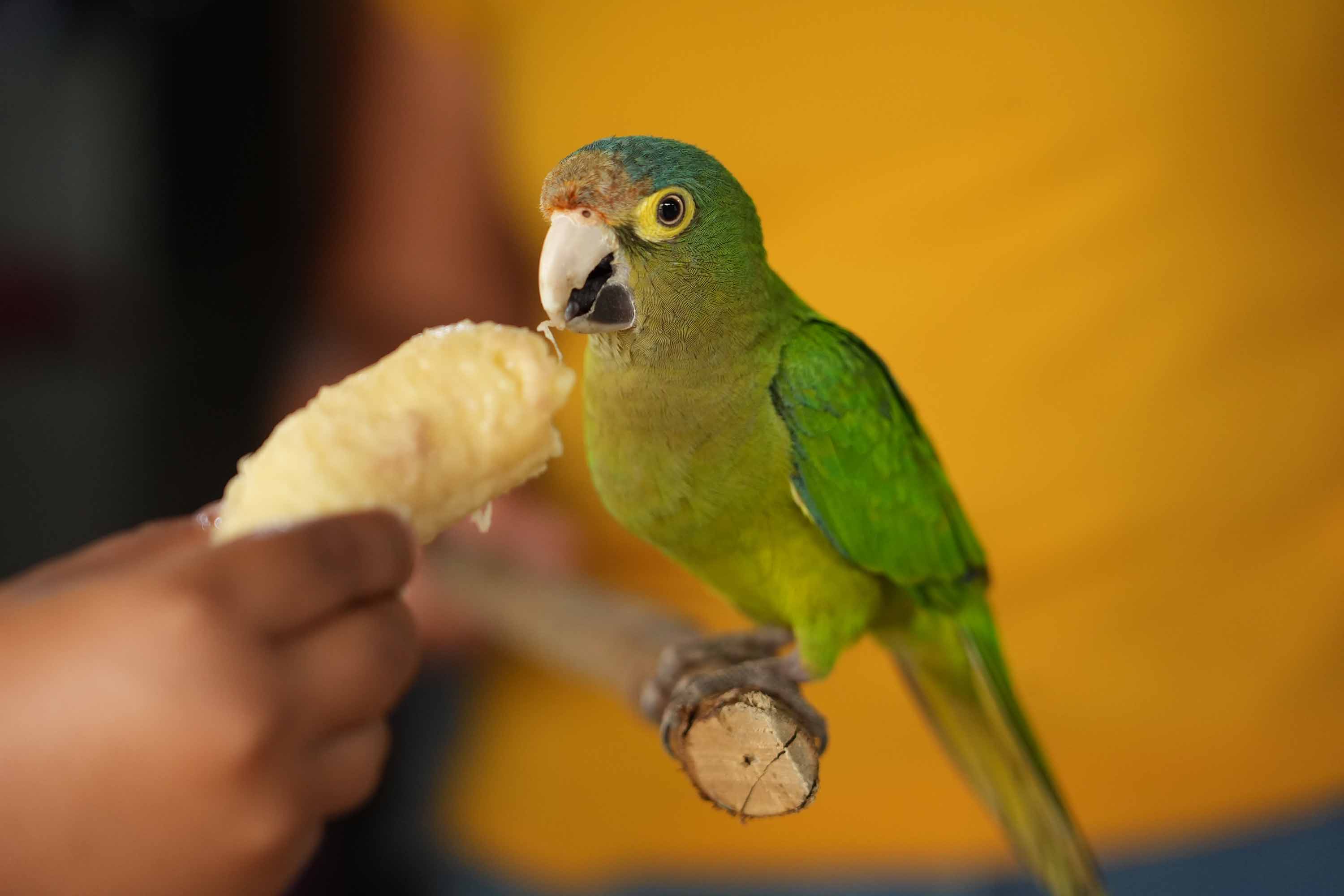
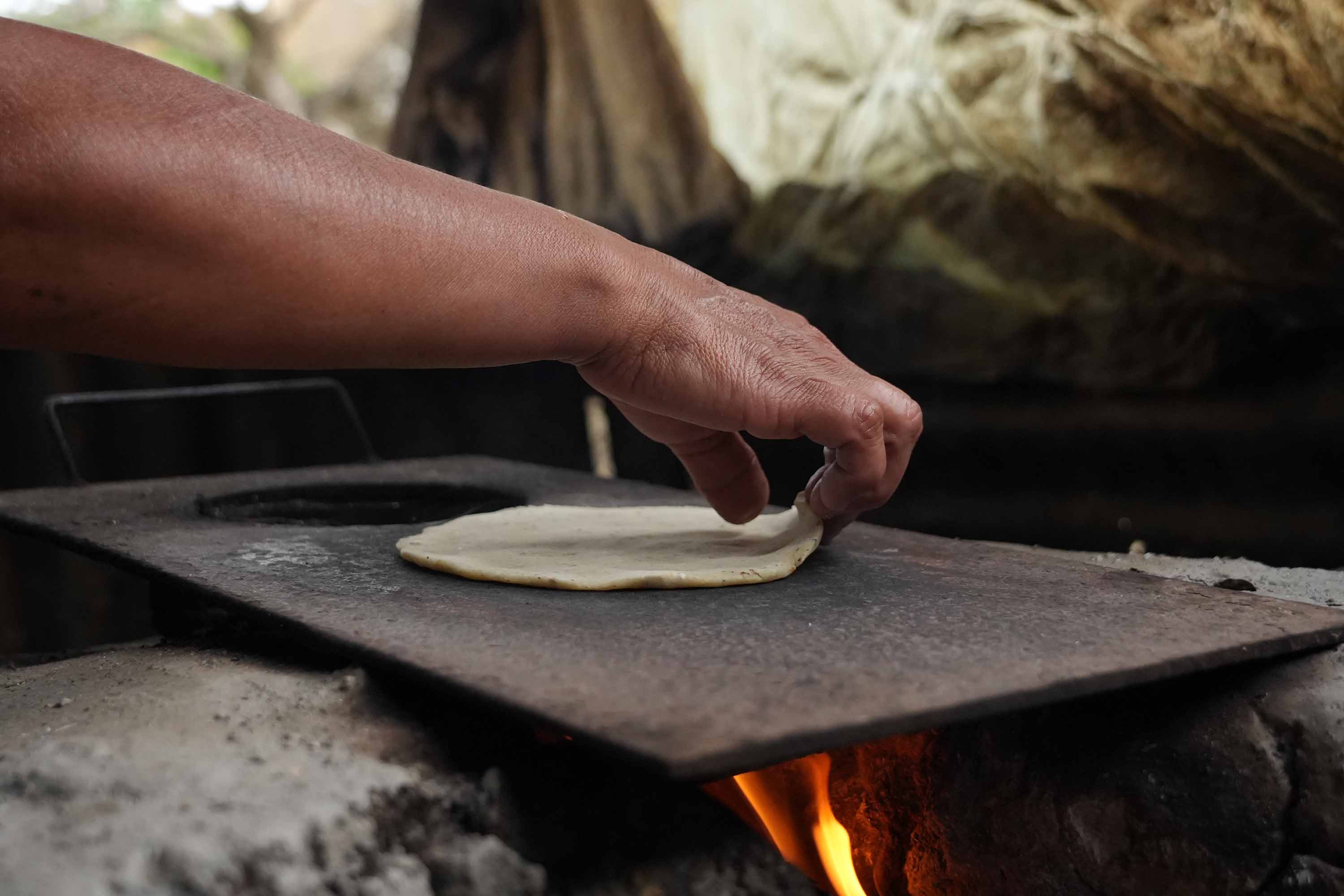
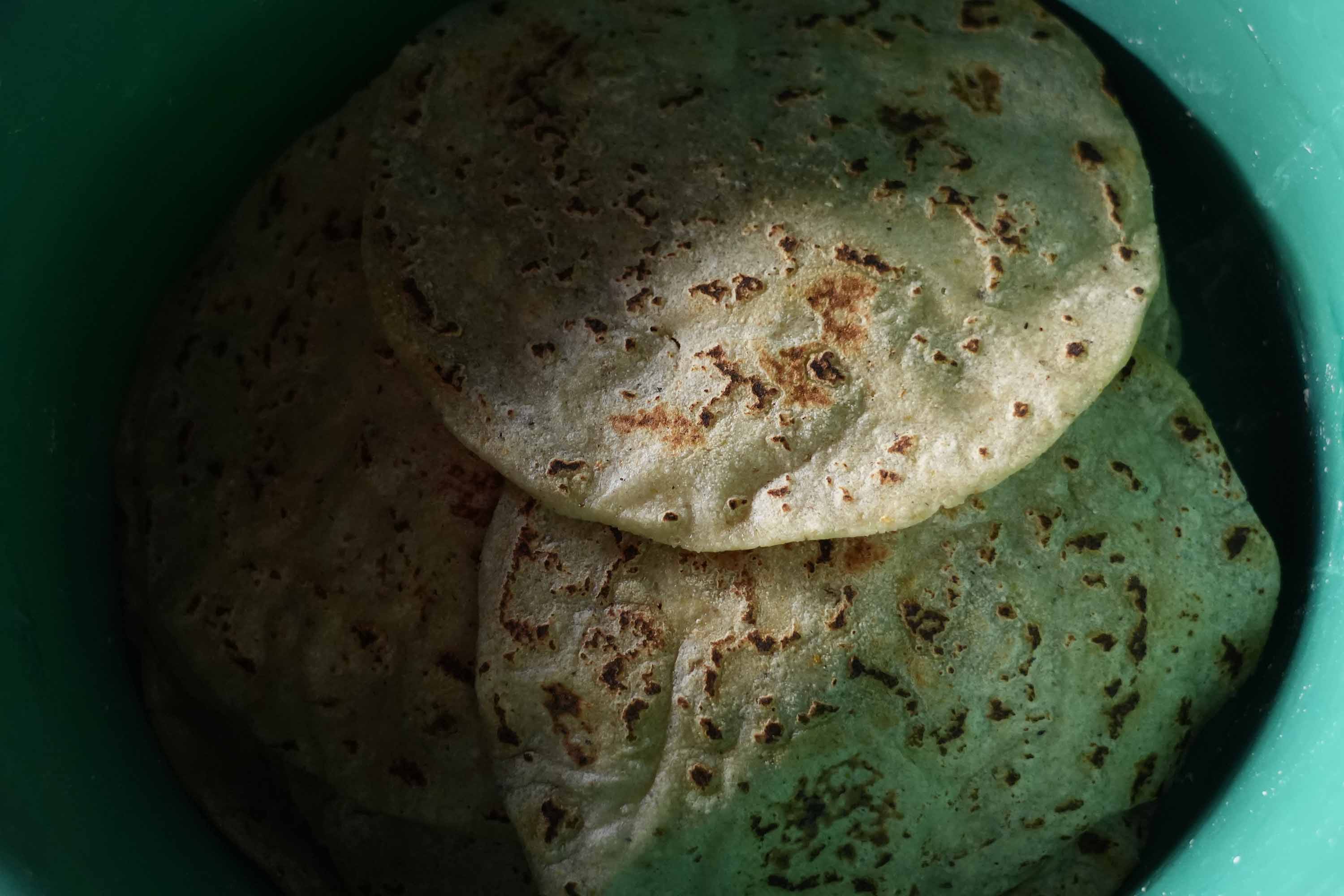
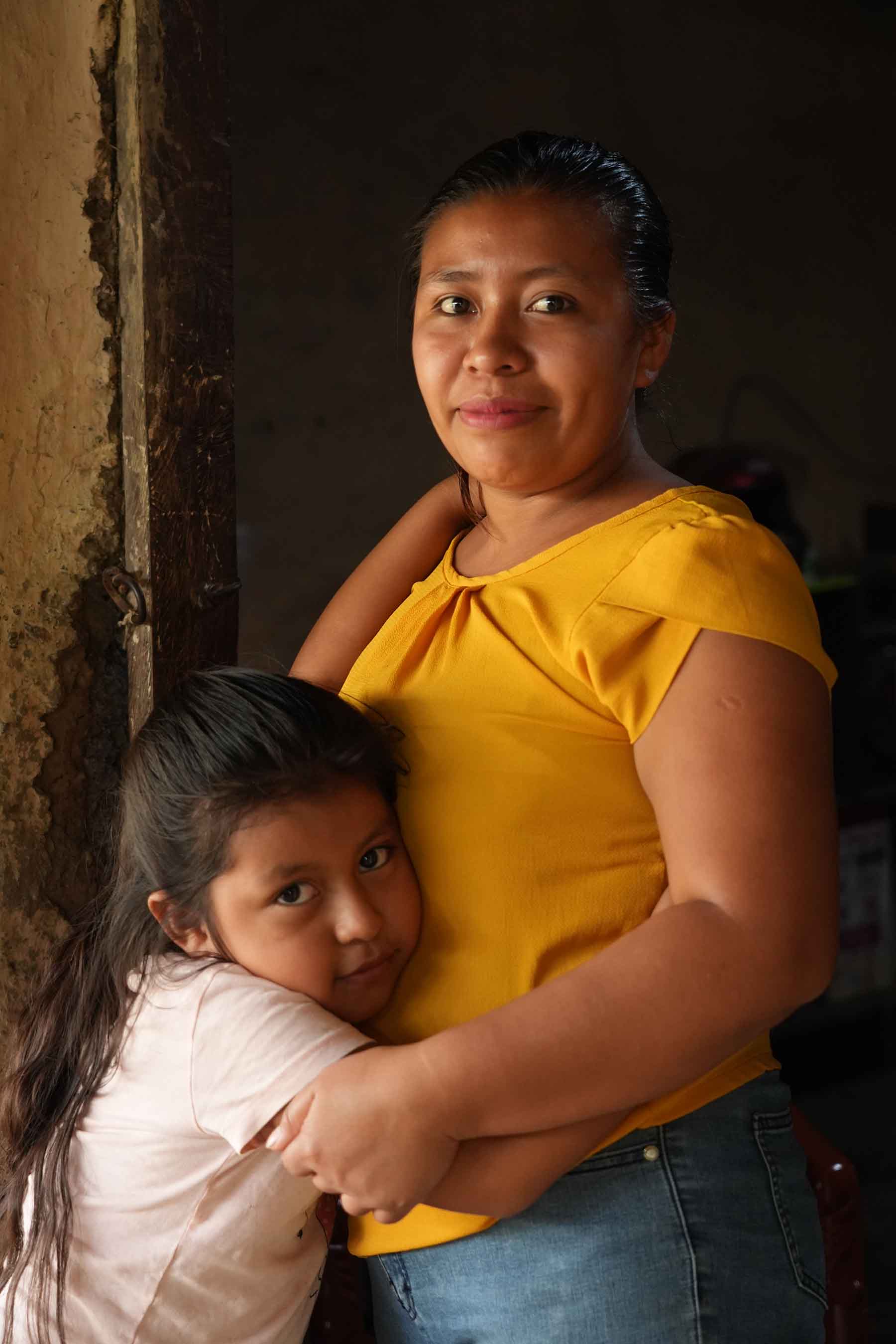
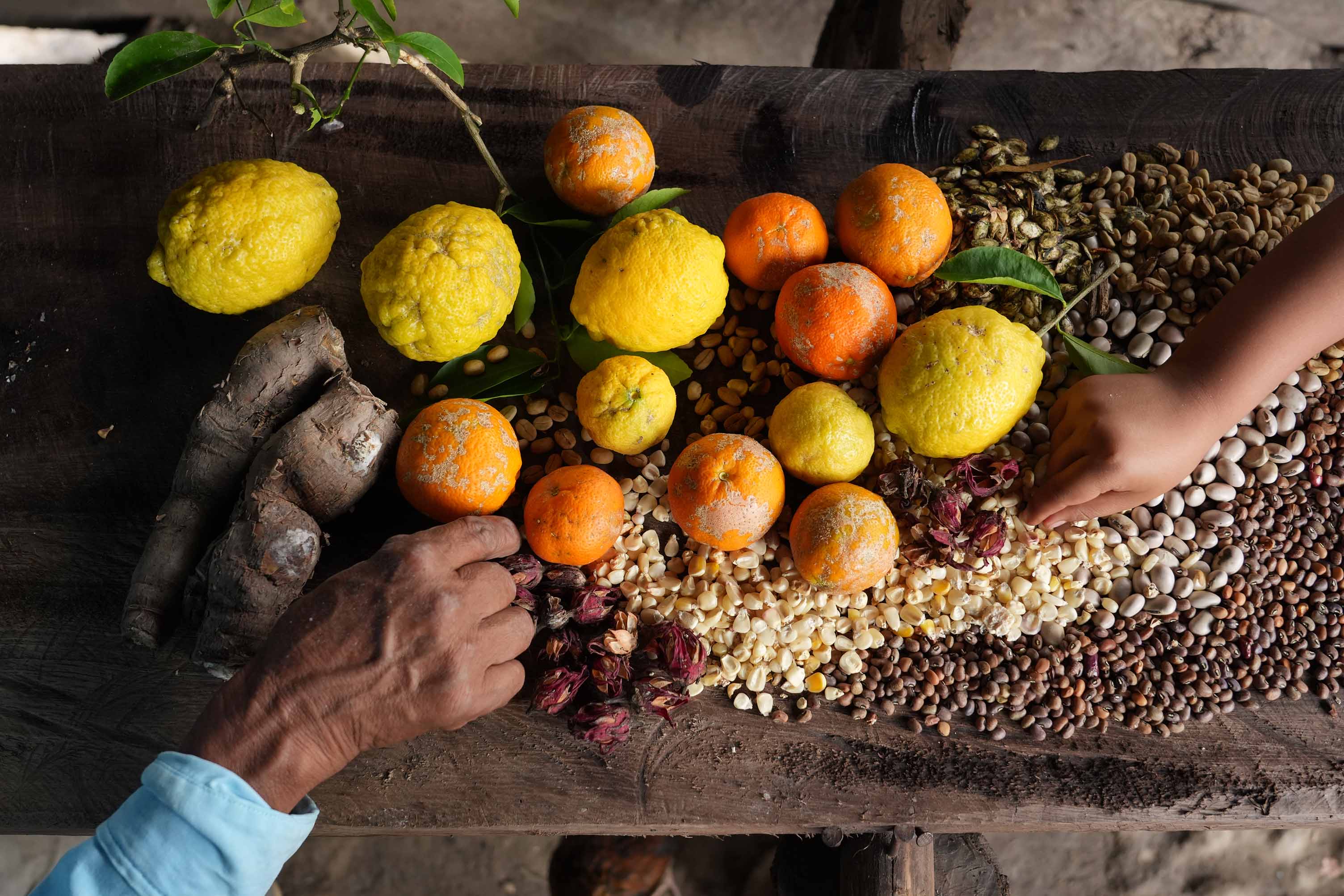
(14 a-b-c) Doris Sánchez and her daughter, Griselda Landero. Women participate in the production, processing, and marketing of local foods, reviving barter networks and local sales. (15) Backyard animals are part of the family fabric. (16 a-b) Knowledge of traditional recipes strengthens household autonomy and keeps culinary memory alive. (17) Griselda Landero with her daughter. (18) The diversity of family nurseries and gardens ensures a balanced and fresh diet.
Women played a central role. Not only did they participate in the gardens and reforestation activities, but they also began processing the produce for sale at local markets. There, they have sold processed foods such as pickles or preparations made from cassava leaves or squash.
As the project progressed, however, the same limitation resurfaced: water scarcity. During the rainy months, the plots produced crops and the gardens could sustain themselves. But when summer arrived, the situation changed. Without water harvesting or distribution systems, only a few families could keep production because they bought containers to store water.
This experience led to a conclusion shared by the ALDEMA team and the communities: without water harvesting and storage systems, any productive effort is insufficient. Therefore, it is now the central objective of ALDEMA and the municipality of Totogalpa to regain their autonomy and food sovereignty.
One of the most significant changes brought about by the project has been community organization. At first, the communities of Tilan, Mamel, El Chagüite, Las Minas, and Matasano lacked clear management structures for this type of action. The ALDEMA project helped consolidate local leadership and establish working dynamics that facilitated communication and decision-making. This organizational framework was key to sustaining conservation activities and building trust among families.


(20)
(21-a)

(21-b)
(22)
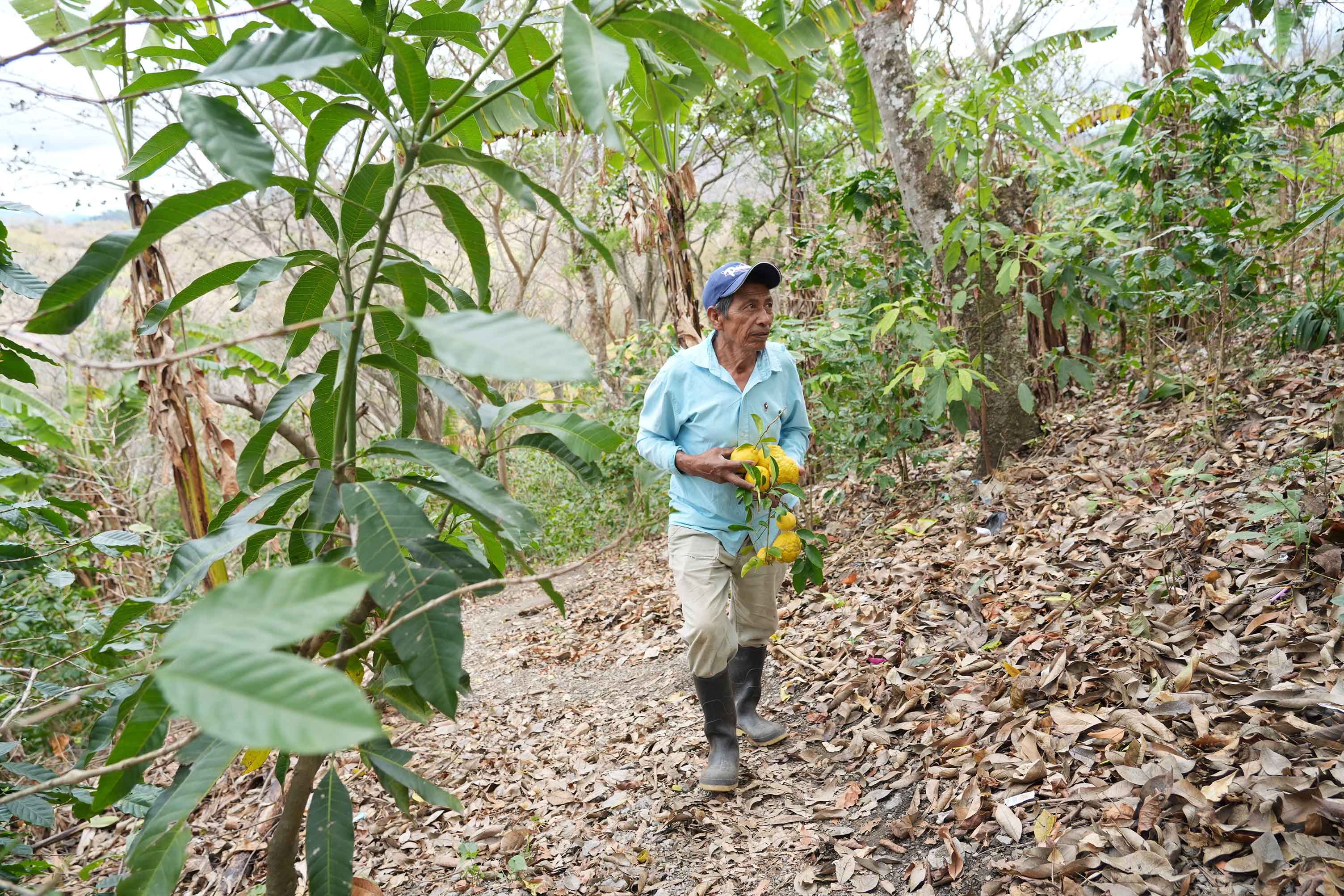
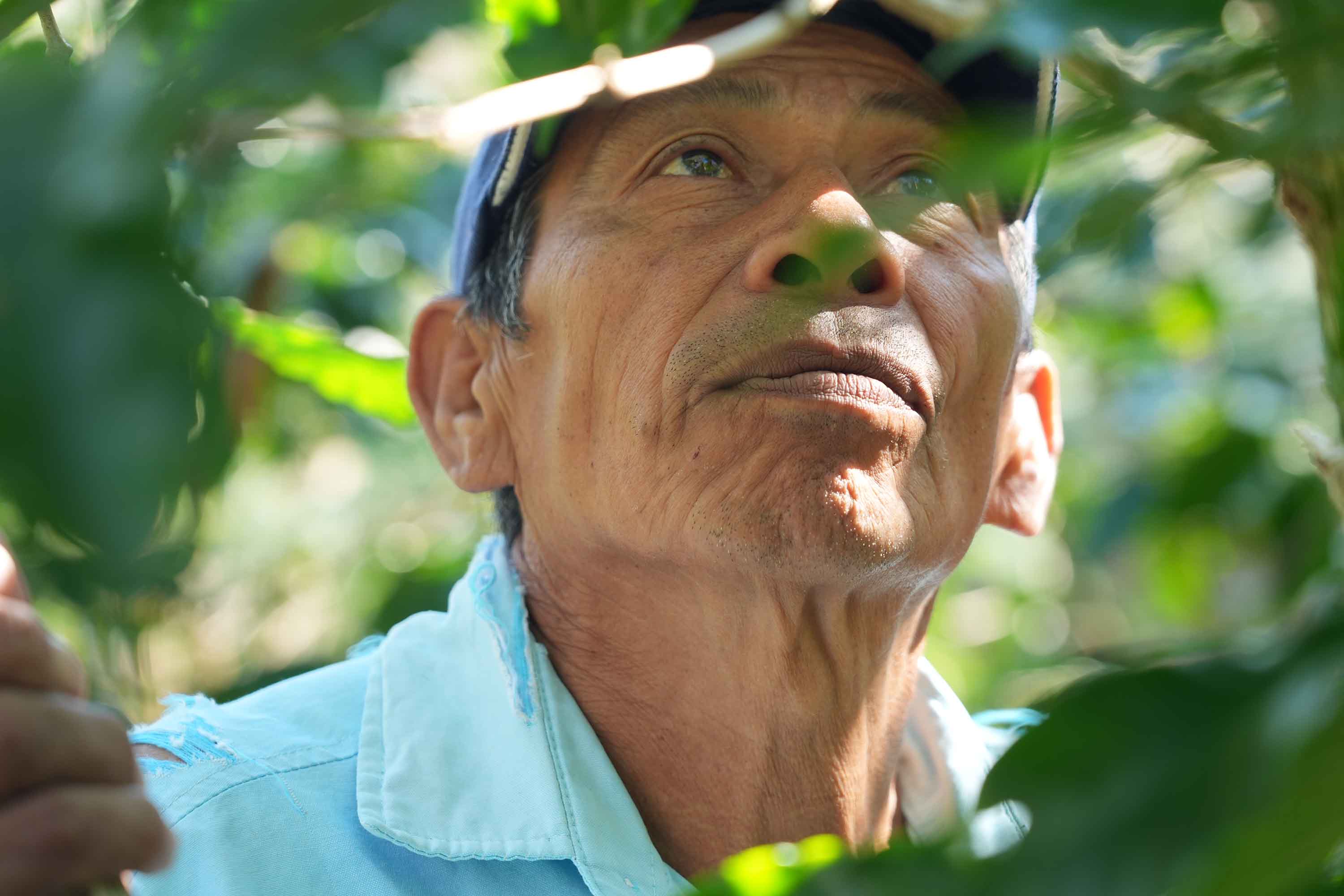
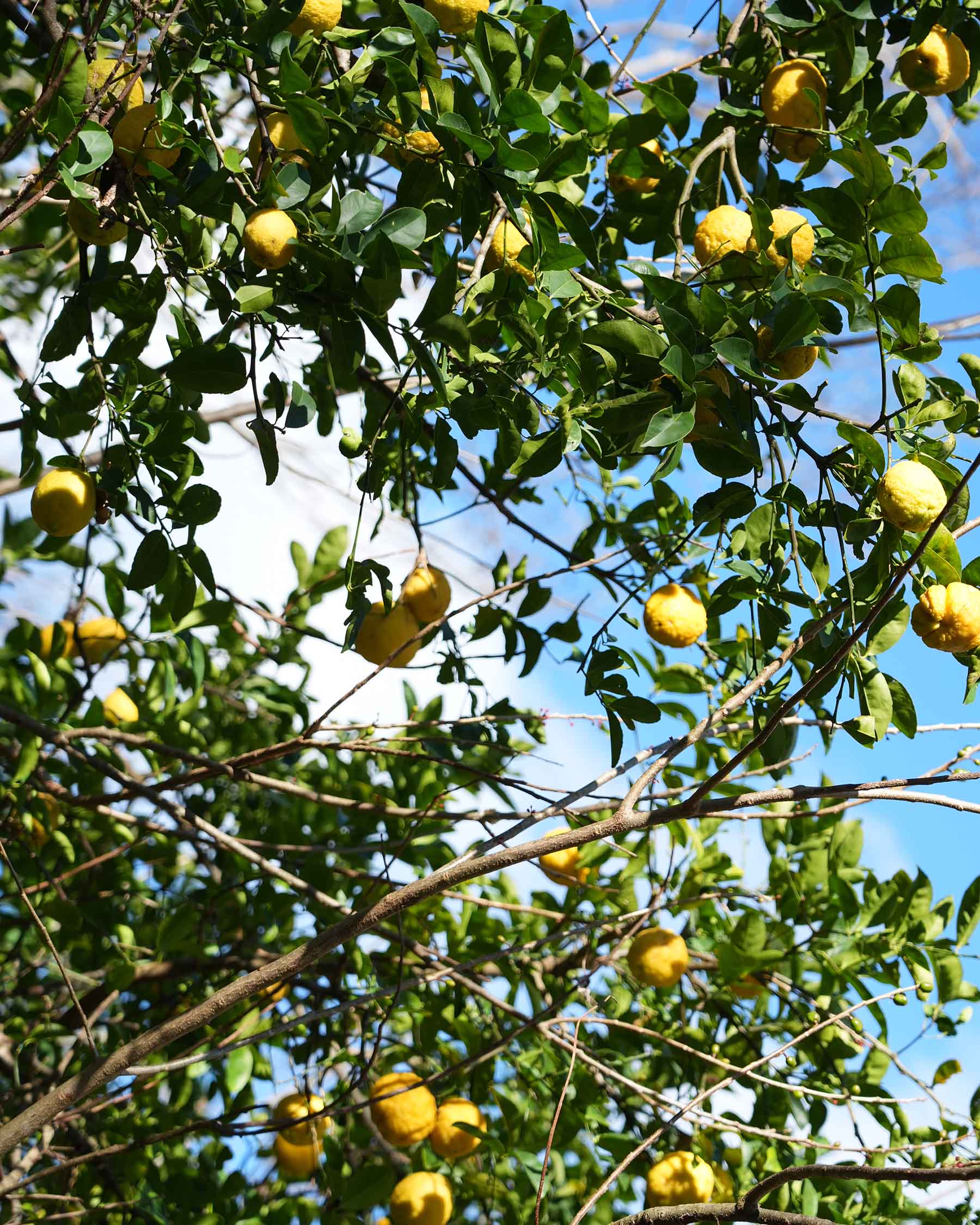
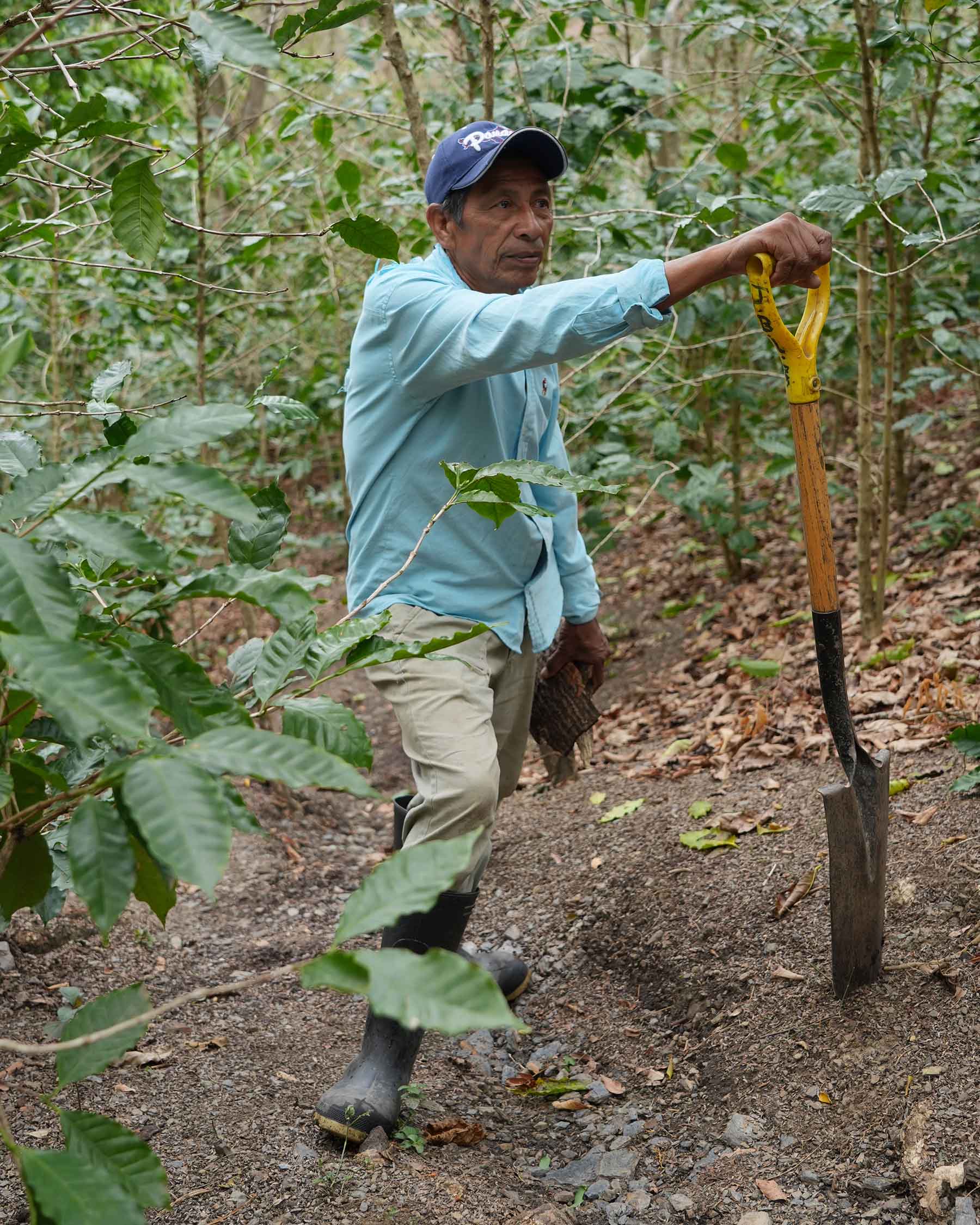
(19 a-b-c-d) Don Juan Landero picks lemons to share with his family. (20) Prickly pear and other crops adapted to the arid climate are strategic allies that provide food and medicine with minimal water requirements. (21 a-b) Soil management and crop weeding are essential tasks for preventing pests and optimizing available natural resources. (22) Terraces allow for intensive and controlled management of plants before transplanting, ensuring a higher survival rate.
Harold and Denis note that, upon the project’s conclusion, they know they have met the main objectives, but several questions remain unanswered. One of them concerns continuity, as they fear that the practices introduced may weaken—especially those that depend on materials and resources that families cannot obtain on their own. Such is the case for water storage systems or supplies for food processing.
Harold is clear in explaining that, in contexts like Totogalpa, an isolated intervention cannot sustain long-term changes.
“There are still many gaps in the communities, many inequalities, and many needs that we cannot solve with a single intervention.”
However, he also acknowledges that, among the gaps, there are other positive developments: trees beginning to grow on once-barren plots, vegetable gardens that some families have managed to maintain, a seed bank that emerged spontaneously, and exchange networks that have been reactivated. But above all, a certainty that runs through the entire community experience in Totogalpa remains: guaranteeing access to water means ensuring food production and, therefore, sustaining life.
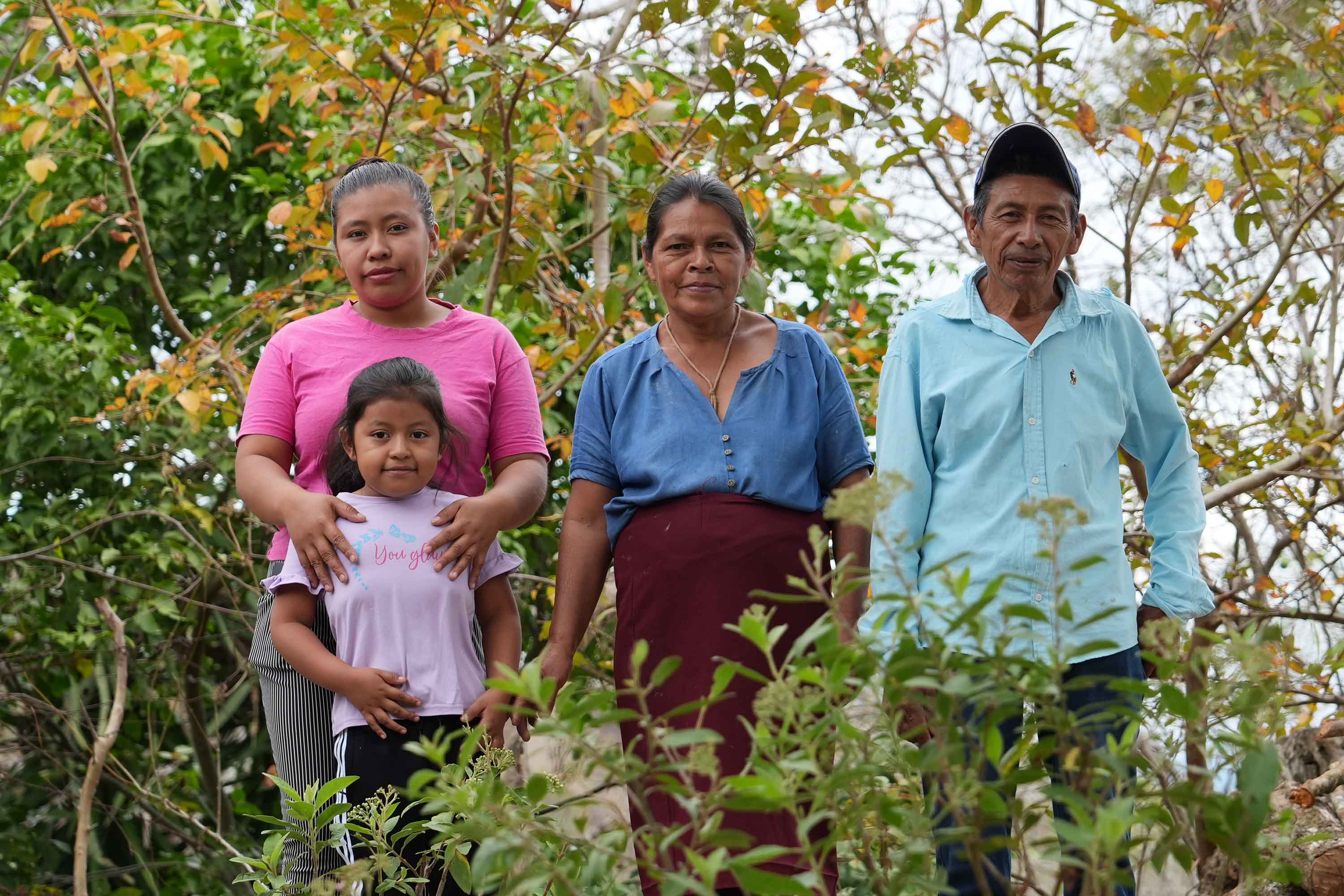
(23)
(23) The Landero family. Chorotega social organization is based on extended families and interdependent communities, with local leaders coordinating productive activities, forest conservation, and water resource management.