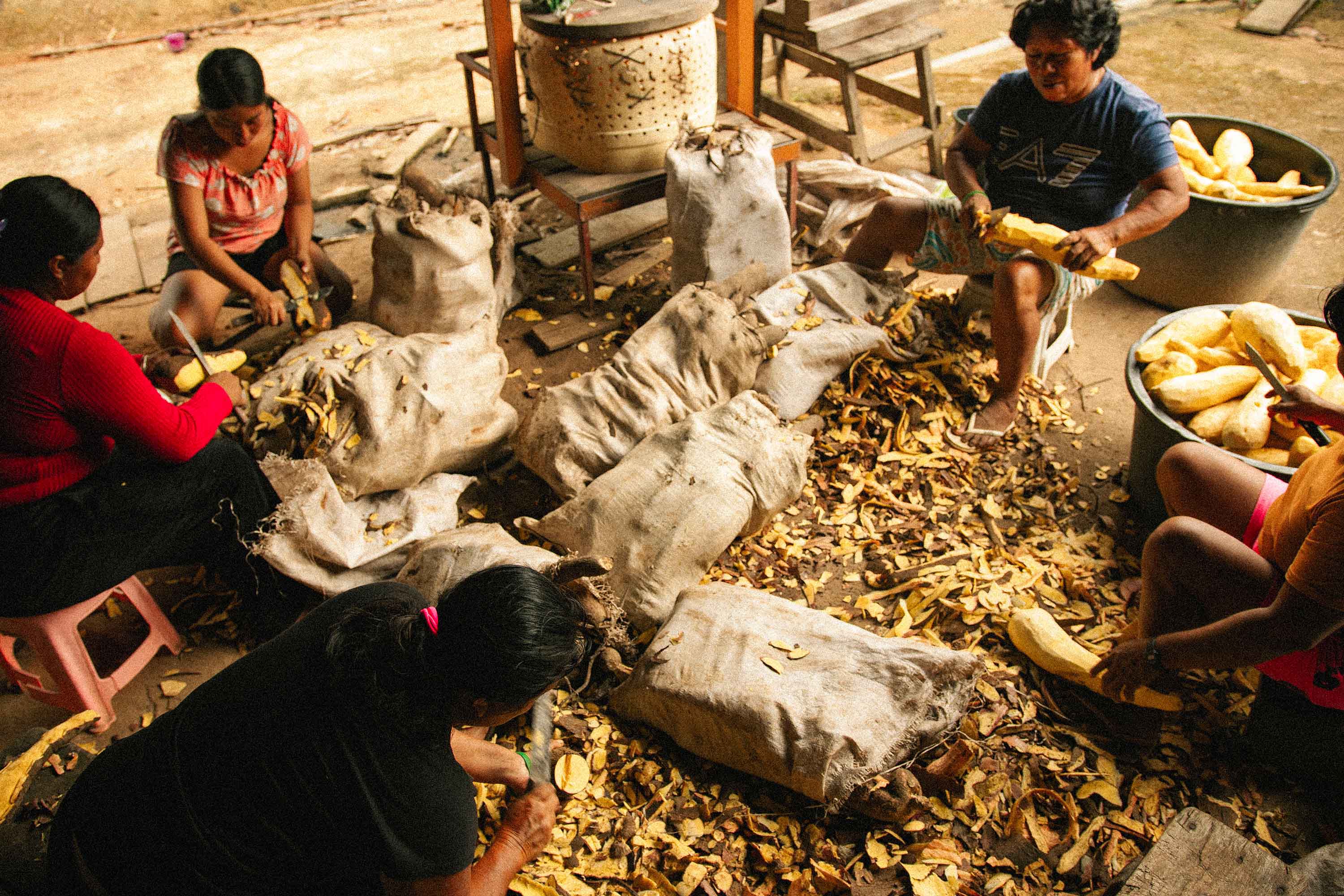
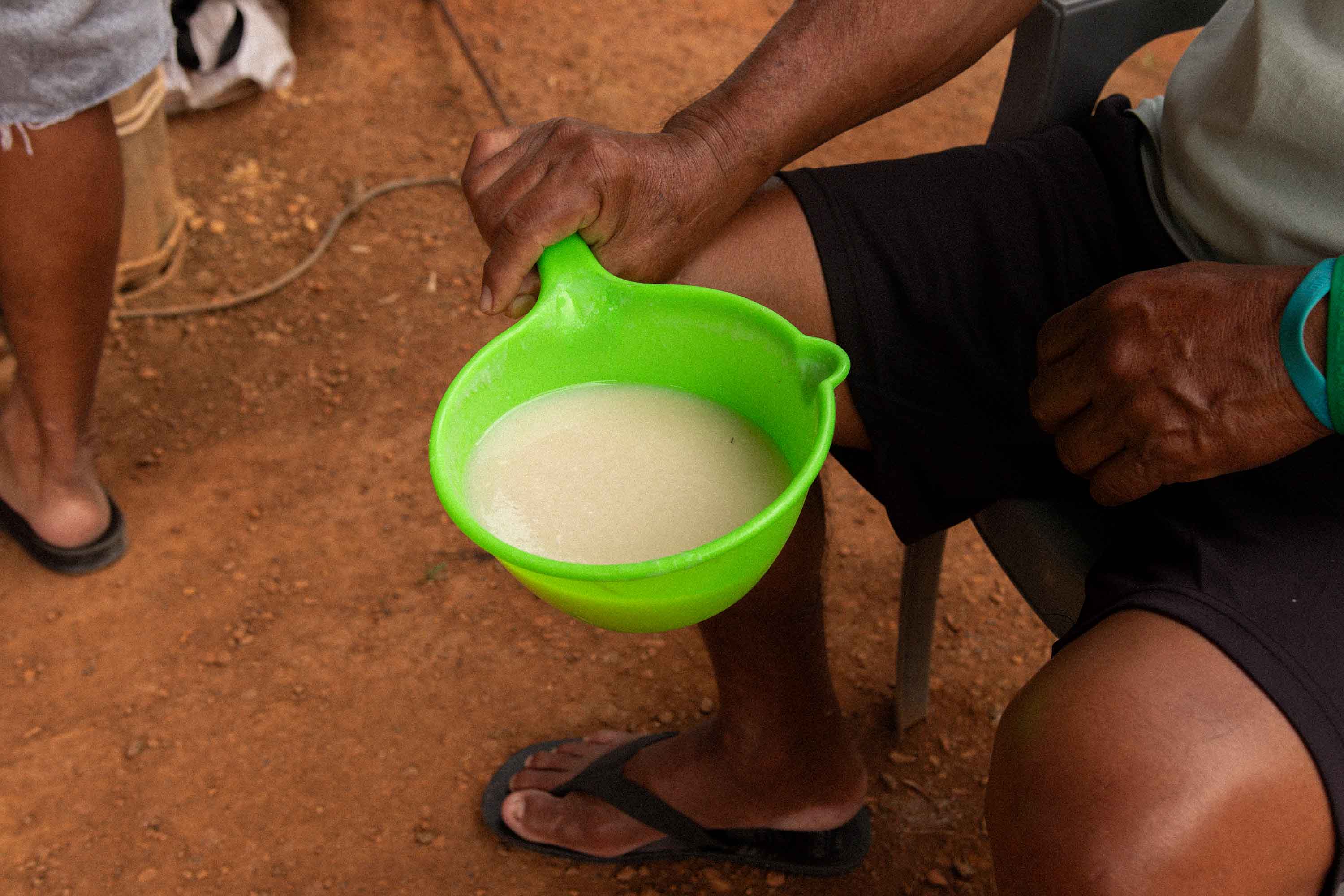
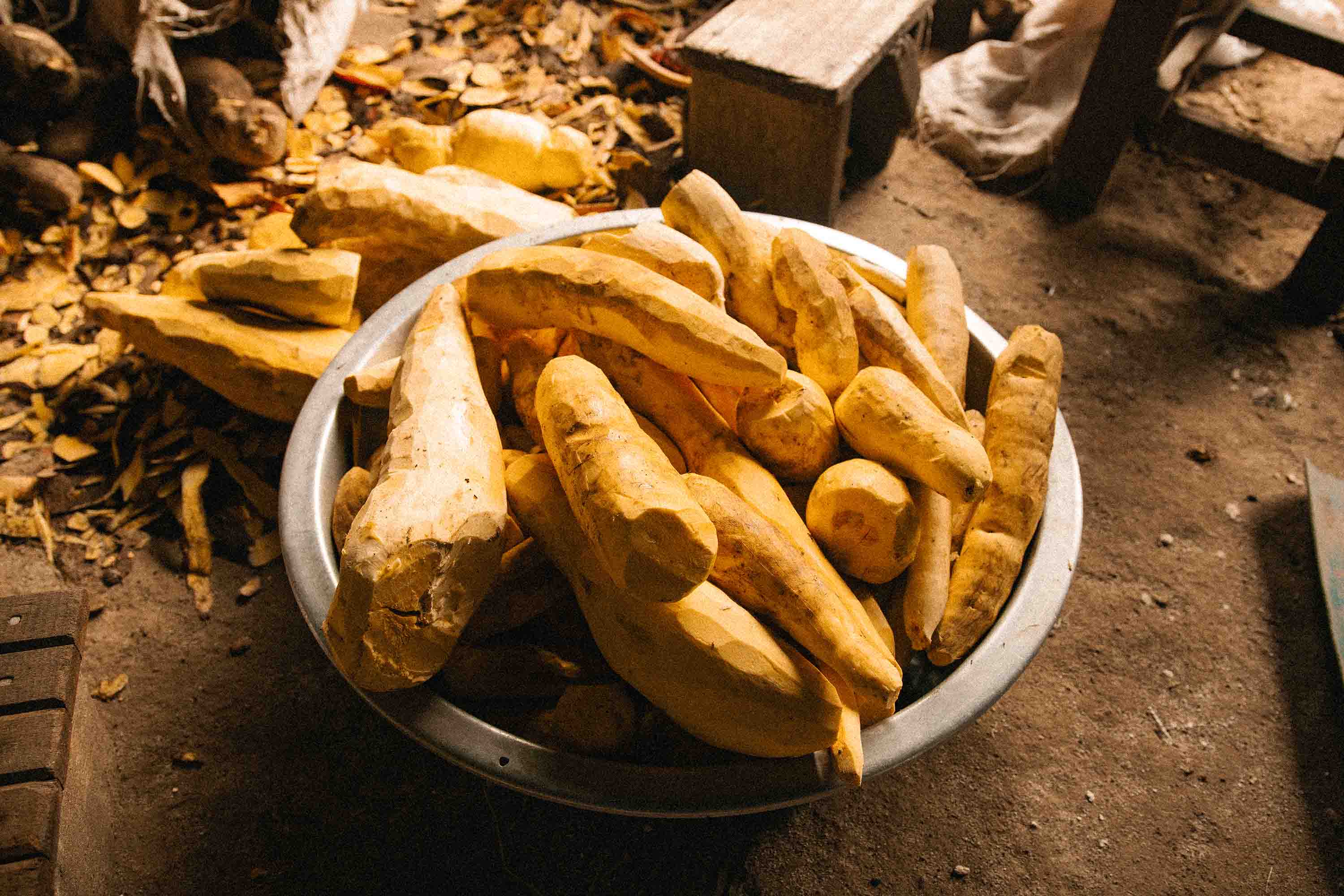
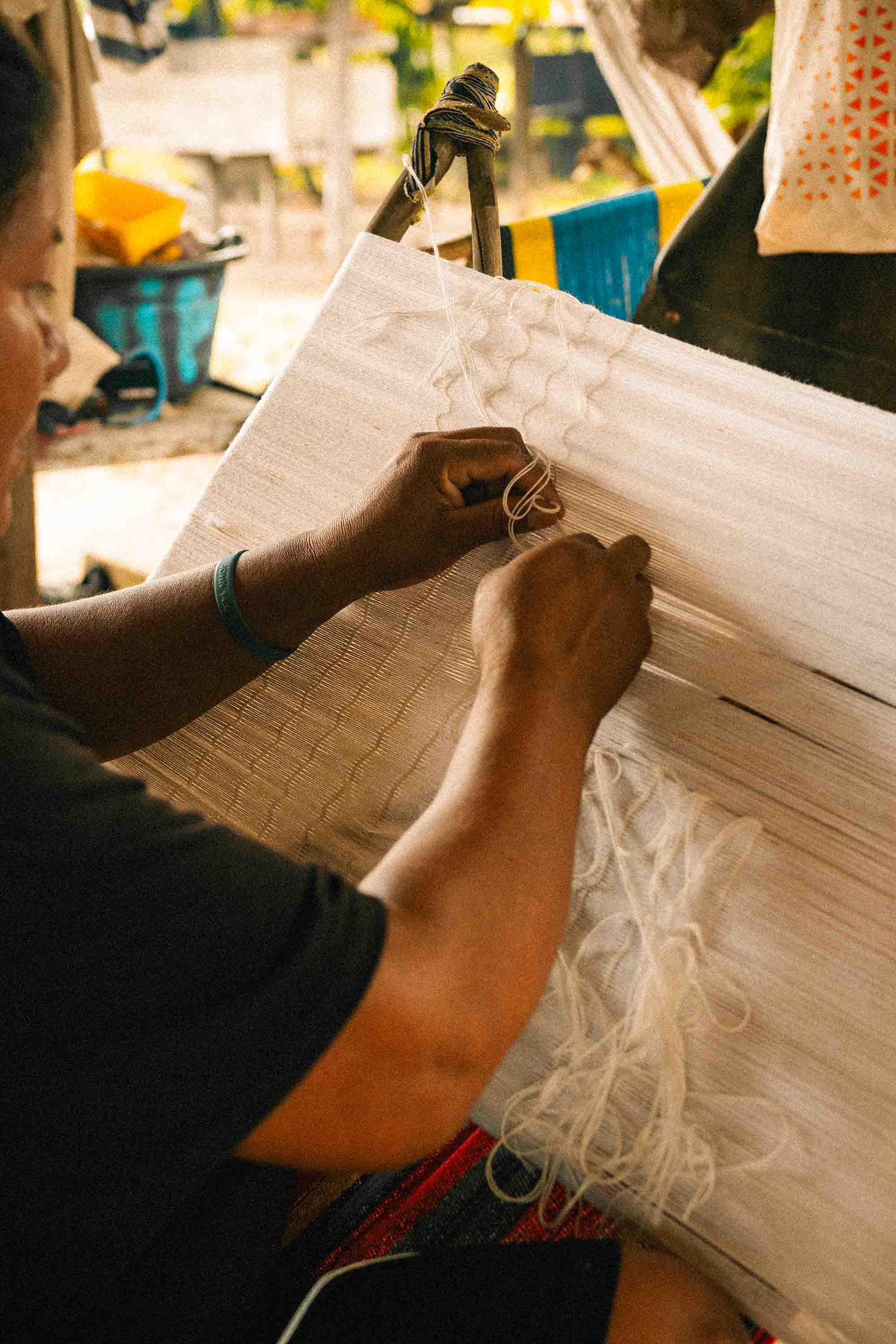
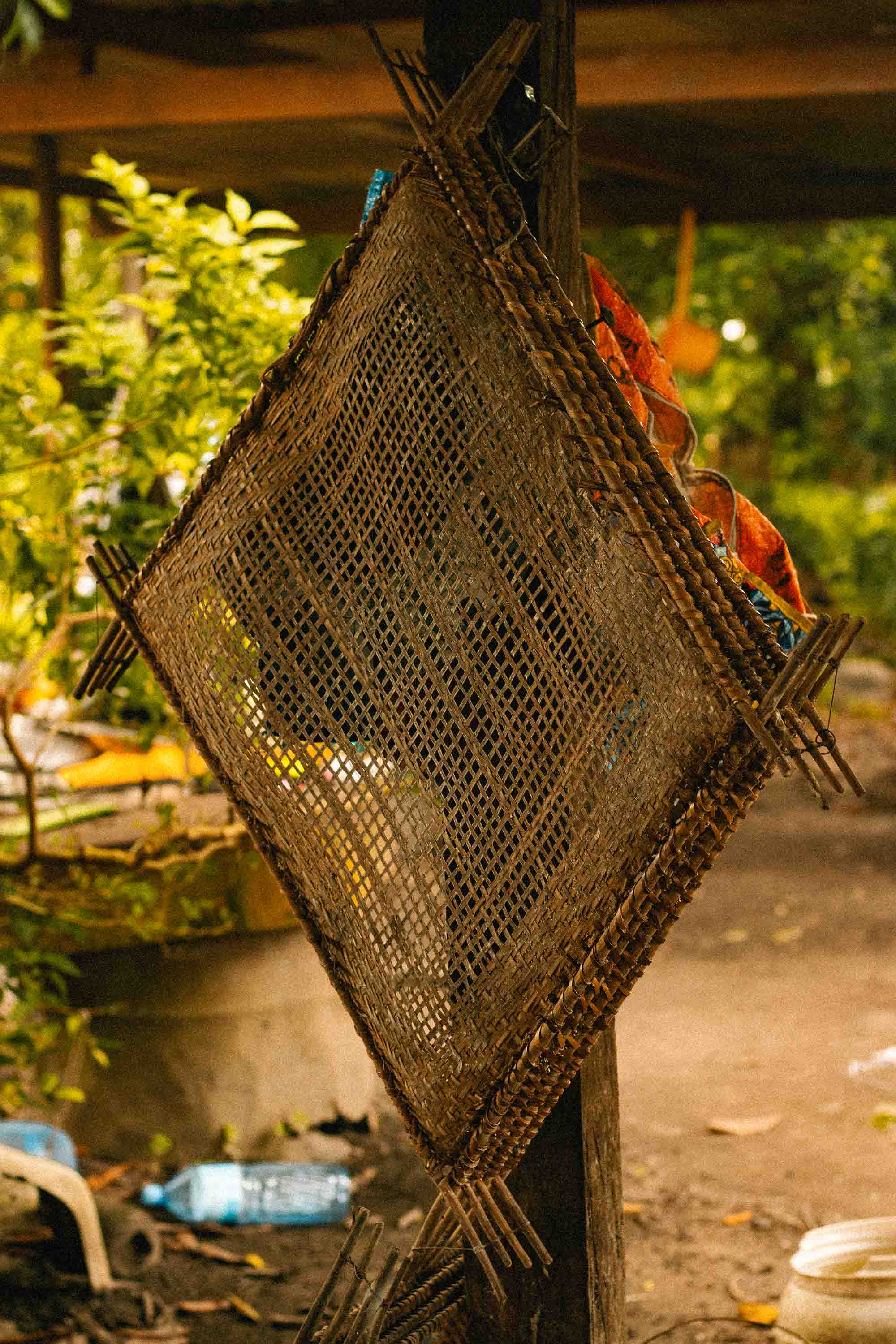
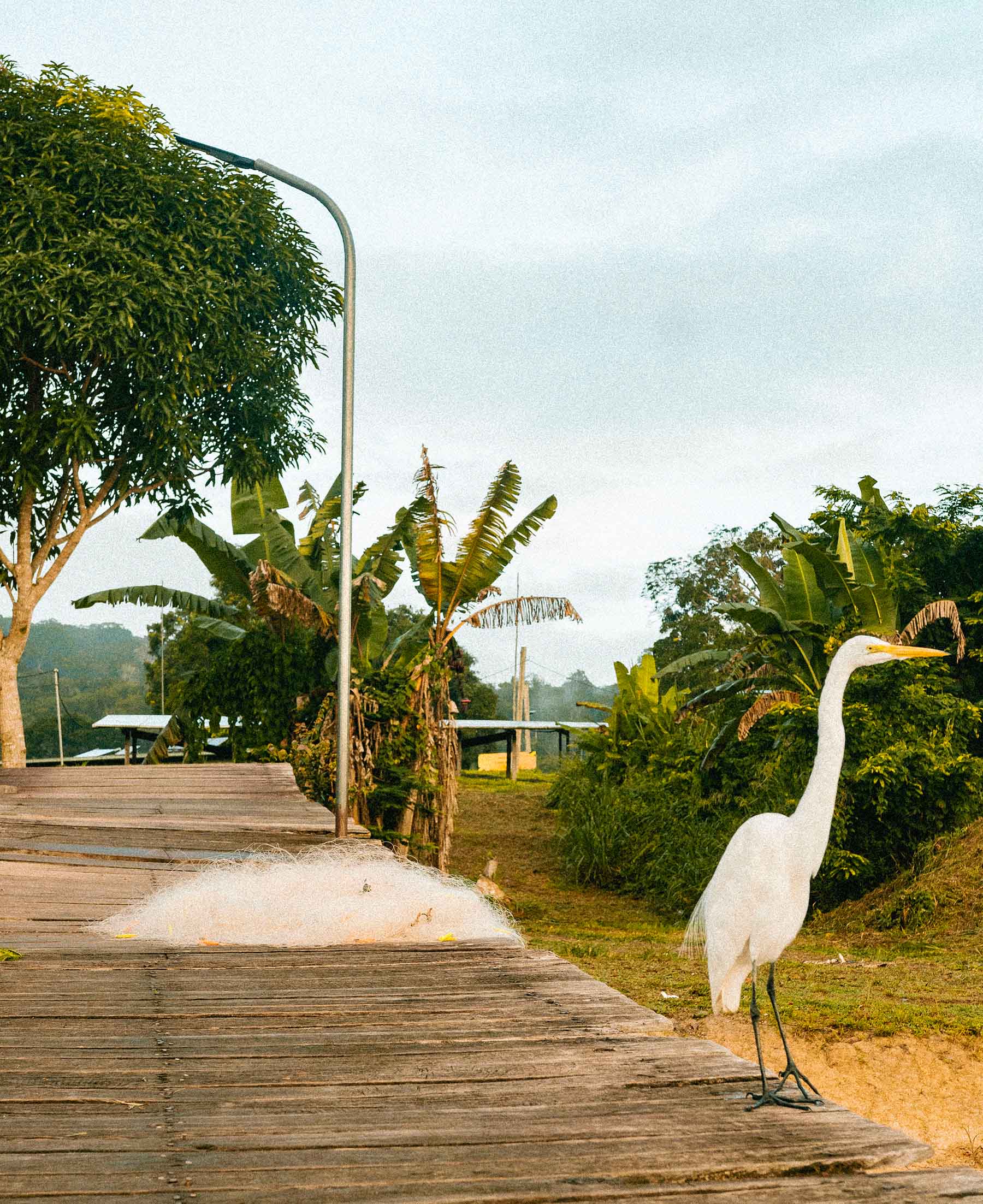
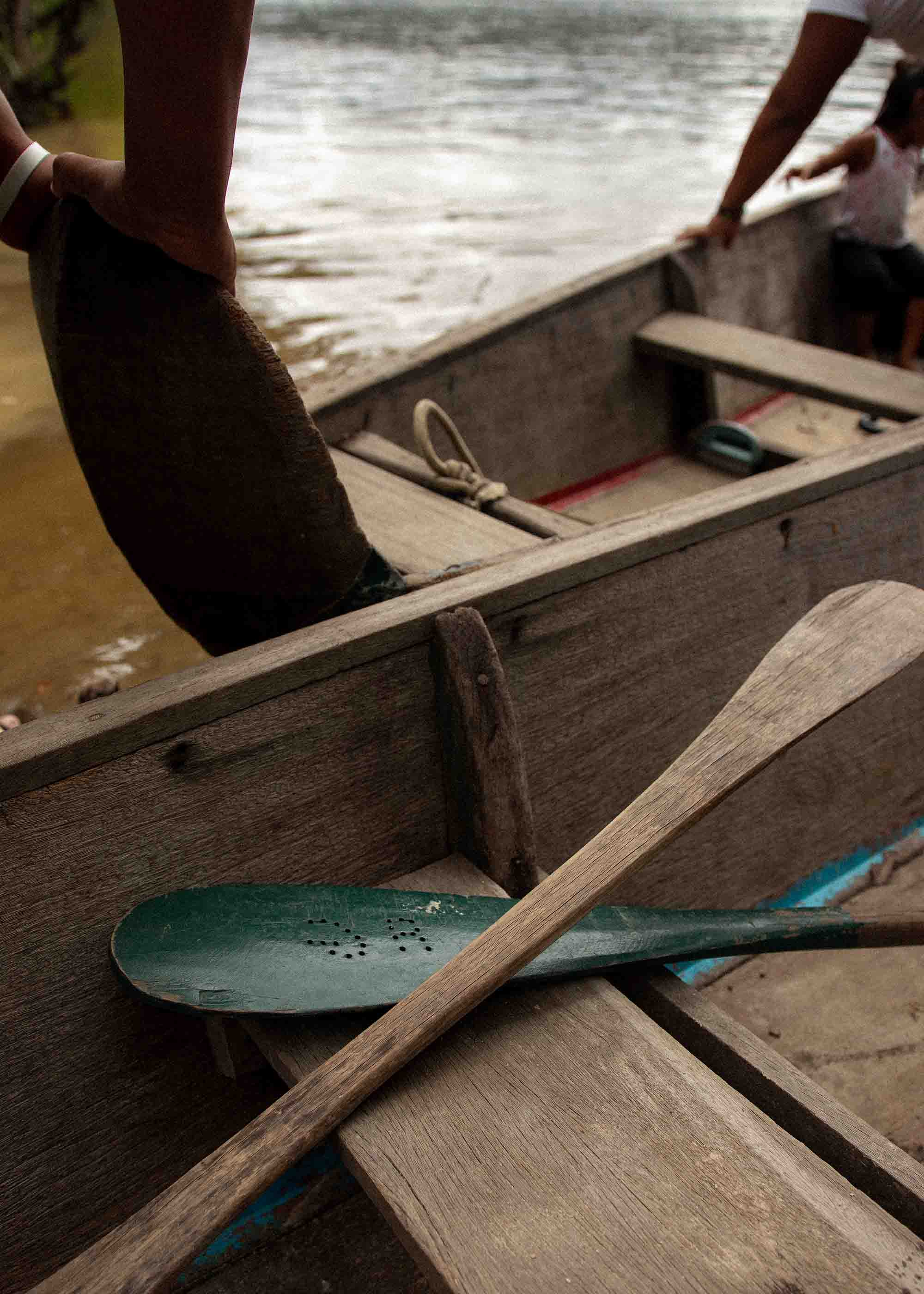
There are approximately 900 Wayana people in Suriname who engage in hunting, fishing, and the cultivation of cassava and other crops on their lands. They speak their own language and have their own oral traditions, cultural practices, and cosmogony, despite increasing acculturation in recent years. As a means of self-defense and knowledge preservation, they founded their own indigenous organization called Mulokot, with a team composed almost entirely of Wayana people, back in 2018.
With support from the International Indigenous Women’s Forum (FIMI) and funding from the International Fund for Agricultural Development (IFAD), through its Indigenous Peoples’ Assistance Facility (IPAF), this organization has developed a strategy that combines technological tools with direct knowledge of the territory to gather information and data that help them combat misinformation about the Wayana people in Suriname. Aylin Díaz, head of the finance department at Mulokot, explains that the project includes everything from digital forms to register births and deaths to camera traps to monitor wildlife, audio recorders to identify birds, and maps created by the communities themselves.
According to data from Navegador Indígena, the Surinamese government does not have detailed information on the Indigenous peoples inhabiting the south of the country and has not recognized their right to self-determination. “Our government doesn’t even have maps of this territory. They don’t know the different rivers, the different streams. They have satellite images, but that’s all,” says André Verhoogt, Mulokot’s executive director, who also serves as the organization’s liaison with external partners and donors.