“Watermelons aren’t planted during the new moon; they have to be planted during the full moon. They get worms if you don’t respect the lunar phase,” says Nilda Brizuela, president of the Women’s Committee of the Mbyá Guaraní people in the Tacuaró community, in southern Paraguay. After a year of developing agricultural projects and reviving ancestral knowledge, Nilda and other community members tell the story of their people as a tale of resilience and adaptation, in a country where rich Indigenous culture coexists with deep inequalities.
Seeds of resilience
PHOTOGRAPHYMayeli Villalba
TEXTAndrea Fajardo
Tacuaró / Caazapá Department / Paraguay

(2)
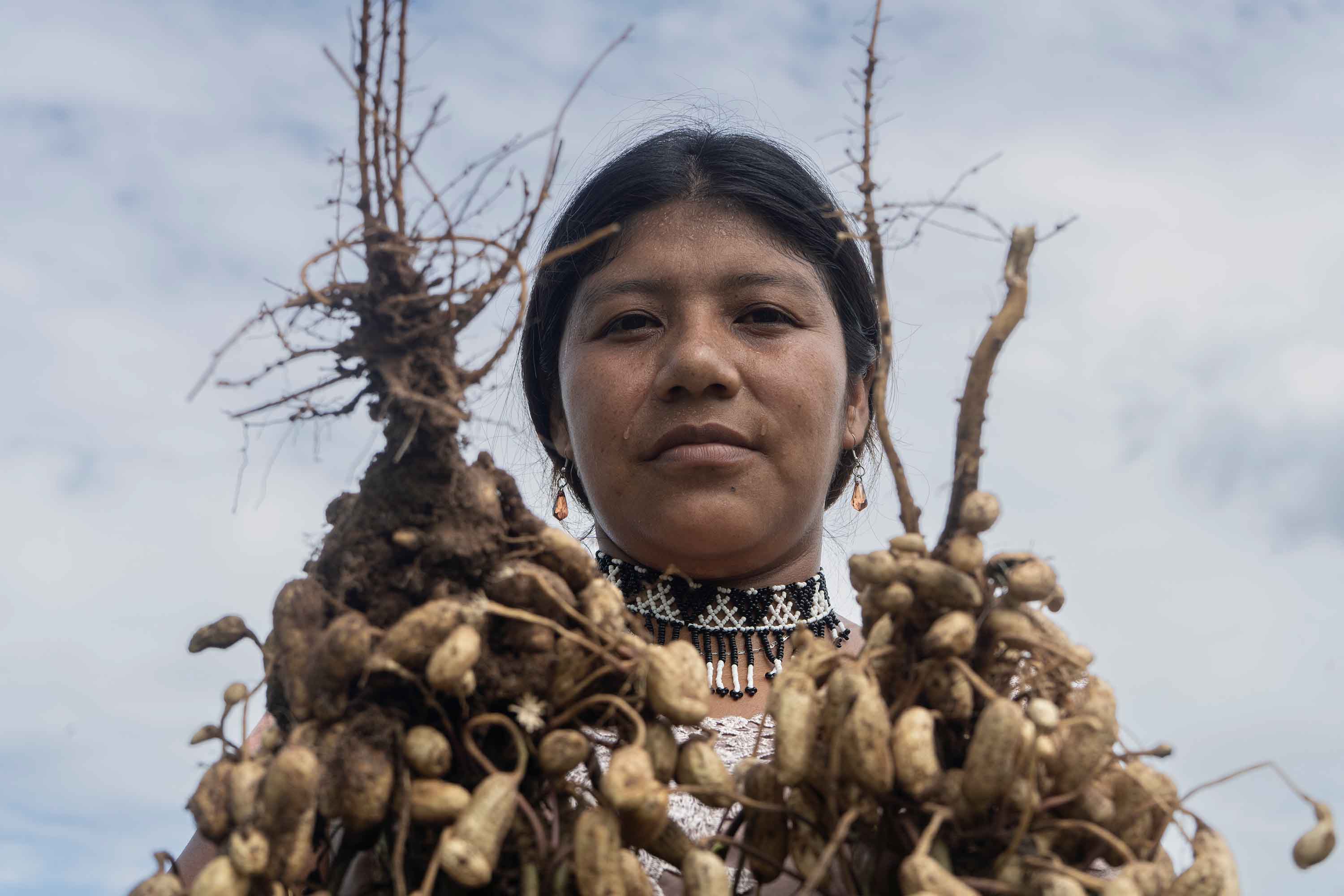
(1) Tacuaró is an indigenous community of the Mbya Guarani people, located on the edge of the Tapytá Nature Reserve. (2) Nilda Sarita Brizuela. The farm is guided by ancestral knowledge of natural cycles and lunar phases.
Paraguay is home to 19 indigenous peoples belonging to five linguistic families. The Mbyá Guaraní are one of the largest and most representative groups of the Tupí-Guaraní family. According to data from the 2022 National Census, the indigenous population has grown to 140,206 people (2.1% of the total population), but their living conditions remain dire. Sixty-six percent of the indigenous population in Paraguay lives in poverty, and access to drinking water barely reaches 30% in rural communities.
Located on the outskirts of the Tapytá Nature Reserve, the Tacuaró community has had to reinvent its ancestral connection to the land. The gradual disappearance of the virgin forest and external pressure on its resources forced the inhabitants to transition from gathering and hunting to diversified agriculture, which now represents a pillar of food sovereignty.
Since 2005, the Moisés Bertoni Foundation has supported this journey, but it was in 2025 that a project to strengthen agriculture and sustainability, with help from the International Indigenous Women’s Forum (FIMI), and funding from International Fund for Agricultural Development (IFAD) through its Indigenous Peoples Assistance Facility (IPAF), reached organizational maturity.

(9-a)
(9-b)
(9-c)
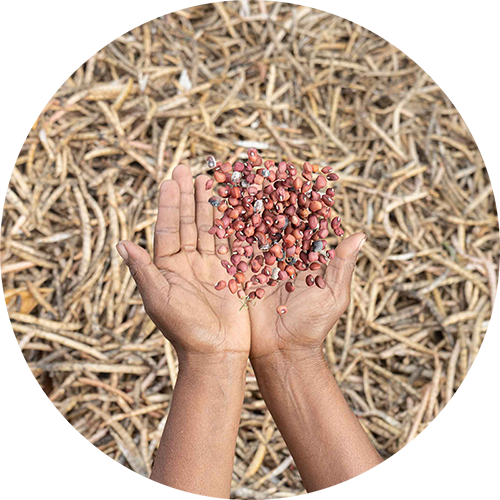
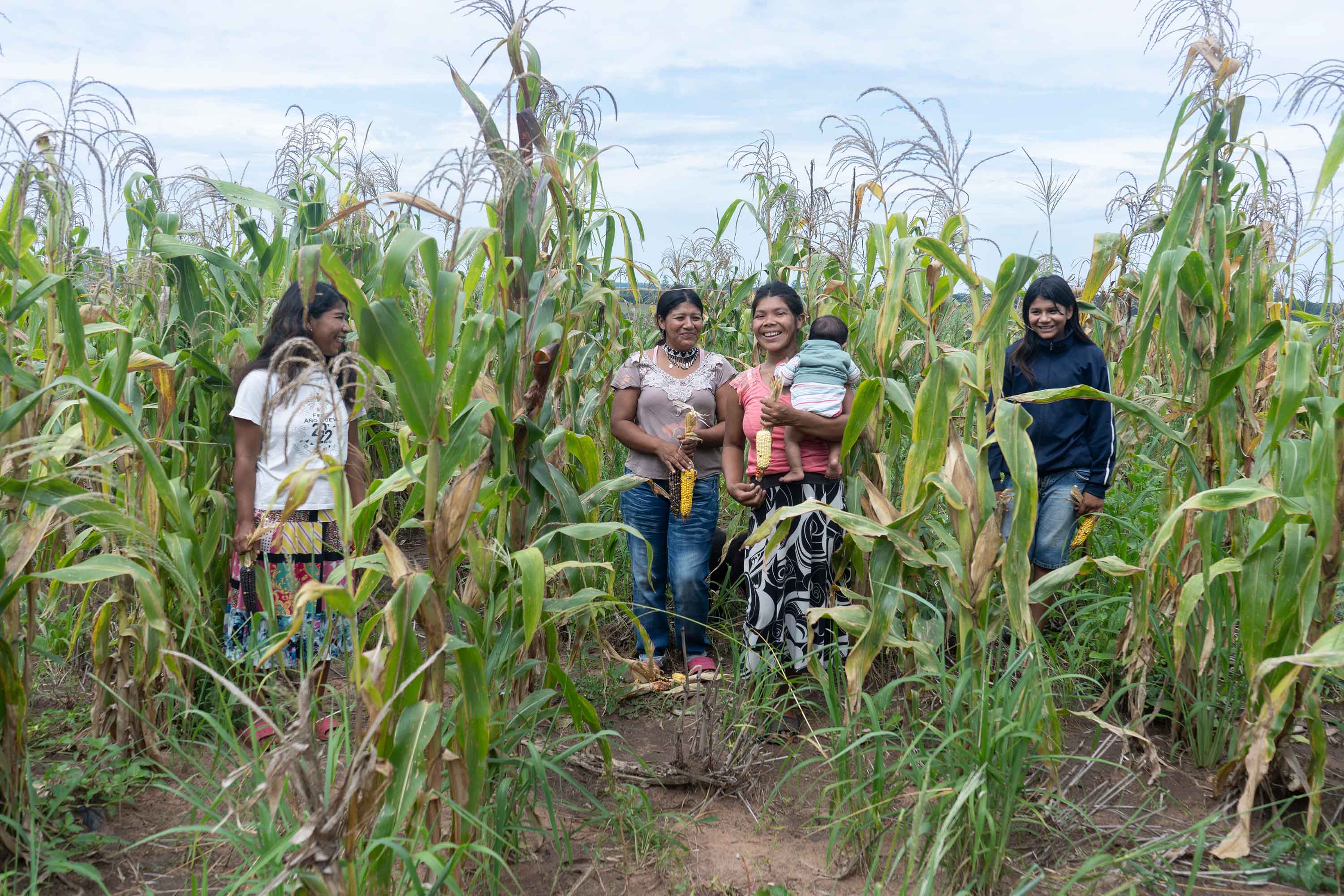
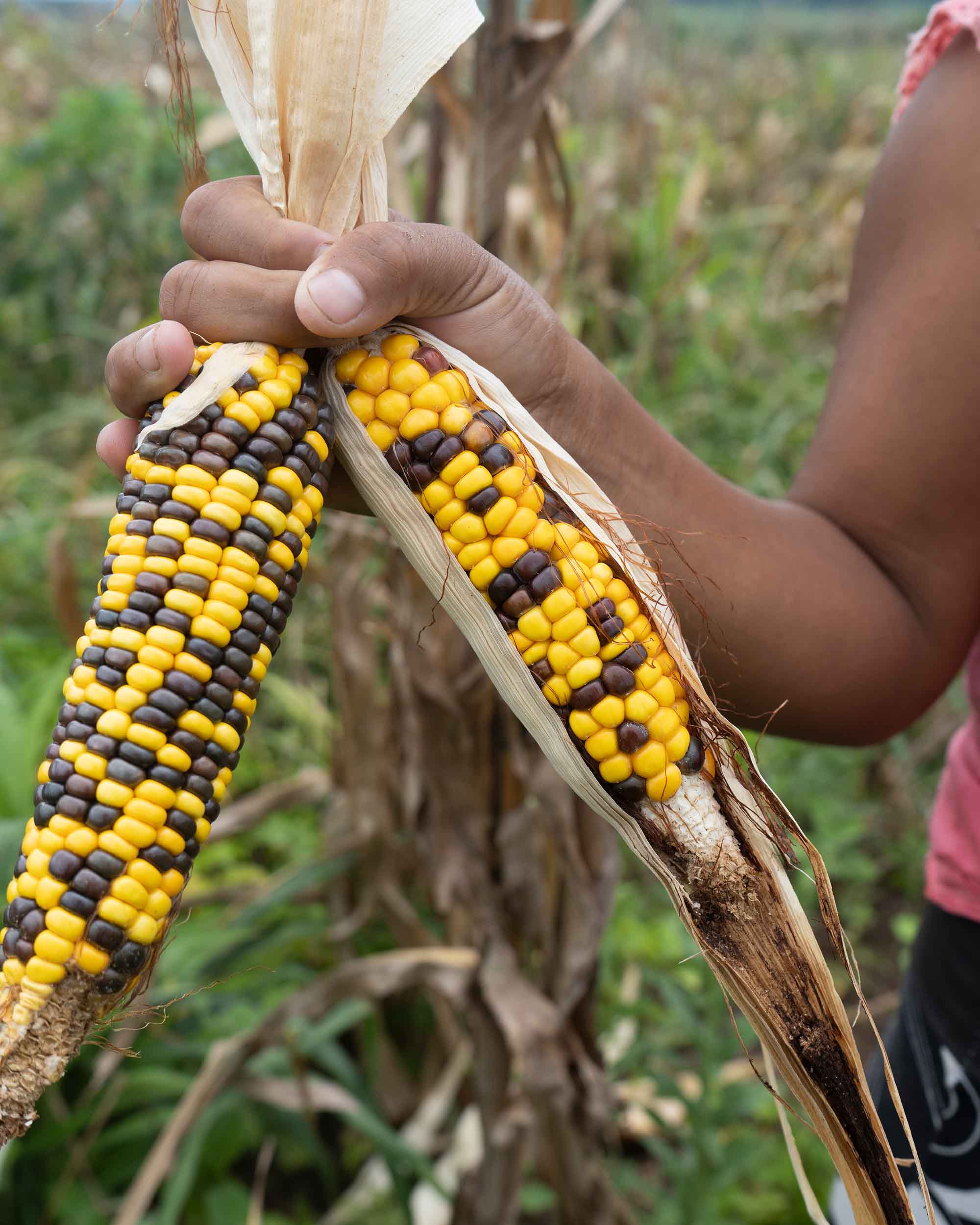
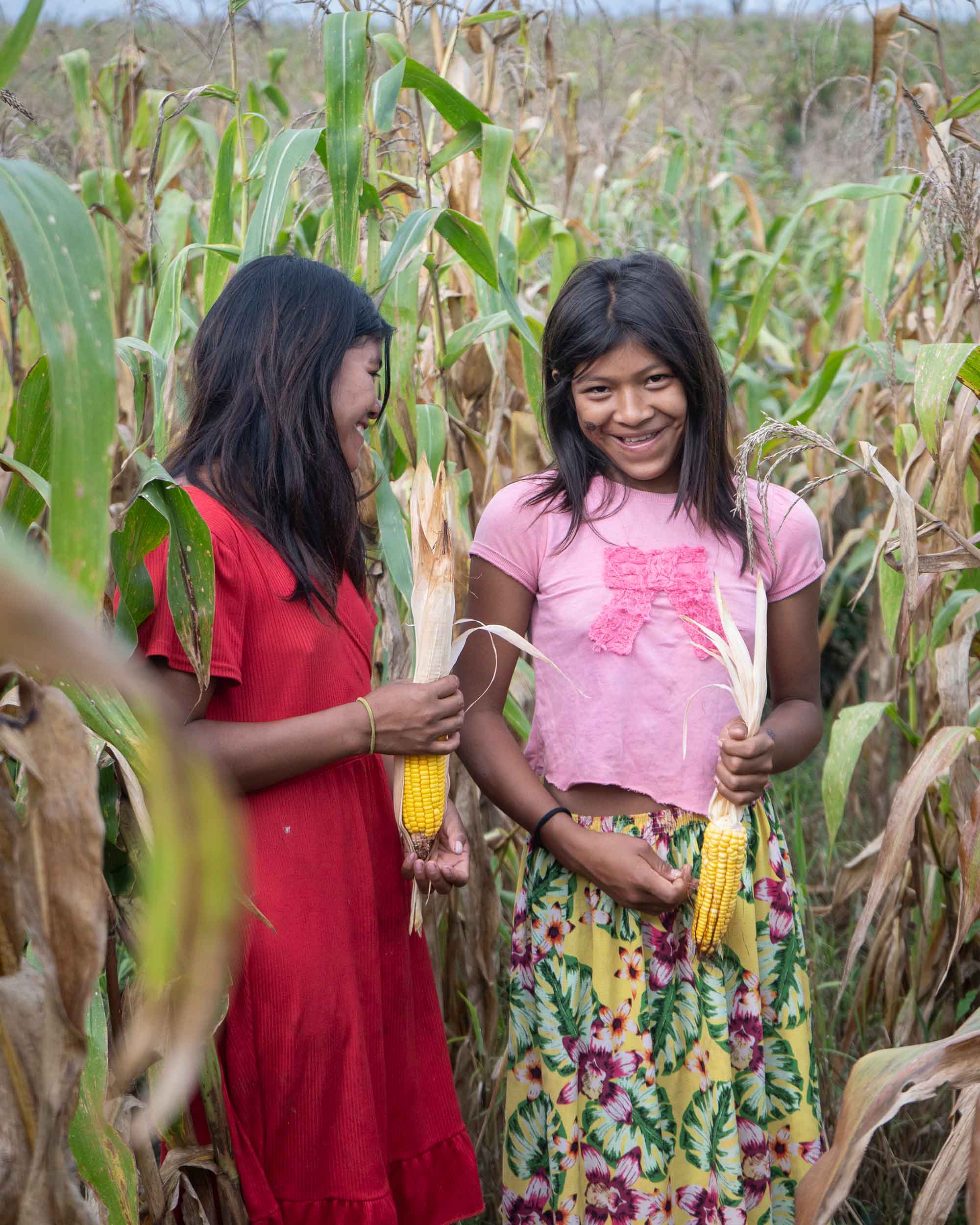
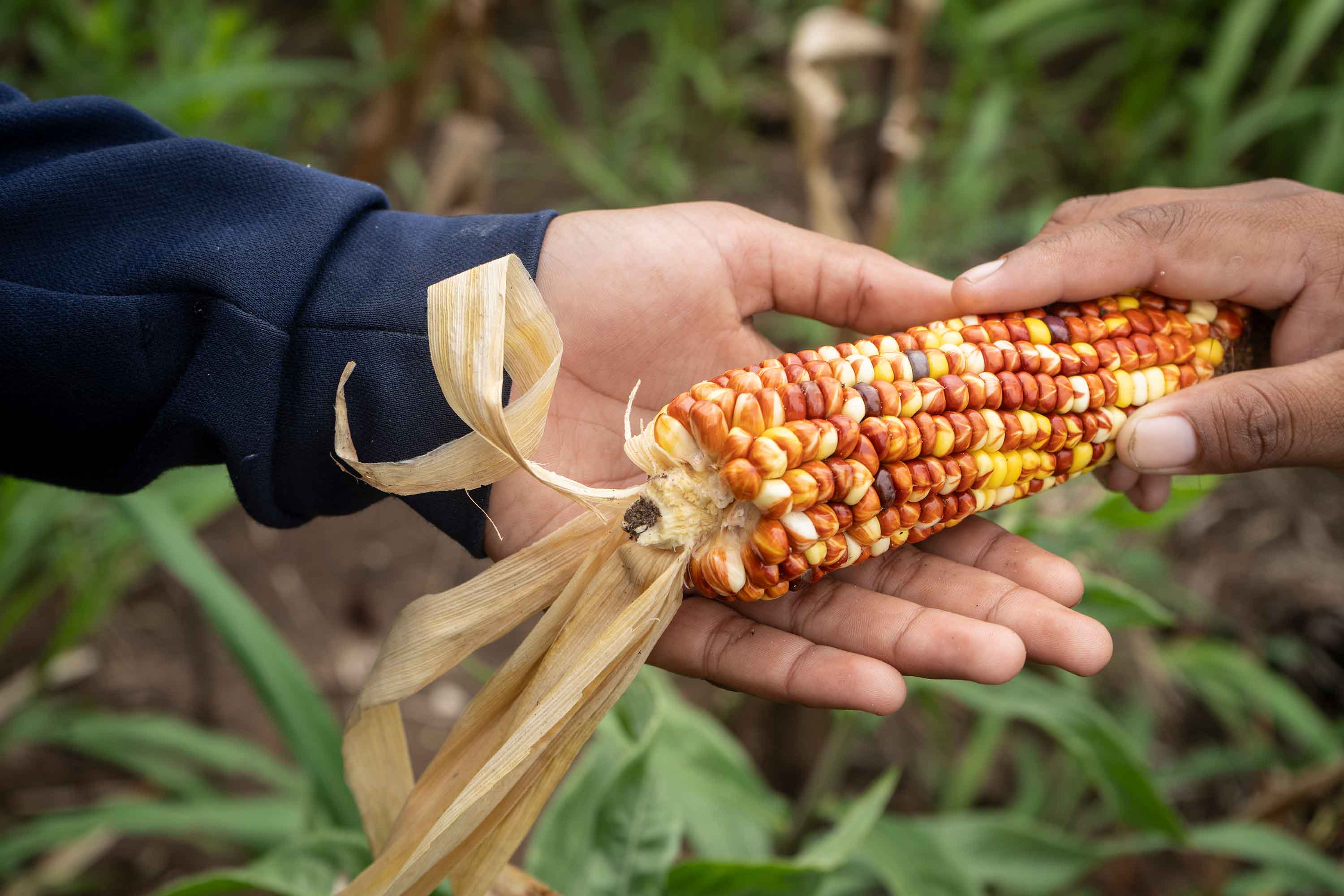
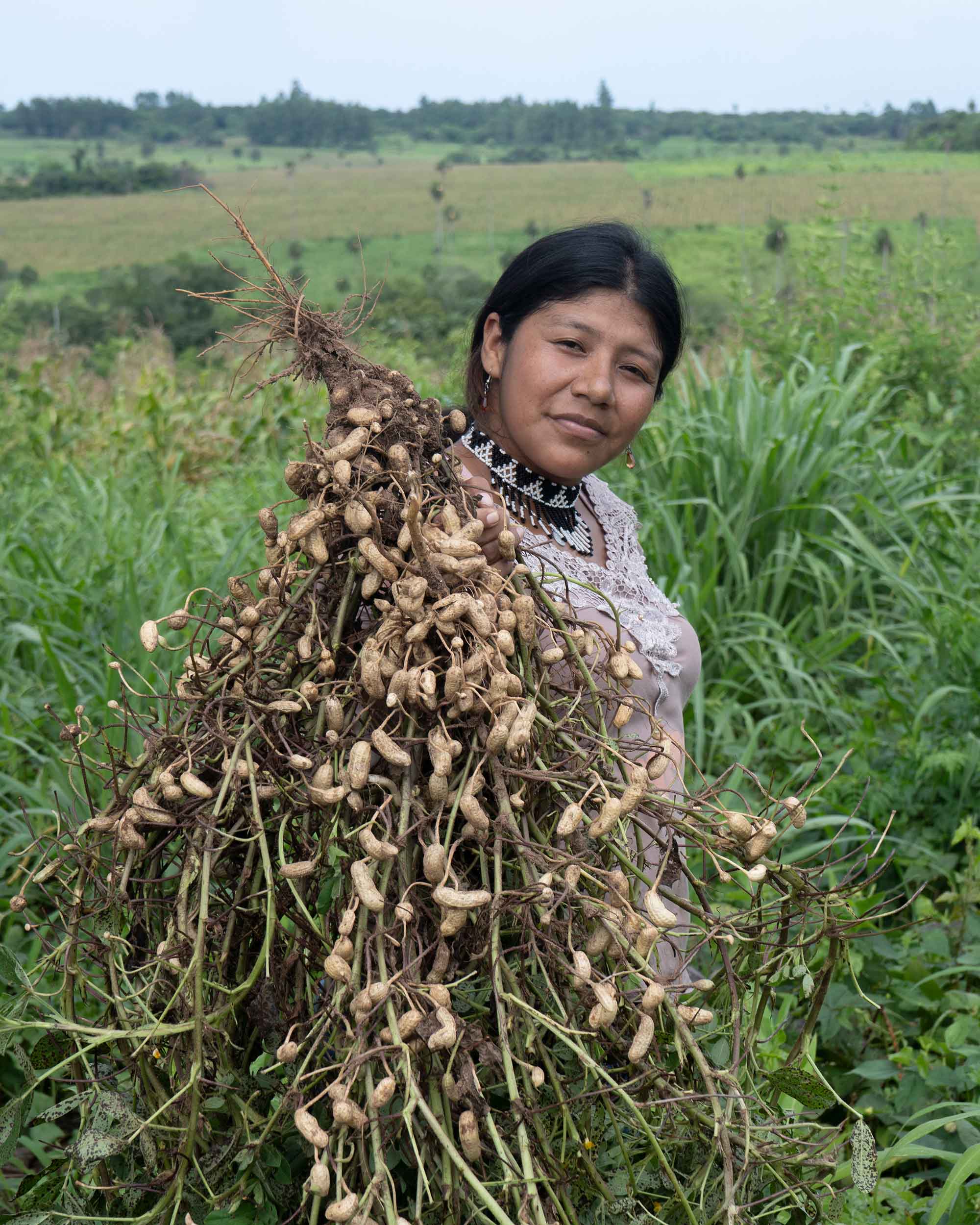
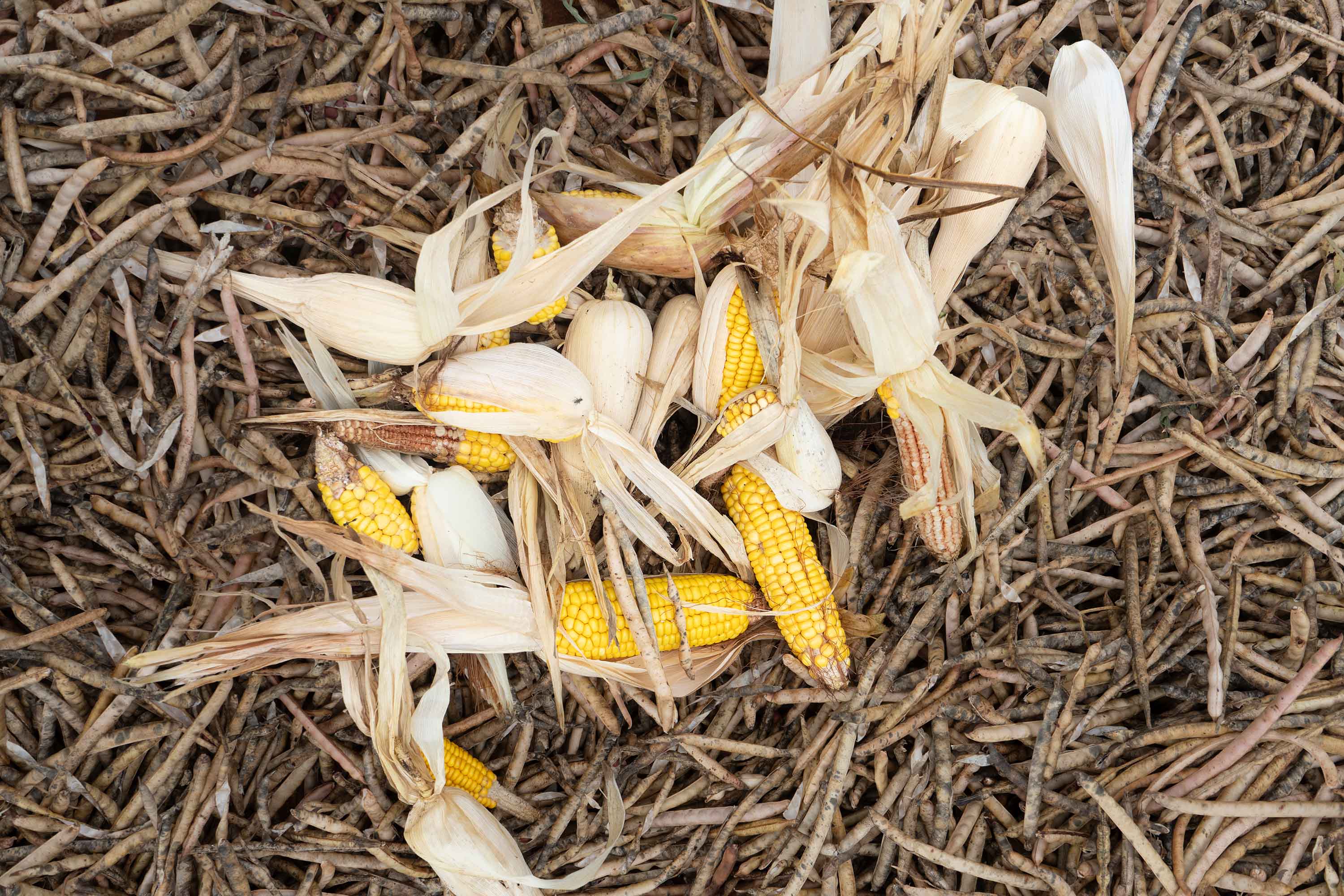
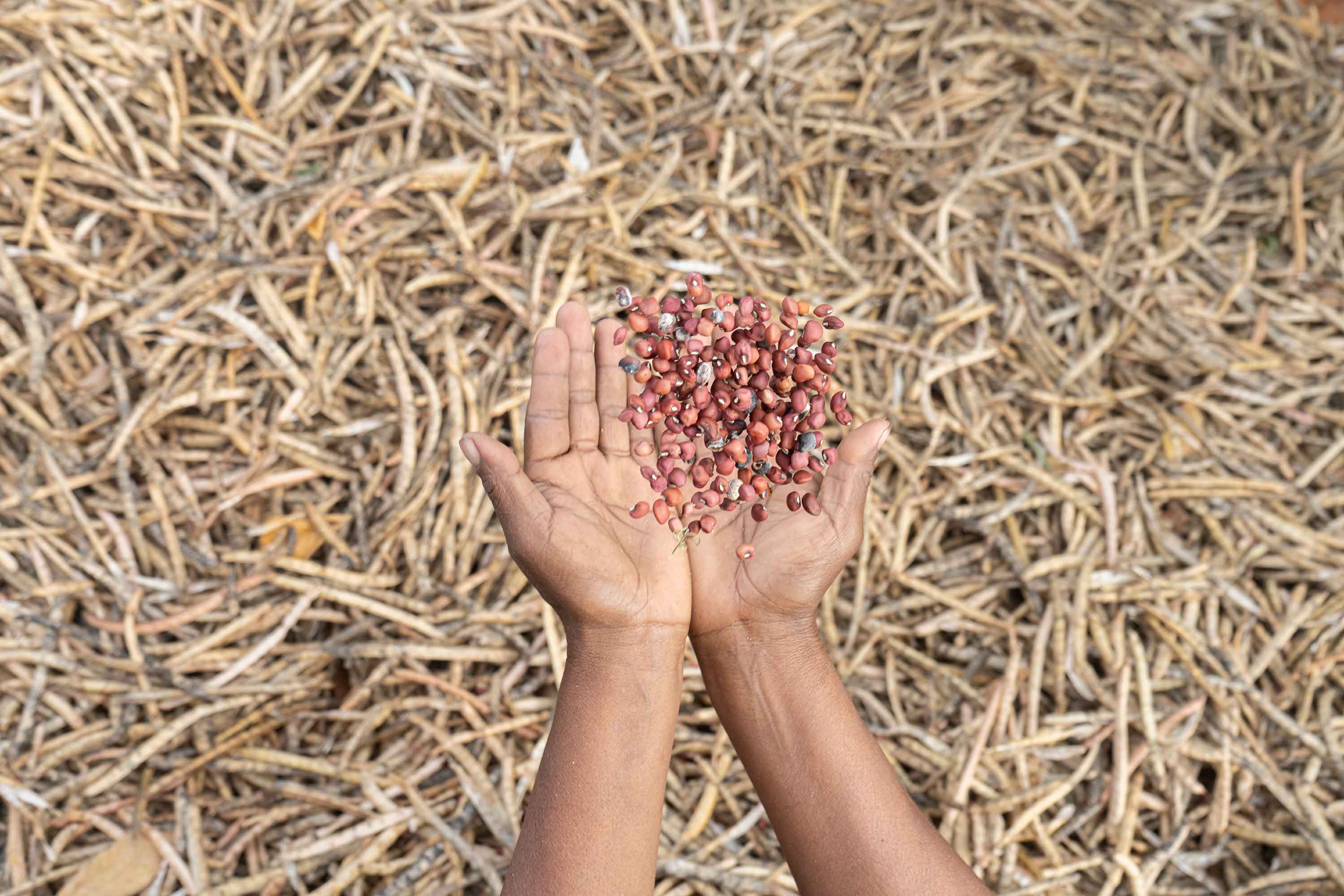
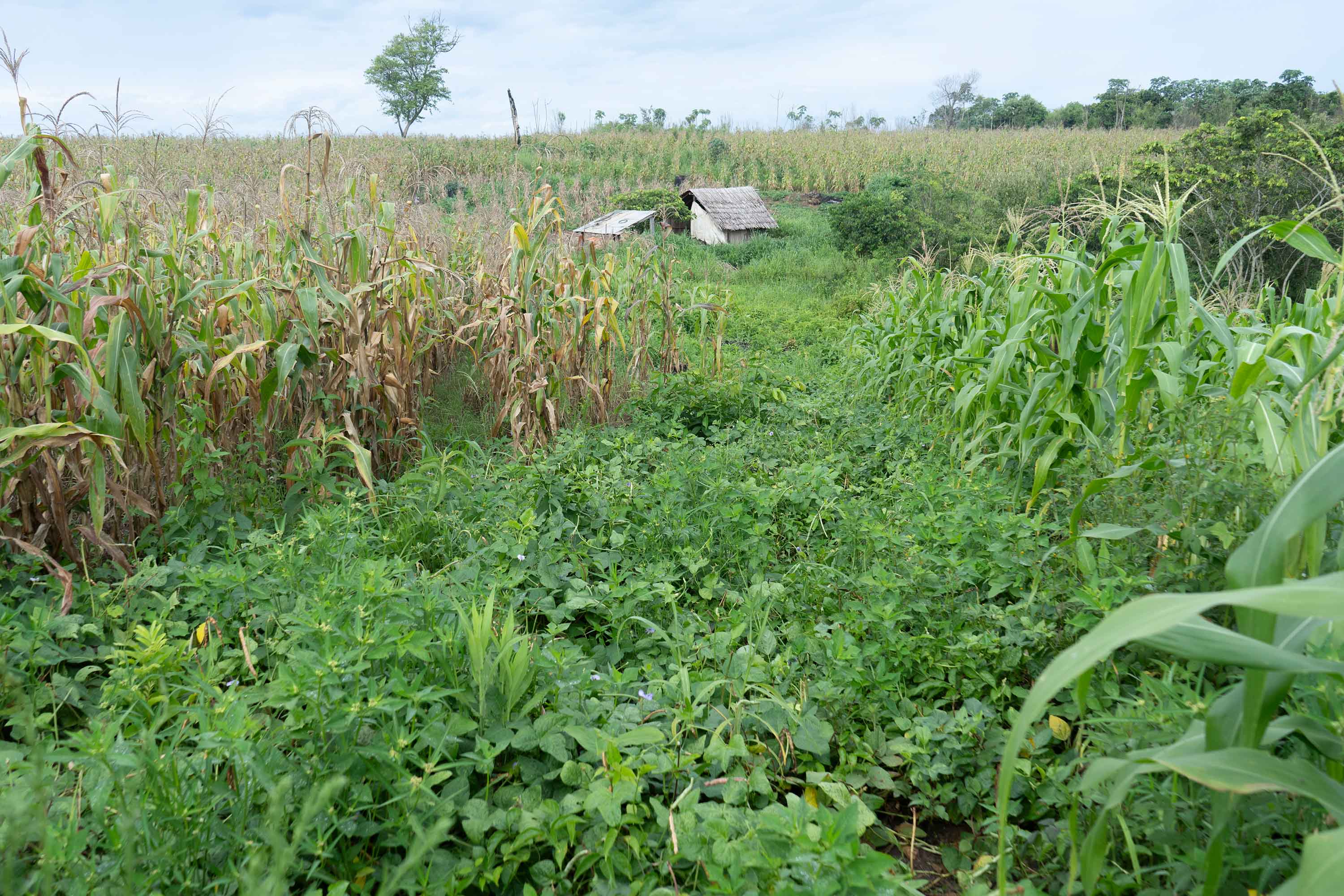
(3) Susana Brizuela, Nilda Brizuela, Sebastiana Benítez with her baby, and Nadia Brizuela. (4) A variety of corn cultivated by the Brizuela family, called avachĩ para’i. (5) Sisters Araceli Benítez and Maribel Benítez working on the family farm. (6) The farms protect biodiversity and sustain the community’s health. (7) Nilda Sarita Brizuela harvests peanuts or manduvi. (8) The Martínez Benítez family: Maribel Benítez, Antolina Martínez, Oscar Benítez, and Araceli Benítez. (9 a-b-c) In Tacuaró, various varieties of corn and red beans, known as kumanda pytã, are produced.
Mardonio Samuel Chávez, an animal husbandry engineer who has been associated with the foundation for two decades, explains that the central objective has been to strengthen food security through sustainable management. “Historically, they engaged in hunting and gathering wild fruits. Today, faced with food shortages due to forest loss, they have been expanding their agricultural practices to supply themselves through their own plots,” he notes.
The Mbya Guarani People are part of the Tupí-Guaraní linguistic family and maintain agricultural knowledge linked to lunar cycles, seeds, and traditional forest management
Throughout 2025, the community implemented a work schedule that transformed the productive landscape of Tacuaró. The cycle began between March and April with the distribution of seasonal vegetable seeds, an important step in a country where, according to data from UNICEF, chronic malnutrition affects Indigenous children 20% more than the general population. By June, the focus expanded to include forestry and fruit production, incorporating the planting of eucalyptus trees, and the cultivation of yerba mate (Ka'a in Guaraní)—an iconic product of Paraguayan culture.

(12)
(13-a)
(13-b)
(13-c)
(13-d)
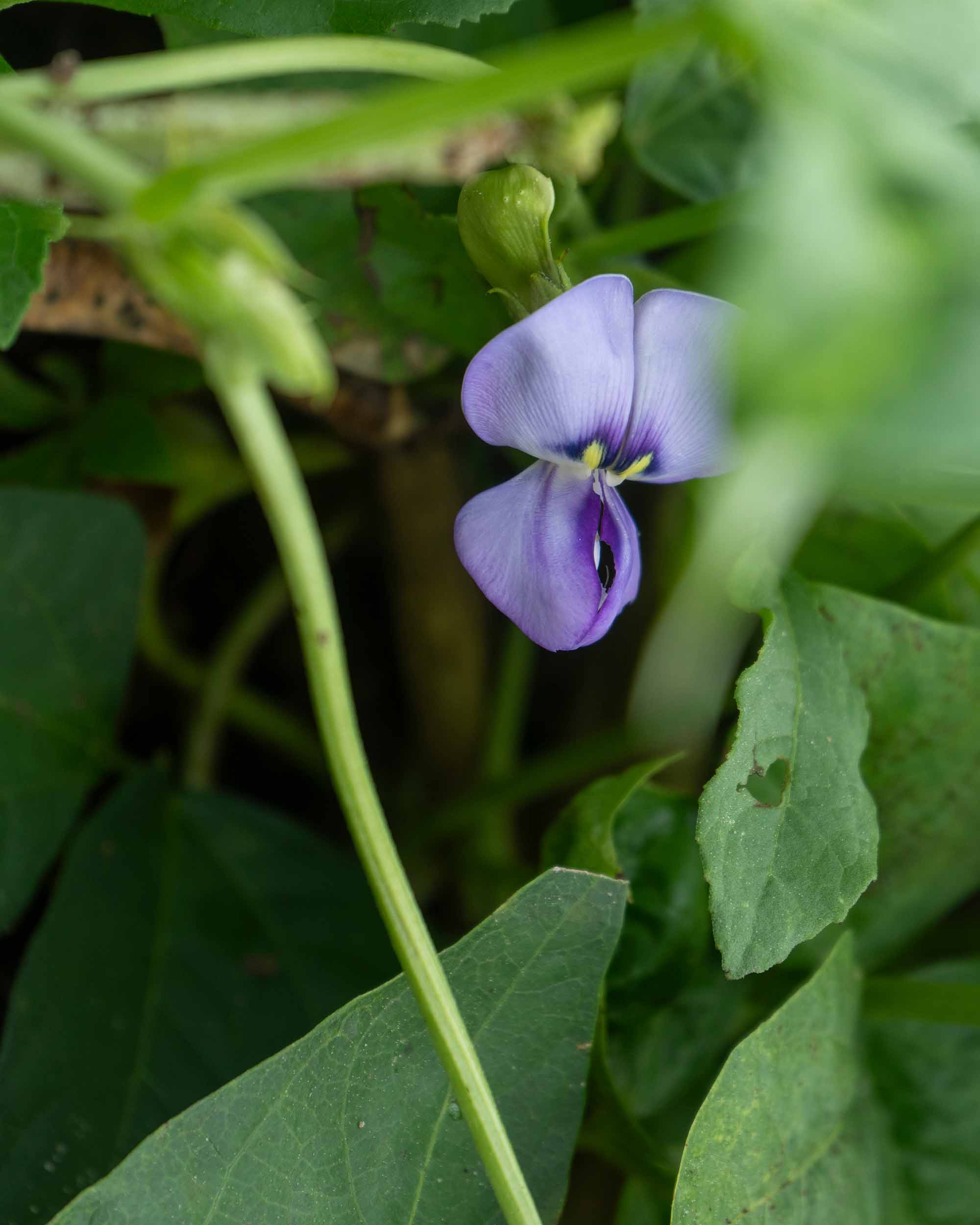
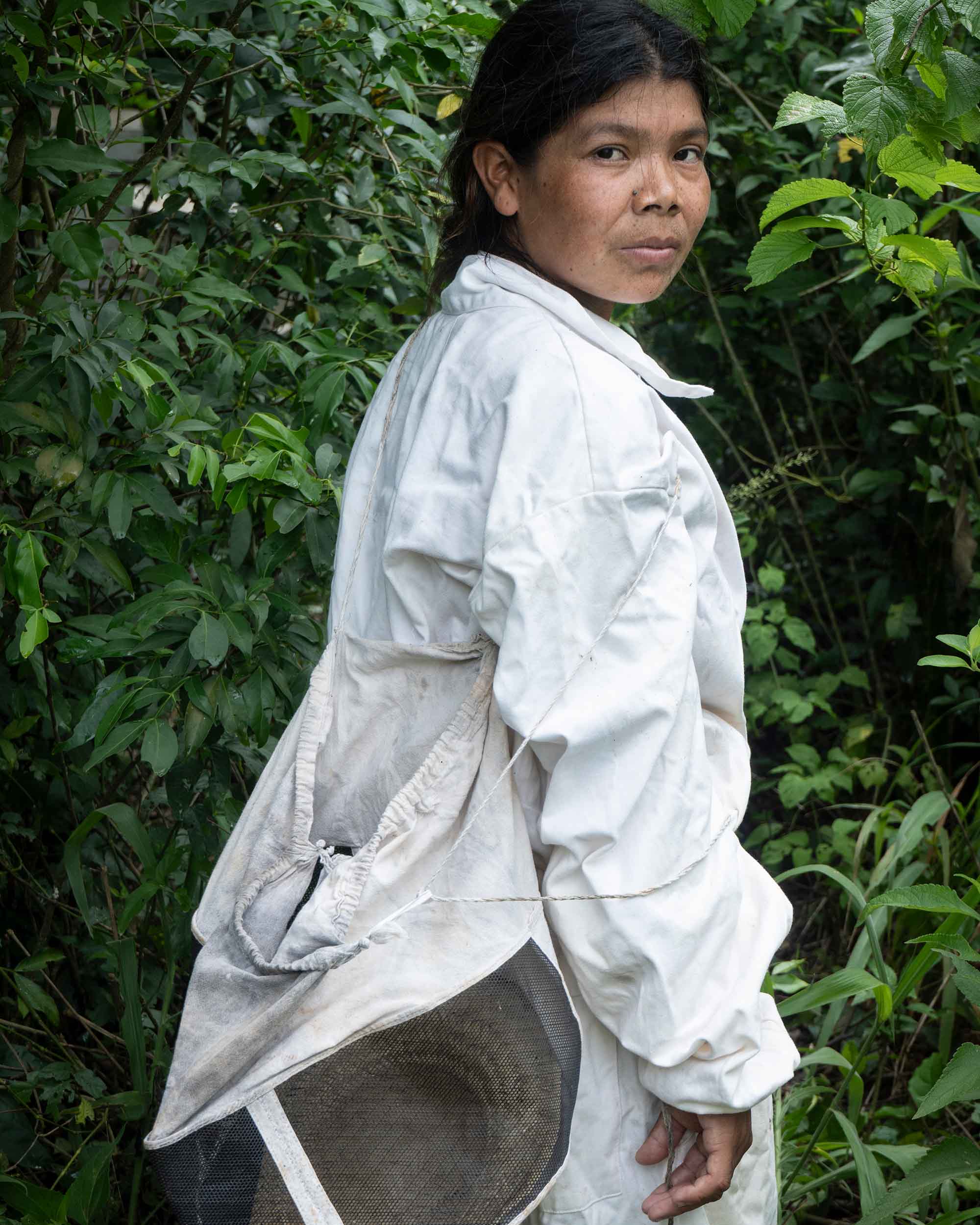
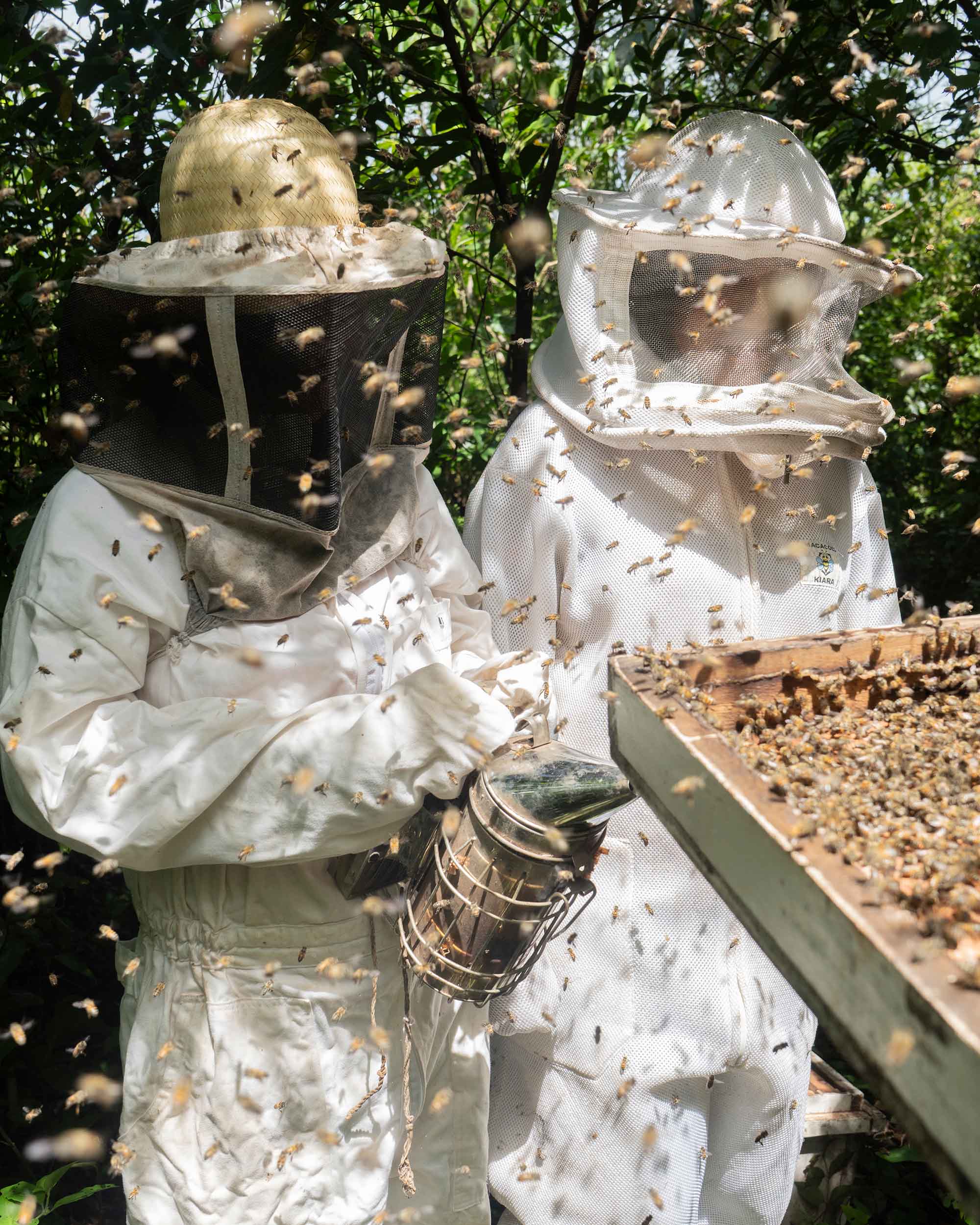
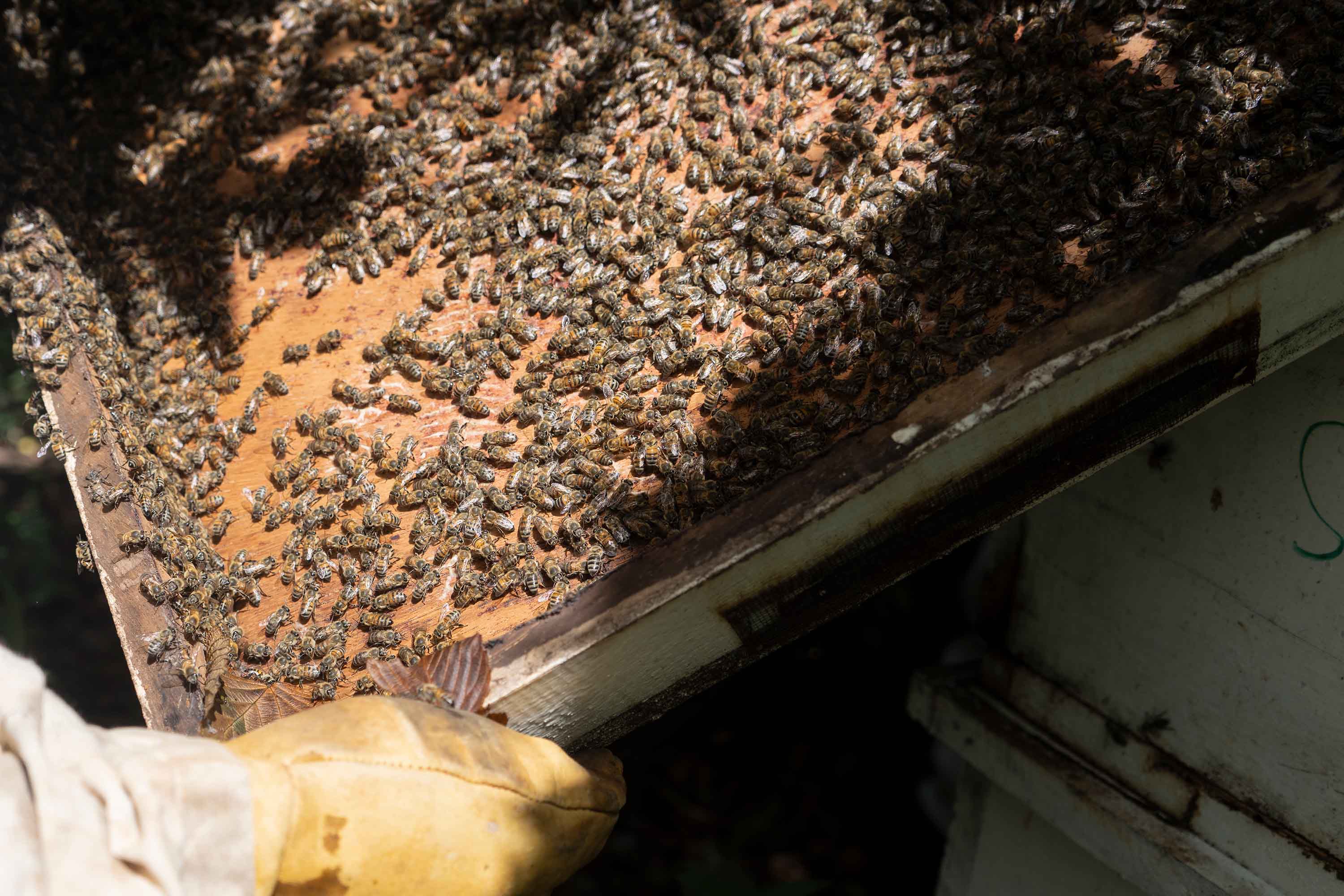
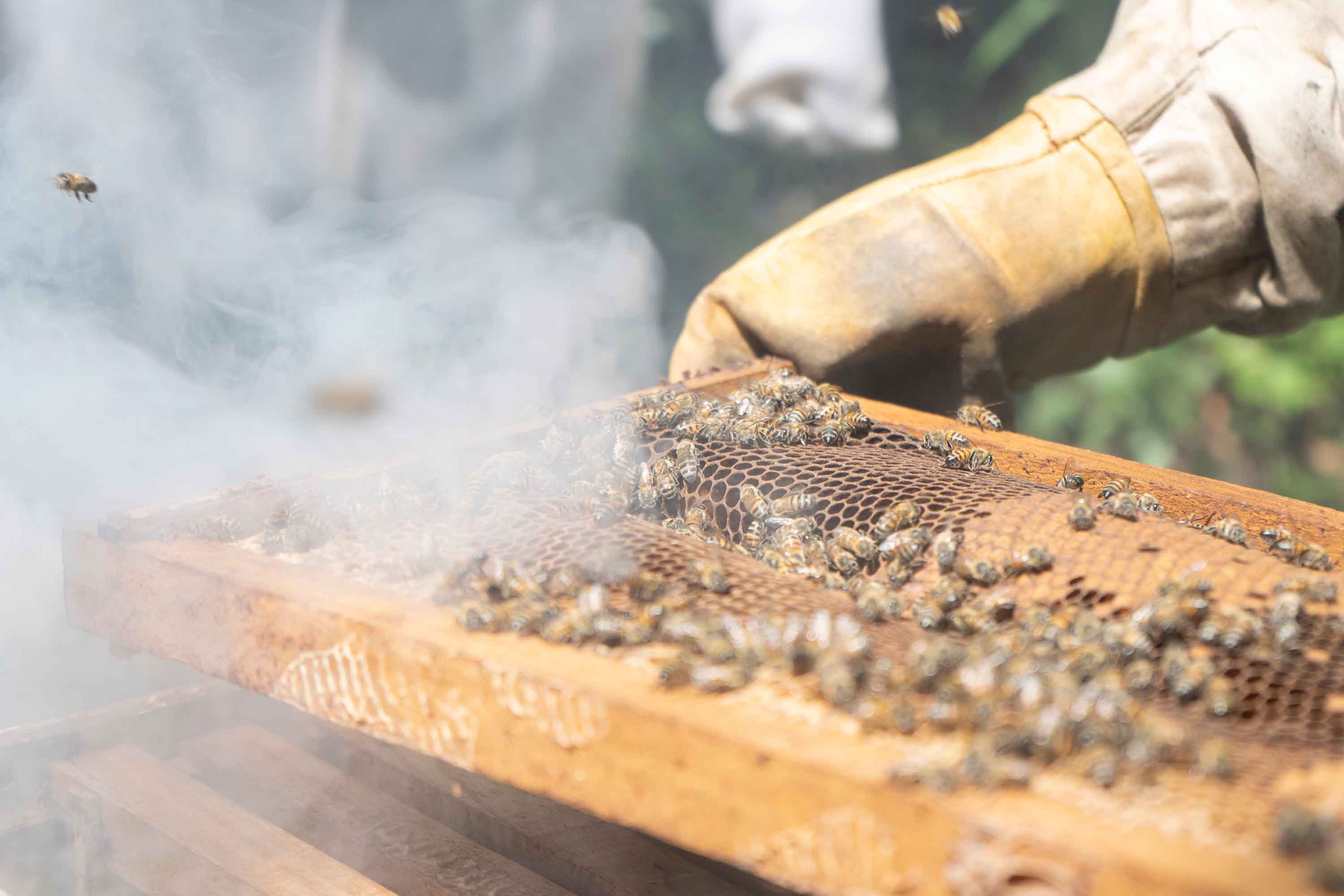
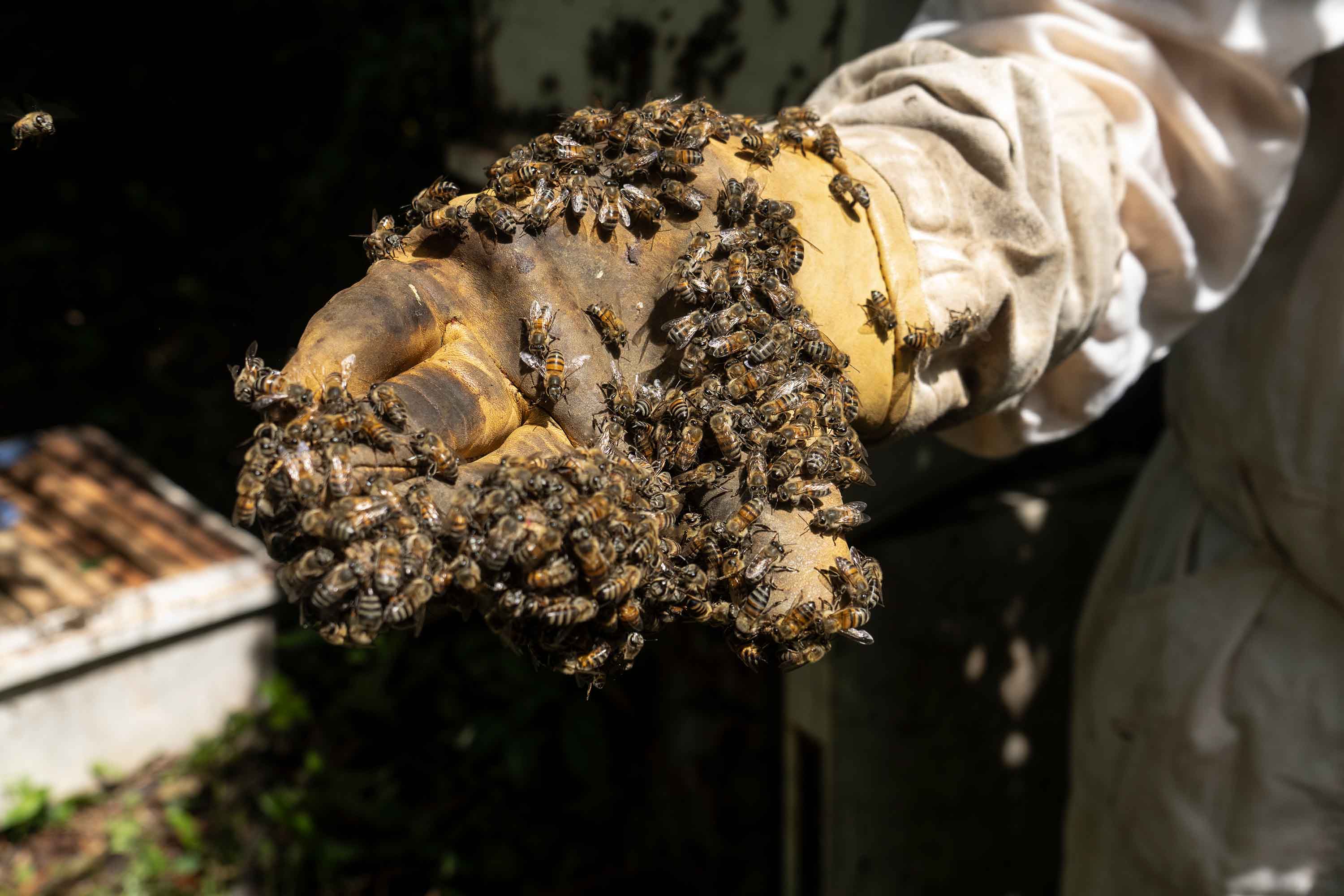
(10) Red bean flower, or kumanda pytã poty. (11) Sebastiana Benítez prepares to tend to the bees. (12) Members of the Women Beekeepers’ Committee, an organization leading honey production for both personal consumption and sale, receive technical training in winter management and hygienic harvesting. (13 a-b-c-d) Beekeeping diversifies family income and strengthens food security through the sustainable use of forest resources.
But this transition is not merely technical; it is also cultural. The project promoted by the foundation has sought to recover the community’s traditional knowledge, especially regarding the use of medicinal plants, seeds and plant material. In August 2025, one of the most significant milestones was reached: the creation of a Community Seed Bank, managed entirely by Indigenous Women, which functions as a safeguard for the community’s agricultural identity. It also ensures that the varieties of corn, beans, cassava and peanuts that fed their ancestors do not disappear.
What were once small subsistence plots are now gardens where crops for personal consumption and those for sale coexist. The introduction of onions as a new local crop has been a technical success. They have achieved harvests exceeding 2,000 kg on land where it was previously believed impossible to grow this vegetable due to the hardness of the soil or the lack of adequate irrigation systems.
“Watermelons aren’t planted during the new moon; they have to be planted during the full moon. They get worms if you don’t respect the lunar phase.”
A central pillar of Tacuaró’s new economy is beekeeping, an activity that takes advantage of the biodiversity of the Tapytá Nature Reserve. Between April and May 2025, they set up seven community apiaries with a total of 10 hives in strategic locations. This effort has led to the creation of a Women Beekeepers’ Committee, which has received training in winter apiary management and hygienic harvesting techniques.

(19)
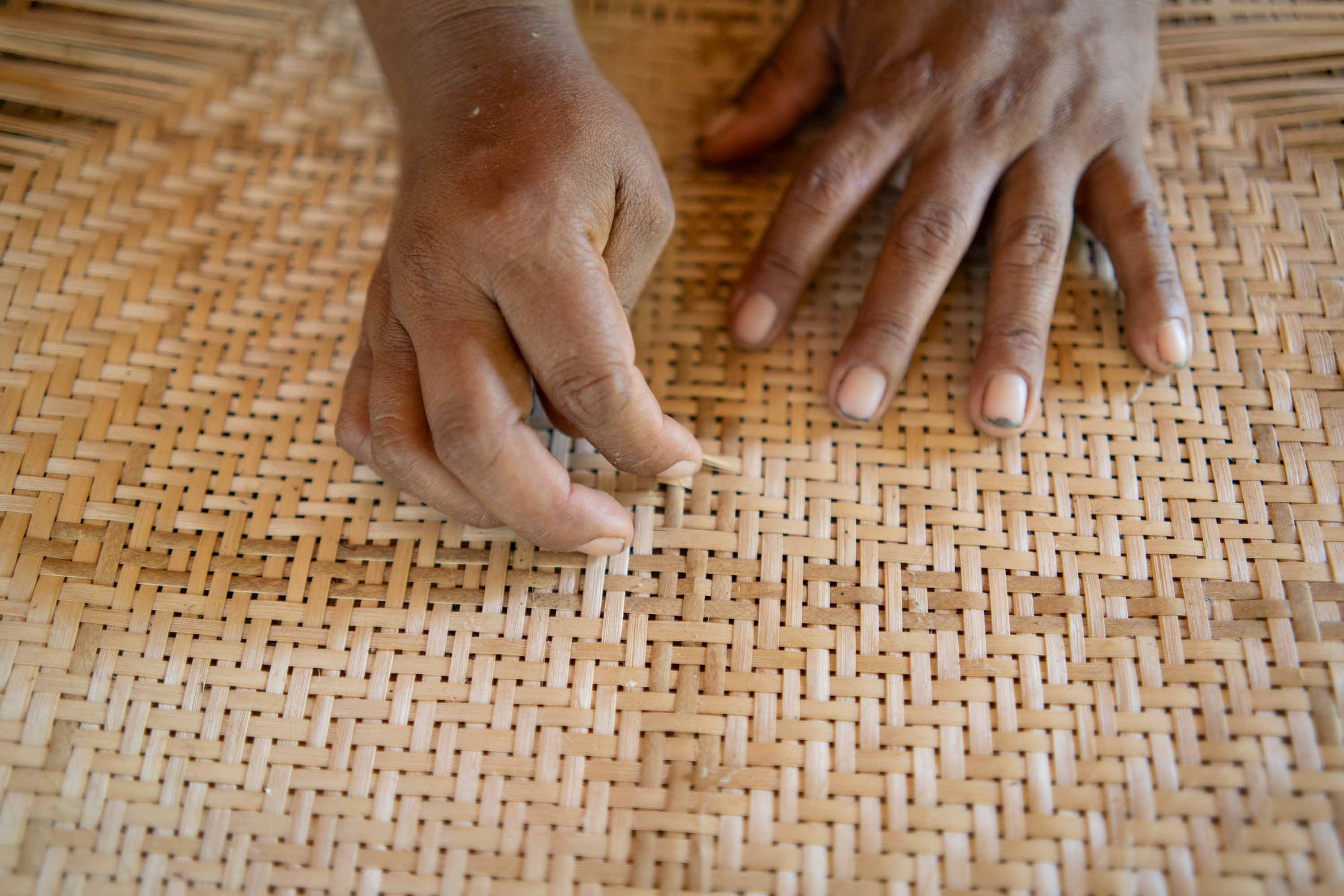
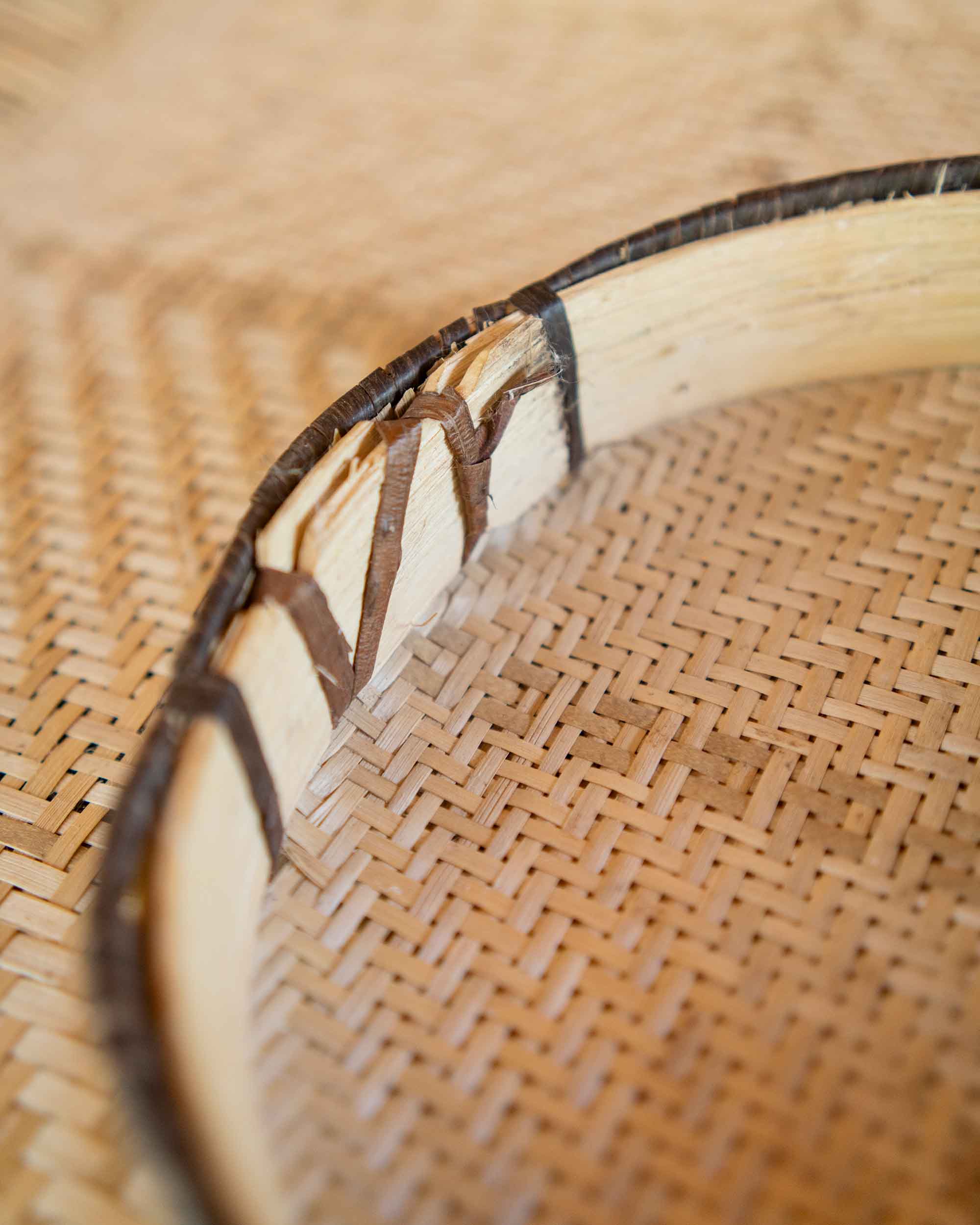
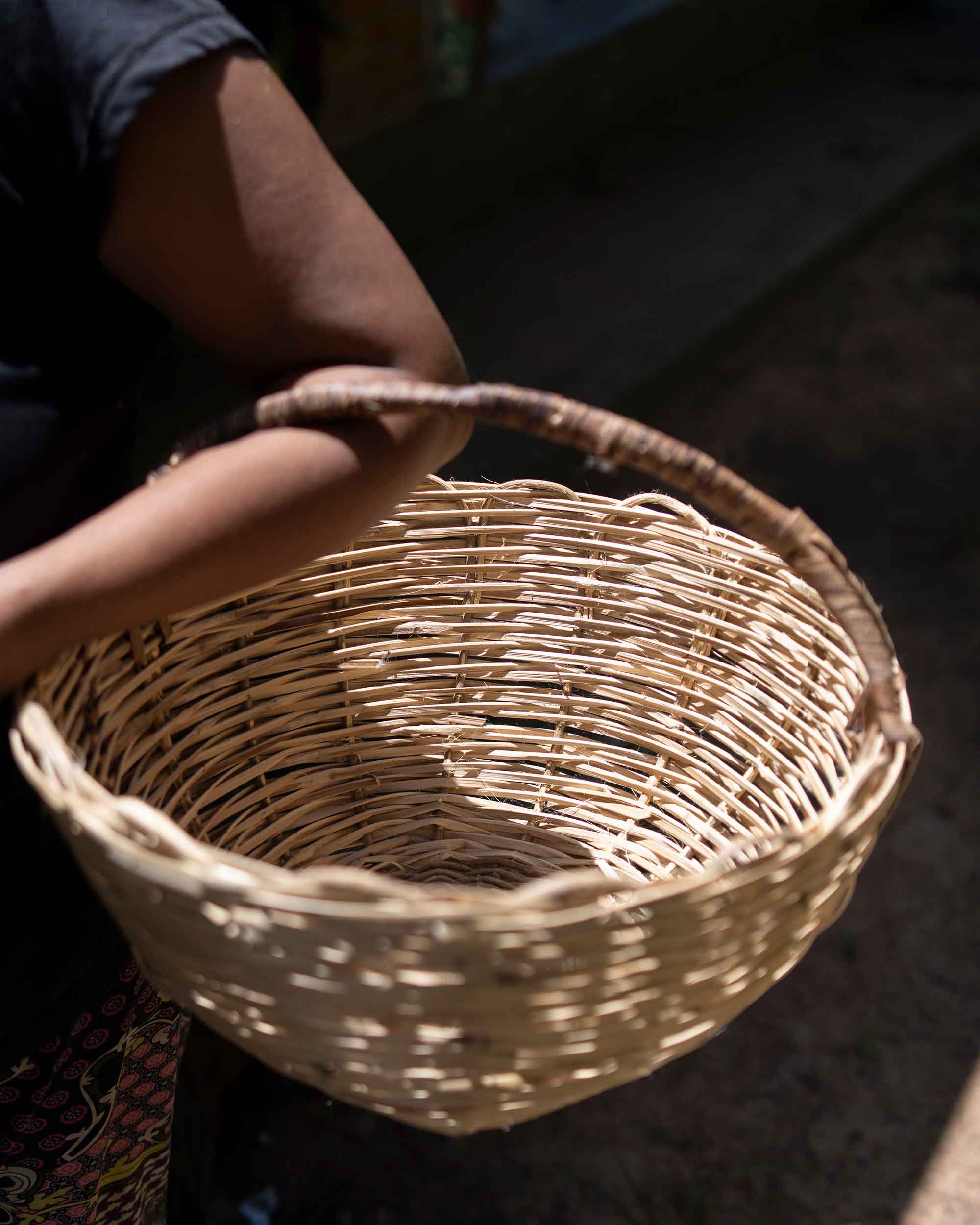
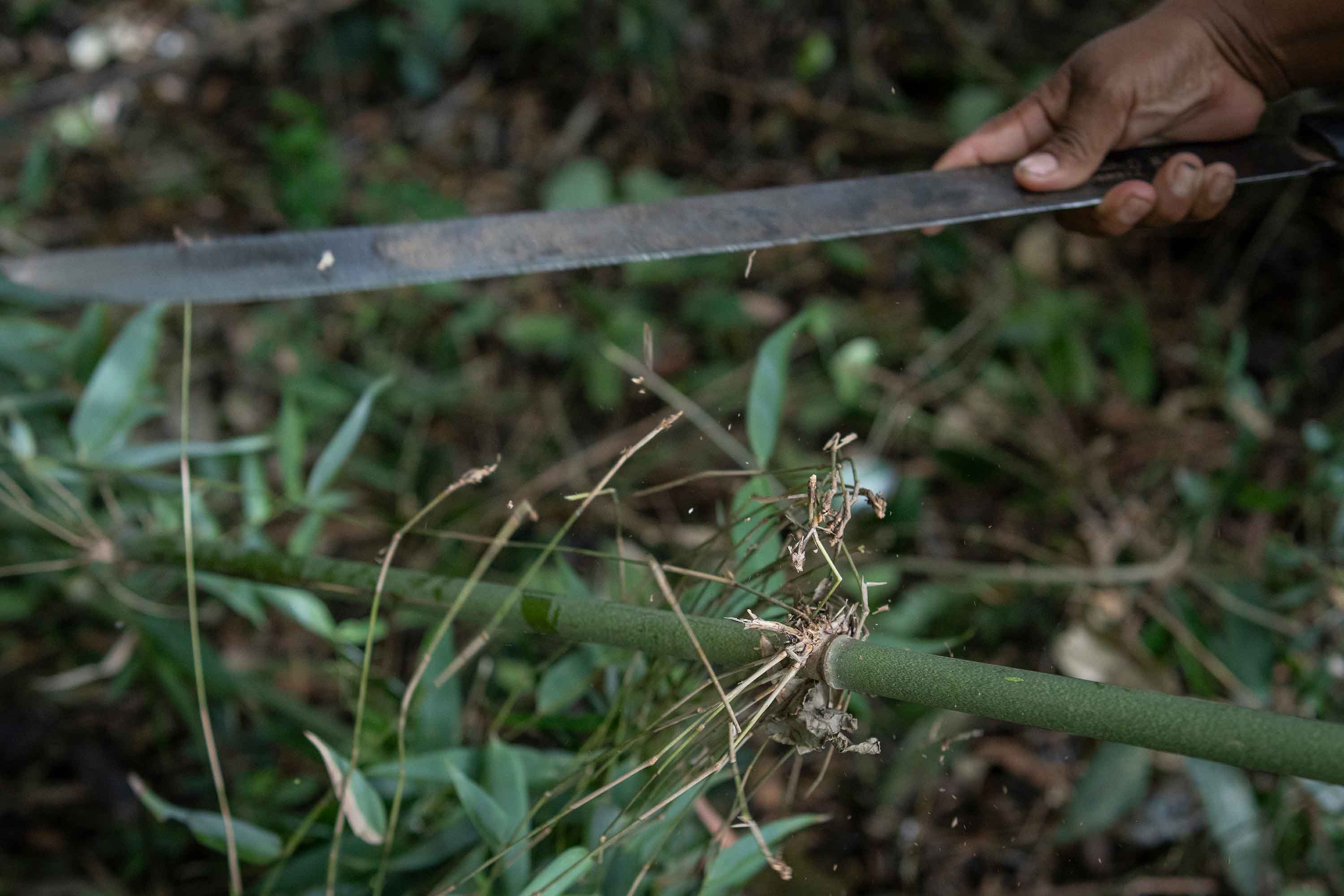
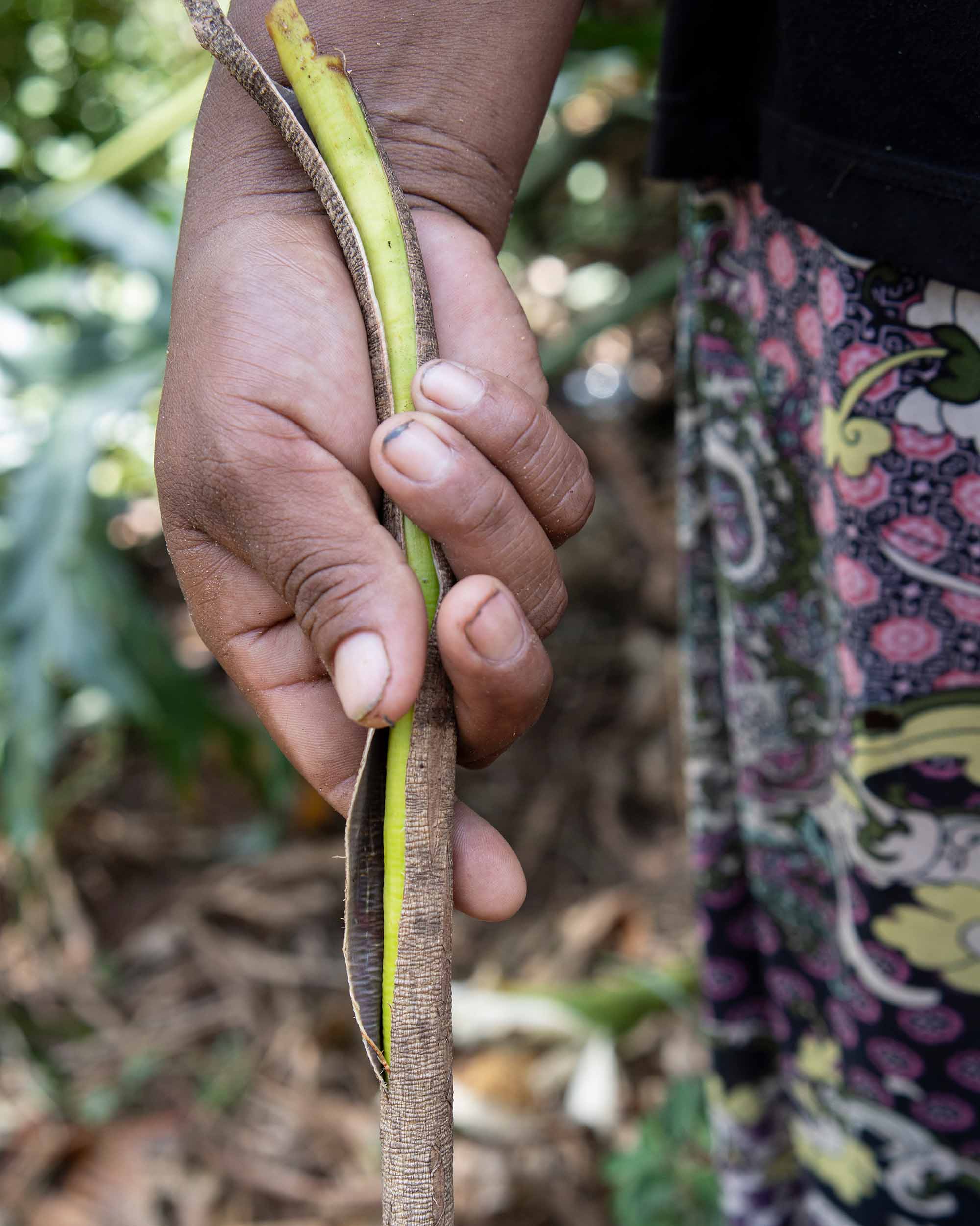
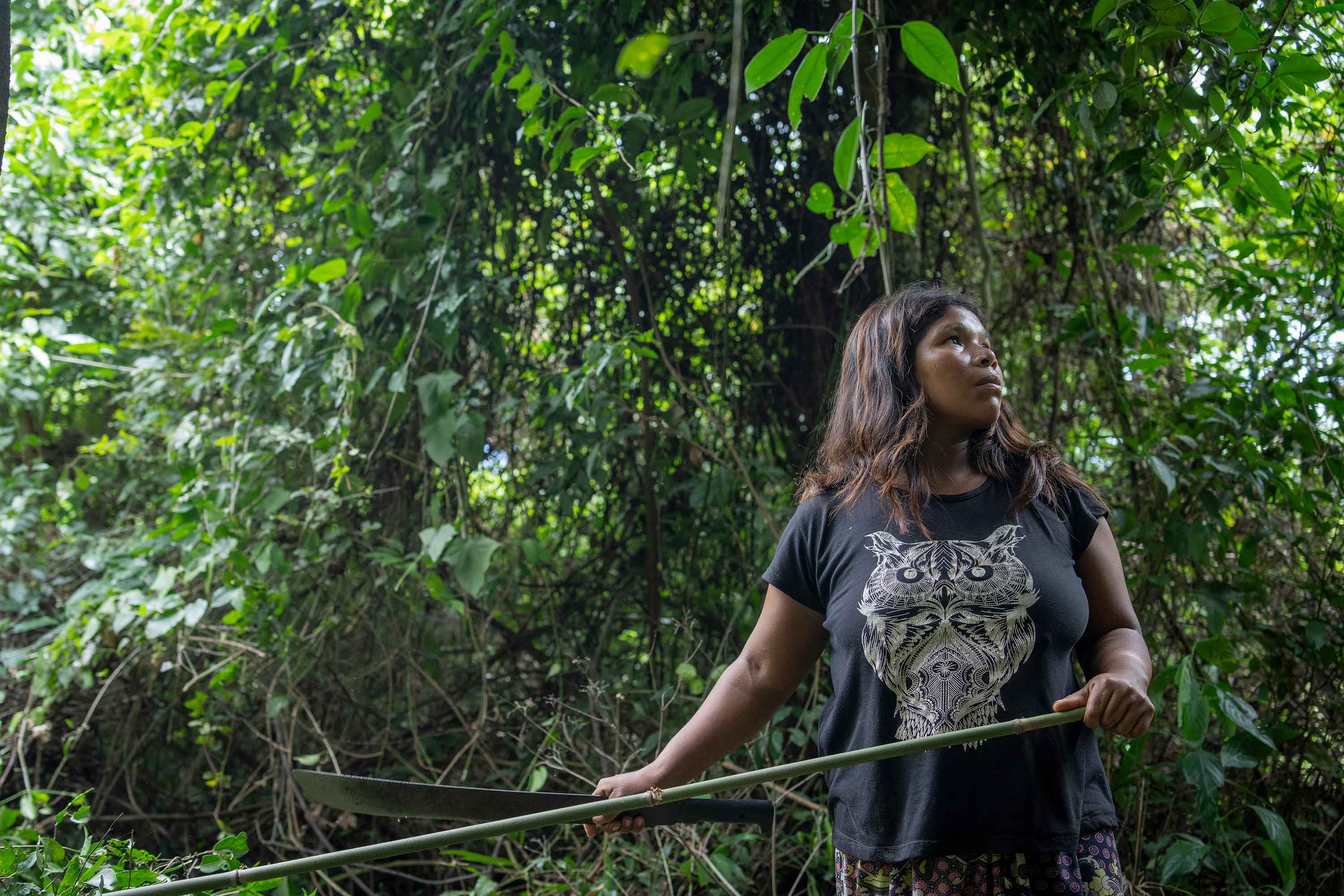
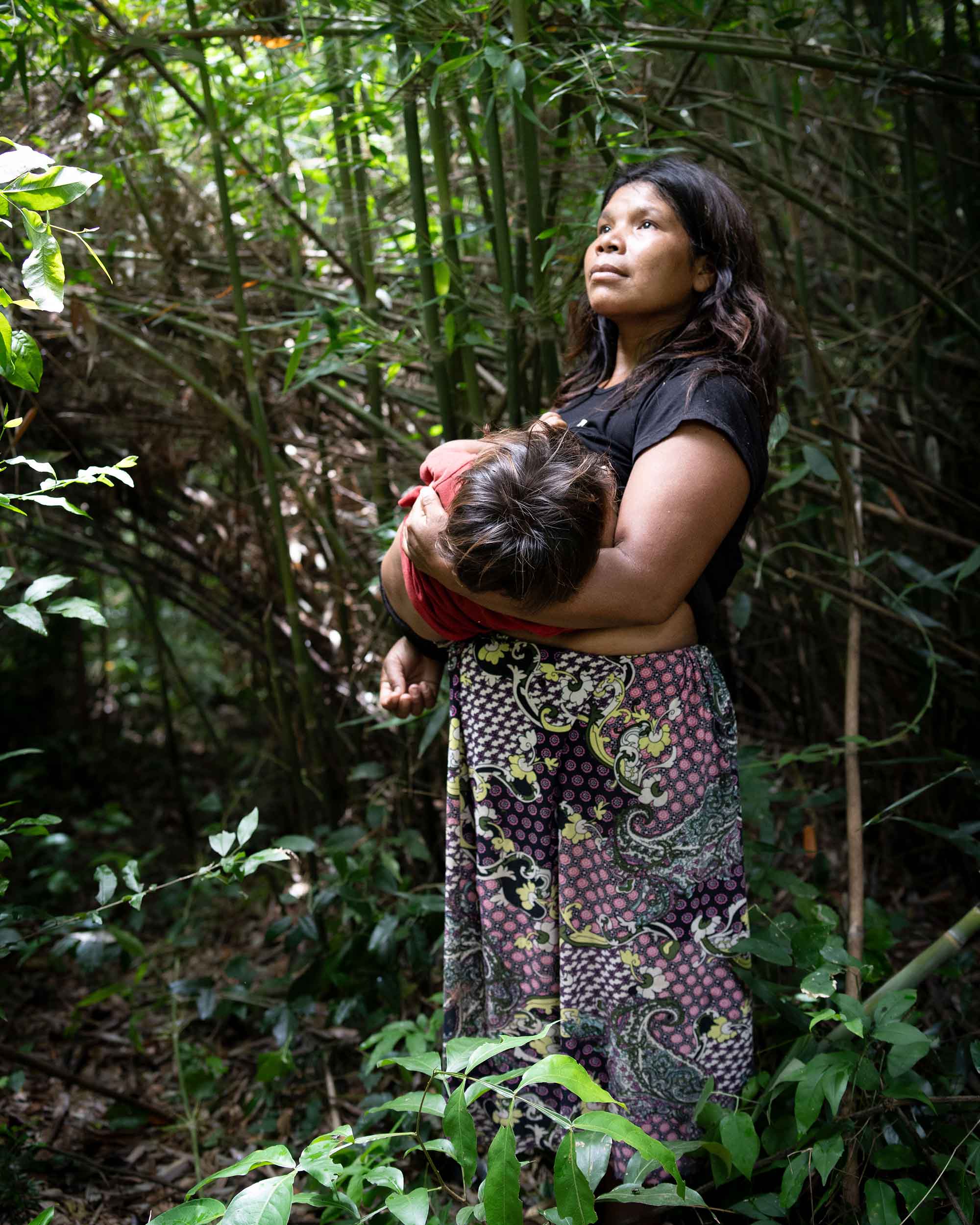
(14) The women of the community also engage in the artisanal creation of utilitarian objects such as the sieve, known as yrupe. (15 a-b) The yrupe is made from cane or takuapi. Ñandypa and guembé are also used. All materials come from the forest. (16 a-b) The community’s name is related to the abundance of takuapi, a cane native to the area. (17) The bark from the guembé root is used to bind the pieces of baskets and sieves together. (18 a-b) Sandra Martínez collects cane or takuapi in the forest. (19) Guembé.
Samuel emphasizes that women are the driving force behind this organization. Not only do they lead the seed bank and a committee by the name of TACUARO POTY, but they now oversee honey production as well. Having a beehive of their own means ensuring a nutritious food source for their children in a region where respiratory illnesses and a lack of basic health services are common.
This collective model has also allowed them to make progress in environmental education for young people and children. Data compiled by the Latin American Campaign for the Right to Education (CLADE) network indicates that the illiteracy rate among indigenous peoples in Paraguay is approximately 30%. In this context, the fact that the youth of Tacuaró have the opportunity to receive training in environmental education and nutritional values is a significant step forward for this community.
Despite the enthusiasm, access to Tacuaró territory remains the biggest obstacle. Road infrastructure in rural Paraguay is poor, and for indigenous communities, this translates to isolation. The poor condition of the road has prevented producers from transporting their surplus to the markets in Caazapá under fair conditions or external buyers traveling there to negotiate direct sales. Currently, the community depends on middlemen who buy their products at half price.

(20)
(21)
(22)
(23)
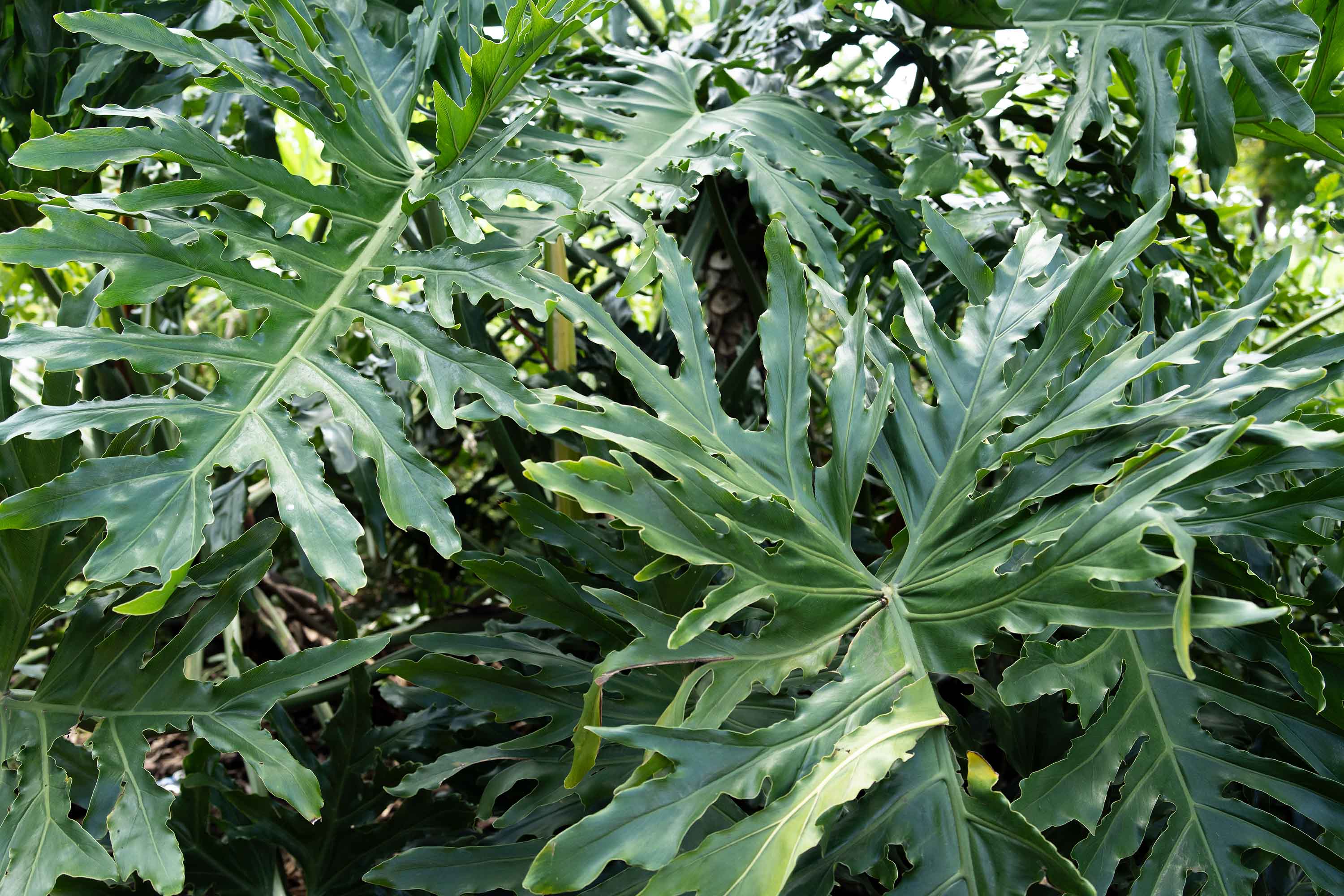
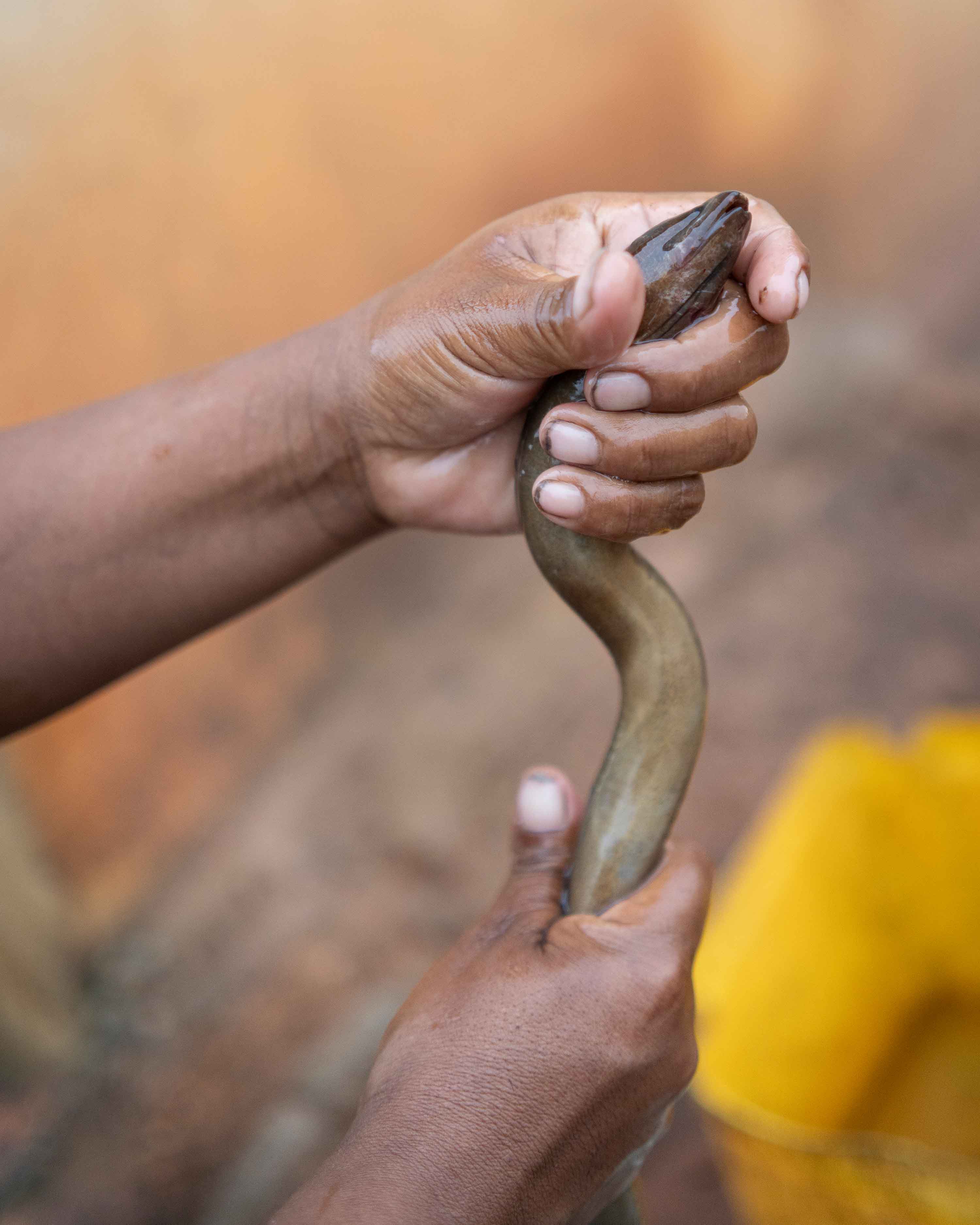
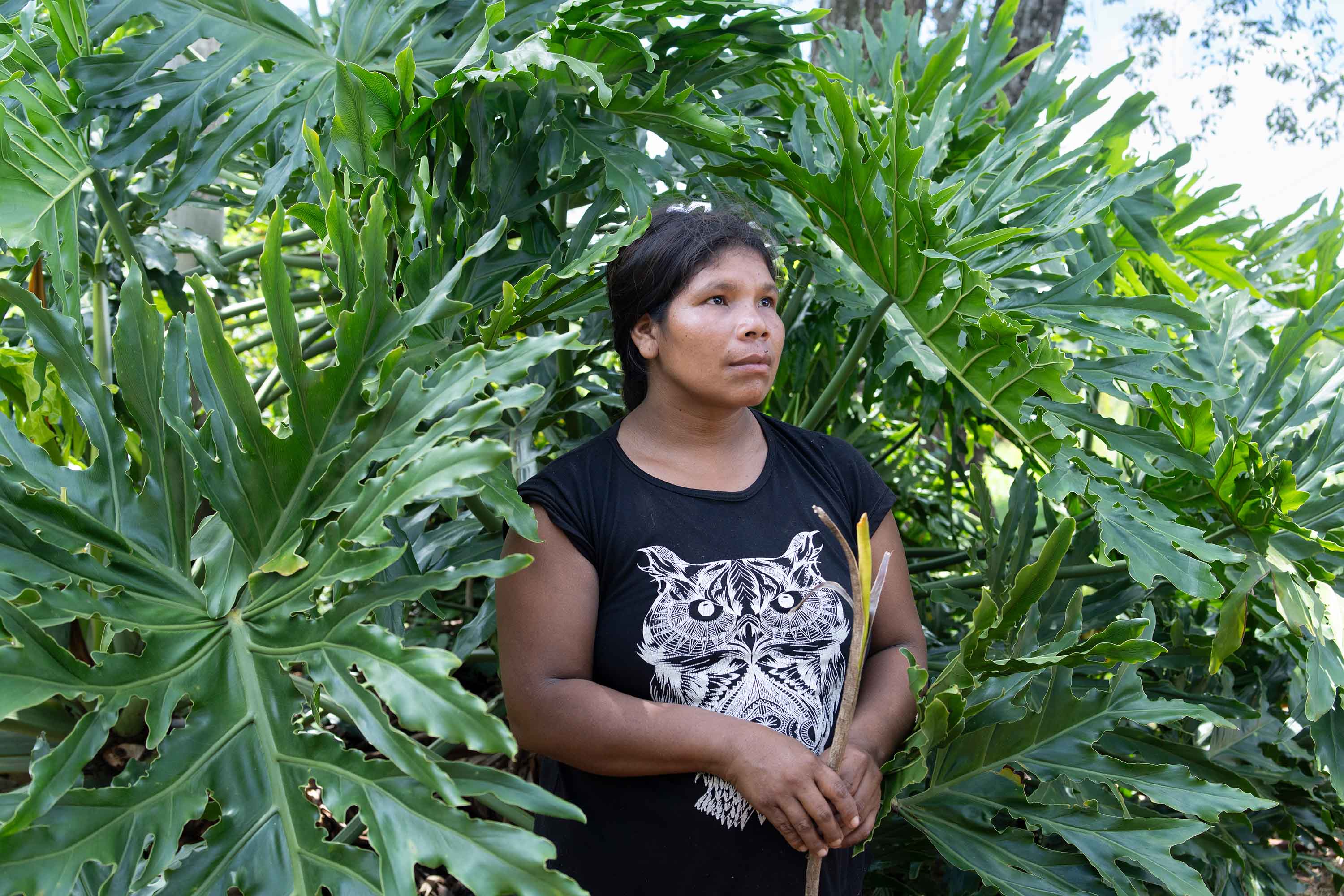
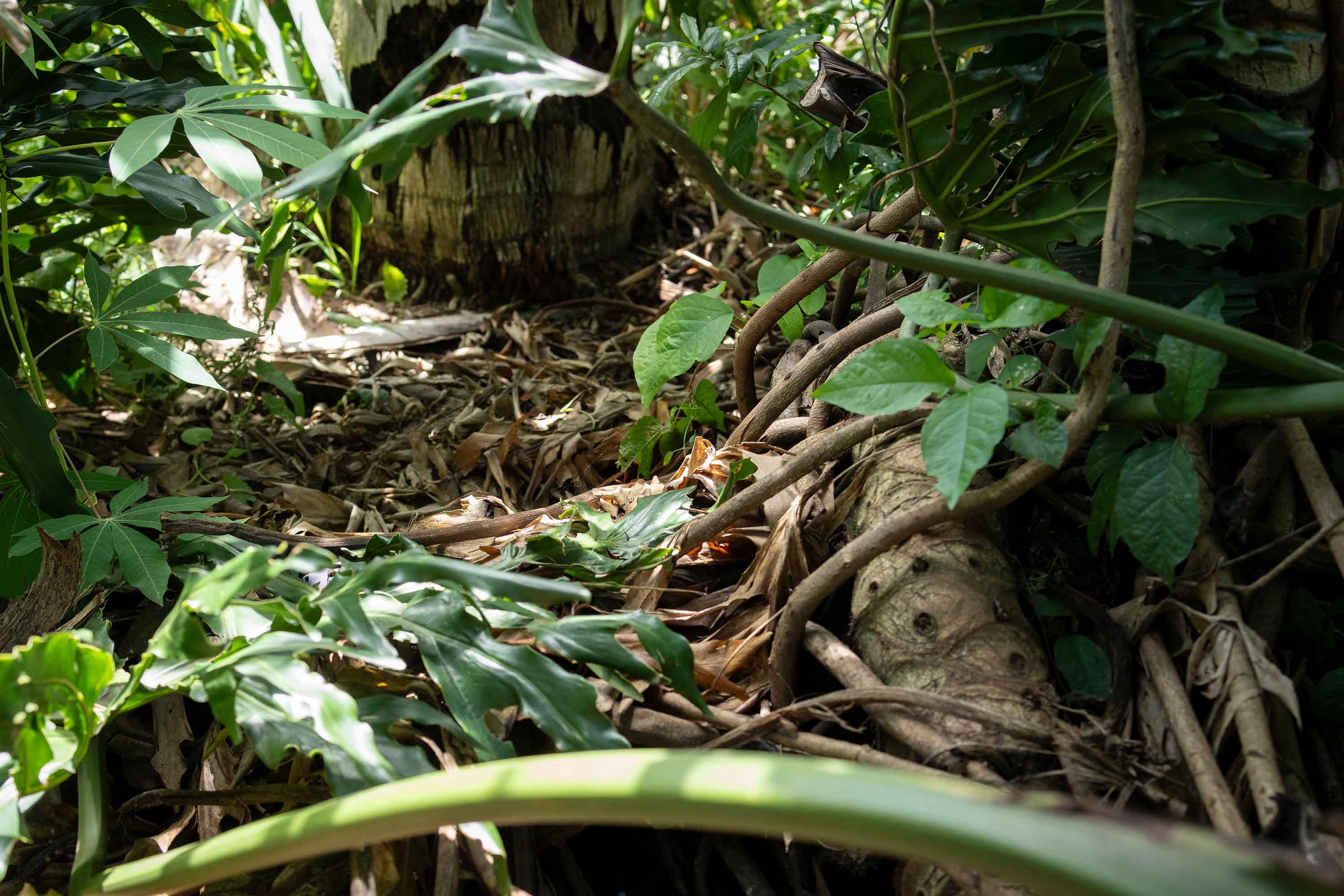
(20) Tacuaró is located in the Upper Paraná Atlantic Forest region, a humid subtropical rainforest shared by Brazil and Argentina. (21) The community obtains food through fishing, such as the mbusu or freshwater eel, as well as various fish species found in the area’s streams and rivers. (22) Sandra Martínez. (23) Deep knowledge of the forest allows it to remain a vital source of materials, medicines, and livelihood.
“Chief Román Benítez tells me that what they want to achieve is collective marketing. That is the crux of our problem,” Samuel explains. The plan is to use the seed bank and new organizational capabilities to function as a collection center that allows them to negotiate better prices and thus break free from dependence on third parties.
The Tacuaró community’s dream is full sustainability. They know the path is slow, as it involves a profound transition in ways of life. Moving from being gatherers to having self-managed agricultural systems that can withstand climate change, a phenomenon that in Paraguay manifests as prolonged droughts, rising temperatures, or floods.
Their hope lies in the young people already attending school and in the artisans who have strengthened their traditional techniques to generate additional income, as well as the women who sustain the agricultural activity implemented so far. In this way, the community is building a future where Mbyá identity and productive efficiency go hand in hand. Today in Tacuaró, one thing is certain: the land, worked with respect and organization, has the capacity to feed its people and restore the autonomy that the forest once provided them.
(24)
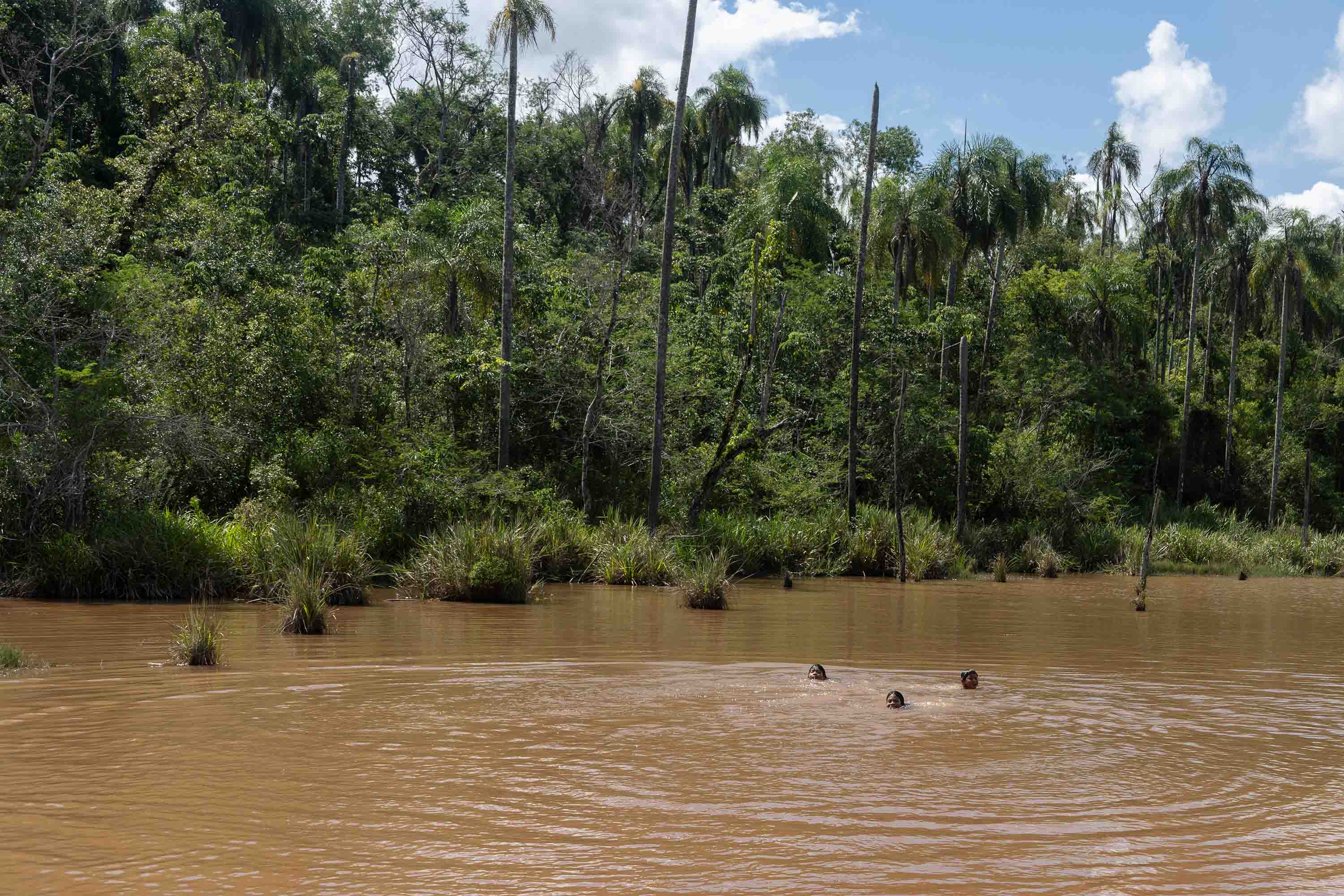
(24) In a landscape marked by external deforestation, the community’s water resources serve as a refuge for biodiversity.