6th IPAF–IFAD Cycle (2022–2026)
ORGANIZATION
Association of Indigenous Councils of Villagarzón, Putumayo (ACIMVIP)
DIRECT BENEFICIARIES
2512
INDIRECT BENEFICIARIES
4000

The project strengthened community organization and self-governance among the Inga people, promoting the transfer of ancestral knowledge and traditions essential to the survival of their cultural identity. It implemented The House of Seeds, a space for the preservation of traditional seeds and the training of wasikamas, with the aim of protecting the territory and its resources. Key activities included opening ceremonies and outreach on agroecological practices, mingas (community work parties) for the exchange and evaluation of knowledge, the bio-construction of the Amazonian Seed House, and intergenerational discussions on the Suma Kausangapa Mandate. These activities have strengthened the intergenerational transfer of knowledge, territorial management, and the conservation of native seeds, promoting sustainability, self-determination, and the cultural resilience of the Inga People.

+ info
- info
The house of seeds
PHOTOGRAPHYEliana Muchachasoy
TEXTAndrea Fajardo
Villagarzón / Putumayo / Colombia

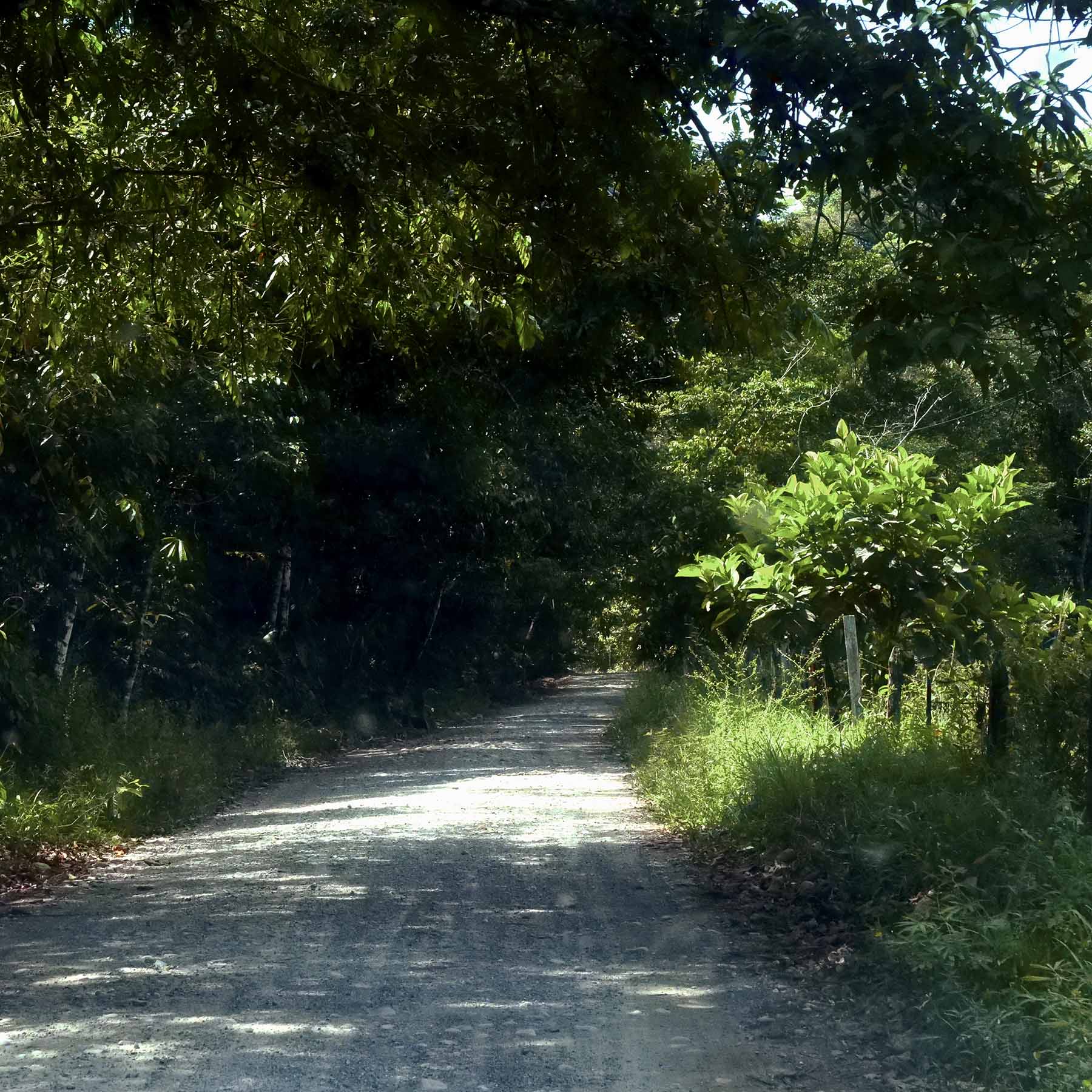
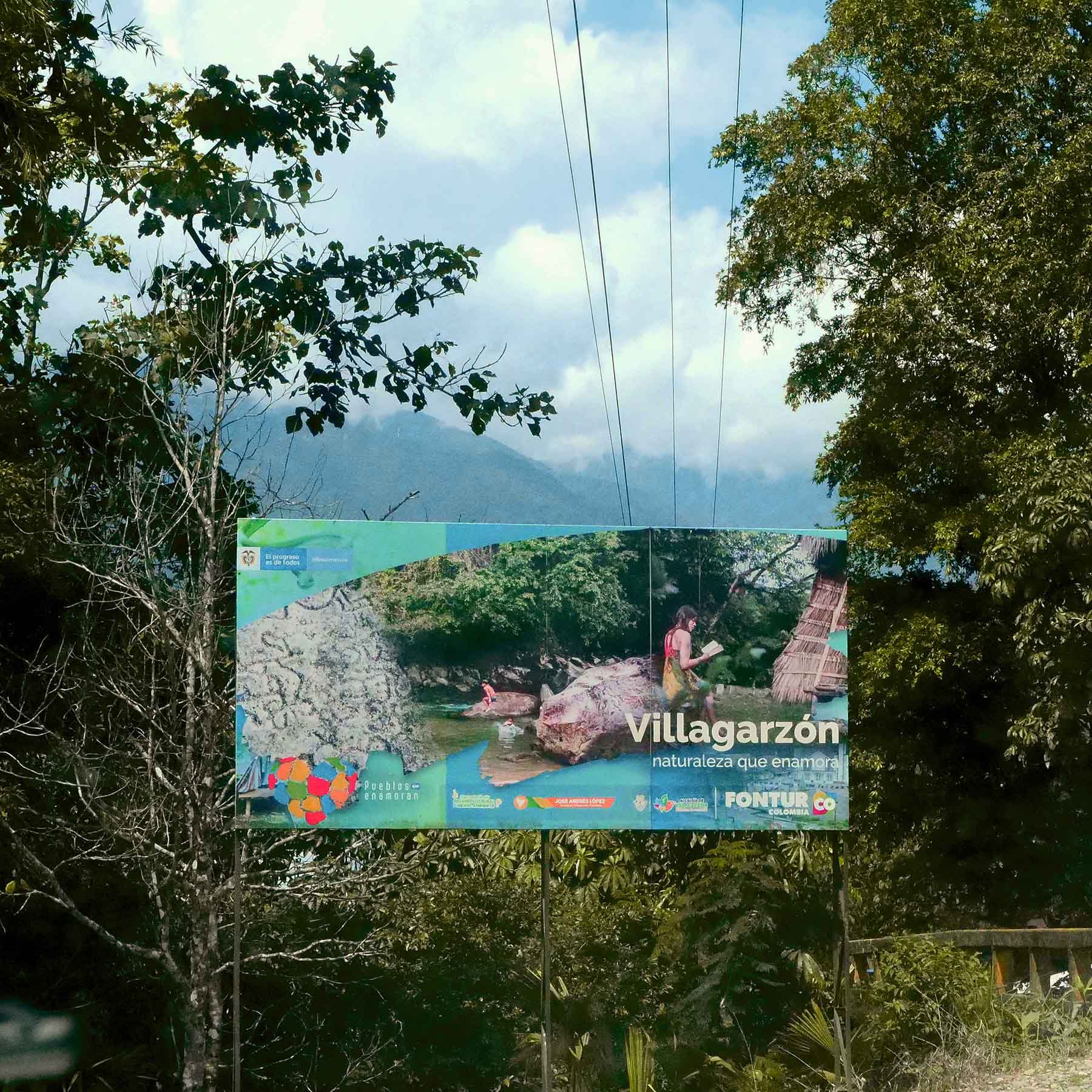
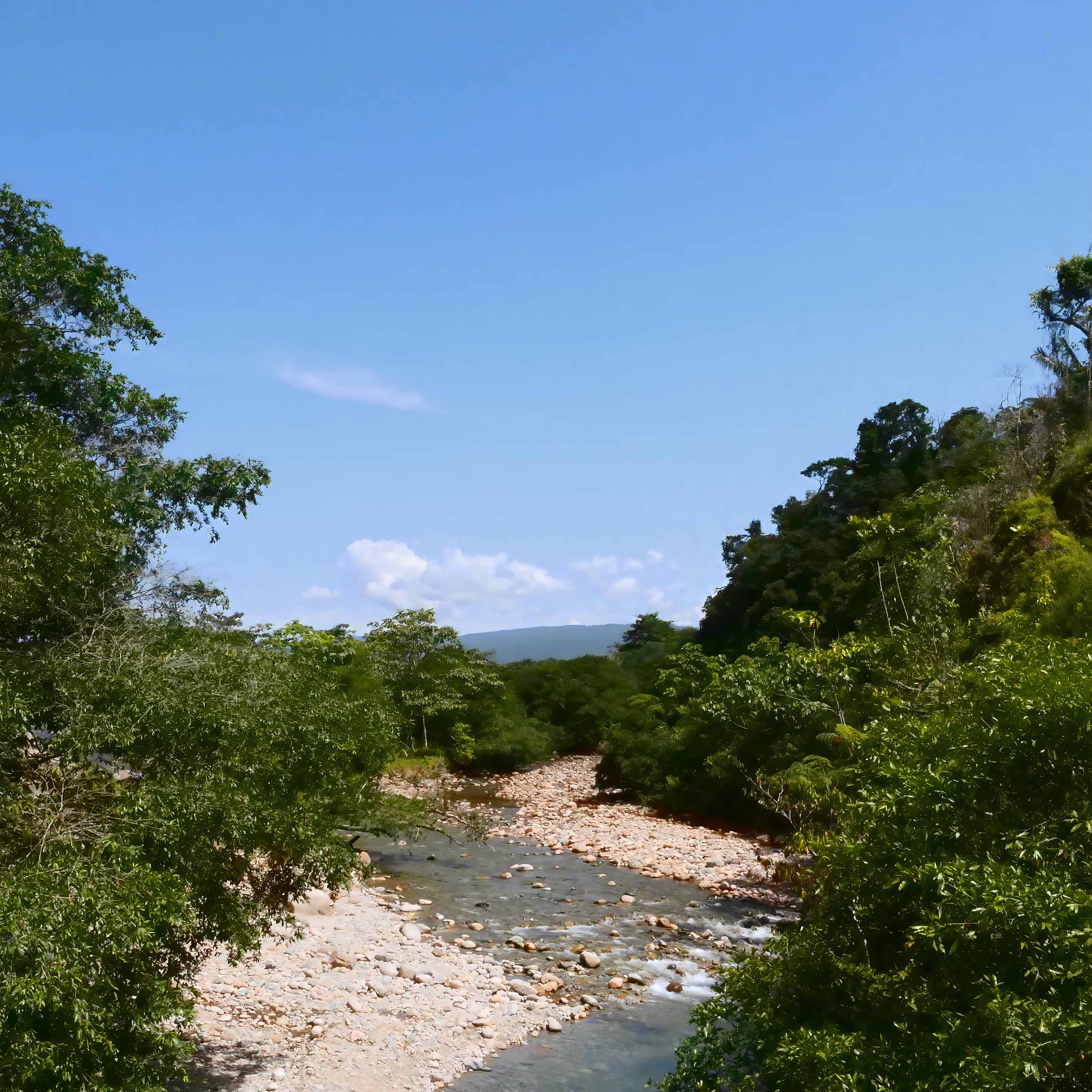
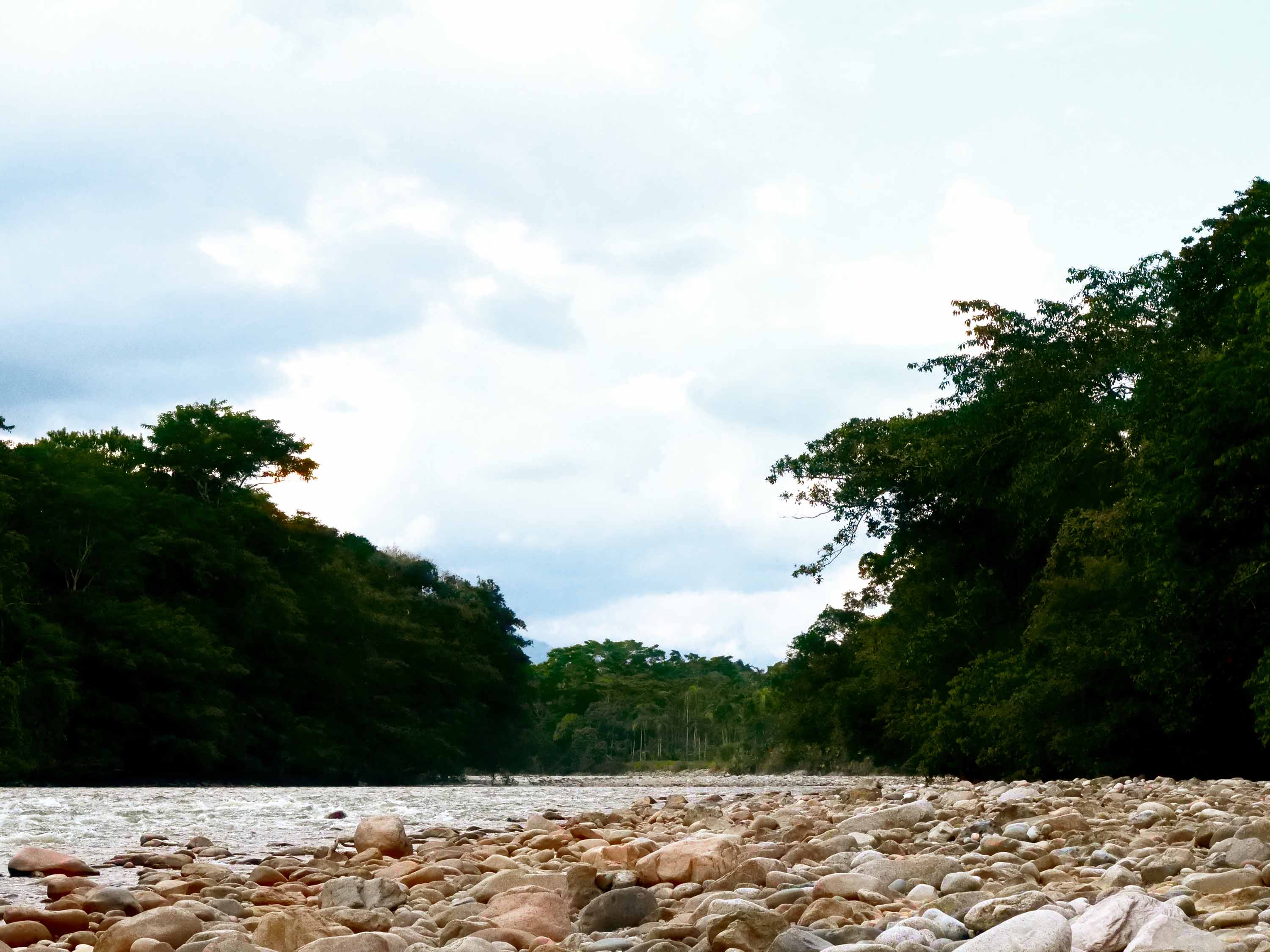
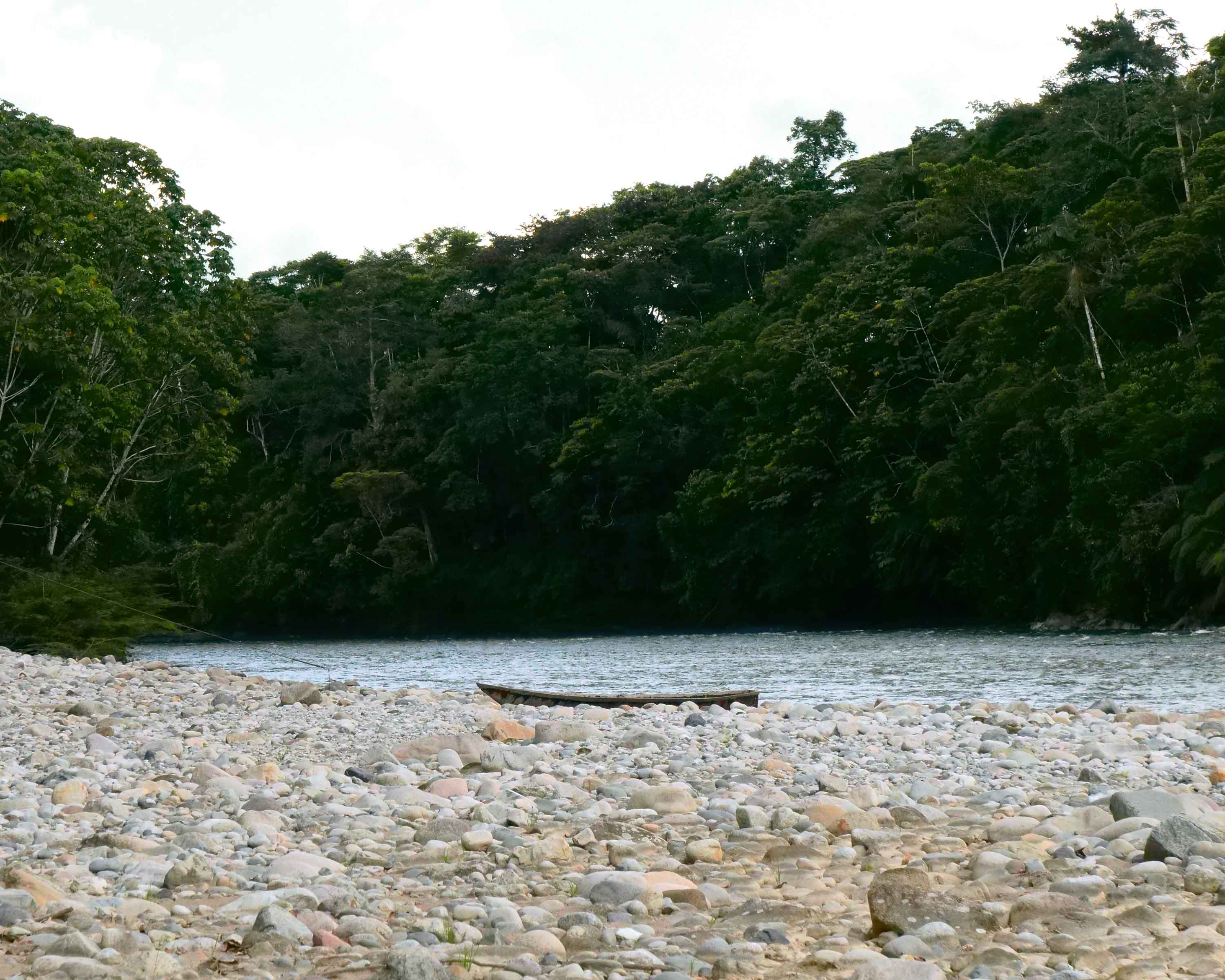
In the municipality of Villagarzón, Colombia, more than 600 families live across nine indigenous reserves of the Inga People. This is one of the most biodiverse municipalities in the Andean-Amazonian foothills of Colombia, and its territory is traversed by rivers such as the San Miguel, Guineo, and Putumayo, which run along the border between Ecuador and Peru, before flowing into the great Amazon River. 

According to a report by Agenda Propia, this is also one of the territories facing the most external pressures. Decades of oil extraction, colonization, and the effects of climate change have been transforming the landscape and eroding the traditional knowledge of the Inga people.
(1)

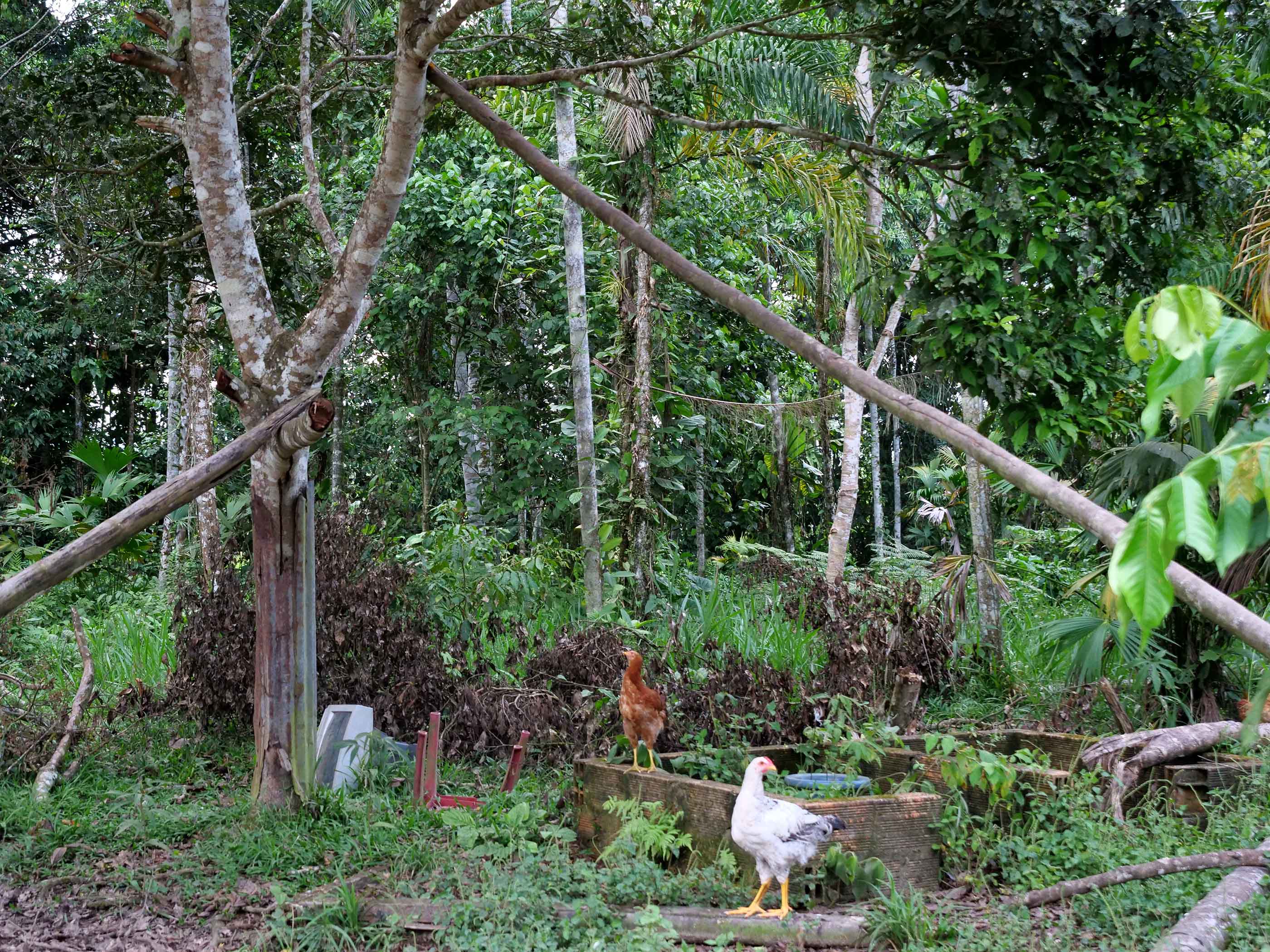
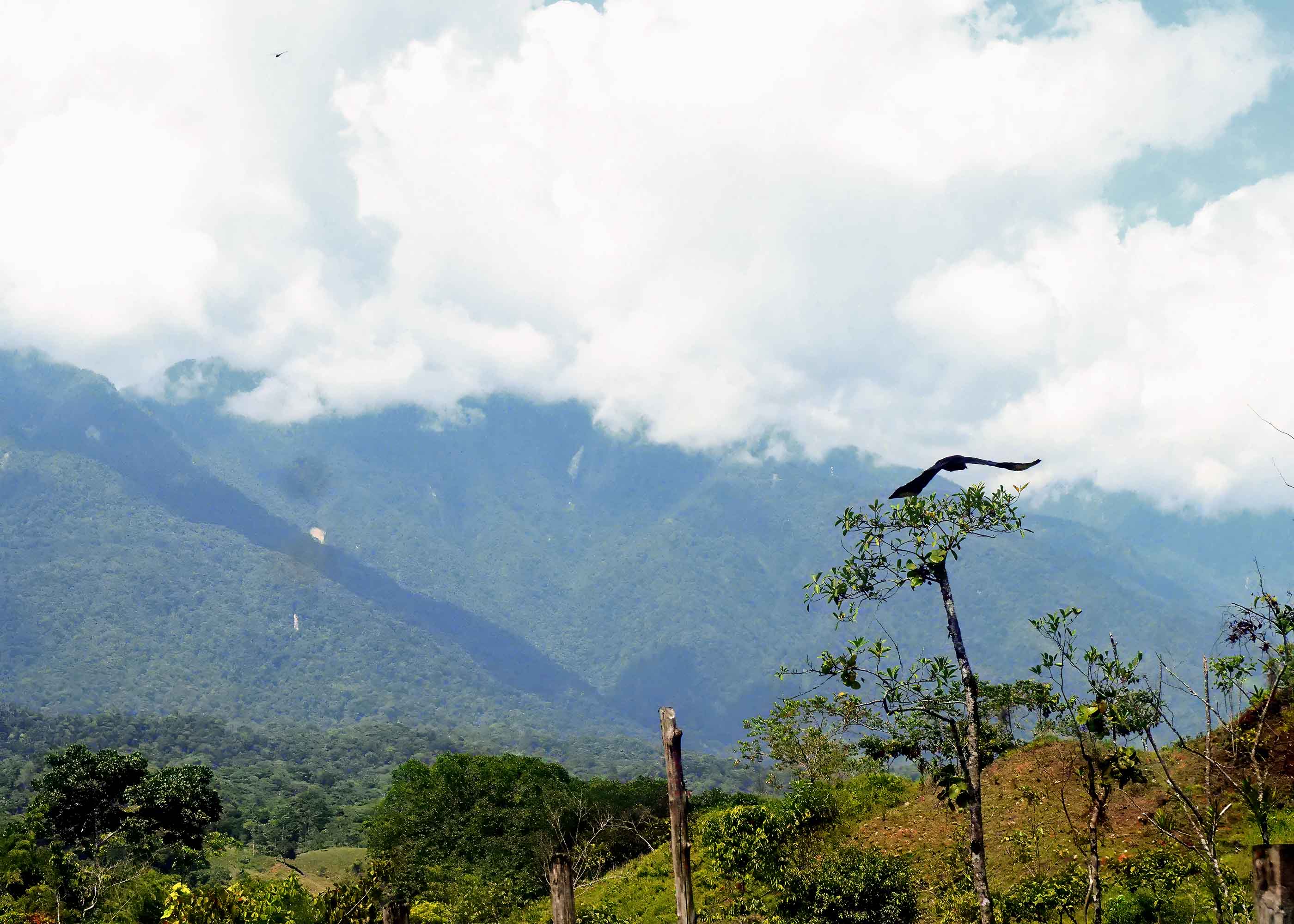
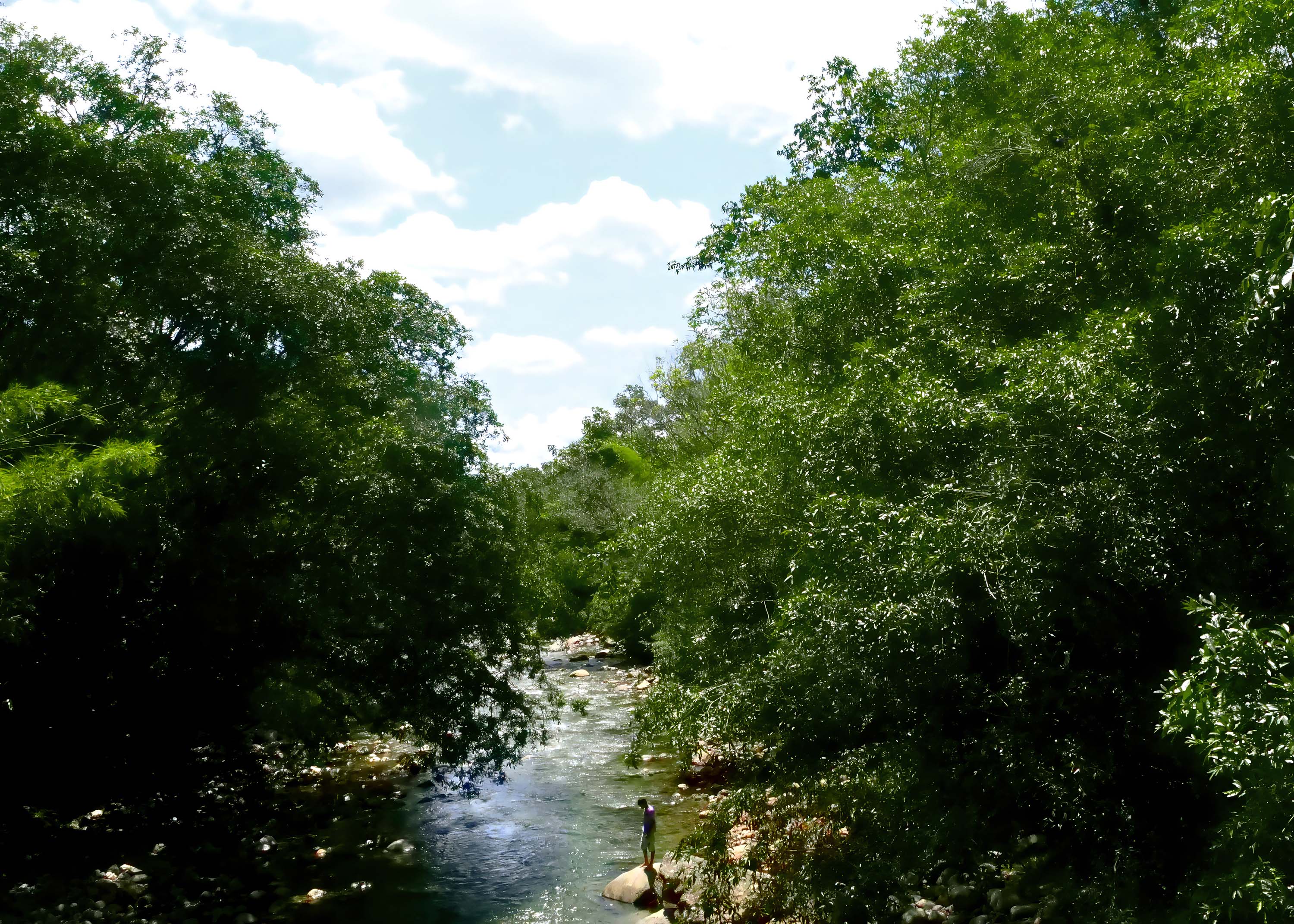
(1) The Inga people inhabit the Andean-Amazonian transition zone of the Putumayo, a highly biodiverse biological corridor that acts as a water regulator between the mountain range and the jungle plains.

“Over time, some seeds are no longer available in the territory, and we can no longer guarantee food security.” These are the words of Marcela Riobamba, coordinator of a seed conservation project promoted by the Association of Inga Indigenous Councils of Villagarzón, Putumayo (ACIMVIP), with support from the International Indigenous Women’s Forum (FIMI) and funding from the International Fund for Agricultural Development (IFAD), through its Indigenous Peoples’ Assistance Facility (IPAF).

ACIMVIP brings together 12 Inga communities in Putumayo. In late 2022, this organization launched an initiative to halt the loss of traditional seeds. The project was named Family Custodians of Amazonian Seeds for the Permanence of Suma Kausangapa (meaning “good living” in the Inga language) as a commitment to recovering, documenting, and protecting native seeds of nutritional, timber, and artisanal value.

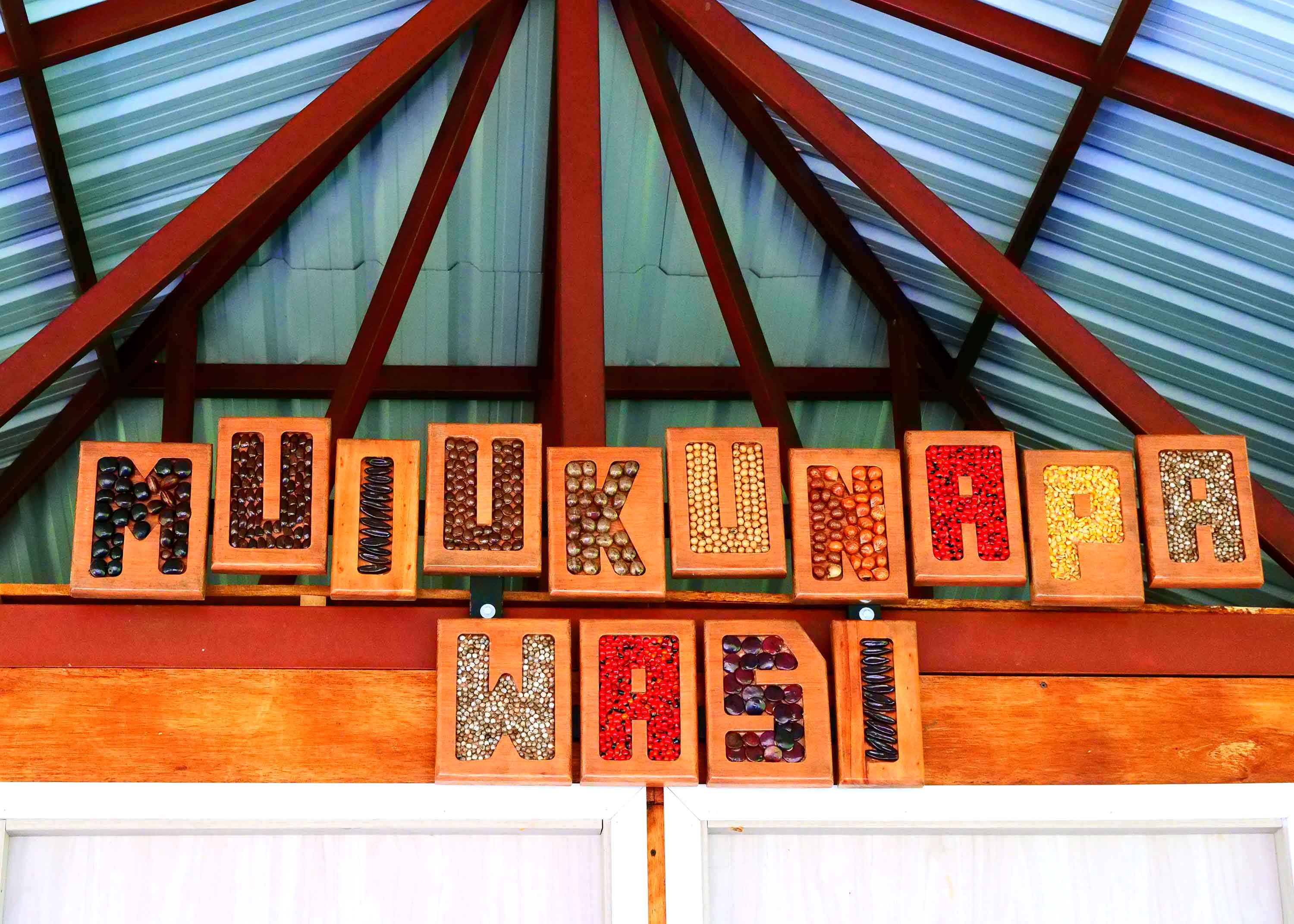
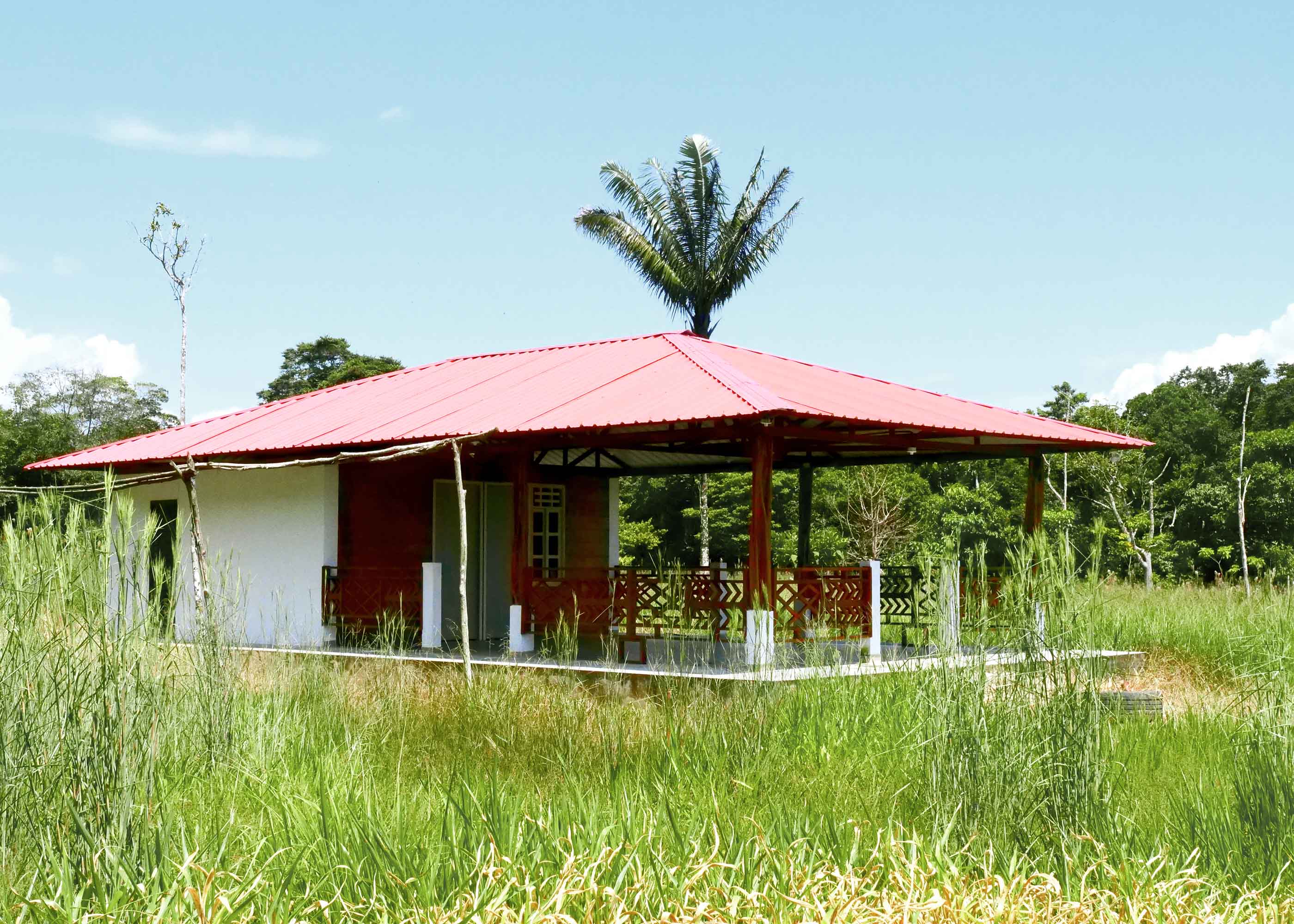
The heart of the project was the construction of the House of Seeds, a traditional space built on a plot of land owned by the organization that was already functioning as a model of self-sustaining economy. The result was an infrastructure that today serves as a training space for young Wasikamas (guardians of the territory), a venue for cultural exchange with elders, and, in the near future, a native seeds bank.

The Inga People descend from Quechua communities that established networks for the exchange of knowledge, seeds, and medicinal plants.

But the construction was only one part of the project. It was guided by two opening and healing ceremonies, as well as three traveling tulpas—sacred bonfires for the transmission of knowledge—in the Albania, San Miguel de la Castellana, and Musu Waira Sacha Nukanchipa reserves.

“The elders, who are often very shy in certain settings, opened up to us in the best possible way and allowed us to document the knowledge they shared. This remains a cultural legacy for our community. It is a document we value greatly,” Marcela explains.

The audio and video recordings focused on the management of the chagras, planting cycles, and the medicinal and culinary uses of seeds that almost no one grows anymore.

According to the Mongabay Latam report Colombia: The Inga People’s Endless Wait, the Amazonian foothills, where the Inga people live, more than 90% of Villagarzón has been covered by oil blocks. But climate change has added another layer of conflict. Jasbleydy Olivo, a woman of the Inga People and secretary of ACIMVIP, describes it according to what she and her community have seen in the rivers:

Inga territories are located in one of Colombia’s most diverse ecological transition zones, where Andean and Amazonian ecosystems converge.

"This has affected not only the Inga People and other Indigenous Peoples, but the general population as well. It is the droughts in the rivers that flow through our communities, such as the Putumayo River and the San Vicente River. It is the water sources that have been most affected."

(8)
(9)
(10-a)
(10-b)
(10-c)
(11)
(12)

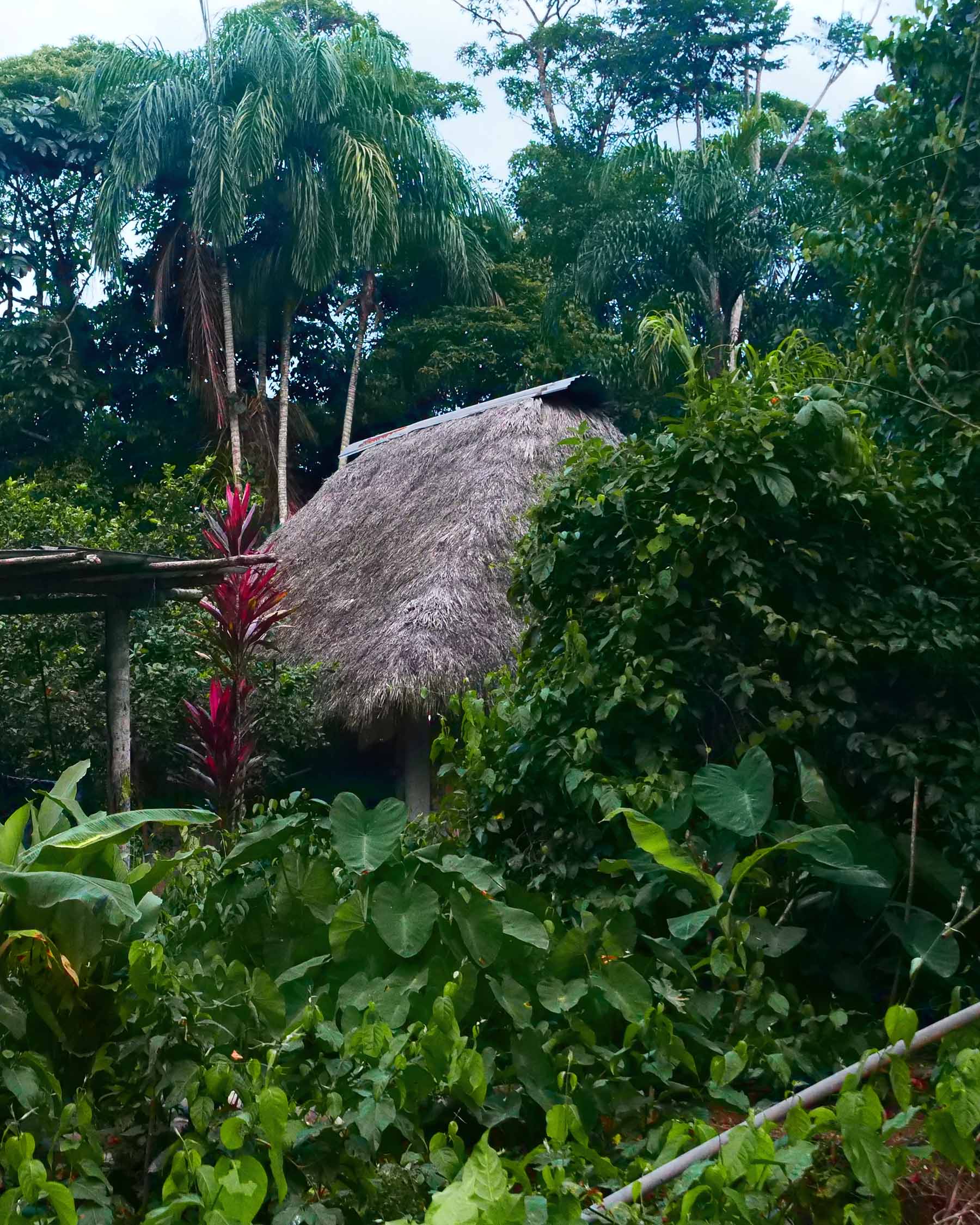
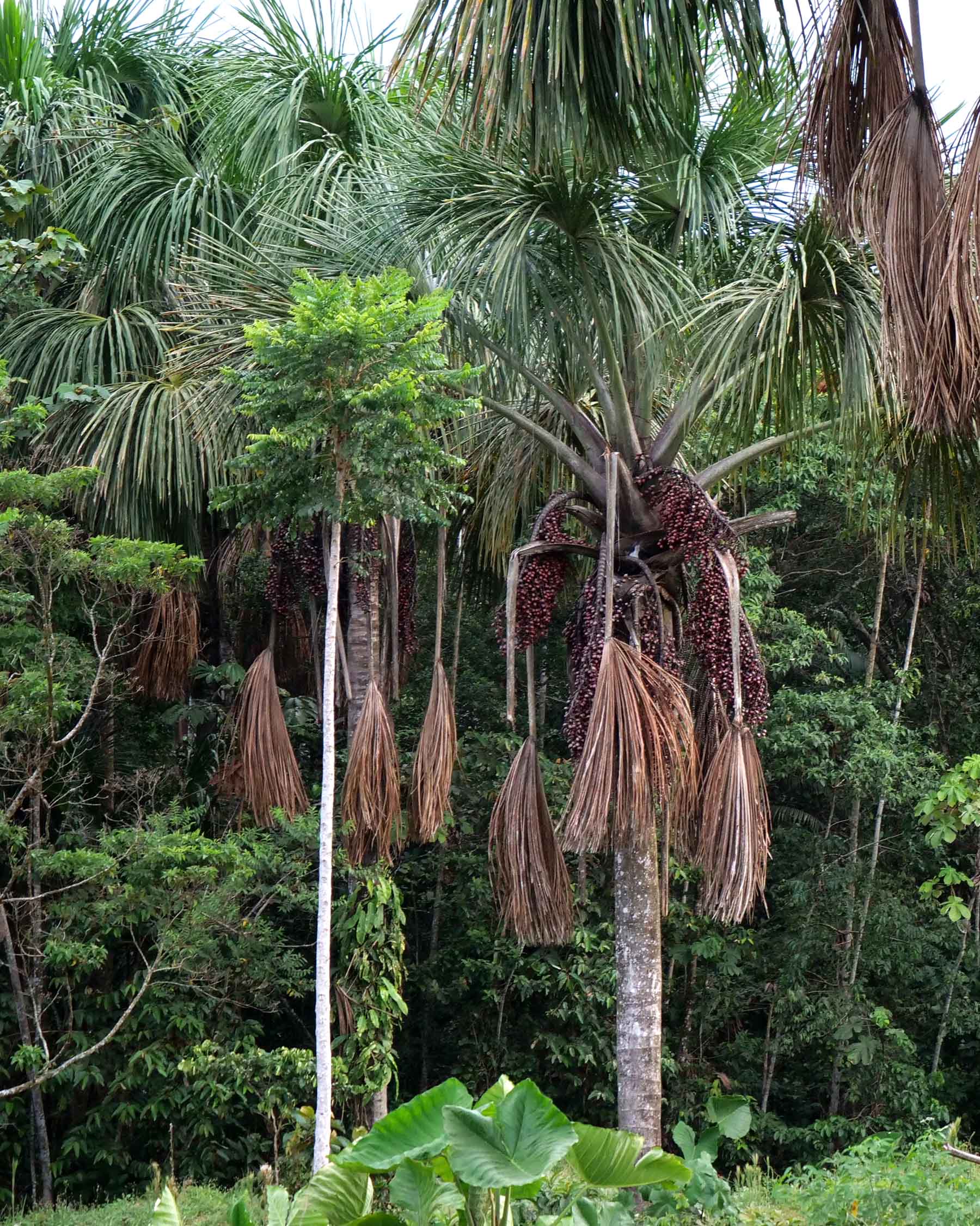
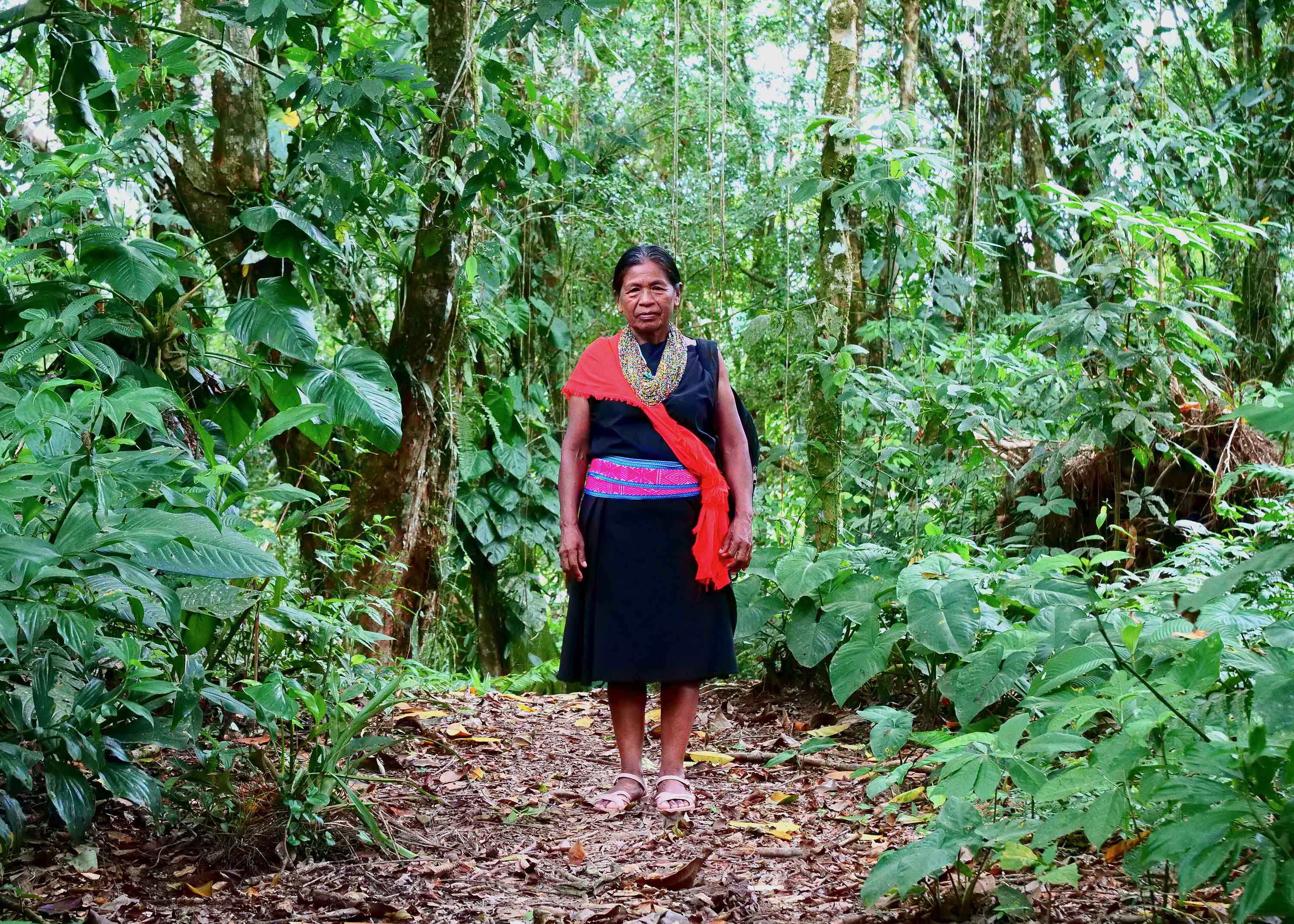
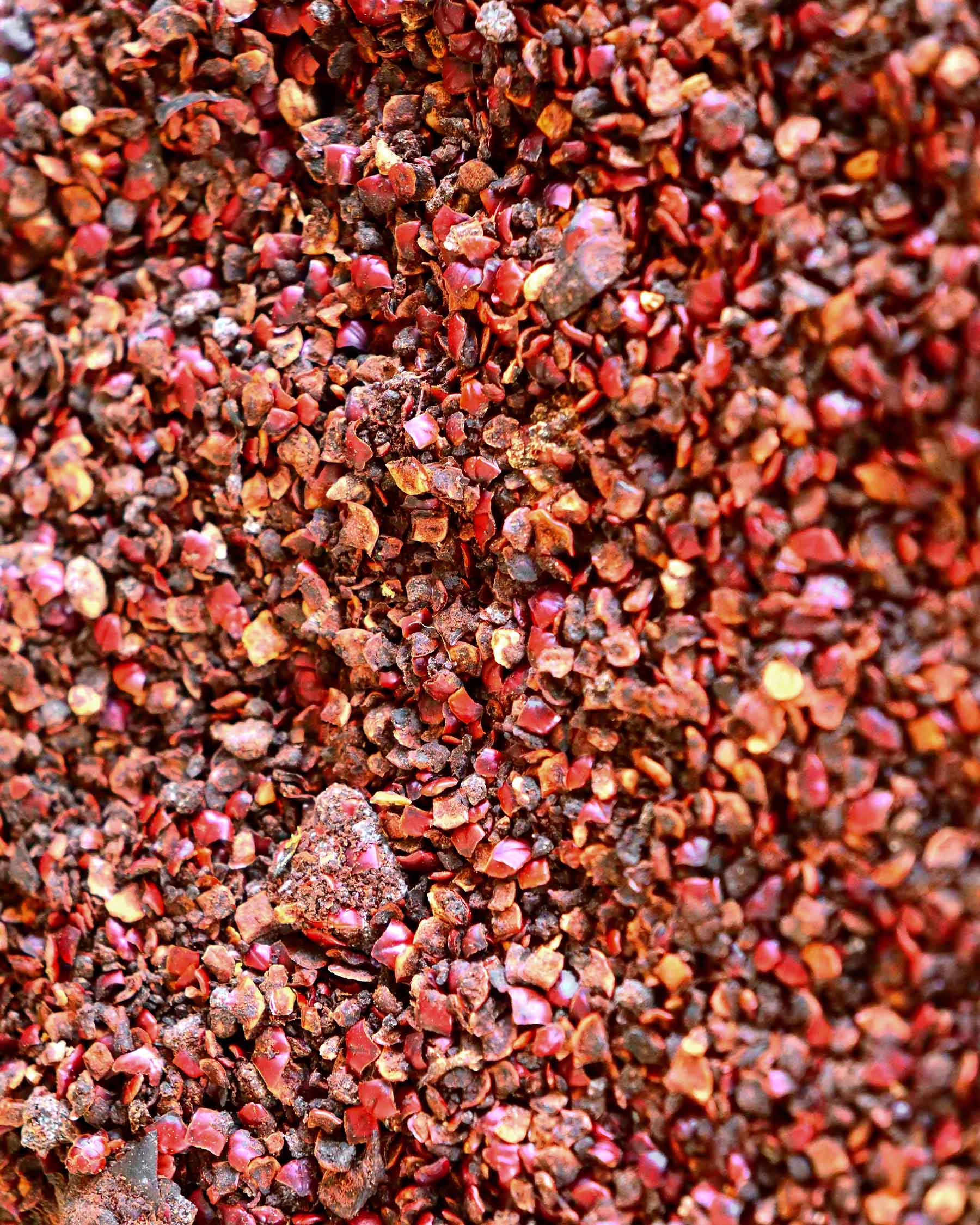
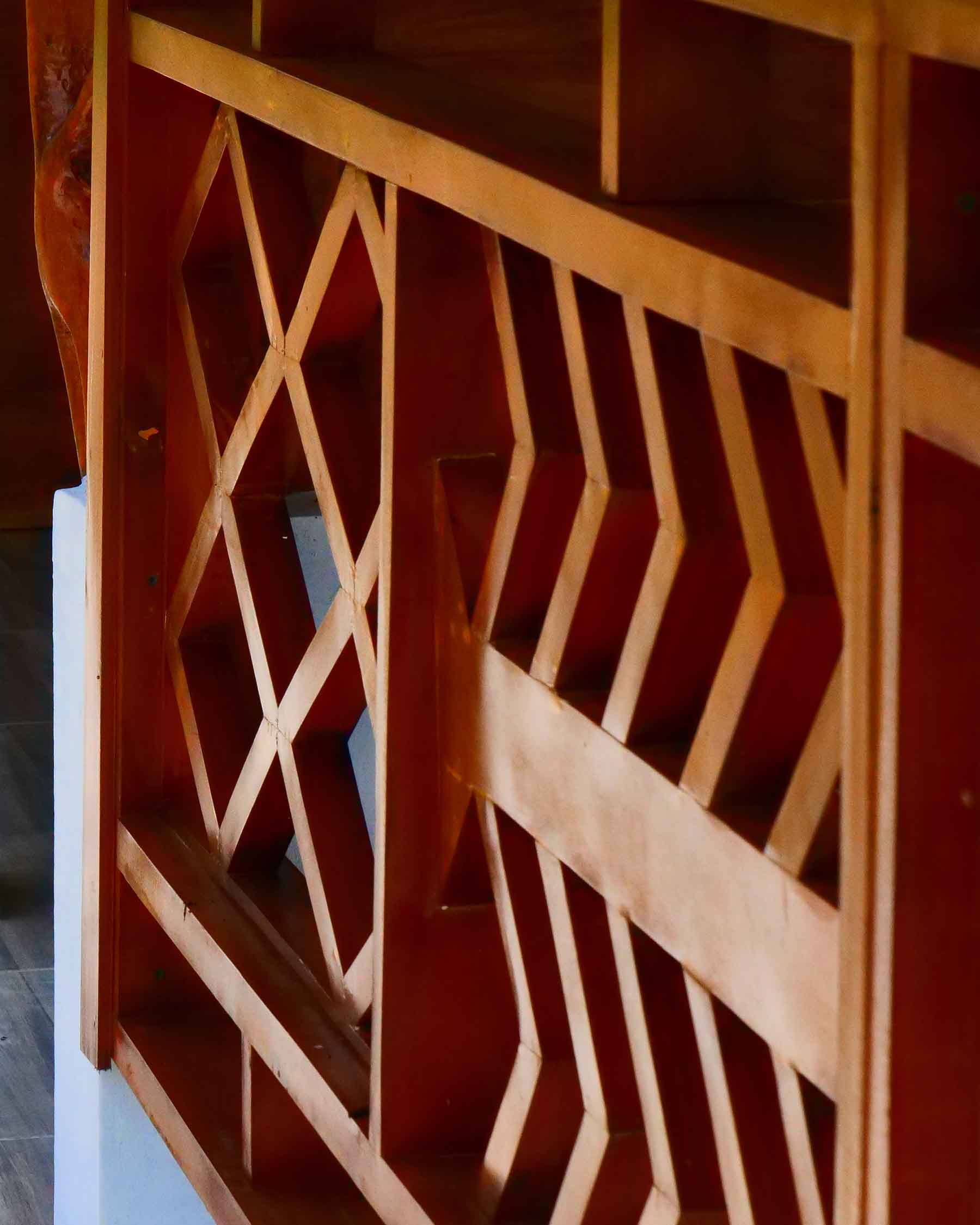
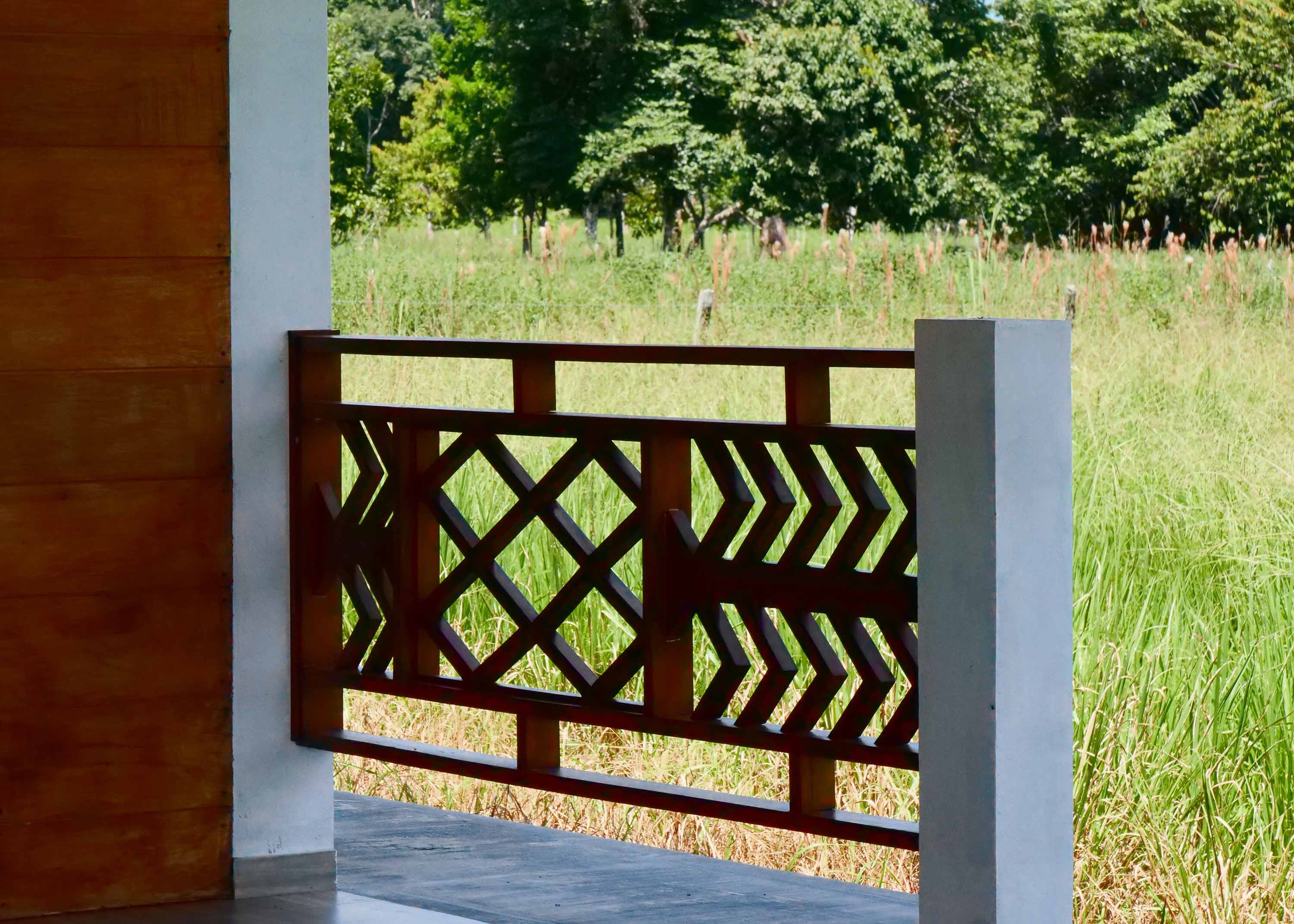
(8) The House of Seeds, built through community work mingas, is the hub of the community’s economy and a training center for Wasikamas, or guardians of the territory. (9) Canangucha seed. (10 a-b-c) The structure prioritizes natural ventilation and protection against moisture. (11) The younger generations learn to recognize native varieties, as well as listening to the elders’ stories about planting cycles. (12) In the face of river droughts, Inga women select the most resilient seeds.

That is why the idea of safeguarding seeds is now, for the Inga People, a strategy of preservation and resistance in the face of the effects of the climate crisis. Native seeds, due to their adaptation to their place of origin and their genetic diversity, can withstand droughts, pests, or rising temperatures. Jasbleydy explains this from her own knowledge: “Because of the elders’ standards of care and the way they have sown and preserved them, native seeds also have the power to face climate change.”

Native seeds are a reservoir of ancestral memory, ecological knowledge, and resilience in the face of climate change.

The ACIMVIP project concluded in April 2025, but it left behind an infrastructure and an ongoing process, which indicates its sustainability. Meanwhile, ACIMVIP is working on the next phase of the project, which involves establishing a one-hectare medicinal garden in the community of Cachiiaku, where the Inga people’s traditional healer, María Otaya, holds decades of knowledge about plants that young people no longer recognize.

“Ancestral medicine must be constant in terms of practice,” Jasbleydy says. “Suddenly, two years ago, when COVID hit, we turned back to it out of necessity. The medicine keepers understand this clearly, but there are young people who no longer practice this medicine, and we must revive it.”

The broader initiative has its own name within the organization: Sacha Muiu, the productive arm of ACIMVIP, which seeks to turn the sustainable use of the forest into a source of income to fund the defense of the territory. The vision is to position the brand with products such as handmade soaps, oils and shampoos made from Amazonian fruits like canangucha—also called moriche—and copoazú—or white cacao. These products can also tell the story of the Inga people through conservation and sustainable management.

Marcela and Jasbleydy agree that the Inga have historically been a people who know how to adapt, negotiate, and persevere. The House of Seeds, modest in size but precise in its purpose, is part of that persistence: a place to preserve the knowledge that remains. To name it and pass it on through words, but also through practice and community action.

(17)

(17) Suma Kausangapa (Good Living) is the guiding principle of the Inga people to ensure their continued presence in the territory. It represents the search for harmony between the community and Alpa Mama (Mother Earth).