6th IPAF–IFAD Cycle (2022–2026)
ORGANIZATION
Departmental Network of Sololateca Women with a Holistic Vision (REDMUSOVI)
DIRECT BENEFICIARIES
121
INDIRECT BENEFICIARIES
114

The project makes a qualitative contribution to the eradication of gender-based violence through training programs aimed at empowering women in environmental education, economics, natural resource management, climate change mitigation, and improving the quality of life for indigenous women in the Lake Atitlán watershed.

+ info
- info
Weaving autonomy
PHOTOGRAPHYSandra Sebastián
TEXTAndrea Fajardo
Lake Atitlán Basin / Sololá / Guatemala

For a Tz'utujil woman in the Lake Atitlán basin in Guatemala, buying a pound of salt or a bar of soap used to be an act of domestic negotiation, not economic freedom. Depending on a husband’s permission for even the most basic expenses remains a reality deeply rooted in Guatemala’s Tz’utujil, Kaqchikel, and K'iche' Mayan communities, where economic autonomy for women has historically been a distant ideal.

However, in the 19 municipalities of the department of Sololá, there are now Indigenous women from these communities who no longer approach their families’ finances with resignation, but rather with financial literacy and independence.According to data from the World Bank and the United Nations Development Programme (UNDP), Sololá is one of the Guatemalan departments with the highest rates of rural poverty, reaching levels close to 80% in some areas.

In this context, the Sololá Departmental Network of Women with a Holistic Vision (REDMUSOVI) has shifted its perspective on entrepreneurship from viewing it as a supplementary economic activity to positioning it as a human rights strategy. Through a project to strengthen the capacities of Indigenous women, with help from the International Indigenous Women’s Forum (FIMI), and funding from International Fund for Agricultural Development (IFAD) through its Indigenous Peoples Assistance Facility (IPAF), the network has implemented workshops and support processes to transform the quality of life in the Lake Atitlán basin.

Emiliana Sancoy, a woman from the Kaqchikel people and an ally of REDMUSOVI in the municipality of San Marcos La Laguna, describes how the technical transformation that has facilitated food sustainability in the region has taken place. Before training sessions existed, women who raised backyard poultry would often lose their animals because they did not know how to care for them or how to make natural vaccines. They also did not have the confidence or the tools to generate their own income, understand their finances, or to independently manage their families’ livelihoods.

“Once, a woman approached me and said, ‘Look, Emiliana, before, in order to buy soap, I had to ask my husband, but not anymore—now I get it from my sales.’ That made me very happy, seeing that ‘can do’ attitude. For me, that is the result of the project—seeing that they are no longer submissive,” Emiliana says.

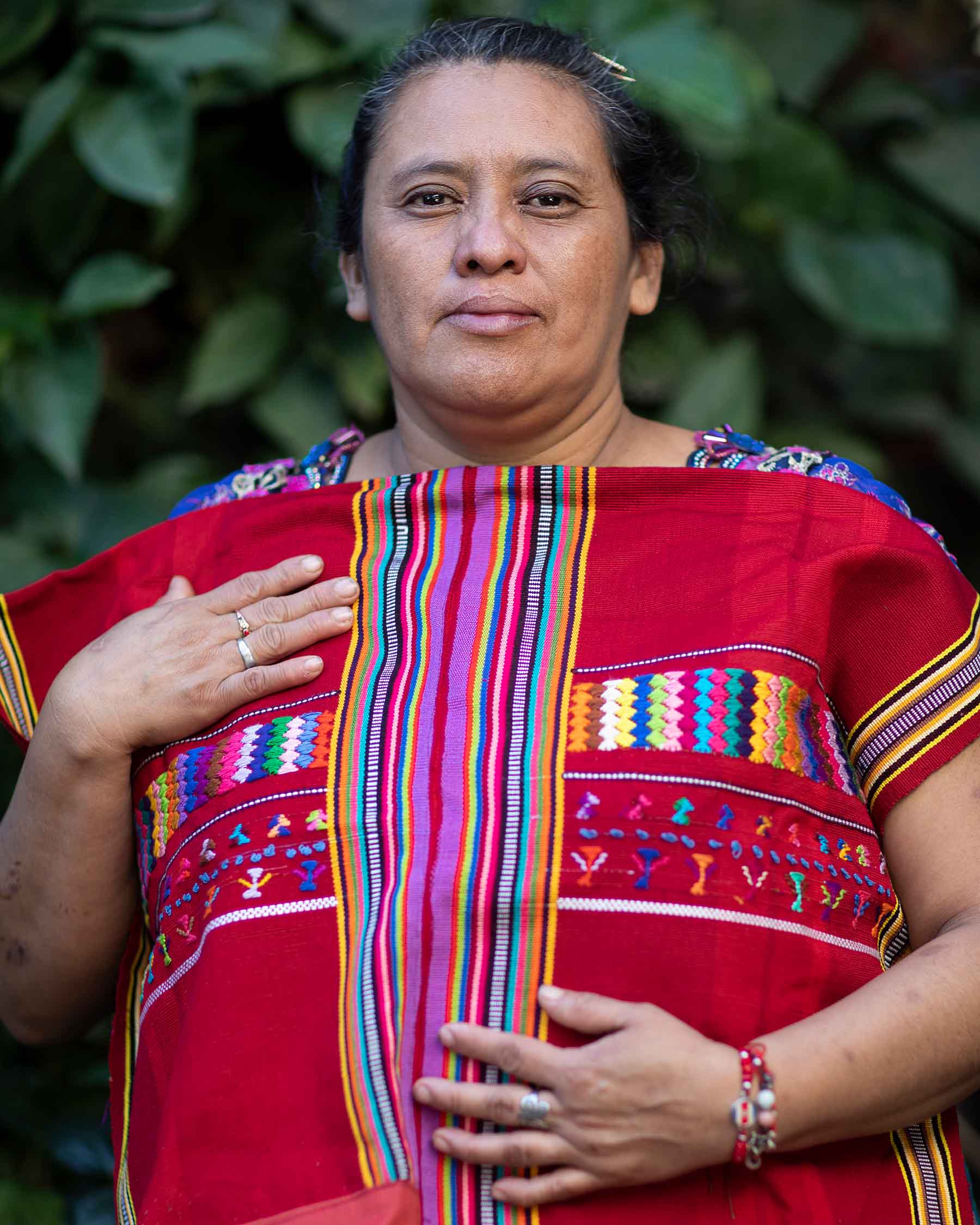
(3)

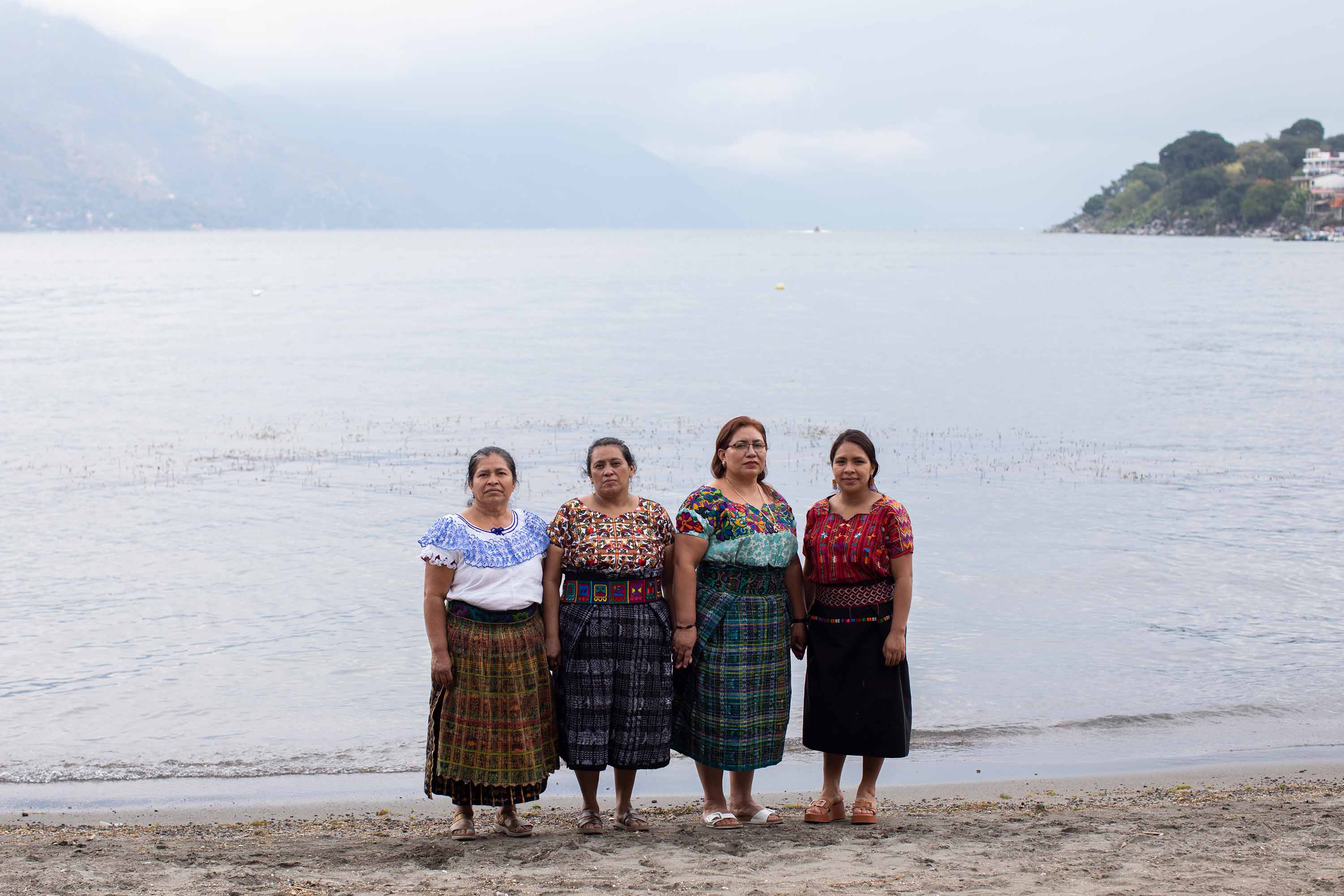
(2) Jesús González, Concha Edna Chavajay Quizcain, Concepción Méndez González, and Brígida Ana Cecilia Matzar Cruz, members of the Association of Survivors of San Pedro La Laguna, Sololá. (3) The use of natural dyes and other local materials reduces dependence on external chemicals, revives ancestral environmental practices, and strengthens the ecological sustainability of these enterprises.

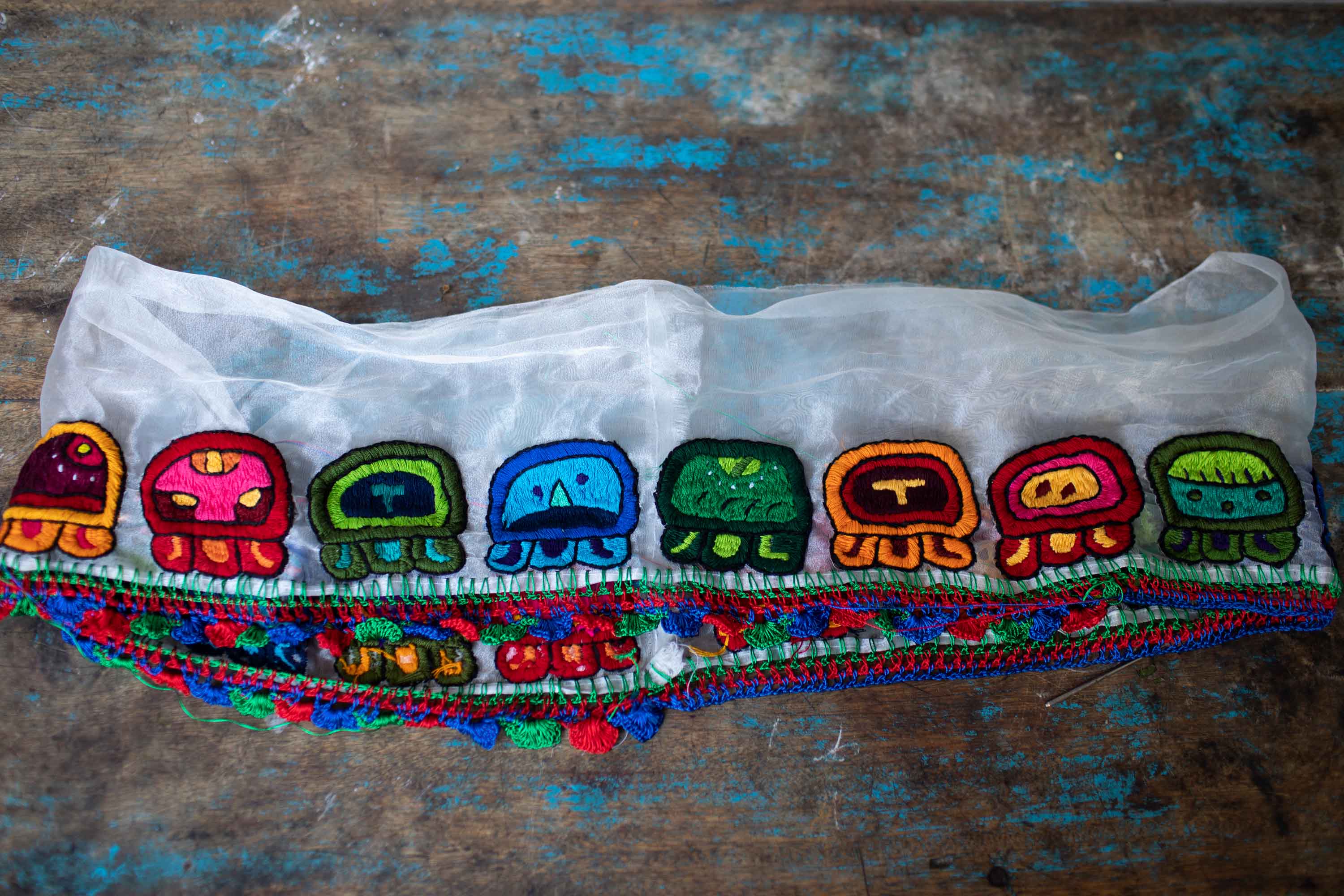
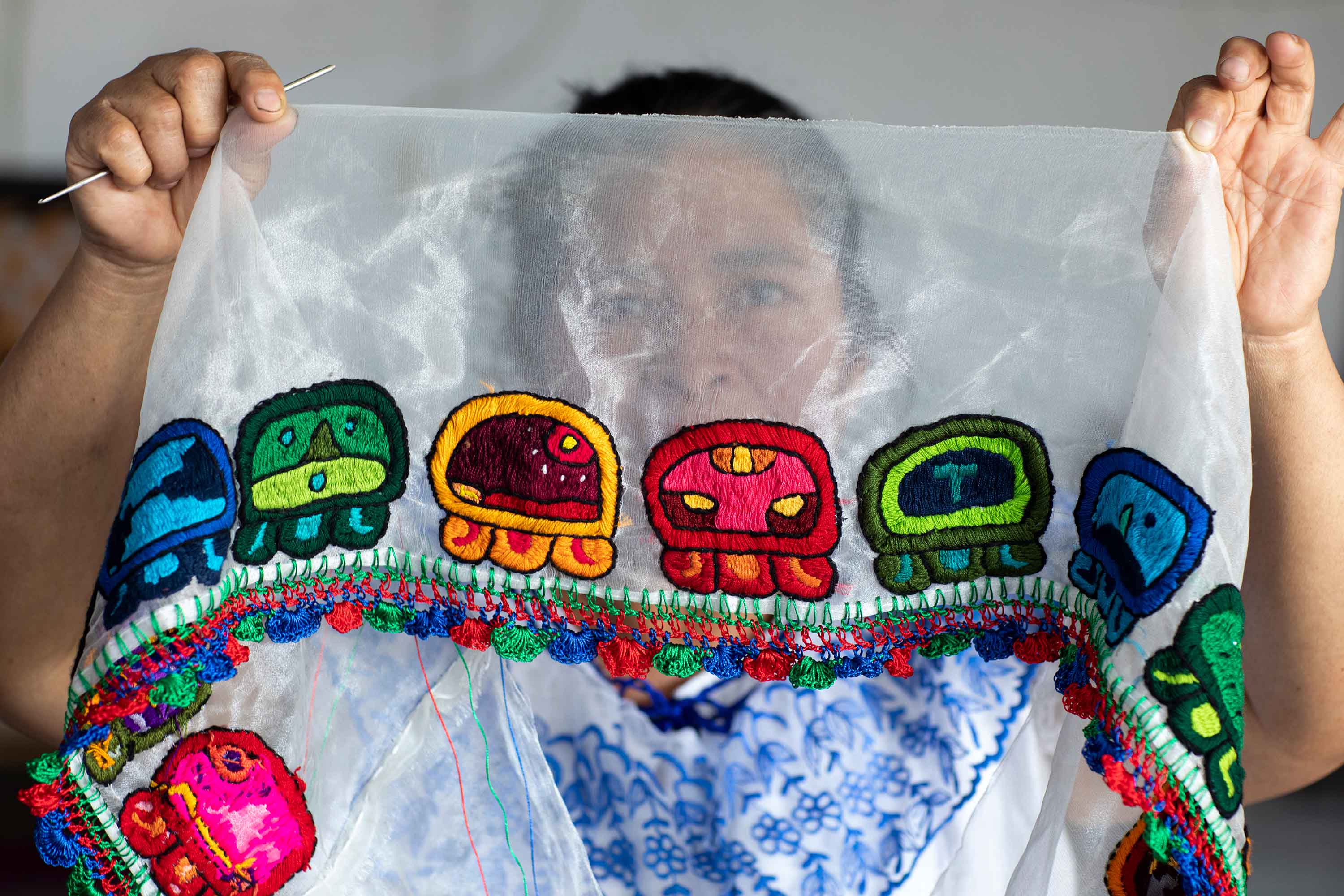
Historically, the work of women from the Tz’utujil, Kaqchikel, and K'iche' peoples has been invisible in economic statistics. Textile art, which identifies each community in the basin, was viewed as a “leisure” activity for Indigenous women. Lidia Quiejú, a woman from the Tz’utujil people and coordinator of REDMUSOVI, explains that the first step toward autonomy was understanding that their time has monetary value. For decades, intermediaries who have come to the territory have taken advantage of the lack of costing tools to acquire pieces that require months of work for a fraction of their real value.

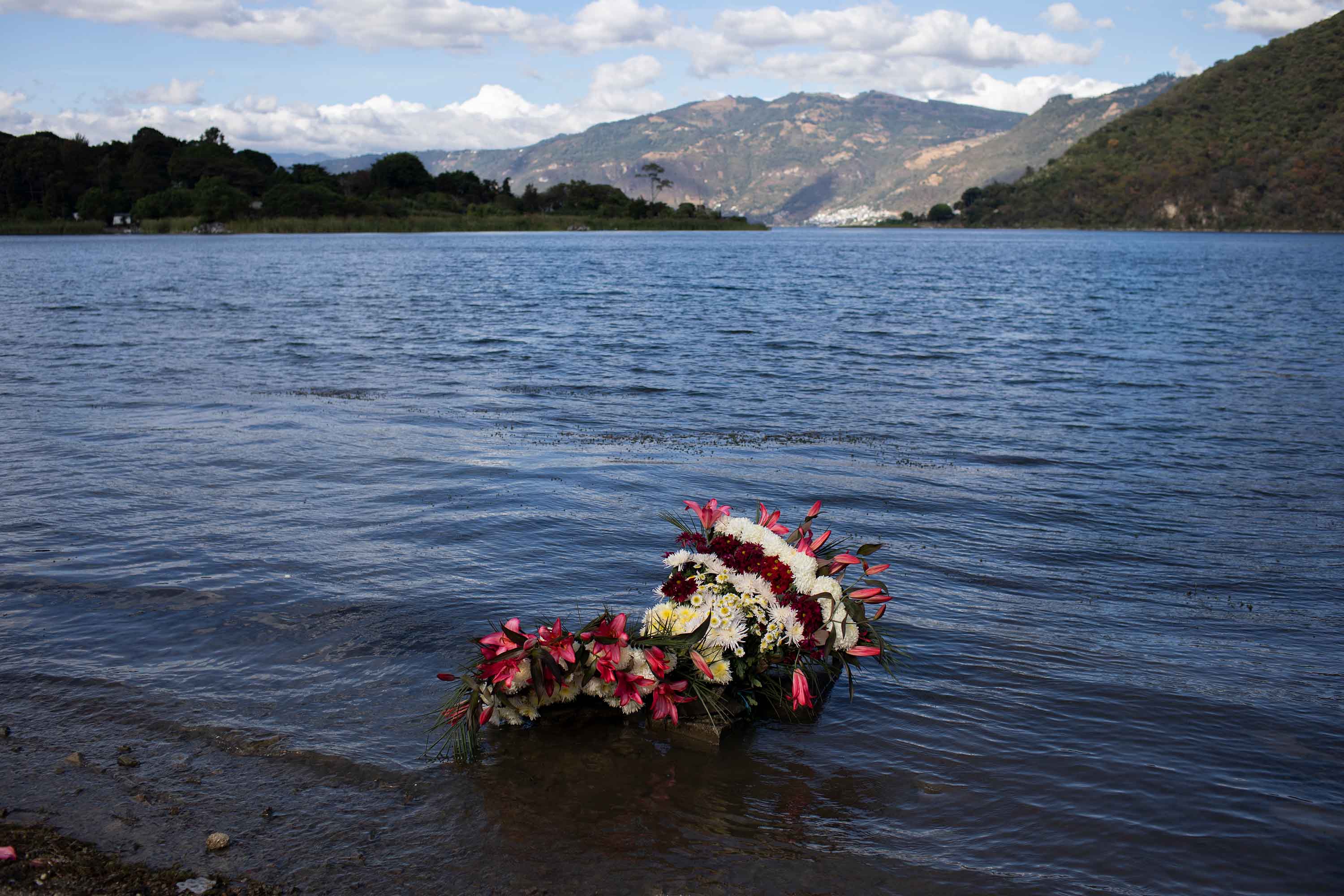
The Lake Atitlán basin is home to Maya Kaqchikel, K’iche’, and Tz’utujil communities that have developed textile, agricultural, and commercial traditions passed down through generations.

“We have focused on technical and administrative training. It’s not just about producing, but about knowing how much what we make costs, how to set a fair price, and how to manage small profits. Before, middlemen would come and pay them very little. Now they say: this is worth this much because I used this much thread or spent this many hours of my time, and this is the design my grandmother taught me,” Lidia explains.

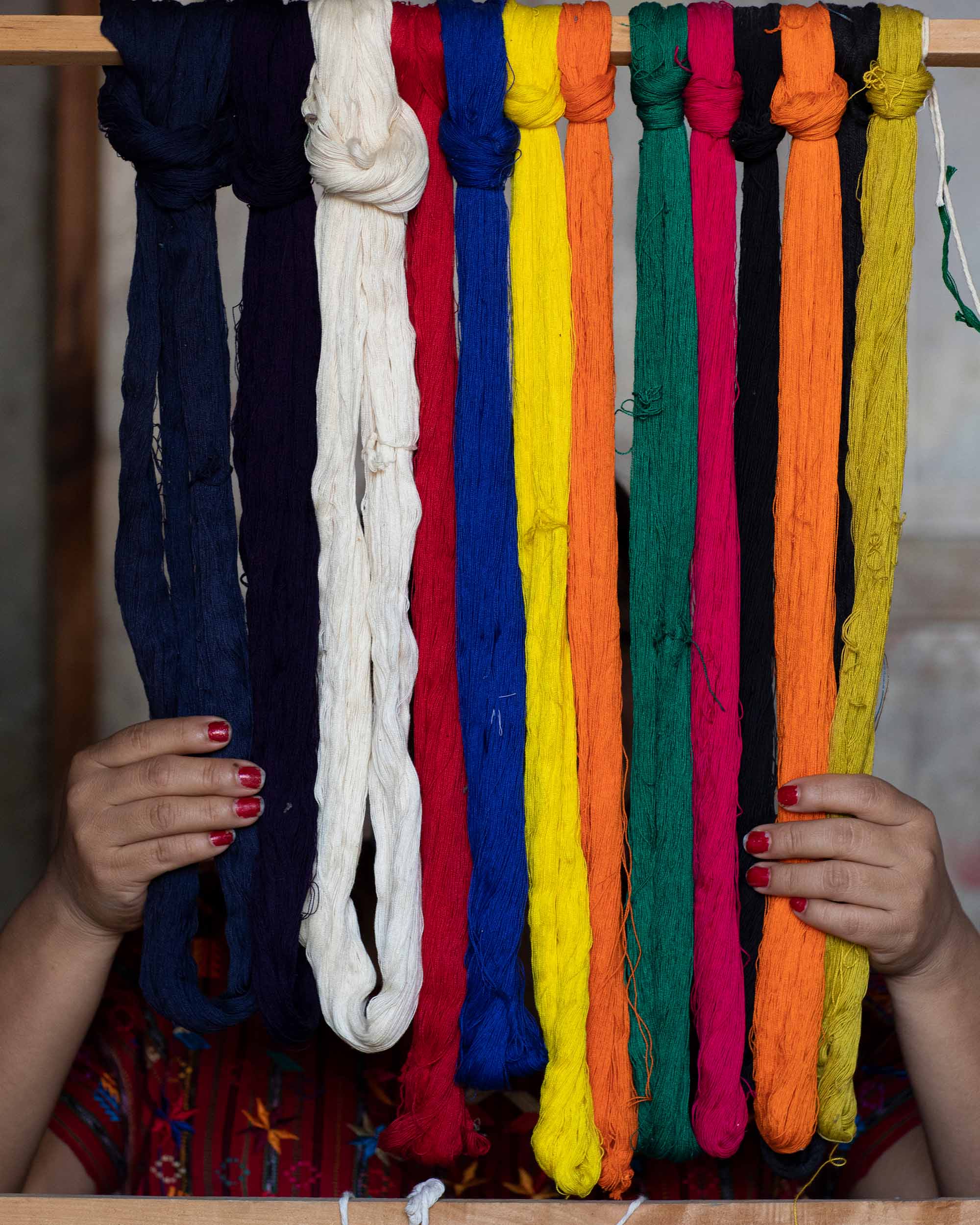
This revaluation has not been merely financial, but also cultural. The project implemented by the network has promoted the use of natural resources for the enterprises, such as the revival of natural dyes for handicrafts. By using local materials, the women not only reduce their dependence on external chemical inputs, but also revive ancestral practices of environmental management, while diversifying their sources of income in the face of the effects of climate change on farming communities.

(8-a)
(8-b)
(8-c)
(9)

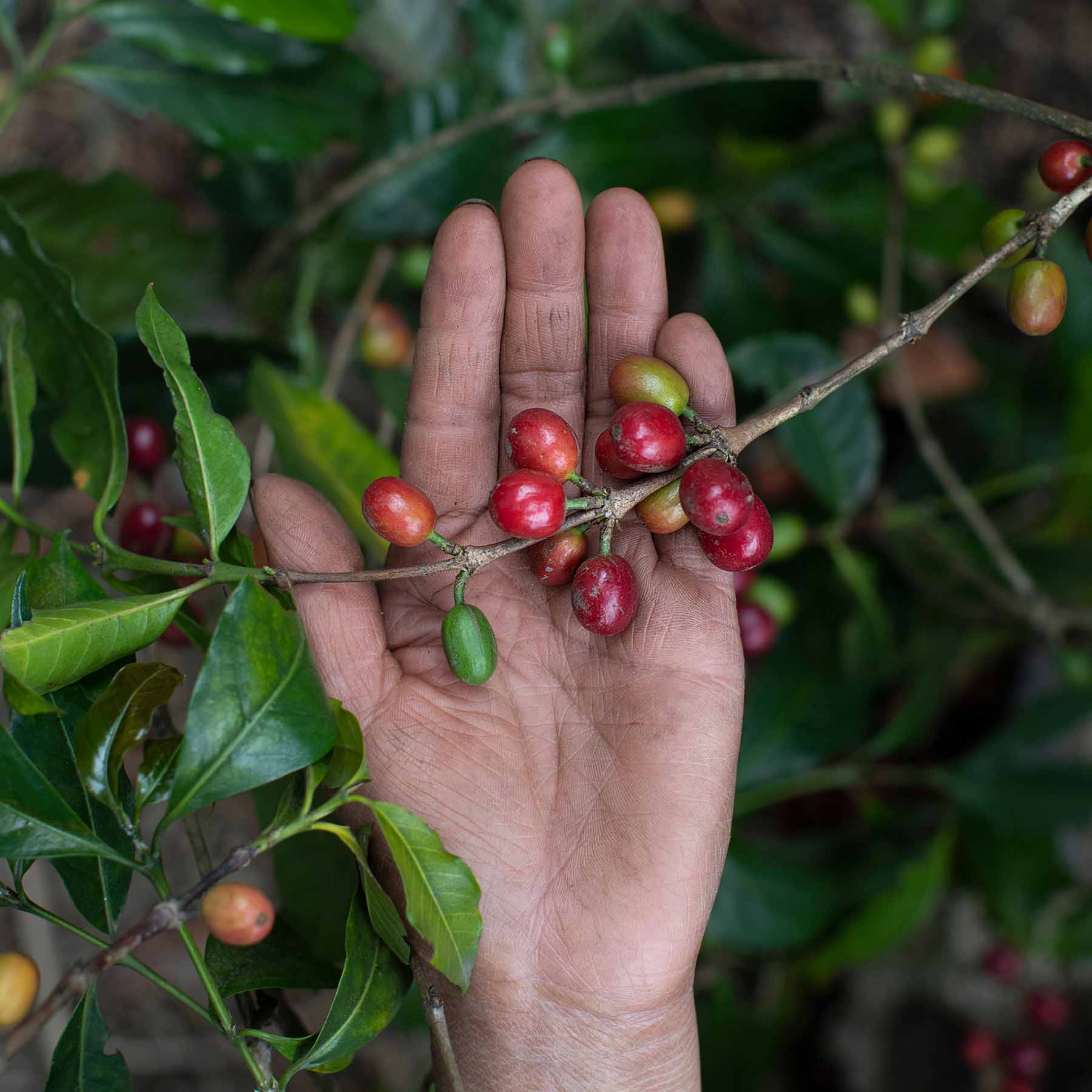
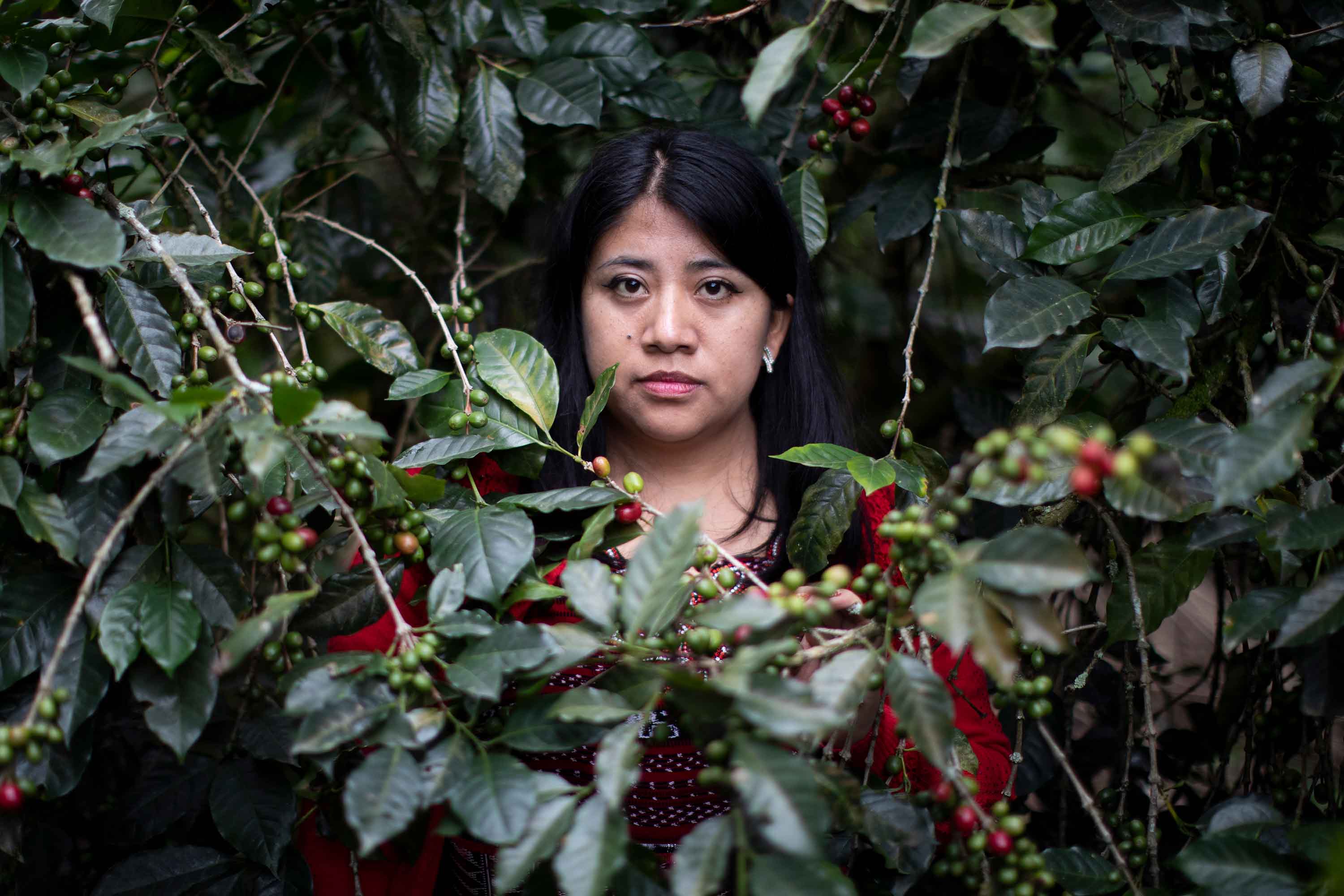
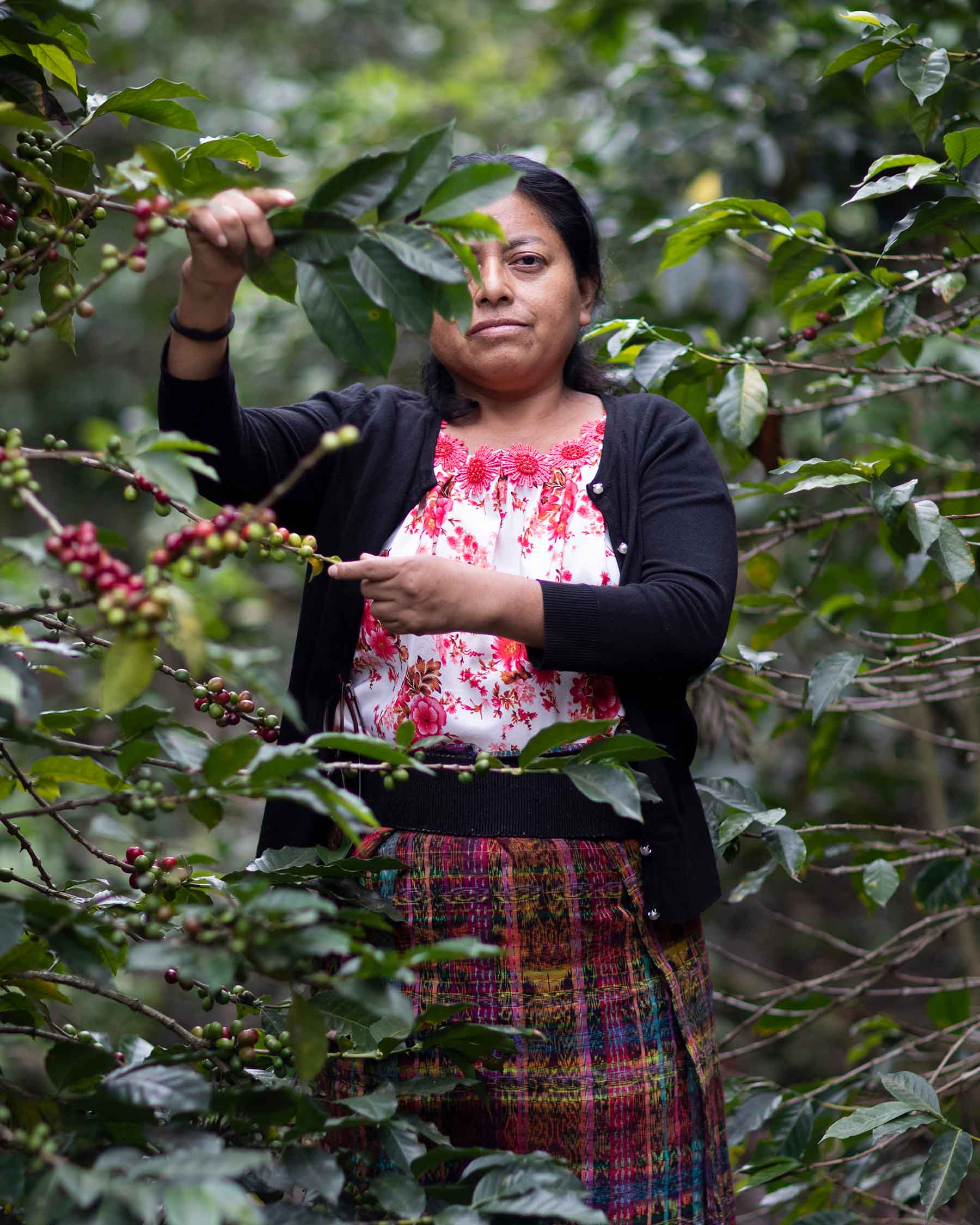
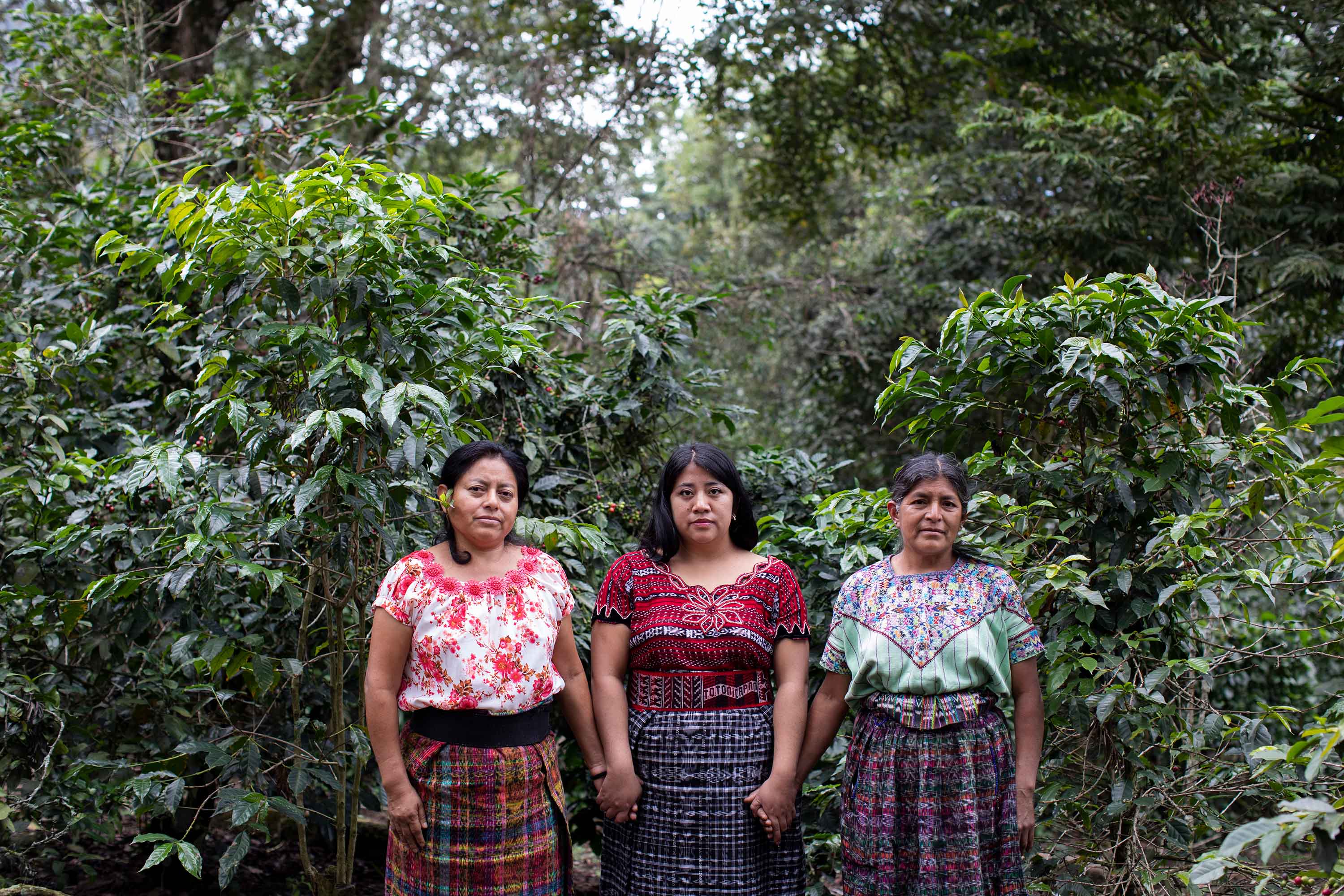
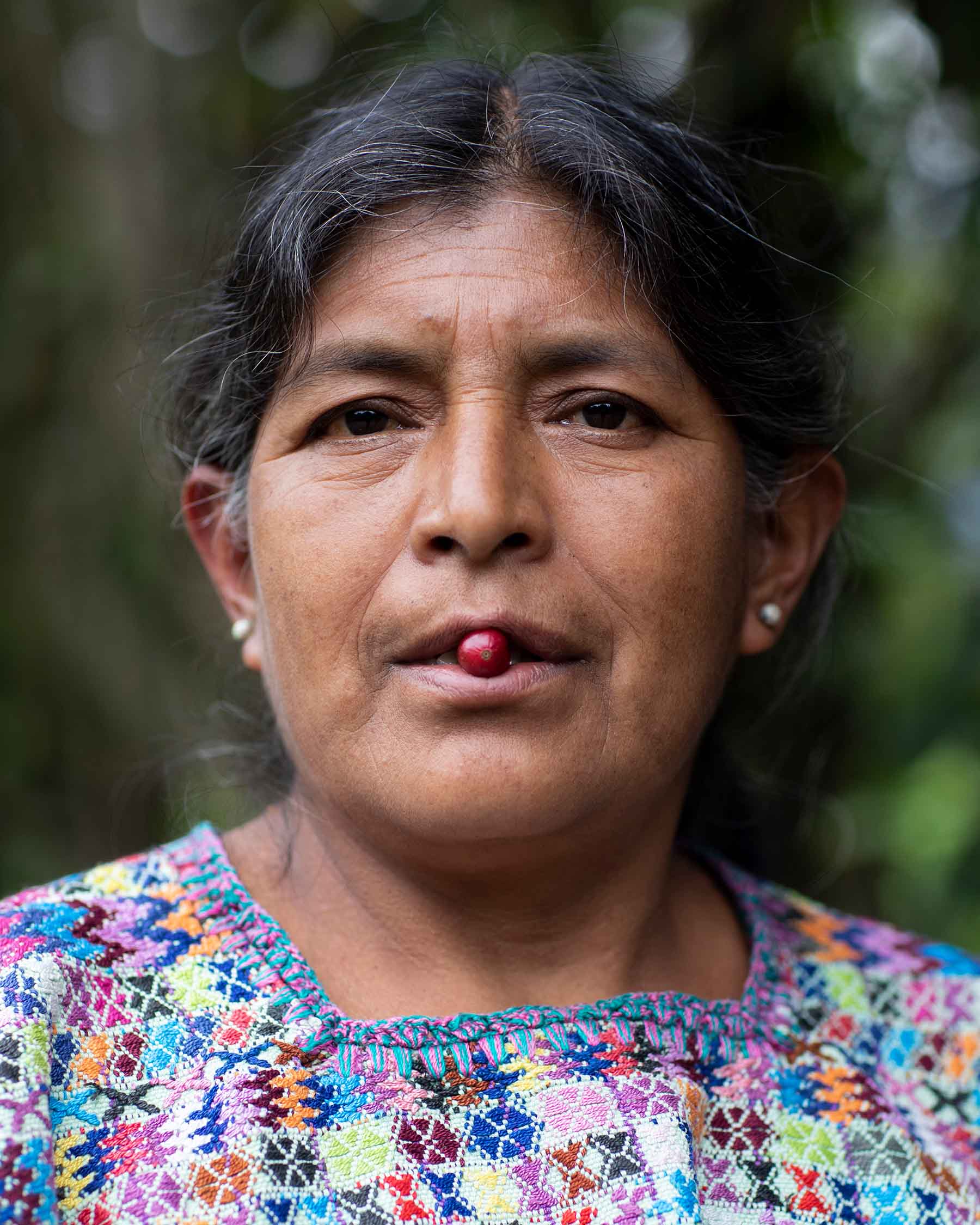
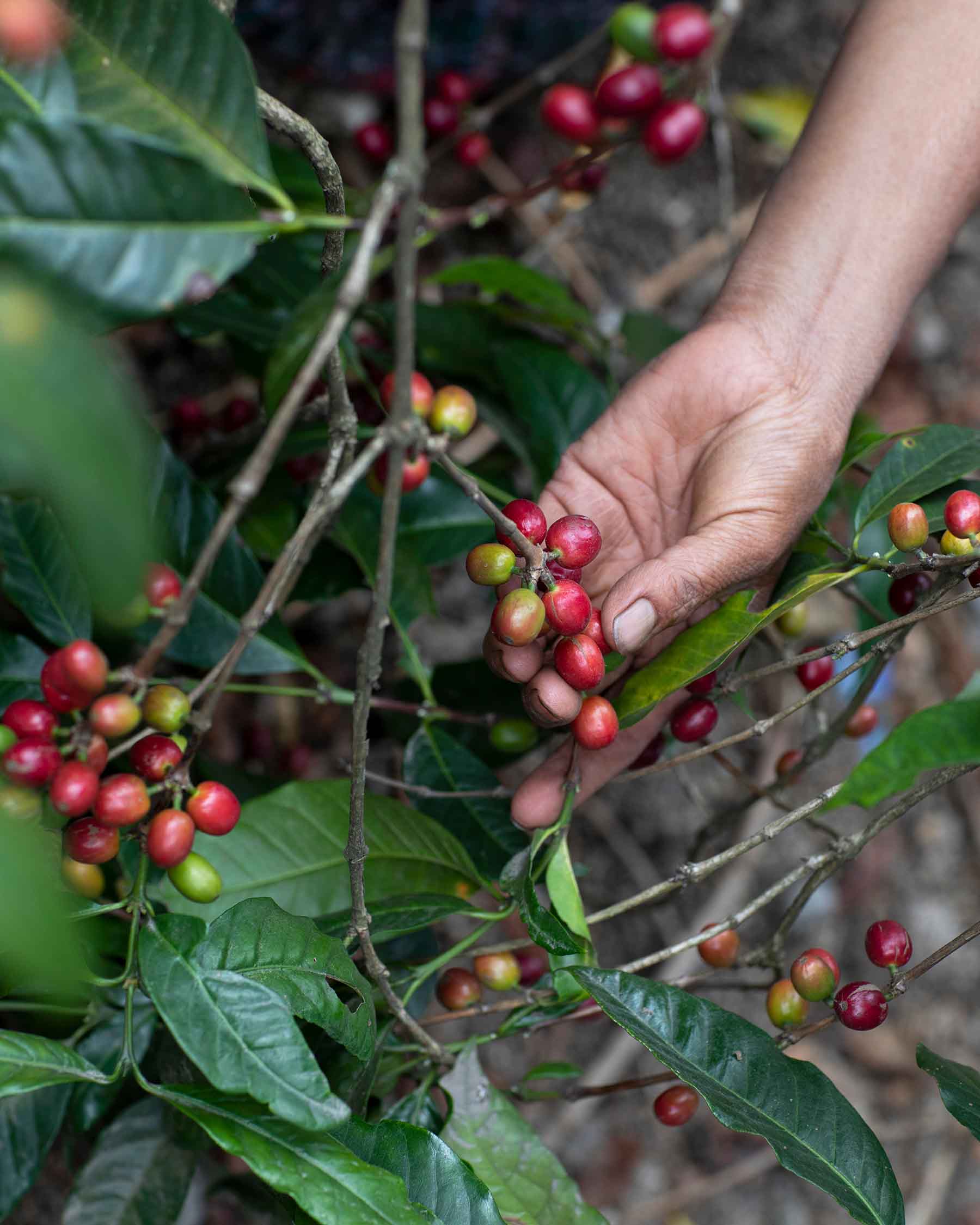
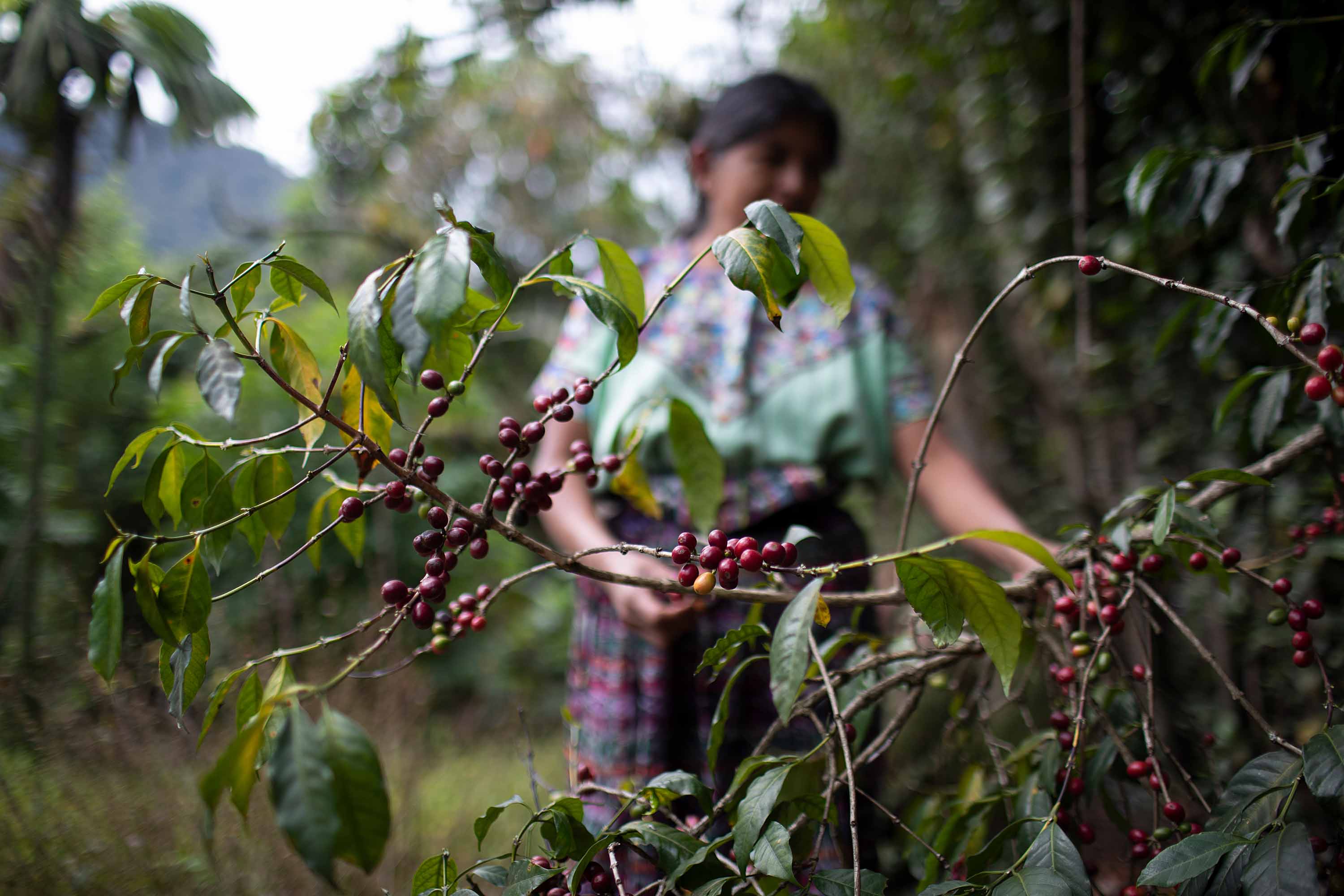
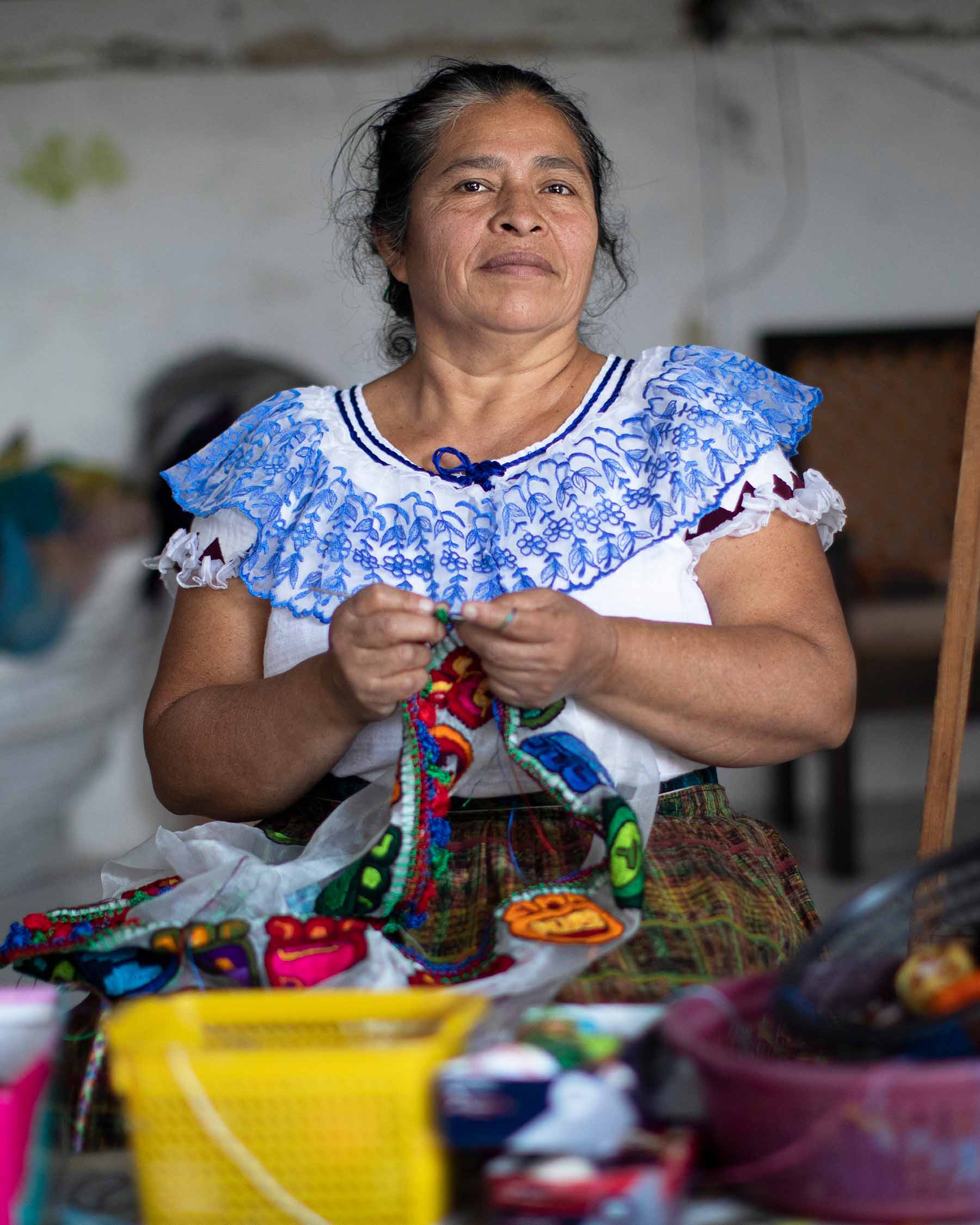
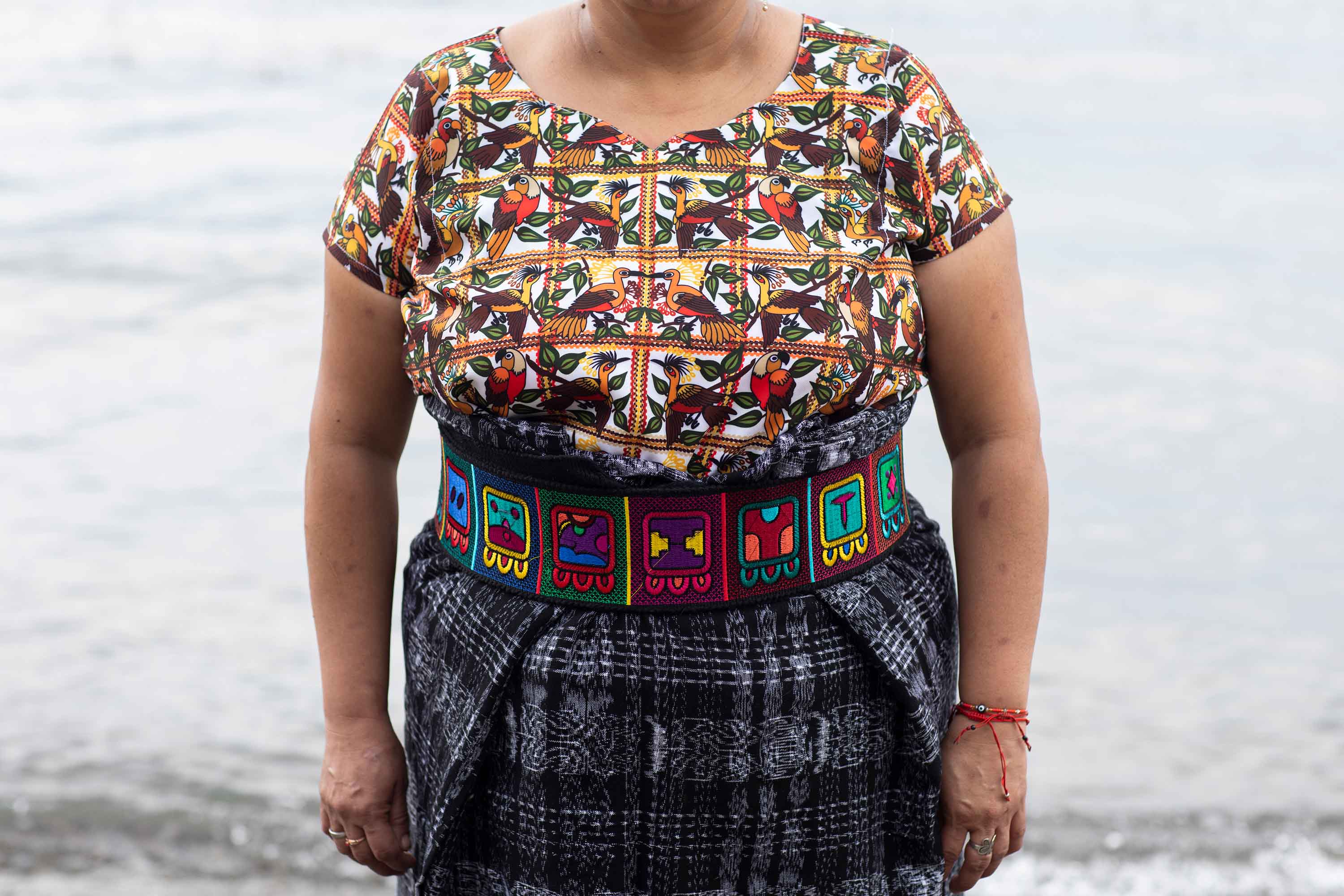
(4) The Kaqchikel women of San Antonio Palopó are primarily engaged in planting and harvesting coffee and crops such as beans, corn, avocados, tomatoes, and lemons. (5) Zoila Pérez, 29, legal representative and president of the Board of Directors of the Bienestar del Futuro Association. (6) María Rebeca Pérez, 46, secretary of the Board of Directors of the Asociación Bienestar del Futuro. (7) The Asociación Bienestar del Futuro combines ancestral agricultural knowledge with training on human rights, sexual and reproductive rights, violence prevention, and productive projects. (8 a-b-c) Marcela Pérez Tale, 56, treasurer of the Board of Directors of the Asociación Bienestar del Futuro. (9) Concha Edna Chavajay Quizcain participates in the creation of clothing for daily use and for ceremonial events.

Financial management is often a dry subject, but for the women who are part of REDMUSOVI, it is the language of a new form of freedom. Olga Acetún, a Kaqchikel woman and the organization’s accountant, has witnessed how maintaining order in basic record-keeping has changed household dynamics.

“At first, many of the women struggled to separate family expenses from business investments. With the savings and basic record-keeping workshops, they now keep track of things. They know that if they sell a piece of fabric, part of the proceeds goes toward buying more thread, another part goes toward savings, and another part goes toward living expenses. That gives them a great sense of security.”

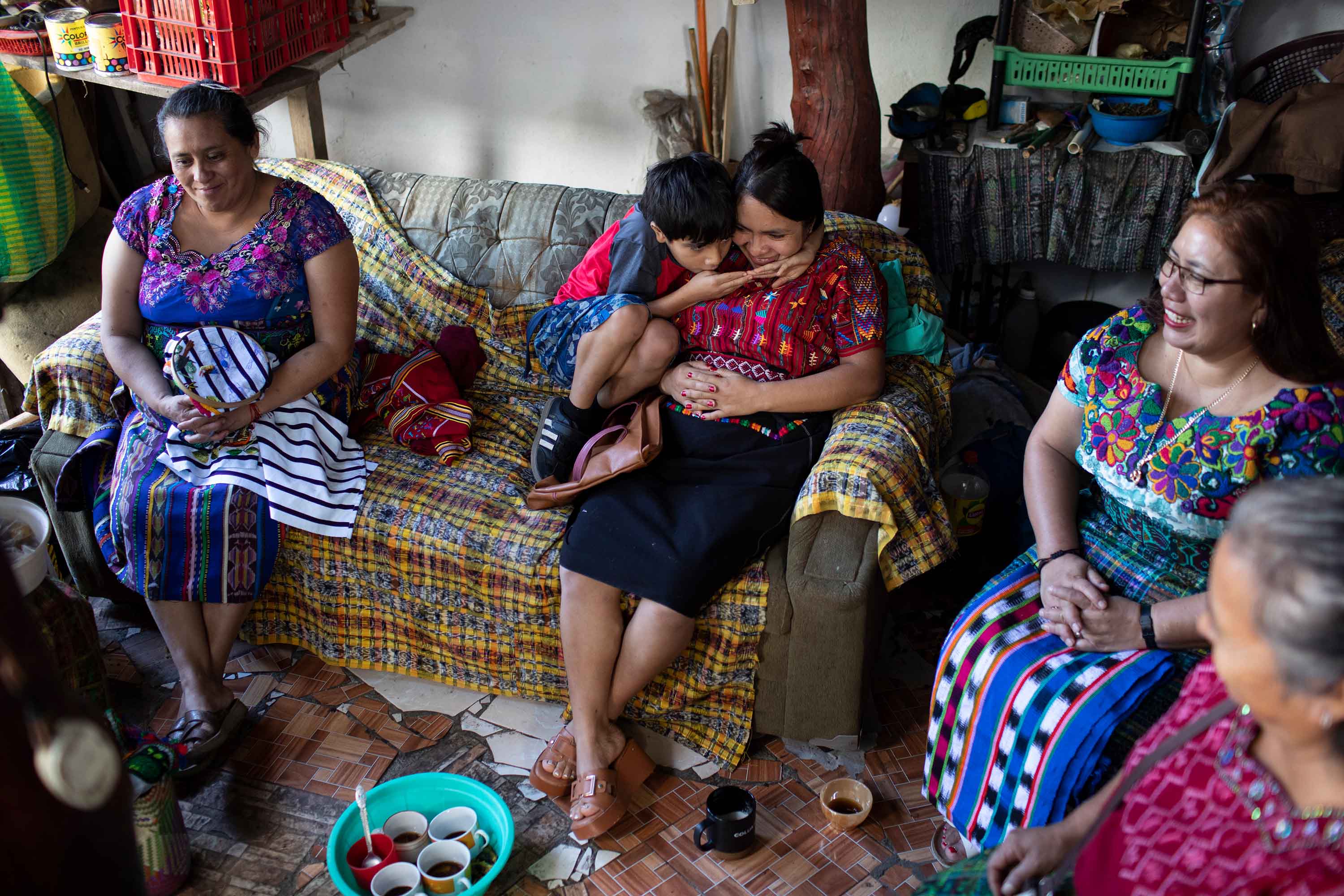
Community savings groups enable women to invest in their enterprises, respond to emergencies, and strengthen their economic autonomy.

This has also facilitated the creation of local savings and credit groups. By saving between five and ten quetzals per week, the women have built up common funds that function as a financial safety net. This seed capital has allowed them to invest in raising backyard poultry or improving their looms: “money from them and for them,” which circulates within the community and strengthens local governance of resources.

One of the most critical aspects of the network’s work has been the recognition that money does not come alone; sometimes it is accompanied by family tensions and conflicts. According to reports from the Guatemalan Public Prosecutor’s Office, domestic violence is the most commonly reported crime in the country. On this point, Lidia emphasizes, one cannot address women’s economic empowerment without addressing their safety and self-esteem as well.

“We cannot talk about money without talking about violence prevention, because often, when women begin to earn their own income, conflicts arise at home. That is why we work on self-esteem and empowerment, so that this income contributes to their well-being and does not become a cause of further violence.”

In this regard, REDMUSOVI has also provided support to women who are victims of violence throughout their legal proceedings, providing the support that the state system often denies due to language barriers or institutional racism.

A major challenge for grassroots organizations like REDMUSOVI is figuring out what happens when external funding is withdrawn. In Sololá, the strategy has been to establish 12 organizations that operate according to their own criteria for climate mitigation and cost-saving. Through dialogue with municipalities and the Municipal Women’s Offices (OMM), they have ensured that this training process is included in the public budget.

In the Lake Atitlán basin, where tourism is the main source of income, REDMUSOVI has worked to ensure that women play a leading role in the value chain—not just as domestic workers or street vendors, but as artisans and producers of their own brands.

This organization’s story is not one of charity, but of efficiency and dignity. It is the story of women who are learning to read the market with the same precision with which they read the threads of a loom. Slowly, they are learning to no longer ask permission to buy basic goods. It is the building of an economy that respects the basin’s natural environment and understands that economic development is, above all, the right to decide.