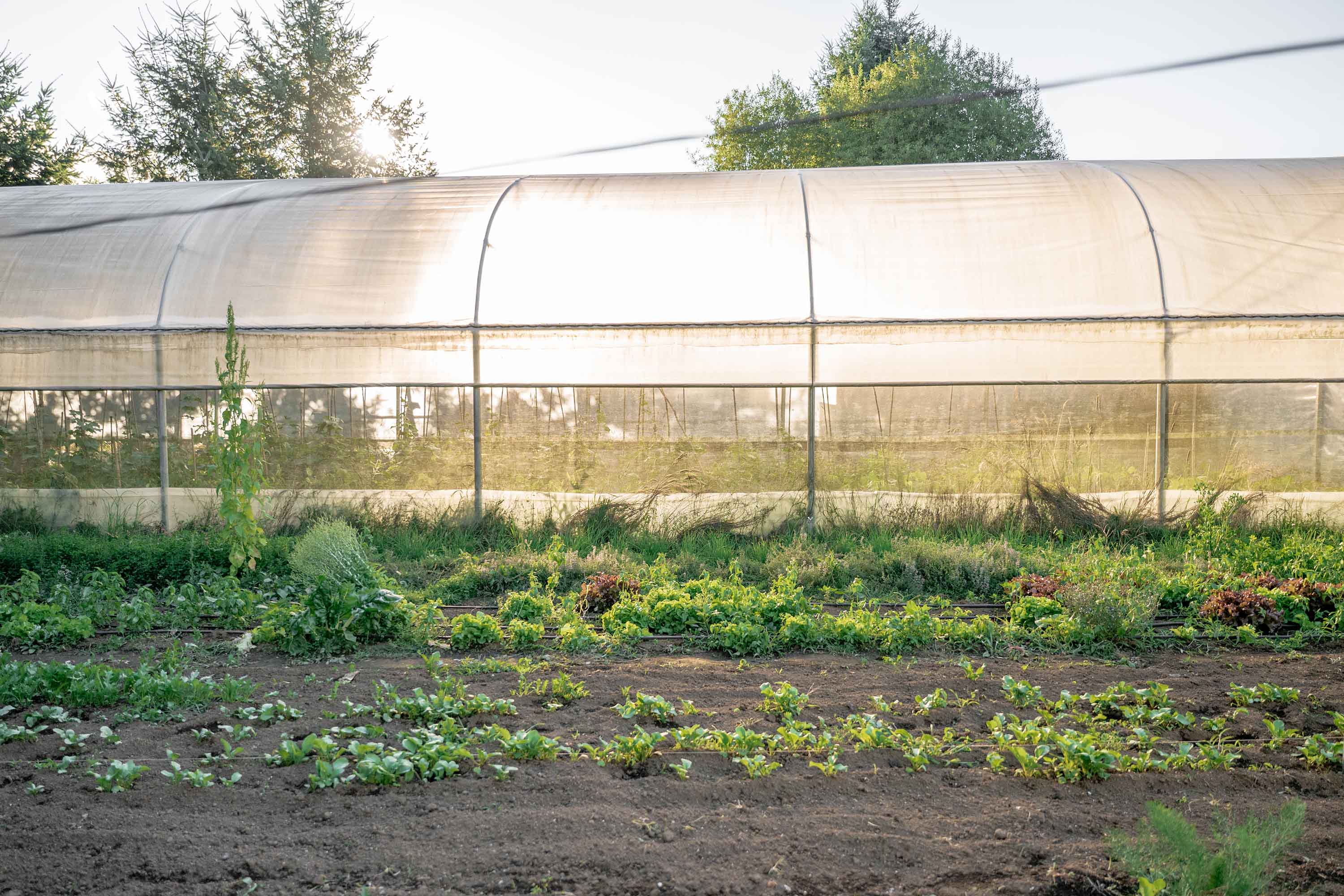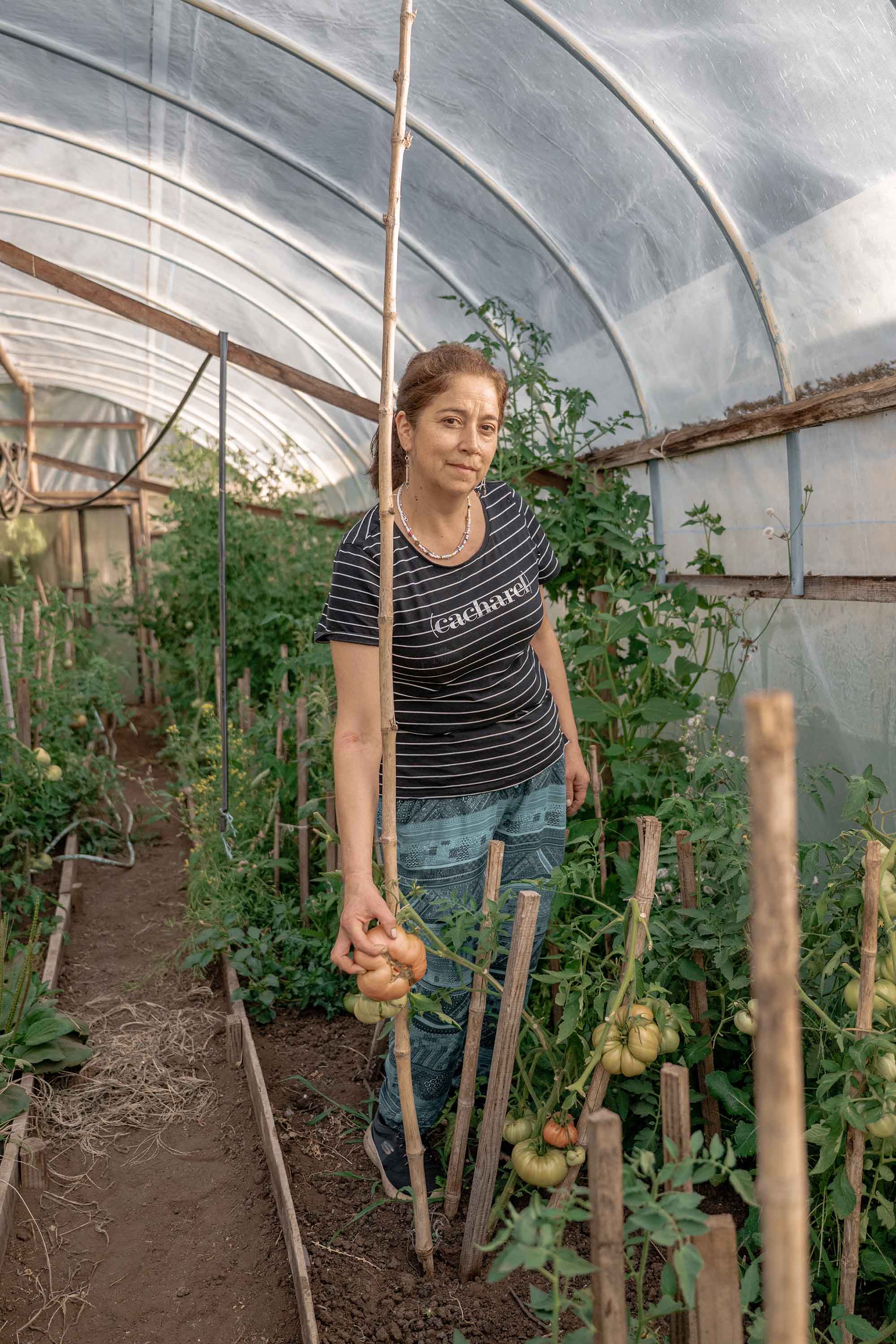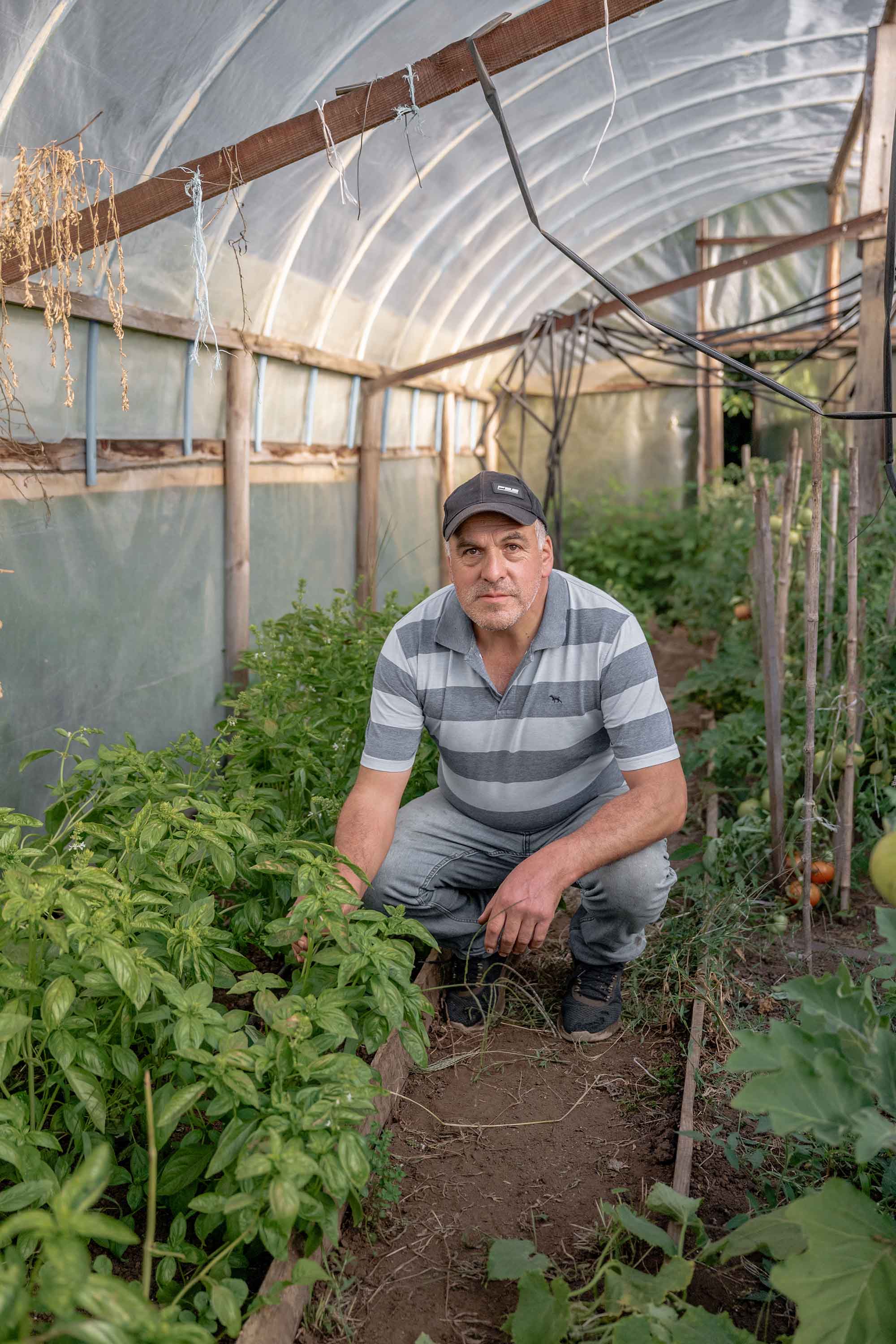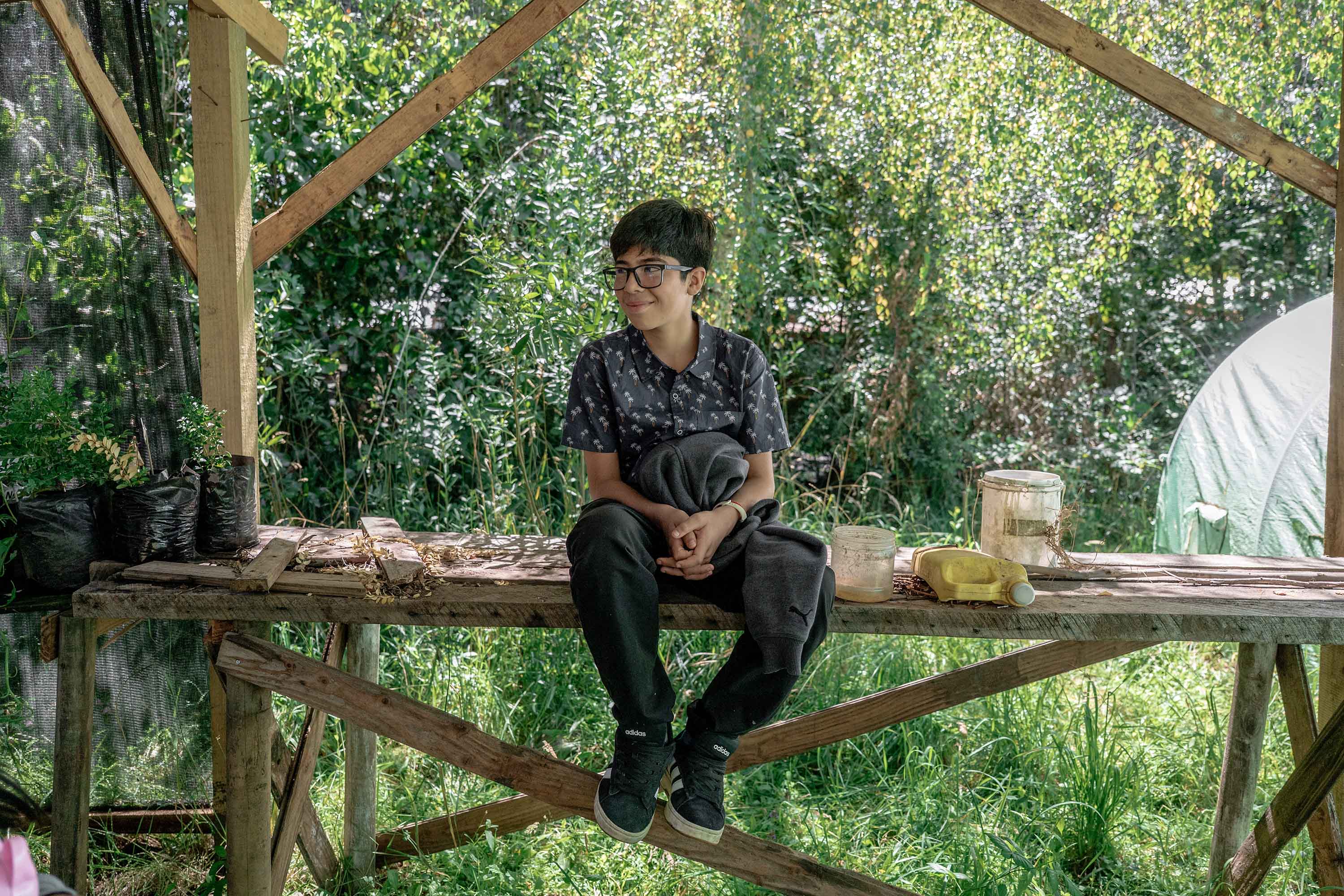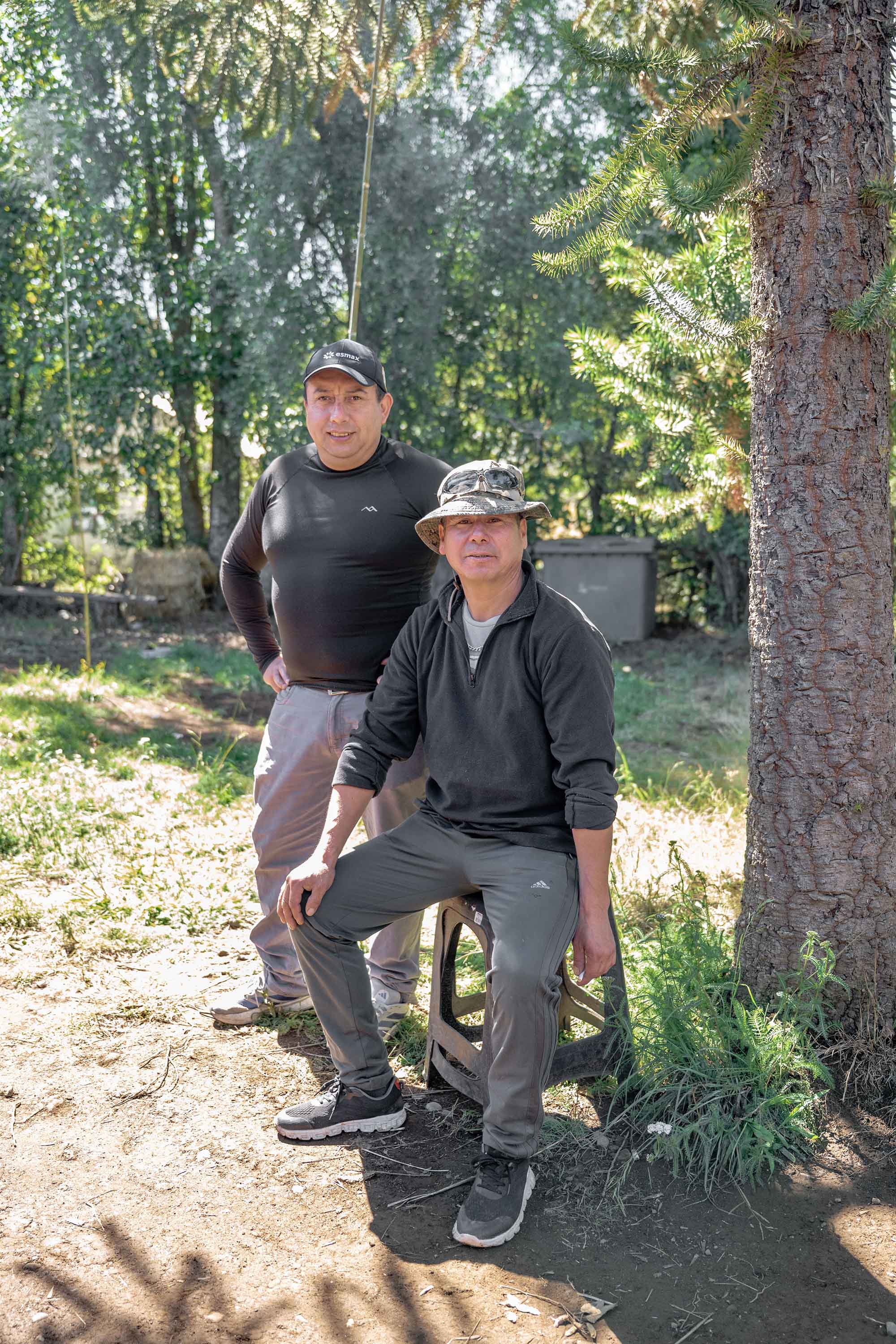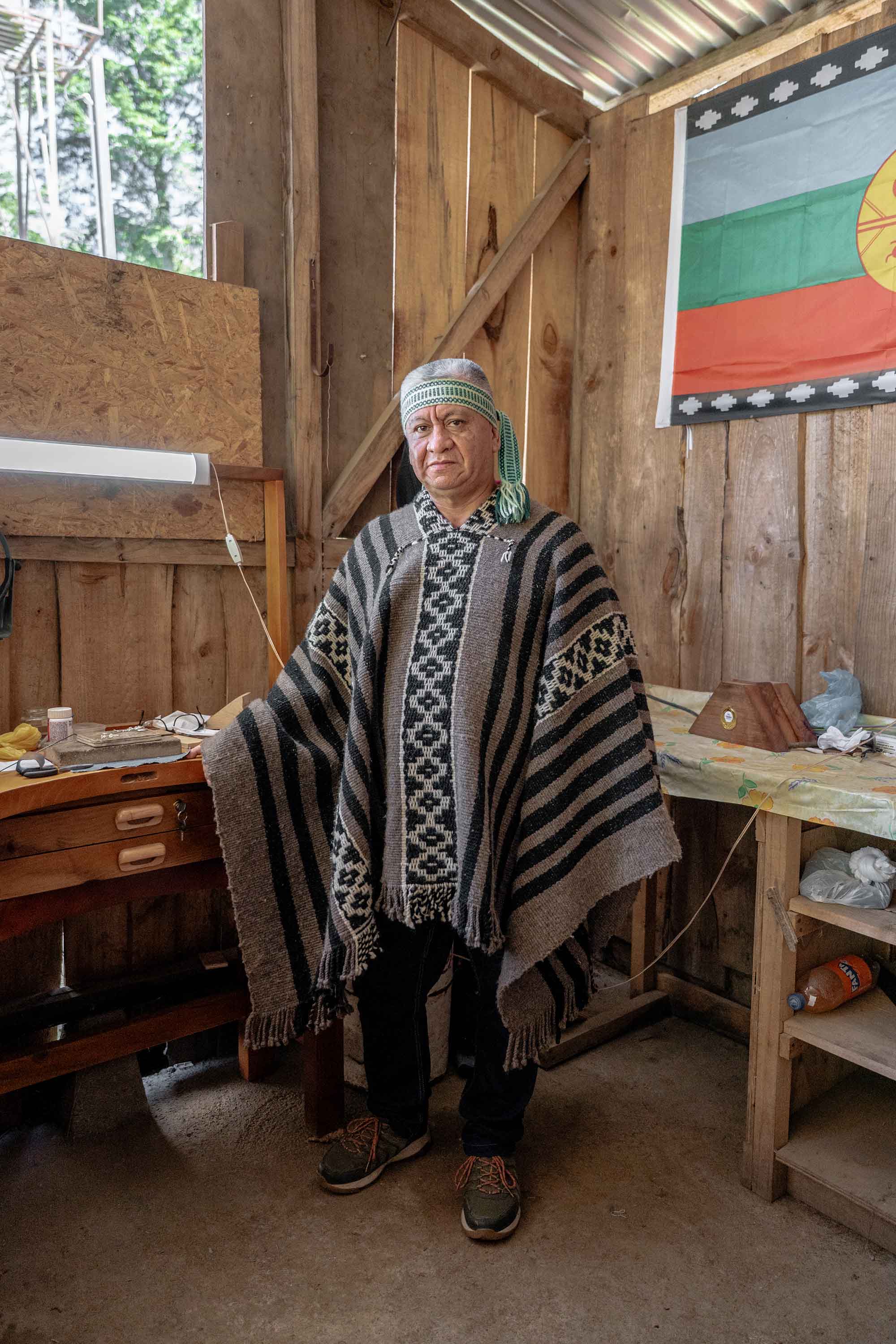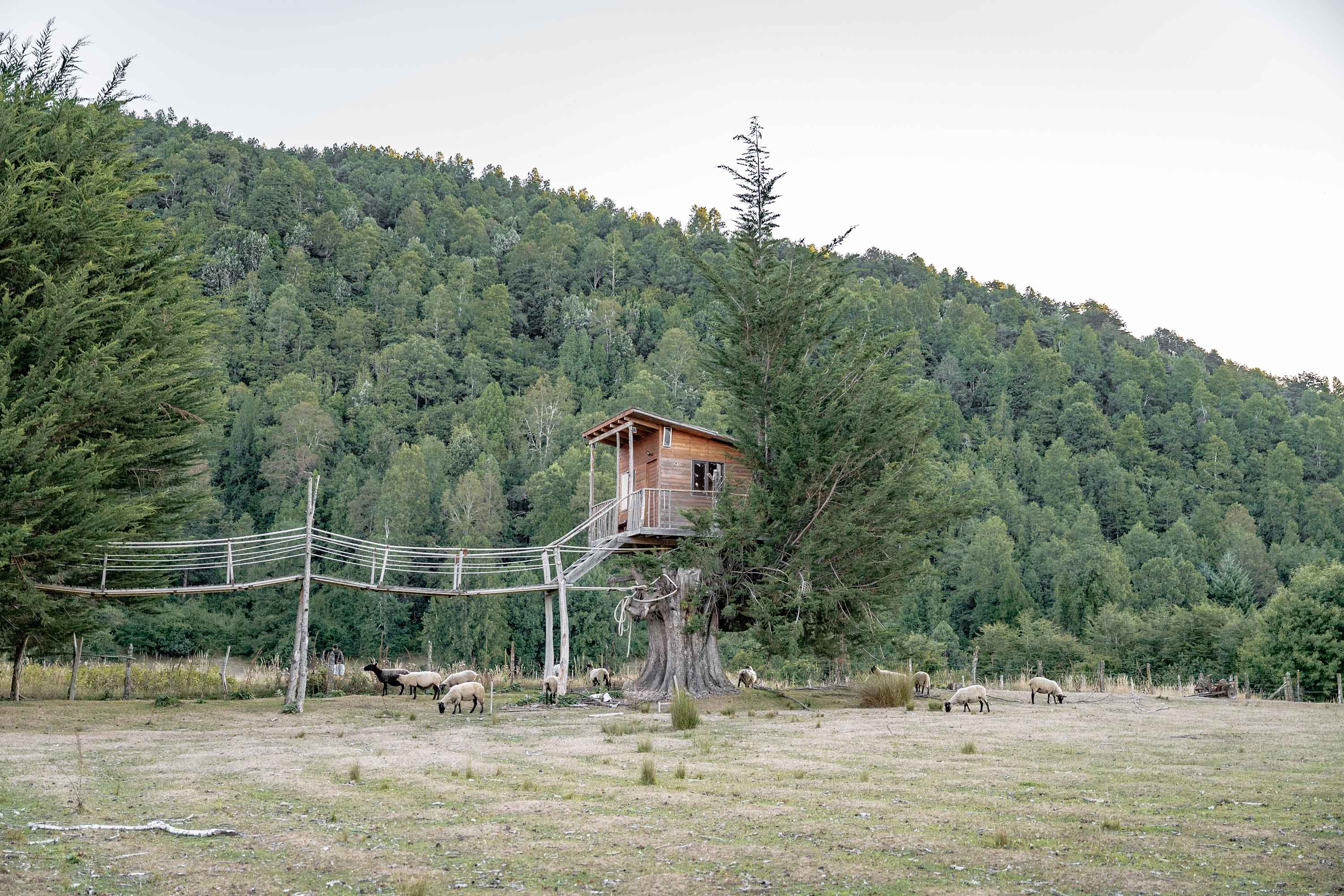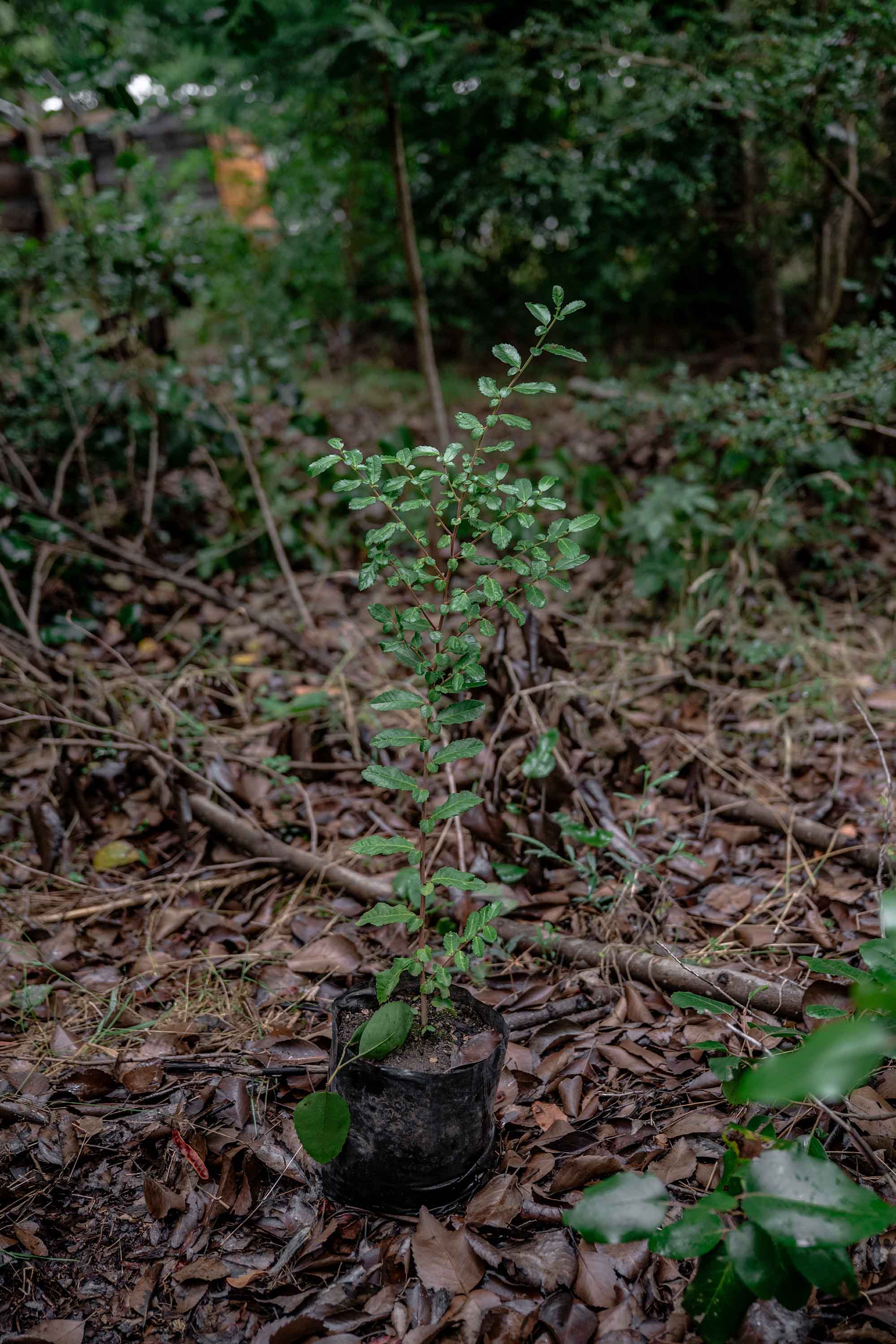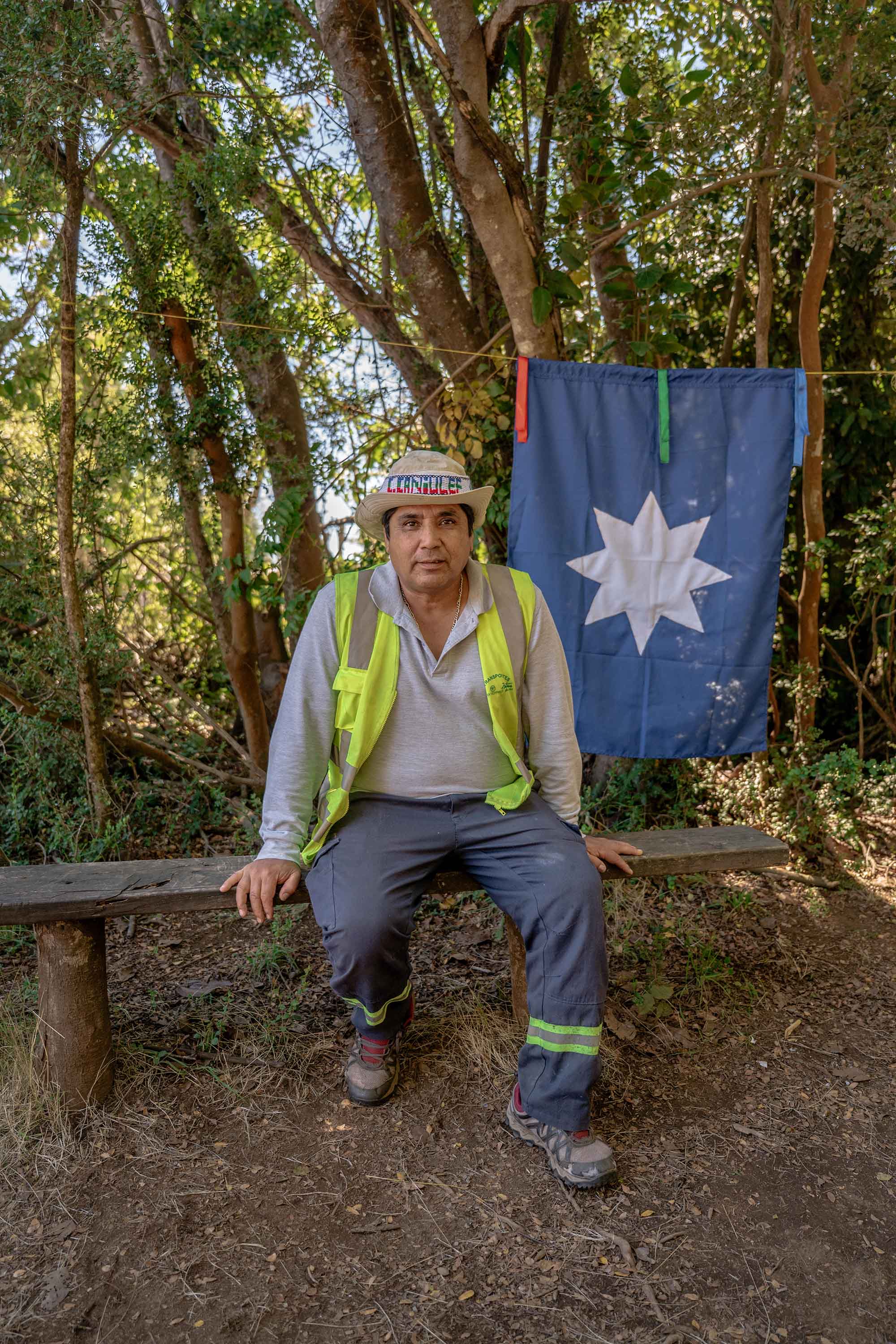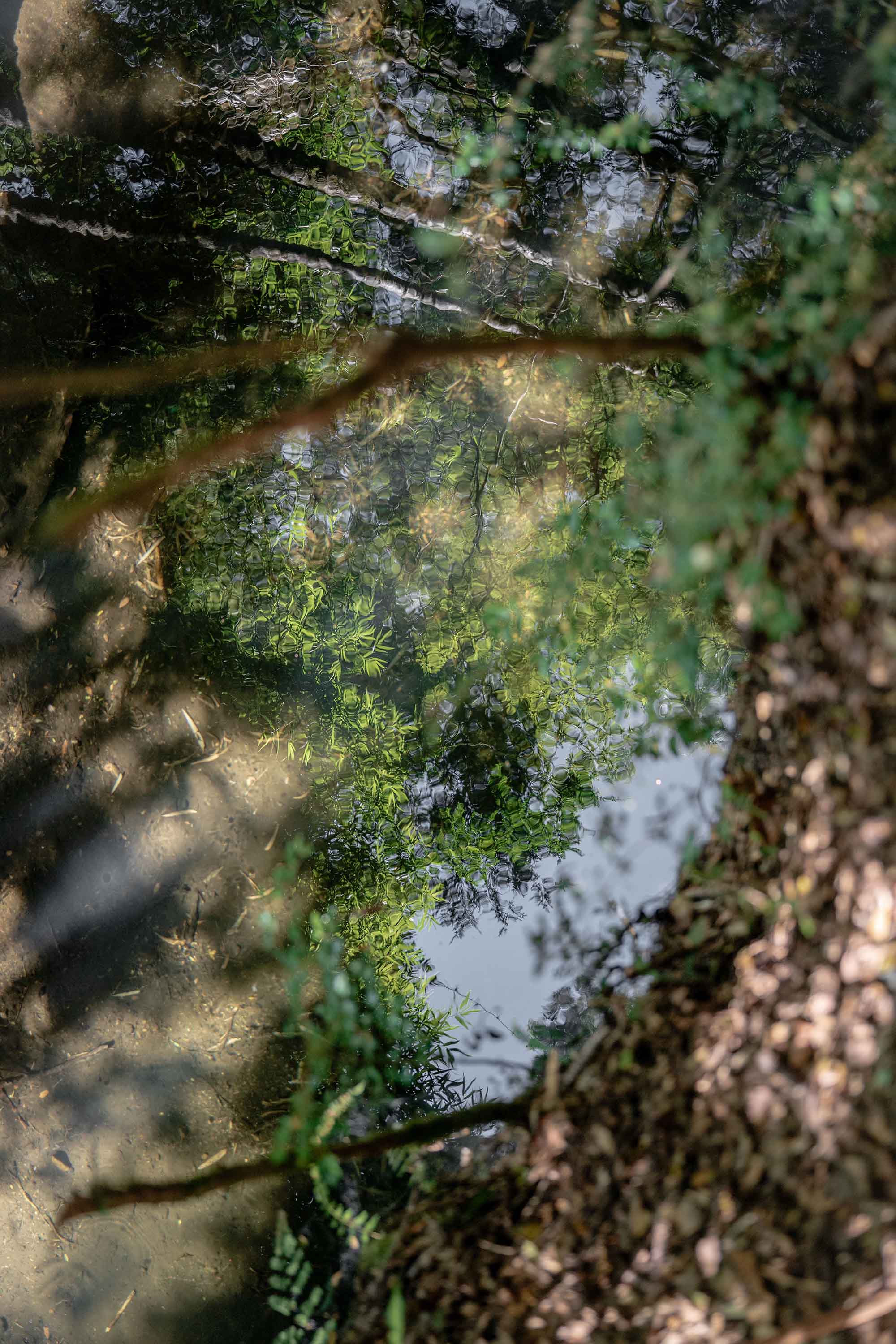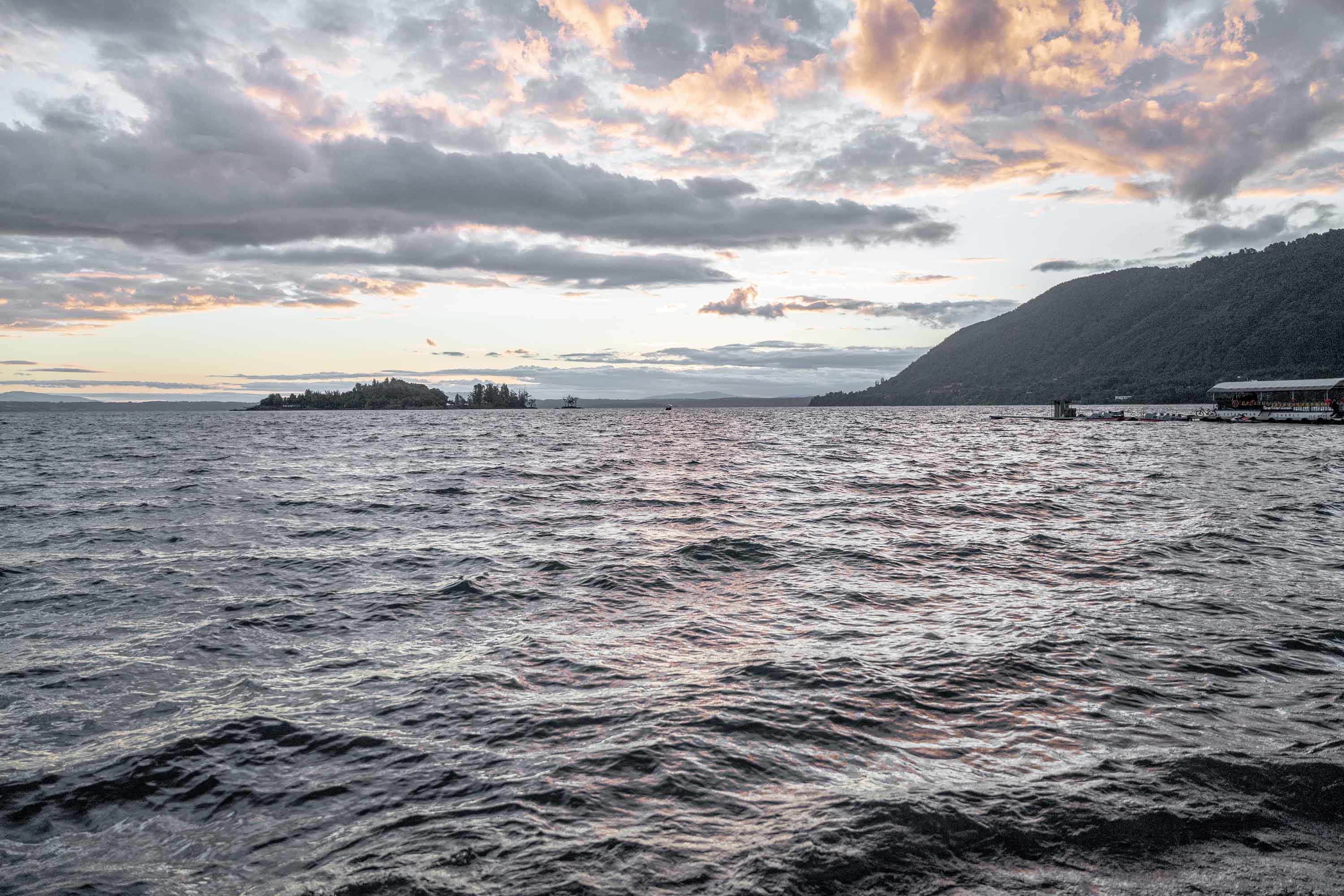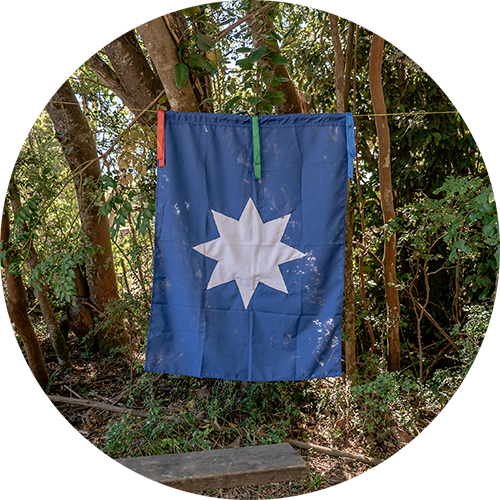
Of the 24 wetlands that once covered the territory of Afunalhue, in Chile, only eight remain today. This figure is the result of monitoring conducted in recent years by the Mapuche indigenous community, led by José Luis Caniulef, to understand what was happening to their territory and natural environment. “We’ve lost 16 estuaries—that’s almost two-thirds,” says Alexis Catalan Caniulef, a Mapuche leader, community president and director of a conservation project now working to reverse this loss. This figure accurately encapsulates a broader transformation: the degradation of an ecological and cultural system that, for generations, has sustained life in this part of southern Chile.
The José Luis Caniulef Community is composed of over 80 Mapuche families and is located near Villarrica, in La Araucanía region—an area of temperate Andean forest famous for its great biodiversity and considered a global hotspot due to the number of endemic species it harbors. But this biological richness coexists with complex structural conditions. Data from the CASEN Survey, conducted by Chile’s Ministry of Social Development and Family, estimates that, in 2024, income poverty in the region reached 28.6%, making it the most impoverished one in the country.