6th IPAF–IFAD Cycle (2022–2026)
ORGANIZATION
Foundation for Sustainable Technological Development A.C. (FUDETEC)
DIRECT BENEFICIARIES
400
INDIRECT BENEFICIARIES
1841

The project focuses on the active participation of female heads of households in the Jñatjo (Mazahua) Crescencio Morales indigenous community. It aims to develop sustainable technological skills for food preservation, promote economic security through alternative technologies, and protect the community’s natural resources. Workshops with a gender equity focus—including demonstrations and training—will be conducted to develop entrepreneurial skills and strengthen food security. As a result, the beneficiaries will be empowered to use these alternative technologies, receiving 400 solar dehydrators, 400 solar cookers, 800 manuals, and 400 recipe books.

+ info
- info
Sustainable technologies
PHOTOGRAPHYFátima Ramírez López
TEXTAndrea Fajardo
Crescencio Morales Community, Zitácuaro / Michoacán / Mexico

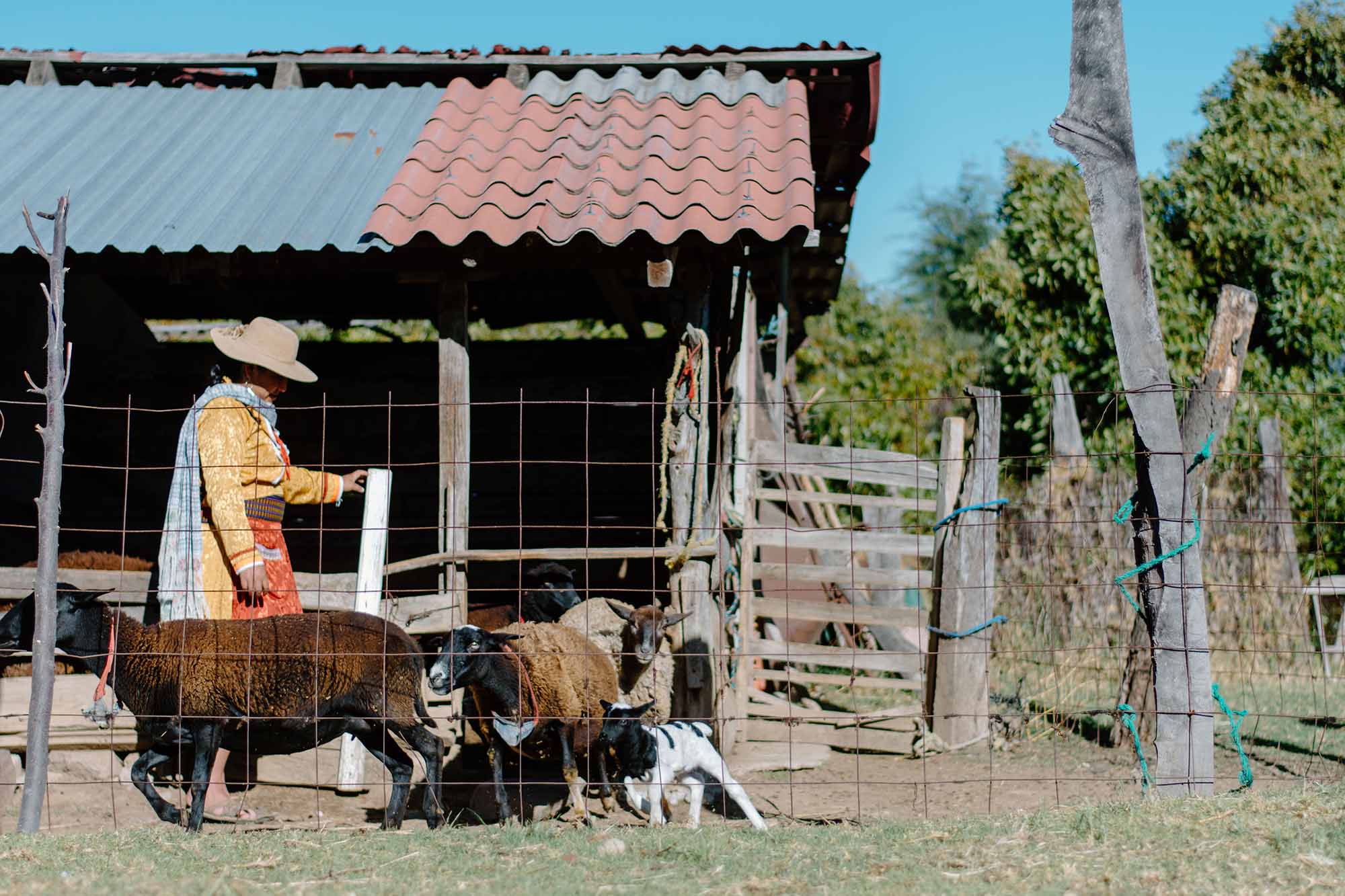
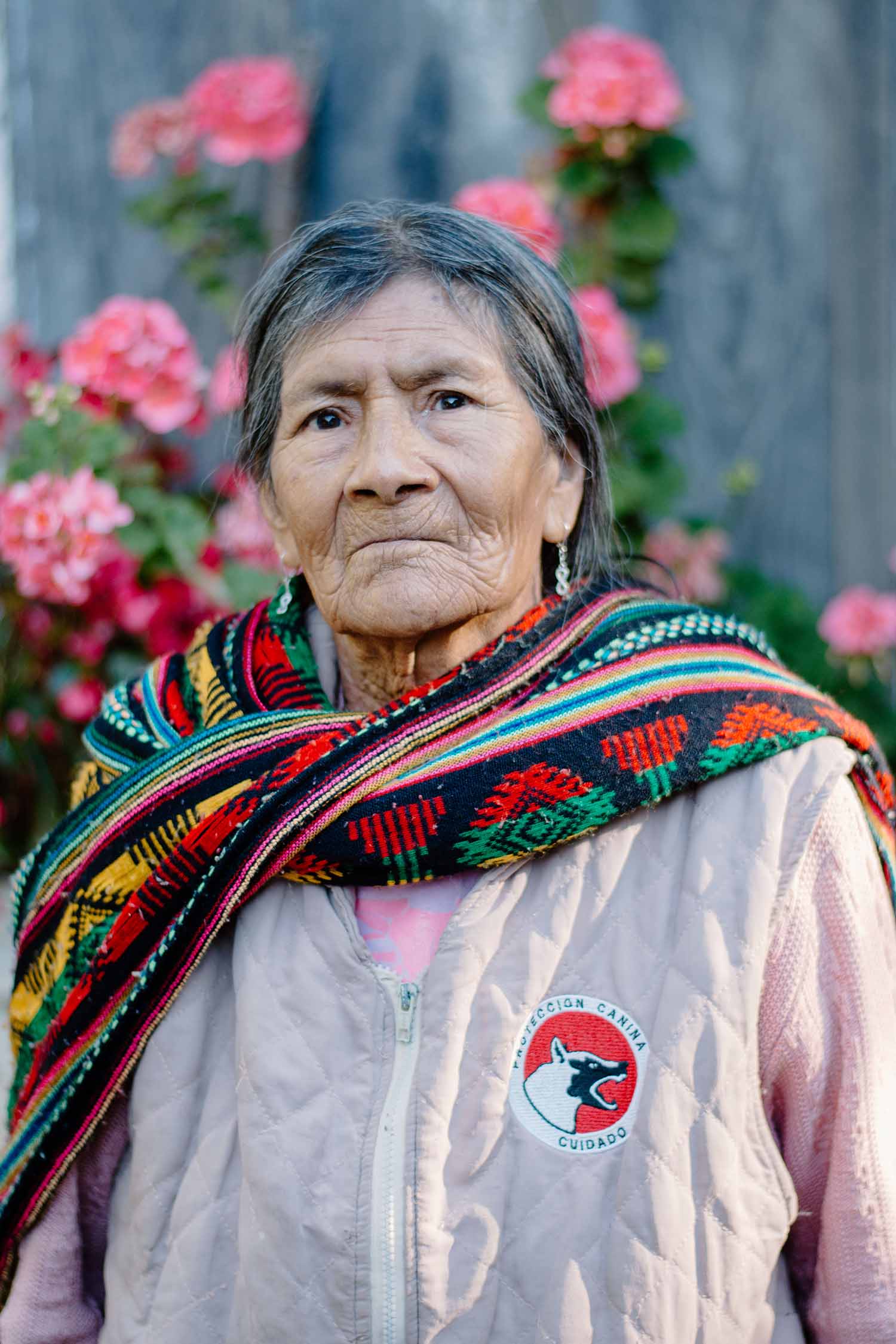
Adelina gets up every day at six in the morning. The first thing she does is make breakfast for her son before he leaves for school. Then comes everything else: the sheep, the crops, the laundry, the craft orders, and in the last two years, depending on the season and the sun, using a food dehydrator she has in her kitchen. 

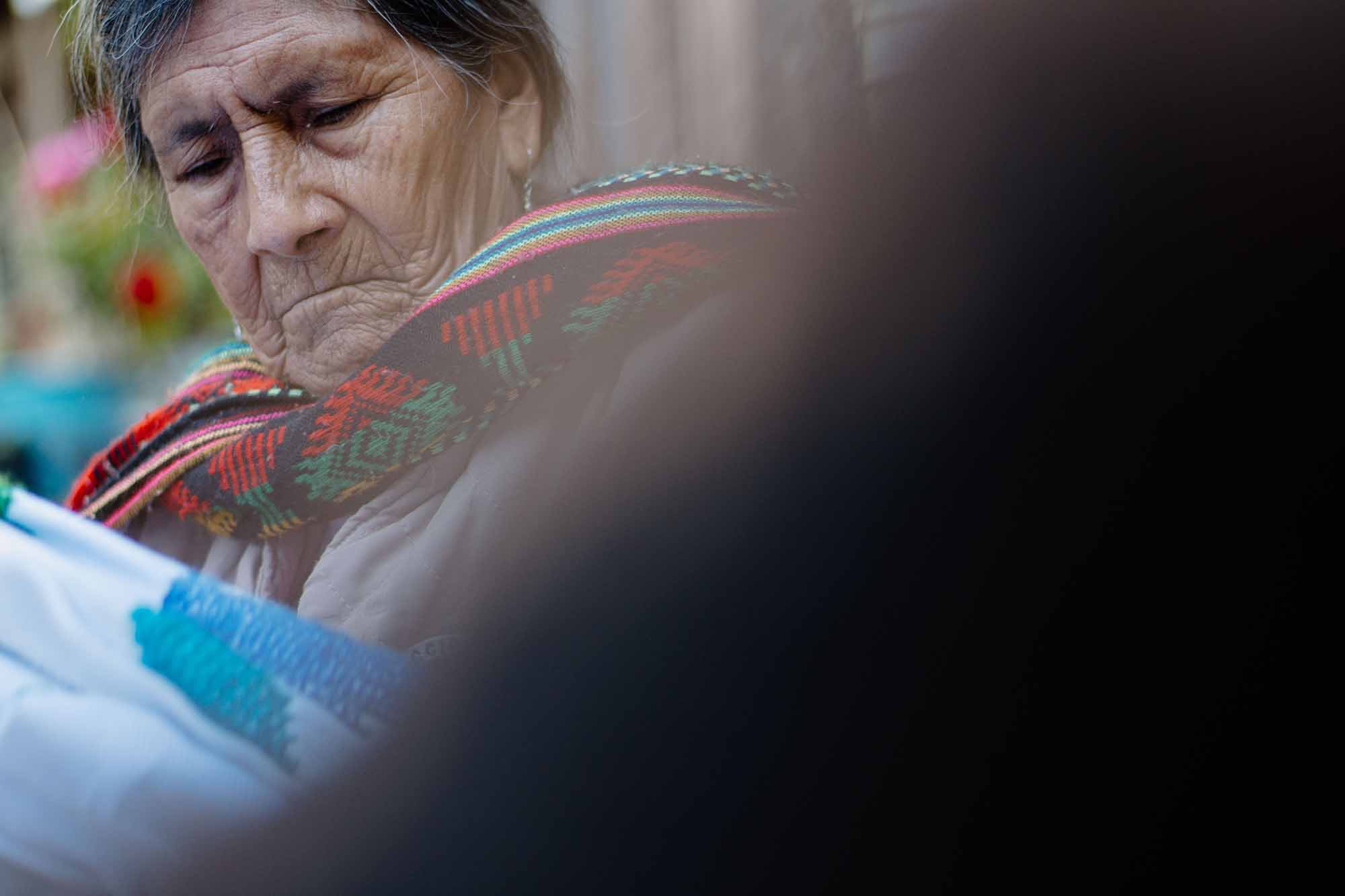
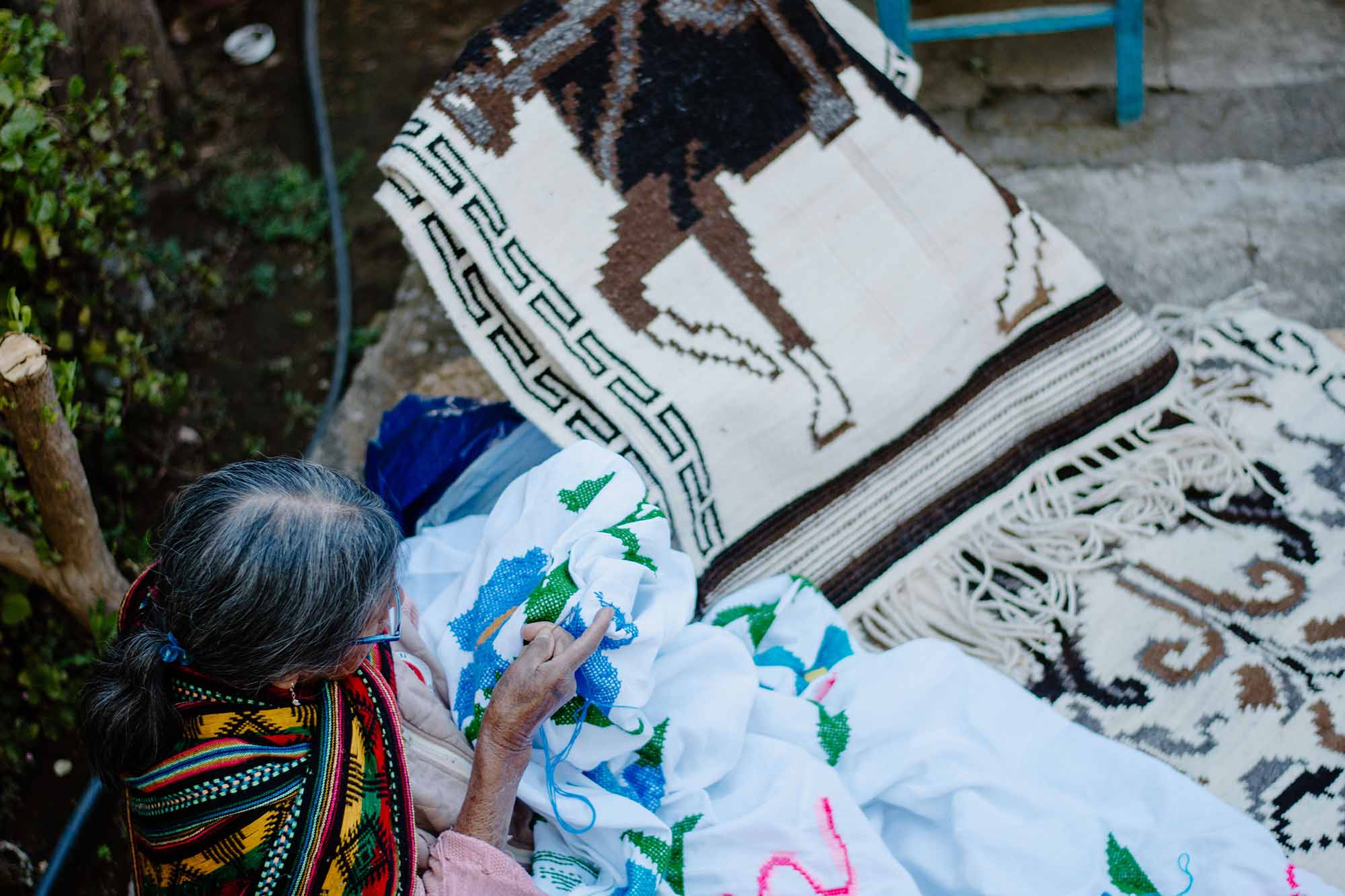
Adelina Pérez is a Jñatjo (Mazahua) Indigenous woman who lives in El Lindero, a village in the Crescencio Morales community, in the municipality of Zitácuaro, right on the border separating Michoacán from the State of Mexico. A dry region, El Lindero is home to at least 20,000 people spread across 16 settlements who speak the Mazahua language, a member of the Oto-Manguean language family: the largest, most diverse, and oldest linguistic group in Mexico. Their main economic activities include growing corn, beans, peaches, and avocados, raising livestock, and making handicrafts. Adelina has been a craftswoman since she was 9 years old.

(1)

(1) Women’s leadership in the surveillance brigades has been crucial to the self-governance of Crescencio Morales, helping to build a united front against illegal logging and other external threats.

The Crescencio Morales community has its own Indigenous Communal Self-Government Council, one of the first in Michoacán, established under the 2021 reform of the Organic Municipal Law, which opened this possibility for indigenous communities in the state. Before self-governance, insecurity in the area had escalated with constant robberies and threats from criminal groups.

That was when Adelina, along with seven other women from El Lindero, joined the community watch brigades that went out at night, armed, to patrol the hill. “Many people told us: ‘Who would do that? You’re crazy. You’re going out there to risk your lives over nothing,” Adelina recalls. But despite the criticism and mockery, she and her companions persisted. They lost some neighbors along the way, but self-governance took hold nonetheless.

The Jñatjo (Mazahua) People primarily inhabit the central Mexican highlands, including the states of Mexico, Michoacán, and Querétaro.

Another problem they had faced for years was that seasonal fruits and vegetables would spoil because there was no way to preserve them. Everything that was abundant for a few months and then scarce the rest of the year was irretrievably lost in a community that, to reach the nearest market (in Zitácuaro), depends on the only two daily bus schedules and a one-hour journey.

(4-b)
(4-c)
(5)

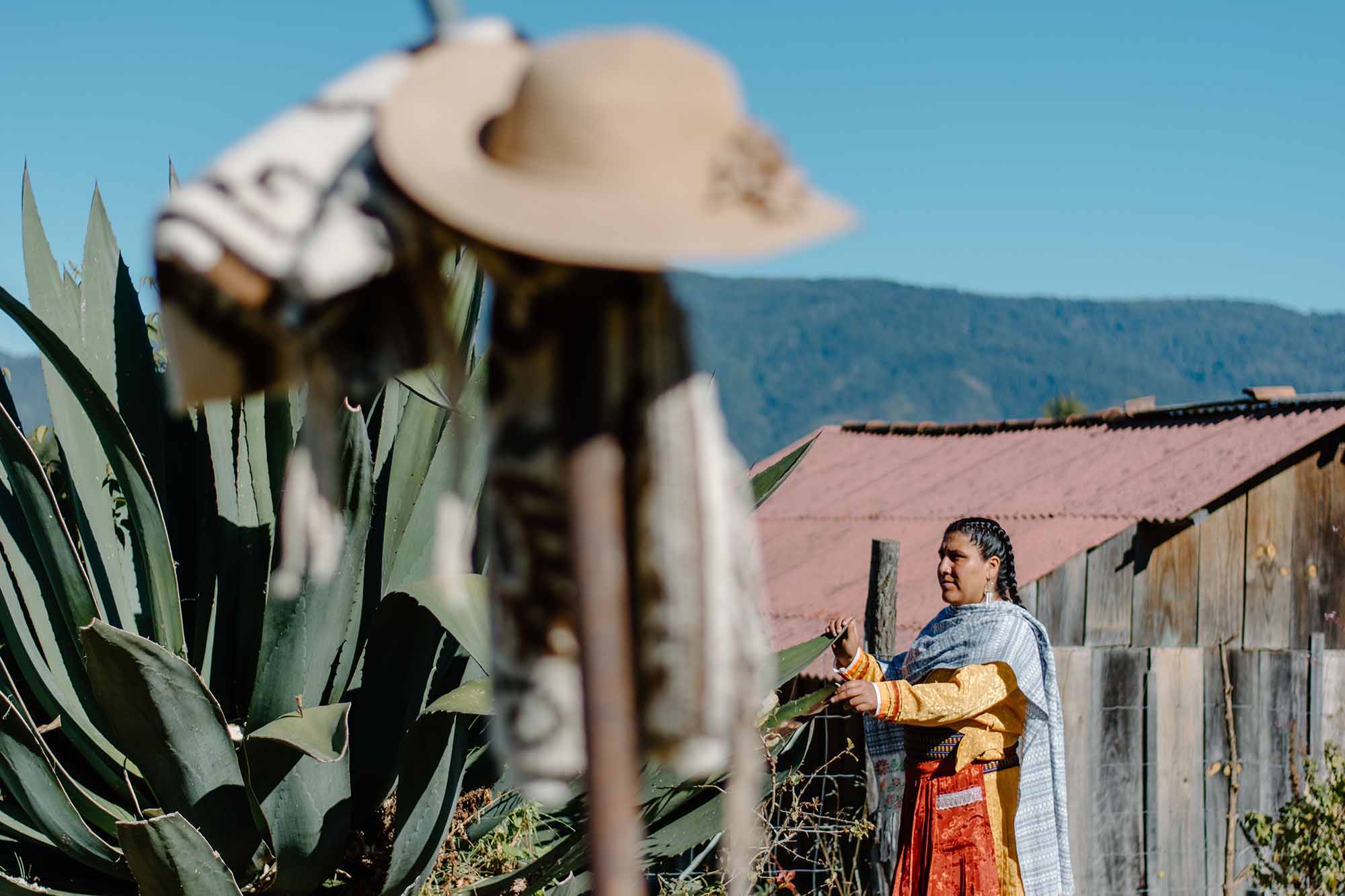
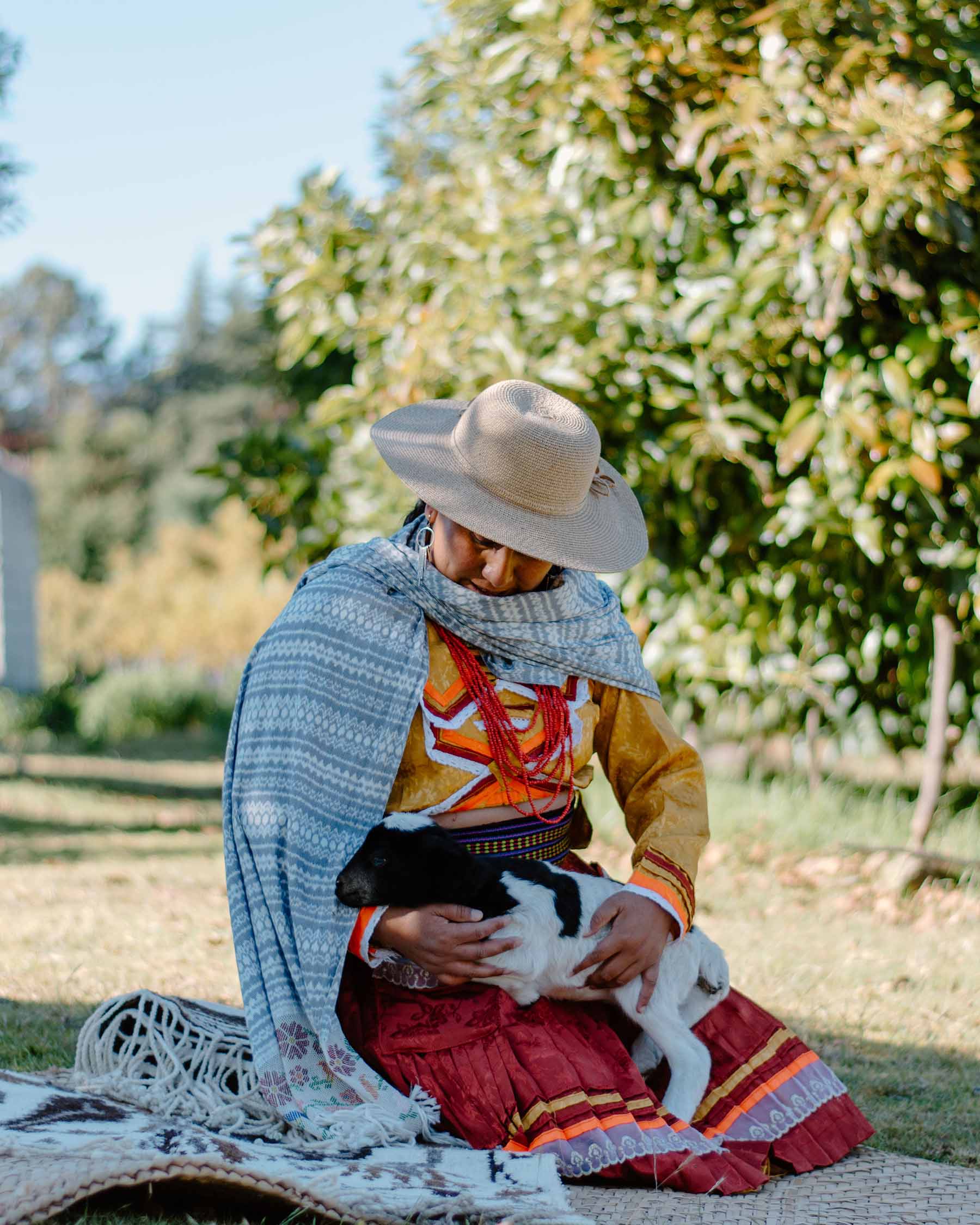
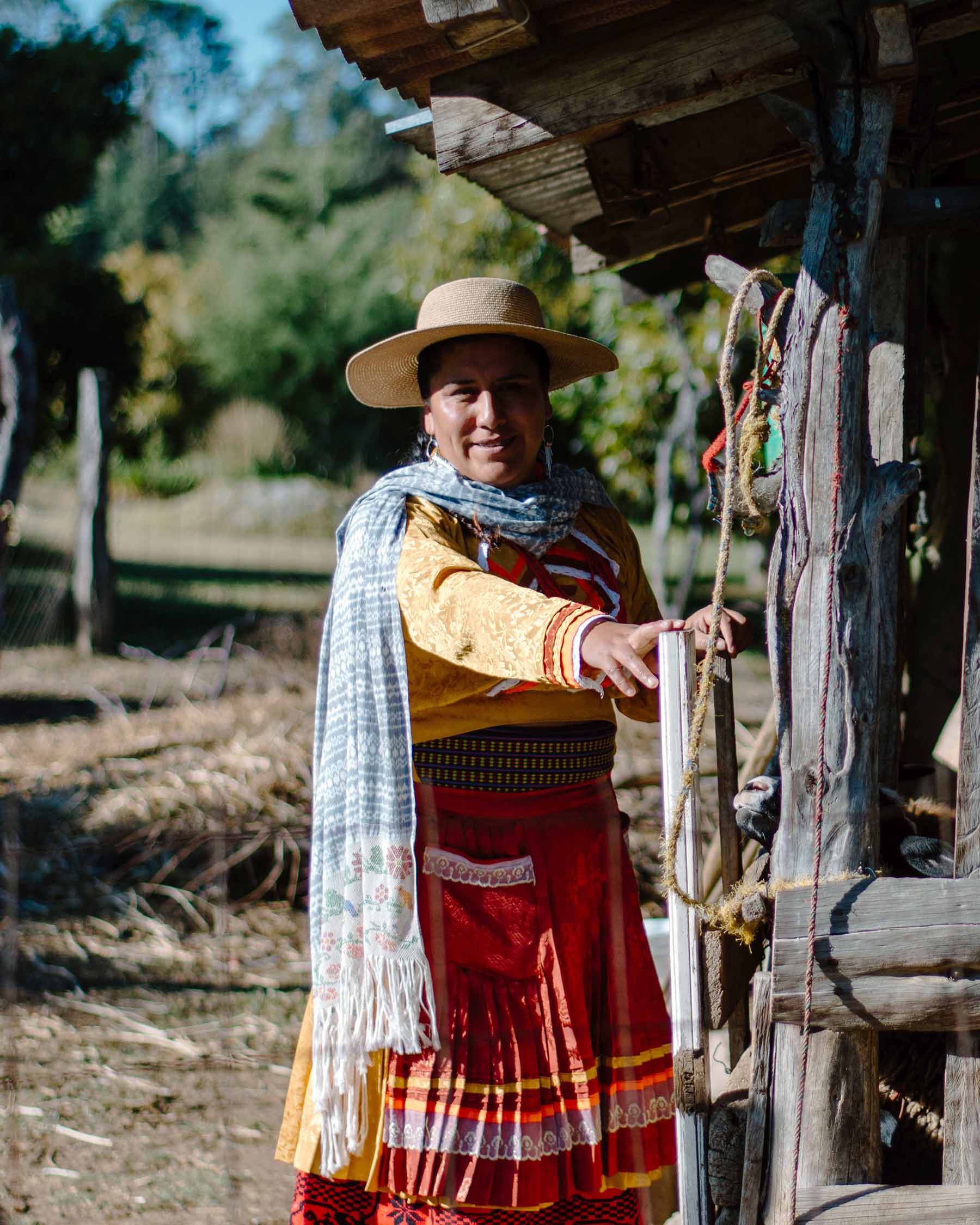
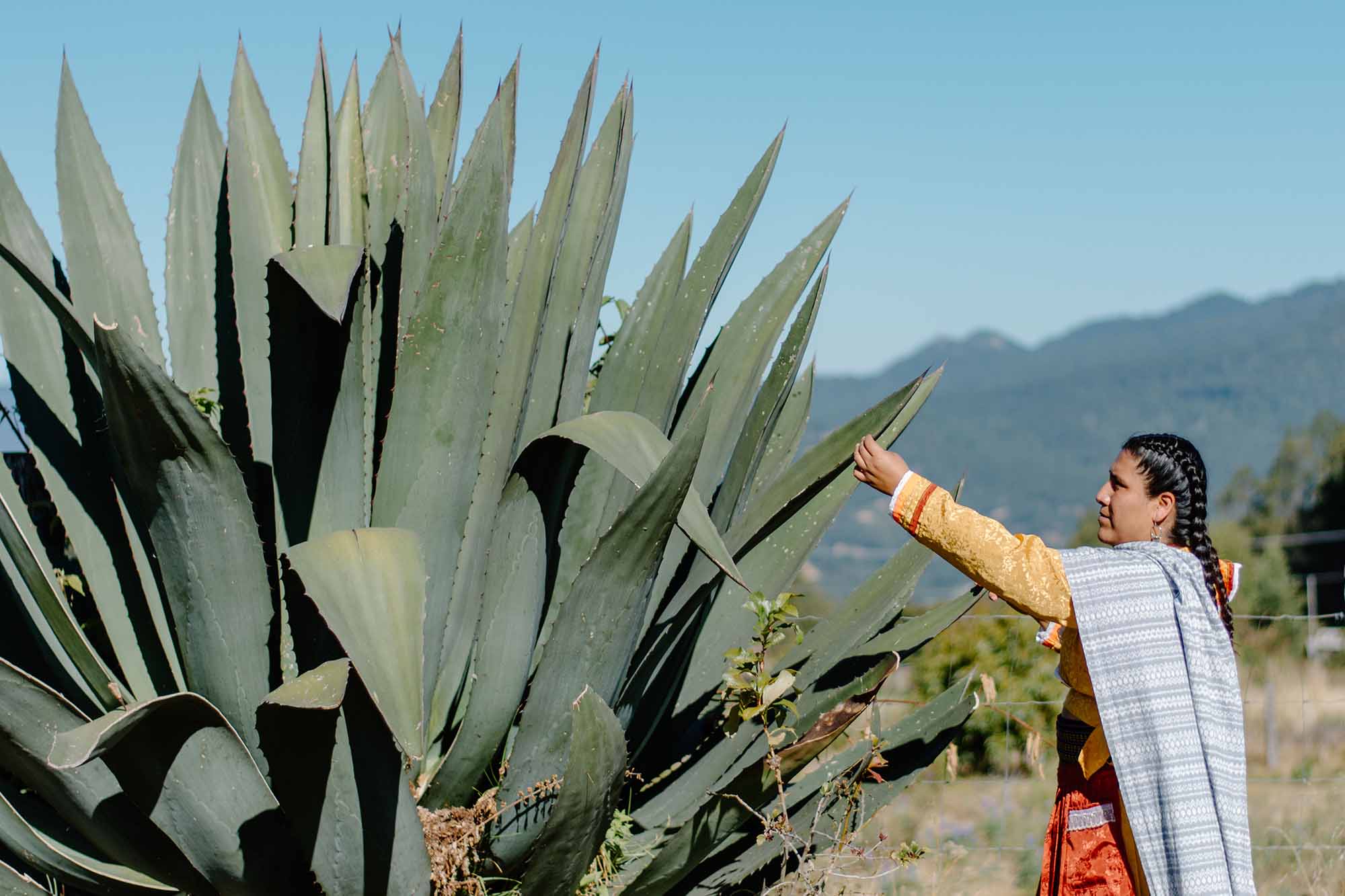
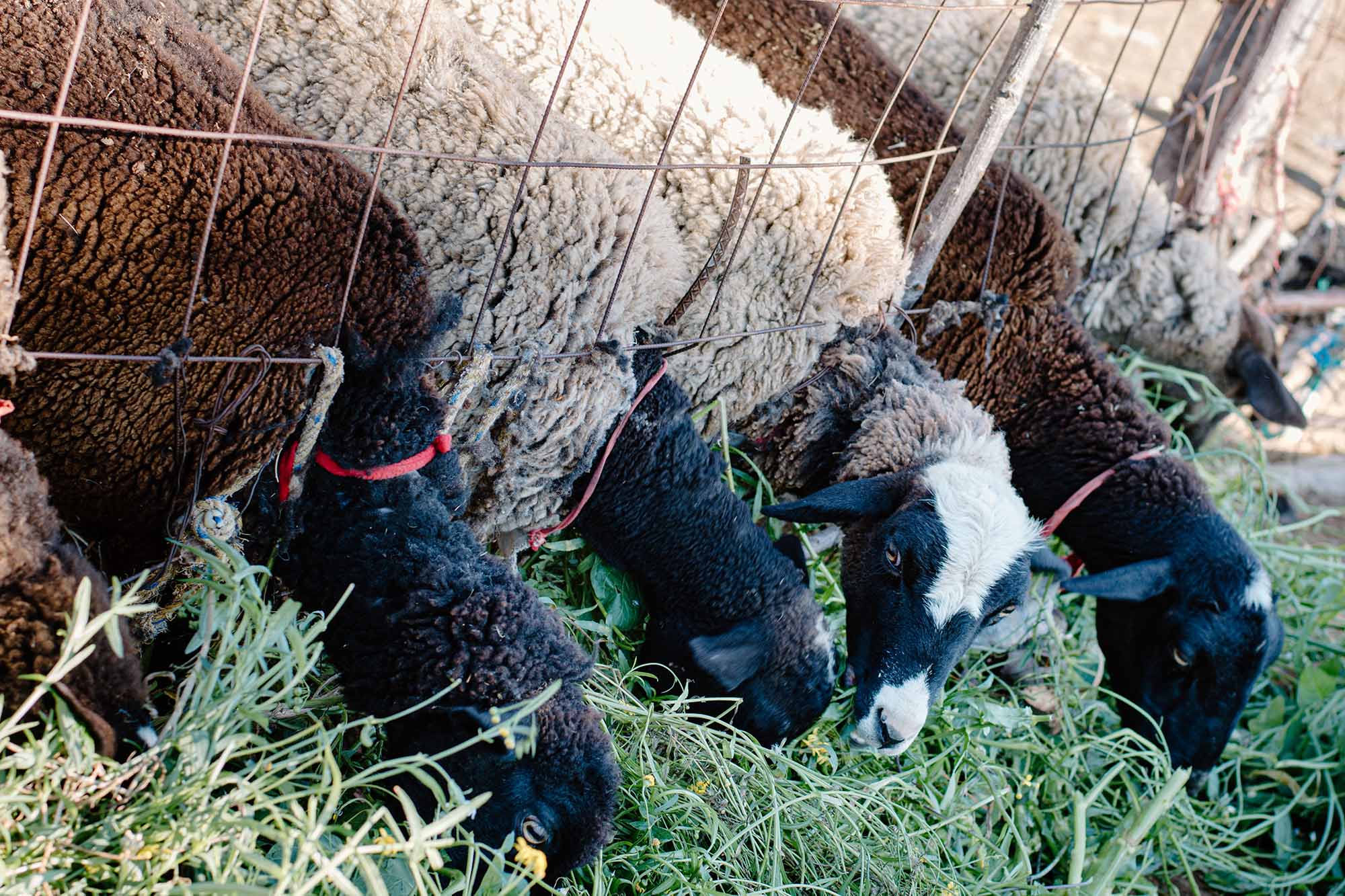
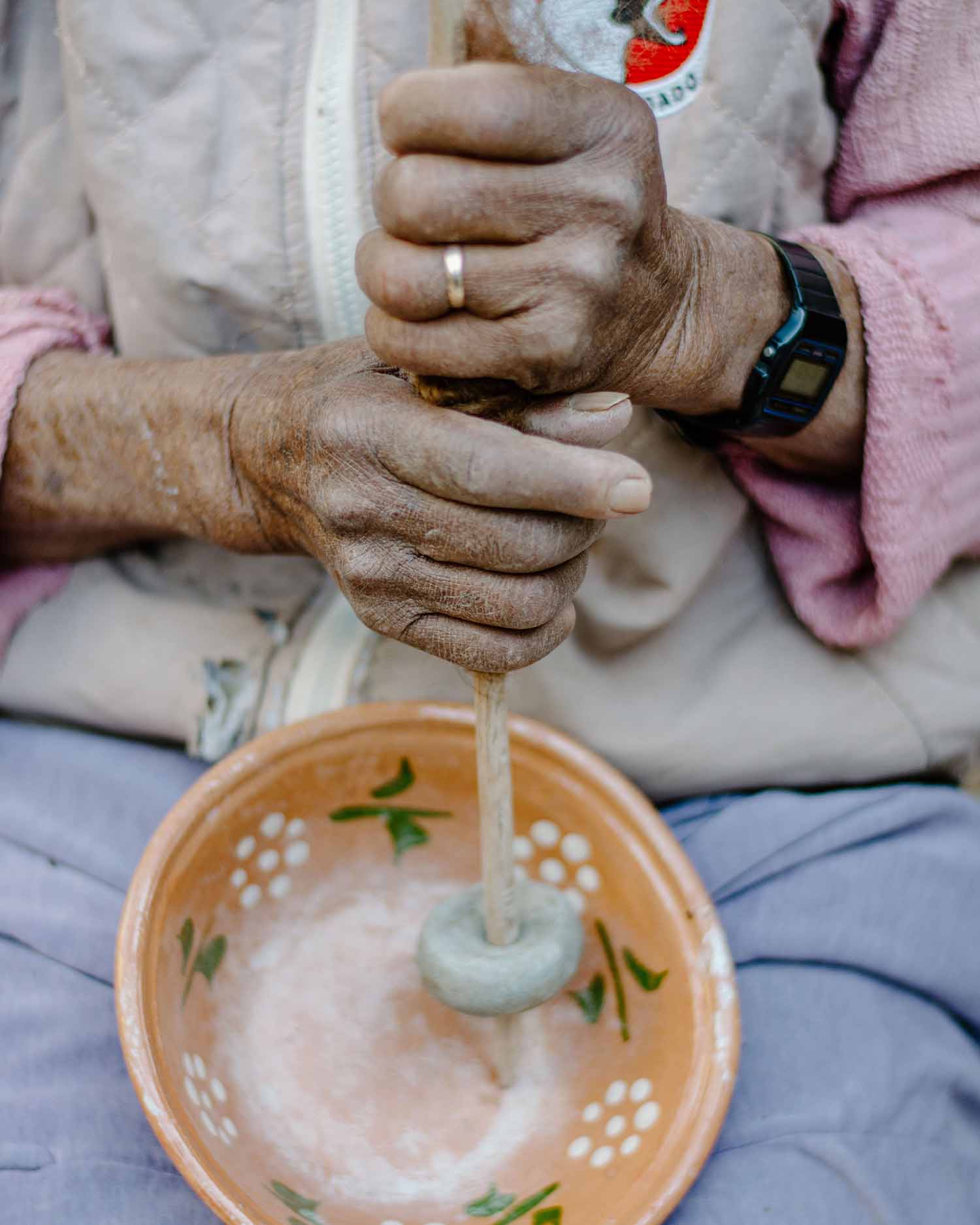
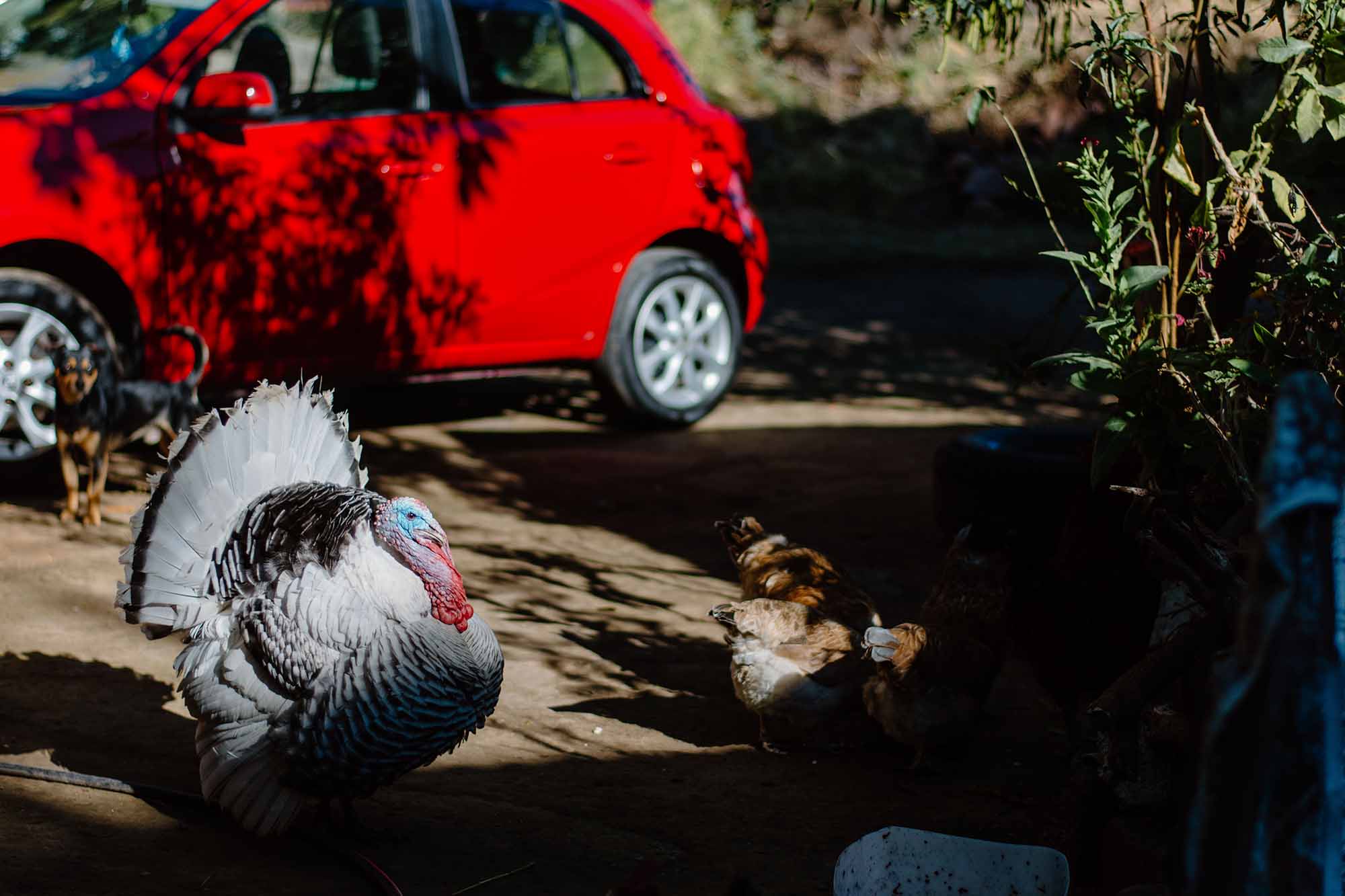
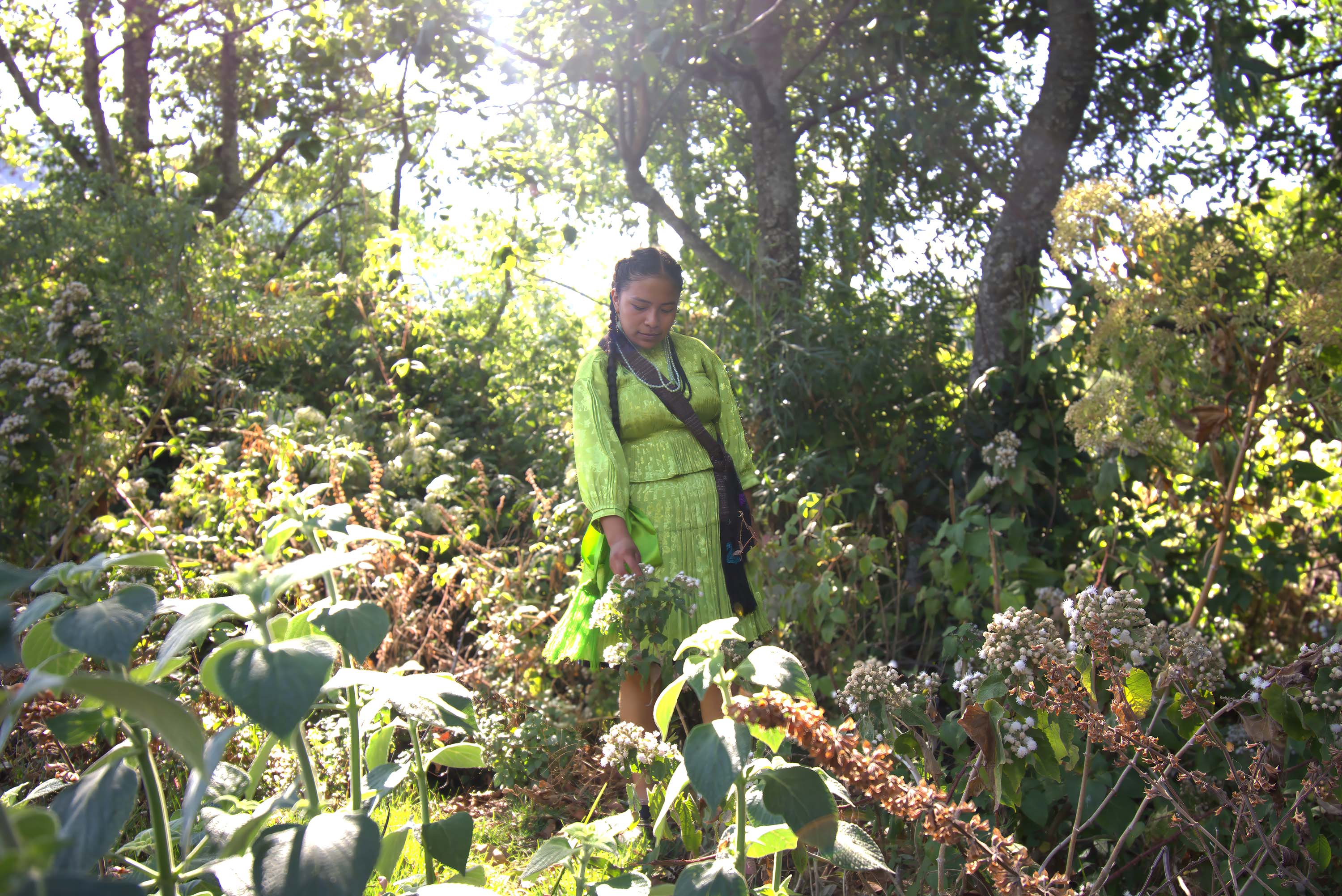
(2) Nallely Flores Vega. Women’s work sustains the community economy by linking household management with the administration of forest resources. (3 a-b-c-d) Caring for and making use of the environment reduces dependence on external markets and strengthens an economy based on respect for natural cycles. (4 a-b-c) Sheep raising provides the raw material for artisanal textile production. (5) The identification of botanical species is essential for the preservation of traditional medicine and food.

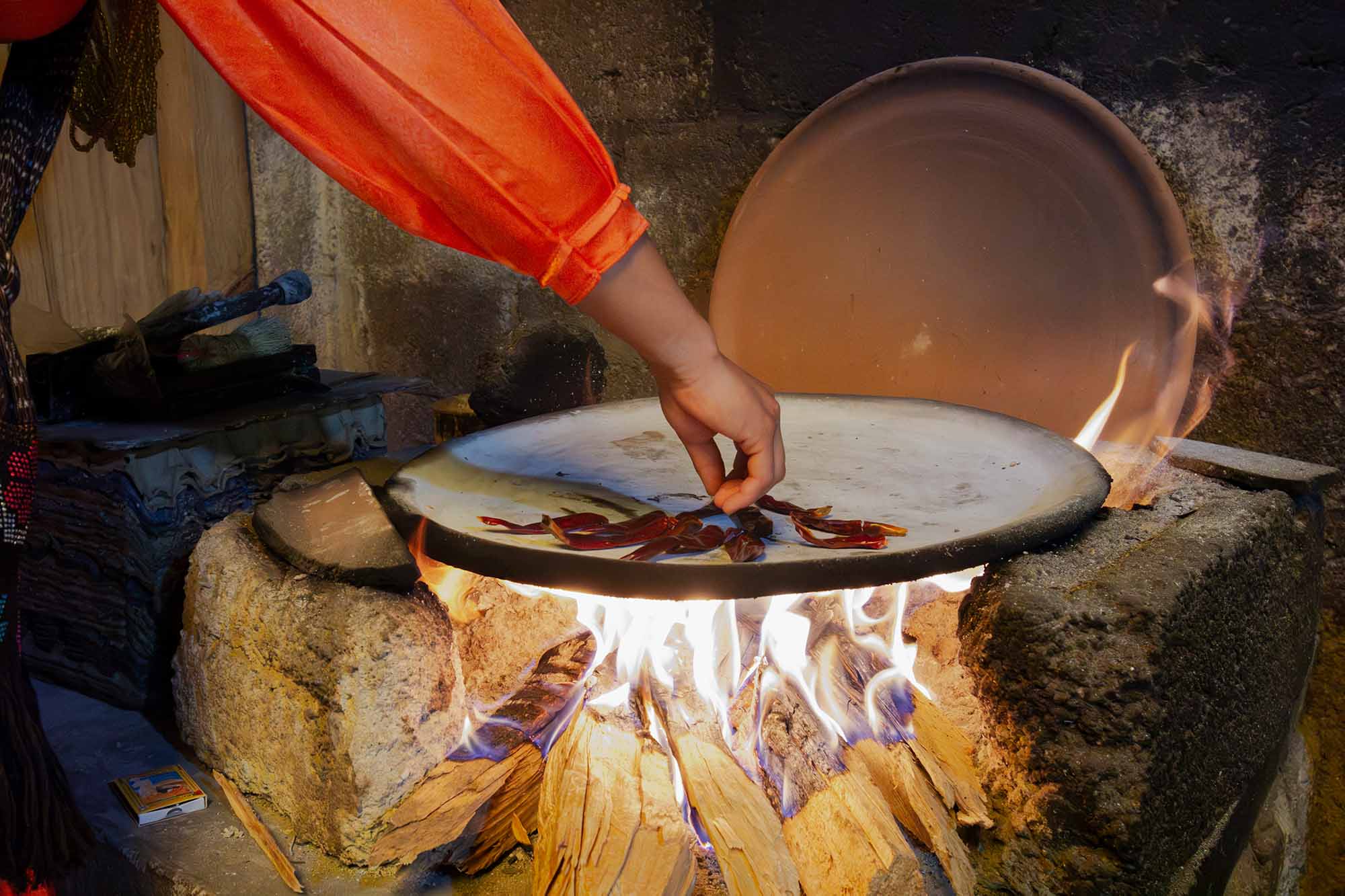
But behind the food problem lies an older one: many of the kitchens in the community homes still run on firewood, which forces women to breathe smoke indoors for hours and increases deforestation in a forest that the community itself has been trying to restore for years. Patsari stoves (which means “the one who cares” in the Purépecha language), an eco-friendly technology designed to replace traditional stoves, are already found in many homes and help reduce firewood consumption, but they do not solve the smoke or deforestation problems.

In this context, where a community fought for self-governance, the forests are at risk of disappearing, and women have shown their courage in defending the territory, they developed a proposal—along with the Foundation for Sustainable Technological Development A.C. (FUDETEC), a civil association based in Zitácuaro with 15 years of work in the region—to introduce solar technology into the community: first, dehydrators to preserve food and seasonal medicinal herbs; then, solar cookers to cook without firewood. A solution the community needed and that women, in particular, could use immediately.

The FUDETEC project, supported by the International Indigenous Women’s Forum (FIMI) and funded by the International Fund for Agricultural Development (IFAD) through its Indigenous Peoples’ Assistance Facility (IPAF), provided solar dehydrators to the women of the community and trained them in their use.

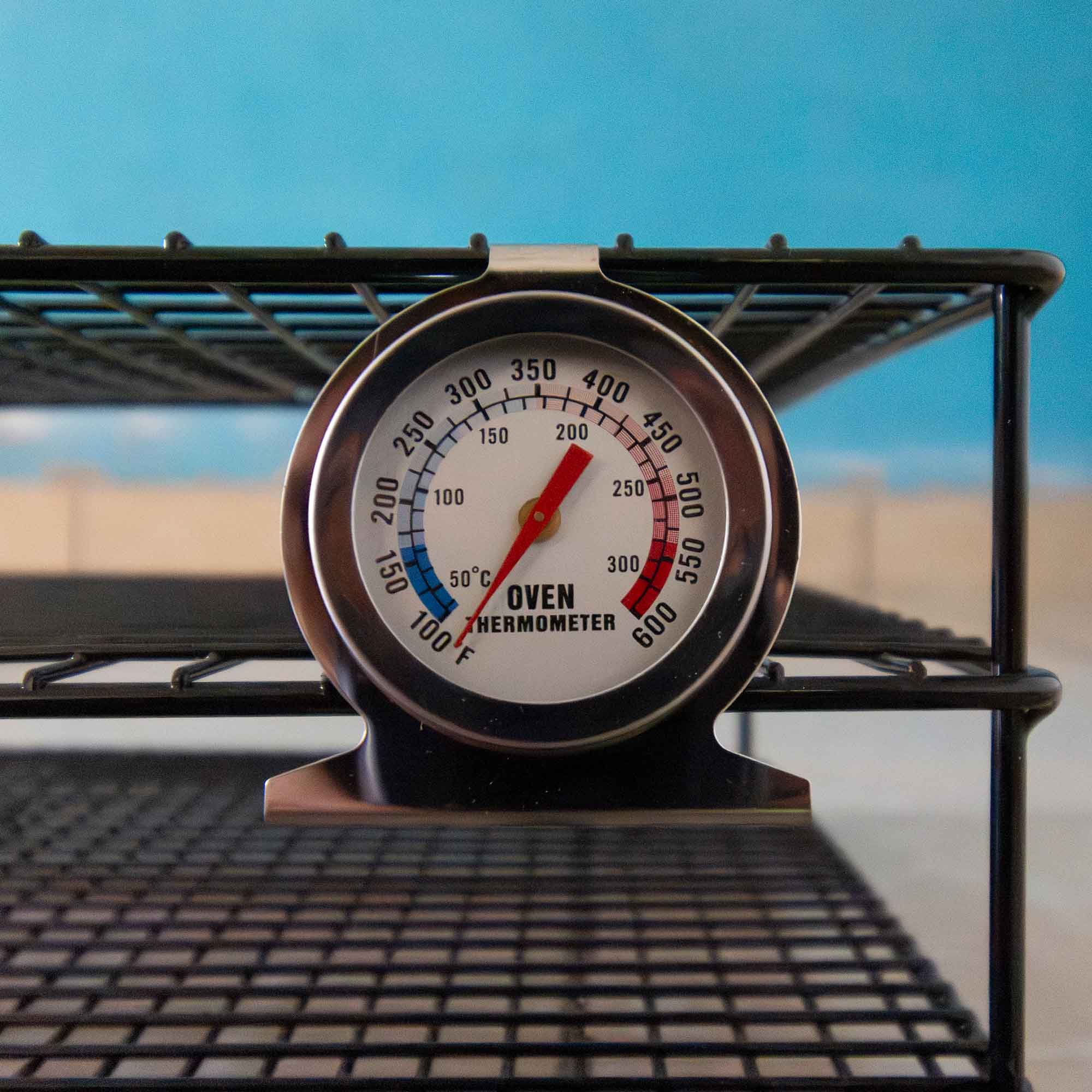
Diego Valdés, director of the foundation, explains that a dehydrator costs around 2,000 Mexican pesos—approximately $115 USD—and while it does not completely transform a community’s economy, it can influence daily decisions regarding consumption and savings. The dehydrator works by capturing the sun’s radiation to heat the air, which circulates naturally through trays of food and evaporates their water to preserve them without the need for electricity.

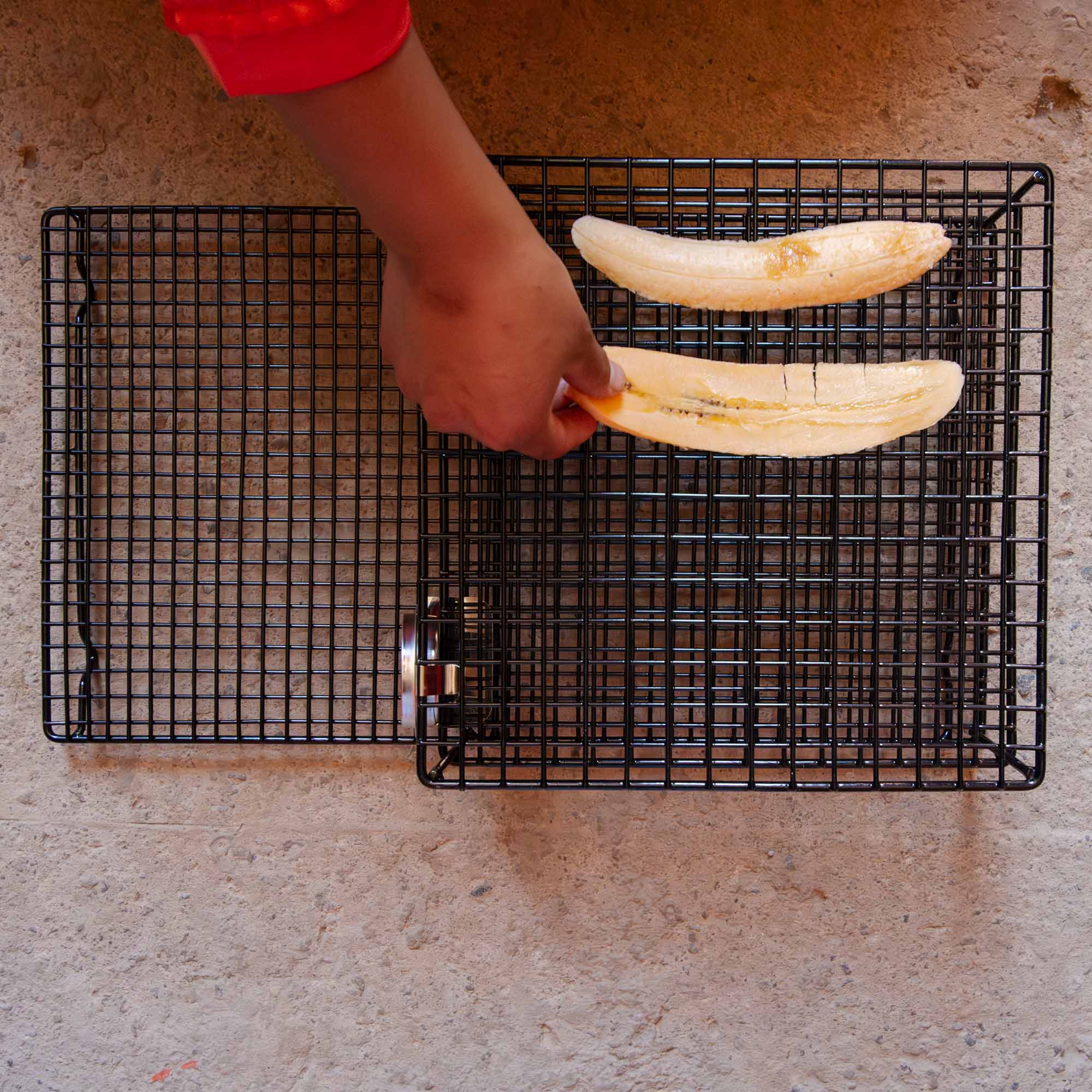
At Adelina’s home in El Lindero, the dehydrator has been in use for at least a year. She has dehydrated nopales, plantains, and tomatoes. She has also dried medicinal herbs that her 15-year-old daughter now knows how to prepare as tea when someone in the family has a stomachache or the flu. Herbs that her grandparents taught her to use and were previously only available for a couple of months each year.

Solar dehydrators make it possible to preserve fruits, vegetables, and medicinal plants without relying on electricity or fuels.

“They don’t lose their flavor; they don’t lose anything,” Adelina says about the plantain slices that come out of the dehydrator every time she prepares them. “Regular plantains—not the macho variety—come out nice, crispy and tasty.”

From the beginning, the organization set out to align the project with what the community already knew how to do. In the workshops organized by FUDETEC, women from different towns have exchanged food recipes and ways to use medicinal plants. They discuss who dehydrated what, at what temperature, for how long. A chain of knowledge that existed orally and now has a tangible form.

(10)
(11-a)
(11-b)
(11-c)
(12-a)
(12-b)
(13)

(10) Through community assemblies, local authorities manage resources independently of the municipal government of Zitácuaro. (11 a-b-c) Solar dehydrators allow for the preservation of surplus fruits, vegetables, and medicinal plants. (12 a-b) The traditional diet is based on crops such as corn, chili peppers, beans, and squash. The integration of drying technologies extends the shelf life of these staple foods. (13) Poultry farming provides a source of protein and serves as a pillar of the household economy.

The community, for its part, has contributed with what it has: the self-governing body lends facilities in La Viguita (the community police station) as a warehouse for the project’s materials. The women make the effort to join video calls to attend meetings even though connections are unreliable. Adelina has welcomed students from the Autonomous University of Mexico into her home that have reached out to the community in order to learn about the project and life in this area.

The community of Crescencio Morales was among the first in Michoacán to exercise communal self-government recognized under state legislation.

In Crescencio Morales, women organize most of the domestic and productive work related to food. This includes caring for animals, planting crops, processing food, and, in many cases, generating supplementary income through the sale of products or handicrafts. The food dehydrator has opened up an economic opportunity that was recently solidified with a marketing workshop. “We knew we could sell dehydrated fruit, but we needed to learn how to set prices,” Adelina says. This workshop was made possible thanks to the collaboration of students from two community schools: CECyTEM 30, in Crescencio Morales (College of Scientific and Technological Studies of the State of Michoacán), and the Telebachillerato Comunitario 03 La Palma, whose students carried out practical exercises in dehydration, funding and efficiency (using dehydrators donated to the schools by FUDETEC).

In this context, the dehydrator opens up an economic opportunity, albeit still in its early stages. “We know we can sell dehydrated fruit, but we still need to learn how to set prices,” Adelina says. “We need to know how to weigh it, how much to sell it for, and so on.” So far, when they manage to sell, they do so informally and without a clear reference point for value.

Self-governance brought visible improvements in infrastructure and organization, but it also generated political tensions with municipal authorities. One consequence has been the limitation of spaces to sell products in Zitácuaro. Artisans and cooks who previously sold at fairs or markets are no longer invited. Adelina mentions this as a concrete obstacle: “producing doesn’t always mean being able to sell.”

The next phase of the project involves providing solar cookers to each family. The goal is to reduce the use of firewood, which has both environmental and health implications. Adelina links this directly to the future she envisions for her community. She dreams of being able to preserve more and more of the food they have, care for and restore the forest, and pass on their knowledge to future generations. But she emphasizes a particular vision: that her children won’t have to migrate due to a lack of sustenance and opportunities. That if they do, it will be a voluntary decision and not one forced by necessity.

For Diego and Adelina, the most visible change lies not only in introducing new technologies to the community, but in how they are used. The tomatoes that used to go to waste are now stored. Herbs that were only used during one season are now available for much longer. Work that was not previously valued is now being considered in terms of its worth. Although training programs, market access, and the resolution of external tensions are still lacking, the scope for action in daily practice is much broader. The Crescencio Morales community learned to defend itself at night with the hill on its back; is now also learning to defend itself against hunger and neglect.

Baleu, Guaxpom La Calera, Mocohán / Alta Verapaz, Baja Verapaz / Guatemala
Las comunidades Maya Q’eqchi’ y Maya Poqomchi’ se encuentran en los municipios de San Cristóbal Verapaz y Tucurú, en el Departamento de Alta Verapaz, y el municipio de Purulhá en Baja Verapaz, ubicados en la Región Norte de Guatemala. El territorio es atravesado por la Sierra Madre y el entorno es predominantemente subtropical y montañoso. Las temperaturas oscilan entre los 16 - 22 °C.
ORGANIZACIÓN
Unión Verapacense de Organizaciones Campesinas (UVOC), Asociación Mujeres Mayas Comprometida con el Desarrollo de las Comunidades Indígenas y Campesinas (IXOQ MAYAJ)
PARTICIPANTES DIRECTOS
180
PARTICIPANTES inDIRECTOS
300

Priorizar los conocimientos ancestrales de las comunidades para la defensa y recuperación cosmogónica del territorio Maya Q’eqchi’ y Maya Poqomchi’. Realización del primer intercambio de experiencias a nivel ancestral y cosmogónico, con la participación de Autoridades del área Sur, Occidente, Altiplano y Norte de Guatemala. Construcción de huertas, viveros y parcelas demostrativas por parte del equipo técnico y de los participantes con el objetivo de mejorar la nutrición y consolidar la seguridad alimentaria de la región.

+ info
- info