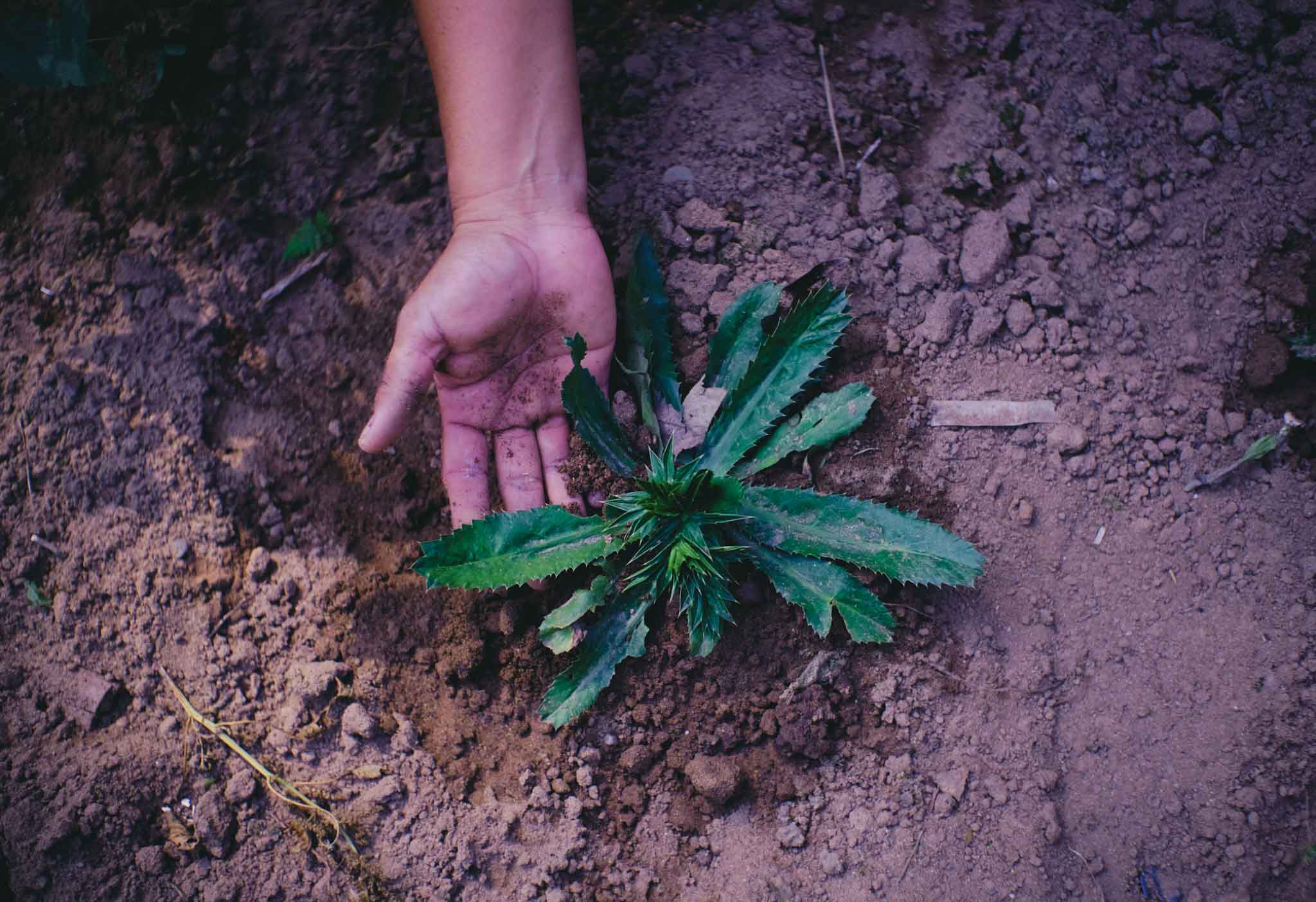
On the other hand, Eugenio explains that the communities have already grown accustomed to using agrochemicals as a way to save time. But the project focuses both on reviving agroecological techniques and on fostering community reflection on the use of chemicals. They have held workshops on climate change, pollution, and health using simple questions: Why doesn’t it rain like it used to? Where does the drought come from? What’s happening to the soil?
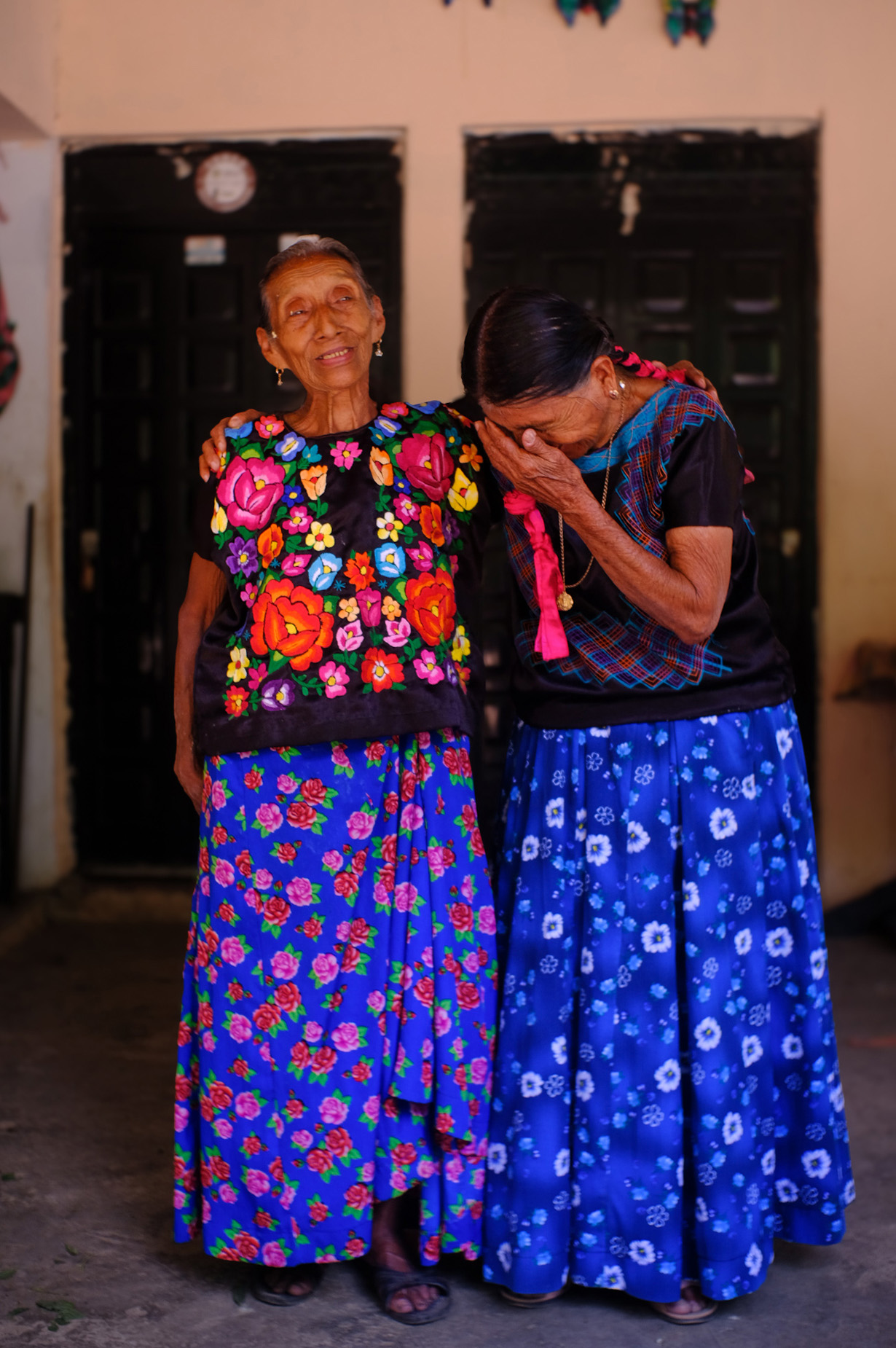
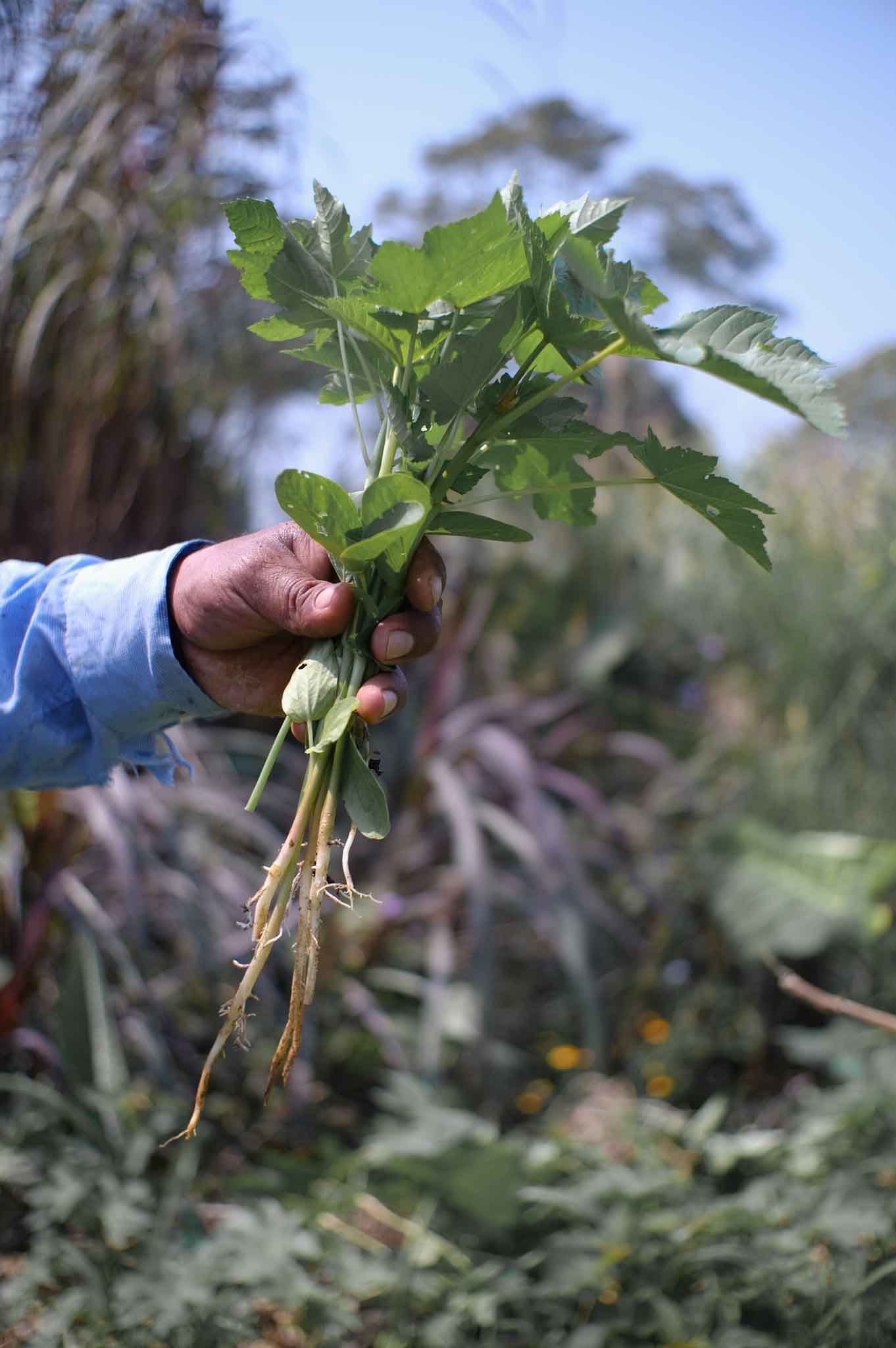
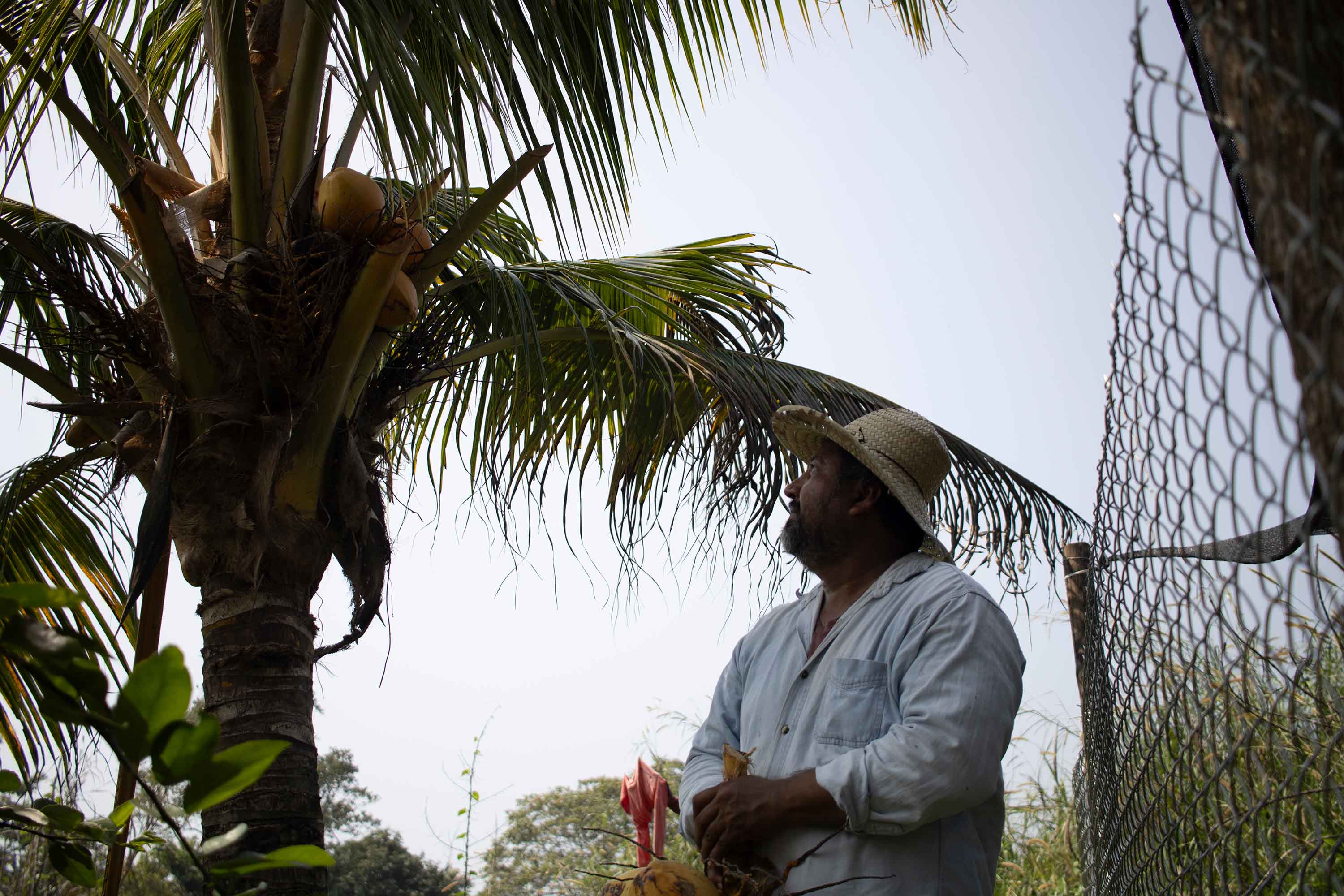
In every community, there are elders who remember how the land was worked before chemicals, and their presence in the workshops has been key. The case of a farmer who spoke about “green cotton” (a legume used as natural fertilizer) is one of the most frequently cited by the UCIZONI team. Especially because of the effect it had in reinforcing the other villagers’ confidence in the restoration process ahead of them. This type of intervention, Eugenio notes, fosters a different kind of understanding within the communities, as it is a shared experience.
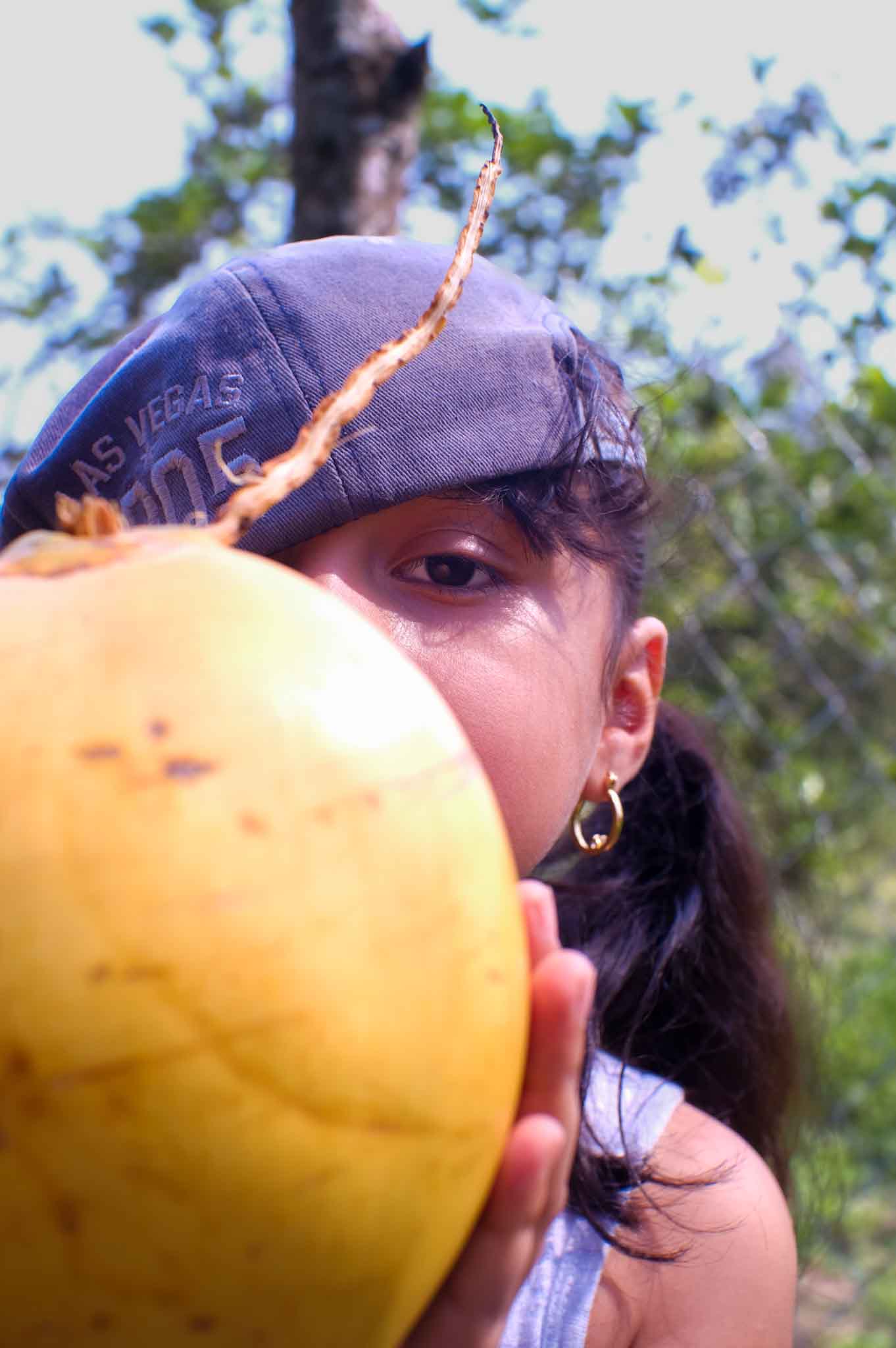
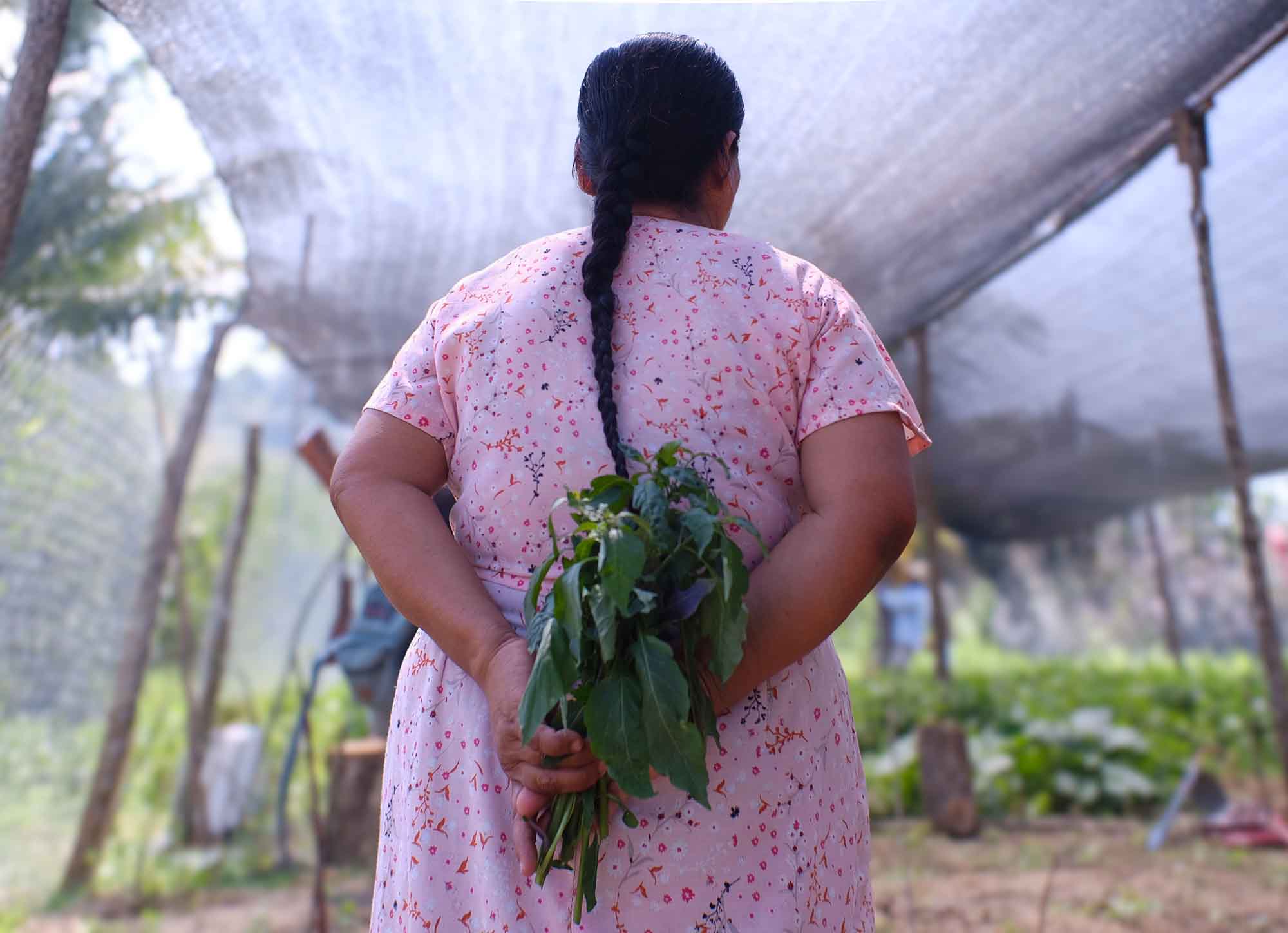
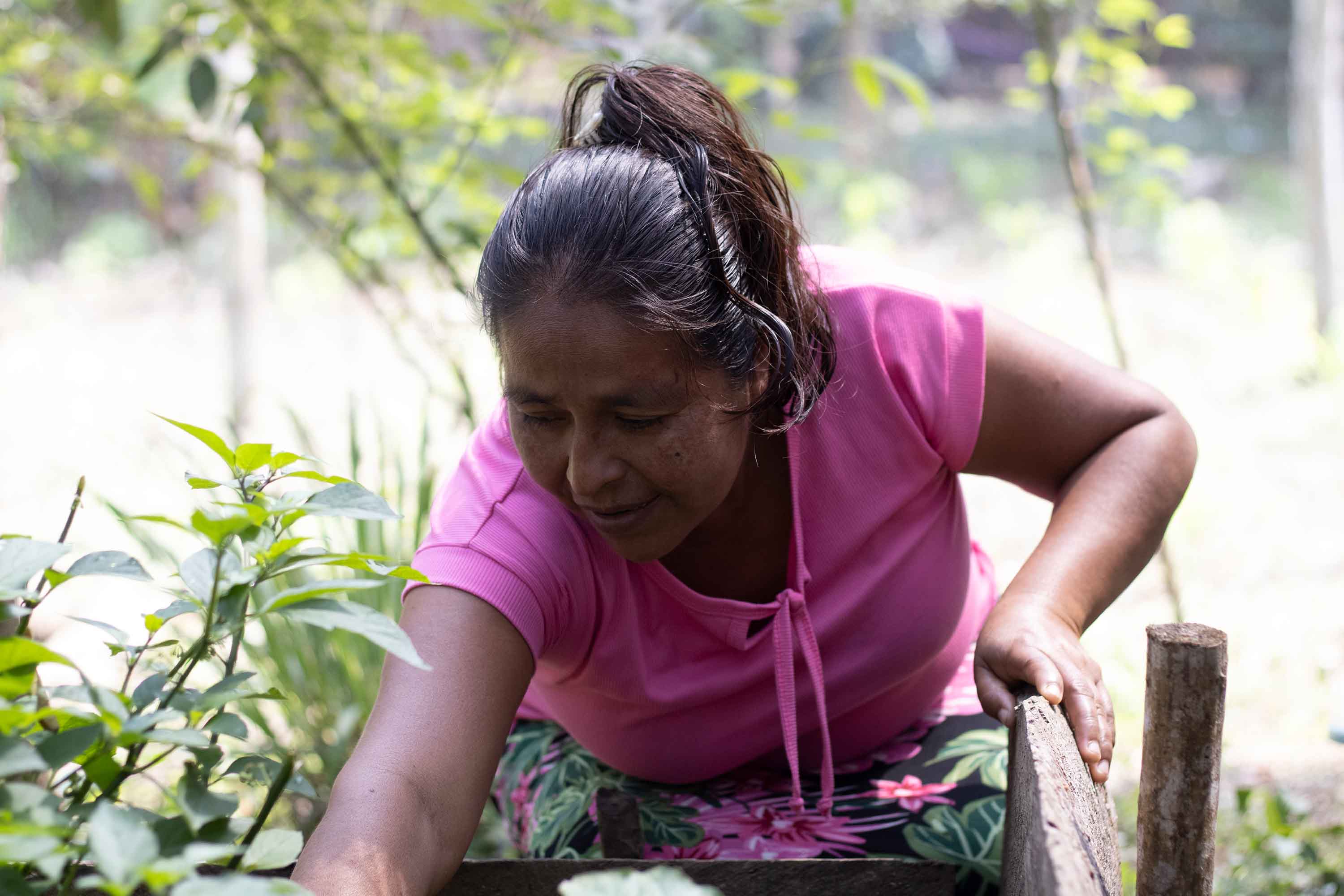
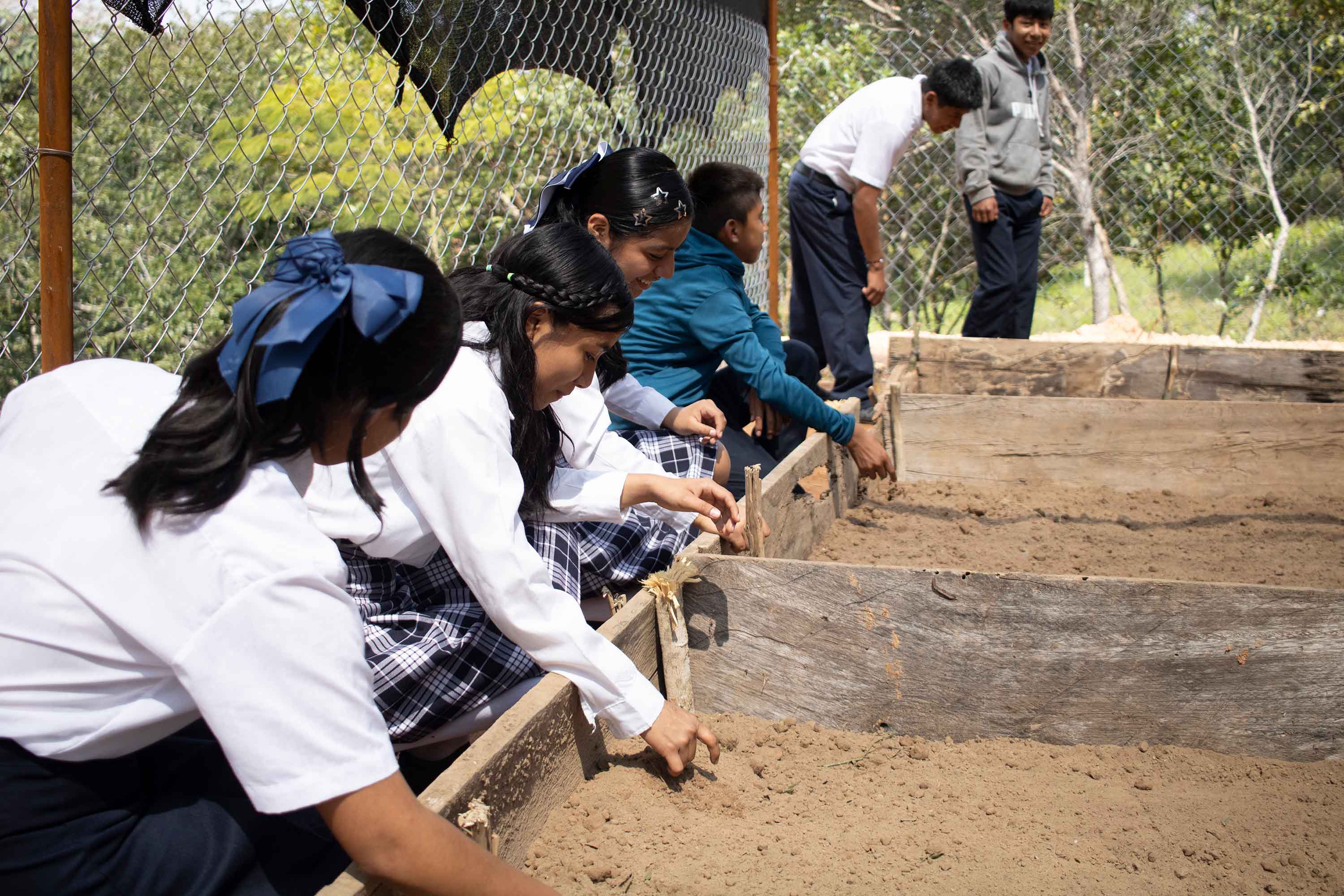
One of the fears at the start of the project was that this knowledge would not be passed on to the younger generations. But youth participation has been significant, partly due to the work UCIZONI has done in secondary schools with groups of students aged 12 to 15. Joining them in the communities are mainly women. They are the ones who organize the shifts in the gardens and sustain daily work.
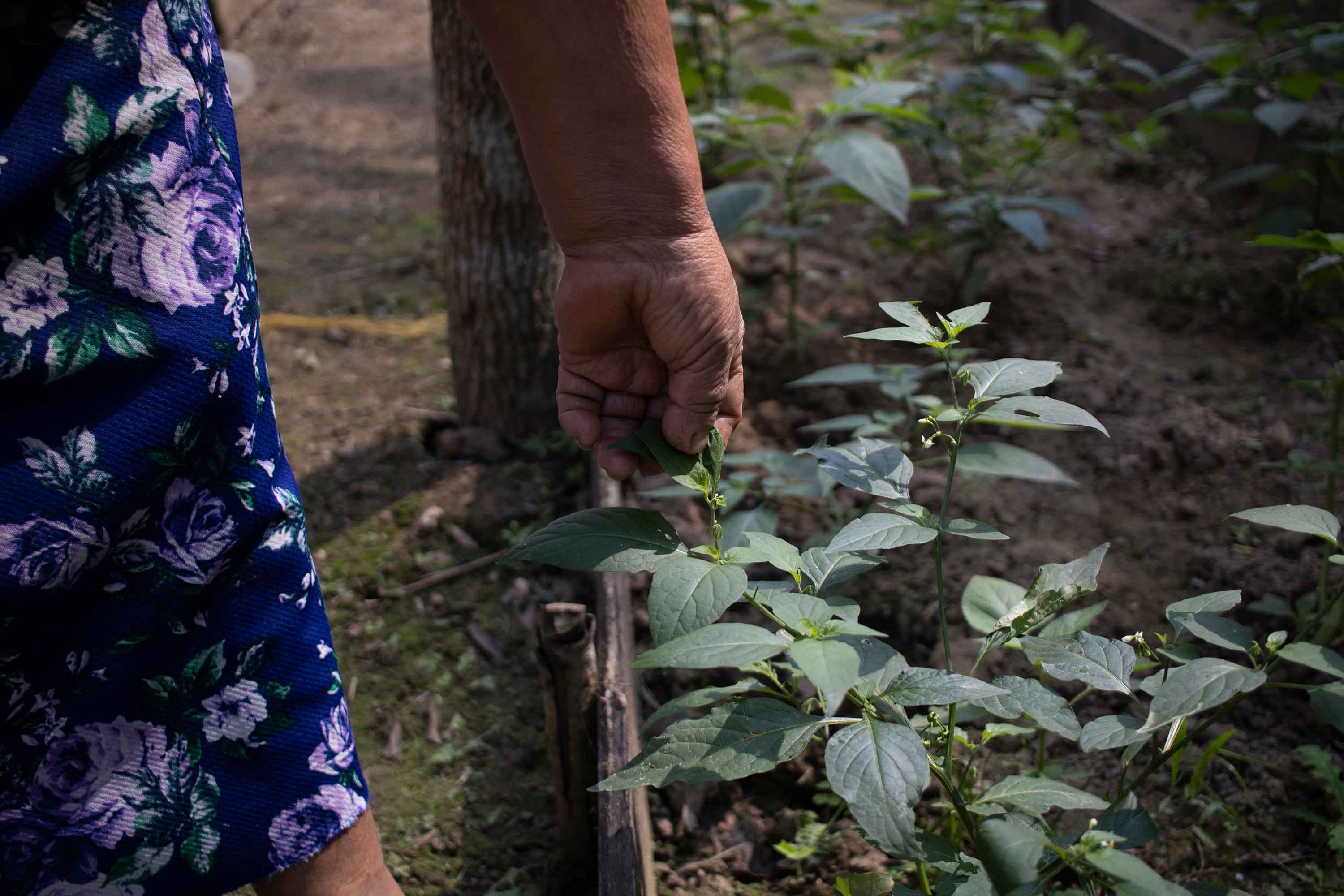
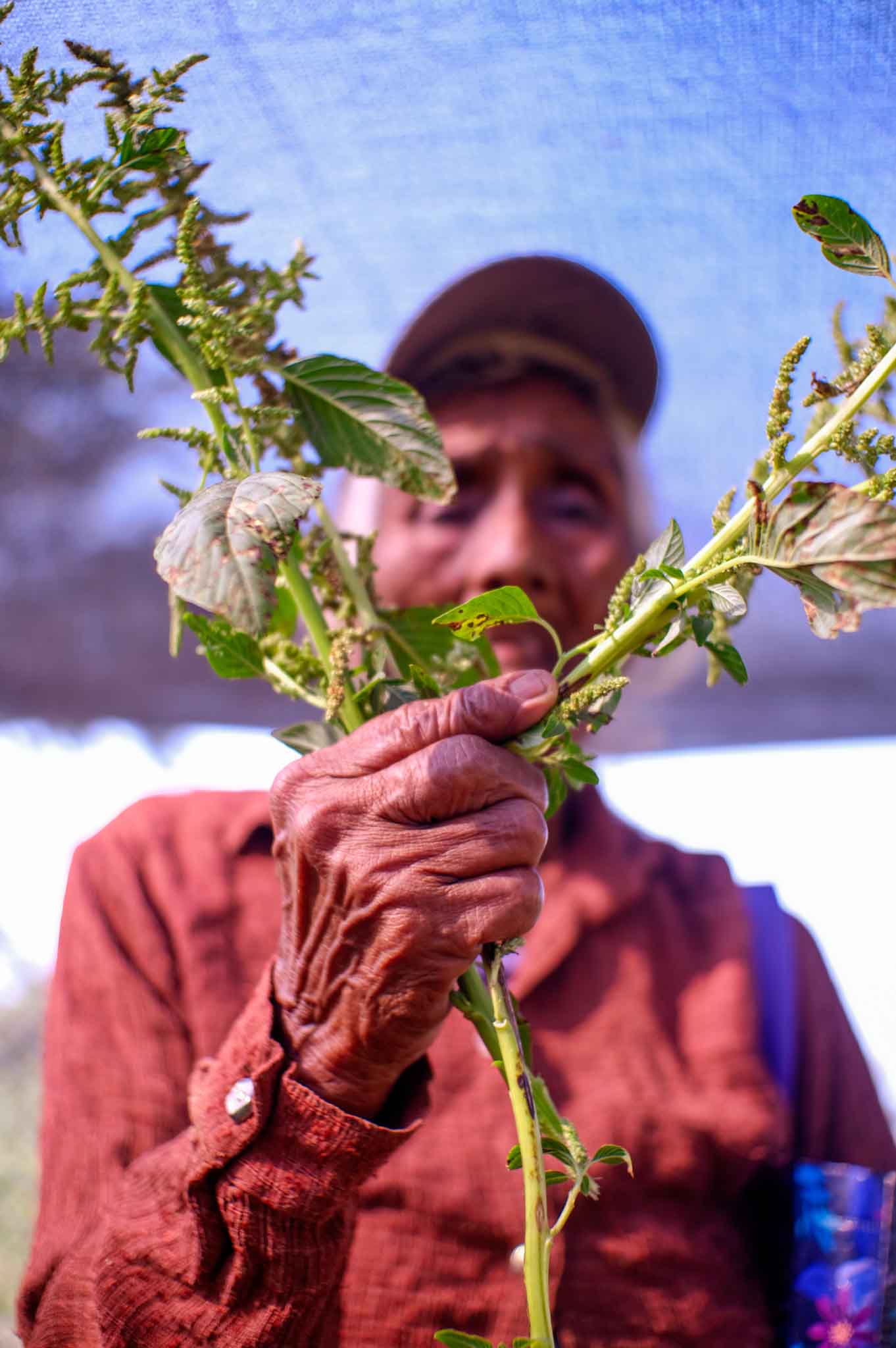
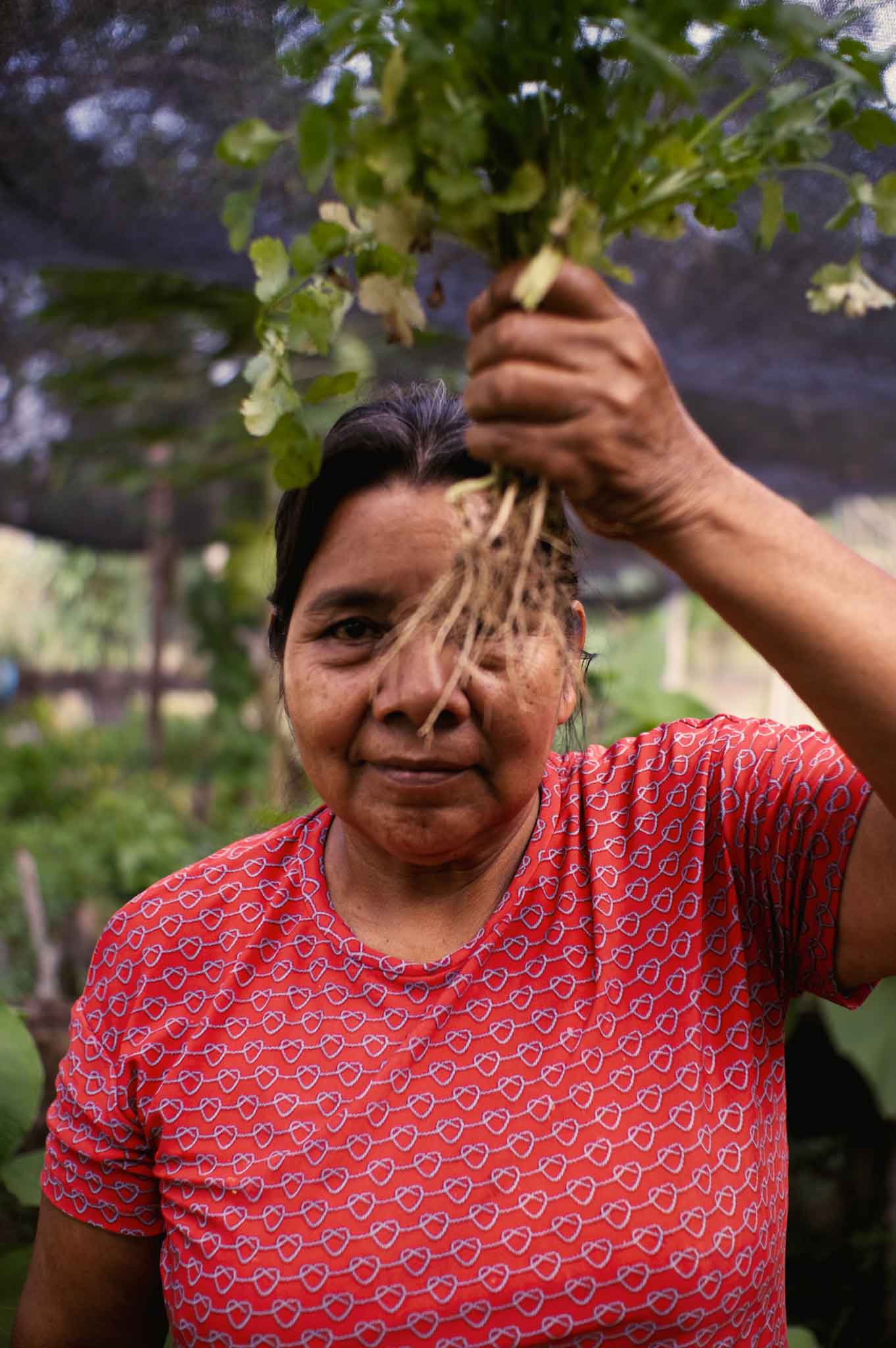
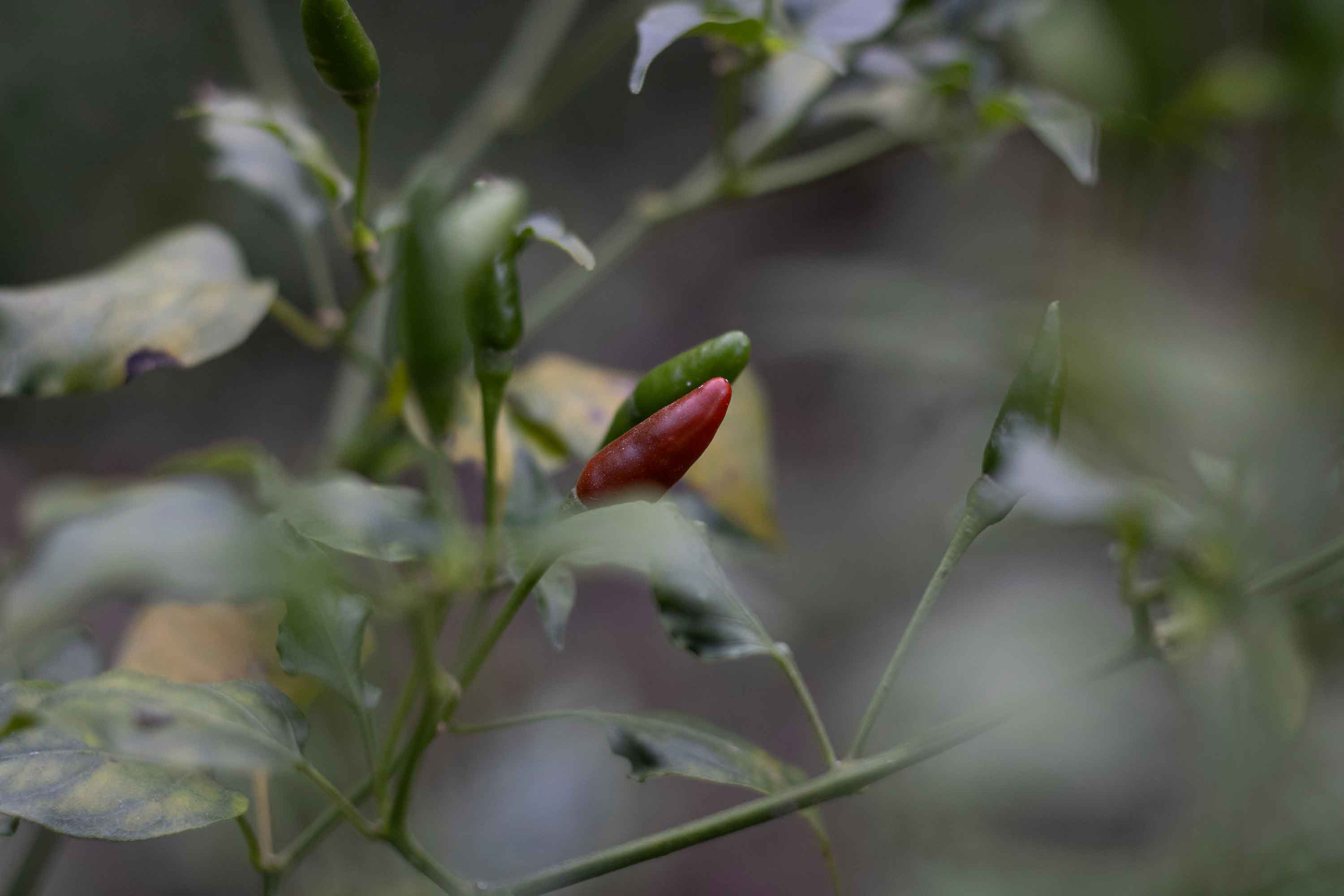
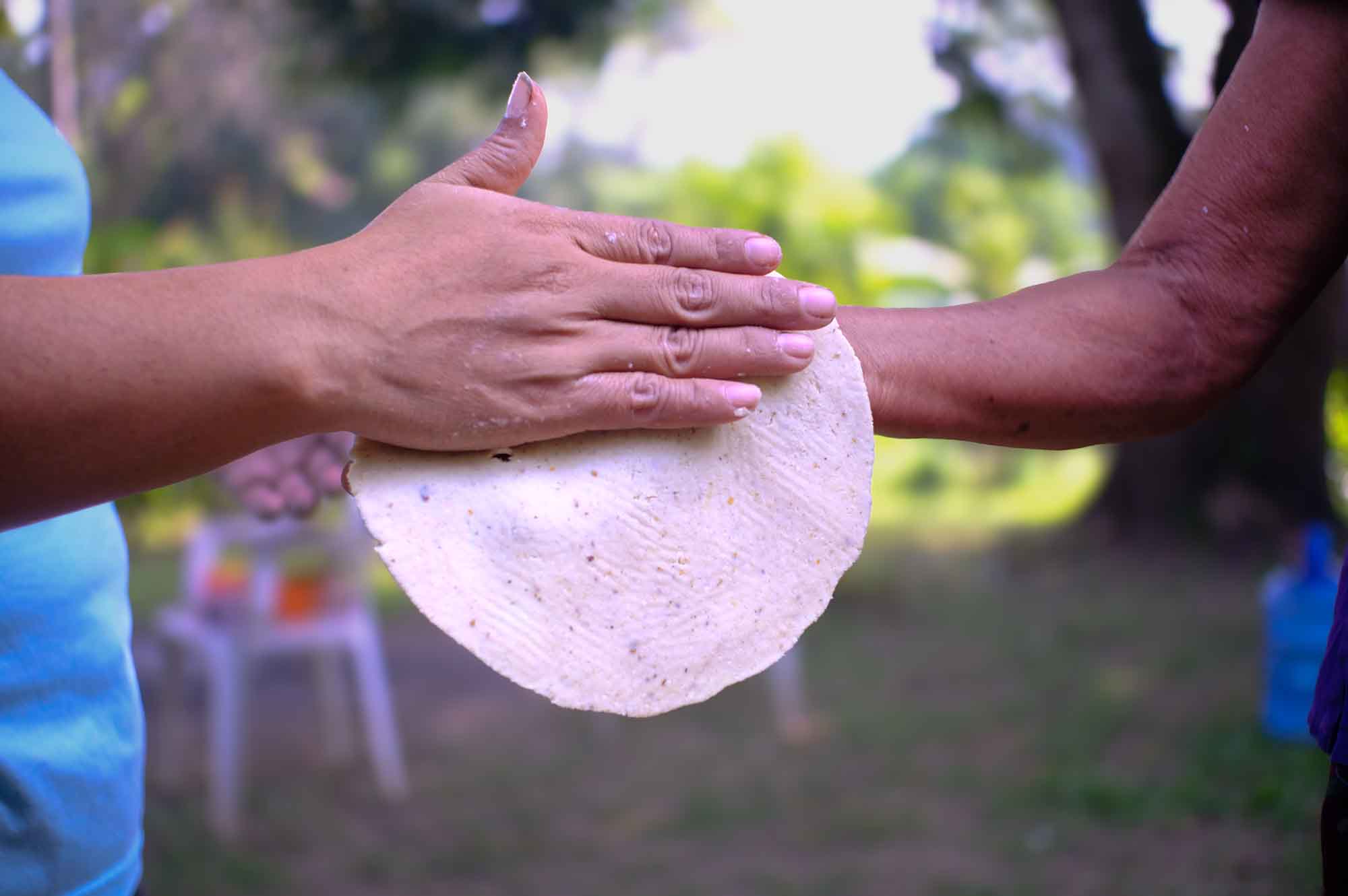
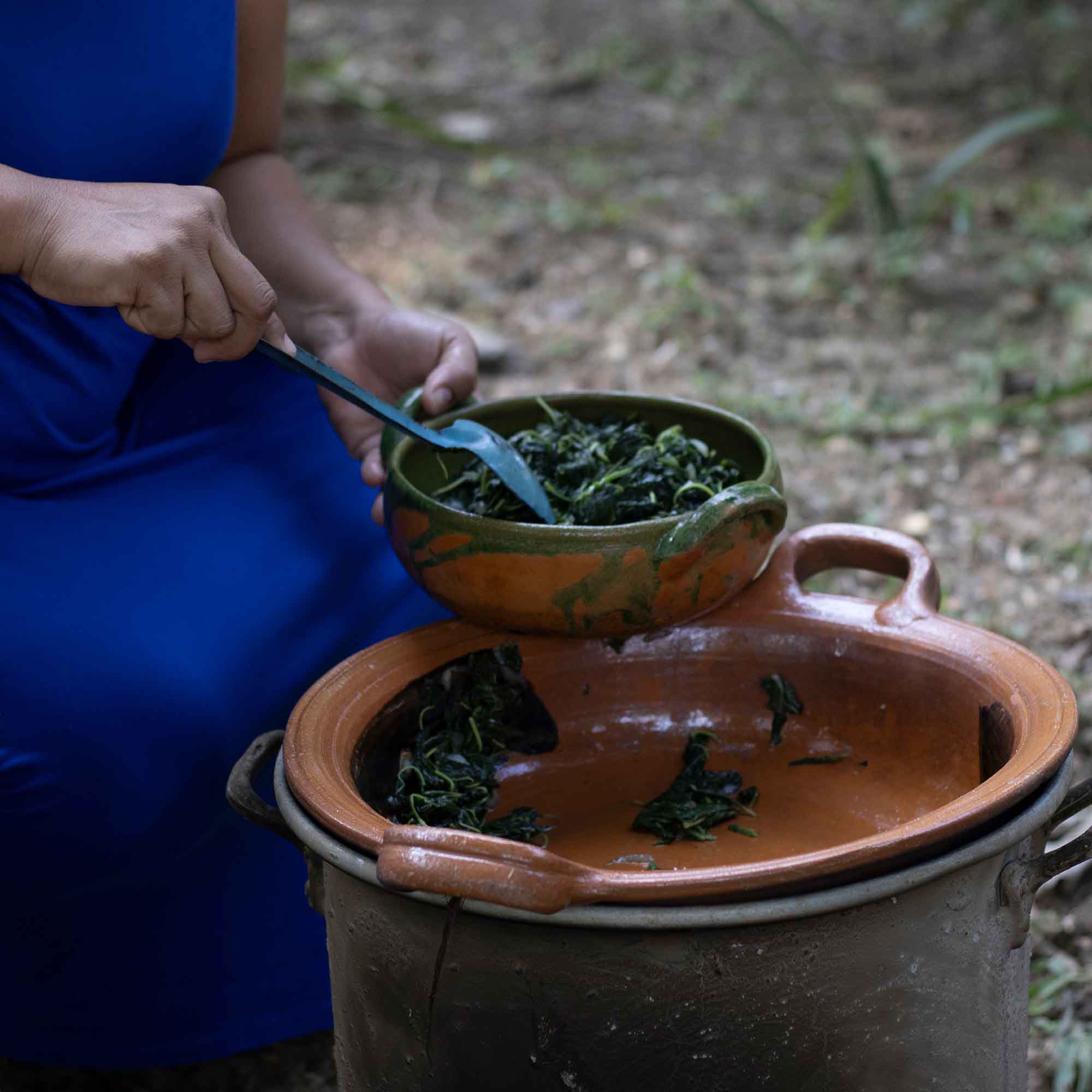
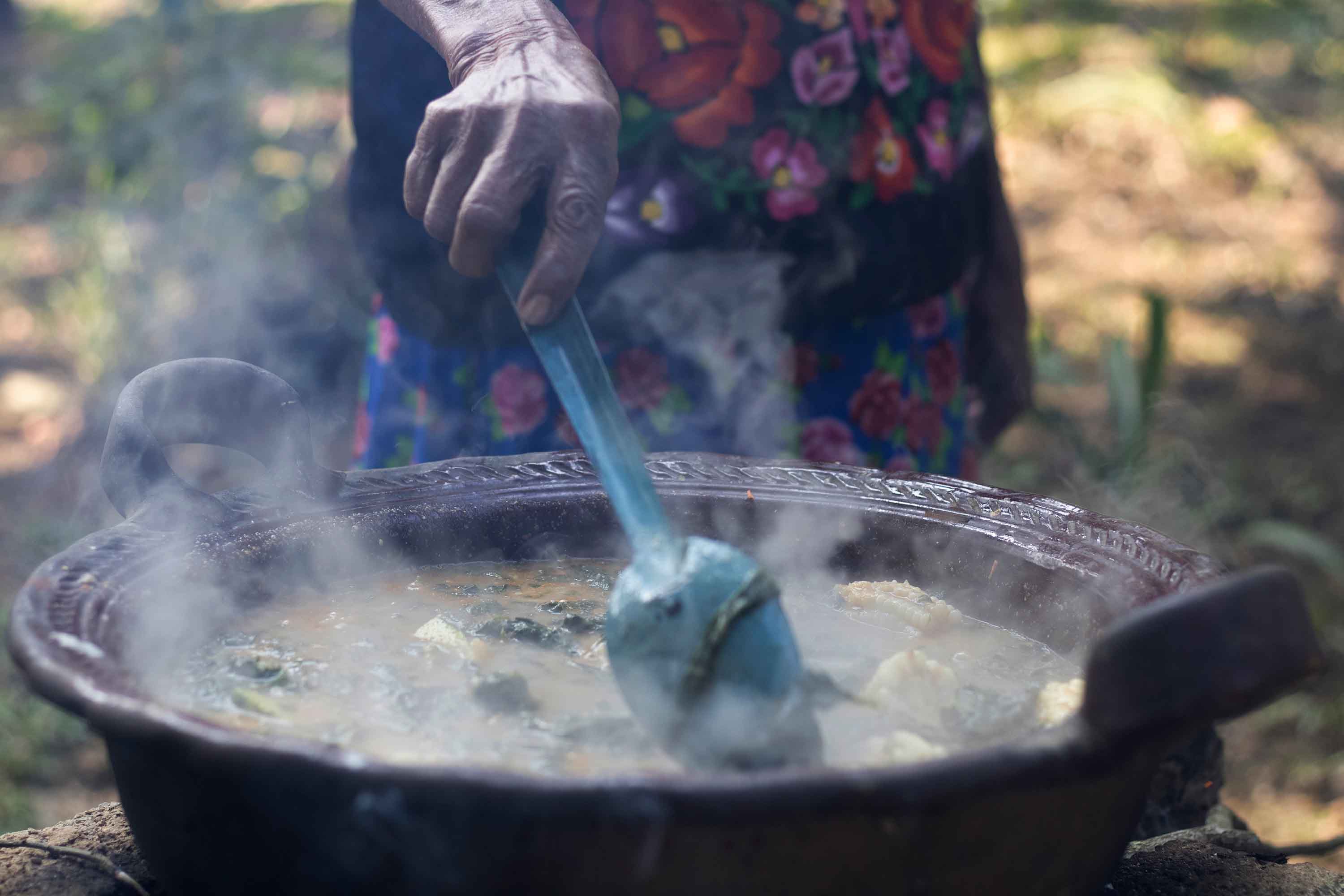
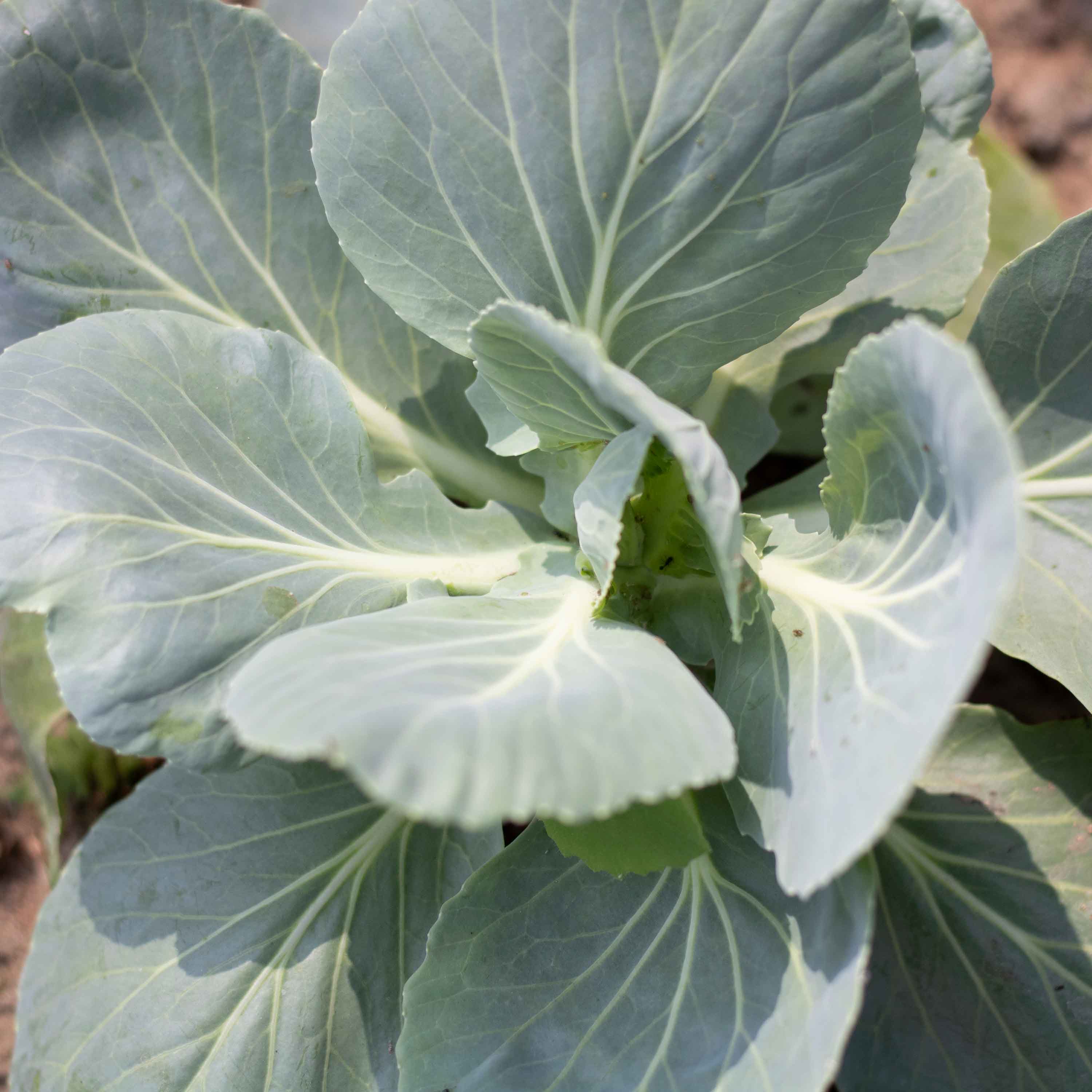
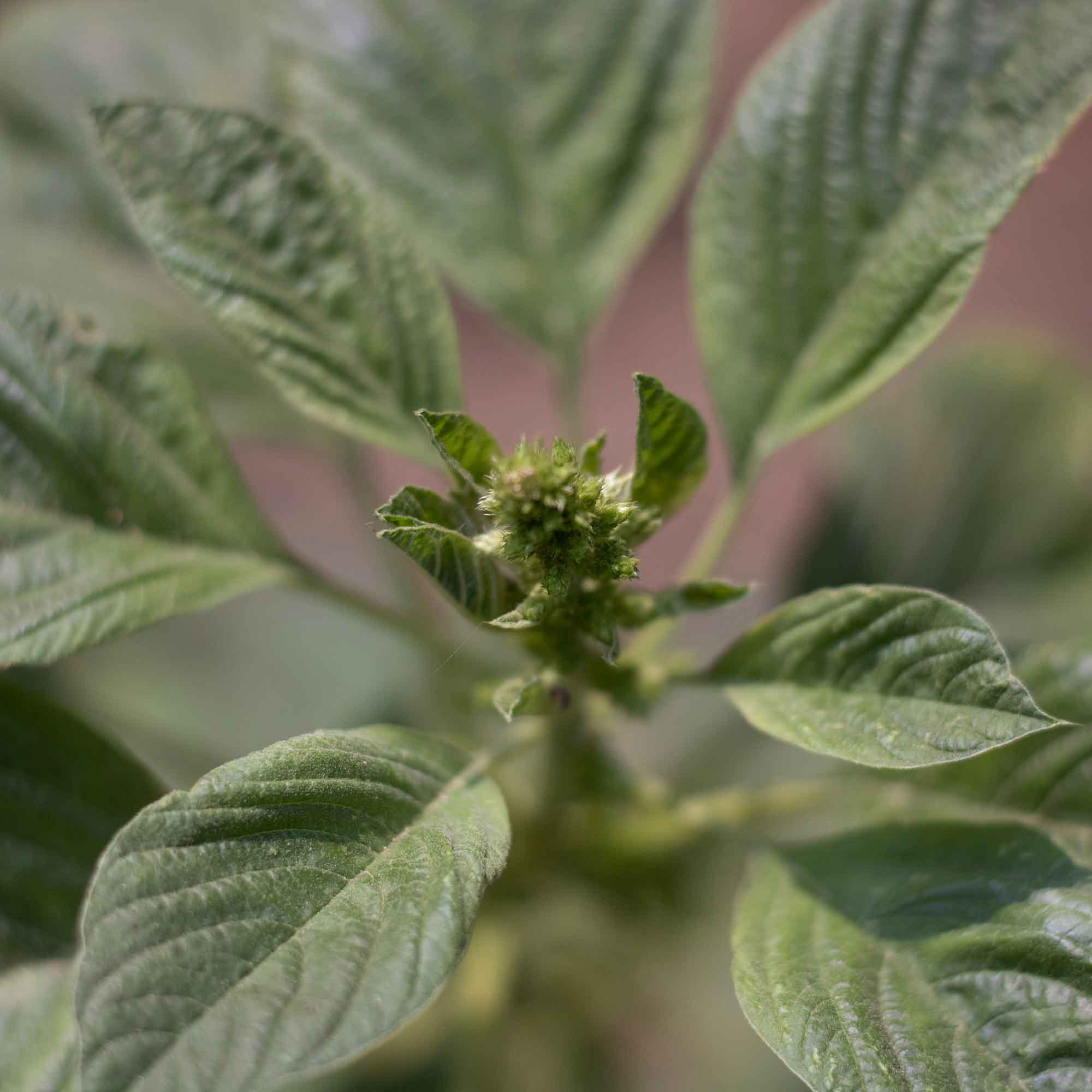
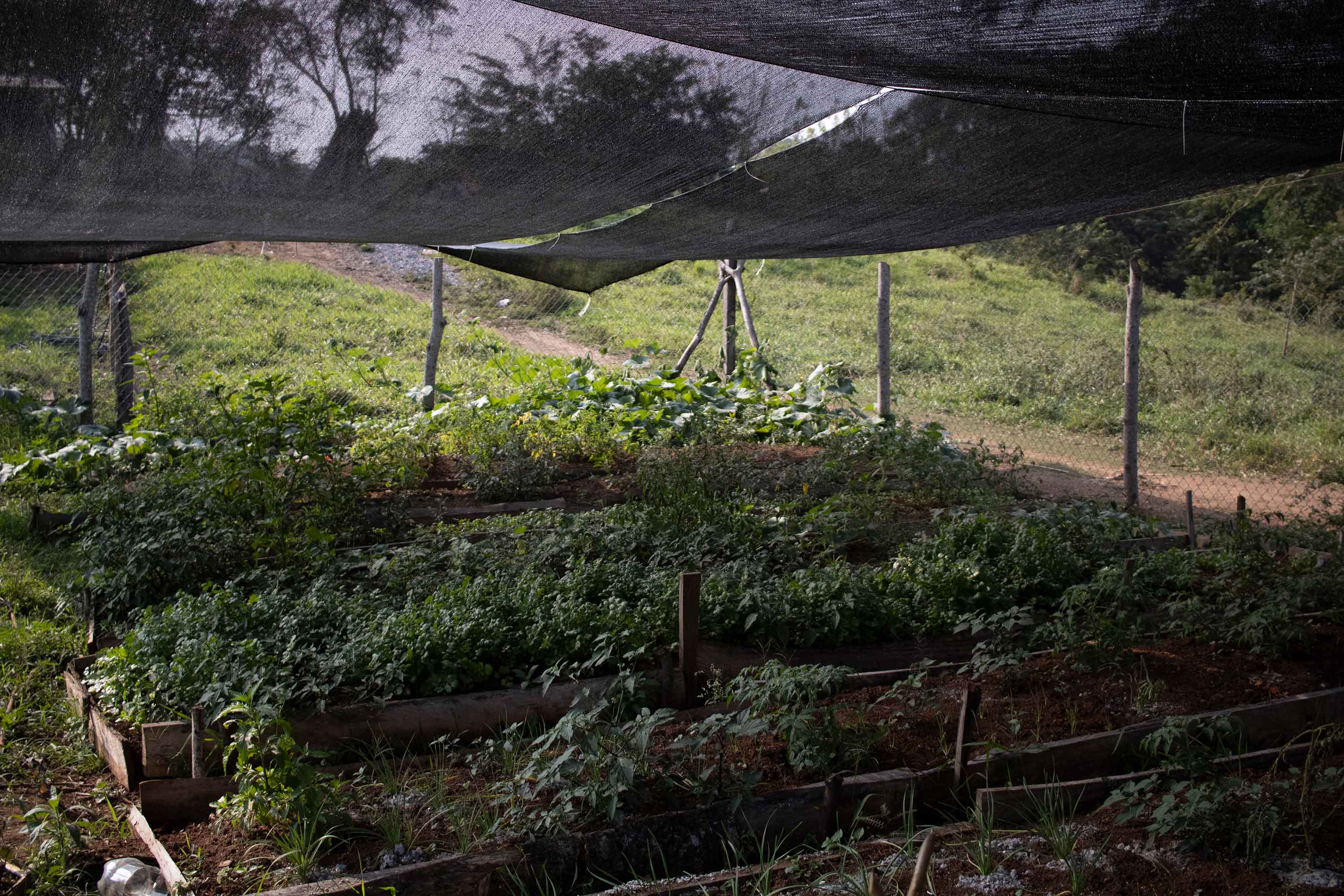
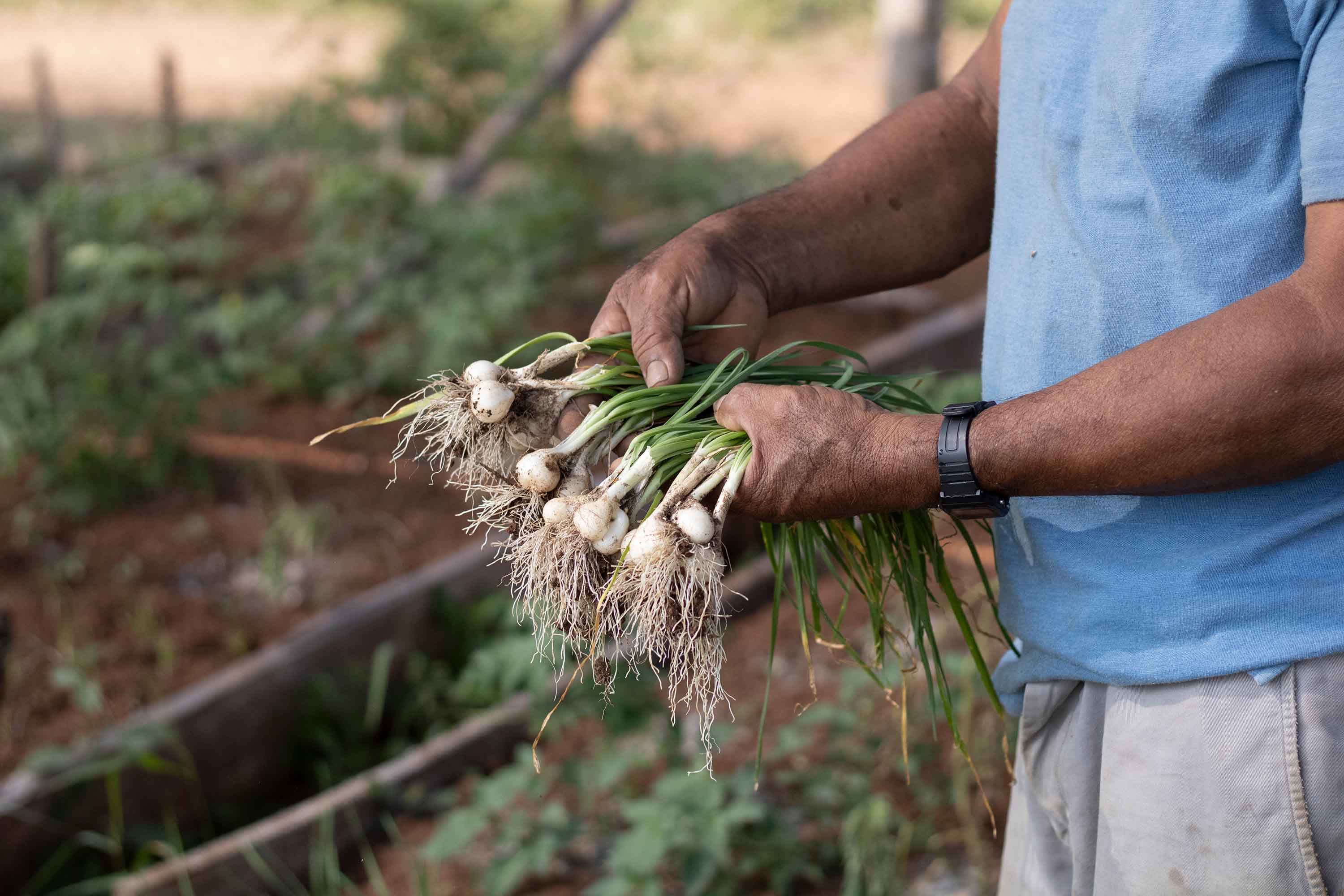
The gardens are small, and their priority is self-consumption. Many of the communities are already setting up their own, and the changes in production, though at a small-scale, are visible. As Rubicela explains, during her visits to the communities, she has been served quelites with beef bones, quelite tamales, and holy basil with chicken. “That’s nice because it reminds you of what you used to eat,” she says. That experience is reshaping the region’s relationship with food. As Eugenio adds, “it’s like going back a few years, to how our ancestors worked and ate.”